Wrocław in Summer: Weather, Sights and a Two- to Four-Day Plan
Plan a summer city break in Wrocław: what June to August is like, which outdoor sights to build your days around, and how many days the city needs.
On this page
Wrocław in summer needs two full days for the centre and the cathedral quarter, and three if you want the zoo, the Centennial Hall district and a slower evening by the river. June to August brings the longest days of the year and the city's outdoor spaces at their busiest, so the trick is to walk early, shelter at midday and keep the evenings for squares and fountains. This guide covers what the season is like, which sights to build your days around, and how to shape a two- or three-day plan.
What summer in Wrocław is like
Summer in Wrocław is warm rather than reliably dry, and the daylight is generous enough to walk well into the evening. Compare the months on the Best Time to Visit Wrocław page before you fix dates, because late June and July behave differently from the back end of August. Heat builds through the middle of the day, so the practical rhythm is an early start, an indoor hour or two after lunch, and a second walk from late afternoon.
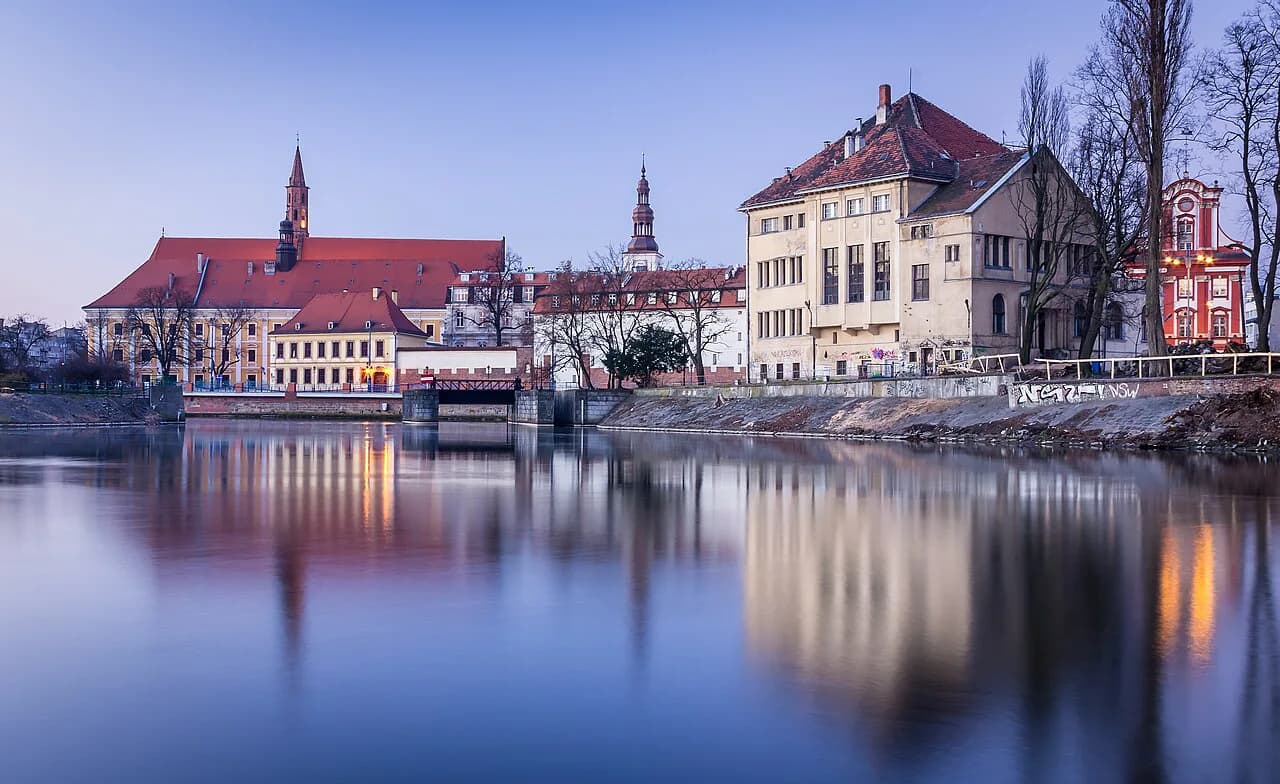
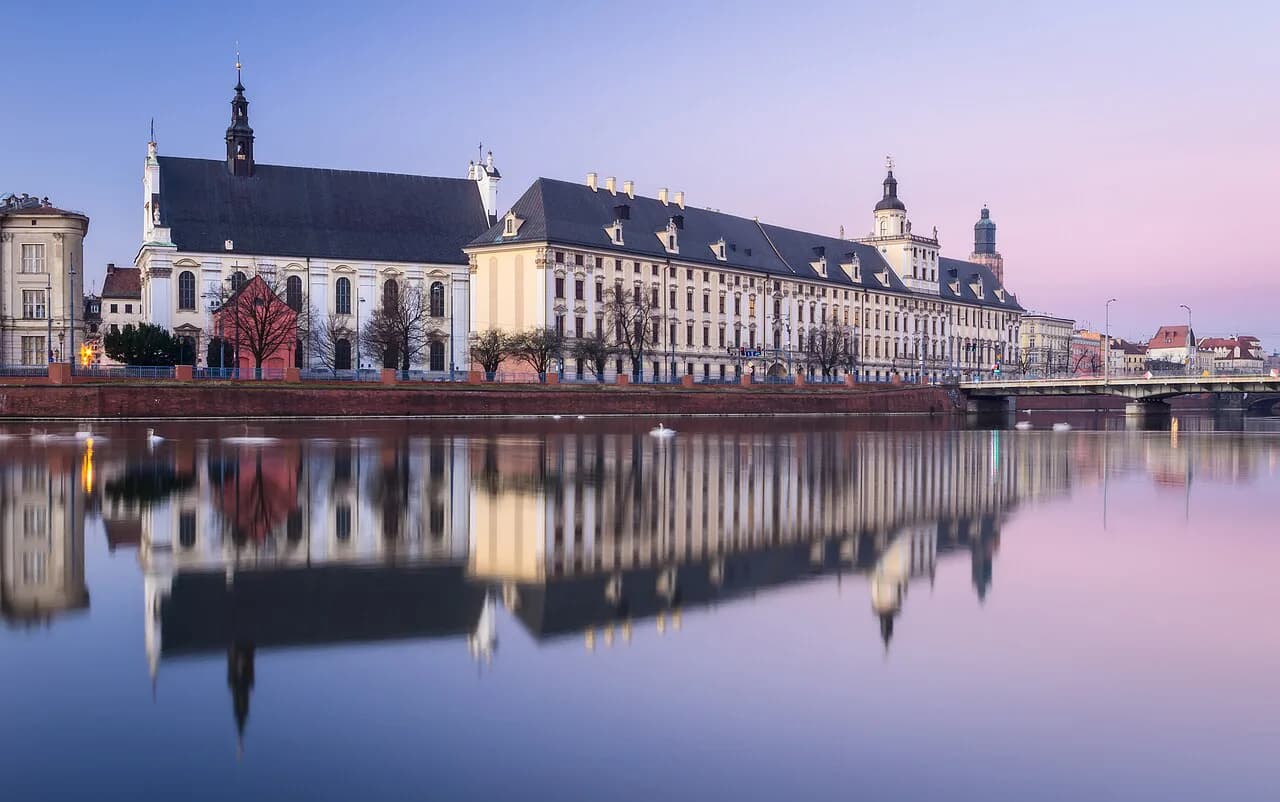
The city sits by the Odra at the foot of the Sudetes, on a network of channels and tributaries rather than a single waterfront, with more than a hundred bridges tying the quarters together. That layout matters in summer: the water and the tree cover around the moat and the islands take the edge off the heat, and the bridges give you short, shaded hops between sights. A compact umbrella earns its place in the bag for the short summer showers that pass through.
Why summer suits a Wrocław city break
The season's advantage is simple: everything that makes Wrocław distinctive is outdoors. The Market Square, the cathedral quarter, the riverside promenades and the fountain shows all work best in warm, light evenings, and you can fit more into a day when dusk comes late. The trade-off is crowds in the square and on the main sightseeing routes, plus heat in the paved, unshaded stretches.
Split the day deliberately. Do the Market Square and the walk to Ostrów Tumski before the day heats up, use the middle hours for a museum or an indoor attraction, and return outside for the evening. If you are weighing the season against cooler months, Wrocław in Spring and autumn give you the same streets with fewer people and shorter days.
The Market Square and Plac Solny
The Market Square is the natural start to any summer day, and the city's tourism pages list it first among the top things to do. It is a large, lively square lined with cafés and restaurant terraces, so it works for a coffee, a long lunch or an evening meal without much planning. The Town Hall in the middle is the piece to look at properly before the terraces fill.
Plac Solny, the smaller square just off the Market Square, is where the flower stalls sit, and it makes a good loop on the way to the cathedral quarter. In summer the two squares together are best treated as a base rather than a single sight: pass through in the morning, book a table for the evening, and use the space between for the rest of the city. The Wrocław Attractions: 12 Visitor Guides hub breaks down the individual sights if you want to pick one and go deeper.
Ostrów Tumski and the Penitent Bridge
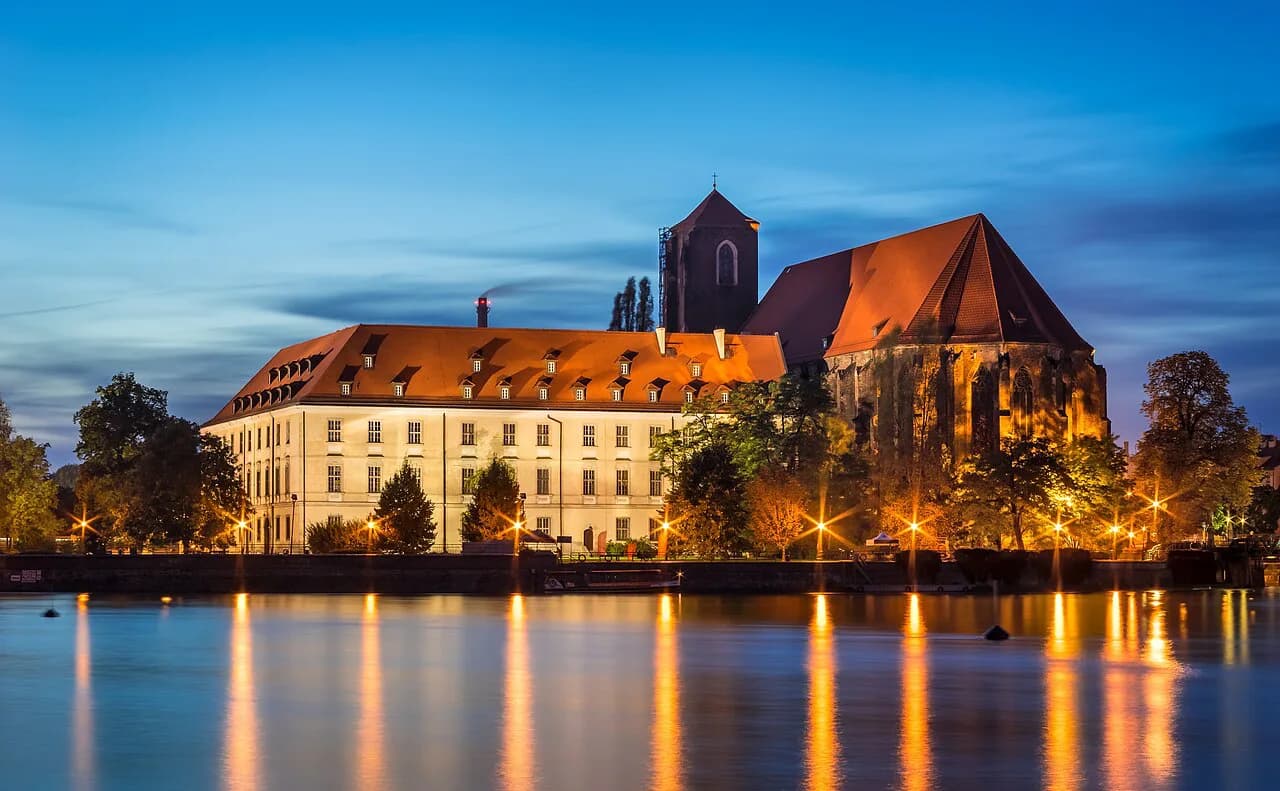
Ostrów Tumski is the old cathedral quarter across the Odra, and in summer it is the city's most atmospheric early-morning walk. The tourism listings name it among Wrocław's top things to do, and the appeal is the quiet: cobbled lanes, churches and river views before the tour groups arrive. Go first thing, before the heat builds.
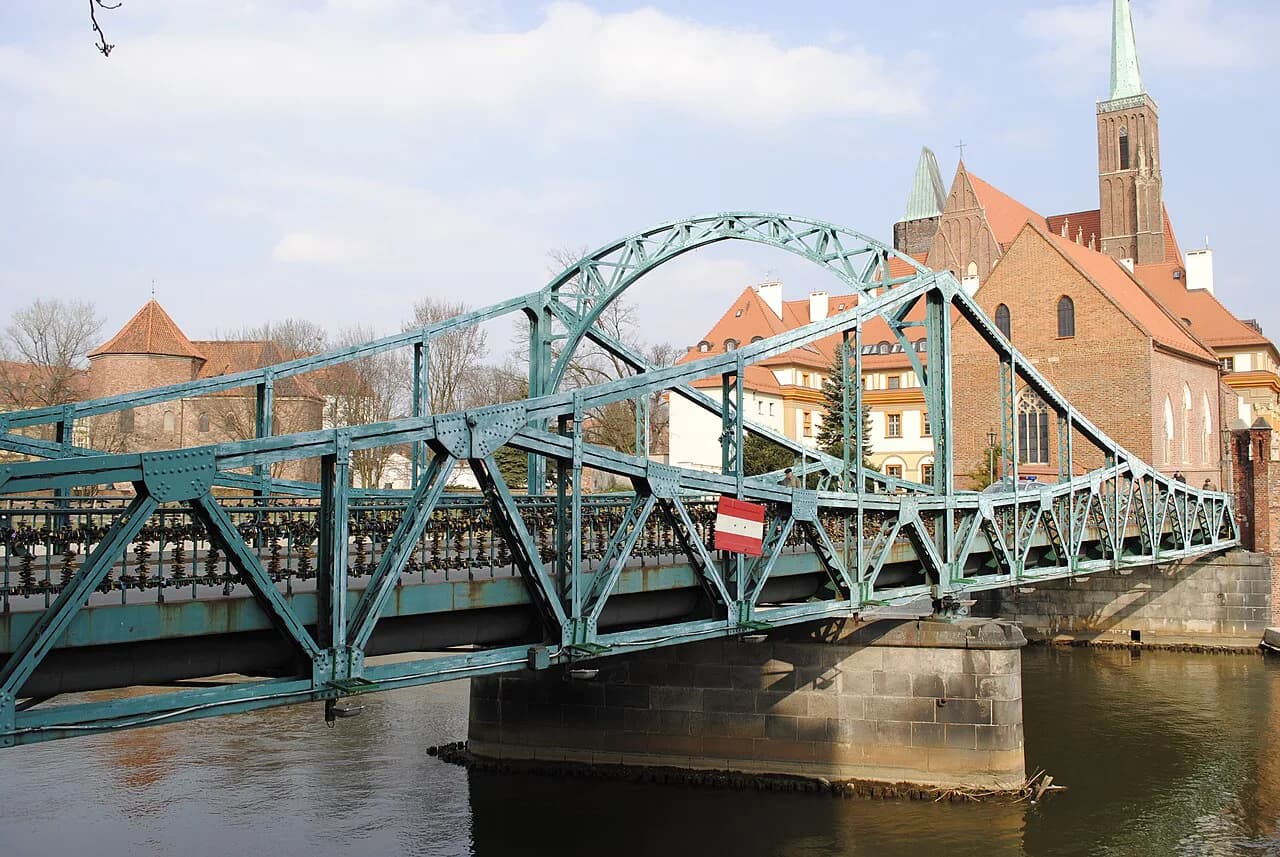
The Penitent Bridge, a green iron footbridge linking the towers of two churches, is the small set piece of the quarter and is listed among sights seen only in Wrocław. Pair it with the riverside and then cross back into the centre; the Best Time to Visit Wrocław page sets out how the city's outdoor quarters work across the seasons.
The Odra islands and bridges
Wrocław's summer identity is its water: the city spreads across a dozen islands strung together by more than a hundred bridges. That makes a riverside walk the cheapest and most pleasant way to fill a couple of hours, with channels opening up views you never get from the streets. An Odra river cruise from the centre is one way to see it from the water, listed among the city's things to do; check departure times and operating months with the operator before you build a day around one.
Walk rather than rush. Cross a few bridges, follow the promenade as far as it takes you, and stop where the trees give shade; this is the part of a Wrocław summer day that does not need a ticket. Keep an eye on the sky, because a shower can turn a riverside stroll into a dash, and there is usually a café or covered arcade within a few minutes.
Centennial Hall and the Multimedia Fountain
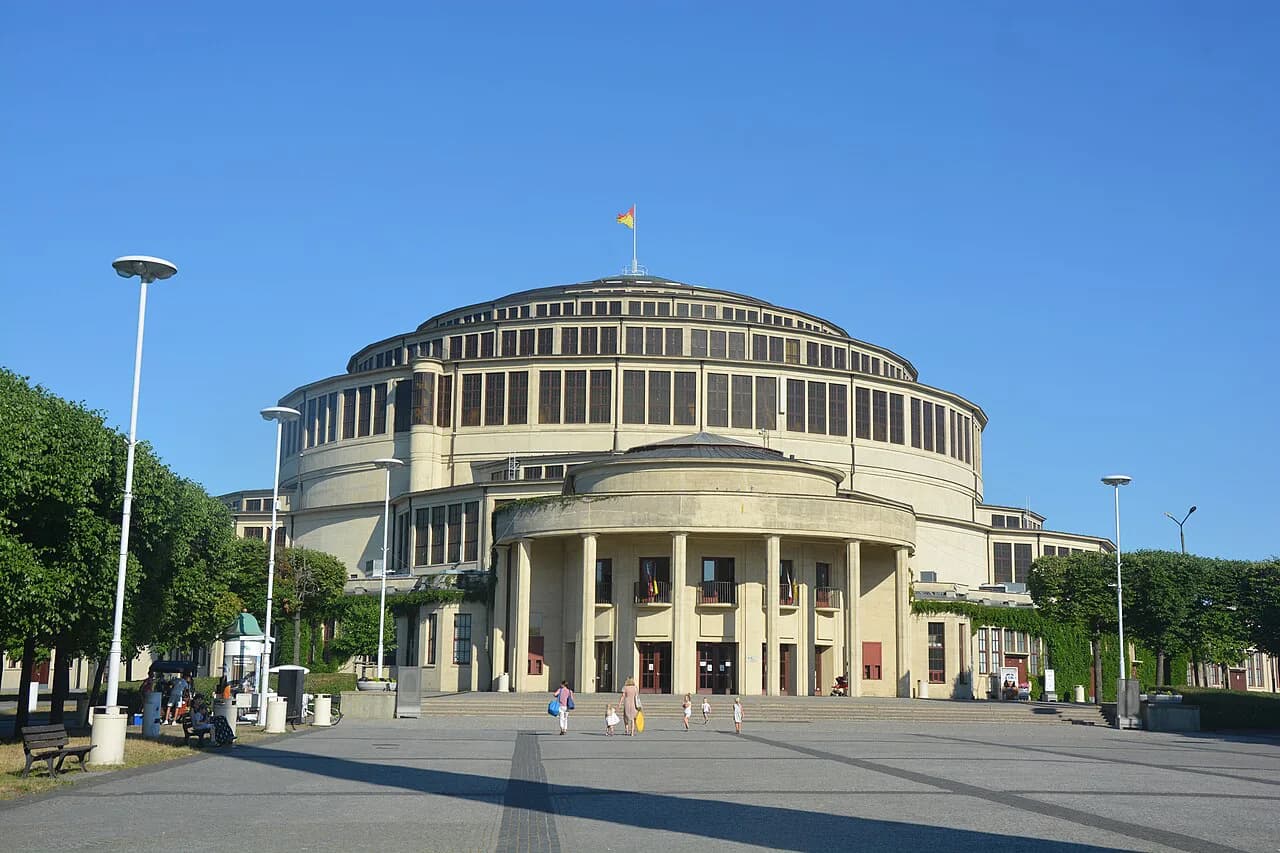
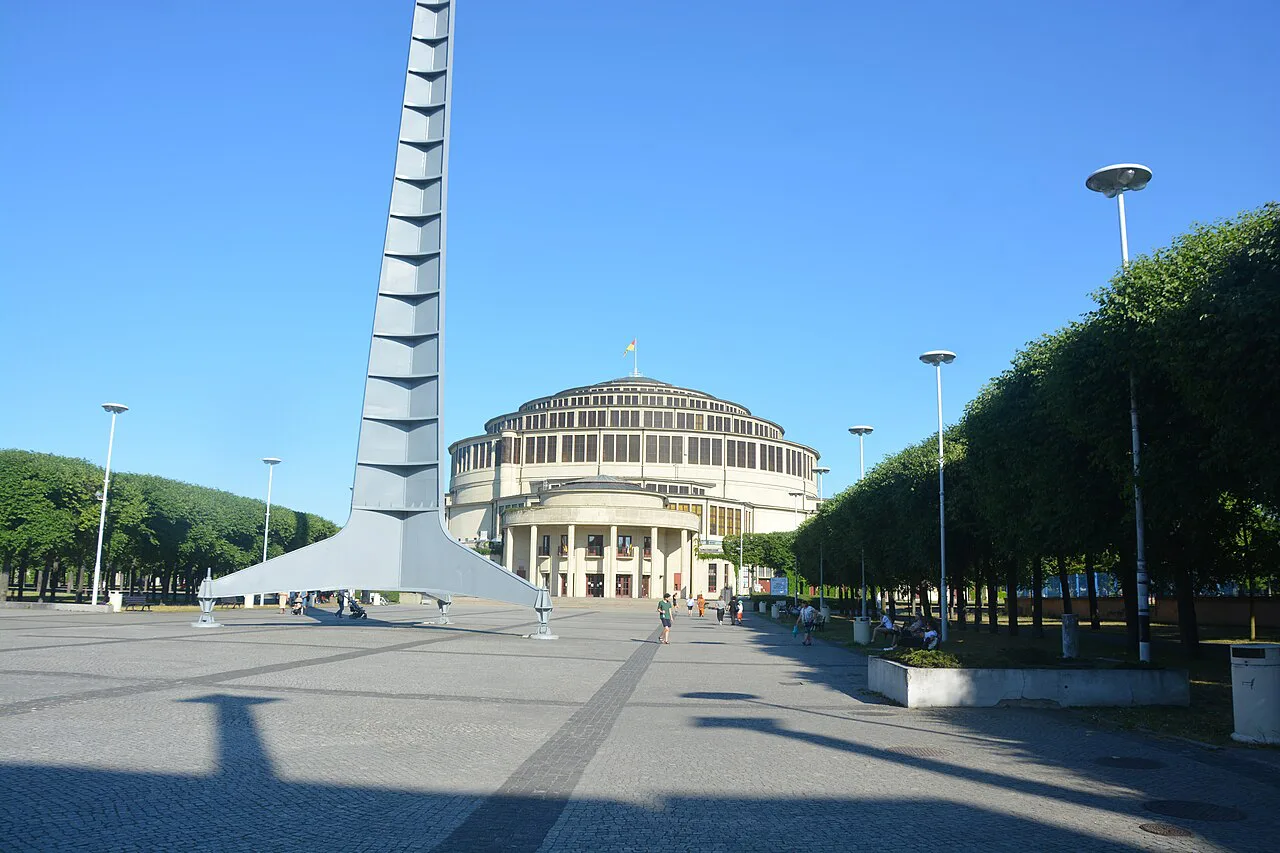
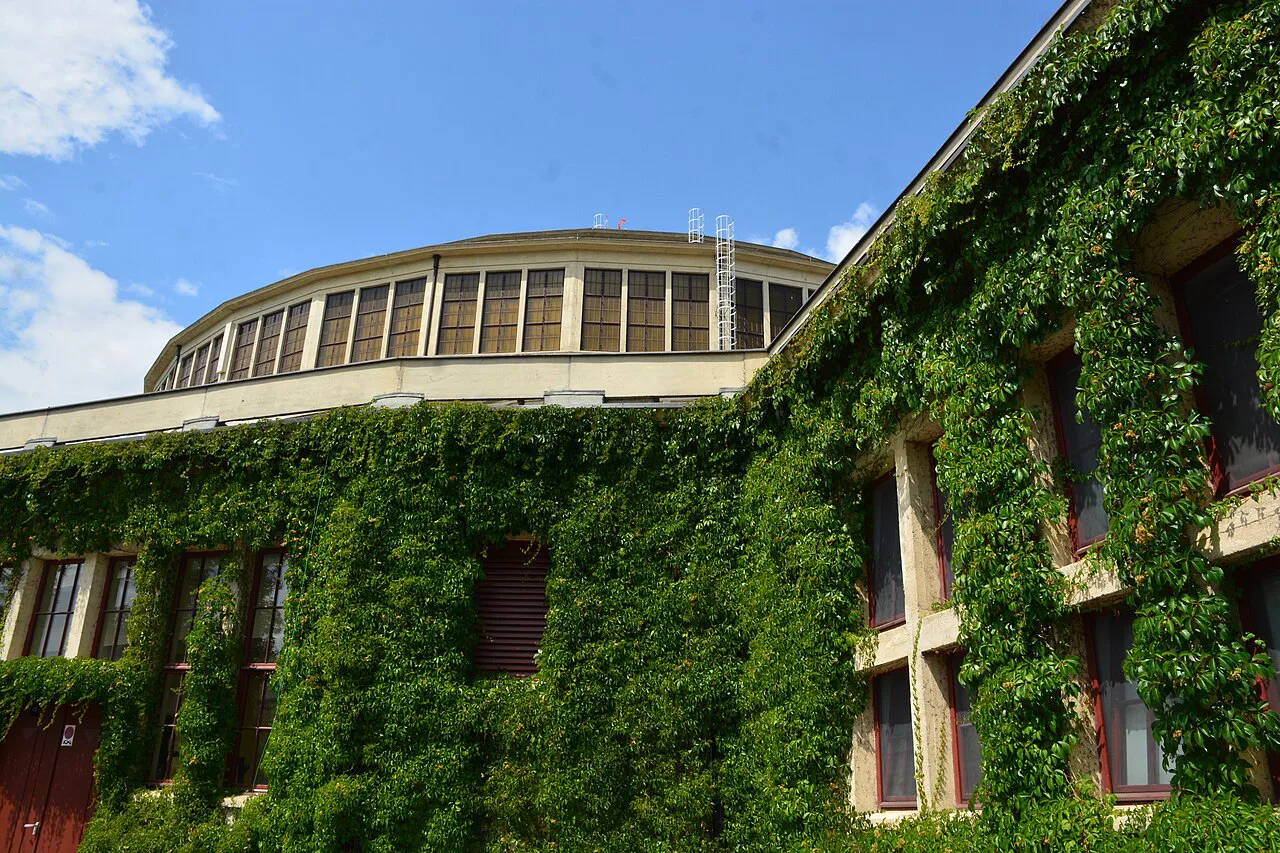
The Centennial Hall district, out to the east, pairs an early-20th-century exhibition hall with the Multimedia Fountain beside it. The city's tourism pages present them together, and the fountain is the evening reason to come: check the current show schedule before travelling, and on a summer night with a performance on, arrive before dusk to get a spot and treat the show as the close of your day.
Because the district sits outside the old centre, it works best as a dedicated evening rather than something you drop into between other sights. Allow a slow stroll there through the surrounding park, then take a tram back into the centre. It is the one part of the plan that asks you to commit a whole evening rather than an hour.
Hydropolis and the ZOO and Afrykarium
When the heat or a downpour arrives, the city's indoor attractions are the answer, and the tourism pages put Hydropolis, a water-themed exhibition centre, on the list. It is a good middle-of-the-day stop that keeps you out of the weather and still gives you something specific to see. The ZOO with its Afrykarium ocean hall is the other big indoor-outdoor option, with the chance to step inside when the sun is at its strongest.
Both are half-day commitments rather than quick stops, so pick one per summer day. The zoo and Afrykarium appeal to families and need more time; Hydropolis suits a shorter, cooler slot. Each venue publishes its own opening days and tickets.
Summer days and opening times
Several Polish museums close one day a week, and Wrocław's venues are no different in principle, so build the plan around which day your chosen museums are shut. Decide which one or two indoor sights matter most, look up their published opening days for your dates, and slot the outdoor walking around them. That ordering is more useful than a rigid timetable, because it lets the weather decide the rest.
How many days in Wrocław in summer
Two full days is the honest minimum. Day one: the Market Square and Plac Solny in the morning, Ostrów Tumski and the Penitent Bridge before the heat, then the riverside and an evening back in the square. Day two: the Centennial Hall and Multimedia Fountain in the evening, with an indoor attraction such as Hydropolis or the Afrykarium in the afternoon if the weather turns.
A third day lets you go slower, take a river cruise, and see the zoo properly without squeezing it in. Beyond three days, add one of the city's other visitor guides rather than padding the centre. The Best Time to Visit Wrocław page lays out how these days shift in spring and autumn.
Where summer fits against spring and autumn
Summer wins on daylight and atmosphere: the squares are alive, the fountains run and the riverside is at its best. The cost is crowds and the occasional hot, sticky afternoon, which is why the early-morning and evening rhythm matters. Spring and September trade some of that atmosphere for quieter streets and milder walking weather.
If your dates are flexible and you mainly want to walk the city, either shoulder month does the job with fewer people about. If you want long light evenings and the full outdoor Wrocław, summer is the one to book.
Rough costs in złoty and a cheap summer day
A summer day in Wrocław can be built largely around outdoor wandering: the Market Square, Plac Solny, the walk to Ostrów Tumski, the Penitent Bridge and the riverside all make for low-cost walking. Spend money on one paid attraction, a lunch table in the square and a tram back if your feet give out. Ticket prices for the museums and the zoo are not something to guess at, so check each venue's own page for what it charges in złoty before you commit.
Is summer the right season for your Wrocław break?
Choose summer if you want long evenings on the Market Square, the walk to Ostrów Tumski before the day heats up, and the Multimedia Fountain after dusk. Choose spring or September if you would rather have the same streets with fewer people and cooler walking.
Whichever you pick, plan around two long walking days and one indoor option, and let the weather set the order rather than the other way round. Match the indoor sights to their published opening days.
Explore more Wrocław guides
Frequently Asked Questions
How many days do you need in Wrocław in summer?
Two full days cover the Market Square, Plac Solny, Ostrów Tumski, the riverside and the Centennial Hall fountain area. A third day lets you add the zoo, a river cruise and a slower evening in the centre.
Is Wrocław a good summer city break?
Yes for an outdoors-led break: the Market Square, the cathedral quarter and the Odra bridges are all within walking distance of each other, and late daylight lets you spread sightseeing across a long day. The trade-off is crowds in the square and heat in its paved, unshaded stretches.
Is Wrocław cheap for a summer city break?
Many of the best summer activities are free to wander: the two squares, the cathedral quarter and the riverside bridges. Budget for one paid attraction, a meal in the Market Square and the occasional tram ride, and confirm current prices with each venue.
How do you handle hot summer days in Wrocław?
Walk early and late and use the middle of the day for an indoor attraction such as Hydropolis or the Afrykarium. The water and trees around the moat and islands make the riverside cooler than the paved squares.
Which Wrocław sights need a whole evening?
The Centennial Hall district and Multimedia Fountain sit outside the old centre, so they work best as a dedicated evening with a tram back rather than a stop between other sights.
Sources
Notes for your next Polish city break
Optional updates to our Poland guides.
You might also like
Continue reading
More guides you'll find useful