
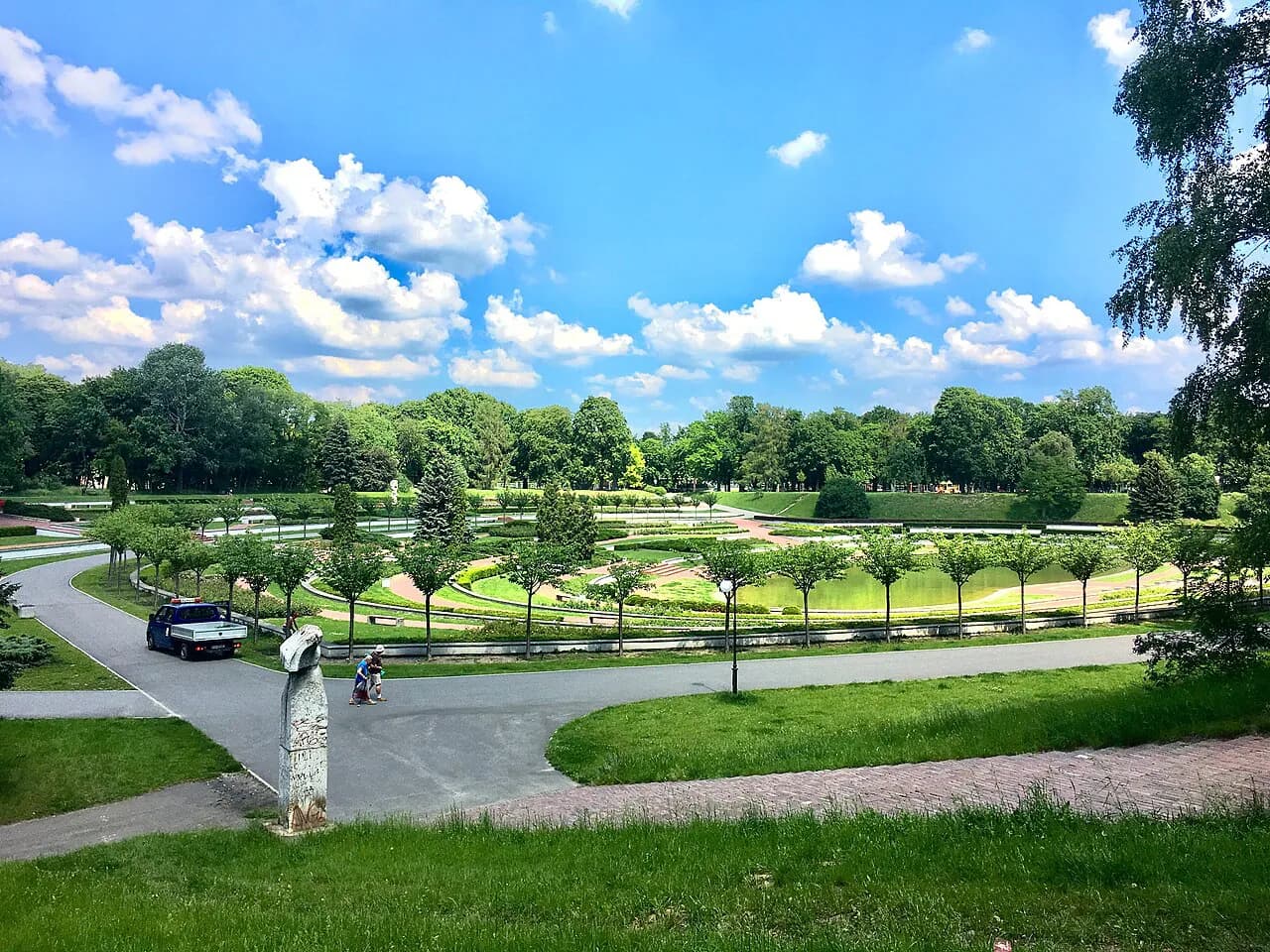
Park Cytadela in Poznań: what to see at the Citadel

Park Cytadela is Poznań's largest park, laid out on the ground of a 19th-century Prussian fortress north of the old town, and it is best treated as a walk through fortifications and military cemeteries rather than a city park with flower beds. It is open ground that you wander at will, so the visit costs you time rather than a ticket. This page covers where the park sits, how to reach it, what survives of the fortifications, the memorial ground inside, and how much of a day to give it.
What Park Cytadela is and where it sits
The park lies north of the old town, a short walk beyond the city centre, and covers close to 100 hectares of grass, trees, paths and surviving military structures. It takes its name from the Citadel fortress built on the site, and much of what you see today is the fort's earthworks softened by a century of planting. Expect slopes, ramparts and long sightlines rather than formal gardens.
This is a place people come to walk, run and remember, not a landscaped attraction with a single entrance and a ticket desk. The result is a park that rewards curiosity and a bit of planning: you need to know what you are looking for before you set off across it. For the wider set of sights around the city, see the Poznań Attractions: 9 Visitor Guides collection.
The park is described as a large green space open all year, with a military cemetery and 19th-century fortifications among its contents. Treat that as a starting point rather than a schedule, and confirm any seasonal access at the park itself.

How to get there and how long to allow
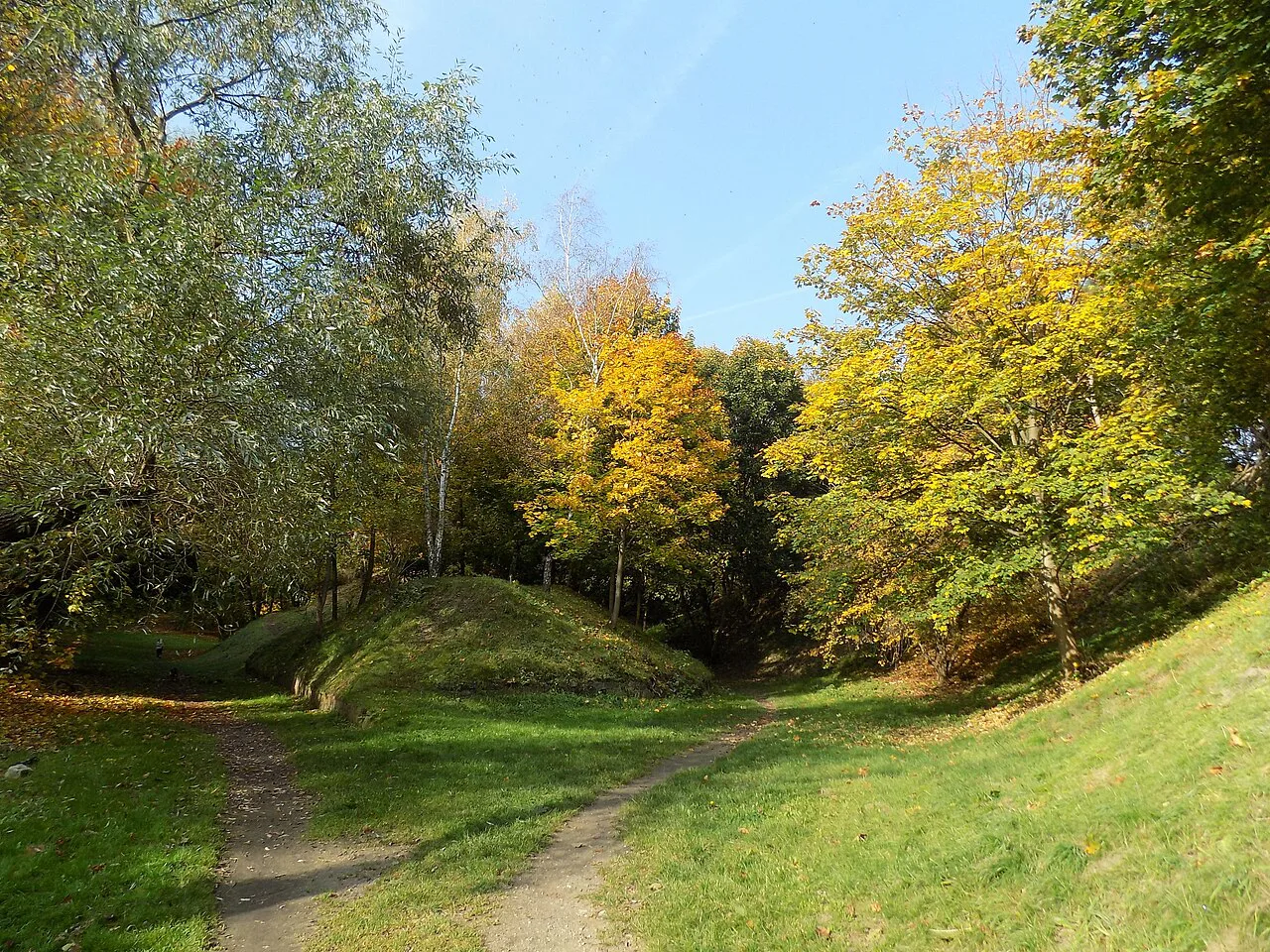
From the old town, the park is a straightforward walk north, and it is close enough to reach on foot from the centre rather than needing a bus or tram. Come in from the southern side and you climb gently onto the fortifications, which sets the tone for the rest of the visit. Comfortable shoes matter more than any ticket, because you will be on gravel, grass and uneven ramparts.
Half a day is a sensible allowance if you want to see the fortifications, cross the memorial ground and take in a viewpoint or two without rushing. A brisk circuit of the main paths takes considerably less, but that defeats the point of a site this size. The trade-off is clear: the park suits a slow walker with an interest in history and less well a traveller ticking off sights in a tight schedule.

The 19th-century fortifications and what survives
The fortifications are the reason the park exists in its current shape. Earth ramparts, ditches and brick structures from the Prussian-era Citadel remain scattered through the trees, and they are best understood as a defence system you walk through rather than a monument you queue for. Look for the change in level as you cross the park: those slopes are the old defences.
Some of the fort buildings are substantial and have been put to other uses over the years, but access to interiors varies. Plan on seeing the exteriors and the earthworks, and treat any open building as a bonus. Because the park has no single visitor centre, the self-guided walk is the format.
The military cemeteries and memorial ground
A large part of the park is given over to military cemeteries and memorial ground, and this is the side of the Citadel that most deserves a slower pace. Graves from different conflicts sit among the trees, and the atmosphere changes abruptly from open lawn to quiet, ordered rows. Walk quietly, keep to the paths between the graves, and leave the picnicking for the open grass elsewhere in the park.
One account of the park points out that a military cemetery forms part of the site alongside the fortifications, which is worth knowing before you arrive so the visit does not come as a surprise. The memorial ground is not a separate attraction with its own admission; it is part of the same walk. Give it time rather than photographing it from the edge.
Open ground, paths and viewpoints
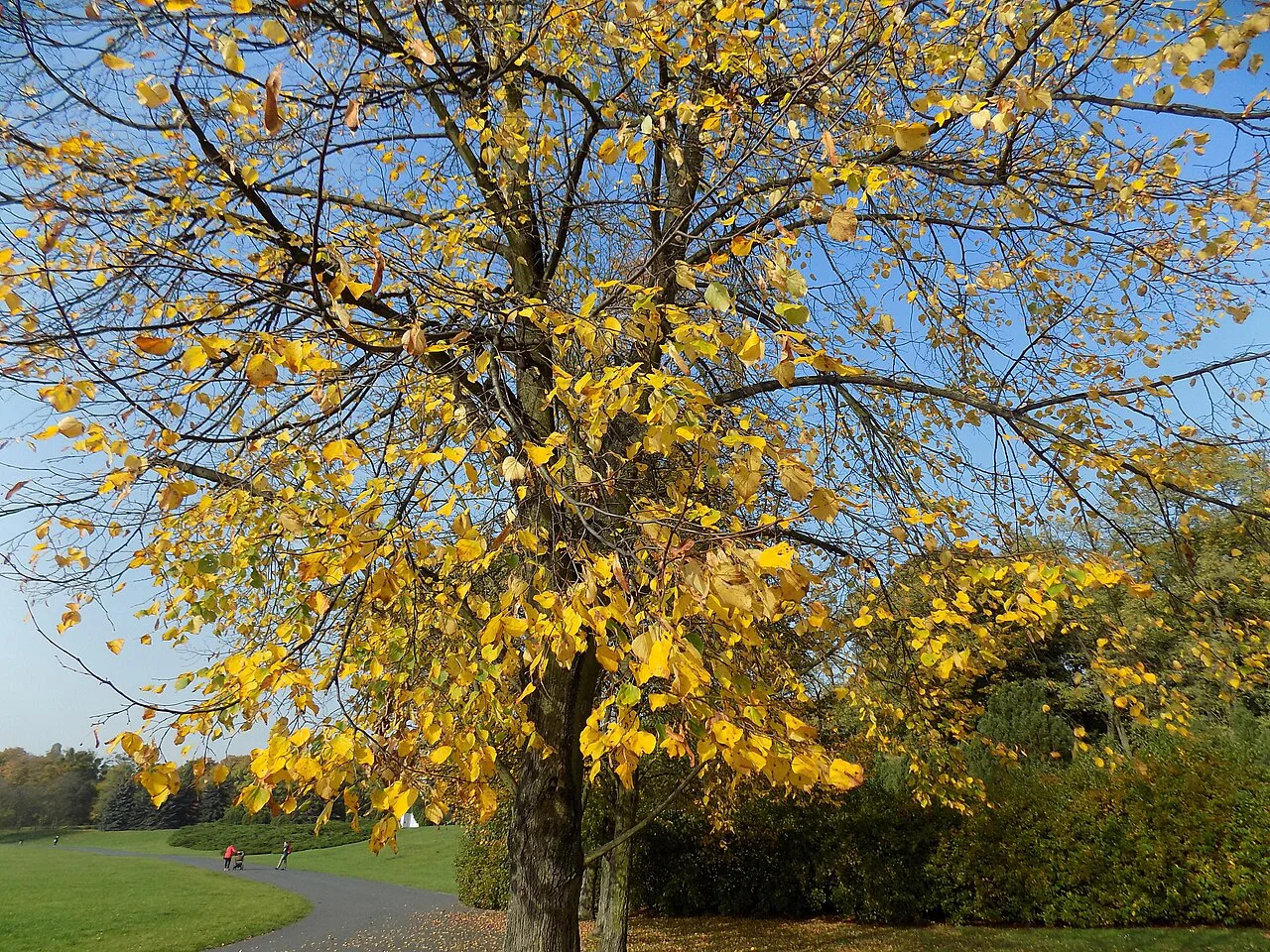
Beyond the fortifications and cemeteries, the park is mostly open ground: broad lawns, mature trees and a web of paths that lets you choose your own circuit. The raised ramparts give the best outlooks, and you can pick a route that climbs onto them for views back over the city rather than staying on the flat. This is also the part of the park that works for an ordinary stroll or a run.
Because the site is so large, it is easy to overestimate how much you will cover. Choose two or three areas that interest you, link them by the main paths, and leave the rest for another visit. That approach keeps the day comfortable and leaves room for the city afterwards.
What is nearby and how to combine it with the old town
The old town is the natural pairing: cross back south into Stary Rynek, the Old Market Square, and you are among the cafés, the Poznań town hall and the daily life of the centre. That makes the Citadel an easy half-day addition to a city break rather than a separate excursion. Build it into a morning and keep the afternoon for the square.
Two more city sights fit neatly around a Citadel walk. The National Museum in Poznań (Muzeum Narodowe w Poznaniu) holds Polish art from the Middle Ages onward plus Western-European and Spanish paintings, and it sits on Al. Marcinkowskiego in the centre.
Also in the centre, the Archaeological Museum displays rock art from the Eastern Sahara in a permanent exhibition drawn from its own fieldwork in Algeria, Egypt and the Sudan. For a more playful stop, the Poznań croissant museum on the Old Market Square turns the city's St Martin's croissant into a demonstration. If you would rather head away from the centre altogether, Poznań lake Malta offers waterside paths and open air in the opposite direction.
Is the Citadel worth the walk?
Yes, if you want history in the open air and do not mind uneven ground. The Citadel gives you fortifications, memorial ground and big skies in one walk, and it costs you nothing but time. It is a poor fit only if you have an hour and want manicured gardens.
Go with a plan: enter from the south, climb onto the ramparts, cross the military cemeteries quietly, then return to Stary Rynek for the rest of the day. That sequence uses the park as it works best, as a place of memory and earthworks you move through on foot.