
Poznań Imperial Castle: Visiting the Zamek and Its Culture Centre

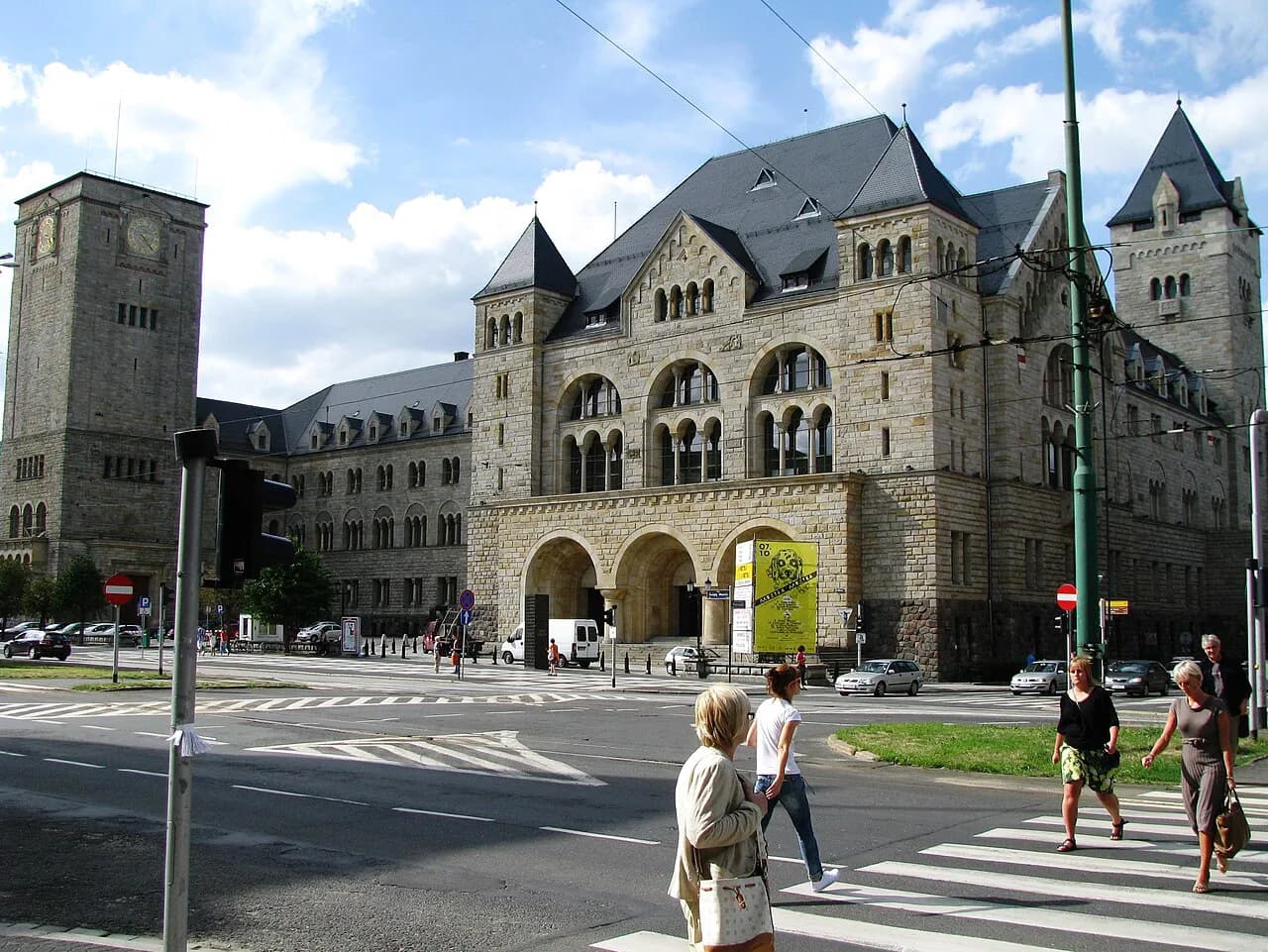
The Imperial Castle in Poznań is worth an hour or two of a city break, but for the building and its story rather than for period rooms stuffed with furniture. Completed in 1910 for Wilhelm II, it now houses the Zamek Culture Centre, one of Poland's largest cultural institutions, and you can see it on a guided tour, an English-language tour or a self-guided audio tour. This guide covers where it stands, how visits work, what to look for and what is close enough to combine with it.
What the Imperial Castle in Poznań is and what you see now
The building was finished in 1910 as a neo-Romanesque residence for Wilhelm II, the last King of Prussia and German Emperor. It was remodelled in the spirit of National Socialism after the German invasion of Poland and was badly damaged in the fighting for the city in 1945. What you walk into today is a working cultural venue rather than a preserved royal palace.
The Zamek Culture Centre runs thousands of events a year across literature, art, film, music and theatre, so a visit can mean a guided walk through the historic interiors, an exhibition or a concert depending on the day. Check the centre's own programme before you fix a date if a particular exhibition or performance is the reason for going.
Where the castle is on ul. Święty Marcin
The address is ul. Święty Marcin 80/82, on the main east–west street running from the Old Market Square area towards the railway station. It is a straightforward walk from the centre of Poznań, and the building's bulk makes it hard to miss once you are on Święty Marcin.
The layout rewards a little orientation before you go in: the castle faces the street, and the courtyard in front has been redeveloped with a new pavilion. Treat the address and the street as your anchor, then find the entrance used for tours rather than wandering the building looking for a ticket desk.
How to visit: guided tours, English tours and audio guides
There are three practical ways in: a guided tour, a guided tour in English, and a self-guided visit with an audio guide. The centre also runs tours aimed at children and at seniors, which is useful if you are travelling with family or an older companion.
The trade-off is between context and pace. A guided tour gives you the building's history from someone who knows it; the audio guide lets you move at your own speed and stop where you like. If your Polish is limited and the history matters to you, the English guided tour is the obvious choice over the standard one.
What to see inside: interiors, exhibitions and events
The draw inside is the monarchical interior itself, the striking rooms of what the city's tourist board calls Europe's youngest monarchical residence. Come for the scale and the detail of the spaces rather than for a furnished palace museum, and let an exhibition or event fill out the rest of your time there.
Because the programme changes, the sensible approach is to decide in advance whether you are visiting for the architecture or for a specific event, then book the matching tour type. If you simply turn up hoping for both, you may end up with neither.
The clock tower that is no longer there
Look up and you will see a squat stump where the clock tower's top once was. The tower top was partly preserved through the war but was demolished in the years afterwards, and the missing finial has been the subject of rebuilding proposals since 1989.
A Poznań Civic Budget proposal, backed by residents, called for public consultation and an architectural competition on rebuilding the tower, with possible uses including a viewing terrace, exhibition space or a restaurant. City officials and the Zamek Culture Centre do not recommend carrying it out in the near future, citing funding limits and competing budget priorities. The glass finial you may see in visualisations is an idea, not a built feature.
How much time to allow
Budget around an hour for a guided tour or audio-guided walk through the main interiors, and up to two hours if you add an exhibition. The building is compact enough that you will not spend a whole day inside, which leaves room for something else on Święty Marcin the same afternoon.
Add fifteen to twenty minutes on either side for finding the tour meeting point and for a look at the redeveloped courtyard. If you are short on time in Poznań, this is the kind of stop that fits neatly between larger sights rather than anchoring the day.
Ticket prices and opening times
The city's tourist board lists admission at 15 zł, or 12 zł with the Poznań City Card. Those are the prices to work from when you budget, and the card is worth the small saving only if you are already using it elsewhere on the trip.
Tour times and the days the building is open are set by the culture centre and vary with its event calendar, so confirm the slot you want directly with the centre before you travel. The centre publishes a contact address and phone number for exactly this purpose.
What's nearby: three stops within a few minutes
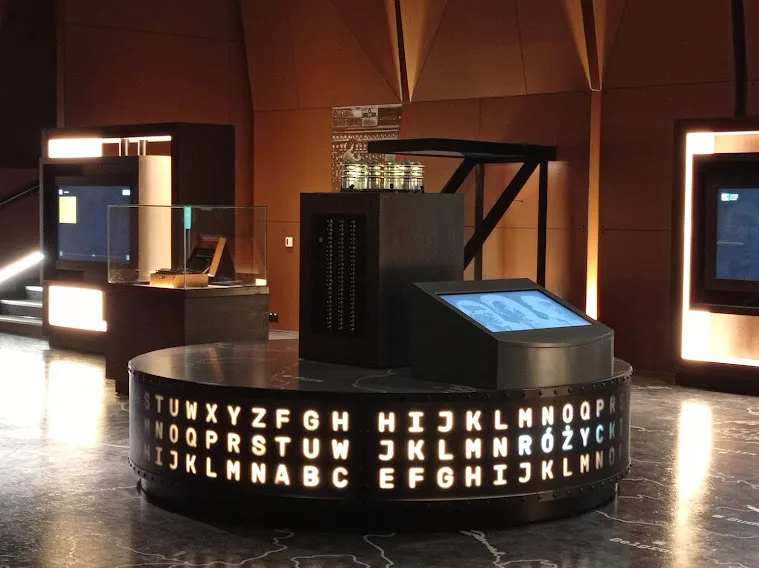
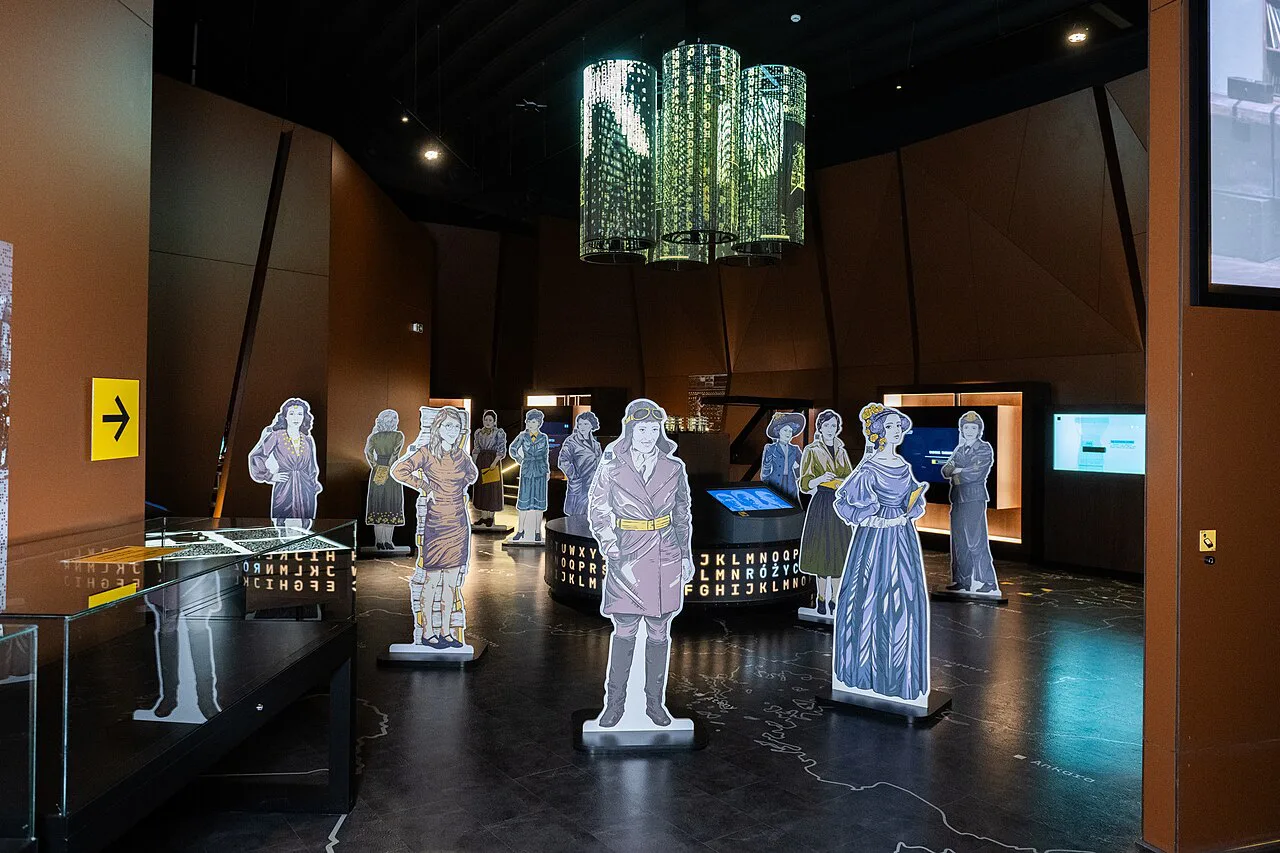
Three venues sit within roughly 100 to 200 metres: the MoJA Jewelry Museum at 0.1 km, the observation deck of Poznań University of Economics at 0.2 km, and the Enigma Cipher Centre at 0.2 km. That cluster makes an easy half-day without needing transport.
If you want to widen the day, the Old Market Square and its Poznań town hall are a short walk from the castle, and the Poznań Croissant Museum is a popular stop for the St Martin's croissant tradition tied to the same street. For a complete shortlist across the city, work from Poznań Attractions: 9 Visitor Guides.

Is the Imperial Castle worth visiting on a Poznań city break?
Yes, if you want a building with a genuinely unusual 20th-century history and you are happy to see it through a guided tour or audio guide rather than a conventional palace collection. Skip it if your short trip is already full of museums and you would rather give the time to the Old Market Square or Ostrów Tumski.
On a three- or four-day trip it slots in comfortably; on a single day in Poznań, treat it as a one-hour stop paired with the Enigma Cipher Centre rather than a headline sight. For a change of pace afterwards, Lake Malta in Poznań is the city's outdoor counterpart to all that stone.

Book the tour, not just the building
Decide first whether you want the history or the architecture, then pick the English guided tour or the audio guide accordingly, and confirm the slot with the Zamek Culture Centre before you fix your day around it. Pair it with the Enigma Cipher Centre or the MoJA Jewelry Museum on Święty Marcin and you have a solid half-day in Poznań.