
Poznań Archaeological Museum: A Visitor's Guide to the Górka Palace

Give the Poznań Archaeological Museum about an hour, or ninety minutes if you read every panel: its permanent Saharan rock-art exhibition and the palace courtyard are the draw while the Egyptian gallery is between displays. It sits in the Górka Palace, a short walk from the Old Market Square in the heart of the city. This guide covers what is on show, how the rooms work, how long to allow and what to pair with it nearby.
What the museum is and where it sits
The Archaeological Museum in Poznań occupies the Górka Palace, a historic palace that gives the collection an unusual setting rather than a purpose-built hall. Its research roots run deep in the Sahara, with field projects in Algeria, Egypt and the Sudan feeding directly into what visitors see. For a city-break collection, that specialism is the reason to come rather than the breadth of the archaeological timeline.
The museum sits close enough to the Old Market Square that it slots easily into a morning of sightseeing rather than needing a trip across town. Treat it as a compact, focused stop rather than a half-day institution on the scale of a national museum. That makes it a sensible filler between the square, the parish church and the riverside, especially on a short break.

Getting there and the palace courtyard
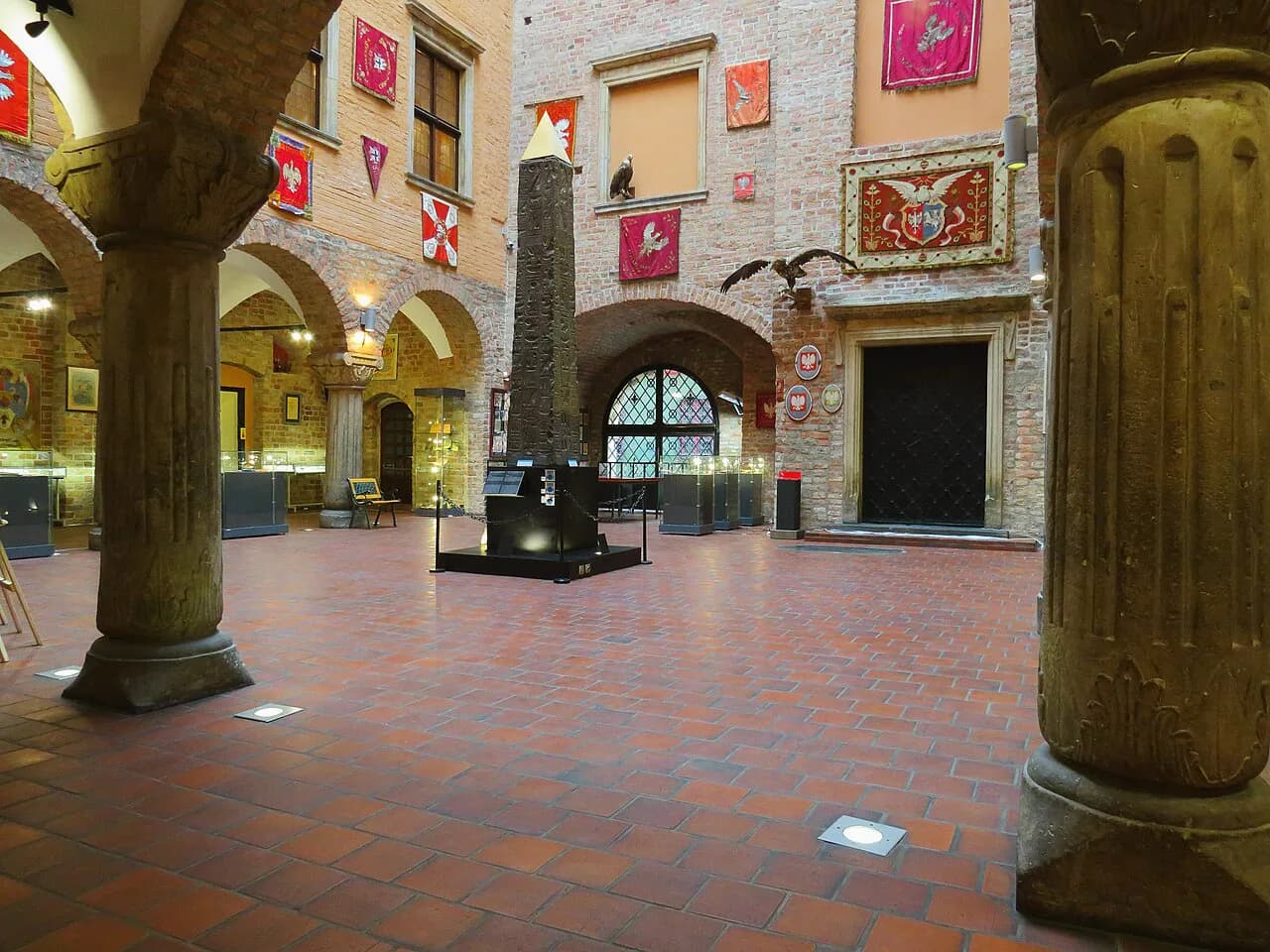
You reach the museum through the Górka Palace, and the courtyard is part of the visit rather than a passageway: the Athribis obelisk was placed there after coming from Berlin in 2002. The museum's own pages list the shop and accessibility information, which is the practical place to start if you have mobility questions or want to know what the building offers before committing. Allow a few minutes outdoors here even if you are hurrying through the galleries.

Rock Art of North Africa: the permanent exhibition
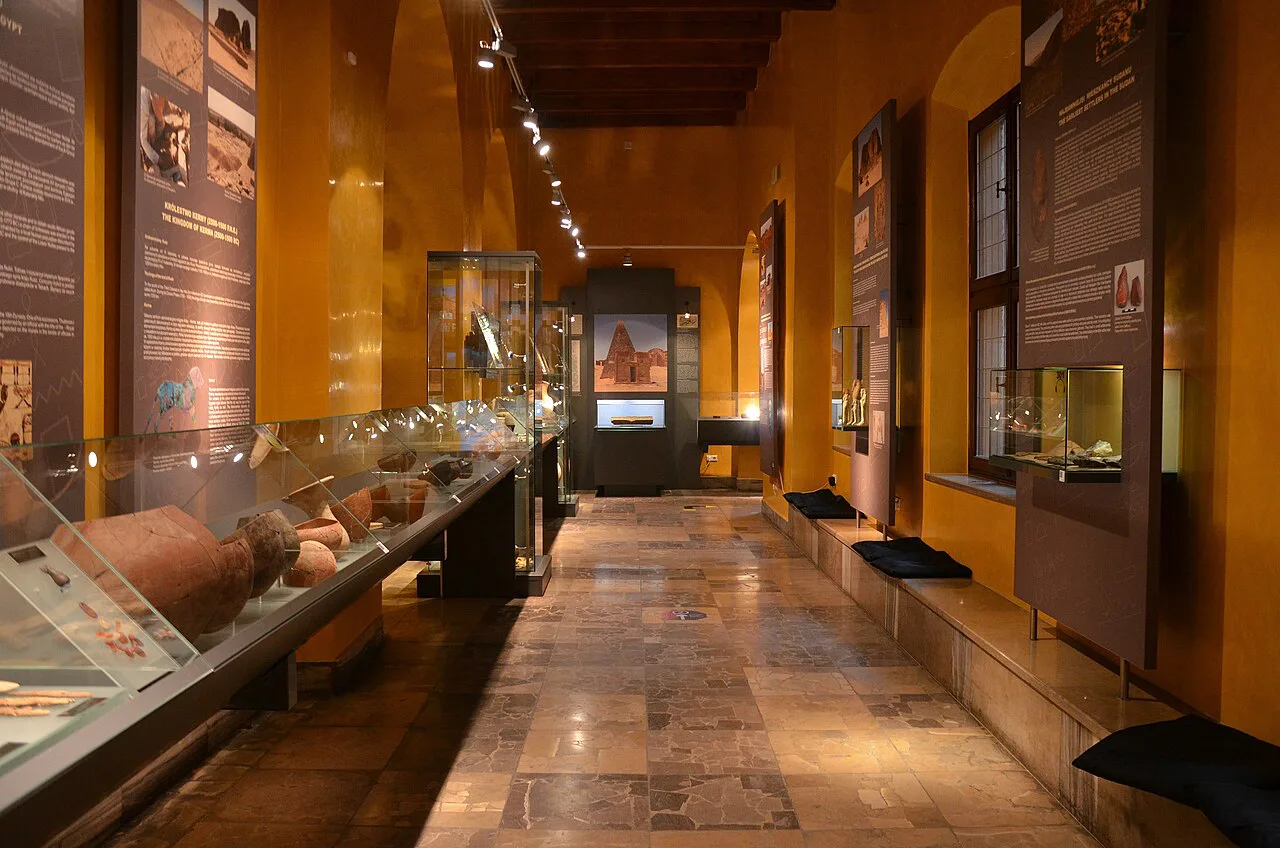
The permanent Rock Art of North Africa display is the core of a visit, built around engravings and paintings from three research regions: Tassili n'Ajjer in Algeria, the Dakhleh Oasis in Egypt and the area of the 4th Nile Cataract in the Sudan. The oldest images at Tassili n'Ajjer probably date back more than 10,000 years, while the youngest were made in the modern era, so the range is enormous for a single room. Photographs of the celebrated Great God figure from the Sefar massif are on display, and these are the images to seek out first.
Look for the Neolithic representations of women, unusual in Saharan art and often shown as pregnant, which the museum links to possible fertility meaning. The boulders from the 4th Cataract, handed to Polish researchers after rescue work in the Sudan, carry mainly pastoral scenes and are estimated to date from the 4th and 3rd millennia BC. Because these are physical rock surfaces rather than framed pictures, they reward slow looking more than a quick circuit.
Multimedia installations run alongside the objects, written for both adults and children, so the room works for mixed-age groups without splitting up. The museum has also set up a boulder covered with animal engravings where younger visitors can copy the images using carbon paper and graphite, which mirrors the work of rock-art researchers. That hands-on element is the museum's strongest card for families and is worth asking about at the desk if it is not immediately obvious.
What happened to the Egyptian gallery
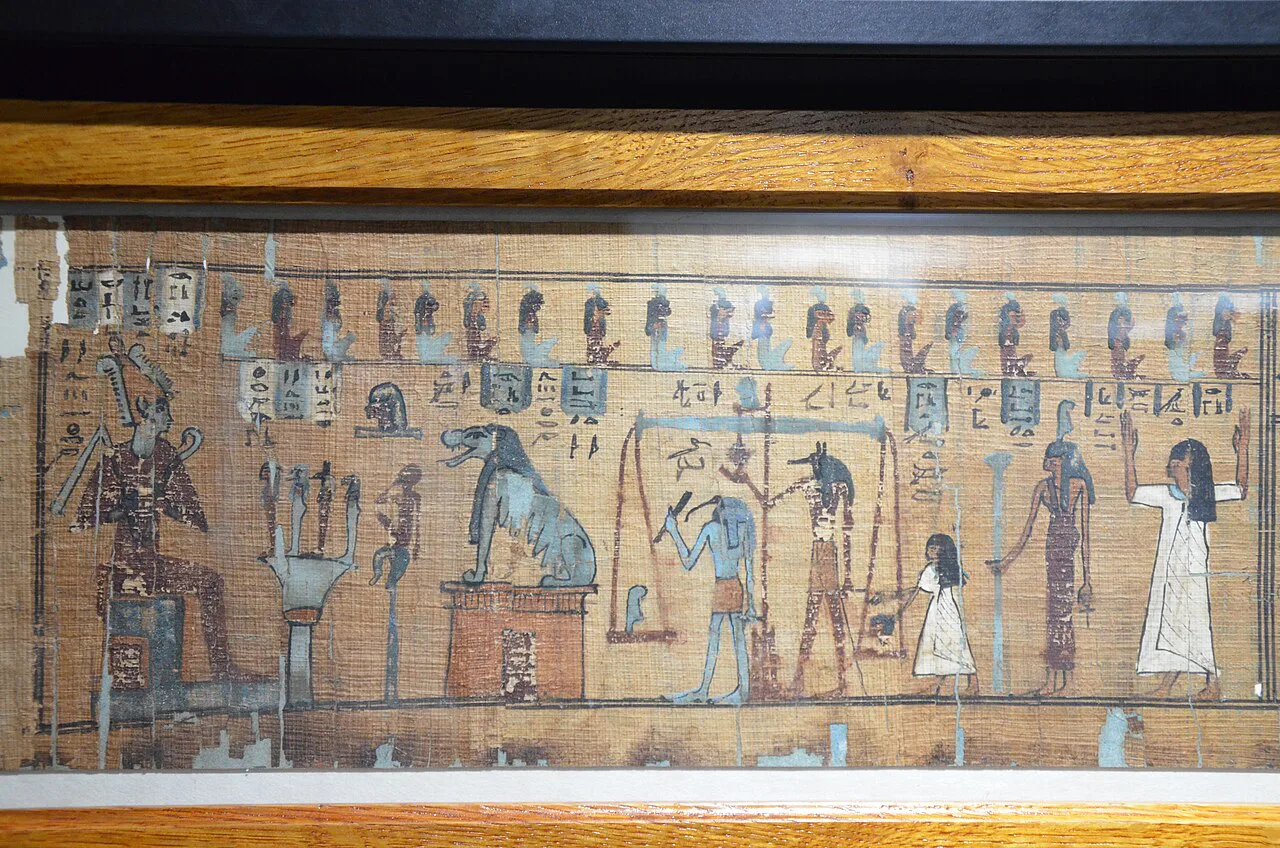
The Egyptian exhibition closed in June 2024, and the museum has scheduled a new one for 2026; until it opens, the website presents highlights and materials from the previous display rather than a live gallery. The old exhibition had been built on long-term loans of more than one hundred objects from the Egyptian Museum and Collection of Papyri in Berlin, arranged from 1998, with two royal statue heads arriving from Munich in 2000. Many of those pieces have since returned, so do not arrive expecting the full Egyptian collection of past years.
If Egyptian material is your main reason for visiting, check the museum's exhibitions page before you travel rather than assuming the new gallery has opened on schedule. The rest of the museum, including the Saharan display and the courtyard, stands on its own and does not depend on the Egyptian loans.
How long to allow and how to pace a visit
Budget an hour for the Saharan exhibition and the courtyard, and stretch to ninety minutes if you use the multimedia stations or have children working through the copying activity. The palace is not a sprawling complex, so there is little risk of museum fatigue and no need to block out a half-day. Arriving earlier in the day leaves the rest of the morning free for the Old Market Square.
Read the Saharan rooms in research-region order, Algeria first, then Egypt, then the Sudan, because the display follows the museum's own fieldwork and the sequence makes the chronology easier to follow. Save the courtyard for last so the obelisk and the palace exterior close the visit rather than compete with the galleries.
Tickets and opening hours
The museum lists its opening hours and ticket information on its own visit pages, so check them for the day you plan to go, since hours can change by season. The visit section also covers accessibility and the museum shop, and you can confirm there whether the museum is open on the day you have in mind rather than assuming a weekday schedule.
Who the museum suits and who should skip it
Come here if you want something specific and scholarly: Saharan rock art is rare in European museums, and the Poznań collection is tied to genuine field research rather than cast-offs. Families with children get a genuine activity rather than a token children's trail, and the compact size suits short attention spans. Skip it if Egyptian mummies were the plan, or if your one to four days are already full of the Old Market Square, the cathedral island and the city's other big hitters.
Nearby sights to pair with the museum
The Old Market Square and its surrounding streets are minutes away, so the museum fits naturally into a morning that also takes in the Renaissance town hall and the market hall. For a different kind of museum, the Poznań Croissant Museum is a short walk away and works well with children, while the National Museum covers painting and decorative arts if you want a second indoor stop. Further out, Lake Malta in Poznań offers a green counterpoint if the weather holds.
If you are building a longer list, the city's other attractions pages give each sight the same treatment: what it is, how long it takes and what to pair with it. A one-day plan can comfortably hold the square, this museum and one more stop without rushing.
Is the Archaeological Museum worth a slot?
Yes, for about an hour, if Saharan rock art or the palace courtyard appeals; no, if you were counting on Egyptian mummies, since that gallery is between displays. Build it into a morning around the Old Market Square rather than making it the day's main event. Confirm the Egyptian gallery's status and the day's opening hours before you set out, and the rest of the visit is straightforward.
Explore more Poznań guides
Frequently Asked Questions
Is the Egyptian exhibition at the Poznań Archaeological Museum open?
It closed in June 2024, and the museum has scheduled a new Egyptian exhibition for 2026. Until then the website presents highlights and materials from the previous display, which drew on long-term loans from museums in Berlin and Munich.
How long does a visit to the Poznań Archaeological Museum take?
Allow around an hour for the permanent Saharan rock-art exhibition and the Górka Palace courtyard, or ninety minutes if you use the multimedia stations or have children trying the carbon-paper copying activity.
What can children do at the museum?
The Rock Art of North Africa display includes multimedia installations written for adults and children, plus a boulder covered with animal engravings that younger visitors can copy using carbon paper and graphite.