
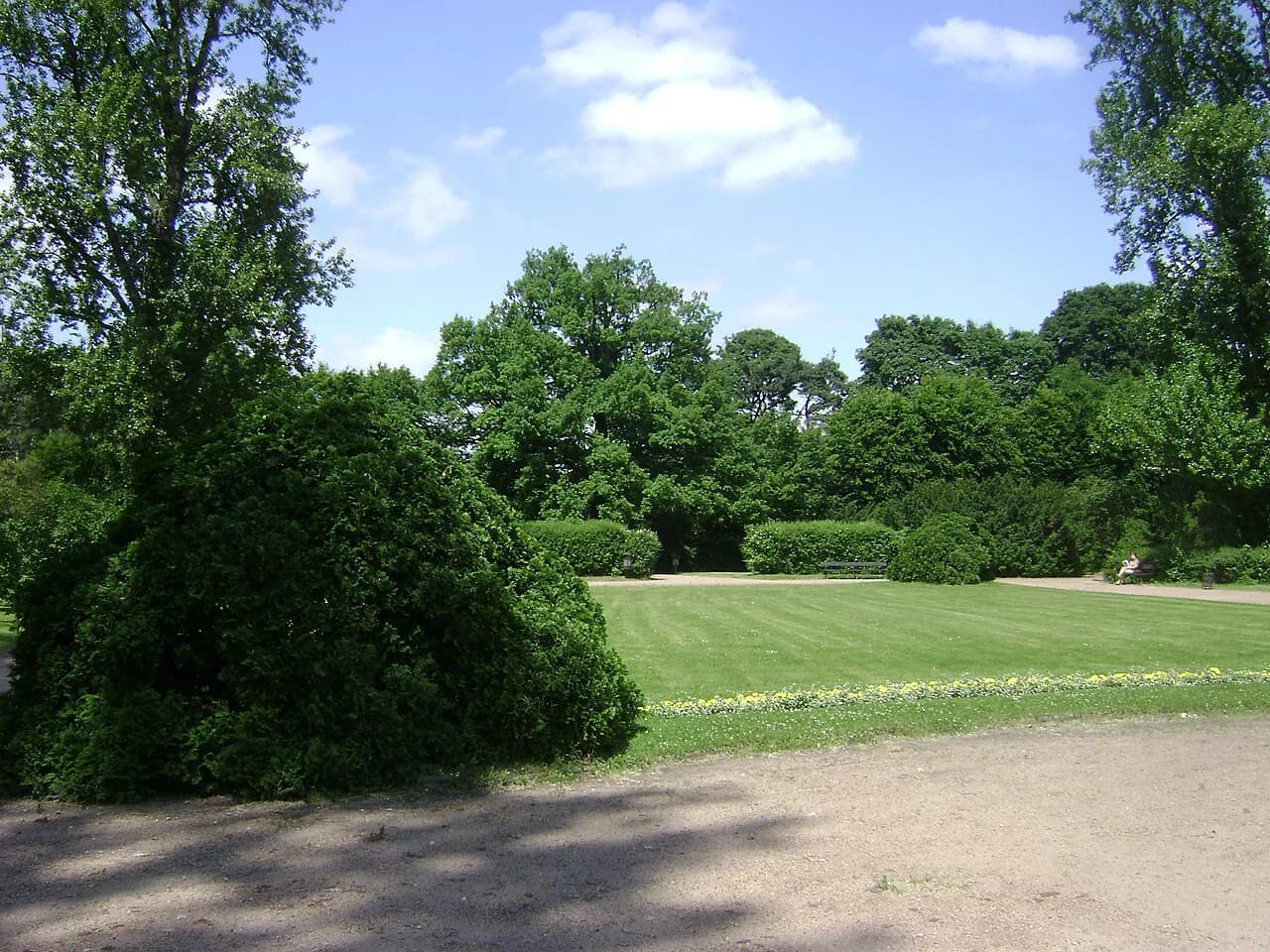
Łazienki Park: A Visitor Guide to Warsaw's Royal Baths Park

Łazienki Park earns two to three hours of a Warsaw trip if you stick to the gardens and the Palace on the Isle, and closer to half a day if you also want the wider park, a Chopin concert and a slow walk along the Royal Route. It is Warsaw's largest park, spread across 76 hectares in the city centre, so the real decision is how much of it you want to cover rather than whether it is worth the detour.
This guide covers where the park sits on the Royal Route, what the Palace on the Isle contains, how the gardens and ponds fill the rest of the visit, when the free Chopin concerts run, and the trade-offs between a short stop and a long one. Current opening times and ticket details are published by the Royal Łazienki Museum.
What Łazienki Park is and why it is worth your time
Łazienki Królewskie, also called the Royal Baths Park, is a historic landscape of gardens, ponds, sculptures and former royal buildings rather than a single sight. At its centre stands the Palace on the Isle, the summer residence of Poland's last king, Stanisław August Poniatowski. The combination of a formal palace interior with a large, free-to-roam park is what makes it different from Warsaw's museum stops.
The park is one of the stops that defines a Warsaw break, alongside the reconstructed Old Town and the river. If you are still choosing between the capital's big sights, a wider look at Warsaw Attractions helps you place Łazienki against the museums and royal buildings before you commit a morning to it.
Treat the park and the palace as two separate decisions. Wandering the gardens, paths and waterside terraces is one activity; going inside the Palace on the Isle is another with its own time cost and entry arrangements. Knowing which one you are there for stops a pleasant stroll from turning into a rushed palace visit.

Where the park sits on Warsaw's Royal Route and how to reach it
Łazienki lies on the Royal Route, the historic axis that runs south from the Old Town through Krakowskie Przedmieście and Nowy Świat and on towards Wilanów. Approached on foot from the city centre, the walk itself passes churches, palaces and monuments before you reach the park gates. That makes Łazienki a natural next stop after the Old Town rather than a separate excursion across the city.
The park's position matters for sequencing. Coming from the Old Town, you move steadily south along the Royal Route, so Łazienki sits before Wilanów at the far end. If Wilanów Palace is also on your list, seeing Łazienki first keeps you moving in one direction instead of doubling back through the centre.
Public transport serves the area around the park, and the Royal Łazienki Museum publishes visitor information on access and entrances. Check the museum site for which gates are in use, since the park has several approaches and the one nearest your route saves a long walk around the perimeter.

The Palace on the Isle and what a ticket gets you inside
The Palace on the Isle is the reason many visitors come, and it is worth being clear about what it is. The neoclassical building began as a bathhouse for Prince Stanisław Herakliusz Lubomirski before Stanisław August Poniatowski enlarged and remodelled it as a summer residence. Inside, the richly decorated chambers display paintings from the king's collection and show how the royal court lived.
Palace entry is a ticketed decision separate from walking the park, and ticket types and prices change, so confirm them on the museum site before you travel rather than relying on older figures. Decide in advance whether you want the interiors or only the gardens, because the palace adds a substantial block of time.
A fuller look at the building, its rooms and its setting is covered in a dedicated guide to the Palace on the Isle. Read it before deciding how long to spend inside, since the palace rewards attention but eats into the time you might otherwise give the gardens.
Beyond the palace: gardens, ponds, sculptures and the park's scale
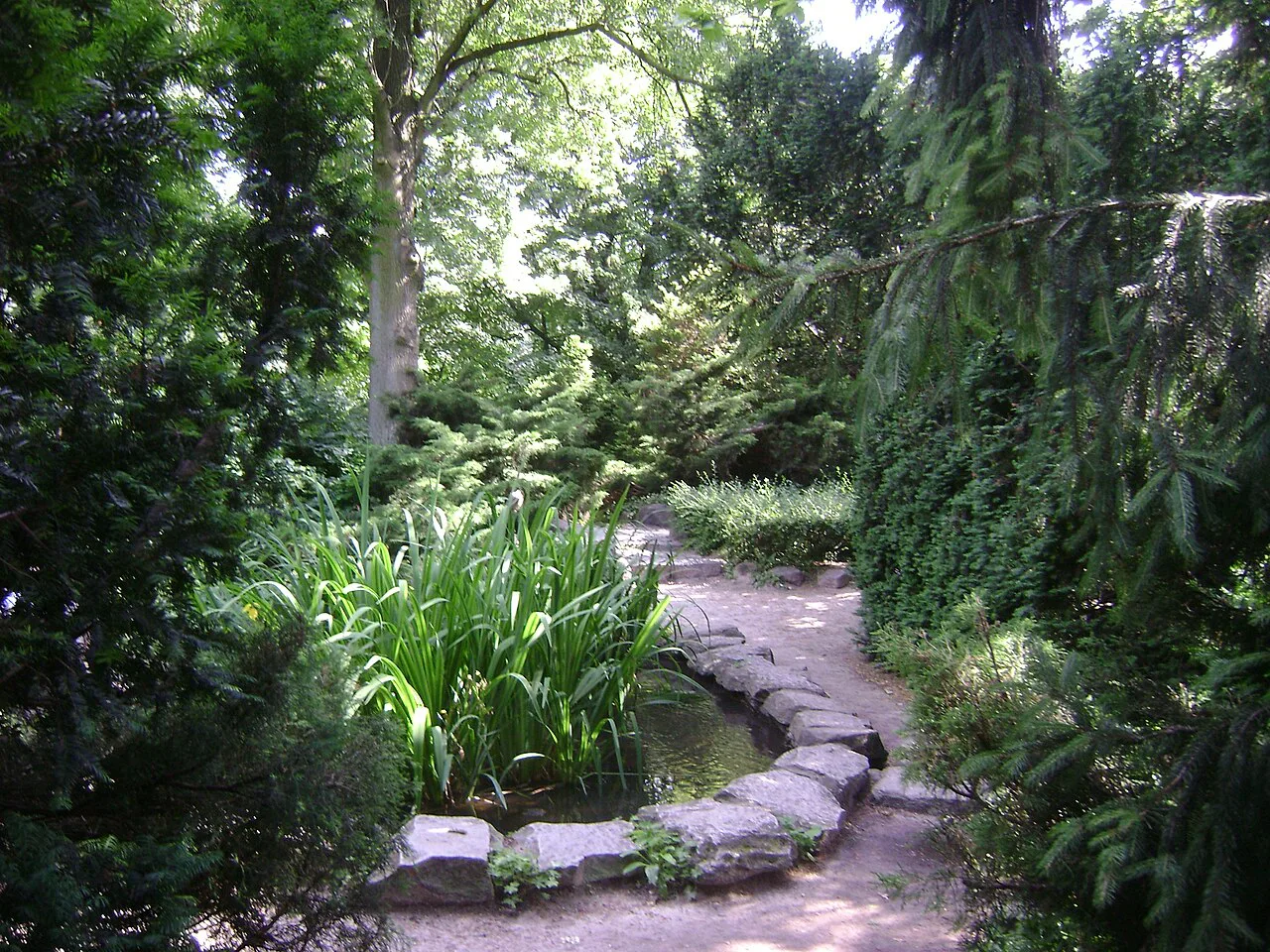
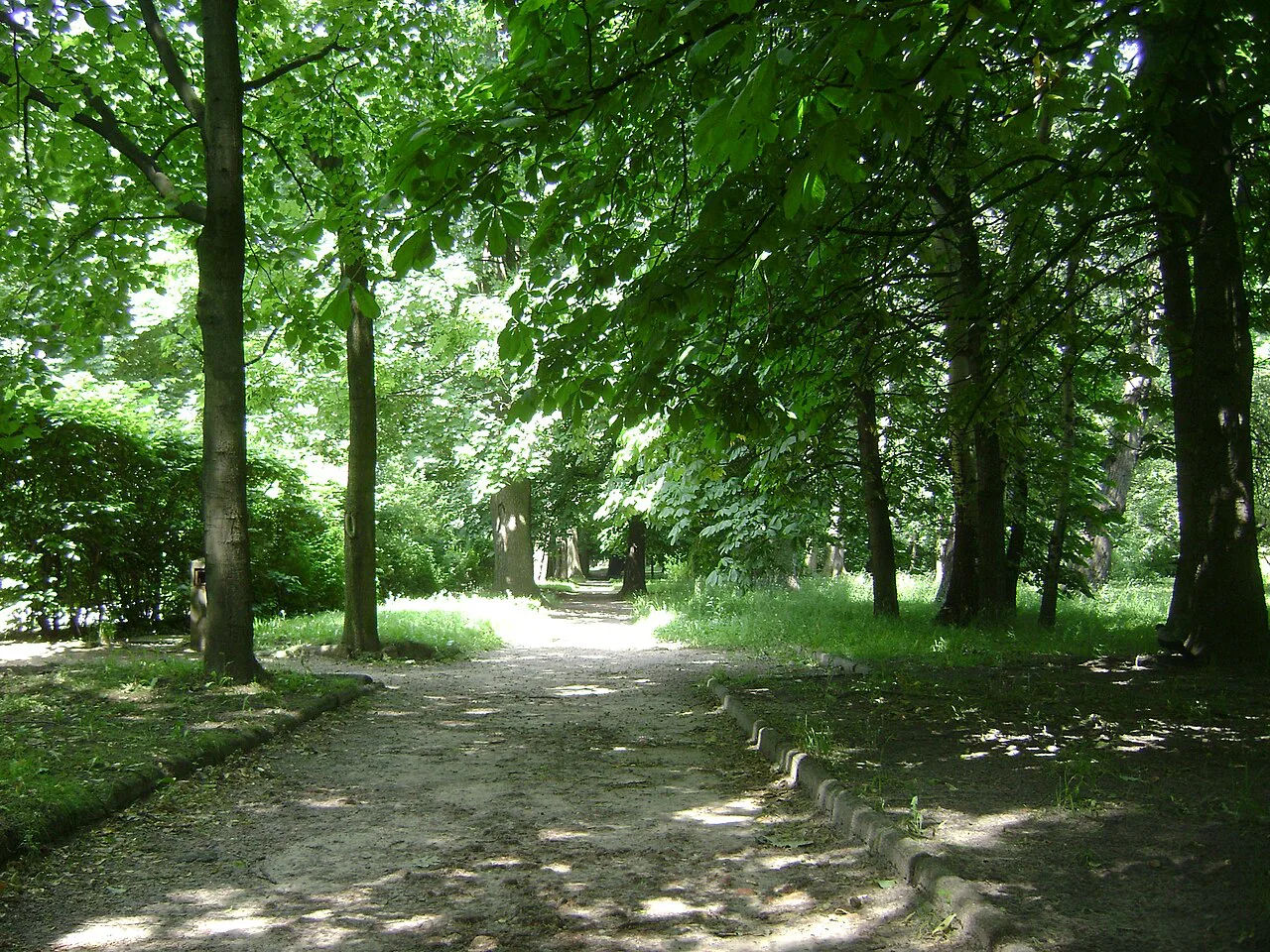
Much of Łazienki is open landscape: formal gardens, ponds, paths, sculptures and elegant outbuildings spread across those 76 hectares. It is the kind of place where the best plan is loose, following the water and the avenues rather than chasing a checklist. Allow more time than you expect, because the distances inside the park are real.
The park is often described as one of the largest of its kind in Europe, and its combination of water, trees and buildings is what makes a summer afternoon there feel unhurried. In warmer months, the gardens and waterside paths are the main draw, and a bench by the water is a legitimate use of an hour.
If you are building a day around green space and history, Łazienki slots neatly into a broader plan of Warsaw's parks, river paths and royal residences. That wider context helps you judge whether to give the park a quick circuit or make it the centrepiece of an afternoon.
Chopin's monument and the summer Sunday concerts
The Fryderyk Chopin monument stands in the park, and from spring to early autumn free open-air piano concerts are held beside it on Sundays. The tradition dates back to 1959 and has become one of Warsaw's best-known summer experiences. Because the concerts are fixed to Sundays in summer, they can shape which day you give to Łazienki.
Chopin spent the first half of his life in Warsaw, and the city marks him with musical benches at sites connected to him as well as the monument itself. If a Sunday concert is the reason for your visit, plan the park around it and arrive with time to find a spot, since this is a popular fixture rather than a quiet recital.
The concert schedule is seasonal, so confirm the current season and seating arrangements before you build a day around it. Outside the summer Sundays, the monument remains a landmark worth seeing, but the park's rhythm is simply that of a garden.
How much time to allow, and how to split a half day versus a full one
For a half day, give the park roughly two hours: a circuit of the gardens and ponds, the Chopin monument, and a look at the Palace on the Isle from outside. Add the palace interiors and you are closer to three hours, with the interiors taking the bulk of the extra time. This split keeps the visit honest about what you actually see.
For a full day, combine the park with the rest of the Royal Route. Start in the Old Town, walk south along Krakowskie Przedmieście and Nowy Świat, and reach Łazienki by early afternoon for the gardens and a palace slot. That sequence uses the route's geography rather than fighting it.
If you prefer a day of museums, Łazienki pairs well with a visit to the Warsaw Rising Museum, which documents the 1944 struggle and sits away from the park. Splitting a day between the two gives you a royal garden in the morning and the city's wartime history later, though both deserve more than a hurried hour.
Opening times, tickets and closures to confirm before you go
The park and the palace do not run to the same timetable, so check both. The Royal Łazienki Museum publishes current opening hours, palace entry arrangements and any temporary closures on its own site, and that is the version to trust over older guidebook text.
Ticket prices for the palace change over time, so confirm them on the museum site rather than carrying forward a figure you read elsewhere. Decide whether you need a palace ticket at all before queueing, since a garden-only visit involves no such purchase.
Some Warsaw museums close one day a week and several run free-entry days, so do not assume the palace follows the same pattern as the park gates. A quick check of the museum's visitor page settles the question for your dates.
Practical trade-offs: crowds, seasons and what to skip
Summer brings the crowds and the concerts, which is both the park's best season and its busiest. Warm-weather visits mean the gardens and waterside are at their best, but the Chopin Sundays and holiday weekends fill the main paths. Accept the company or come early in the day.
What to skip depends on your appetite for interiors. If you have already given a morning to the royal chambers at another residence, the Palace on the Isle can be a view from the gardens rather than a second ticketed interior. That trade frees an hour for the water and the avenues.
Warsaw's other headline sights sit at different points in the city. The Palace of Culture and Science, with its observation deck and central location, is a natural contrast to the park's low, green landscape, and pairing them gives you both the historic and the modern capital in one trip.
Is Łazienki Park worth the detour?
Yes, provided you go for what it is: a large historic park with one strong palace interior at its centre. Give it a half day on the Royal Route, add the palace only if royal chambers appeal, and time a summer visit around a Sunday if you want the Chopin concert.
Skip it only if your Warsaw days are already full of museums and you would rather spend the time indoors. For a balanced trip, Łazienki is the green counterweight to the city's wartime and modern sights, and the gardens reward a slow wander as much as the palace does.