
Warsaw Uprising Museum: a visitor's guide to the 1944 exhibition

The Warsaw Uprising Museum is worth half a day of a short city break if you want to understand the event that shaped modern Warsaw. Its dense, multimedia exhibition documents the 1944 rising against the German Nazi occupiers, and it rewards a slower visit than its size first suggests. This guide covers what the exhibition contains, the exhibits worth seeking out, how to pace a large building and what sits nearby.
Allow around three hours as a minimum and nearer four if you read the panels and watch the films. The museum sits in the city centre, not beside the Old Town and the Royal Route, so treat it as its own outing rather than something to squeeze between two stops.
What the museum covers
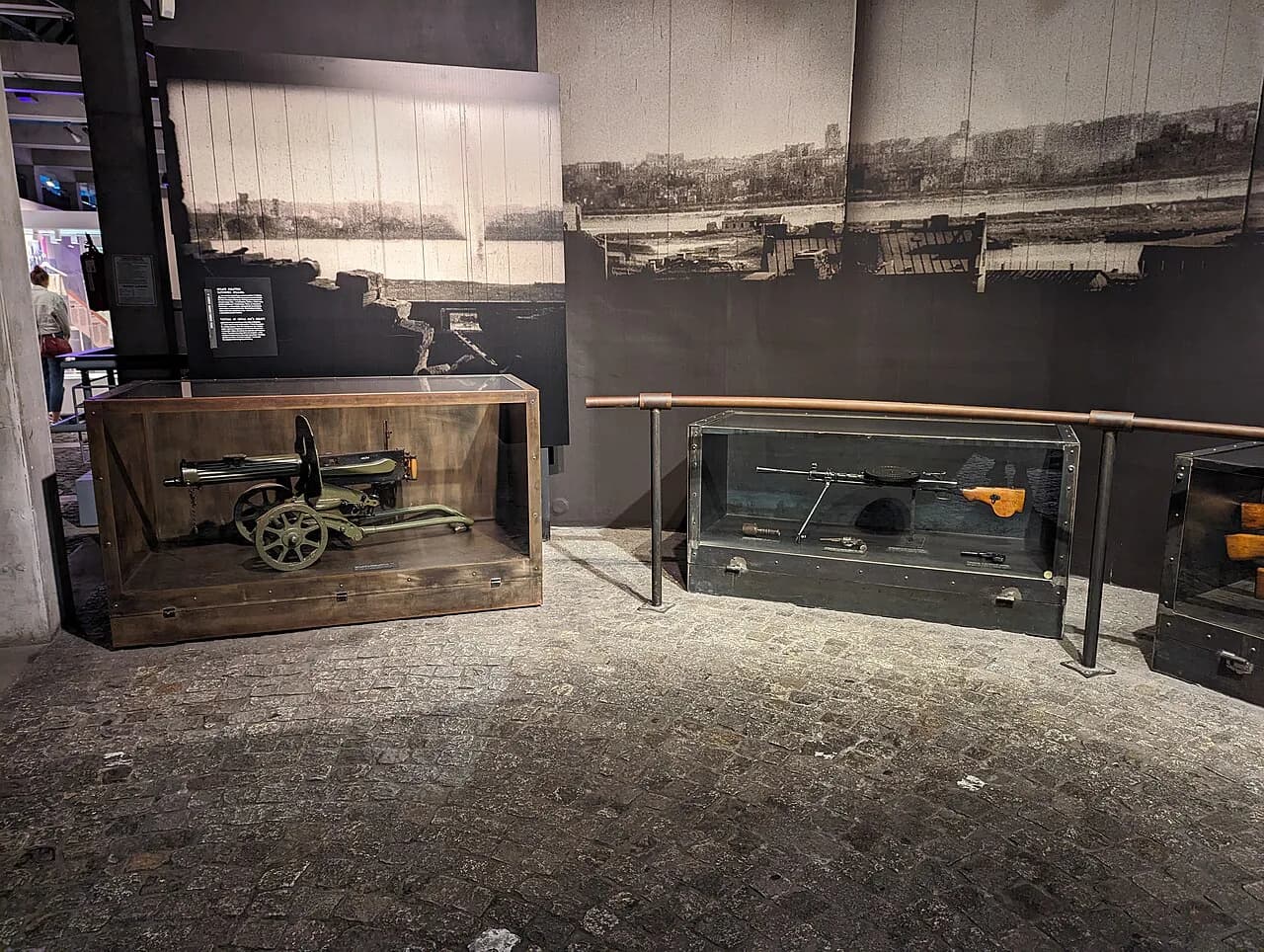
The museum is dedicated to the Warsaw Uprising of 1944, the city's own attempt to throw off German Nazi occupation before the Soviet army arrived. The exhibition sets out the fighting and the civilian experience through photographs, weapons, multimedia displays and historic material from the period. It is a historical museum rather than a memorial chamber, and the story unfolds as you move through the building.
Poland Travel describes the museum as documenting the 63-day struggle of the city's residents against the occupying forces, and notes that the events of 1944 changed the Polish capital permanently. Keep that scale in mind as you plan: the uprising was fought street by street while civilians remained in the city, and the exhibition reflects the breadth of that experience rather than a single military narrative.
Content includes testimony and personal material alongside the military story, which is what makes the museum land with visitors who arrive knowing little about 1944. If you are travelling with someone who is new to Polish wartime history, this is a more approachable starting point than a text-heavy archive.

Where it is and how to get there
The museum stands in the city centre, away from the central axis formed by the Royal Route and the Old Town. It is not on the main tourist circuit, so you will need to plan a deliberate journey rather than stumble across it between other sights. The simplest approach from central Warsaw is a short taxi or rideshare ride, or a tram from the main arteries.
If you are building a day around the city centre, pair the museum with something in the opposite direction to avoid criss-crossing Warsaw twice. The Palace of Culture and Science, Warsaw is a useful anchor for orientation, with the main tourist information point inside and an observation deck on the 30th floor.

What to see inside
The exhibition is laid out as a walk through the successive stages of the rising, from the first days of fighting to the point when the insurgents left the city. That structure does much of the work for you: follow it in order rather than jumping between galleries, and the chronology will make sense. Allow extra time in the middle sections, where the material is densest.
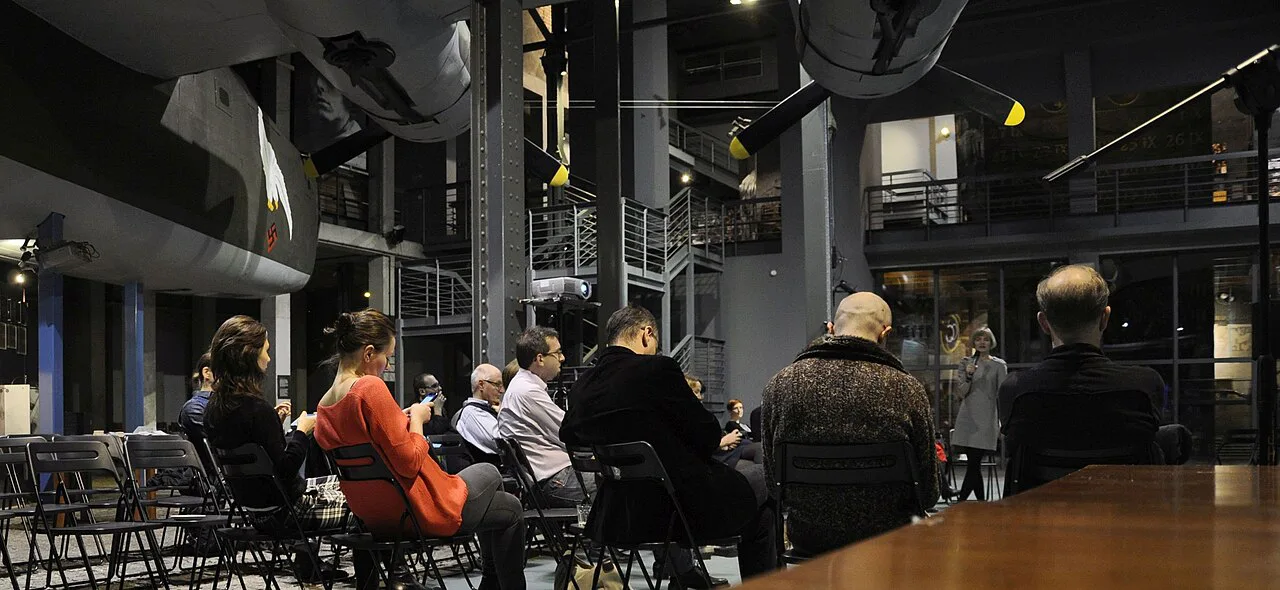
The single most memorable object is a replica Liberator B-24J bomber suspended from the ceiling. It refers to the Allied supply flights to the city, and it dominates the space around it, so you will meet it early. Give it a few minutes rather than a passing glance.
A reconstructed sewer section is another exhibit visitors remember, and it is one of the few places where the museum asks you to physically enter the conditions it describes. The city's sewers carried messages and people during the fighting. It is short, cramped and not for everyone, but it makes an abstract fact concrete.
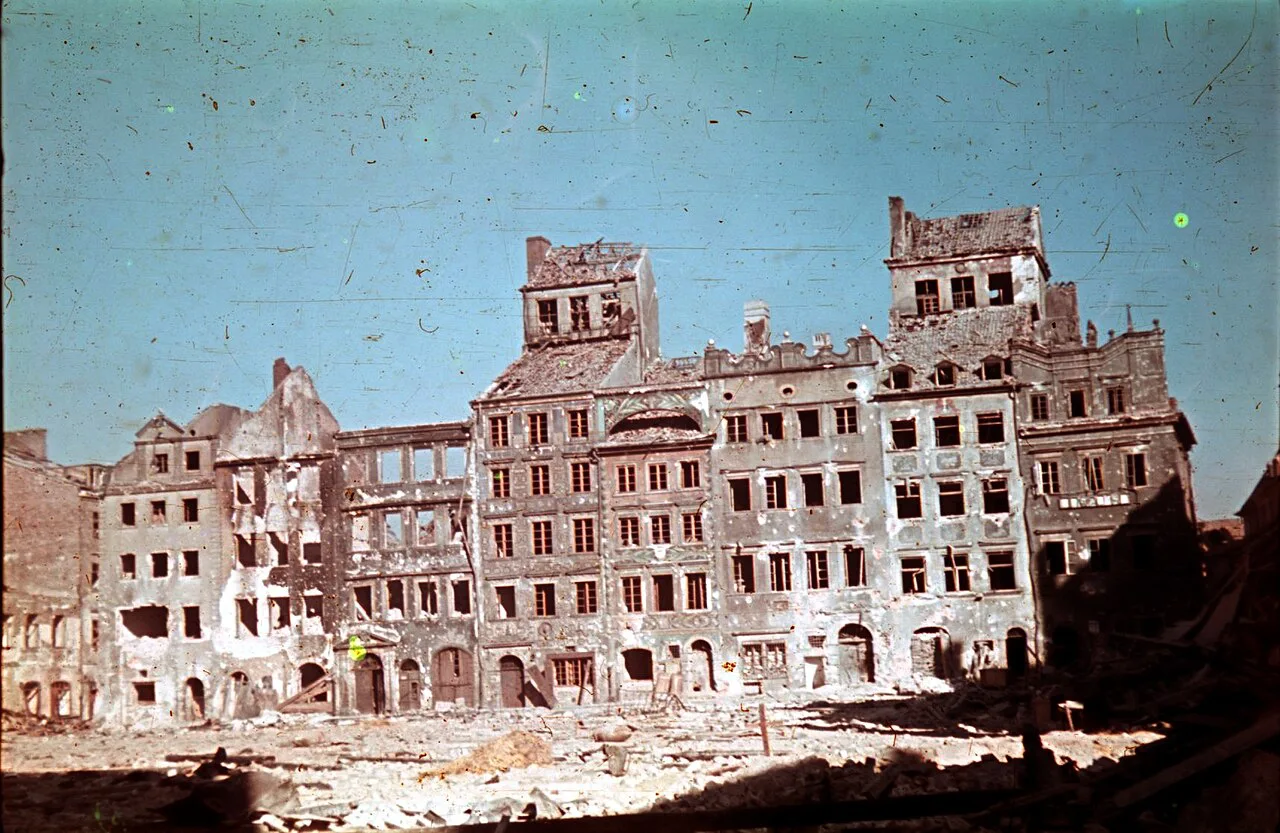
Do not skip the 3D film showing the city after the bombing. It is undramatic by design, and its effect comes from seeing how little of Warsaw was left standing, which is precisely the context you need before walking through the reconstructed Old Town later in your trip.
An audioguide is worth taking if you want the exhibition narrated rather than read. The building is large and the route is long, and a guide helps you decide where to linger and where to move on.
How much time to allow and how to pace it
This is a big museum, and the honest trade-off is that trying to see everything in one pass leads to fatigue rather than understanding. Three hours covers the main route and the key objects. Four hours lets you read properly, watch the films and take in the testimony and the smaller displays.
Go in with a plan: take the chronological route once, at an even pace, and resist the urge to double back. Take a break at the halfway point rather than pushing through to the end. The subject matter is heavy, and a pause makes the second half easier to absorb.
If you only have one free afternoon in Warsaw, this is a defensible choice over a second royal palace. The interiors at Wilanów Palace are beautiful, but they tell a story of monarchy rather than of the city itself, and the contrast with a modern, testimonial-led museum is sharp.
Tickets, opening hours and booking
Prices in złoty, opening days and any free-entry arrangements are set by the museum and change, so confirm them on the museum's own site before you travel. Polish museums commonly close one day a week, and several run a free-entry day, which makes checking the current schedule worthwhile rather than assumed. Book ahead for weekend visits, when school groups and city-break crowds overlap.
The museum runs its own website at 1944.pl with an English section. Use it for current ticket categories, reduced rates and any temporary gallery closures.
If your trip includes other paid museums, budget for them as a group. The Museum of Warsaw at the Old Town Square is a complementary stop, covering the city's wider history rather than the uprising alone, and it is well placed for a later stroll through the Old Town.
Photography, crowds and timing your visit
The busiest stretch is the middle of the day, when coach groups arrive. Arriving at opening or in the last couple of hours tends to give you more room at the key exhibits, including the bomber and the sewer section. Weekdays outside school holidays are calmer than weekends.
Photography rules vary between galleries, and some sections ask for quiet or restrict flash. Look for signage at the entrance to each room rather than assuming a blanket policy. The subject matter is solemn in places, and behaving accordingly is the expectation, not an optional courtesy.
What is nearby and how to pair the museum with the rest of your trip
From the museum, head back towards the Old Town for the afternoon. There, the reconstructed streets around Castle Square, the Barbican and the city walls form the UNESCO-listed historic centre, rebuilt after the war using historical plans, photographs and surviving documents. Seeing it after the museum is a different experience from seeing it cold.
The ghetto boundary and the POLIN Museum of the History of Polish Jews lie on the route back towards the centre, and POLIN covers a thousand years of Jewish history in Poland, including the wartime period. Combining both in one day is heavy. If you want to do both properly, split them across two days.
For something lighter afterwards, the Copernicus Science Centre on the Vistula is a hands-on, family-oriented counterweight and a complete change of register. It works well as the second half of a day that began with the uprising museum.
If you have a full four days in Warsaw, keep one afternoon free for the green side of the city. Łazienki Park, Warsaw combines gardens, ponds and the Palace on the Isle, and a slow wander there balances the intensity of a museum morning.
Is the museum worth half a day of your trip?
Yes, if you want to understand why Warsaw looks the way it does. The museum explains the destruction and the rising that came before the post-war reconstruction, and the Old Town makes far more sense once you have seen what happened to the city. Skip it if your break is built entirely around palaces and parks and you have only three days.
Build the museum into a morning, take a proper break, and finish with the Old Town or a riverside walk rather than another museum. That pacing is what makes it land, and it is the difference between a memorable half-day and an exhausting one.
Explore more Warsaw guides
Frequently Asked Questions
Why didn't the Soviets support the Warsaw Uprising?
That question belongs to the history of 1944 rather than to the logistics of a visit. The exhibition sets the fighting in context in its own sequence. If it is the reason you are going, give the museum three to four hours and take the audioguide so you follow the narrative in order rather than browsing.
Is the film Warsaw 44 a true story?
It is a feature film rather than a documentary, and it is not the museum's exhibition. Treat the museum itself as the historical account to visit and the film as drama inspired by the events.
Can I visit the museum and the Old Town in one day?
Yes, and it is a sensible pairing. Do the museum in the morning, break for lunch, then walk the reconstructed Old Town and Royal Route in the afternoon. Allow three hours or more for the museum and the remainder of the day for the centre.