
Wilanów Palace: A Visitor Guide to Warsaw's Baroque Royal Residence

Wilanów Palace is the baroque royal residence on Warsaw's southern edge, begun in 1677 for King John III Sobieski and still standing largely as it was built. It sits in the Wilanów district, off the main sightseeing axis that runs from Castle Square up to Łazienki Park, so it needs its own slot rather than a quick detour. This guide covers what is inside, how long to allow, and where to confirm the current ticket prices and opening hours in złoty.
The interiors combine royal apartments with a portrait gallery, and the whole visit can be split between the palace and the gardens and park that surround it. Plan the interiors first and the grounds afterwards, because the park is the part that rewards an unhurried hour.
Where Wilanów Palace is and how to reach it
The museum is formally the Museum of King Jan III's Palace at Wilanów, at Stanisława Kostki Potockiego 10/16 in the Wilanów district, well south of central Warsaw. It is not on the walkable circuit of the Old Town, so treat the journey as a separate outing.
From the centre, trams and buses run south towards Wilanów, but confirm the current route numbers and stops on the operator's own website before setting out. Journey times vary with traffic, so leave a buffer if you have booked a timed entry for the interiors. Taxis and ride-hailing are the simplest option if you want to arrive without changing lines.
If you are building a short Warsaw itinerary, look at the Warsaw Attractions: 10 Visitor Guides hub first and decide which sights sit closest together. Wilanów is best paired with a slow morning or afternoon rather than squeezed between two central museums.

How the palace survived the Second World War
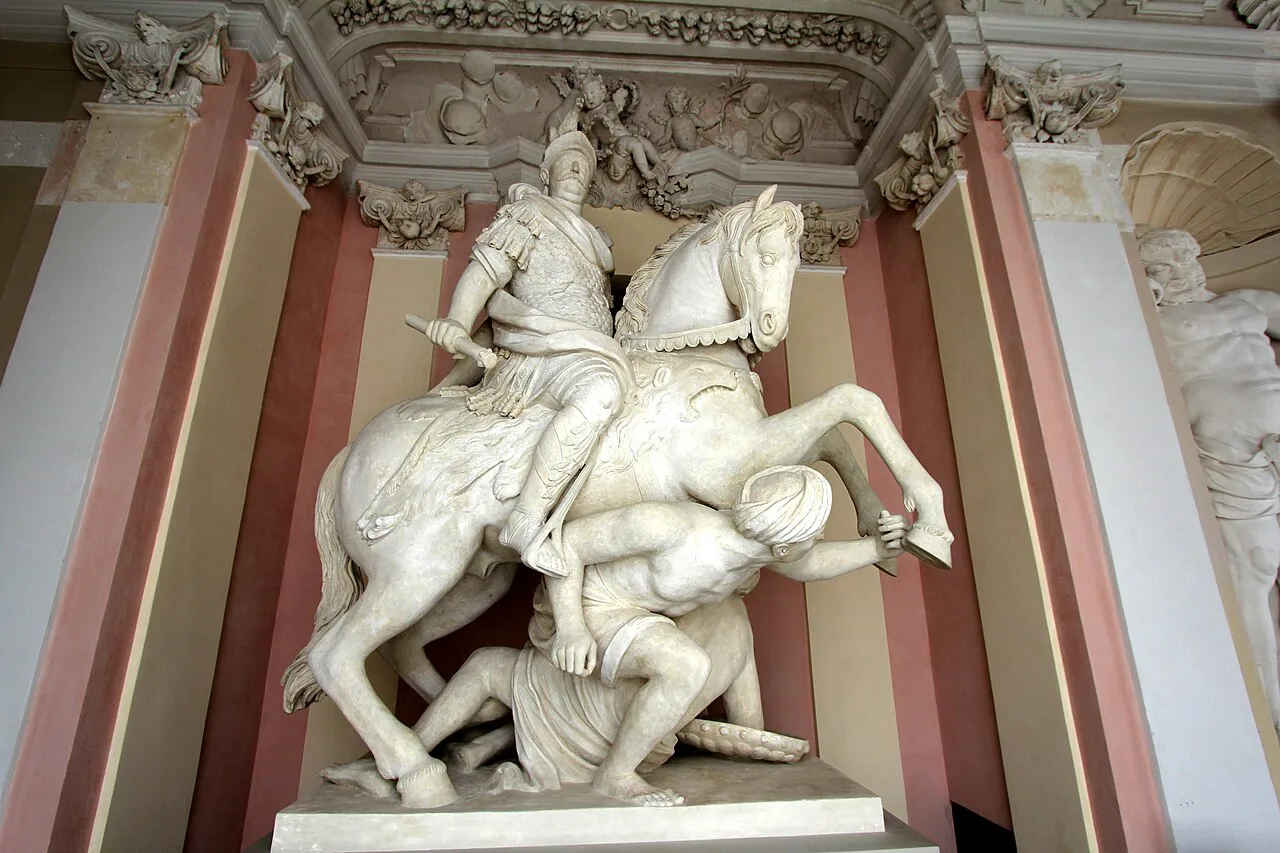
Wilanów Palace is one of the few historic buildings in Warsaw that came through the Second World War almost intact, which is why its interiors read as an original residence rather than a reconstruction. Standing slightly off the main route, it escaped the scale of destruction that levelled much of central Warsaw.
That survival matters when you walk through the rooms: the sequence of chambers and the decorative scheme retain their original logic. For the wider story of the city's wartime destruction and rebuilding, spend time at the Warsaw Uprising Museum on a different day rather than here.
The story of the residence
Construction began on 23 April 1677, when the village became the property of King John III Sobieski, and the main building work ran from 1677 to 1696 under his court architect Augustyn Locci. The design blends a Polish nobleman's house with an Italian garden villa and a French palace in the manner of Louis XIV.
After Sobieski's death the palace passed to his sons, and in 1720 it was bought by Elizabeth Sieniawska, then one of the wealthiest women in Poland. King August II the Strong owned it for three years from 1730 and altered the interiors, and later in the century it passed through Izabela Lubomirska before reaching Stanisław Kostka Potocki.
Potocki turned part of the residence into a museum in 1805, making it one of the first museums in Poland. That origin explains why the visit is as much a gallery as a palace tour, and it is the reason the portrait collection carries real weight.
What to see inside the palace
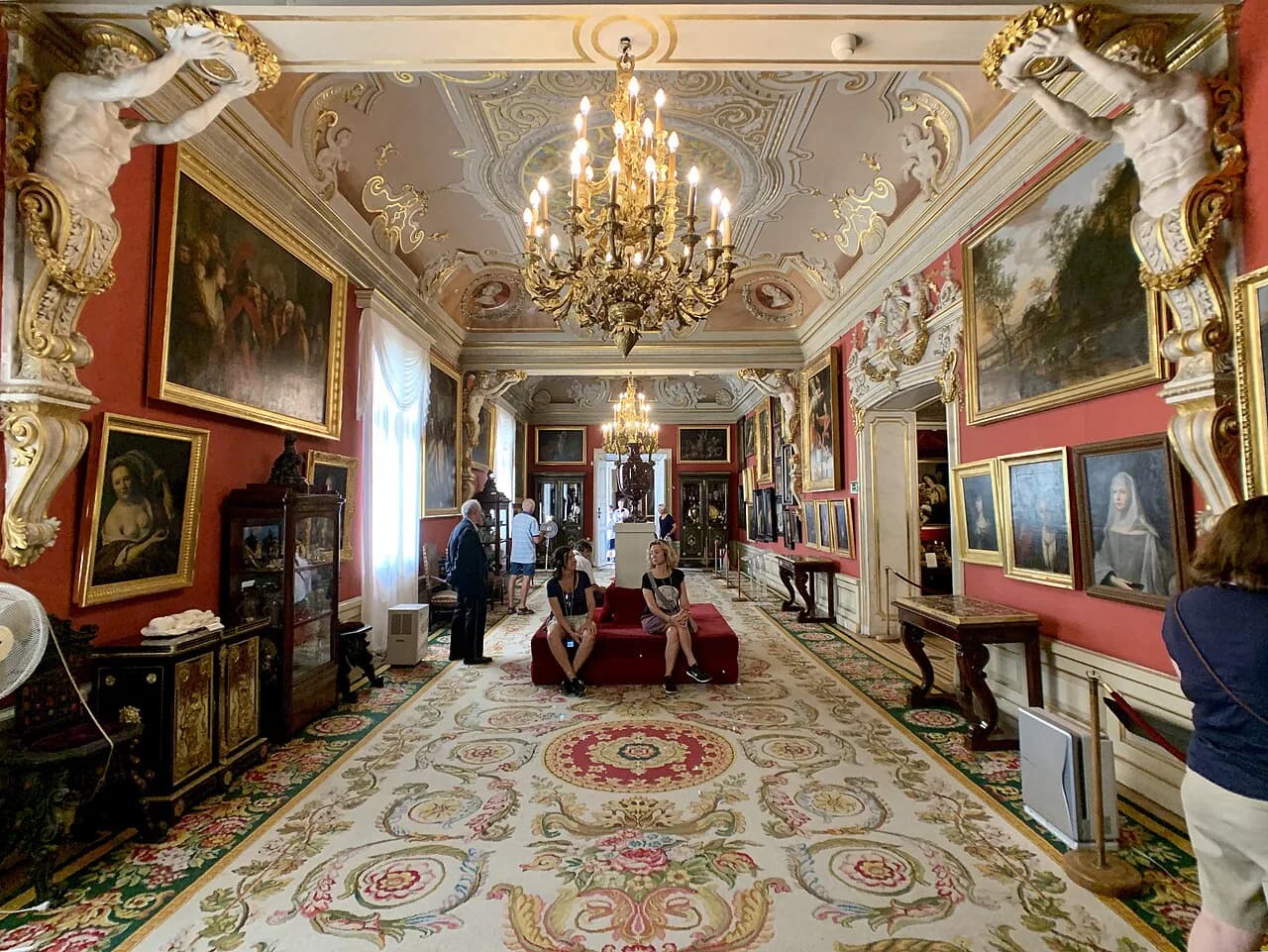
The interior visit falls into two clear parts. On the first floor, the Gallery of Polish Portraits gathers effigies of monarchs, magnate families, participants in national uprisings and artists, painted over the centuries by Polish and foreign hands.
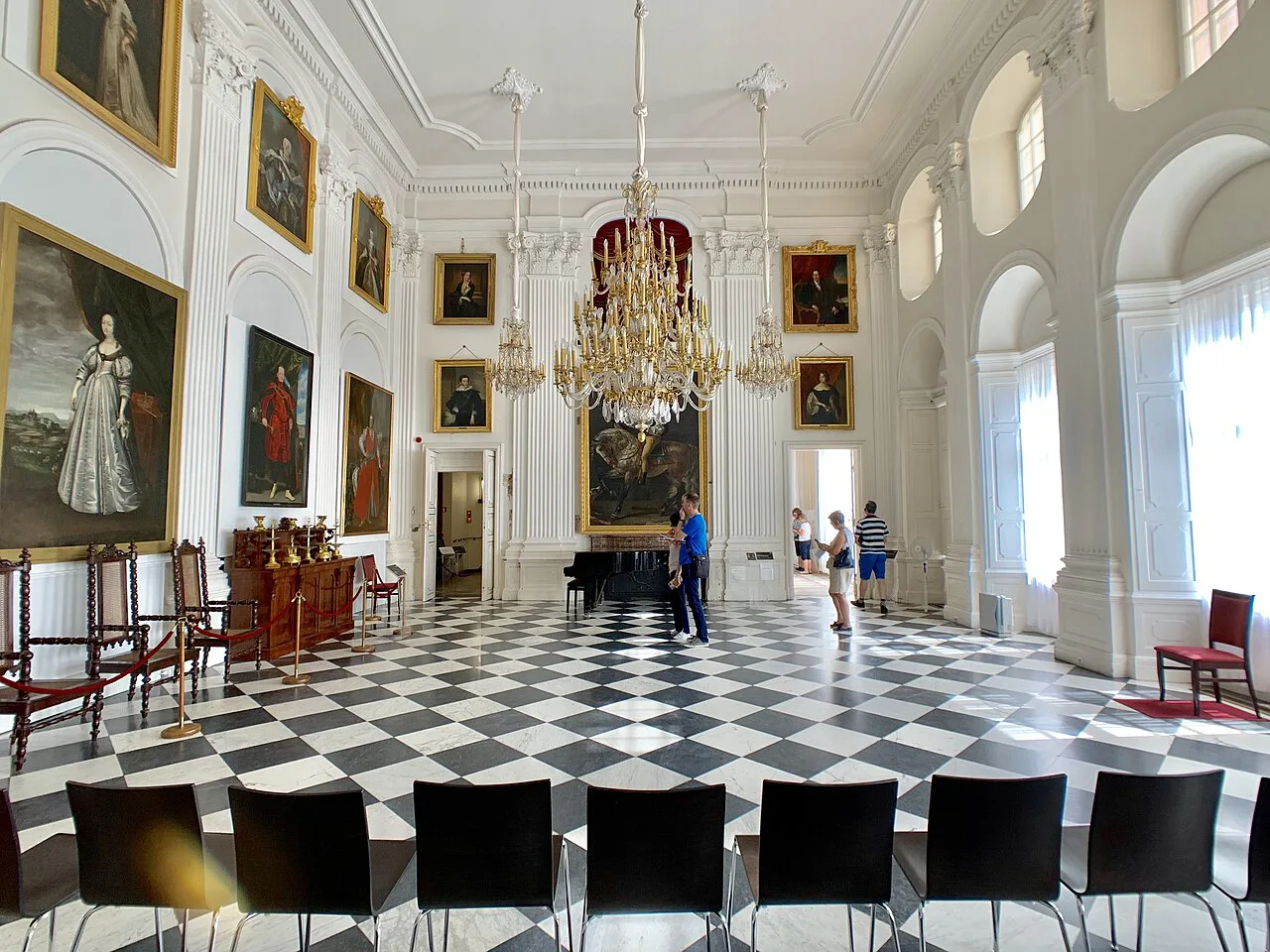
Beyond the gallery are the royal apartments and the White Hall, the ceremonial rooms where court life took place. The state rooms are where the palace earns its reputation, with the gallery acting as a historical primer before you reach them.
Read the portrait gallery slowly if you want the royal apartments to make sense, because the faces on the walls are the people who used the rooms you walk through next. If you are short of time, the apartments and White Hall are the part not to skip.

The gardens and park
The residence sits within formal gardens and a larger park, and the grounds are the reason to build extra time into the visit rather than treating the palace as a single stop. Walk the formal layout near the building first, then follow the park paths away from the facade.
The gardens are a genuine half of the day out, and in mild weather they are where you will want to linger after the interiors. If you are travelling with children, the open space also makes the park a useful counterweight to a museum-heavy schedule, and the Copernicus Science centre offers a hands-on alternative elsewhere in the city.
How long to allow
Allow around two hours for the palace interiors if you read the gallery and move through the royal apartments at a normal pace. Add at least an hour for the gardens and park, more if the weather is good and you want to walk the full grounds.
That makes Wilanów a half-day commitment once travel from the centre is included, and a comfortable full day if you plan a long park walk and a proper look at the portrait gallery. Build the visit around the palace first and let the park fill whatever time is left.
A realistic split for a half day is roughly two hours inside and an hour outside, with the journey each way on top. If you only have one hour to spare in total, Wilanów is not the right choice for that day.
Tickets, hours and prices
Ticket prices in złoty, opening hours and any free-entry day are not fixed facts you should assume from a listing. Check them on the museum's own site before you travel, since third-party listings are often out of date and timed entry for the interiors can sell out.
The palace operates as a museum with separate ticketing for its collections, so confirm which ticket covers the royal apartments and the Gallery of Polish Portraits, and whether the park needs its own entry. Book ahead if your Warsaw dates are fixed, particularly at weekends.
When to go
The gardens are at their best in late spring and summer, when the park is the point of the visit as much as the interiors. Outside the warm months the palace itself becomes the main draw, and the grounds are a shorter add-on.
Weekdays are the calmer choice for the state rooms, with weekends busier and more likely to need pre-booked slots. Check the museum's calendar for the day you plan to visit rather than relying on a general impression of Warsaw museum hours.
What is nearby in Wilanów and further afield
Wilanów is a residential district in its own right, and the palace gardens are the main visitor draw here rather than a surrounding sightseeing cluster. Plan to return towards the centre for the rest of the day rather than expecting a street of attractions on the doorstep.
Back in central Warsaw, the Palace of Culture and Science anchors the area around the main station and Plac Defilad, with the Neon Museum close by for an evening alternative.
Other palaces and green spaces sit within easier reach of each other, including Palace on the Isle, Warsaw in Łazienki Park, the Barbican near Nowomiejska Street, and the Powązki Cemetery further north.
Practical points for the visit
The palace runs a museum operation with collections and temporary displays, so check its rules on photography and group visits before you arrive if either matters to you. Booking ahead for the interiors is the single most useful step, especially for a short trip with fixed dates.
If you are planning several days in Warsaw, spread the big sights out: Wilanów on one day, the central museums and streets on others. The Koneser vodka factory, with the Polska Wódka Foundation on site, is a good anchor for a different afternoon.
Should Wilanów make your Warsaw shortlist?
Yes, if you have at least half a day and want a royal residence that survived the war intact rather than a reconstruction. The combination of the portrait gallery, the royal apartments and a proper park walk gives the outing real substance.
Skip it if your Warsaw trip is only one packed day or you would rather stay on foot in the centre. For a two- to three-day break, Wilanów earns its journey south, and the Warsaw Attractions hub helps you slot it in alongside the rest.
Frequently Asked Questions
How do you get to Wilanów Palace from central Warsaw?
Buses and trams run south to Wilanów, but confirm current routes and stops with the city transport operator before you travel. A taxi is the simplest option if you want a direct journey and no changes.
What is the entrance fee for Wilanów Palace?
The museum's own website is the place to confirm the current ticket price in złoty, including any reduced or family option. Prices change, and third-party ticket listings may lag behind, so buy through the official site where possible.
Is Wilanów Palace free on any day of the week?
Check the museum's website for any free-entry day, because it is not a fixed weekly rule you can assume. If a free day applies, expect the palace to be busier and book or arrive early.
Can you visit the gardens without a palace ticket?
The palace and its grounds are run together, and the ticket structure for the gardens and park is confirmed on the museum's site. Check before you go whether your palace ticket includes the park or whether the grounds are ticketed separately.