
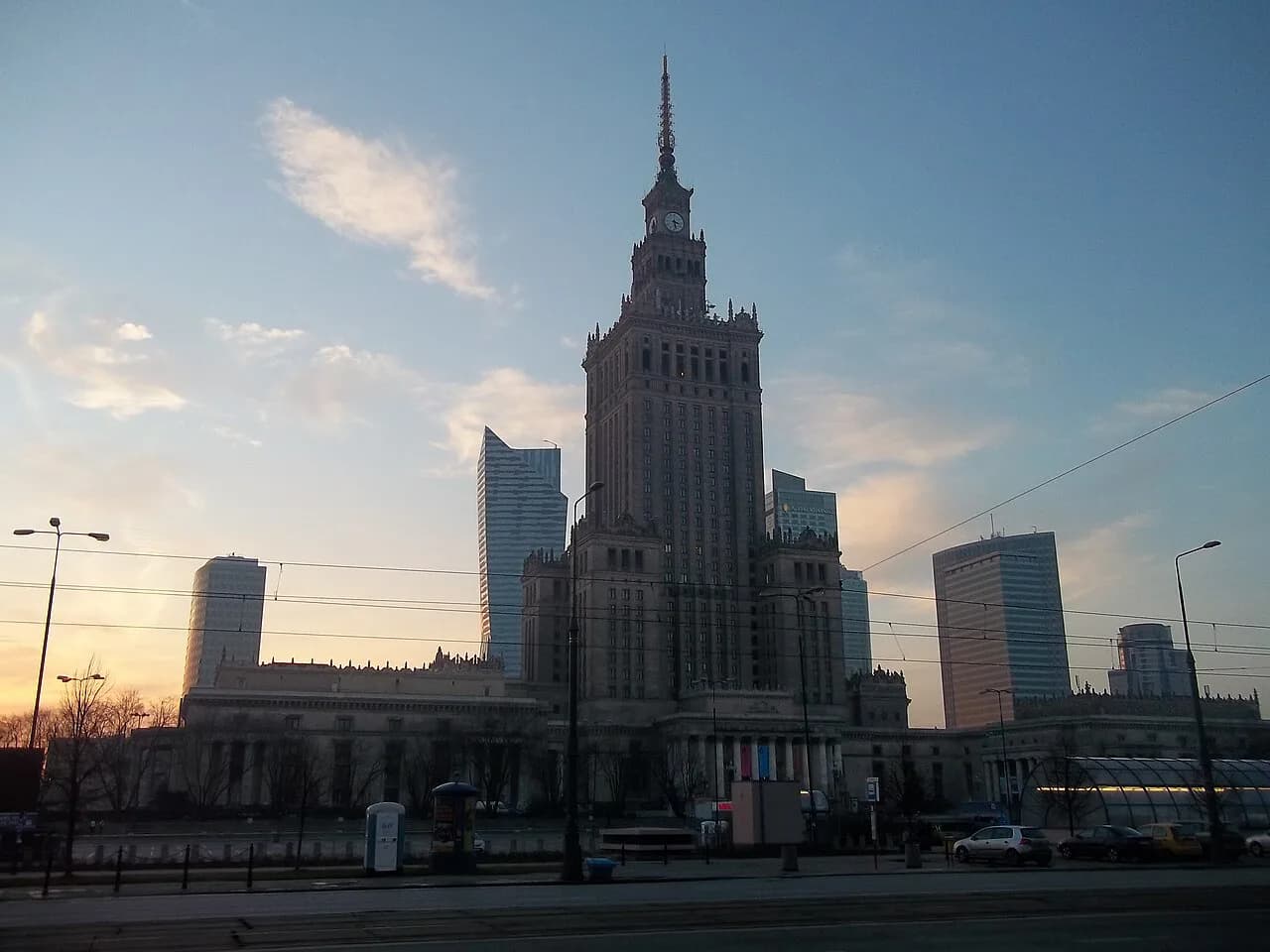
Palace of Culture and Science: A Visitor's Guide

The Palace of Culture and Science is worth visiting, chiefly for its 30th-floor viewing terrace at 114 metres, which is open daily from 10:00 to 20:00. Allow an hour for the terrace alone and up to half a day if you also take in one of the museums or the cinema inside. This guide covers what the building contains, how the terrace works, where it sits in central Warsaw and why it still divides opinion.
What the Palace of Culture and Science is and whether it is worth visiting
The Palace is a Stalin-era skyscraper in the middle of Warsaw, completed in 1955 and now housing theatres, museums, a cinema, restaurants and offices alongside the observation deck. Its scale is the point: you feel the building before you see anything in it. Treat it as two separate visits, the terrace and the interior, and decide which one you actually want.
For most travellers the terrace justifies the stop, because central Warsaw is flat and the view from height explains the city's layout in a few minutes. The interior is more of a mixed bag: some spaces are grand, others are ordinary offices and corridors, and the museums inside are small rather than blockbuster. If you have one day in Warsaw, go up; if you have three, come back for the Neon Museum.

Where the Palace sits in central Warsaw
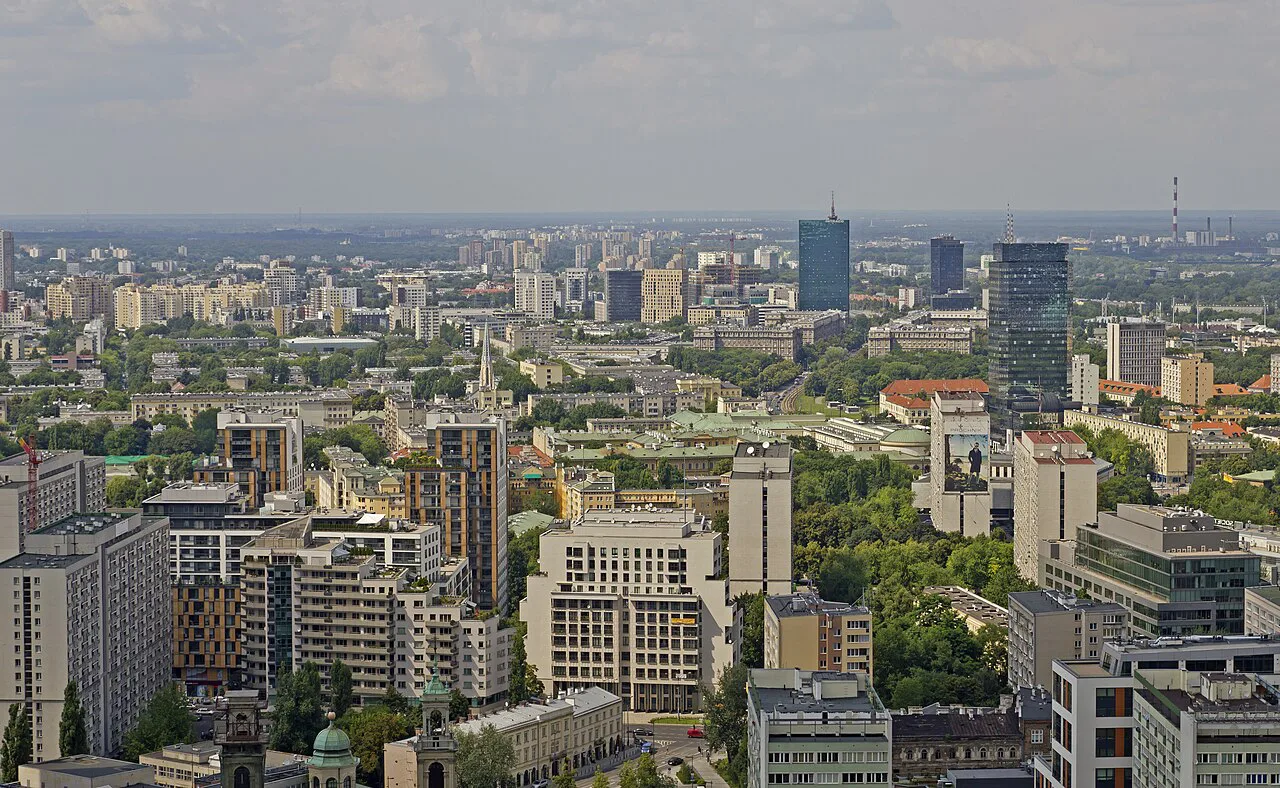
The Palace stands at Plac Defilad, immediately south of Śródmieście's main shopping streets and a short walk from Warszawa Centralna station and the Centrum metro stop. You cannot miss it: the tower dominates the skyline from most of the city centre. Walking from the Old Town takes roughly 20 to 25 minutes south-east along Marszałkowska or through the streets behind it.
Because it is so central, the Palace works best as a hinge in your day rather than a destination you travel to. Pair it with the streets around Nowy Świat or the restored Old Town, both within walking distance. Our wider guide to Warsaw Attractions: 10 Visitor Guides sets out how the main sights cluster, which helps when you are deciding what to do before and after the tower.

The viewing terrace on the 30th floor
The terrace sits on the 30th floor at a height of 114 metres and is open every day from 10:00 to 20:00, including weekends. The official site gives a single closure date: 1 November 2026, when the terrace is shut to visitors. Go on a clear day, because haze over the Vistula flats can flatten the view.
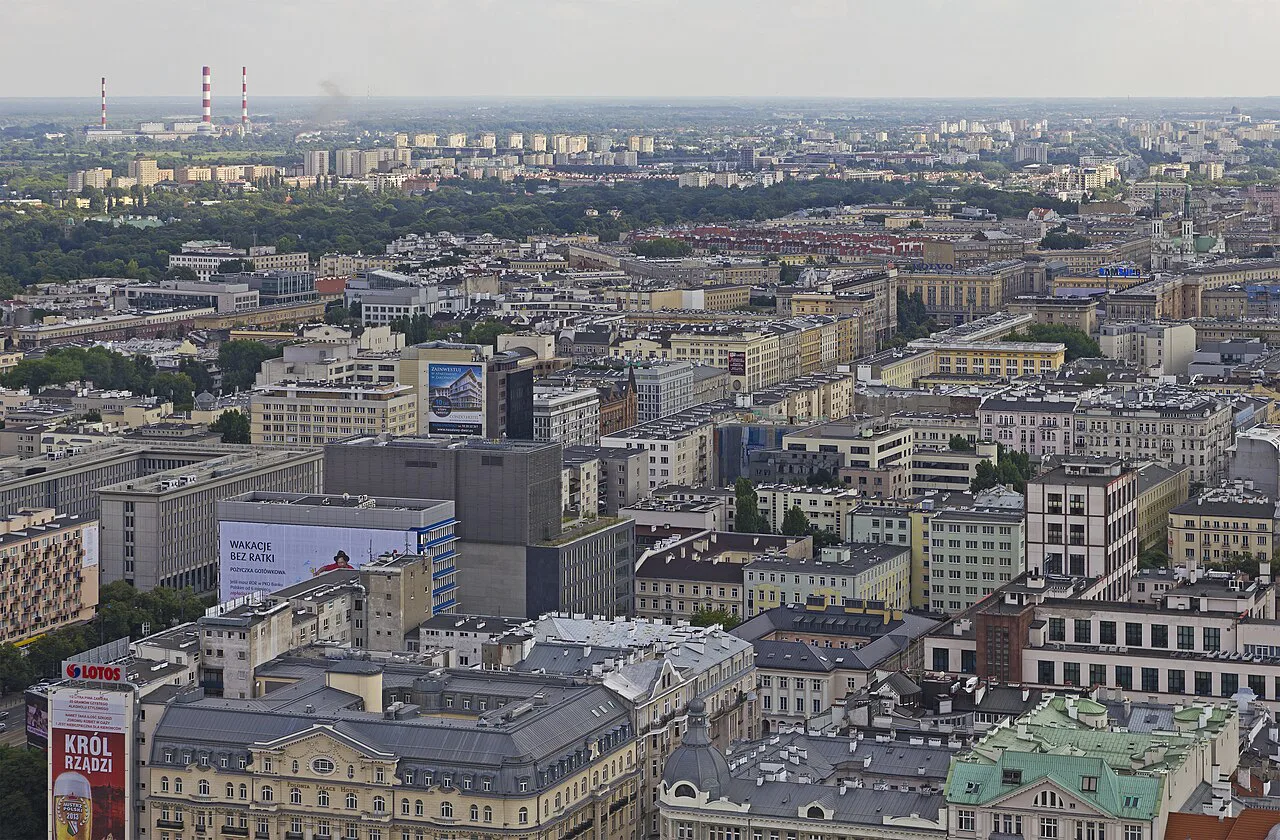
From the top you look down on the Palace's own plaza, across the rooftops of Śródmieście and out towards the river and the Praga district beyond. The terrace is open-air, so wind and rain matter more than they would behind glass; a jacket is sensible even in summer. Photography is the main activity up there, and the layout gives you room to walk a full circuit rather than queue at one railing.
Late afternoon is the strongest slot: you get daylight, then the low sun, then the lights coming on across the city, all within one 10:00 to 20:00 opening window. Midday is busiest, so aim for opening time or after about 17:00 if you want space at the railings. The terrace is small enough that a slow lap takes 20 minutes and a patient one an hour.
What else is inside the building
The Palace holds theatres, museums, a cinema, restaurants and a shopping arcade across its interior, so a wet afternoon can be filled without leaving the building. The Neon Museum is the standout of the smaller attractions, a collection of Cold War-era neon signs that speaks directly to Poland's postwar design history. Check each venue's own hours before you commit, since they do not follow the terrace's 10:00 to 20:00 pattern.
A permanent exhibition of memorabilia connected with the Palace's history is on show in the building, which is a sensible filler if the terrace is crowded or the weather has closed in. The cinema and theatres make the Palace a working cultural centre rather than a monument, and evening performances give you a reason to return after dark. For a different kind of hands-on science stop with children, the Copernicus Science Centre, Warsaw is a separate trip closer to the river.
How long to allow and the best time to go up
Budget 45 to 60 minutes for the terrace including the lift and the walk around, and two to three hours if you add one interior attraction. The building is large and finding the right entrance and lift takes longer than first-time visitors expect, so do not schedule the Palace into a tight gap between two other sights.
Weather decides the value of the ticket more than the time of day does. A grey, drizzly day gives you a grey, drizzly view, so save the terrace for the clearest morning or evening of your stay and reshuffle the rest of your plan around it.
Tickets for the terrace
Terrace tickets are sold through a link on the Palace's own website, which also lists the current admission price in złoty and any reduced rates for children, students and seniors. Buy before you travel if you are visiting at a weekend or in high season, because the terrace is a popular stop. The official page carries the ticket link, opening calendar and the closure notice for the terrace.
Do not assume a Palace ticket covers the other venues inside; the Neon Museum and the theatres run their own admissions. If you are building a day of paid attractions, compare the Palace with the Warsaw Uprising Museum, the site of the 1944 rising, which charges separately and takes far longer to see properly.
The building's history: 1952 to 1955
Construction began on 1 May 1952 and finished on 21 July 1955, and the Palace marked its 70th anniversary on 22 July 2025. It was a gift from the Soviet Union to postwar Poland, built to a Soviet design and named after Joseph Stalin until the name was dropped in the thaw that followed. Those dates and the anniversary come from the Palace's own published history.
The building has outlived its political origins to become an ordinary part of the Warsaw skyline, which is exactly what makes it interesting to visit now. Looking at it as architecture rather than as a monument to its donor is what most visitors end up doing once they are on the terrace.
Why the Palace is controversial
The controversy is straightforward: the Palace was imposed on a city that had been destroyed in the war, built in a socialist-realist style that had nothing to do with Polish architecture, and named after the Soviet leader whose regime installed it. Many Varsovians have wanted it pulled down at various points since 1989, while others argue that demolition would erase a chapter of history rather than resolve it.
The result is a building that people argue about and use at the same time, which you will notice in how casually the city treats it: offices, gigs, film screenings and school trips all happen inside it. Go with that in mind and the visit is more than a photo stop. For the wartime and occupation history that frames this period, the Warsaw Uprising Museum is the more substantial companion visit and sits a few kilometres west of the Palace.
What is nearby for the rest of your day
The Old Town is a 25-minute walk north-east, taking you past the Barbican, the market square and the city walls; the Palace to Old Town stretch is flat and easy. Śródmieście's shopping streets sit immediately north and west, and Nowy Świat runs south towards the river and the museum quarter.
For green space, Łazienki Park is a short bus or taxi ride south and gives you palaces, a lake and peacocks in one afternoon. On the eastern side of the river, the Koneser Vodka Factory complex in Praga is a good pairing with a walk across the river for the view back at the skyline, and the Polska Wódka Foundation there tells the distilling story properly. If you want the ceremonial side of Warsaw, the Palace on the Isle, Warsaw sits inside Łazienki and can be combined with the park.
A quieter alternative for a second afternoon is Powązki Cemetery, Warsaw's great historic burial ground north-west of the centre, where the city's writers, artists and soldiers are commemorated. Wilanów Palace lies far to the south and needs its own half-day rather than a detour from the Palace. Plan the Palace as the centrepiece of a central morning, then pick one of these for the rest of the day.
Is the terrace worth your time?
Yes, if the sky is clear: the 30th-floor terrace is the fastest way to understand how Warsaw is laid out, and an hour spent there beats an hour spent wandering the centre without a map. Skip it in poor weather, when the view disappears and the ticket buys you wind.
Whatever you decide about going up, the building's public spaces make an easy pause between the Old Town and the shops rather than a fixed appointment. Check the official site for the current price, hours and any closure before you set out.
Explore more Warsaw guides
Frequently Asked Questions
Can you go inside the Palace of Culture and Science?
Yes. The building holds theatres, museums, a cinema, restaurants and offices, and the viewing terrace on the 30th floor is open to visitors daily from 10:00 to 20:00. The terrace has its own ticket, sold through the Palace's website, and some interior venues charge separately.
What is inside the Palace of Culture and Science?
The Palace contains theatres, museums, a cinema, restaurants and a shopping arcade, plus a permanent exhibition of memorabilia about the building's history. The most visited part is the viewing terrace at 114 metres, which is open daily.
How long does a visit take?
Allow 45 to 60 minutes for the terrace including the lift and a full circuit, or two to three hours if you add one of the interior museums or a film. The building is large, and finding the right entrance takes longer than visitors expect.
Why is the Palace of Culture and Science controversial?
It was built between 1952 and 1955 as a gift from the Soviet Union, in a Soviet architectural style, and was originally named after Joseph Stalin. Opinion in Warsaw has long been split between those who want it demolished and those who see it as part of the city's history.