A Weekend in Szczecin: Two-Day Plan and What to Skip
Plan a weekend in Szczecin with a two-day route from Jasne Błonia to Wały Chrobrego, plus the Dialogue Centre and honest advice on what to skip.
On this page
Two days is enough for Szczecin's headline sights if you group them into one connected walk rather than criss-crossing the centre. The city's main visitor stops run from the parks at Jasne Błonia through Solidarity Square to the Oder and the Chrobry Embankment, so a weekend built along that line keeps taxi hops to a minimum. This plan covers that route day by day, the local food worth building a stop around, and what to cut when 48 hours is all you have.
Why two days suits Szczecin, and how the city is laid out
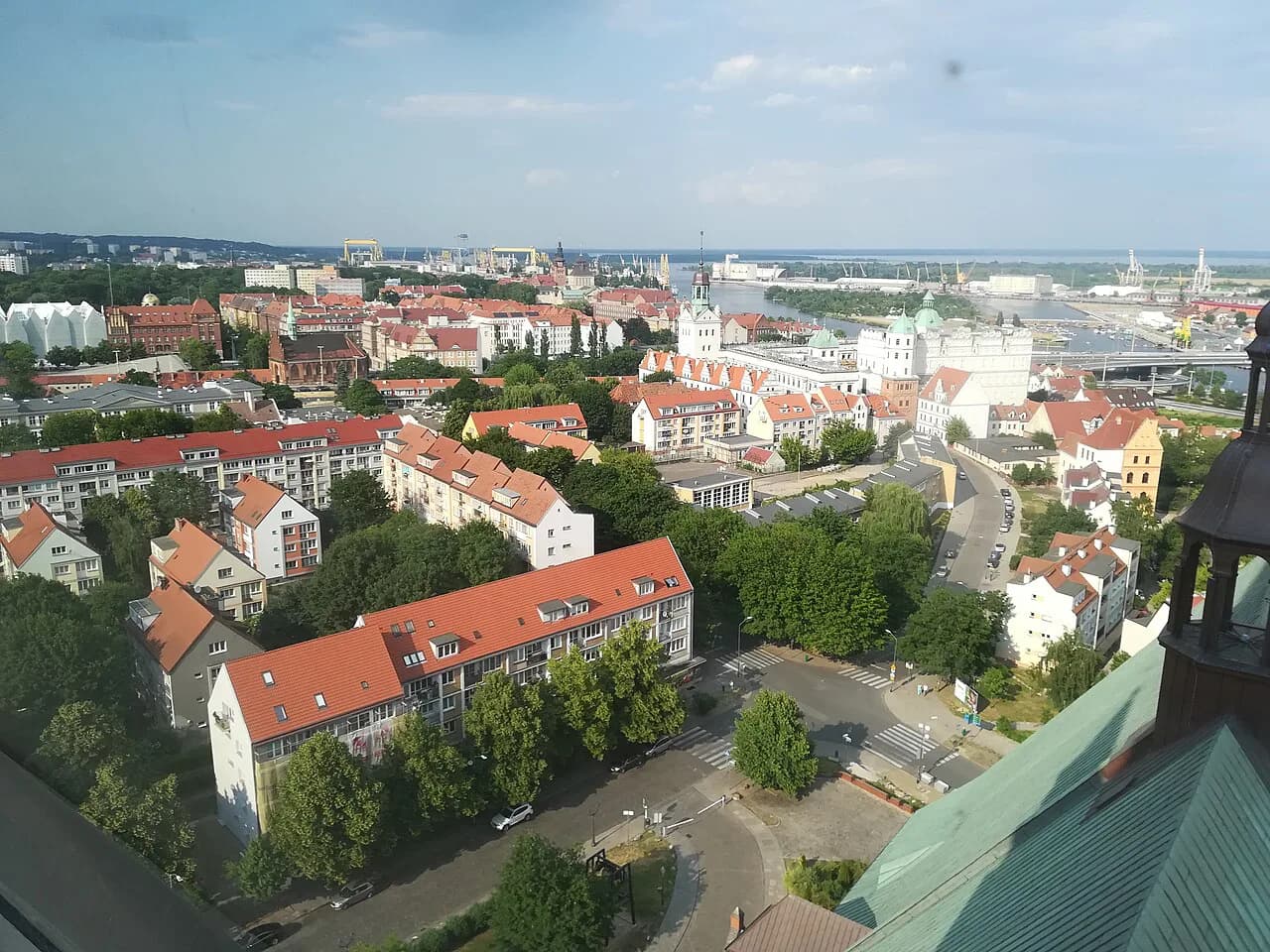
Szczecin spreads along the Oder in West Pomerania, and its sights cluster in two groups: the green belt around Jasne Błonia and Kasprowicz Park, and the riverside terraces and old streets. The two are walkable across a single afternoon, which is why a weekend works better here than a rushed day trip. Plan one day for the parks and the waterfront, and one for the old town and museum stops, and you avoid retracing your steps.
The Visit Szczecin city site sets out its own 48-hour route in roughly this order: food and pools at the start, then Jasne Błonia and Kasprowicz Park, then the Philharmonic, the Dialogue Centre and Wały Chrobrego. Treat that sequence as the backbone rather than a fixed timetable; it assumes a Friday arrival and a full Saturday. If you land on a Saturday, simply start the green half first.
Walking the axis from Jasne Błonia to Wały Chrobrego
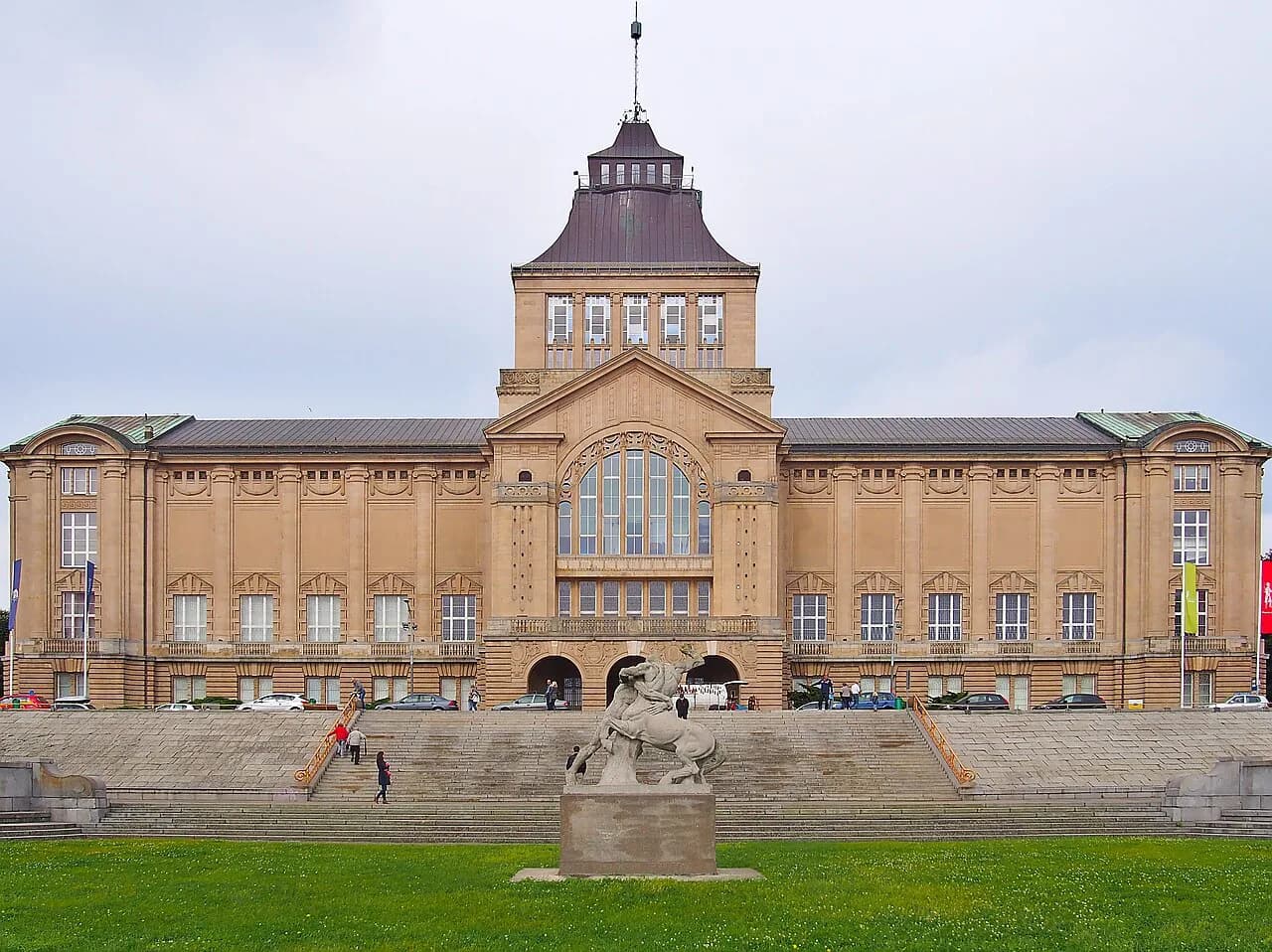
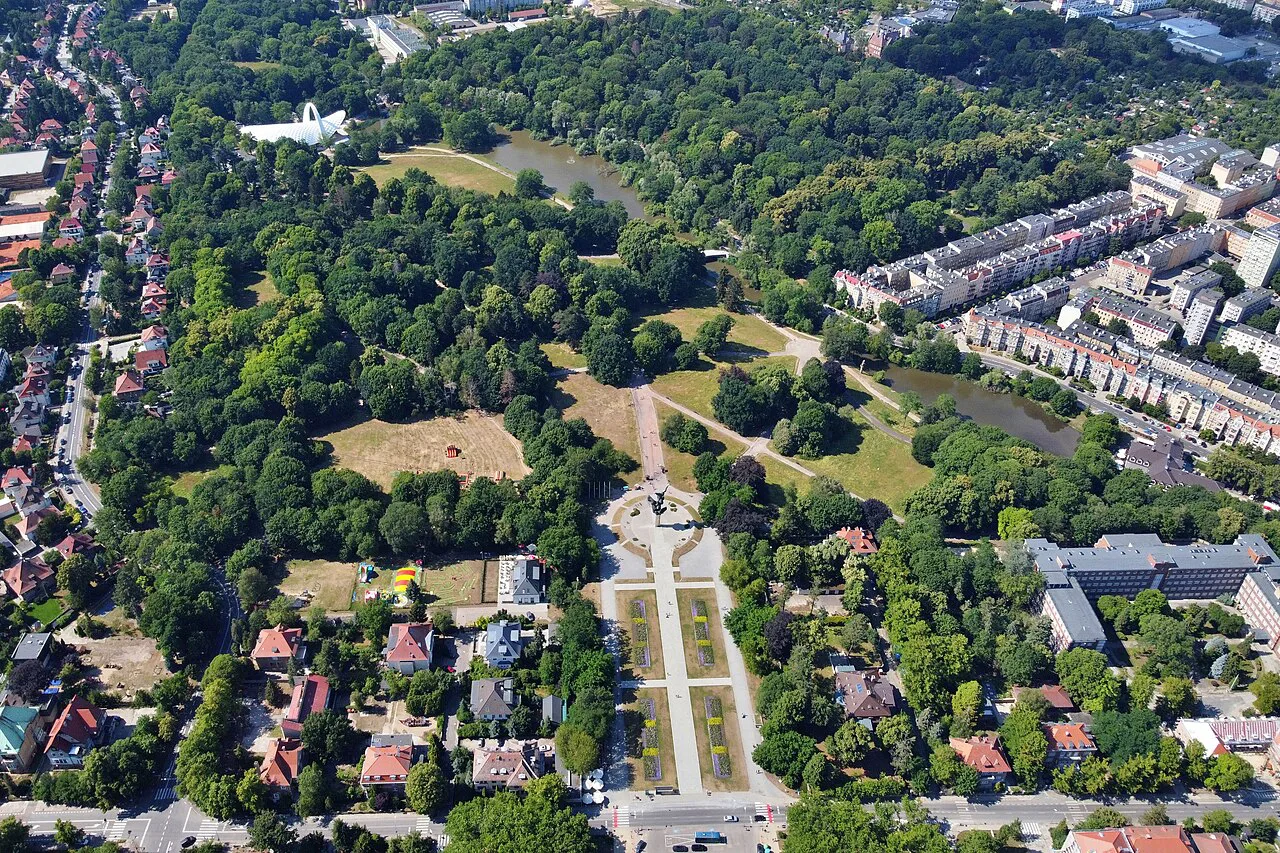
Nearly everything in this plan sits along one long walk: Jasne Błonia, Kasprowicz Park, the Lentz Villa, John Paul II Avenue, Aleja Kwiatowa, Solidarity Square, the Philharmonic and finally Wały Chrobrego. Do it in that order and you finish at the river with the city's best-known view in front of you, rather than doubling back at the end of the day. Wear proper shoes, because the park paths and the embankment steps are the day's real mileage.
From the Philharmonic, Małopolska Street leads the short way to the Chrobry Embankment, so keep the two together rather than splitting them across days. A self-guided route of this kind fills a full morning and early afternoon without any transport.
Day one morning: Jasne Błonia, Kasprowicz Park and the Rose Garden
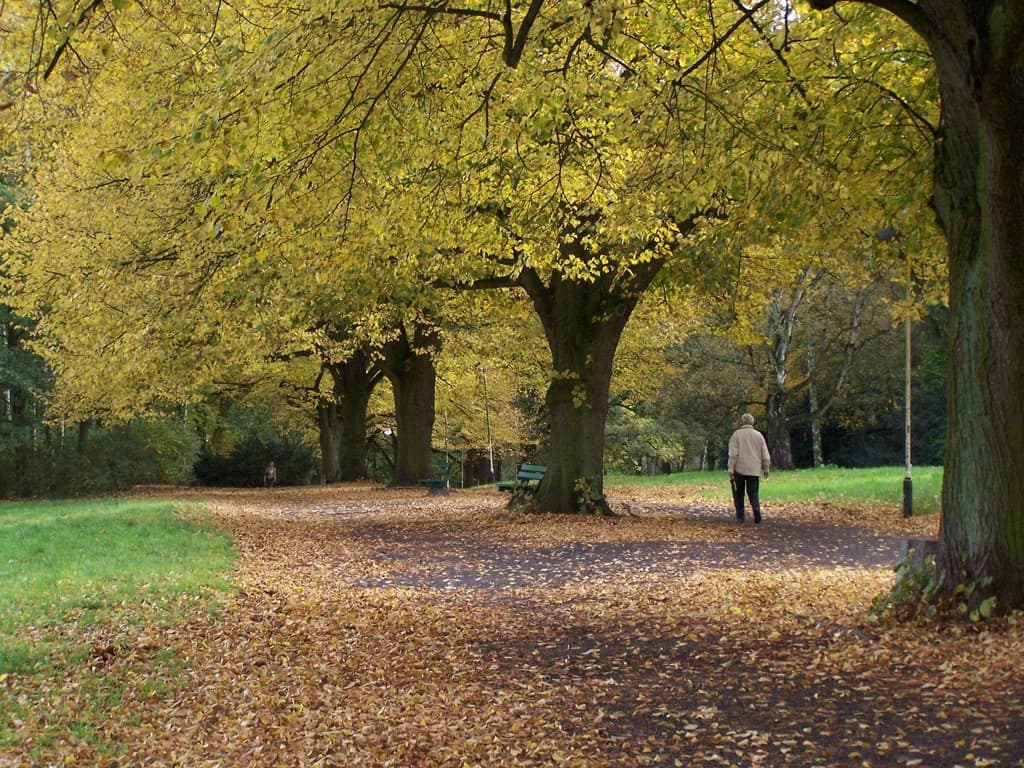
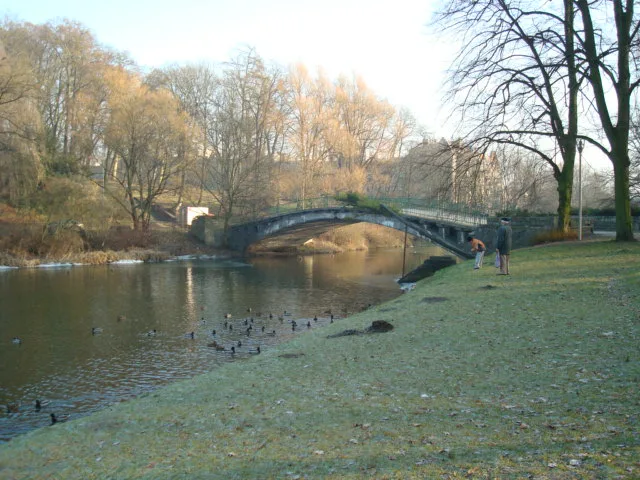
Start at Jasne Błonia, the square of plane trees where the Visit Szczecin route suggests opening the day with coffee from a city roaster before walking on. From there, paths lead into Kasprowicz Park, which the same route describes as narrow and leafy, with the Helena Majdaniec Summer Theater and the signposted Rose Garden within it. The theatre is described as one of Poland's largest amphitheatres and was modernised relatively recently.
In summer the Rose Garden hosts concerts, children's workshops and dance evenings at weekends, while in autumn it is simply a quiet walk among the last blooms. Allow a couple of hours for this green half and don't bolt on the Lentz Villa unless you are moving briskly; the route lists it as an optional extra on the way back towards the centre.
Day one afternoon: the Philharmonic and the Chrobry Embankment
The Mieczysław Karłowicz Philharmonic, across from Solidarity Square, is described as looking like an iceberg crossed with Hanseatic townhouses, with a white lobby and a Sun Hall inside. Whether you go in for a concert or just to see the building, it pairs naturally with the square outside. Check what is on that weekend on the city's event calendars before you fix your day around a performance.
Then walk down Małopolska Street to Wały Chrobrego, the terraced viewpoint that the city's own tourism site presents as Szczecin's most recognisable place. The view over the Oder is the reason to come, and it is an outdoor spot with no timed entry, which makes it a good buffer if the morning ran long. Save the riverside for late afternoon light rather than midday.
Day two morning: the Upheavals Dialogue Centre
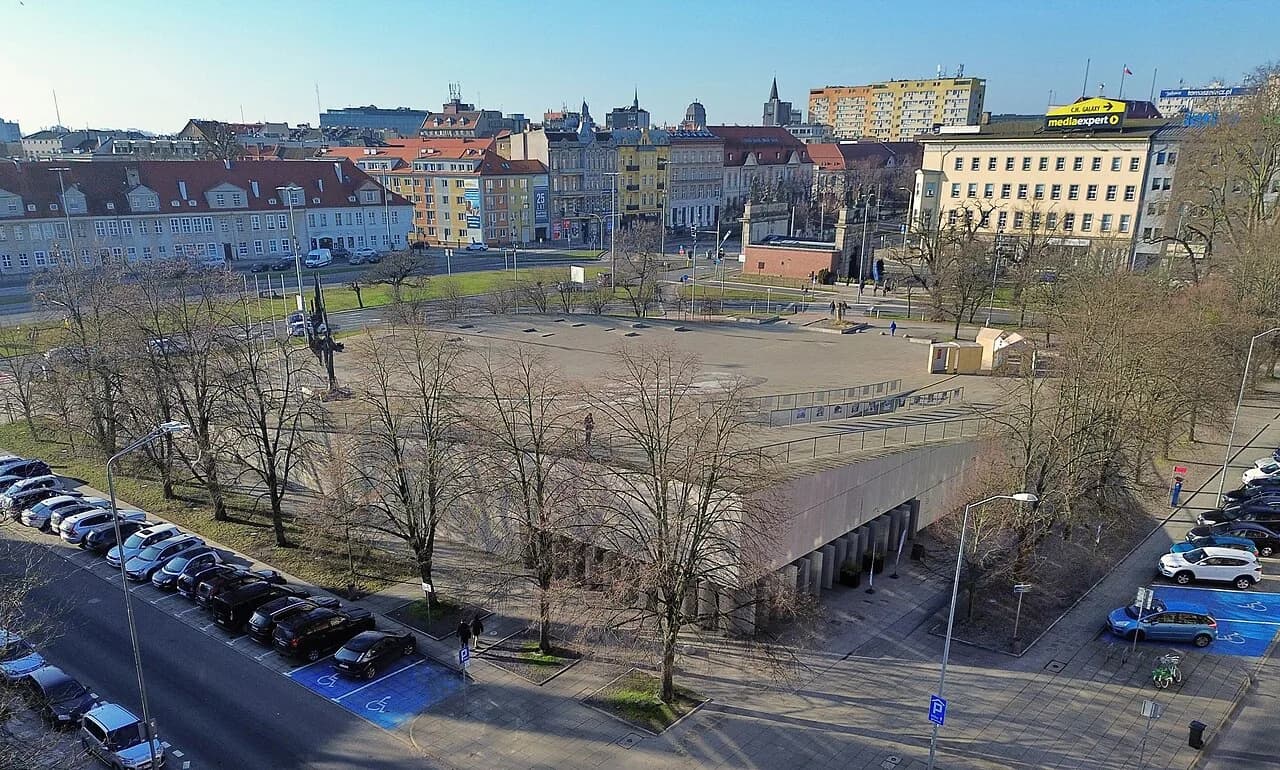
Below Solidarity Square, the Upheavals Dialogue Centre tells the story of Szczecin from the end of the Second World War to the fall of communism. It is the city's key history stop and the one indoor sight worth protecting time for, so give it the morning rather than squeezing it between two others. Buy tickets and confirm opening days directly with the centre, because municipal museums in Poland often keep one closed day a week and hours vary by season.
The centre's café by the exit serves sandwiches with herring or paprykarz szczeciński, the Szczecin-style paprika paste, which makes it the natural lunch stop before you continue to the old town.
Day two afternoon: the castle and the old town streets
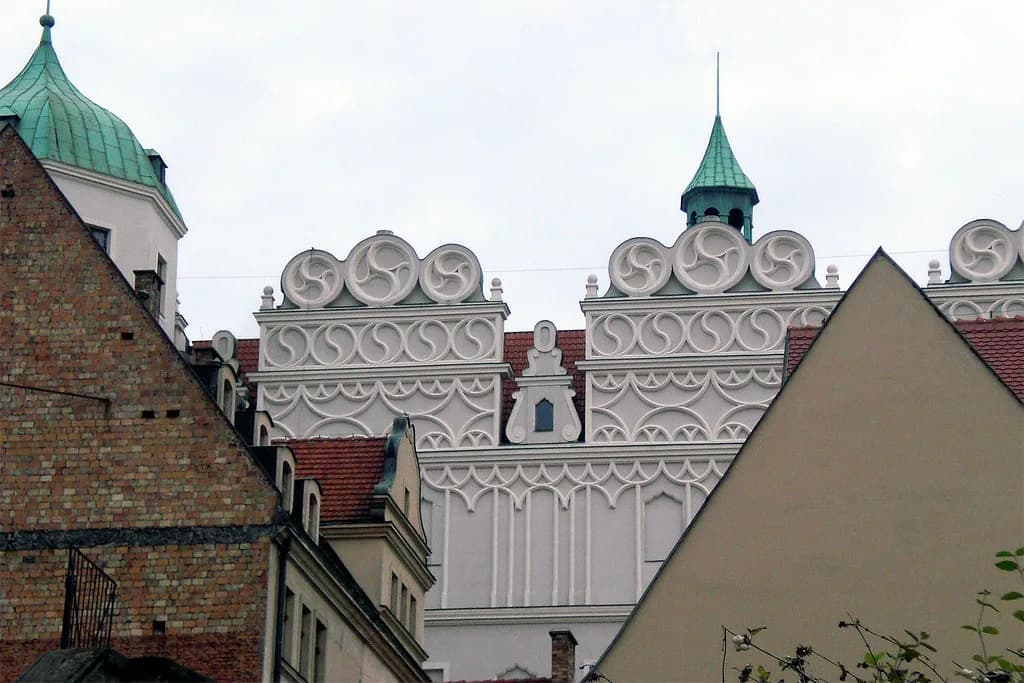
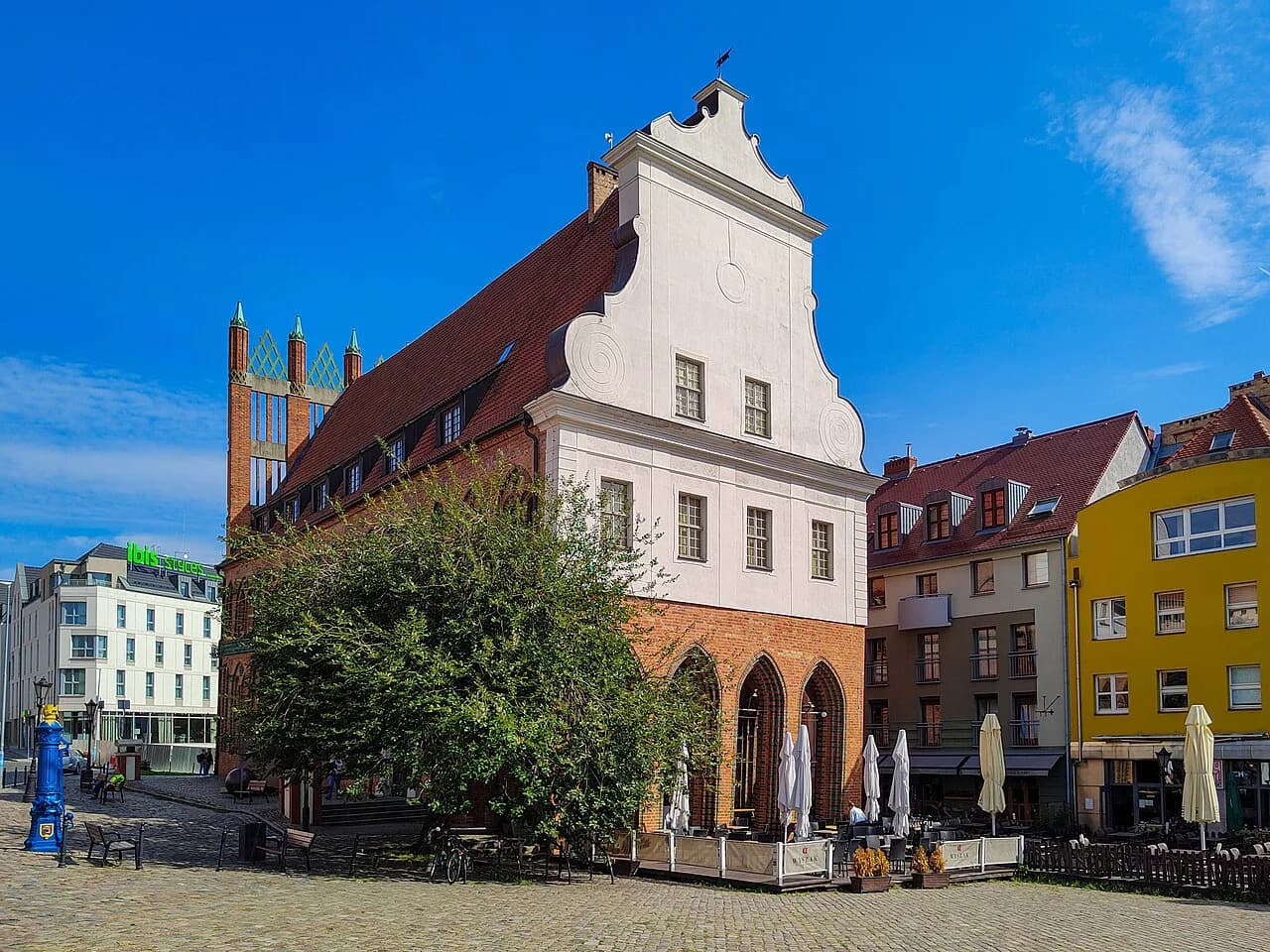
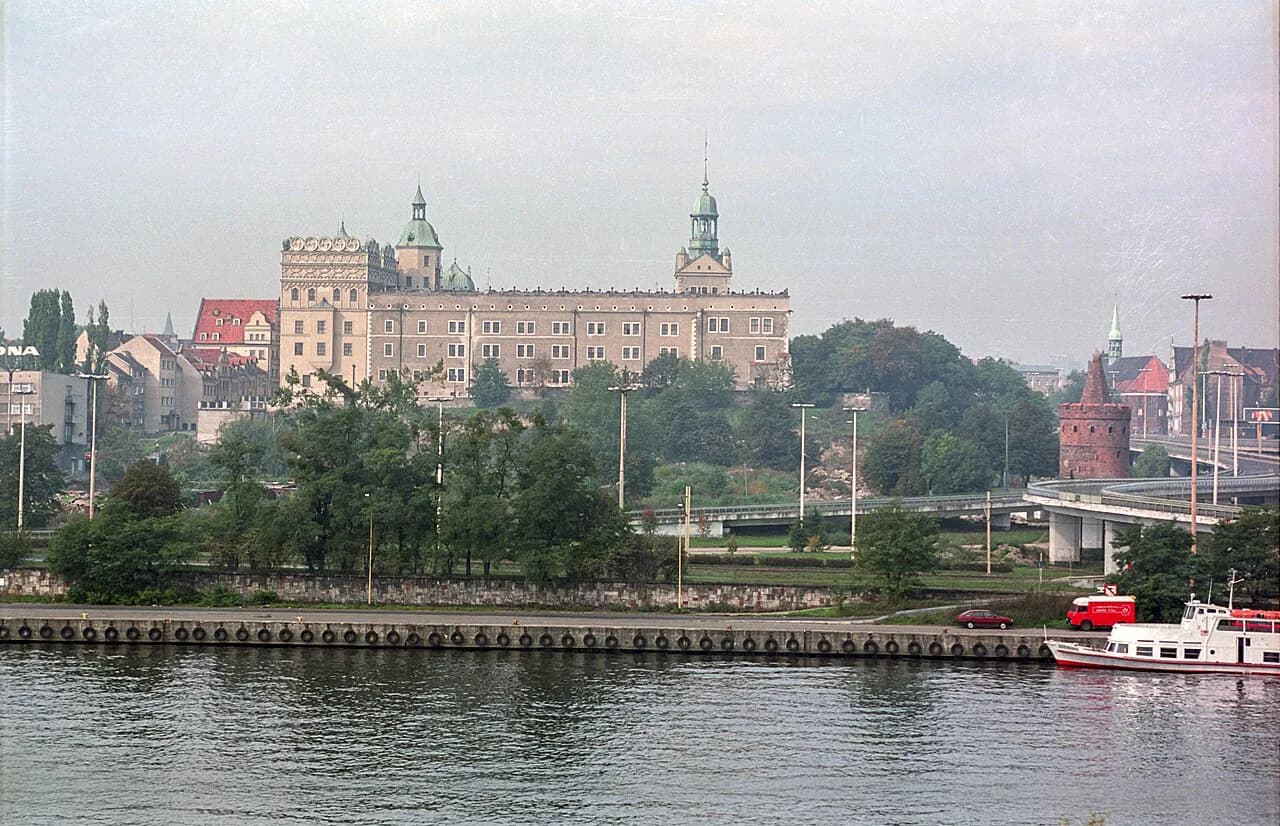
Spend the afternoon in the old town, where the Pomeranian Dukes' Castle anchors a compact grid of rebuilt streets. The castle and the surrounding Stare Miasto reward a slow wander more than a checklist, and the whole area is small enough to cover on foot after the museum. Our Things to do in Szczecin guide picks out the streets and squares worth your remaining hours.
If you still have energy, use the evening to check what is on across the city; listings sites publish concerts, exhibitions, walks and workshops week by week. In late October the calendars fill with festivals and gallery openings, so a quick look can turn a spare hour into the best part of the trip.
What to skip on a two-day trip
Skip the Water Factory aquapark on a 48-hour visit; it is a several-hour family stop and belongs to a longer stay. Skip anything that pulls you back into the parks once you have reached the river, and skip a second museum if the Dialogue Centre already took your morning. Two days here are better spent walking one coherent route than collecting tickets.
Save the Lentz Villa, a longer riverside wander and any return to the parks for a second visit. If you are still deciding whether the city justifies the trip at all, our answer to whether Szczecin is worth visiting sets out the trade-offs plainly.
What to eat, and where it fits in the day
Szczecin's signature snack is the pasztecik, sold for decades at a small bar on Wojska Polskiego Avenue; the recipe has stayed unchanged and the pasztecik was added to the EU traditional products list in 2010. It works as a quick breakfast or a mid-morning stop before the parks. Paprykarz szczeciński, the paprika paste, is the other local staple and appears on the Dialogue Centre café menu.
For a market browse, check local listings for fairs and food events running that weekend, which often set up in shopping centres and squares rather than fixed halls. Our Szczecin Markets notes cover what the city's regular markets offer.
Weekend practicalities: opening days, tickets and timing
Two timing traps catch weekend visitors. First, confirm opening days for each museum before you build a day around it, since Polish museums commonly close one day a week. Second, check Sunday arrangements for shops and indoor sights, as Poland restricts Sunday trading. Szczecińskie Wierszogranie, to take one event listing, priced a 26 October concert at 13 Muz at 50 zł, charged per event rather than by venue.
Buy museum tickets at the venue or its own site, where current prices and free-entry days are published, rather than relying on an old blog post. Evening events fill up, so book anything you particularly want through its organiser.
Which half of Szczecin gets your Saturday?
Give Saturday to the parks and the waterfront, and Sunday to the Dialogue Centre and the old town. That ordering keeps the walking logical, puts the river view at the end of a long day and leaves the museum for a fresher morning.
If you only have one clear day, take Jasne Błonia to Wały Chrobrego and add the museum only if time allows. Browse the Szczecin Attractions: 5 Visitor Guides hub to build the rest of the trip around what you have already chosen.
Explore more Szczecin guides
Frequently Asked Questions
Is Szczecin worth visiting for a weekend?
Yes, if you want a compact city with a riverside panorama, a strong modern history museum and green space within walking distance of the centre. Two days covers the main stops from Jasne Błonia to Wały Chrobrego without rushing. Travellers expecting a Kraków-sized old town will find Szczecin quieter and more spread out.
What is Szczecin known for?
Szczecin is known for the Chrobry Embankment viewpoint over the Oder, the Mieczysław Karłowicz Philharmonic building and the Upheavals Dialogue Centre, which covers the city's history from the end of the Second World War to the fall of communism. Its local foods, pasztecik and paprykarz szczeciński, are part of the city's identity.
Sources
Notes for your next Polish city break
Optional updates to our Poland guides.
You might also like
Continue reading
More guides you'll find useful