Gdańsk in Autumn: What September and October Are Really Like
Plan a Gdańsk autumn city break with this honest guide to September and October weather, quieter streets, shorter days and indoor places to fall back on.
On this page
Autumn suits a Gdańsk city break better than summer if you want the Main Town's brick and amber-lit facades without peak-season crowds. September and October bring pleasant conditions and fewer visitors, which makes a two- to four-day plan feel relaxed rather than rushed. This guide covers the weather, daylight, the Main Town walk, St Mary's Basilica, indoor fallbacks and how to pace the days.
Why autumn suits a one-to-four-day Gdańsk break
Autumn gives you mild conditions and thinner crowds on the streets that matter most. September and October are often described as a pleasant, less busy window for exploring the Old Town, which is what makes a short break work here after the summer peak.
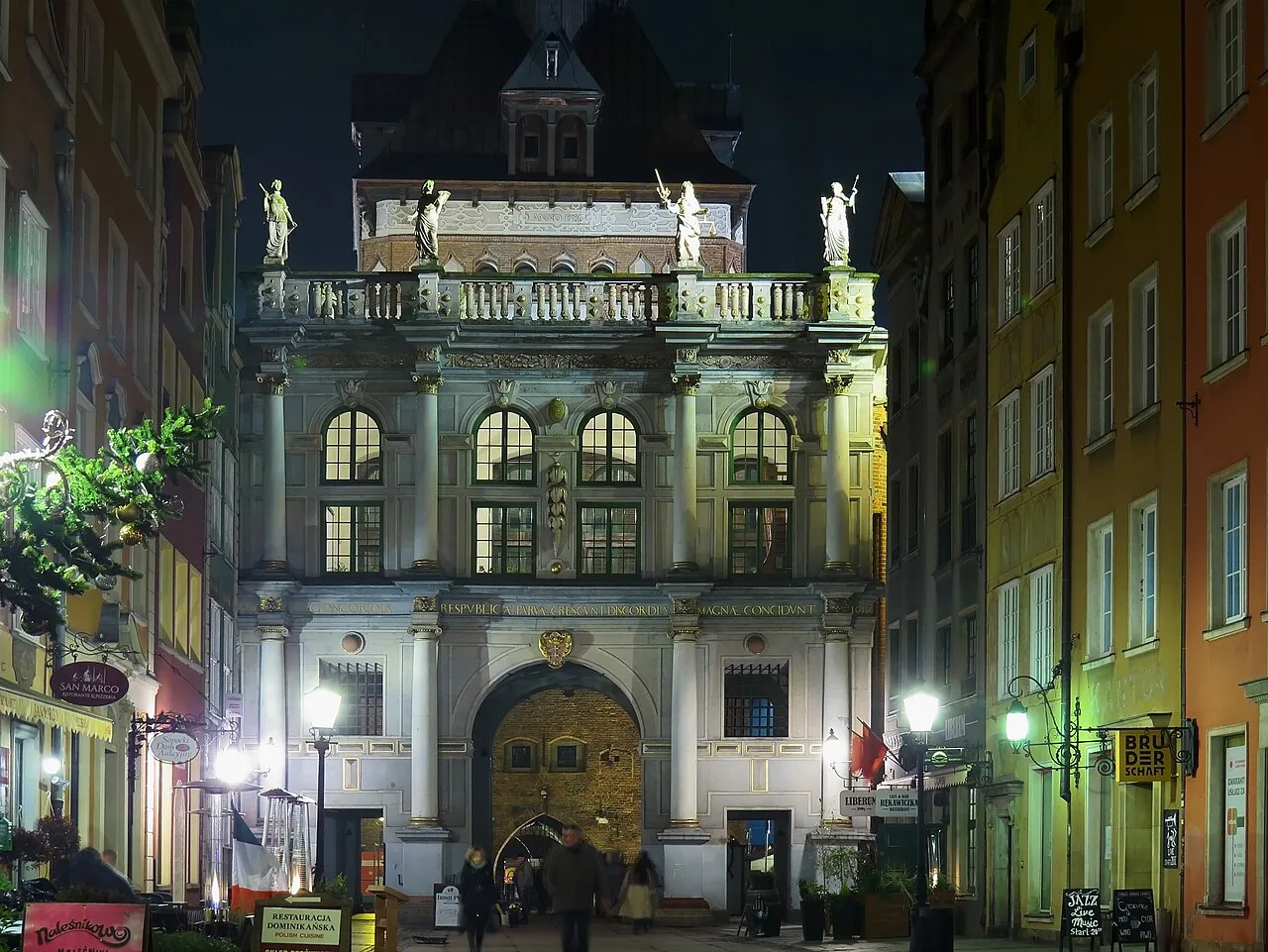
A one-to-four-day trip fits the Main Town's compact core neatly. The city's tourist stretches are pedestrianised, so you can walk from the Golden Gate down Długa to Długi Targ and out to the river without worrying about traffic.
For a wider view of how the seasons compare across the year, the guide to the best time to visit Gdańsk sets autumn against spring and summer. If you want the same city with spring blossoms, Gdańsk in April is the obvious alternative. Either way, the season changes the pace rather than the essential sights.
What September and October weather actually feels like
Expect pleasant but changeable conditions rather than guaranteed sunshine. September and October are grouped together as a mild, comfortable window, with autumn colours appearing across the city. A light rain jacket earns its place in your bag because a wet afternoon is possible in either month.
The honest trade-off is that October can turn cool and damp, which is exactly when the indoor sights earn their keep. Build a flexible plan with one indoor option per day, and swap the outdoor walk for a museum when the rain sets in.
Autumn colour is part of the appeal, though the city's brick and amber tones do most of the visual work. Golden light on the Main Town's facades is the reason many travellers rate the season above high summer here. Pack layers you can shed at midday and add again by late afternoon.
How daylight and shorter afternoons shape the day
Days shorten noticeably through October, so front-load the outdoor walking and leave the museum for the fading light. Start with the Main Town circuit in the morning while the light is best on Długa and Długi Targ, then move indoors after lunch.
The practical rule for a short break is one major outdoor block and one indoor block per day. On a two-day visit, use the first morning for the Main Town and the second for St Mary's Basilica and a museum. On a four-day trip, you can repeat the river walk in different light without feeling you have wasted a day.
Aim to finish the day's walking before the early dusk in late October. The Main Town's pedestrianised streets are easy to navigate in low light, but the riverfront is more atmospheric in daylight. If you want to see the Motława River at its best, plan that walk for the morning.
The Main Town on foot in autumn: Długi Targ, Długa, Mariacka
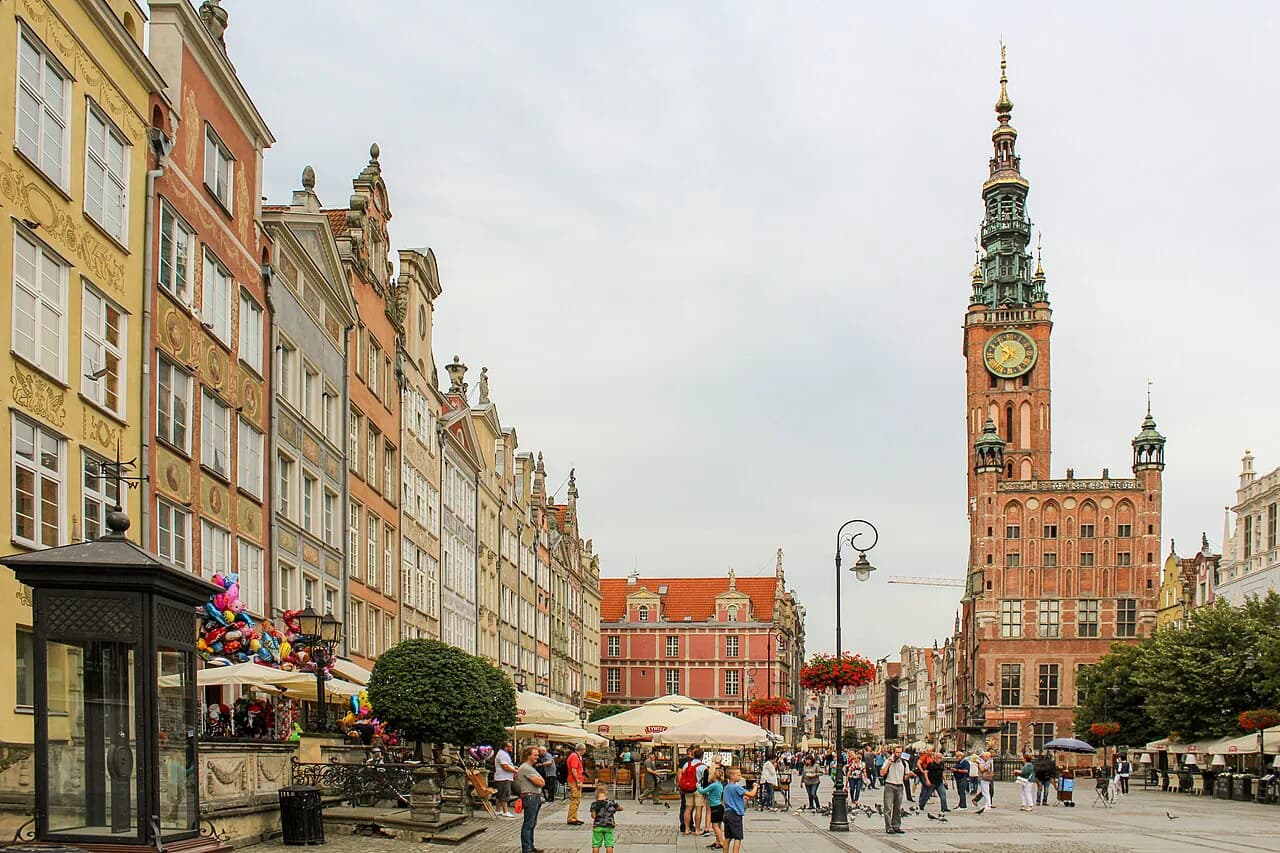
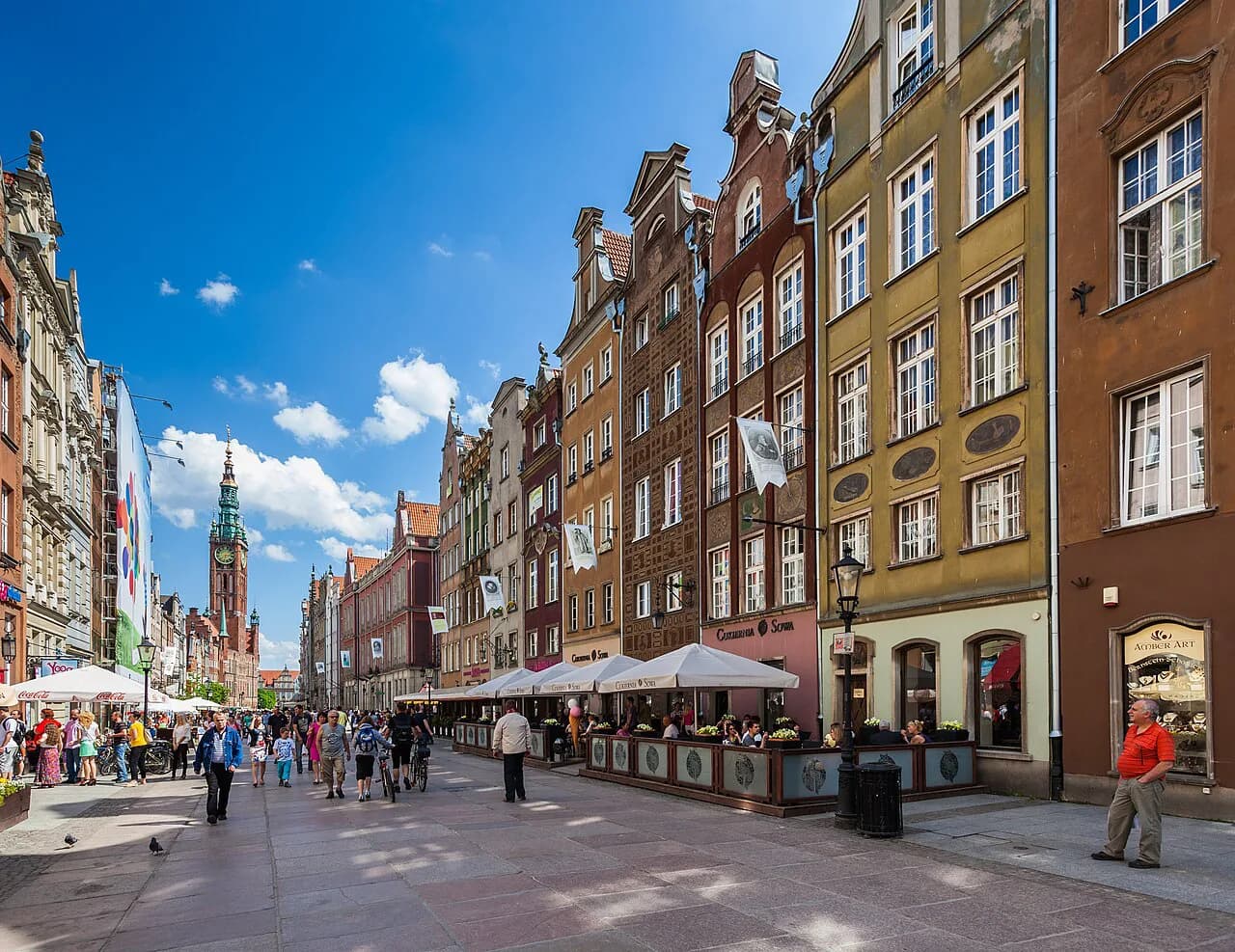
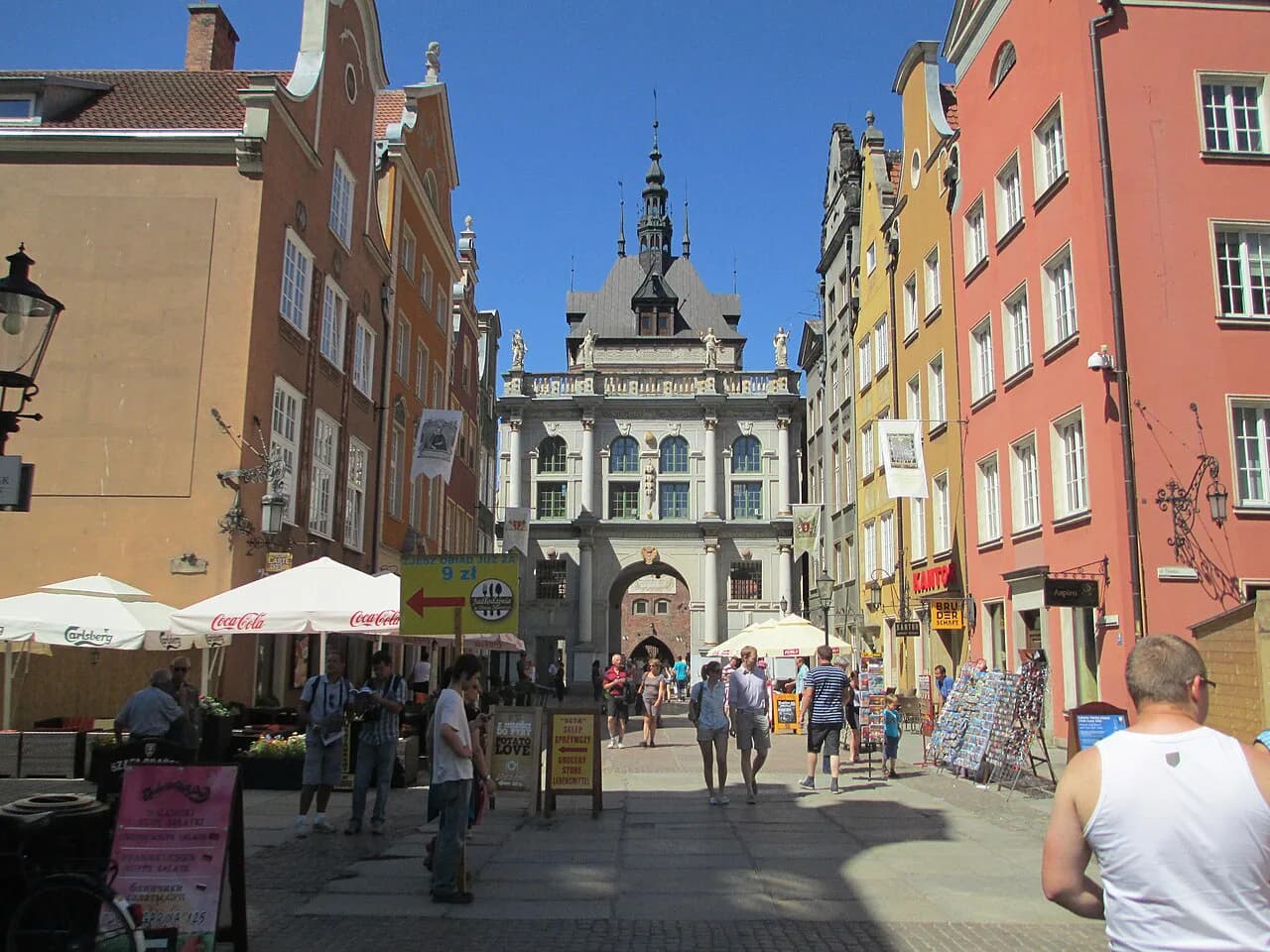
Begin at the Golden Gate and walk east down Długa towards Długi Targ, the long market square at the heart of the Main Town. The route is pedestrianised and lined with rebuilt burgher houses whose facades reward a slow pace. This is the single most efficient way to see the headline streets in an hour or two.
Turn off Długa onto Mariacka, the cobbled street running towards St Mary's Basilica. It is lined with gabled houses and small shops selling amber, Gdańsk's signature souvenir. The street is short, so walk it twice: once for the shopfronts and once for the gargoyles above them.
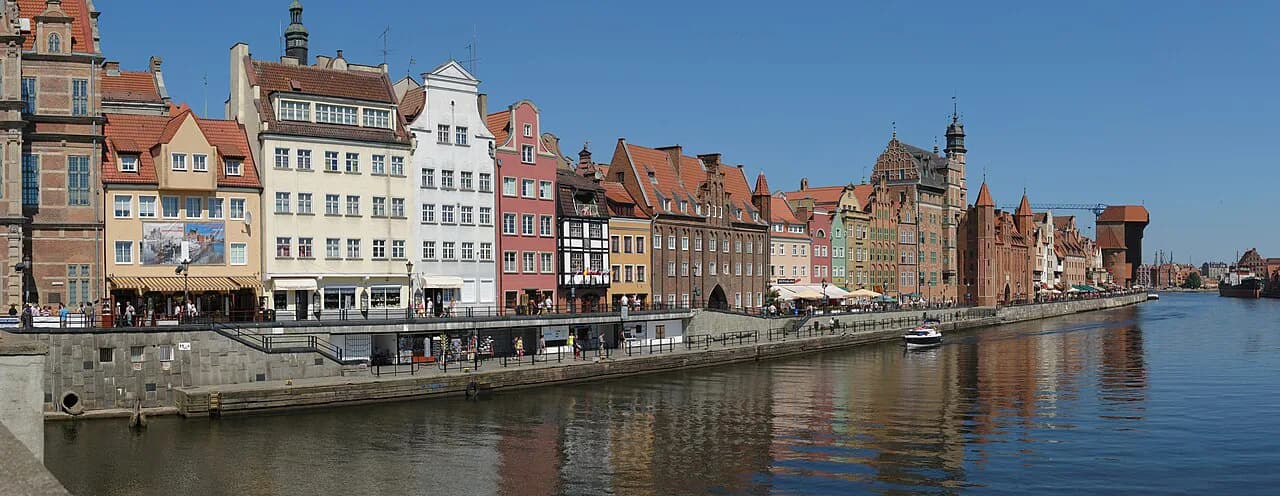
Finish at Długi Targ and the riverfront, the natural end point of the Main Town circuit and the place to pause before choosing an afternoon indoors. Autumn light here is softer than in summer, which flatters the waterfront buildings.
If you want more context on the sights along this route, Gdańsk Attractions: 5 Visitor Guides covers the individual highlights in more depth. The Main Town walk is the backbone of any autumn itinerary, whatever its length.

Climbing St Mary's Basilica tower and what the view gives you
St Mary's Basilica is the Main Town's landmark, a vast brick church whose interior holds an astronomical clock that a visitor account reports is best seen around noon. That account, from an October visit, gives a climb to the viewing tower at 14 złoty with 405 steps to a platform 78 metres up, and tower hours of Monday to Friday 11:00-16:00 and Saturday to Sunday 10:00-18:00. Those figures are historical, so treat them as a guide and confirm current details before you climb.
The climb is worth it for the view over the Main Town's rooftops, but the trade-off is effort and time. If stairs are not for you, the basilica's interior and its clock are rewarding on their own. On a short autumn break, decide in advance whether the tower or a museum gets your indoor slot.
The basilica also anchors the Mariacka street walk, so plan the two together. Arrive late morning to catch the clock while the light is still good, which keeps the day efficient when daylight is limited.
Indoor fallbacks for wet or cold afternoons
When October turns wet, pick one indoor sight and give it proper time rather than pushing on through the rain. The Main Town has enough churches and museums within a short walk that you can switch plans without crossing the city. Check opening days before you go, since Polish museums often close one day a week.
St Mary's Basilica is itself a solid wet-weather option, with its interior and astronomical clock. Pair it with a museum that suits your interests and you have a full afternoon covered. That is the moment to abandon the outdoor plan rather than endure it.
If you are building a longer trip, Gdańsk in summer shows what the city offers when the days are long and the weather is reliably warm. Autumn replaces some outdoor time with indoor time, which is a fair exchange for thinner crowds.
How autumn compares with summer and winter for crowds
Autumn's main advantage over high summer is fewer visitors on the Main Town's streets. September and October are noted for thinner crowds, which makes the pedestrianised core far more pleasant to walk. Headline sights are still busy at midday, so start early.
Summer gives you longer days and warmer weather but brings the peak-season crowds; winter is cold and dark but quieter still. Autumn sits between the two, with reasonable daylight and manageable numbers. For a first short break, that balance is hard to beat.
If your dates are flexible, compare the full seasonal picture in the best time to visit guide before booking. Crowd levels are only one factor; daylight and weather matter just as much.
Planning two, three or four days around the season
Two days is enough for the Main Town walk, St Mary's Basilica and one museum, provided you accept a brisk pace. Give the first morning to Długa, Długi Targ and Mariacka, then use the second for the basilica and an indoor fallback. Anything beyond that is a bonus rather than a requirement.
Three days lets you split the outdoor and indoor blocks properly and still have an afternoon for the riverfront. Four days gives you room to repeat favourite streets in different light and to absorb a wet day without losing the trip. The season rewards a slower pace more than an ambitious one.
A first-hand October account describes cool but not freezing conditions, golden afternoon light and a city that was not overrun with rowdy groups. That matches the broader picture of autumn as a comfortable, walkable season. For festival timing, the Gdańsk festivals page is the place to check what is on during your dates.
What to wear and carry for changeable October days
Pack layers, a light waterproof and comfortable shoes for the cobbles. The Main Town's streets are pedestrianised and uneven in places, so footwear matters more than style. A small day bag with room for a jacket you shed at midday is the practical choice.
Carry cash in złoty for small purchases, and treat the 14 złoty tower price in the visitor account as a historical reference point rather than a current quote. Confirm prices and opening hours on each venue's own page before you rely on them.
An umbrella is useful but awkward on busy streets, so a hooded waterproof is often more practical. Autumn rain tends to arrive in showers rather than all-day downpours, so a flexible plan matters more than heavy gear. Keep one indoor option in reserve each day.
Is autumn the right season for your Gdańsk break?
Autumn is the right season if you want thinner crowds, mild conditions and golden light on the Main Town, and you accept shorter days and the chance of rain. Book two days for the essentials, three or four if you want a slower pace, and keep one indoor fallback per day.
Frequently Asked Questions
Is 2 days enough for Gdańsk?
Two days covers the Main Town walk, St Mary's Basilica and one museum at a brisk pace. If you want time for the riverfront and a second indoor sight, three days is more comfortable in autumn when daylight is shorter.
Is Gdańsk worth visiting in autumn?
Yes. September and October bring pleasant conditions and fewer crowds than summer, which makes the pedestrianised Main Town easier to enjoy. Shorter days and changeable weather are the trade-off, so plan one indoor fallback per day.
What is autumn like in Poland?
Autumn in Poland is generally mild and changeable, with cooler temperatures and autumn colours arriving through September and October. In Gdańsk, that means comfortable walking weather with a real chance of rain, so layers and a waterproof are sensible.
Sources
Notes for your next Polish city break
Optional updates to our Poland guides.
You might also like
Continue reading
More guides you'll find useful