Museums in Gdańsk: The Ones Worth Your Time
Pick the Gdańsk museums that fit a short city break: what each collection holds, how long to allow, and which days to give one a half-day or a rainy afternoon.
On this page
Two museums justify a half-day each in Gdańsk: the Museum of the Second World War on Plac Władysława Bartoszewskiego and the National Maritime Museum on Ołowianka. Everything else fits around them, so build your days from those two and use the smaller collections to fill the gaps. This guide sets out what each one holds, roughly how long to allow, how it sits against the old town streets, and which practical details to confirm before you set out.
The city is compact enough that a museum is rarely a separate trip. Główne Miasto, the Radunia Canal and the Motława waterfront sit within a short walk of each other, so a morning in a gallery and an afternoon on the quayside is a realistic shape for a one- to three-day break. If you want the wider list of sights first, start with the Gdańsk Attractions hub and come back here to pick the collections.
What Gdańsk's museums add to a one- to four-day city break
Gdańsk's appeal is often told as a story of streets and facades, but the museums do the explaining. The old town's rebuilt townhouses only make sense once you understand what was destroyed and remade, and the waterfront's trade history needs a collection to bring it alive. On a short break, two well-chosen museums will hold your attention longer than five rushed ones.
The trade-off is time. A serious wartime exhibition can absorb three hours, a maritime collection two, and a small university museum an hour, so a four-day trip has room for all of them while a two-day trip should pick one big museum and one small one. Keep an eye on the Gdańsk architecture around you as well; half the value is in walking between the buildings.
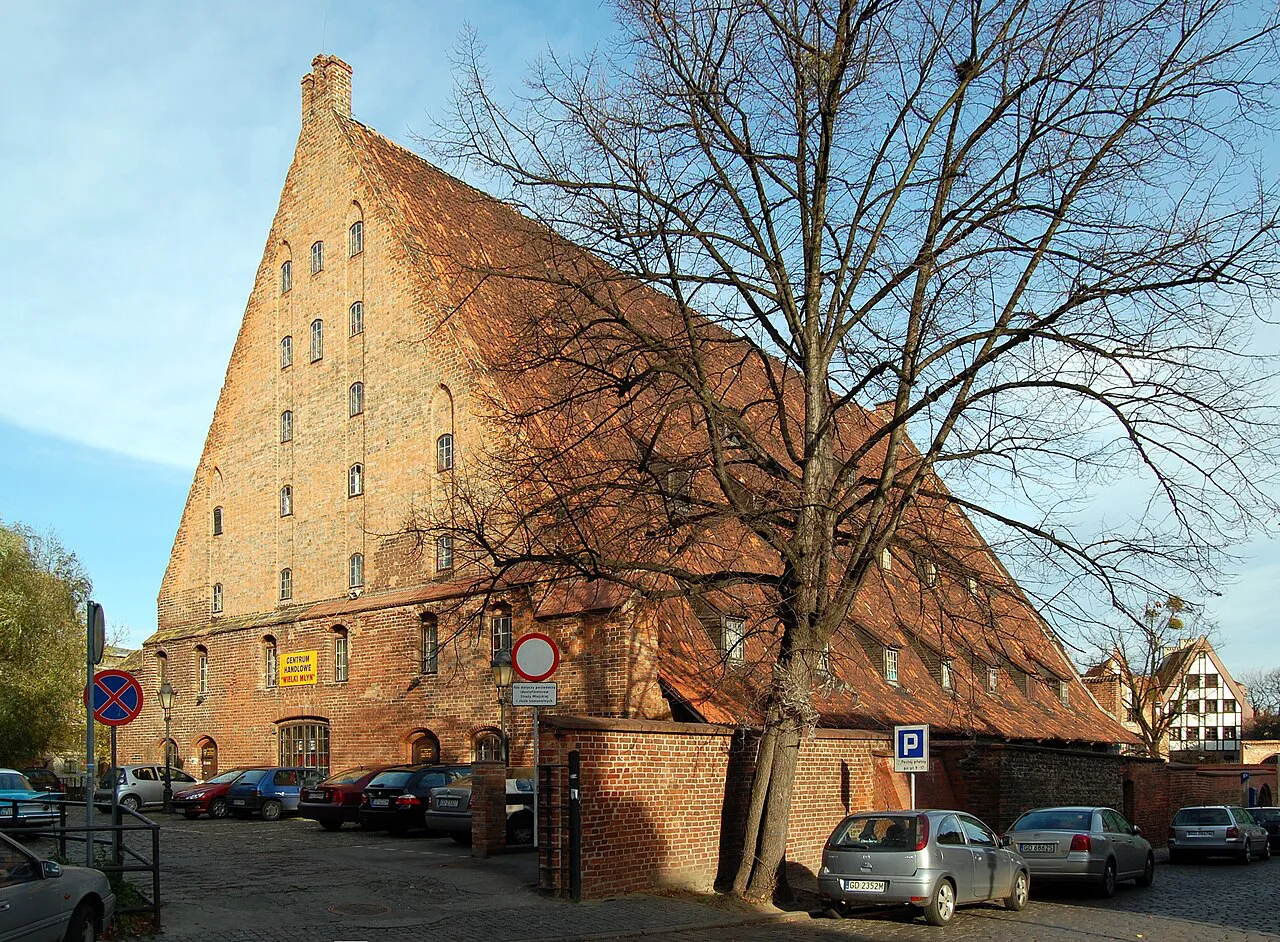
Museum of the Second World War: what the main exhibition covers and how long it takes
The Museum of the Second World War opened in 2017 and is one of Europe's most substantial wartime collections. Its main exhibition, laid out across more than 5,000 square metres, is built around three themes: the Road to War, the Horror of War and the Long Shadow of War. Expect photographs, film, personal objects and interactive displays rather than a single chronological corridor, which is why visitors commonly report spending several hours inside.
The collection tells the story of the conflict as a global event while keeping the city's own experience in view, since Gdańsk is where the war in Europe began. The personal stories and everyday objects are what stay with most visitors, so allow time for them rather than trying to see everything. Keep the language of the war precise: the German Nazi occupation of Poland is the correct frame, and the museum's display treats victims and combatants with care.
The building is partly submerged below ground, a design that symbolises the war's deep scars and is worth seeing in its own right. A tram or bus stop named for the museum sits close by. The wider map of wartime and Holocaust sites in the city, including the former post office and the Westerplatte memorial, is covered in our guide to Gdańsk WW2.
National Maritime Museum on Ołowianka: the collection, the boat and the riverside setting
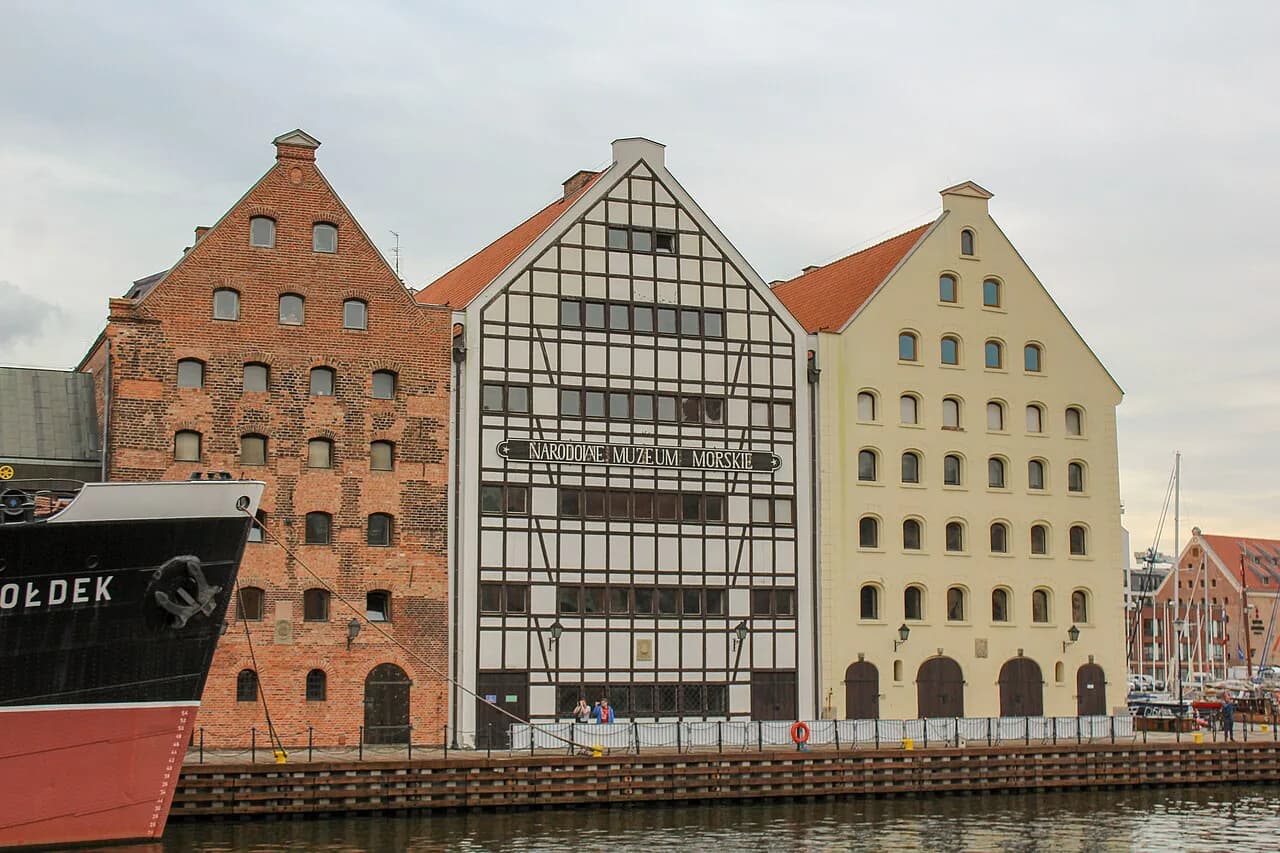
The National Maritime Museum sits on Ołowianka, an island across the Motława from the old town and a short walk over the footbridges. Its address is Ołowianka 9-13, and the museum publishes its own opening hours and ticket prices on its site. The collection covers Poland's relationship with the Baltic, from medieval trade through to the shipyards, and the riverside setting makes it an easy visit to combine with a walk along the water.
The museum also runs the Gdansk Crane and a floating collection of historic vessels, which is why its programme pages carry separate news about each site. Current temporary exhibitions have included a show on the Baltic as a sea of green energy and an exhibition of Japanese propaganda woodblock prints, so check what is on before you go if a particular subject matters to you. Allow around two hours for the Ołowianka building and more if you add a moored vessel.
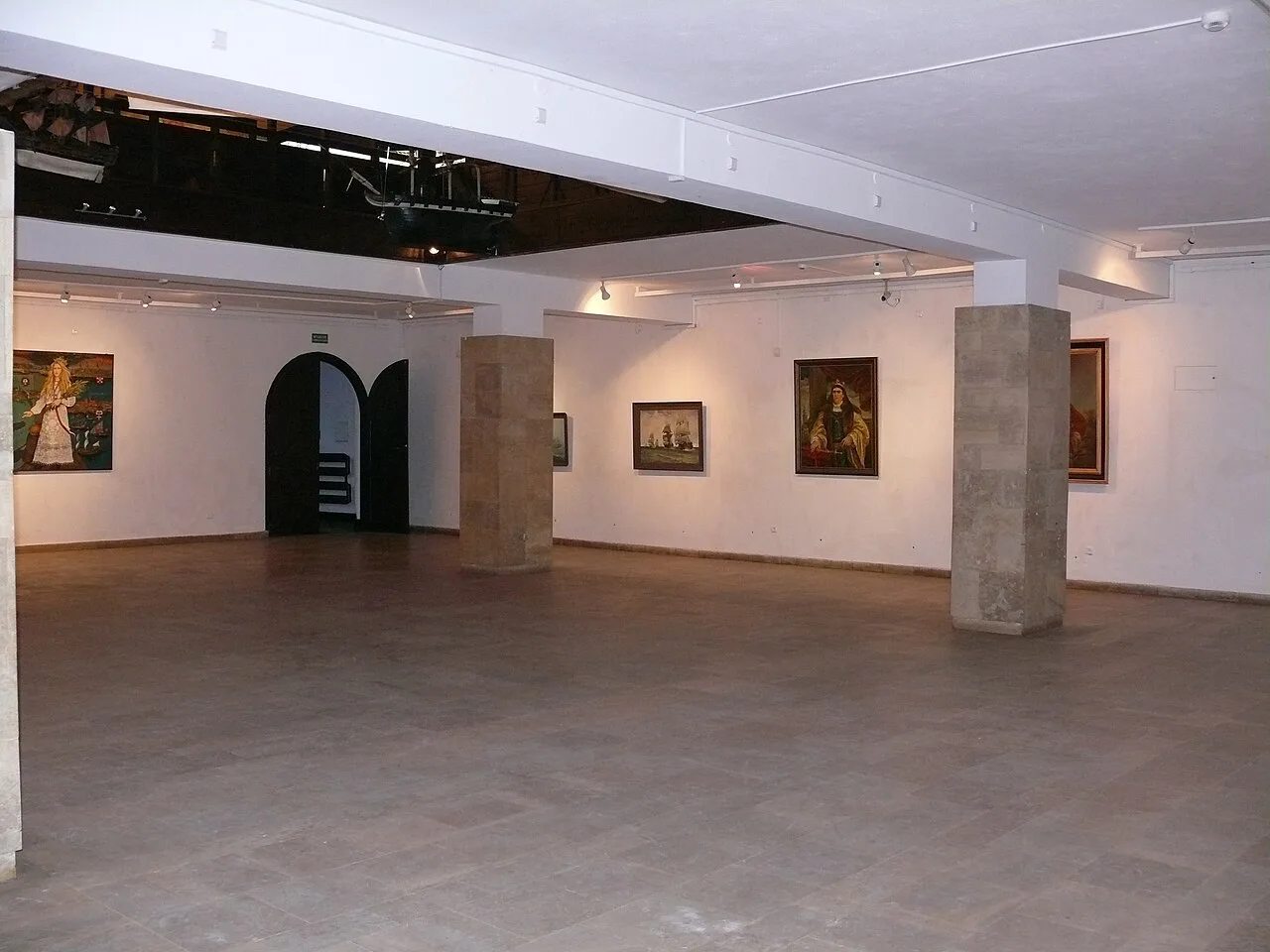
The Crane (Żuraw): why the harbour landmark is a separate sight from the maritime museum
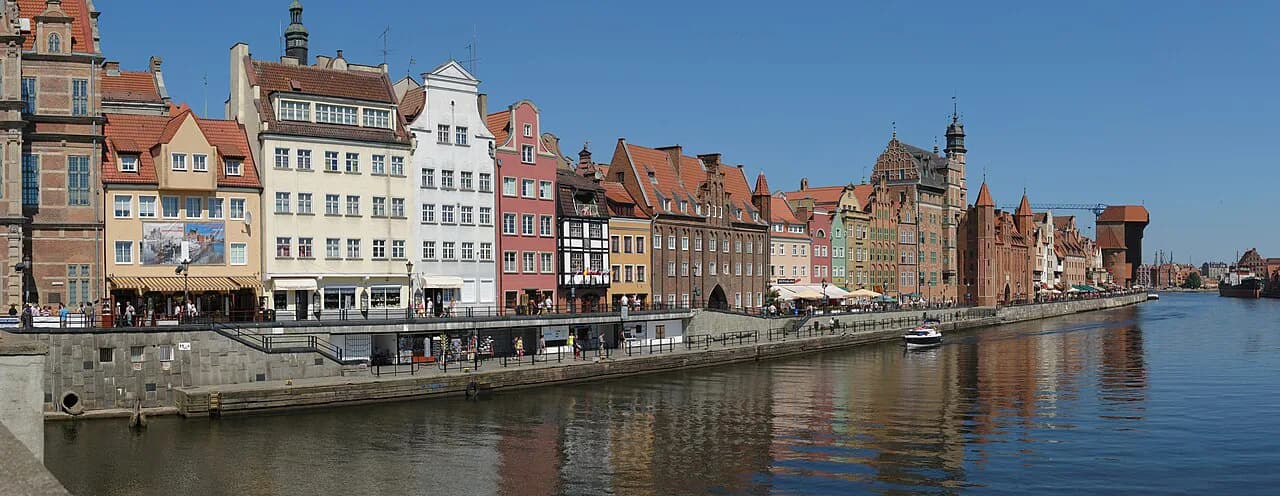
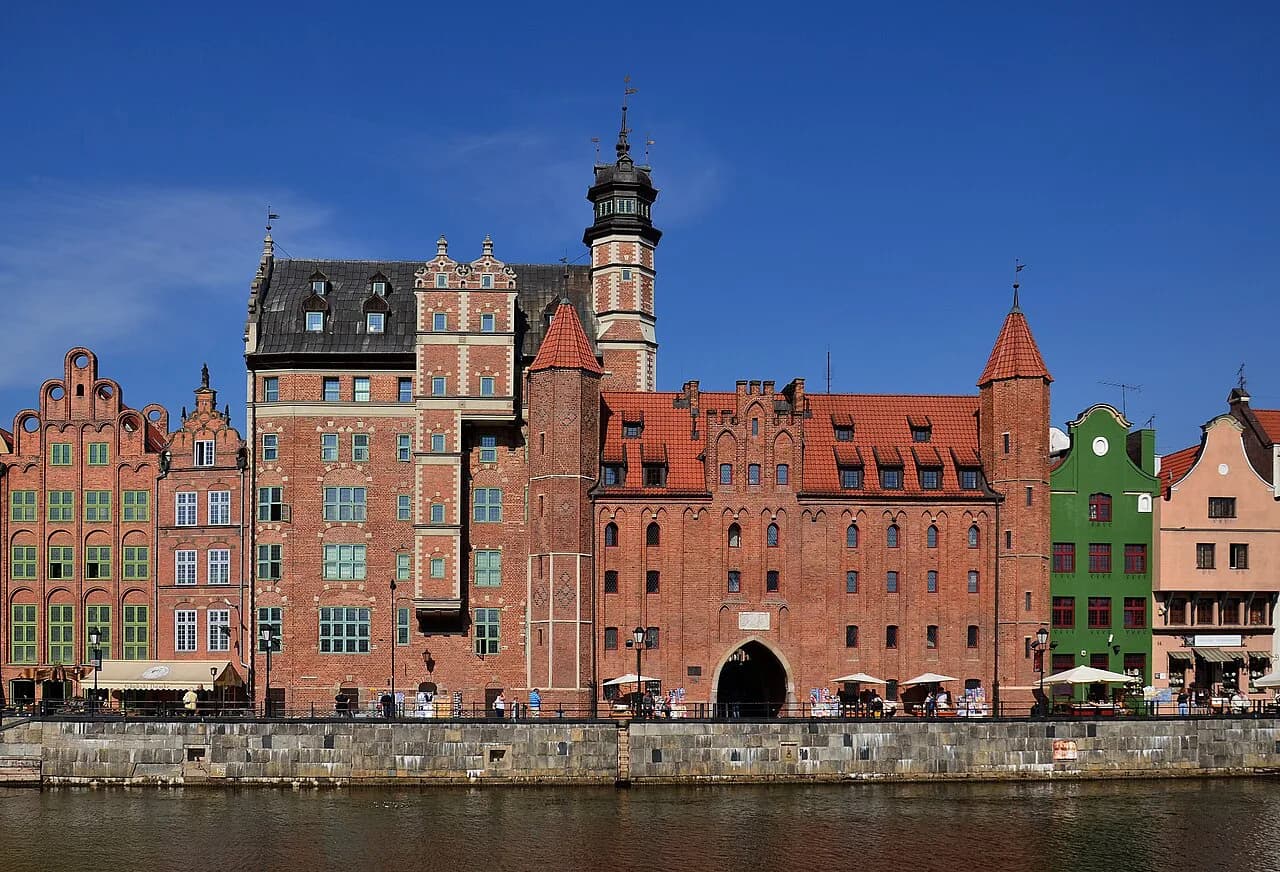
The Żuraw is the medieval port crane on the Motława waterfront, and it is the museum's most photographed piece of built heritage. A major renovation was completed after the biggest programme of work on the structure in half a century, and the museum published news as the wind vane returned to the top and the new permanent exhibition moved into implementation. The result is a separate ticketed sight from the Ołowianka building, so budget it as its own stop rather than an annex.
For visitors the practical point is simple: the Crane stands on the waterfront beside the old town, so it slots into a walk along Długi Targ and the quays rather than a trip across the water. Check the museum's site for whether the exhibition is open when you go, since renovation news and opening details sit side by side there. Pair it with Granary Island across the water if you are following the trading history of the port.
NOMUS: contemporary art in the Gdańsk gallery scene
NOMUS is the youngest museum of contemporary art in Poland and the anchor of Gdańsk's gallery scene. It occupies a large, accessible building with exhibition halls, a social space called Znajomi znad morza with a café, children's corner and bookshop, and a ground floor used for film screenings, talks and concerts. That mix makes it the best rainy-afternoon option in the city, since there is always something happening beyond the exhibition itself.
The wider gallery landscape is worth a look if you have a third or fourth day. Galeria UL, a self-organised contemporary gallery, has been running since 2018 at Świętej Barbary 3, and the Gdańska Galeria Miejska maintains links with galleries across Poland. Beyond the state museums, Gdańsk street art in districts such as Zaspa gives you a free alternative to a ticketed show.
NOMUS publishes a detailed accessibility statement, including advice to contact staff before visiting to discuss the current exhibition, and notes that the building has a lift, adapted toilet and step-free routes. It is one of the more thoughtful venues in the city for visitors with mobility or sensory needs. Check the programme on the gallery pages before you build a day around it, since exhibitions rotate.
Smaller collections: the Museum of the University of Gdańsk in the House of the Abbots of Pelplin
The House of the Abbots of Pelplin sits on Elżbietańska Street along the Radunia Canal in the old town, a Northern Renaissance and Dutch Mannerist building completed in 1612. Its survival is remarkable given the destruction of most of the historic core during the war. It now belongs to the University of Gdańsk and houses the university museum and the Institute of Art History.
The permanent exhibition covers the university's Baltic connections, student movements, underground print culture and the anti-communist strikes of the 1970s and 1980s. The Great Hall holds a 17th-century wooden staircase with a biblical relief of Susanna and the Elders, and changing contemporary art exhibitions run alongside. Entry to the permanent exhibition is listed as free, and the museum opens on weekdays and Saturday but closes on Sundays, so it suits a weekday morning rather than a weekend finish. Opening days and prices can change, so confirm before you set out.
Small collections like this are where a short break gains texture without eating a whole afternoon. An hour is enough, and the canal-side setting pairs naturally with a walk towards the Motława. If you want to build a day of smaller sights, our guide to Gdańsk Cathedral and Churches Worth Visiting covers the ecclesiastical side of the old town.
How the museums fit around Główne Miasto, Długi Targ and Ostrów Tumski on foot
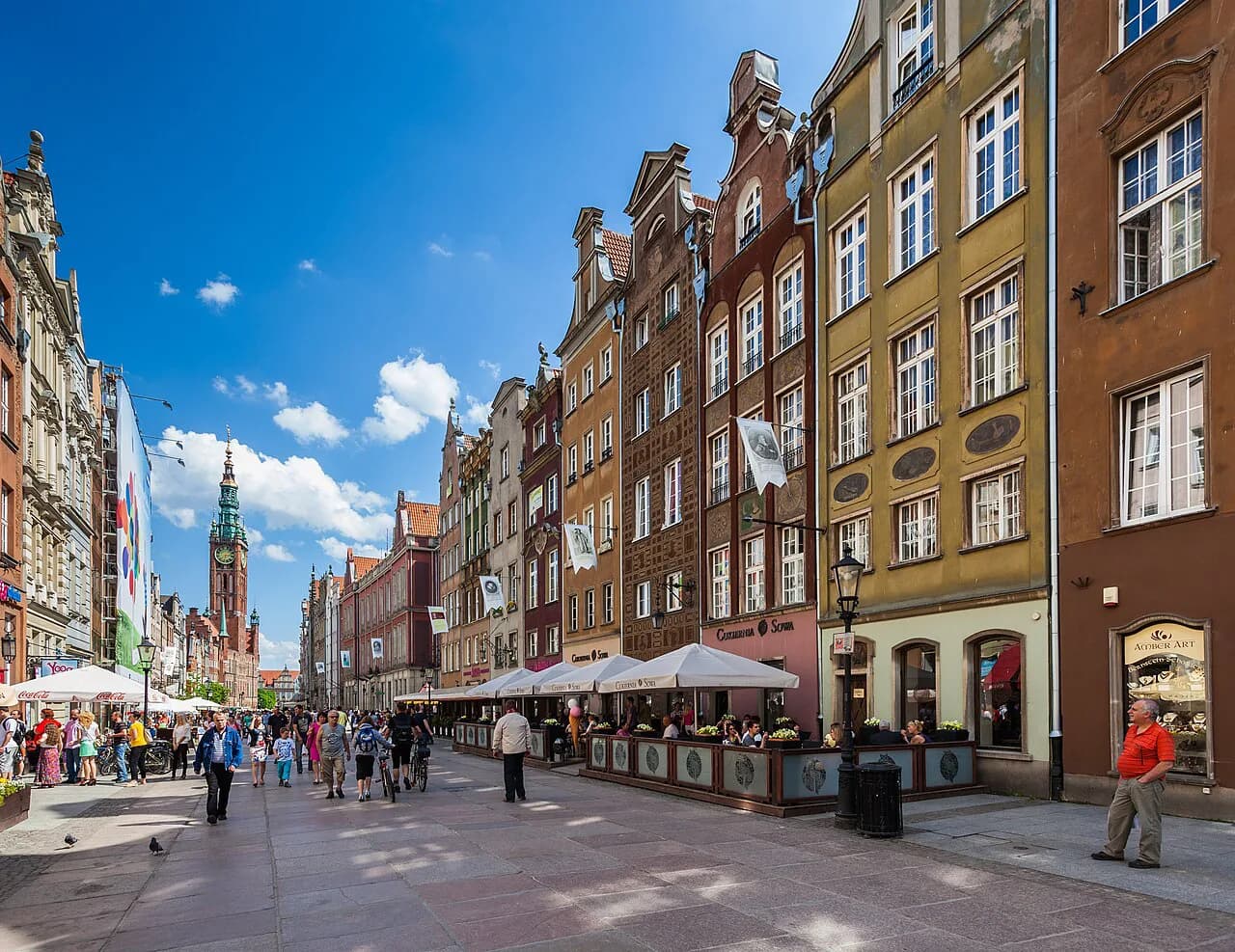
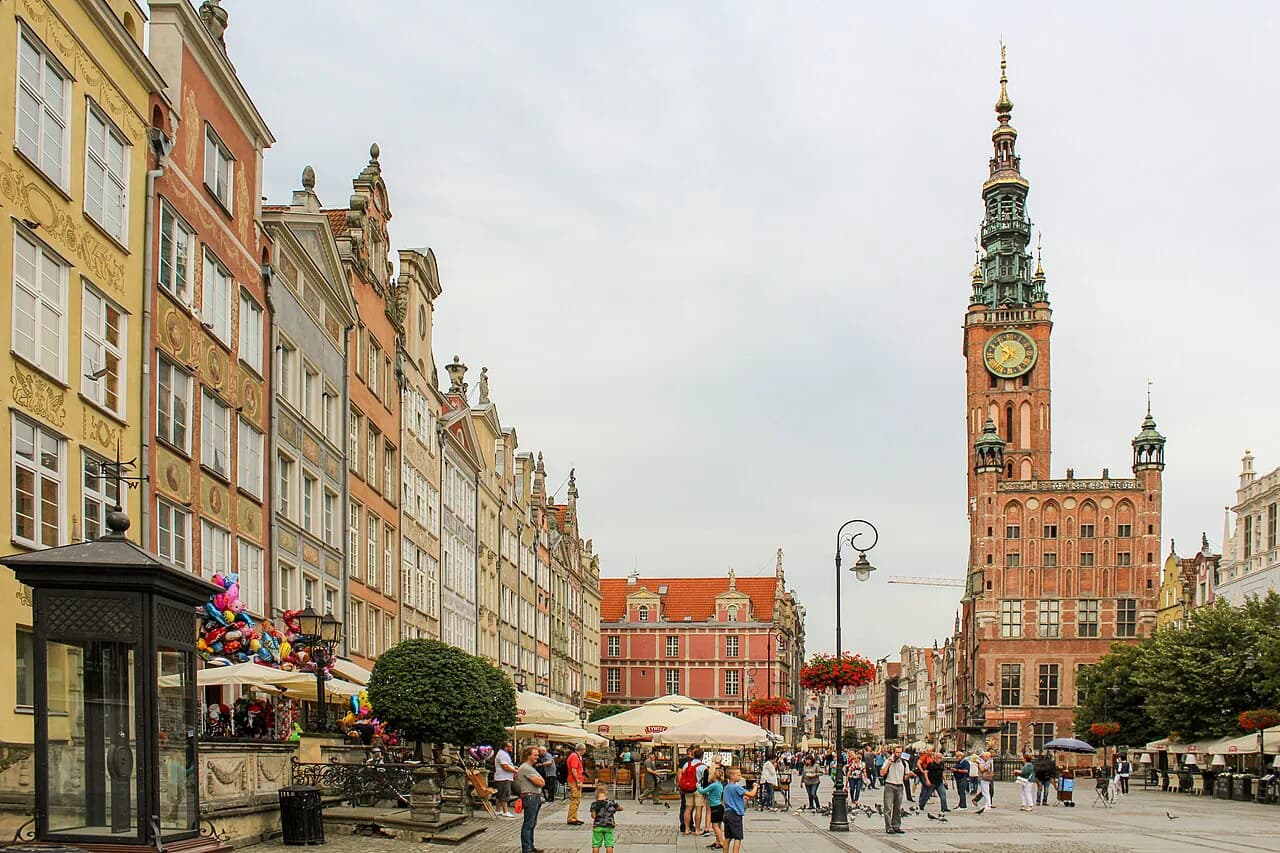
Główne Miasto is the heart of the visit: Długi Targ, the Town Hall, St Mary's and the waterfront all sit within a few minutes of each other. The Museum of the Second World War is on the inland side, the Crane and the maritime museum sit on the water, and the House of the Abbots of Pelplin is tucked along the Radunia Canal. A sensible shape is one museum in the morning, a walk through the old town at midday and a second small sight in the late afternoon.
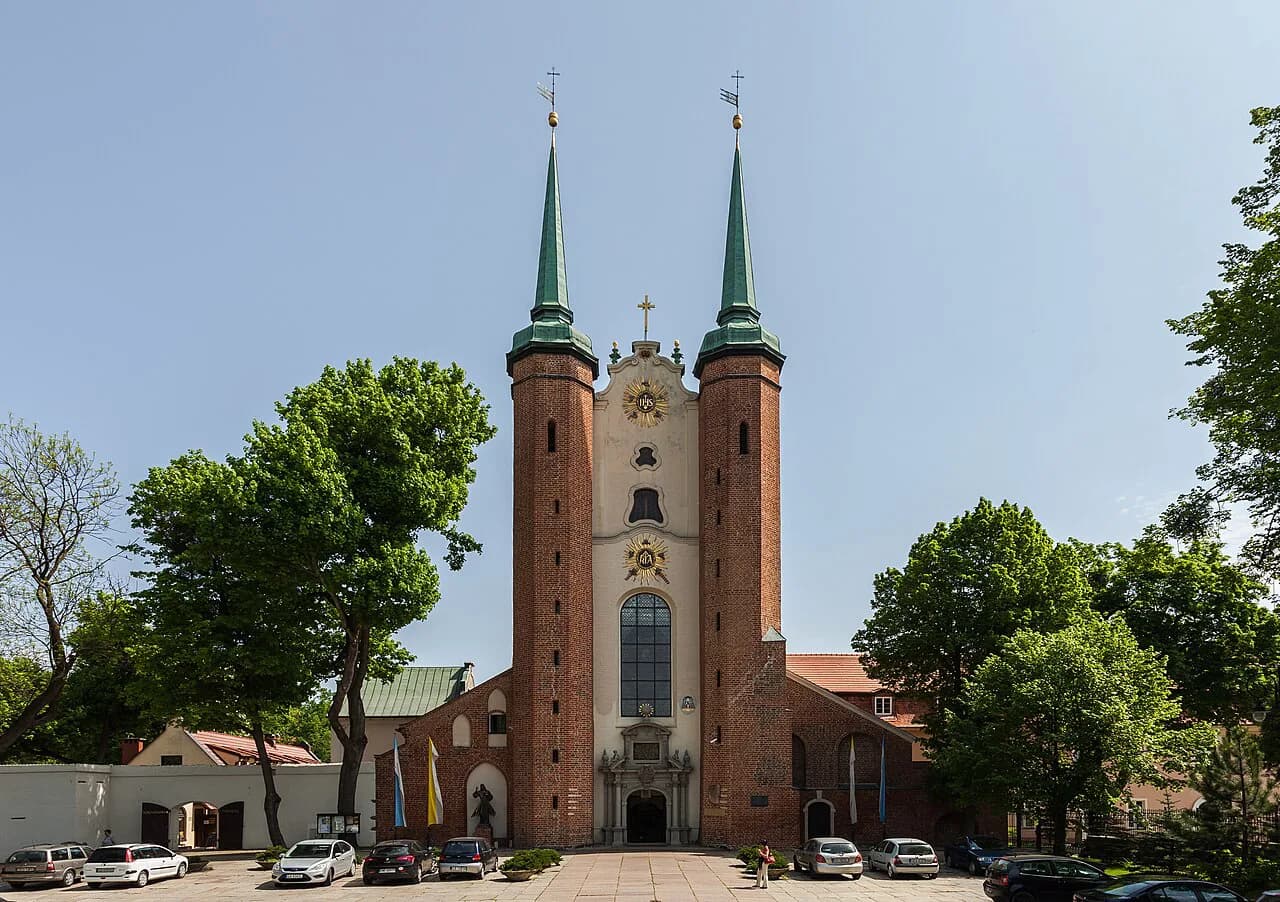
Ostrów Tumski sits north of the old town and holds the cathedral and ecclesiastical quarter, which is a separate half-day from the museum quarter. The river walk between the two is itself part of the appeal, so do not treat it as transport. If you are also considering the castle at Malbork, that is a day trip in its own right and belongs on a different day.
If the wartime story is the reason you came, our sister guide to Jewish Gdańsk sets out the heritage sites and memorials that sit outside the museum walls and are best seen at a slower pace. Together with the two big museums, that gives a four-day break a coherent theme rather than a checklist.
Practical planning: opening days, ticket prices in złoty and free-entry days
Polish museums commonly close one day a week, so check each venue's own site rather than relying on a pattern. The National Maritime Museum publishes its own opening hours and ticket prices on its pages, which is the safe place to confirm the Ołowianka building and the Crane before you travel. For the Museum of the Second World War, confirm the current price and hours on the museum's own site rather than trusting an old figure.
The university museum in the House of the Abbots of Pelplin is listed with free entry to its permanent exhibition and Sunday closure, which makes it a good weekday filler, but confirm those details on the day. For the smaller galleries, NOMUS and the Gdańska Galeria Miejska publish their own programmes and access details. Museums keep their own calendars, so check the venue's site rather than assuming a weekday opening pattern.
If you are comparing Polish city breaks, our guides to museums in Poznań and museums in Katowice follow the same logic: one big collection, one smaller one and the streets between them. In Gdańsk the waterfront is the thread that ties them together, so plan your days around the Motława rather than trying to see everything.
Which Gdańsk museum earns your half-day?
Give the half-day to the Museum of the Second World War if the 20th century is your reason for visiting Gdańsk. Choose the National Maritime Museum instead if you want the Baltic, the waterfront and the Crane in a single day. A short break of two or three days will comfortably fit one big museum plus one small one.
Whichever you pick, plan the rest of the day around the Motława and the old town rather than shuttling across the city. Check each venue's own site for current hours and prices before you go, then leave space for the streets between them, which is where Gdańsk makes most sense.
Explore more Gdańsk guides
Sources
Notes for your next Polish city break
Optional updates to our Poland guides.
You might also like
Continue reading
More guides you'll find useful