Gdańsk Itinerary: A Practical 2–3 Day Plan by Area
A practical Gdańsk itinerary for two or three days, grouping the Main City, the big museums and Oliwa into walkable days with honest trade-offs.
On this page
Two days is enough for Gdańsk if you want the Royal Route, St Mary's and one big museum; add a third day for Oliwa or the shipyard. This plan arranges the city into walkable days by area rather than sending you back and forth across the Main City.
Gdańsk suits a short break because the historic core is compact and almost everything on a first visit sits within a 20-minute walk of Długi Targ. The trade-offs are mostly about time: two museums in one day leaves no room for the waterfront, and the tower climbs are genuine physical efforts. For anyone weighing a single day against a full weekend, the one day in Gdańsk version trims the plan to its essentials, and the weekend in Gdańsk plan fills the same ground at a gentler pace.
How Gdańsk is laid out
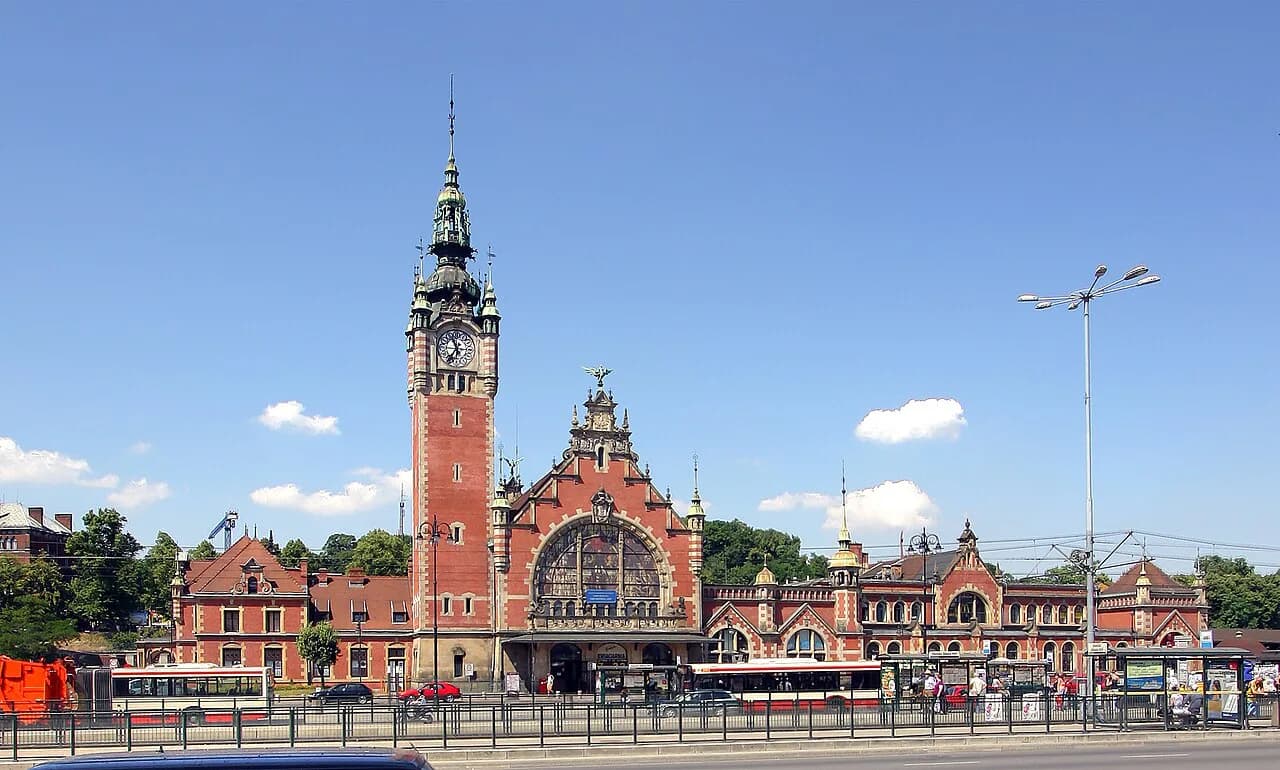
The area most visitors think of as the Old Town is technically Główne Miasto, the Main Town, built around Długi Targ and Długa. The actual Stare Miasto sits closer to Gdańsk Główny station, just beyond the Main Town, so you cross it on foot on the way in from the train.
Two other districts matter for planning: the shipyard, north of the Main Town and home to the European Solidarity Centre, and Oliwa, a former separate city to the north-west with its park and cathedral. The SKM urban train runs along the spine of the Tricity from Gdańsk Śródmieście, a short walk from the Main Town, out to Oliwa, Sopot and Gdynia.
Stay within walking distance of that SKM line and the whole plan works without taxis. A single tram or bus ticket is listed at 4.80 PLN and a 75-minute transfer ticket at 6 PLN, which matters if you plan to hop between districts rather than walk.
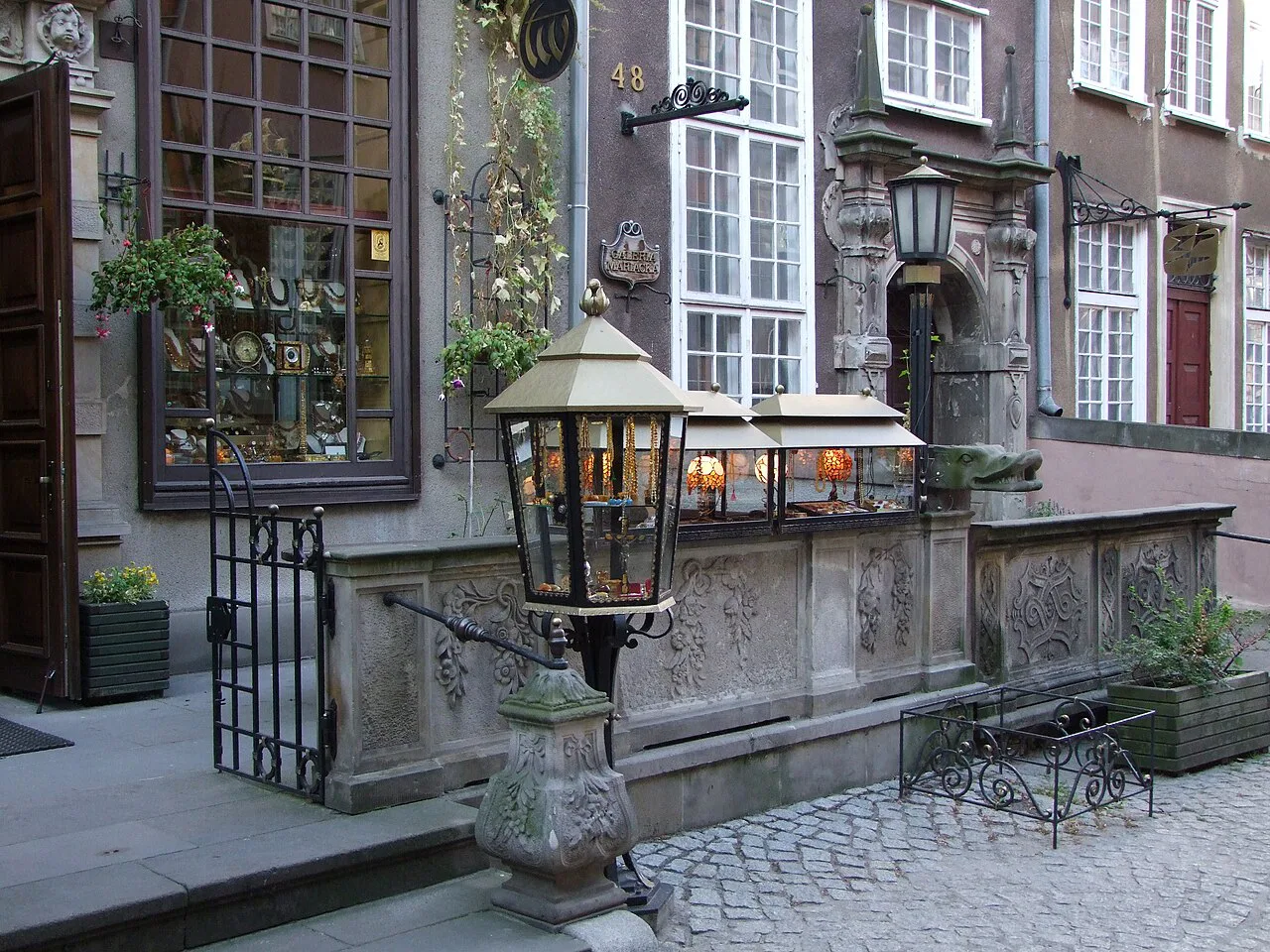
Day one morning: the Royal Route to Długi Targ
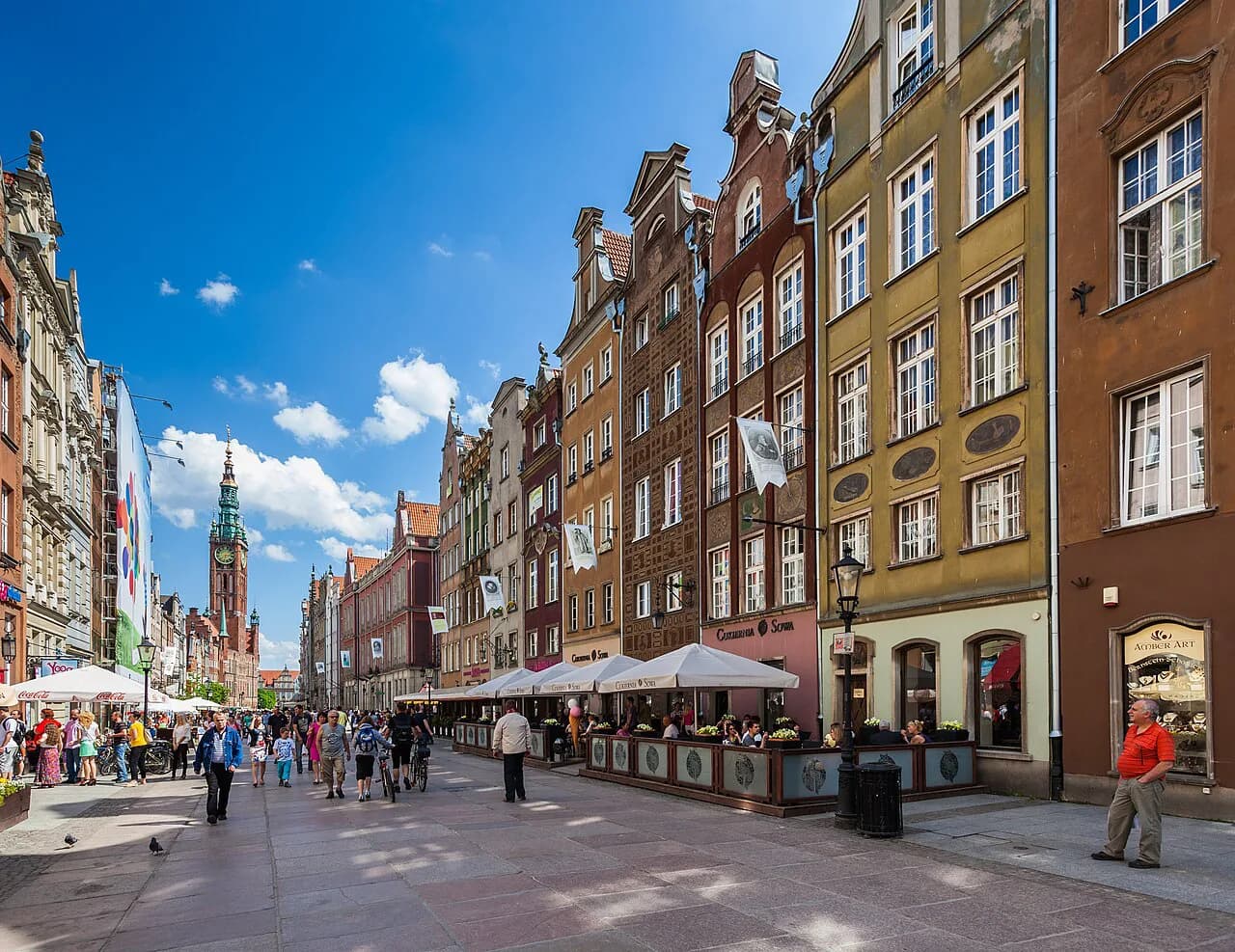
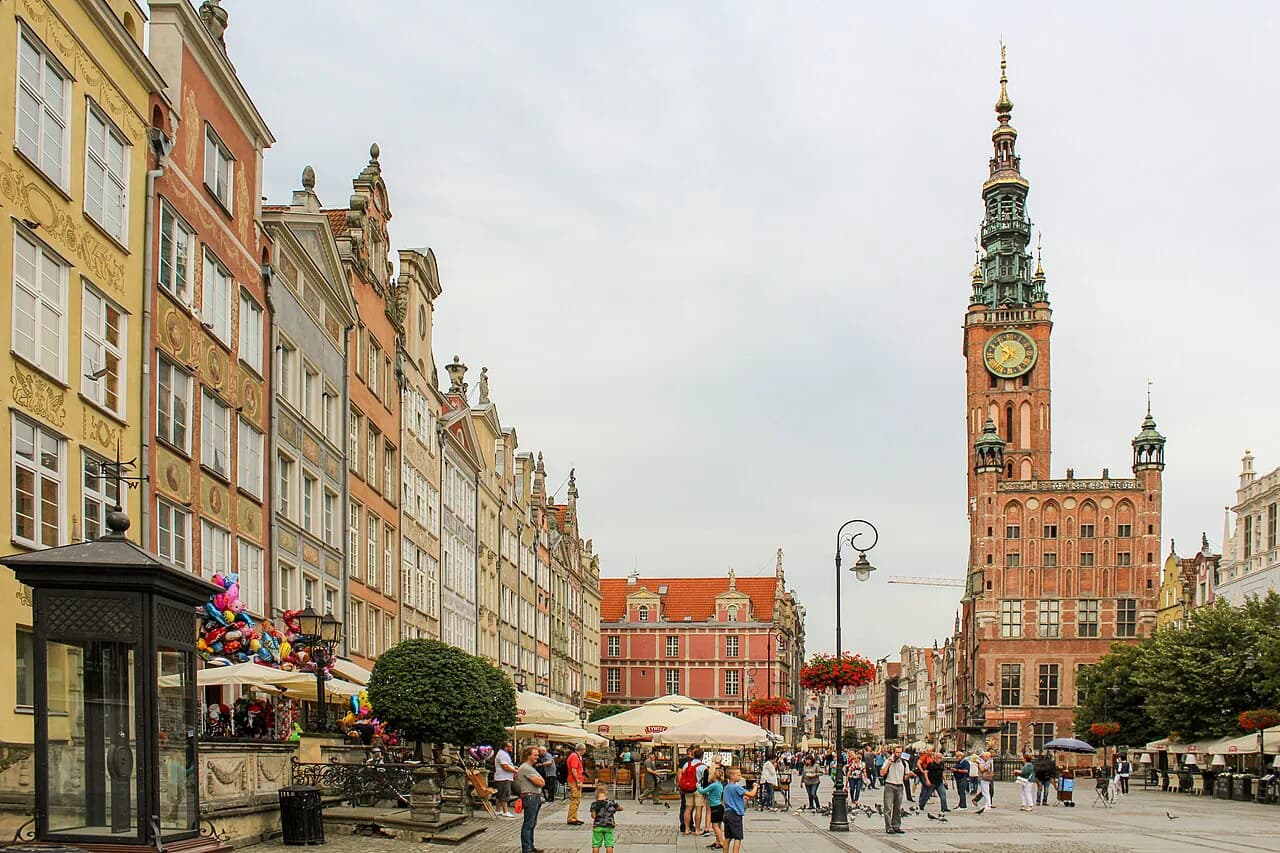
Walk the Royal Route: down Długa among the ornate merchant facades to Długi Targ, the long market square that serves as the city's front room. The Neptune Fountain stands at the square's heart and the Main Town Hall marks the point where Długa meets Długi Targ.
Artus Court and Uphagen House are both on or beside Długi Targ and both belong to the Museum of Gdańsk. A 2025 first-person Gdańsk itinerary at Freedom Years Travel listed them as closed on Tuesdays and free on Mondays, open 10am–4pm most other days and to 6pm on Thursdays, with hours possibly extended in summer; the same pattern applied to the Main Town Hall, where the tower climb costs extra.
Allow roughly half an hour for each of Artus Court and Uphagen House and 45 minutes for the town hall, plus another half hour if you climb its tower. If your visit falls on a Tuesday, leave these interiors for another morning and give the Royal Route itself the time instead.
Day one afternoon: St Mary's, Mariacka Street and the Motława
St Mary's Church sits at the end of Mariacka Street, the prettiest lane in the Main Town, lined with stepped stone terraces and amber shops. A 2025 first-person Gdańsk itinerary lists the church as free to enter and the separate tower climb at 18 PLN; the climb is 409 steps, the first half a tight stone spiral with little room to rest and a small viewing platform at the top.
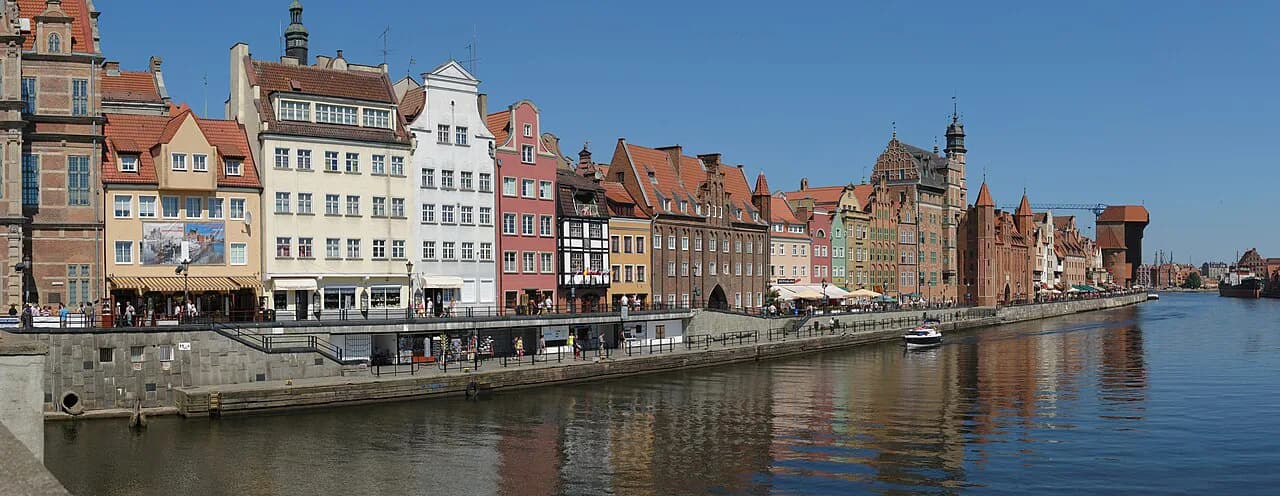
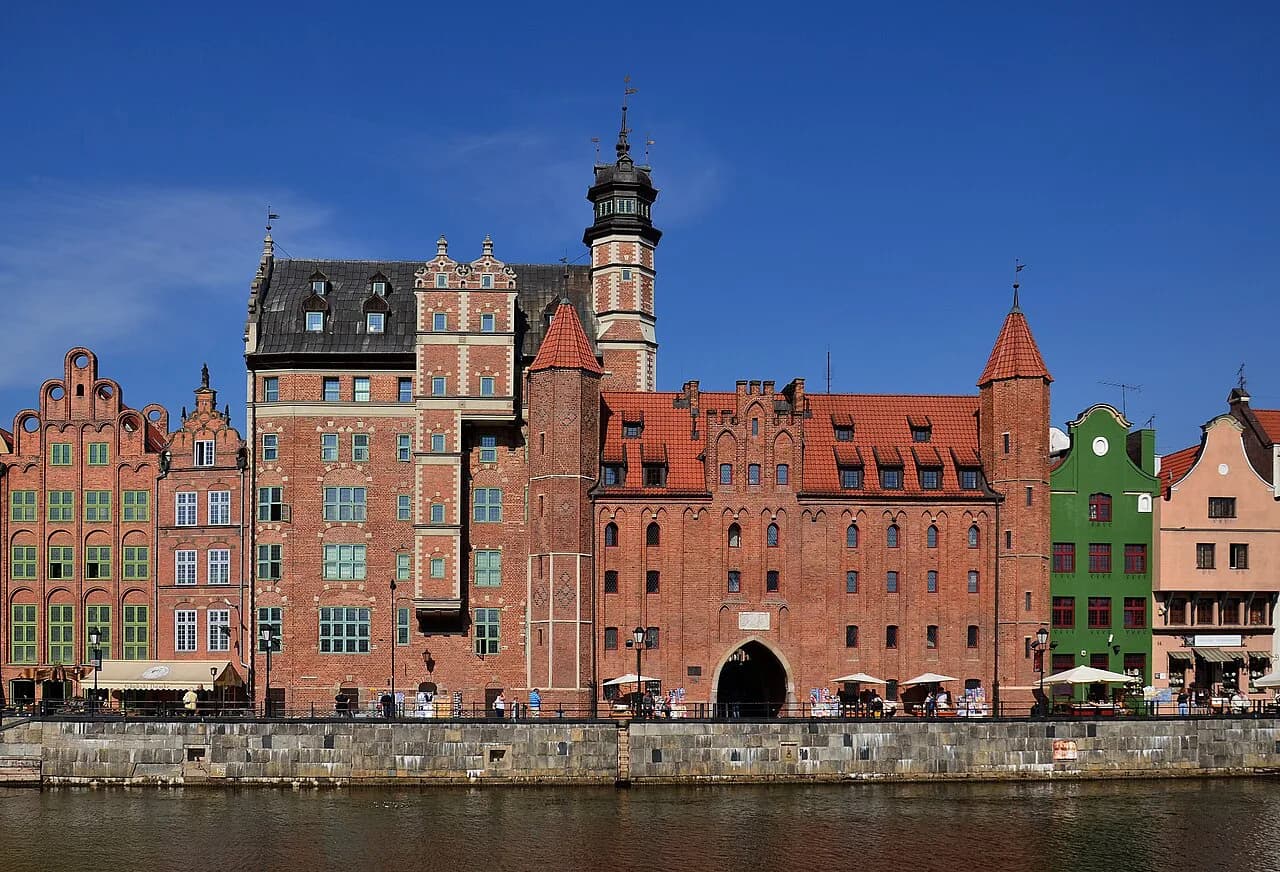
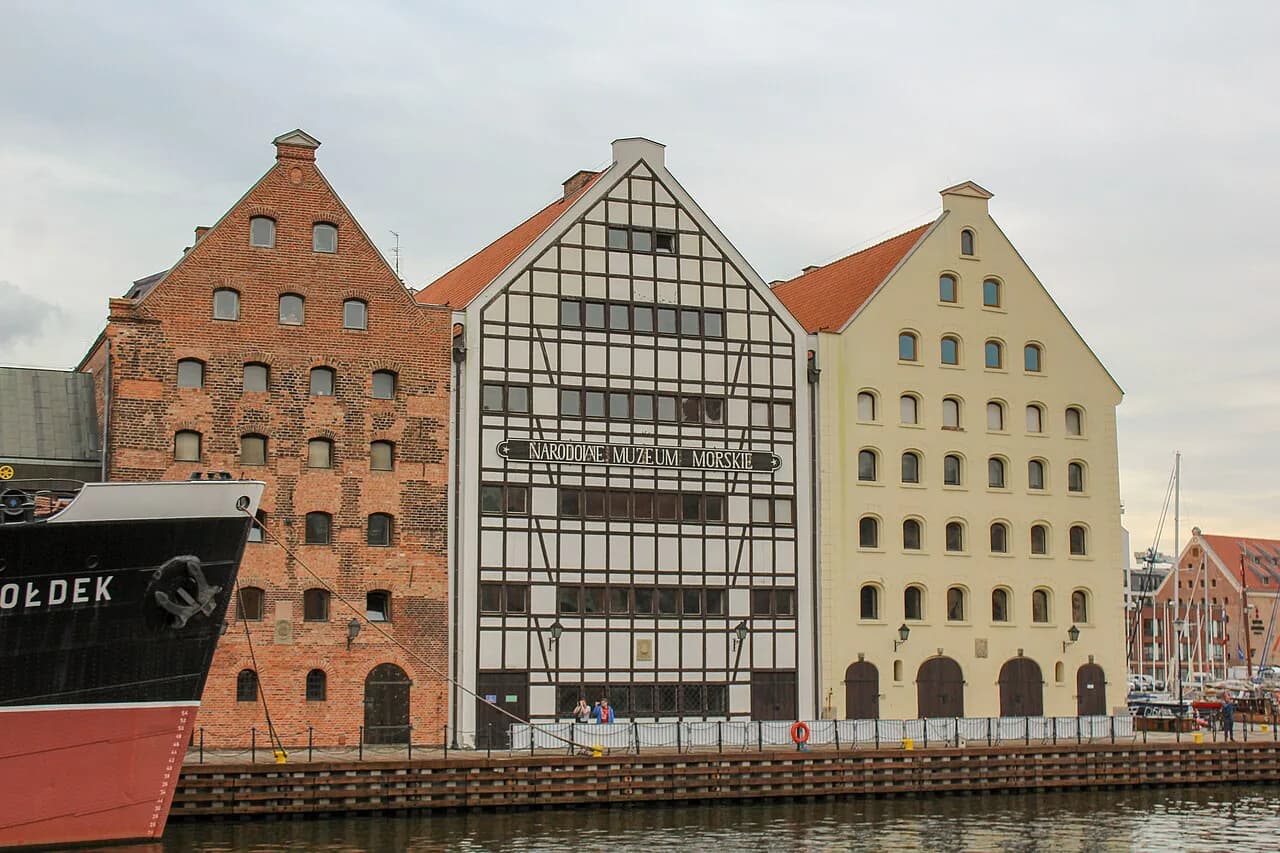
Come down and follow the Motława waterfront from the Green Gate to the Żuraw, the medieval crane that now forms part of the National Maritime Museum. The promenade is the busiest, liveliest stretch of the city and a natural place to pause rather than rush.
If the tower climb does not appeal, the ground-level alternative is the riverside walk plus one of the Main Town's side streets, which costs nothing and takes about the same time. The trade-off is the view: the panorama from the top takes in the rooftops, the shipyard cranes and, on a clear day, the Baltic.
Day one evening: eat near the Motława and finish early
Keep the evening close to the river and eat within a few minutes of the waterfront, then stop. Day two begins with a museum that deserves a fresh start, and the walk between the Motława and the Museum of the Second World War is short enough to do on foot in the morning.
Pierogi are the obvious safe order in the Main Town, and the eating options around Długi Targ range from cafés to fuller restaurants. Bear in mind that Poland restricts Sunday trading, so a Sunday visit is for sights and meals rather than browsing shops.
Day two: the Museum of the Second World War or the European Solidarity Centre
Choose one of the two big museums, not both. The Museum of the Second World War is the deeper, heavier experience and the European Solidarity Centre tells the story of the movement that helped end communist rule in Poland; each fills a good half-day and pairing them flattens both.
The Second World War museum sits north of the Main Town and pairs naturally with a slow morning on the river. Give it the morning, take lunch, and keep the afternoon light.
The Solidarity Centre belongs with the shipyard, so a day built around it can take in the shipyard murals and the memorial landscape on the same loop. Book the museum that matters more to you first and treat the other as the return-visit reason.
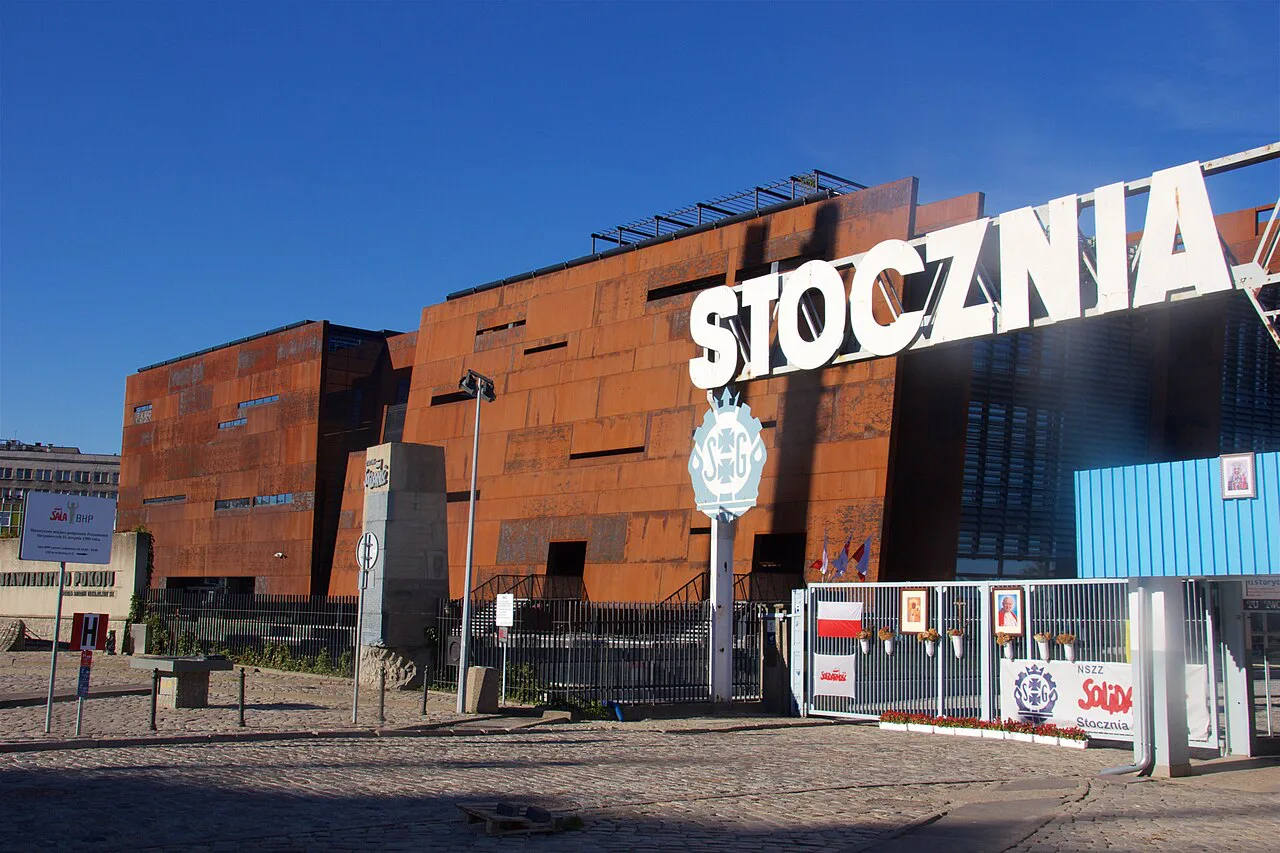
Day two add-ons: Westerplatte or the shipyard murals
If the museum finishes early, the shipyard murals are the closest add-on and cost nothing to see. Westerplatte, where the German invasion of Poland began in 1939, is further out and needs transport and time; it suits a three-day trip better than a packed second day.
Be realistic about energy. A museum morning plus a Westerplatte afternoon is a long day on your feet, and the site rewards attention rather than a rushed circuit.
Day three: Oliwa, a river cruise or the Main Town's side streets
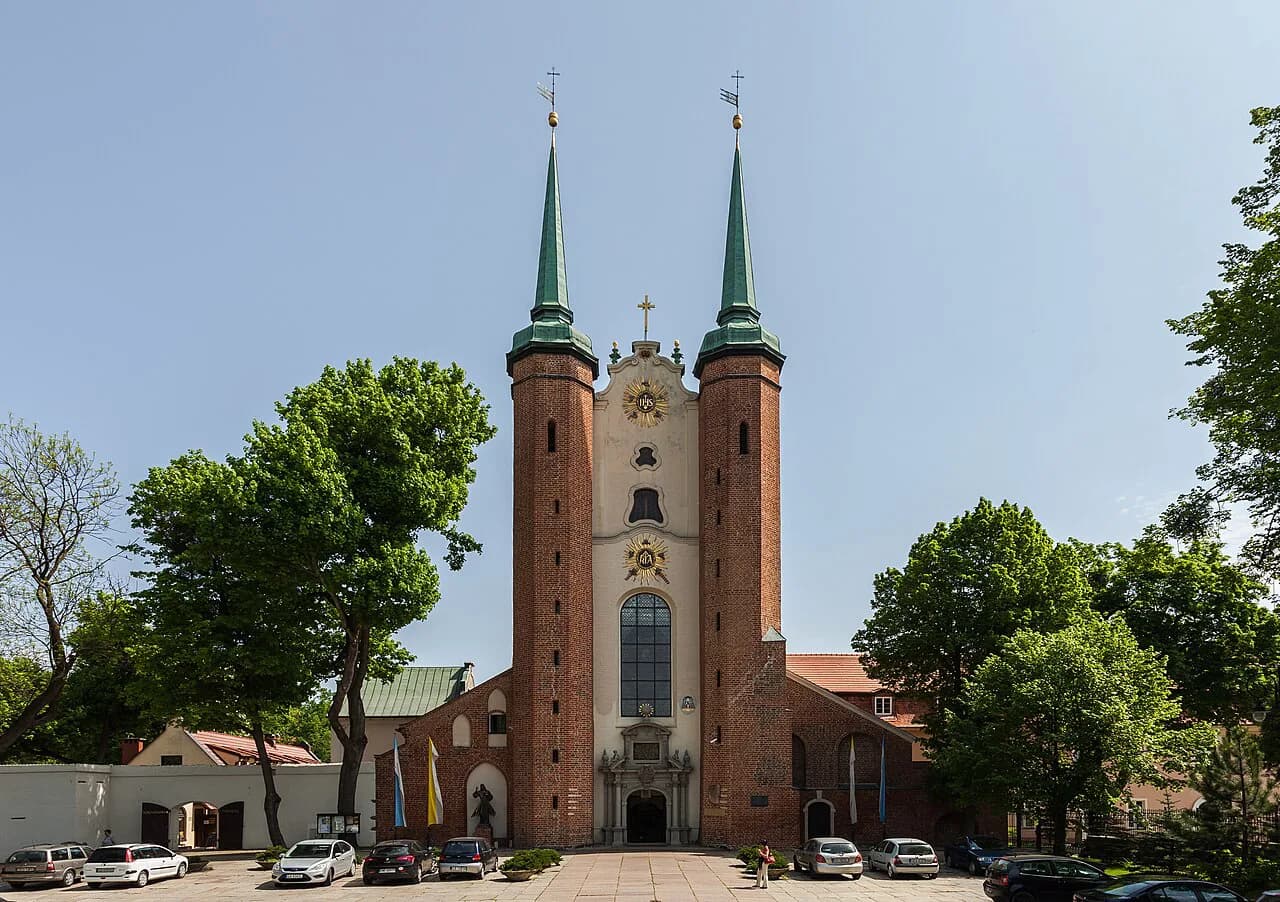
Take the SKM to Oliwa for the park and cathedral, a green, quiet half-day that feels nothing like the Main Town. The park and cathedral sit close together and the district rewards a slow wander rather than a checklist.
The alternative is a river cruise from the Motława, which suits anyone who has already walked the waterfront and wants the city from the water instead of the pavement. The third option is simply to revisit the Main Town at an unhurried pace and take the side streets off Długa.
Oliwa used to be a separate city until 1926, and its architecture and park still read as their own place rather than a suburb of Gdańsk. That is why it earns a half-day rather than a quick stop.
Opening days and free entry
Opening days differ between venues, so do not assume a blanket Monday closure. A 2025 first-person Gdańsk itinerary lists the Museum of Gdańsk's Artus Court, Uphagen House and Main Town Hall as closed on Tuesdays and free on Mondays. St Mary's Church is separate: that itinerary lists the church body as free to enter, with the tower climb the paid part.
Build the plan around the free day where it helps: if a Monday free-entry pattern holds, it gives you three museum interiors for nothing, but if Tuesday is the branch closure day that becomes the day to be outdoors. Summer hours at these branches may be extended, so treat any published times as a base and confirm the week you travel.
What things cost in złoty
For 2025, a first-person itinerary listed the St Mary's tower climb at 18 PLN, the Museum of Gdańsk interiors at 25 PLN each, and the town hall tower climb as an extra fee on top of entry. Those figures give a working budget, not a promise, and a fuller breakdown of day-to-day spending sits in is Gdańsk expensive.
Transport is cheap and priced per trip: single tram and bus tickets at 4.80 PLN and a 75-minute transfer ticket at 6 PLN, with SKM train fares rising by distance from around 5.50 PLN. Fares and museum prices are the two things most likely to move between seasons.
The Museum of the Second World War, the European Solidarity Centre, river cruises and most restaurant meals sit outside these figures, so plan a flexible pot rather than a precise total. Skipping one tower climb funds a decent lunch for two.
A two-day version and what to drop first
For a shorter break, cut day three entirely and run the Main Town morning and waterfront afternoon into the museum day. That gives you one tower, one museum and the river without crossing the city twice.
If a single day is all you have, drop Oliwa and the second museum, focus on the Royal Route, St Mary's and the Motława, and accept that the museum gets the next visit. The Main Town carries a first trip on its own, and the walking is easy to string together.
Spreading two or three days across the plan above is enough to see the essentials without sprinting, and the city rewards a second look at the same streets more than one long push through a checklist.
What to save for a return visit
Save the second big museum, Westerplatte and a Sopot afternoon for next time. Sopot is a short SKM ride away and worth a half-day in passing, but it is a different trip from a Gdańsk city break, and Gdańsk vs Sopot sets out the choice between the two.
The city rewards a second look at the same streets rather than a longer list of new ones: the Main Town at different times of day, the shipyard murals without a museum clock running, and Oliwa at a pace that lets you sit down. Anyone still deciding whether the city justifies the trip will find the case set out in is Gdańsk worth visiting, and Gdańsk vs Kraków explains why this plan looks nothing like a Kraków weekend.
Two days or three: which plan fits your trip
Take two days if the museums are the main draw and the Main Town is your base; take three if you want Oliwa and the shipyard without rushing either. The deciding factor is not distance but how much time you want inside each museum, and how many days in Gdańsk walks through that calculation in more detail.
Whichever you choose, fix the day around each venue's closing day first, then fill in the walking, the waterfront and the meals around it. That single step prevents most wasted mornings in Gdańsk. If you are slotting Gdańsk into a longer tour, the Poland itinerary shows how it sits alongside Warsaw, where 3 days in Warsaw covers the capital.
Explore more Gdańsk guides
Frequently Asked Questions
What can I do in Gdańsk in one day?
Walk the Royal Route from the Golden Gate to Długi Targ in the morning, see St Mary's Church and optionally climb the tower, then follow the Motława waterfront to the Żuraw. Leave both big museums for a longer trip, because each one fills half a day.
Is Sopot worth visiting on a Gdańsk city break?
Only if you have a third day or want a break from city sightseeing. Sopot is a short SKM train ride from the Main Town, but a Gdańsk city break already fills two or three days without it.
Where should I go for my first time in Poland?
Gdańsk works well as a first Polish city: compact, walkable, with a strong museum pair and a seaside at the edge of the Tricity. Warsaw and Kraków offer different draws, and Kraków is also a useful transport hub.
Should I visit the Museum of the Second World War or the European Solidarity Centre?
Pick the one that matches your interest, because doing both in one day is too much. The Second World War museum is the heavier history; the Solidarity Centre tells the story of the movement that helped end communist rule.
Sources
Notes for your next Polish city break
Optional updates to our Poland guides.
You might also like
Continue reading
More guides you'll find useful