Gdańsk in April: Weather, Crowds and What to See
Gdańsk in April is quiet and changeable, with mild spring weather and thinner crowds. Here is how to plan sightseeing and fill a short city break.
On this page
April is a good month for a short Gdańsk city break: the city is milder than in winter and much quieter than in summer, so the Main Town is easier to walk. The catch is changeable weather, so plan each day with an outdoor block and an indoor fallback. This guide covers what April is like, where to spend your days and how many days you need, with the wider picture of the Best Time to Visit Gdańsk for comparison.
April in one answer: milder than winter, quieter than summer
April sits in a sweet spot for sightseeing. Late spring and early summer are when the weather warms and the city starts to fill with outdoor life, while July and August bring the peak crowds. If you want a city break where you can walk the centre without queuing much, April is a sensible pick.
The trade-off is unpredictability. A single weekend can swing from cool grey skies to genuinely warm sunshine, and spring is also when the city begins to bloom, so pack layers and keep one indoor option ready for each day. Spring flowers and quieter streets are the reward for accepting that uncertainty.
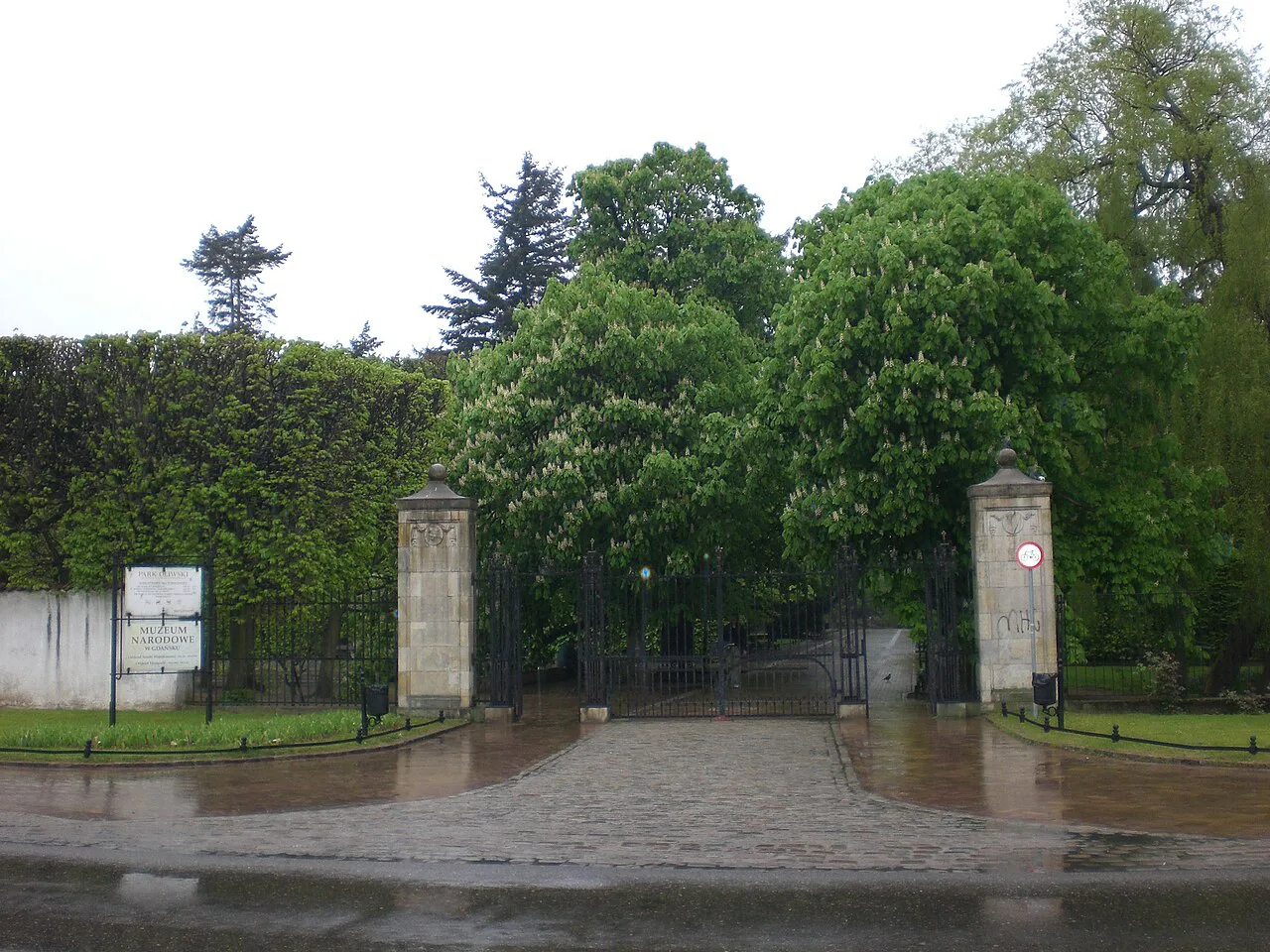
What April weather means for a two- or three-day visit
Treat April weather as a range, not a forecast. Pack a waterproof layer and a warm mid-layer either way, and keep one indoor option ready for each day.
In practice, plan your longest walk for the brightest morning and keep the afternoon flexible. Two-and-a-half to three hours on foot through the Main Town is plenty for one block, leaving time to warm up in a museum or café when a shower passes through.
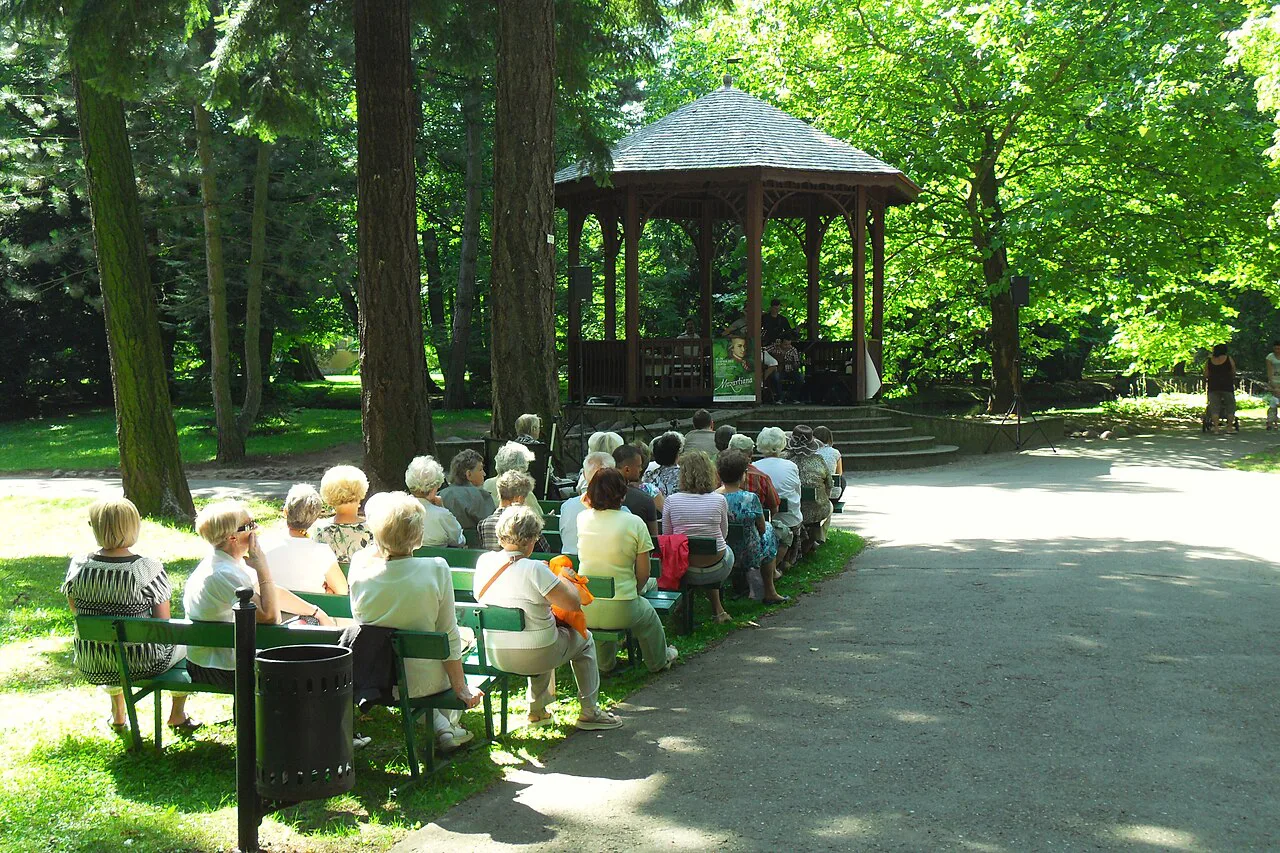
Why April suits Główne Miasto sightseeing
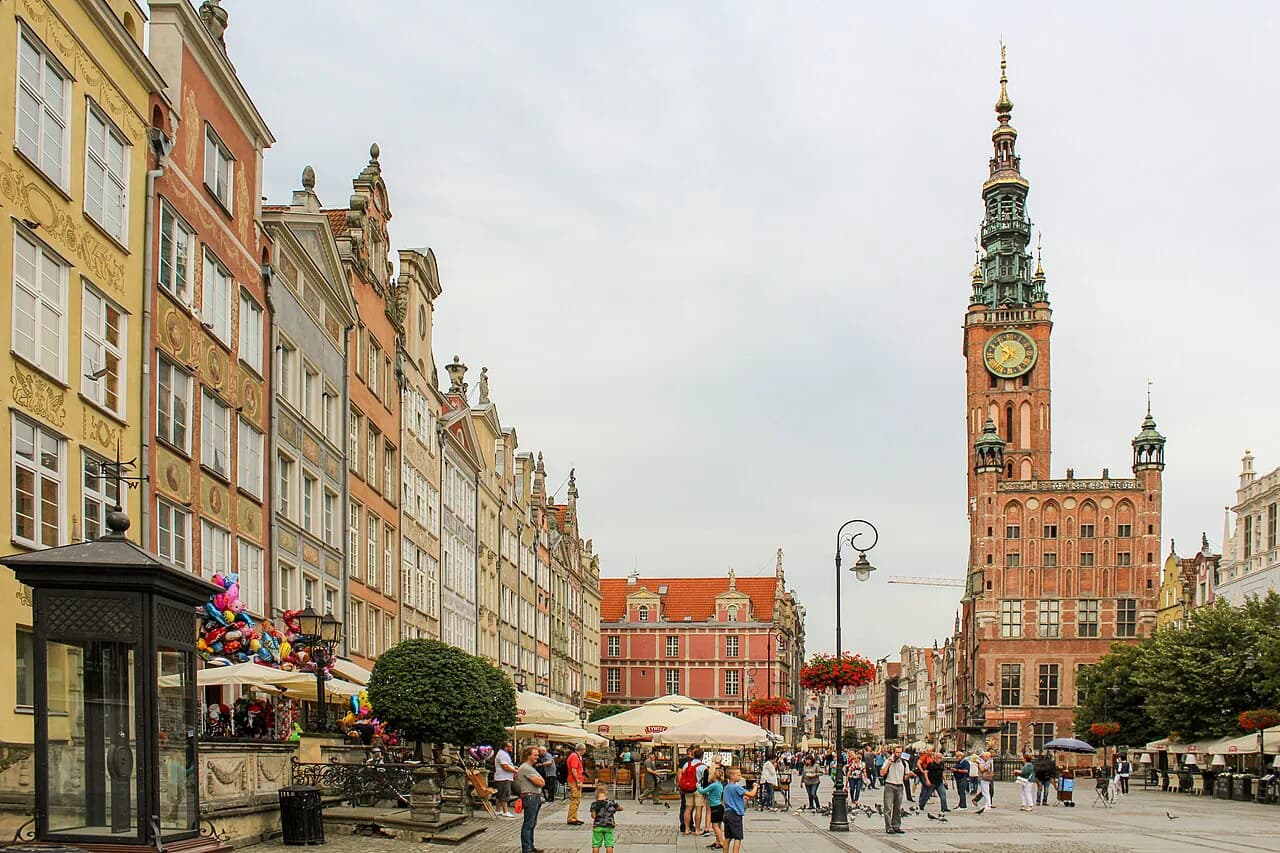
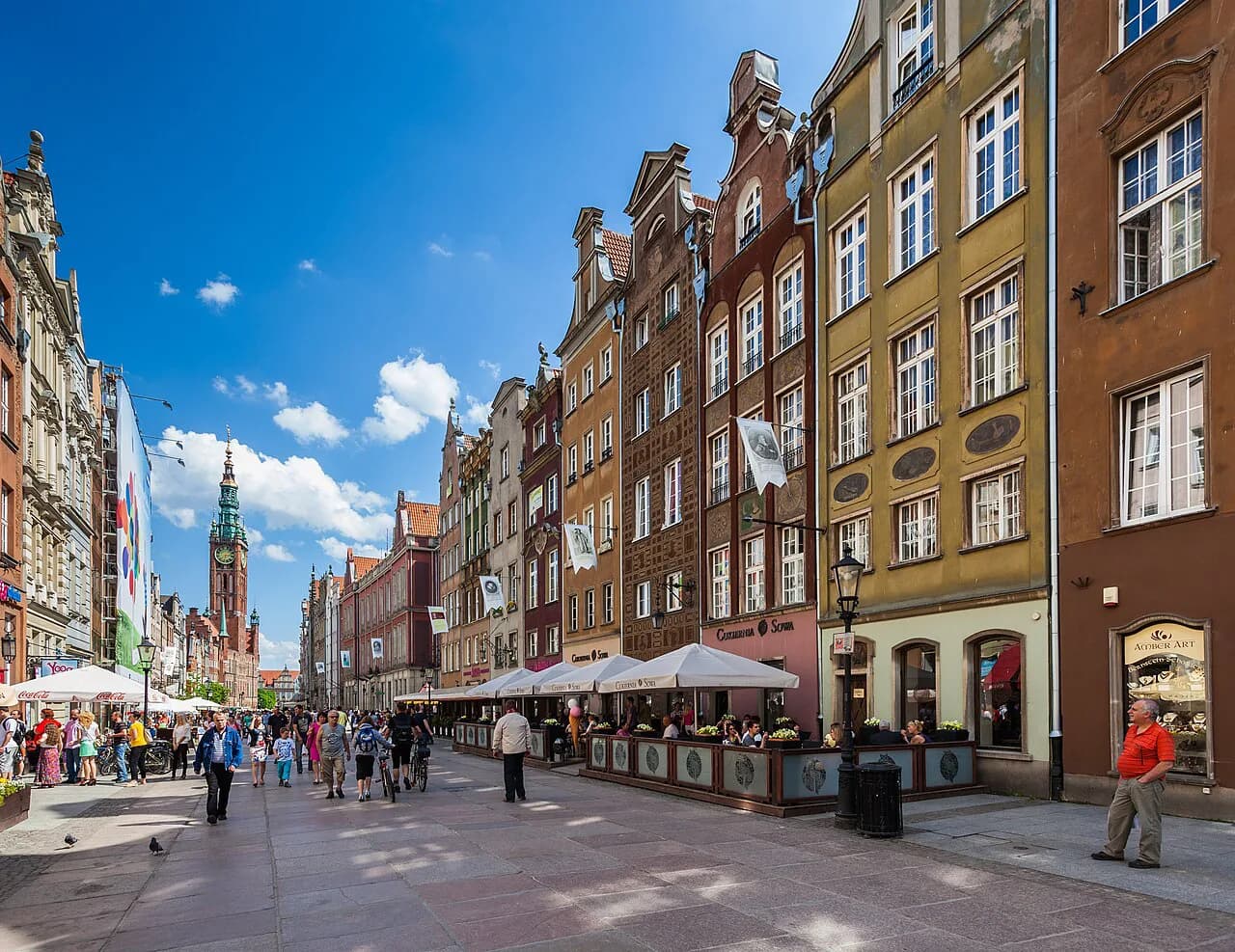
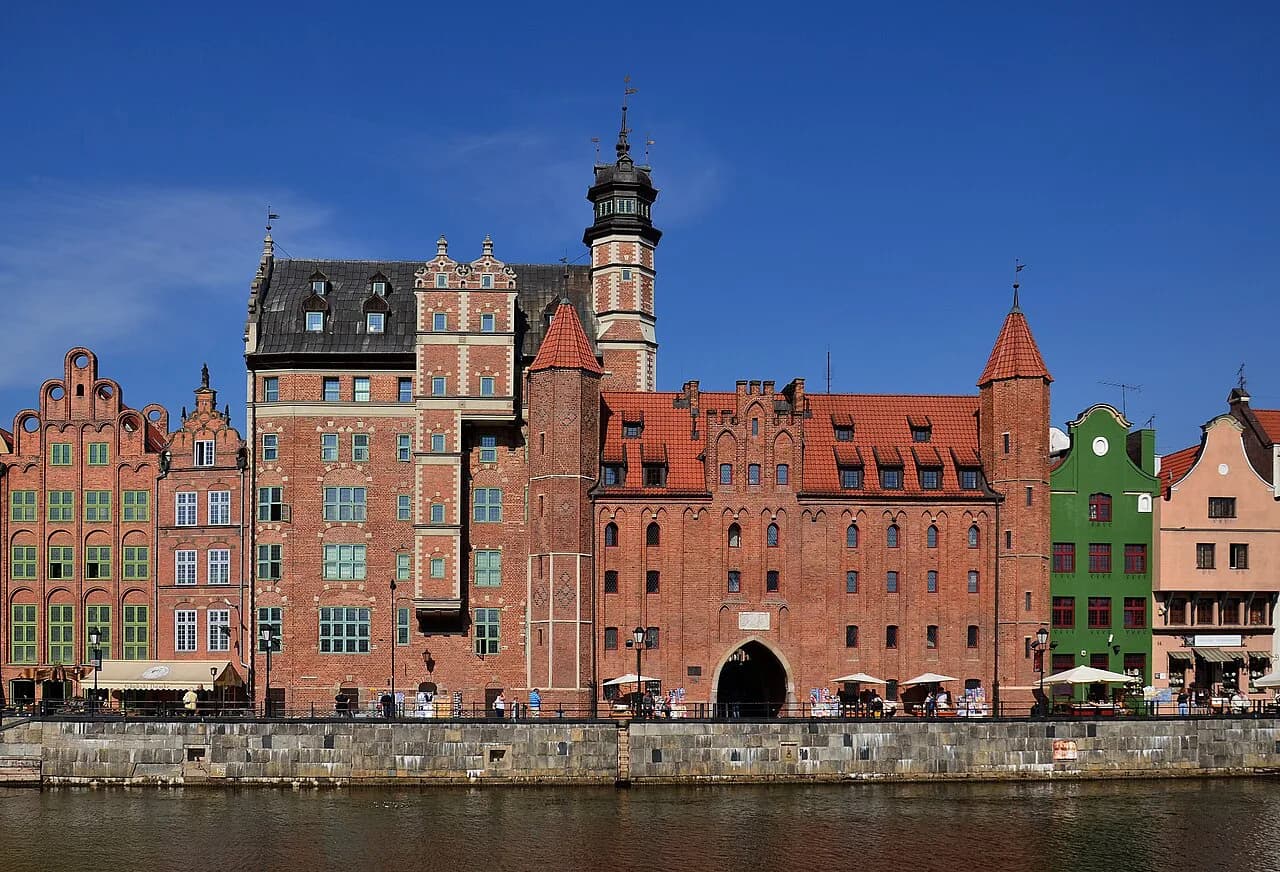
The Main Town rewards slow walking. Start on Długi Targ, the long market square, where the Neptune Fountain fronts the townhouses, then turn onto Mariacka Street for its stepped terraces and amber shops. These are short distances, and in April you can linger without the summer crush. For how the seasons differ, see the Best Time to Visit Gdańsk.
St Mary's Church anchors the centre, and its scale makes it a natural midpoint for a morning loop. Pair the square, the street and the church, then break for lunch before deciding on the afternoon based on the sky. The wider selection of set-piece sights is worth browsing before you fix a route.
Rain-proof afternoons: museums and indoor sights in the Main Town
When rain sets in, head indoors rather than pushing through the streets. Keep one museum in reserve for each day and check its weekly closing day and ticket price on its own website before you go, since Polish museums often close one day a week and tariffs change. Reserving the museum decision until you see the morning sky keeps the day flexible.
A good pattern is outdoors in the morning, indoors after lunch. That way a wet afternoon costs you nothing on the outdoor side, and a dry afternoon can be spent on the waterfront instead. The April scene tends towards cool evening air by the water, which suits a short stroll rather than a long one.
Gdańsk's wartime history in April
Gdańsk's twentieth-century history is a major reason to visit, and it fills a wet April afternoon well. The Museum of the Polish Post Office and the Westerplatte peninsula both relate to the opening of the Second World War in September 1939. Read the displays carefully and keep the tone factual and respectful.
Check each site's opening days and admission details on its own website before travelling. Westerplatte involves a longer trip out of the centre, so give it a half-day and match the weather to the outdoor part of the visit. In April you can expect more space to read and reflect than in high summer.
Waterfront time at the Motława and the Żuraw
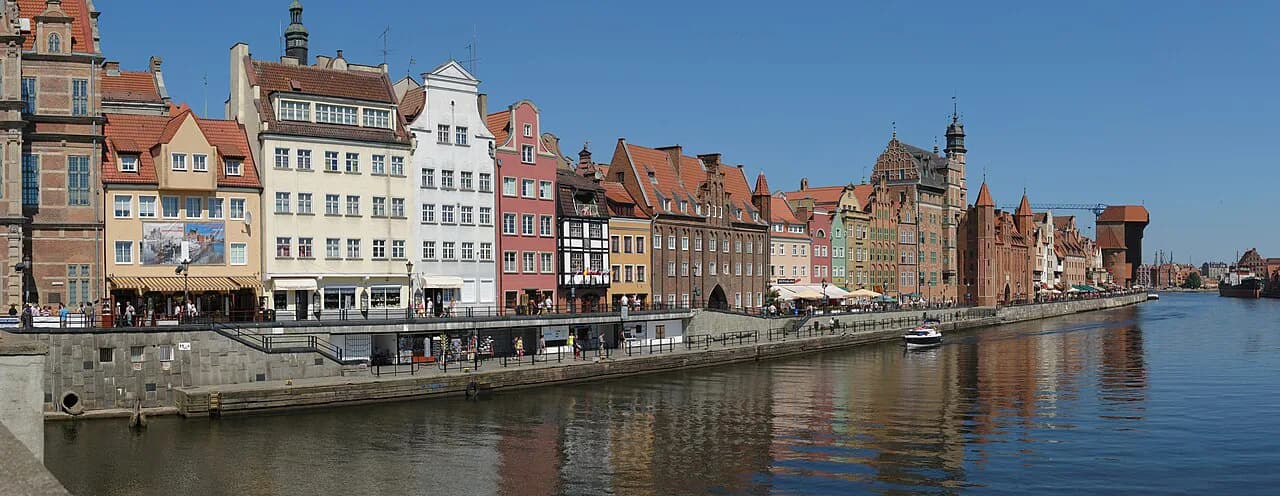
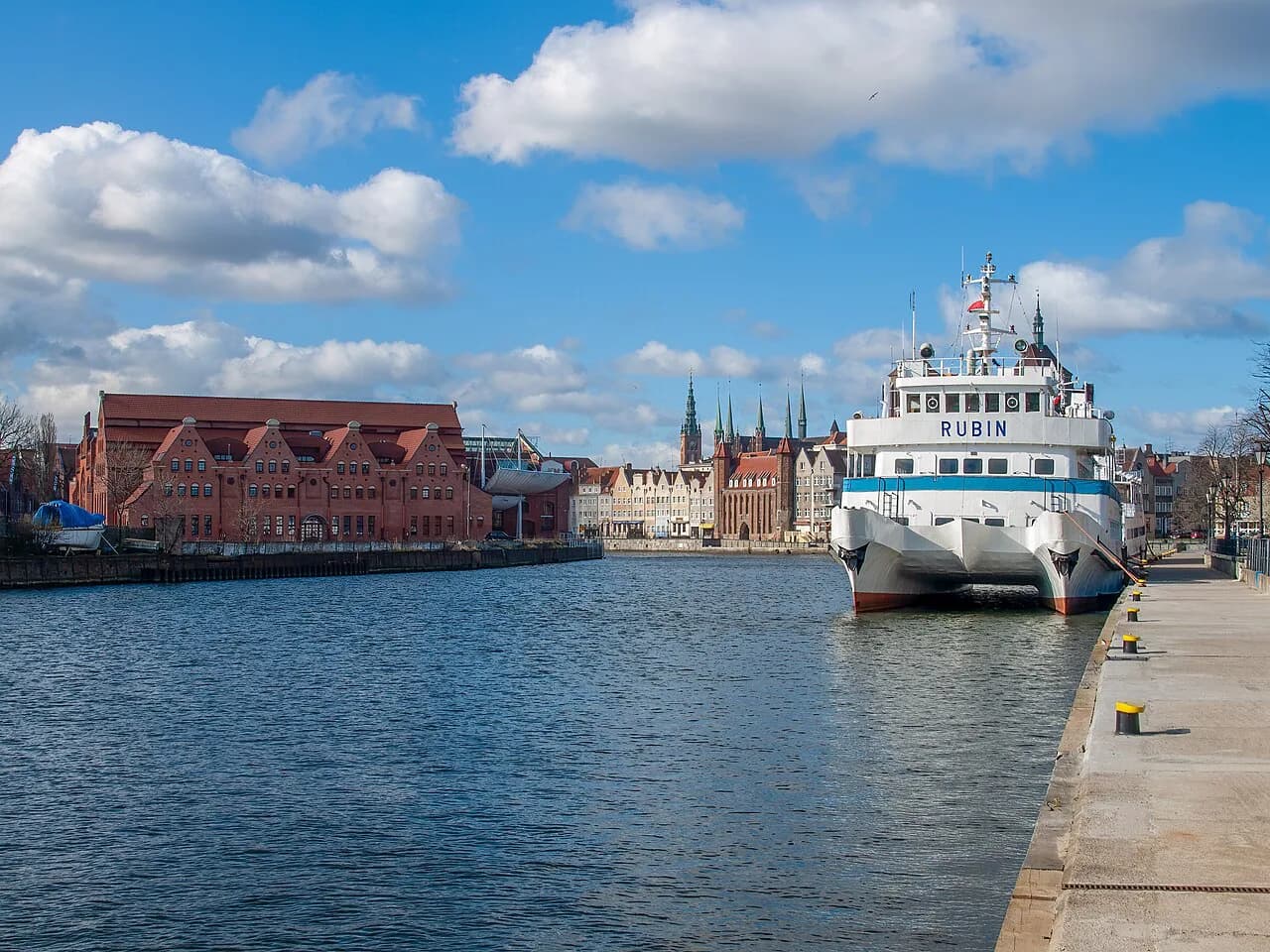
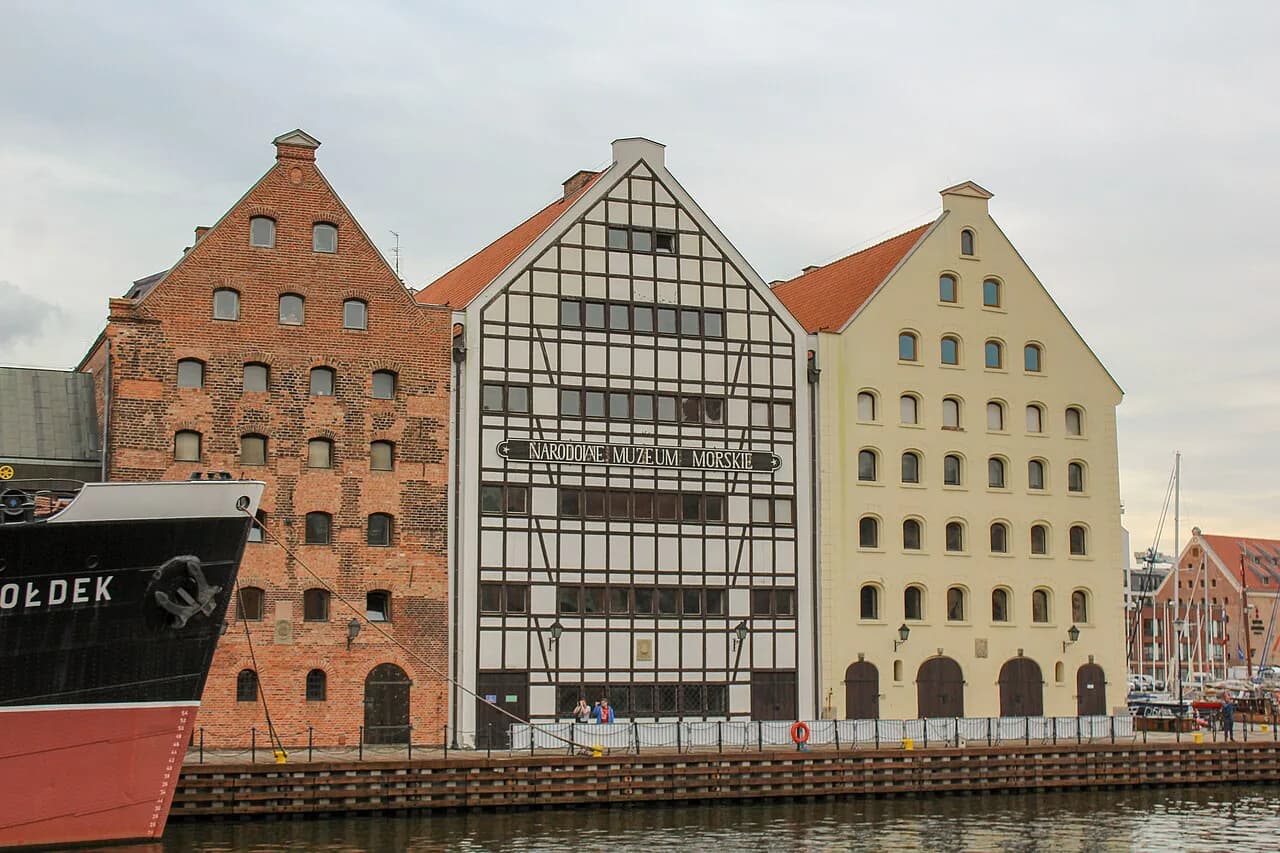
The waterfront along the Motława is the city's most photogenic stretch and works best on a dry, bright April day. Walk from the Main Town riverside to the Żuraw, the medieval crane that frames the river, and continue at an easy pace. Wind off the water can be sharp, so a warm layer matters.
The riverside is also the natural place to end a day. If the weather turns, keep the stroll short and retreat to the streets behind the quay. A wider look at how Gdańsk changes through the year helps you judge how much to fit in on each visit.
How many days April visitors need
Two full days cover the Main Town comfortably, including the square, the church, Mariacka Street and one or two museums. Three days let you add Westerplatte and a slower waterfront afternoon without rushing. One day is tight but possible if you keep to the centre and accept that rain will cut something.
Because April weather can eat into an afternoon, build slack into a short break rather than booking every hour. If you have three days, dedicate the third to a single larger sight or a longer walk, and keep the first two focused on the centre. Compare with a fuller summer visit only if you want more outdoor hours.
April versus May and summer
May brings warmer, longer days and starts the run toward the busy season, while July and August peak on crowds and outdoor events. April gives you thinner streets and quieter sightseeing, at the price of shorter and less reliable sunshine. If your priority is walking without queues, April wins; if it is dependable outdoor hours, plan later.
Autumn is the other quiet option and often holds mild weather into October. If April dates clash with Easter, September can offer a similar quieter trade-off.
Practical notes: Easter timing, museum days and Sunday trading
The main scheduling risk in April is Easter, which can shift crowds and opening arrangements. Rather than guessing, check the exact dates for your year and confirm museum hours and any Sunday trading restrictions where you plan to shop. A short list of what to verify before booking keeps surprises small.
Polish museums commonly close one day a week and some offer a free-entry day, so confirm each venue's days on its own site. Easter shifts family travel and can make a quiet week busy, so book accommodation early if your dates fall around the holiday.
Where April fits against other Polish city breaks
Gdańsk's spring is its own draw, but it is not the only Polish city that suits a quiet April break. Wrocław and Poznań offer compact centres with their own squares and museums, and they share the same changeable spring weather. Choose Gdańsk if you want maritime history and a waterfront; choose elsewhere if you prefer a different portrait of the country.
Should April be your Gdańsk month?
April suits travellers who value quiet streets and are happy to work around showers. Build two or three days around the Main Town, pair outdoor mornings with an indoor fallback, and keep Easter timing in view when you book.
If dependable sunshine matters more than crowds, shift later into spring or early summer. If you want the city at its calmest, April delivers.
Explore more Gdańsk guides
Frequently Asked Questions
Will it snow in Gdańsk in April?
April is a milder spring month, so snow is unlikely, but the weather changes quickly. Check a short-range forecast for your dates and pack a warm waterproof layer for cool evenings by the water.
Is April a good month to go to Poland?
Yes, April works well for a quiet city break, with milder conditions than winter and thinner crowds than summer. Treat the weather as a range and keep a flexible indoor option for each day.
Is Gdańsk quiet in April?
April generally falls outside the peak summer demand of July and August, so the Main Town is usually easier to walk and queue less. Check current conditions for your own dates rather than assuming a fixed level of crowds.
Sources
Notes for your next Polish city break
Optional updates to our Poland guides.
You might also like
Continue reading
More guides you'll find useful