Amber in Gdańsk: the Museum and Buying Baltic Amber
What the Museum of Amber in Gdańsk displays, how Baltic amber forms and is worked, and what to weigh up before buying amber pieces in the Main Town.
On this page
Start at the Museum of Amber, a branch of the Museum of Gdańsk, if you want to understand Baltic amber before you buy any. It displays natural lumps of resin and their inclusions alongside finished pieces such as jewellery, cutlery and chests, so raw material and craft sit side by side. This guide covers what the museum shows, how amber forms and is worked, how the branch fits into a day in the Main Town, and what to weigh up when you look at pieces for sale.
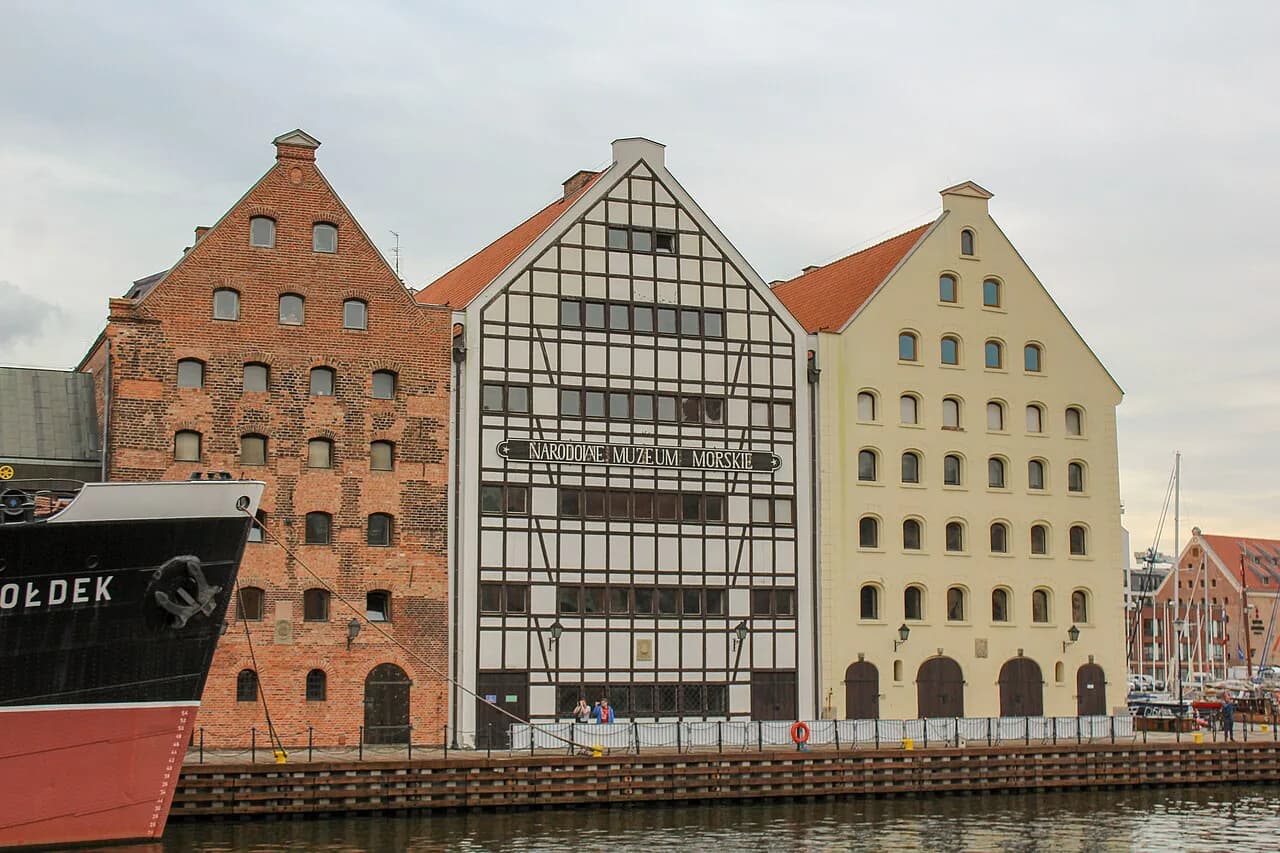
Treat the museum as the anchor of an amber afternoon rather than a whole day out. It sits in the Museum of Gdańsk network with the Main Town Hall, Artus Court and Uphagen House, all within the historic centre, so you can pair it with a walk through the old town streets.
Amber and Gdańsk: why the city is linked with the resin
The Museum of Gdańsk states plainly that Gdańsk deserves the title of World Capital of Amber. Its own description notes that jewellery and utensils of amber have been produced here for centuries. That long workshop tradition, rather than a single mine or monument, is what gives the city its association with the material.
So amber in Gdańsk is a craft story first and a shopping story second. The workshops that made jewellery, cutlery and chests from the resin shaped a local trade that is still visible in the museum's collection. Go in knowing what you are looking at, and the shops become far easier to read.
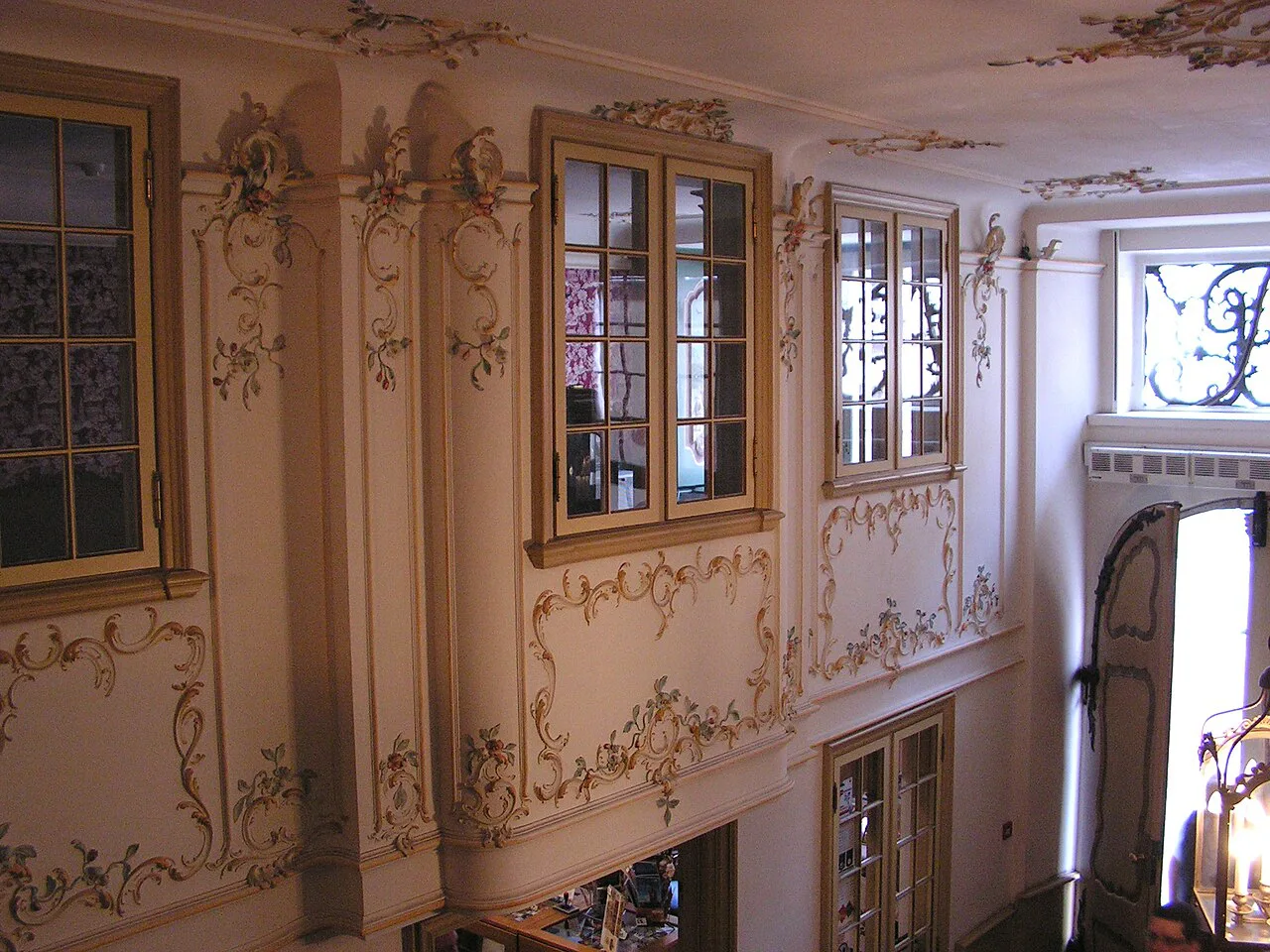
What the Museum of Amber shows
The collection is deliberately two-sided. The Museum of Amber displays natural lumps of the resin and its inclusions, the insects and plant fragments caught in it, as well as finished products including jewellery, cutlery and chests. That pairing lets you see a rough piece and a completed object in the same visit.
Expect an explanation-led visit rather than a treasure house of display cases alone. The museum frames the collection as a way to learn how amber is formed, how it is extracted, what its properties are and how it has been worked over the ages. Read the panels as you go and the objects stop being pretty stones and start making sense as a process.
Allow the exhibition to set your expectations for shopping. Once you have seen the range from raw inclusion-bearing lump to carved chest, the finished pieces in Main Town windows have a reference point. You will recognise which forms are long-established and which are simply decorative variations.
How amber forms, how it is extracted and how it is worked
The museum treats formation, extraction, properties and working as its four core themes. Amber is fossil resin with inclusions trapped inside it, and the display of natural lumps lets you see that physical record directly. The explanation of extraction shows how the material reaches the surface before any workshop touches it.
The working history is where Gdańsk's reputation rests, and the museum follows it across the centuries. You see how a substance hard enough to become jewellery and cutlery has also been shaped into chests, a jump in scale that makes the craft legible. Take your time over the finished pieces if you intend to buy anything later in the day.
Keep the visit practical by deciding in advance which half interests you more. If you want the science, linger over the inclusions and the extraction story; if you want the craft, concentrate on the objects and the working methods. Either way the museum gives you the vocabulary for a sensible conversation with a seller.
Where the museum sits in the Museum of Gdańsk network
The Museum of Amber is one branch among many in the Museum of Gdańsk structure. The same organisation runs the Main Town Hall, Artus Court, Uphagen House, the Gdańsk Museum of Science, the Museum of the Polish Post Office, Guardhouse no. 1 at Westerplatte, Wisłoujście Fortress and the Hammer Forge at Oliwa. A single amber stop can therefore sit inside a wider sightseeing plan.
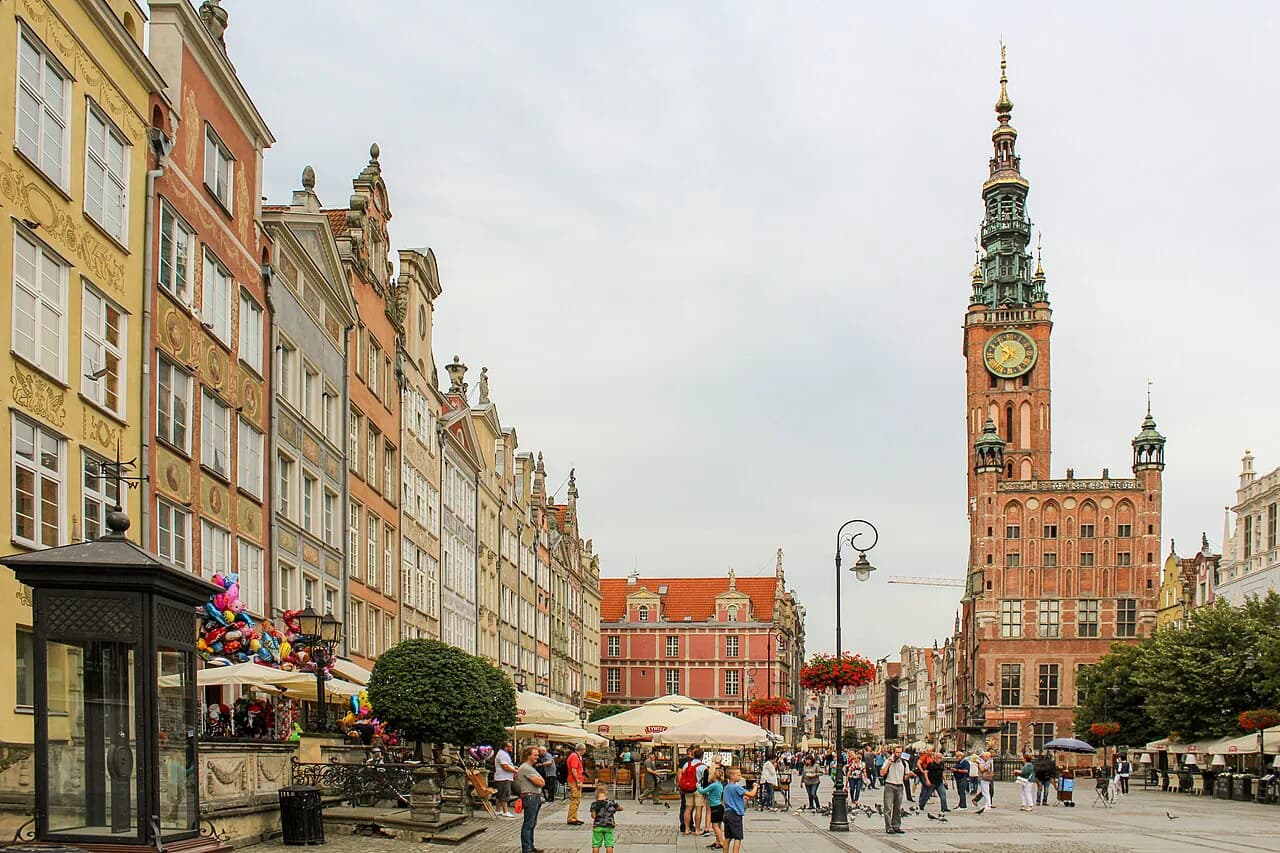
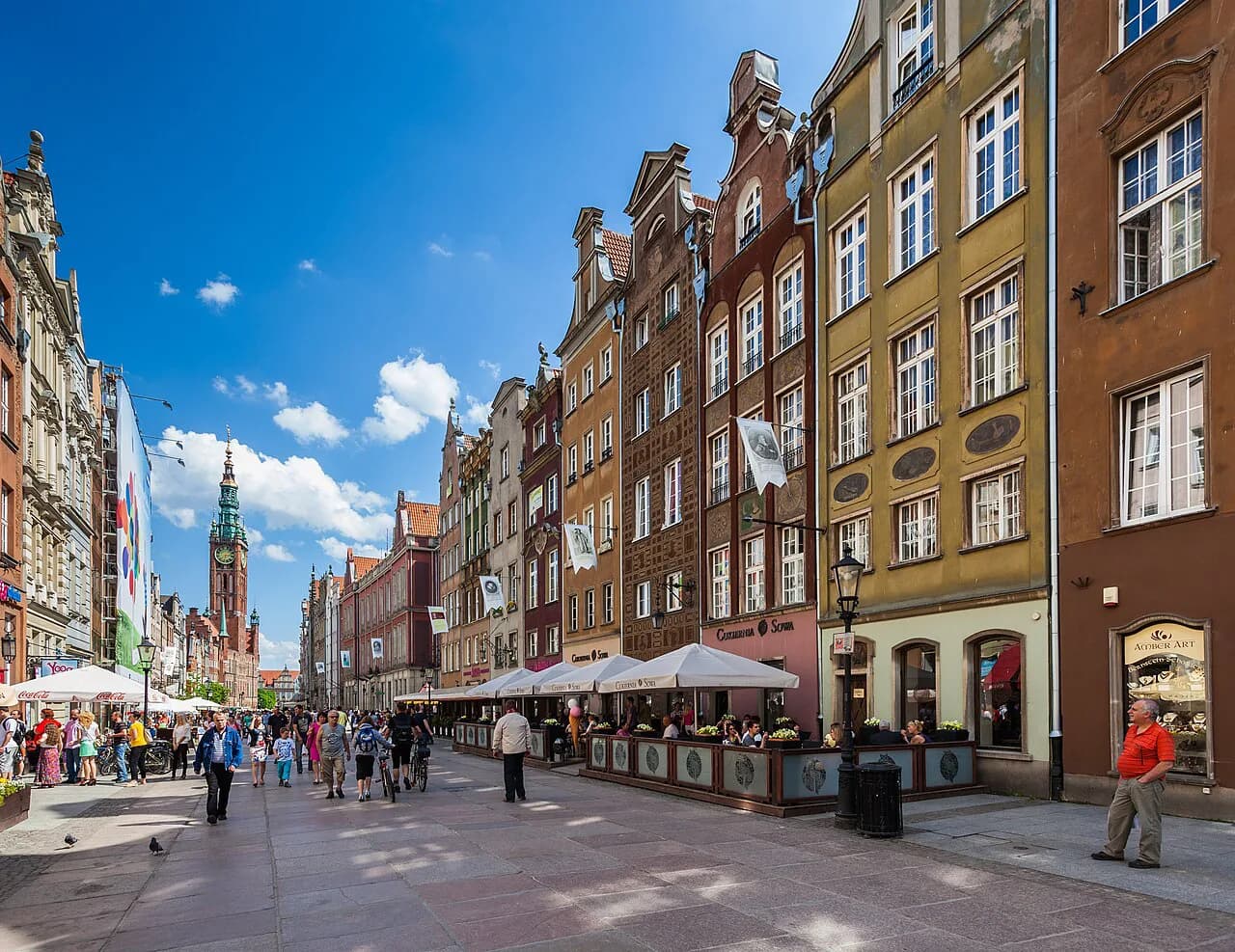
For a short break, treat the museum as one item on a Main Town day. Pair it with the Hall and Artus Court, then walk the length of Długi Targ, the long market square, while the explanation is still fresh. That puts the amber craft in the same streets where it has been sold for centuries.
If you prefer a structured route, a walking tour of the centre where the museum sits can sequence the sights for you. Building that in after the amber visit means you are not rushing the exhibits to catch a group.
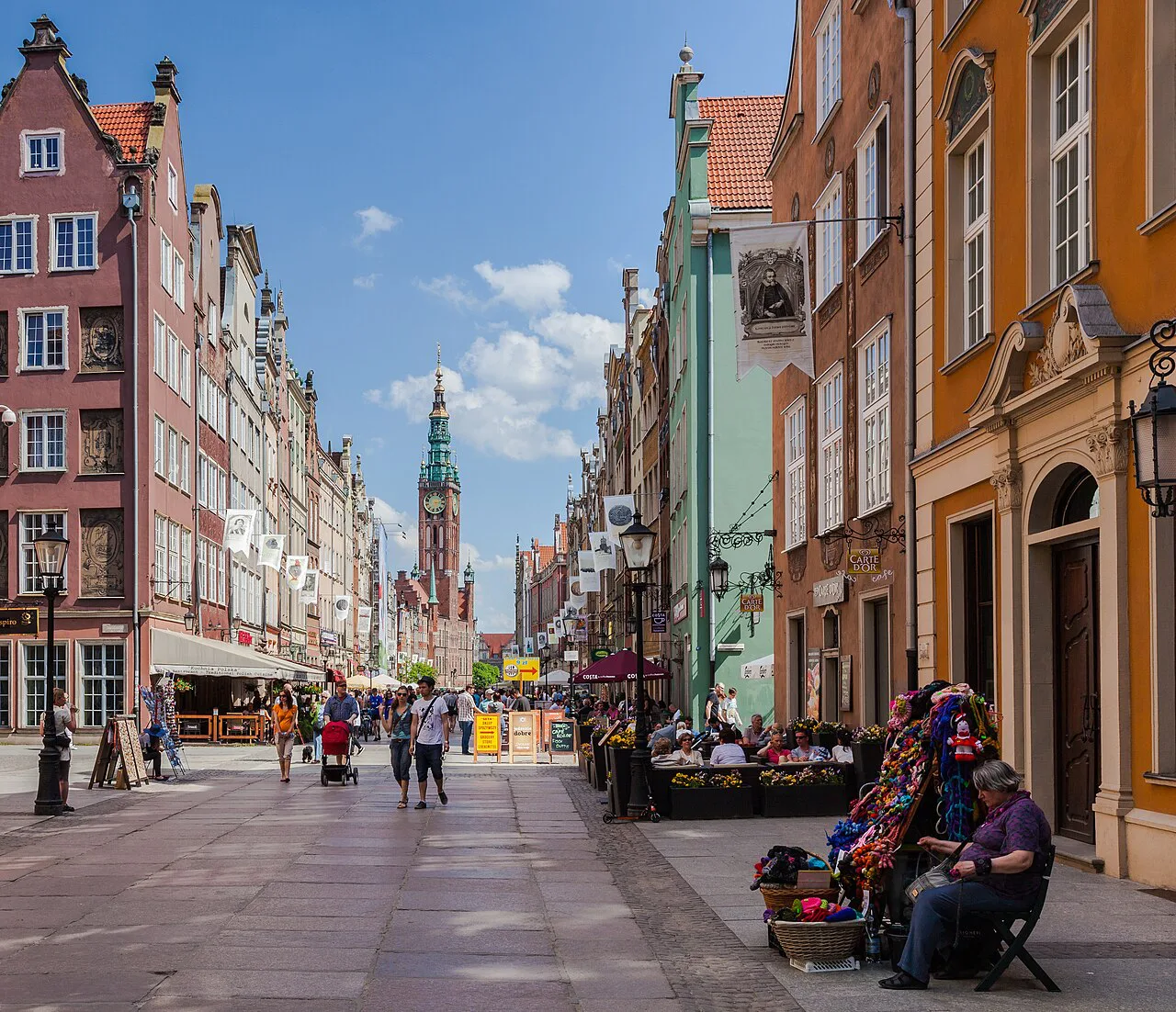
Buying Baltic amber in Gdańsk: what you will see on sale
The forms on sale follow the museum's own list, which is a useful calibration. Jewellery, cutlery and chests are the established finished products, and the museum also displays natural lumps of the resin itself. Knowing those categories helps you tell a decorative souvenir from a piece in the older local tradition.
Shopping in Gdańsk around the historic centre will bring you into contact with plenty of amber retail, and that is where a little preparation pays. Spend time in the museum looking at inclusions and finish before you browse, so you are comparing pieces on more than colour. It is a slow-burn approach, but it beats buying on impulse.
The market side of the city is worth a look if you want to compare presentation styles across different kinds of stall and shop. Even where amber is not the focus, seeing how local goods are displayed sharpens your eye for what looks made and what looks mass-produced.
What to weigh up before buying
The first trade-off is natural lump versus finished product. A raw piece with visible inclusions shows the material's record directly, the same quality the museum highlights in its natural displays, while a finished jewel shows the craft. Decide which you actually want before a seller starts guiding you.
The second is what the object is for. Cutlery and chests are display pieces with the workshop tradition behind them, while jewellery is what most visitors actually wear. A useful question for any seller is simply what the piece is made from and how it was worked, the same ground the museum covers on its panels.
For the rest, let the exhibition be your standard. Take note of the finishes and inclusions you saw and hold the shop stock against them rather than against a sales pitch. If a piece does not compare well to the museum's examples, walk on.
Museum of Amber practical points: opening hours and prices
Check the museum's own site for current opening hours and ticket prices before you go. The Museum of Gdańsk publishes a dedicated Opening hours & prices page covering its branches, and that is where the confirmed details for the Museum of Amber sit. This guide deliberately avoids quoting figures that change.
The museum's branch pages also mention a guided tour option with a certified guide. If you want the collection explained rather than read, that is the route to look into. Booking and any conditions are set out by the museum itself.
Because that information comes from the museum's official site, it is the right place to confirm a visit is feasible on your dates. Check the published hours and prices before you set out.
How much time to give the museum and the amber streets
A focused amber morning needs no more than a couple of hours in the museum plus time to browse nearby. The collection rewards reading rather than rushing, so build in slack for the panels on formation and working. Then walk the Main Town streets where amber retail clusters.
If you are planning a full city break, slot amber in as one themed half-day rather than spreading it across the trip. That leaves room for the waterfront, the museums and the food of the Main Town without cramming. Compare what you saw in the museum with what a seller offers the same afternoon.
On a budget, an amber-themed half day can cost little beyond a ticket. Check the museum's own prices page for the numbers, and look at other free things to do in Gdańsk to balance the day. A viewpoint over the rooftops also makes a good closer to a Main Town loop.
Should amber be the theme of your Gdańsk day?
Let amber be a half-day theme, not the whole trip. The Museum of Amber gives you the formation, extraction and working story plus finished pieces and raw lumps, and the shops let you test what you have learned. Confirm the museum's hours and prices on its own site, then build the rest of the day around the Main Town.
If the plan is a shorter visit, compare amber with the rest of the things to do in Gdańsk before committing a morning to it. A Gdańsk boat trip or a walk through the old town can fill the other half neatly.
Explore more Gdańsk guides
Frequently Asked Questions
Why is amber so popular in Gdańsk?
Gdańsk has produced amber jewellery and utensils for centuries, and the Museum of Gdańsk describes the city as deserving the title of World Capital of Amber. The museum's collection presents both natural resin lumps and finished pieces to explain how the material has been worked here over the ages.
Is Gdańsk a good place to buy amber?
The city has a long workshop tradition in amber, which the Museum of Amber sets out through its finished jewellery, cutlery and chests. Visit the museum first so you have a reference point for inclusions and finish, then look at pieces for sale in the Main Town with that standard in mind.
Why is amber so popular in Poland?
Baltic amber is worked into jewellery, cutlery and chests, and the museum's displays show how the resin forms, is extracted and has been worked over the ages. Its popularity reflects that long craft history rather than a single reason, and the museum explains the material's properties as part of the story.
Sources
Notes for your next Polish city break
Optional updates to our Poland guides.
You might also like
Continue reading
More guides you'll find useful