Best Time to Visit Gdańsk: Month-by-Month Guide
Gdańsk works year-round, but spring and early autumn suit sightseeing best. See typical temperatures, crowds and daylight for each month before you book.
On this page
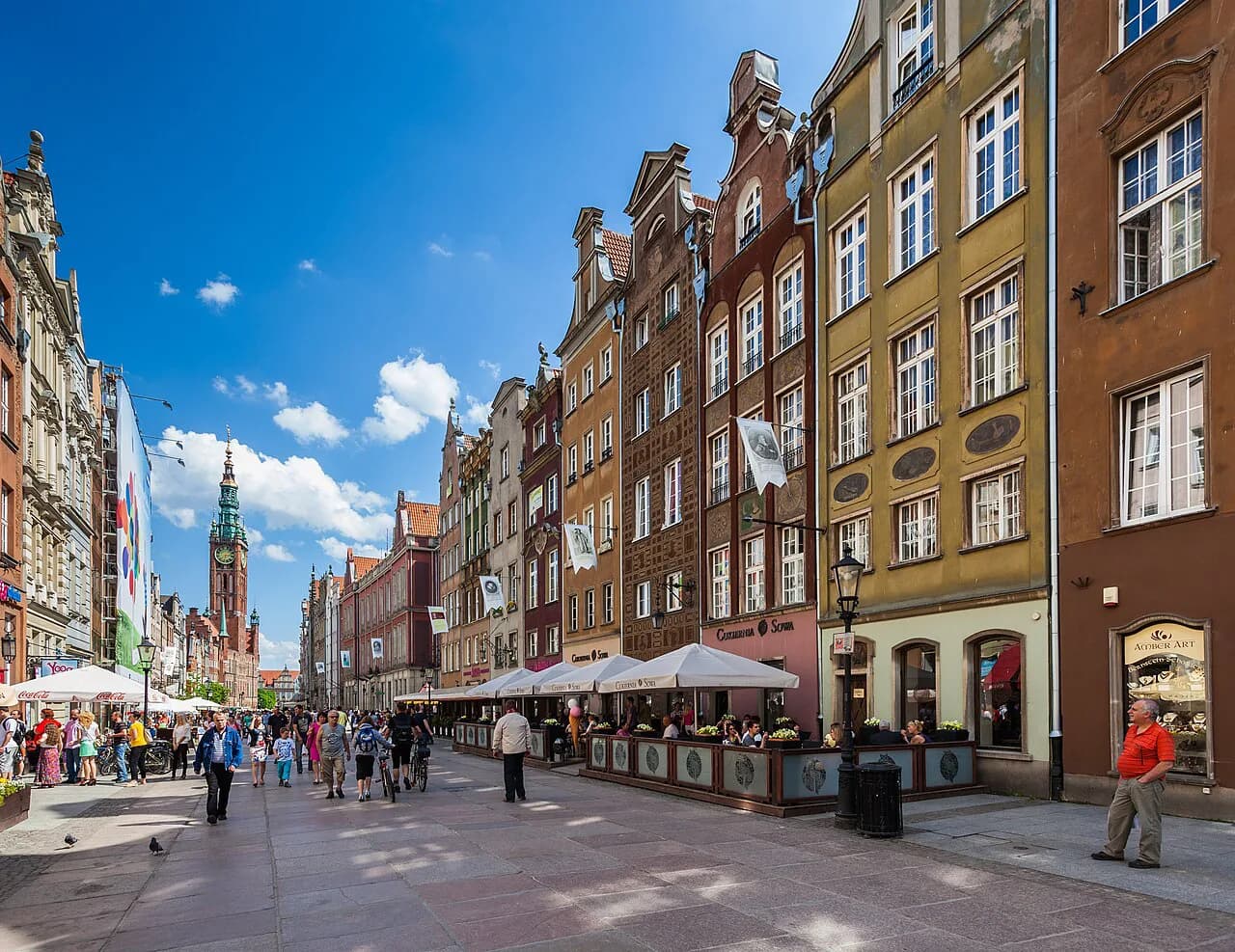
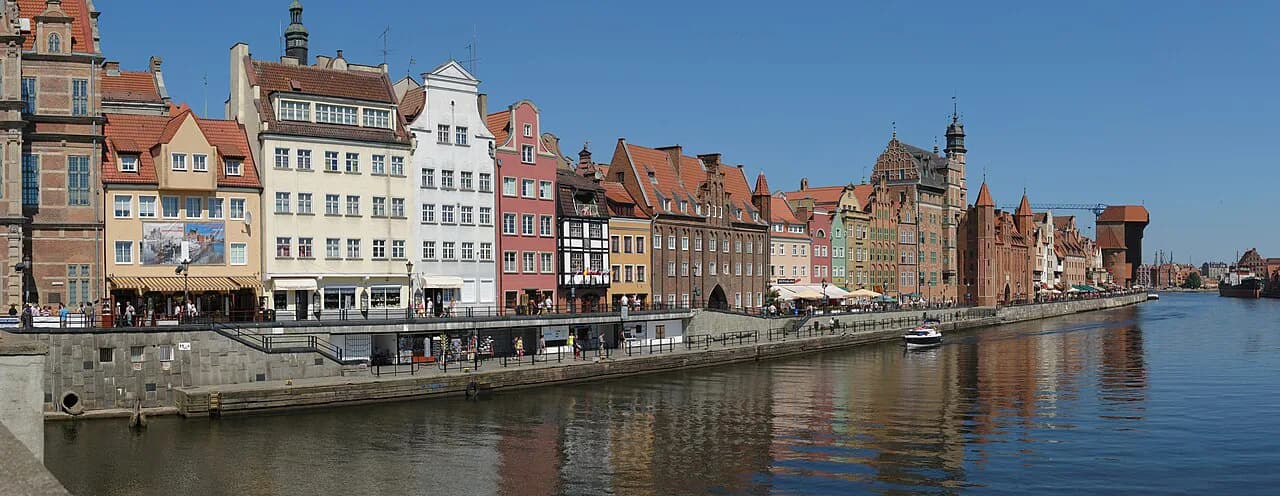
The best time to visit Gdańsk is late spring or early autumn: daylight is long, streets around Długi Targ are walkable without a crush, and temperatures suit wandering the Motława embankment. Summer is also good for outdoors time, though it brings the heaviest visitor numbers and the highest accommodation demand. This guide runs through each season in turn and shows what the weather actually changes about a city break here.
Gdańsk is compact and its biggest draws cluster around the Main Town, so the calendar mostly affects how long you linger outside versus how much time you spend in the Museum of the Second World War or the European Solidarity Centre. Pick a season by what you want to do, not by a single temperature figure. For the fuller picture of what to see, start with the Gdańsk Attractions: 5 Visitor Guides.
When is the best time to visit Gdańsk? (the short answer)
Aim for May or September: the city is open for business, daylight is generous, and you are outside the peak summer squeeze. April is a reasonable alternative if you do not mind cooler air and want quieter streets; the Gdańsk in April guide covers that month in detail for a short break.
If your dates are fixed by school holidays, July and August still work. Summer here is warm rather than hot: August averages around 23°C, with the warmest days touching roughly 25°C, so the trade-off is crowds and prices rather than heat. Wider context for other Polish cities is in the best time to visit Poland comparison.
Gdańsk's climate at a glance: typical temperatures and daylight by season
Treat Gdańsk as a temperate Baltic city with a short warm season and a cold winter. August is the warmest month, with average temperatures of roughly 23°C and peaks near 25°C. In January, nights can fall to around -7°C, which shapes how much time you want to spend on foot.
Daylight is the variable that most affects a one- to four-day break. Long summer days stretch your sightseeing hours on the waterfront and around the Main Town, while winter daylight is short and should be planned around indoor sights; a museum-heavy December or January trip works better than an itinerary built on outdoor wandering.
Spring (March to May): quieter streets, cooler air, longer days
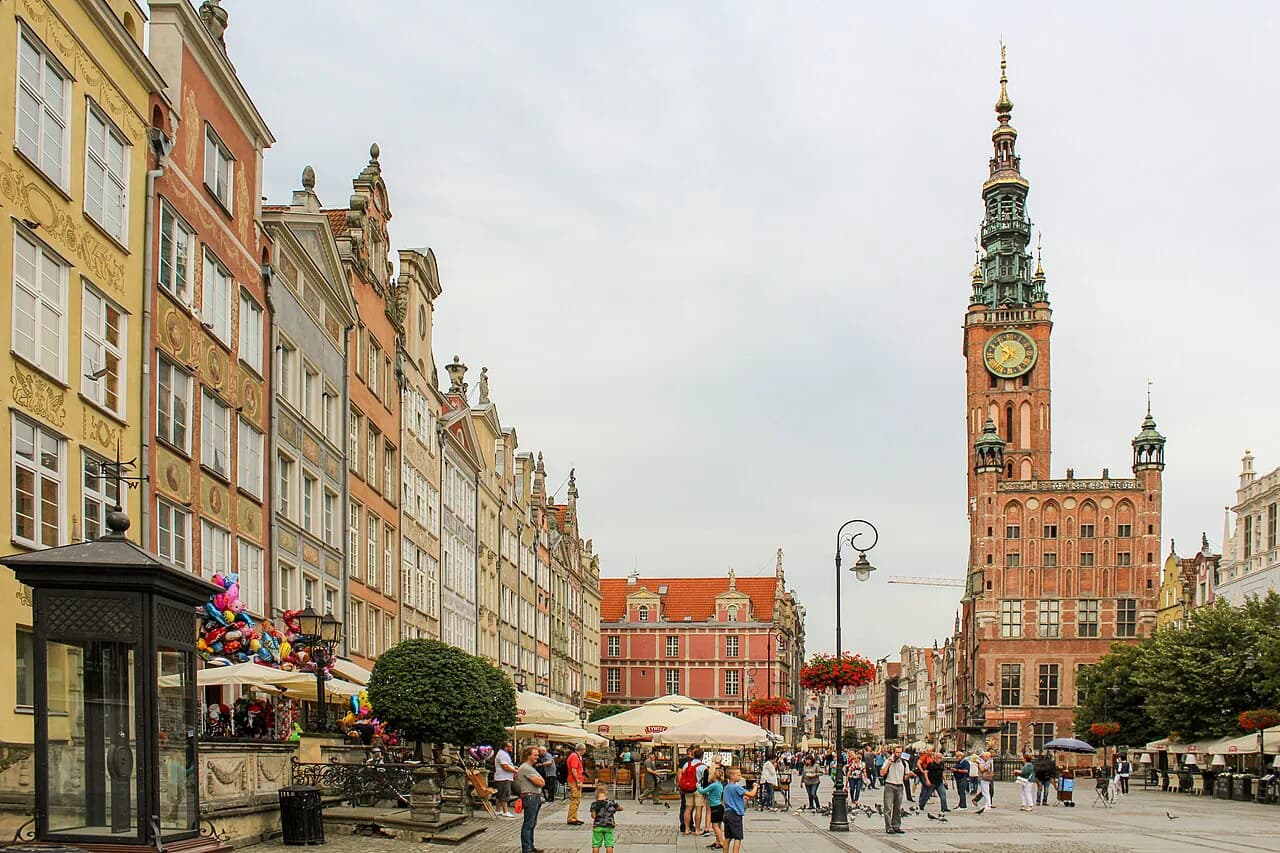
Spring is the season to book if you want the Główne Miasto without the summer volume. March and early April are still cool, so plan on layering and mixing outdoor stretches with a museum or two. By May, cafe tables reappear along the Motława and you can walk from Długi Targ to Mariacka Street without feeling rushed.
April has become a popular shoulder month because it combines lower travel costs with weather that is usually good enough for walking. The April guide on this site takes that month apart in more detail, including how to structure a two- or three-day visit around the Main Town.
For the rest of Poland, spring is a broadly similar story of warming temperatures and variable weather. If you are comparing Gdańsk with another city before booking, the best time to visit Poland for a city break overview puts the seasons side by side.
Summer (June to August): the warmest, busiest months
Summer is when Gdańsk is at its most sociable: long evenings, outdoor dining along the embankment, and cruises out around the harbour. The cost is volume. Długi Targ and Mariacka Street are at their most crowded, and hotel rates rise with demand. The Gdańsk in summer guide covers these months in more depth.
Temperature alone should not put you off. August highs sit around 23°C and rarely push far past 25°C, so this is not a Mediterranean summer. The real planning question is timing: start early on Długa street and around St Mary's Basilica before the day-trippers arrive, and keep the middle of the day for a longer museum visit.
Summer also carries the city's heaviest event calendar, from open-air trade fairs to waterfront gatherings. Dates and programmes change each year, so check the Gdańsk festivals page for what has been announced before you commit to a weekend.
Autumn (September to November): mild early, cooler and quieter later
September and early October may be the single best window of the year: summer warmth lingers, the crowds thin, and daylight is still long enough for an afternoon walk out to Westerplatte or along the Motława. Late September into mid-October is often described as one of the best times to visit Poland, with September temperatures still pleasant.
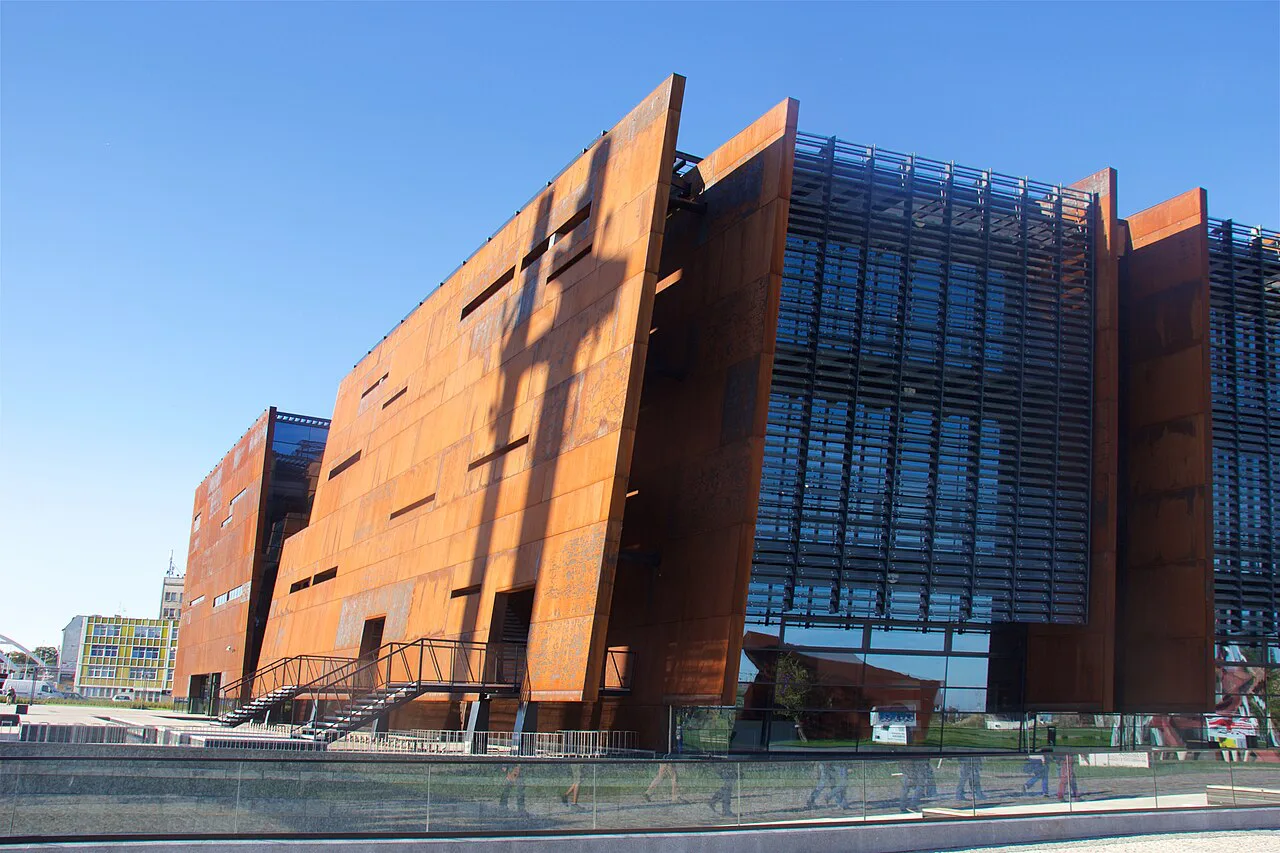
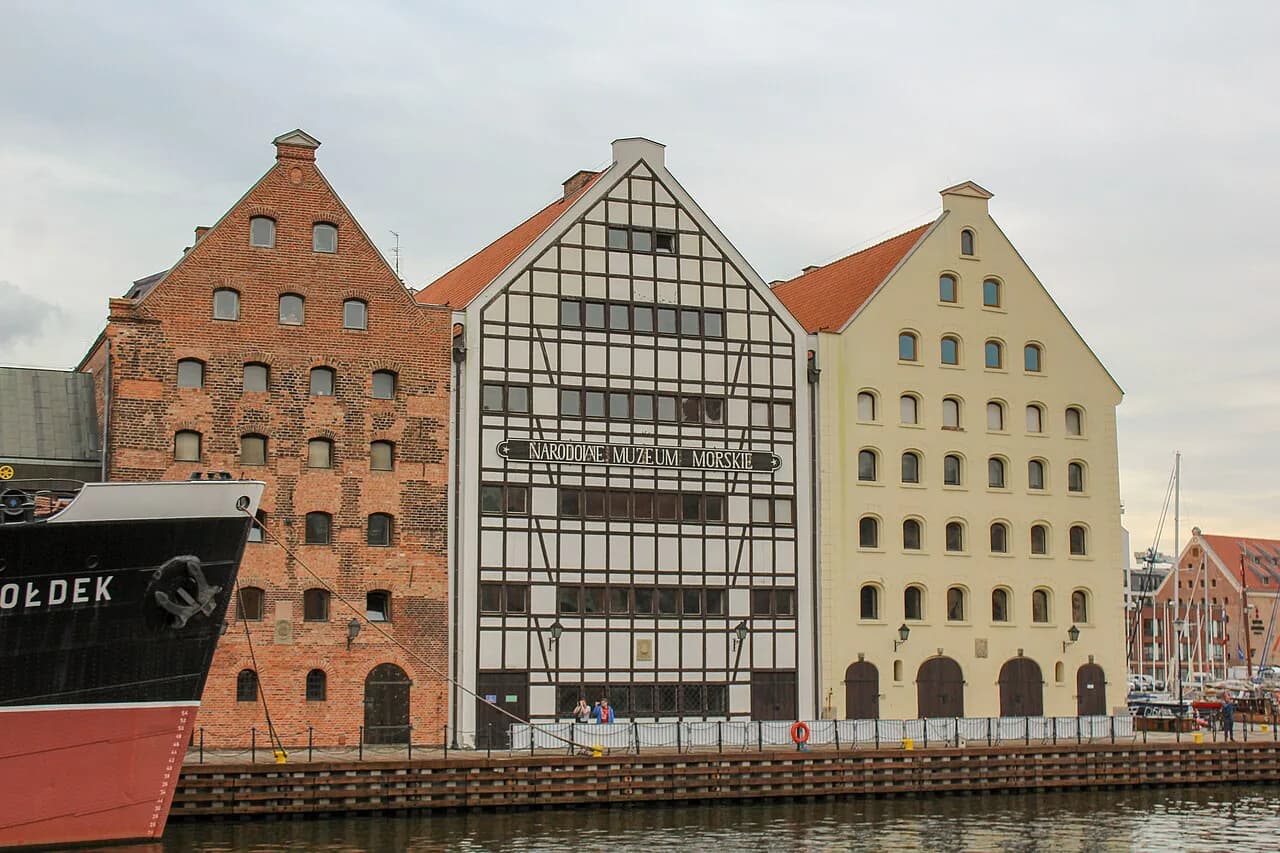
By November the weather turns more unpredictable and daylight shortens. That suits a museum-heavy break: the Museum of the Second World War, the European Solidarity Centre and the National Maritime Museum all fill a wet day. The Gdańsk in autumn guide expands on October and November itineraries.
Winter (December to February) in brief: short days and sub-zero nights
Winter is the quietest and coldest season, with January nights around -7°C and limited daylight. Treat it as a short-break season for indoor sights rather than long waterfront walks: St Mary's Basilica, the National Museum and the Solidarity centre are the sensible core of a winter day. Pack for cold and wind off the Baltic, and expect early dark.
Which months suit which trip: sightseeing, museum-heavy days, waterfront wandering
For a first city break built around the Main Town, May, June and September give the best balance. You can walk Długi Targ, climb St Mary's tower and wander the Motława embankment without the peak-season crush, and daylight is generous enough for an evening stroll after a late museum slot.
If your priority is museums, the winter shoulder months and November work well: fewer visitors, shorter queues, and less temptation to rush outside. The Museum of the Second World War alone can absorb several hours, so a rainy day is not a loss. Pair it with the European Solidarity Centre for a full indoor day.
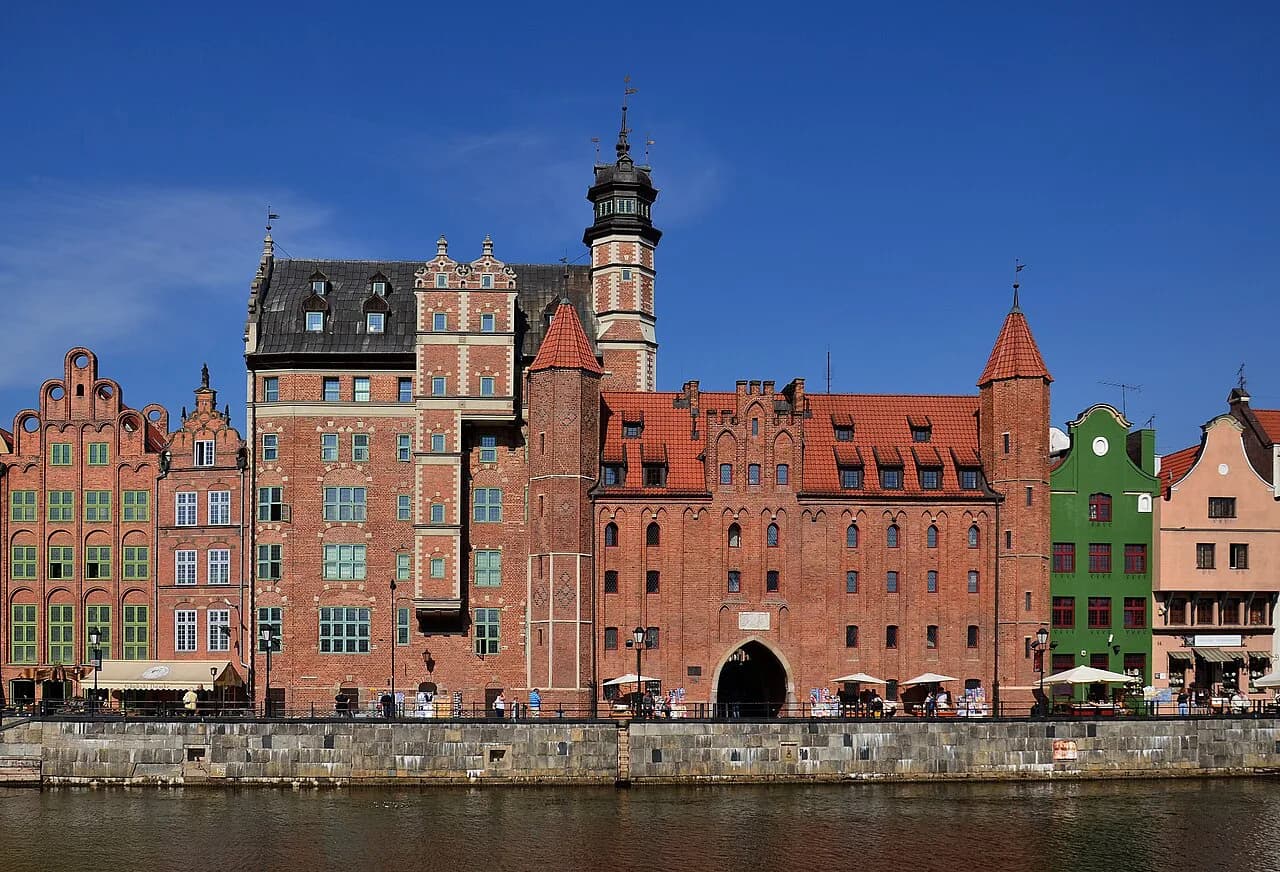
For the waterfront, the Crane and the riverside stretch along Długie Pobrzeże, late spring through early autumn is the practical window. Many of the sights there are outdoor architecture rather than interiors, and the embankment is at its liveliest in summer, when al fresco dining lines the cobbles.
How weather changes what you do: indoor sights vs the Motława embankment
Gdańsk's plan splits naturally into two halves: the outdoor circuit through the Main Town and along the Motława, and the indoor museums that can swallow a wet afternoon. On a warm day, work the outdoor sights first and keep a museum in reserve; on a cold or wet day, reverse it. St Mary's Basilica, the Żuraw and the amber shops on Mariacka Street sit within a short walk of each other.
St Mary's is described as the world's largest brick church, with a 78-metre tower visible across the city, so a clear day is worth saving for the climb. The National Maritime Museum and the Crane document the port's history and make a good indoor pairing when the weather closes in.
The Museum of the Second World War has become one of Poland's most popular modern attractions; allow several hours and treat it as the anchor of a poor-weather day. Its subject matter is harrowing, so build in a break rather than trying to fit it around other sights.
Booking and cost patterns across the seasons
Accommodation costs follow demand. Outside peak summer, a three-star room in Gdańsk can be found for less than 260 zł per night, while peak summer months push typical rates to around 350–400 zł.
The main practical decision is whether to trade warmth for savings and space. Spring and autumn book well for weekend breaks, while July and August need earlier planning. Warsaw follows a similar pattern, so the best time to visit Warsaw is a useful comparison if you are weighing two Polish city breaks.
Which month should you book for Gdańsk?
For most city breaks, book May, June or September. You get the Main Town at a manageable pace, daylight for the waterfront, and enough warmth to spend time outside without the summer peak.
If your dates are set by school holidays, July and August are still comfortable at around 23°C; just plan around crowds on Długi Targ and the embankment. If you are travelling for museums, November or a crisp winter break rewards you with shorter queues and a slower city.
Explore more Gdańsk guides
Frequently Asked Questions
Will it snow in Gdańsk in December?
Snow is possible in December, but Gdańsk is a Baltic coastal city, so cold rain and wind are just as likely as settled snow. January nights can drop to around -7°C according to typical climate averages, so pack for genuine cold. Treat any snow as a bonus for photos rather than a reason to book.
Is Gdańsk more Polish or German?
Modern Gdańsk is a Polish city, and its rebuilt Main Town reflects Polish heritage and identity. Its history includes long periods of German-speaking and free-city rule, which is visible in the architecture and the German-language names on older buildings. For a visitor, the practical takeaway is that the historic core tells a layered story rather than a single national one.
Sources
Notes for your next Polish city break
Optional updates to our Poland guides.
You might also like
Continue reading
More guides you'll find useful