Poznań Old Town: What to See and How to Walk It
A candid guide to Poznań's Old Town: Stary Rynek, the Renaissance town hall, churches and side streets, and how long the centre really needs.
On this page
Poznań's Old Town needs half a day on foot, or a full day if you add the National Museum. Its heart is Stary Rynek, a large market square lined with colourful tenement houses and the Renaissance town hall, and almost everything of visitor interest sits within a short loop of it.
This guide covers how the centre is laid out, what to look at first in the square, the town hall and old houses, the churches and street fragments nearby, the museum collections that justify an indoor hour, and a walking order that fits a one-to-four-day break.
What the Old Town is and where it sits in Poznań
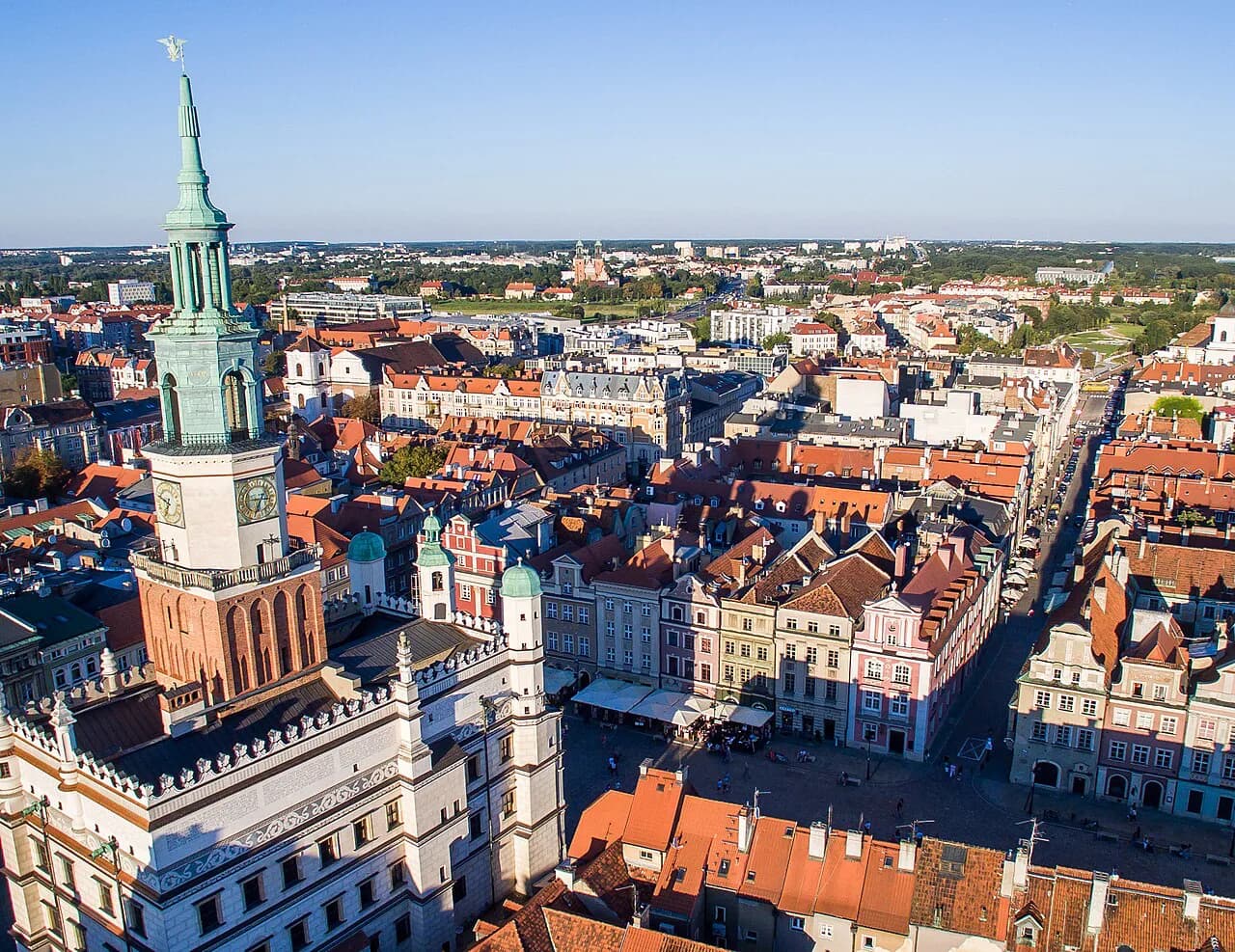
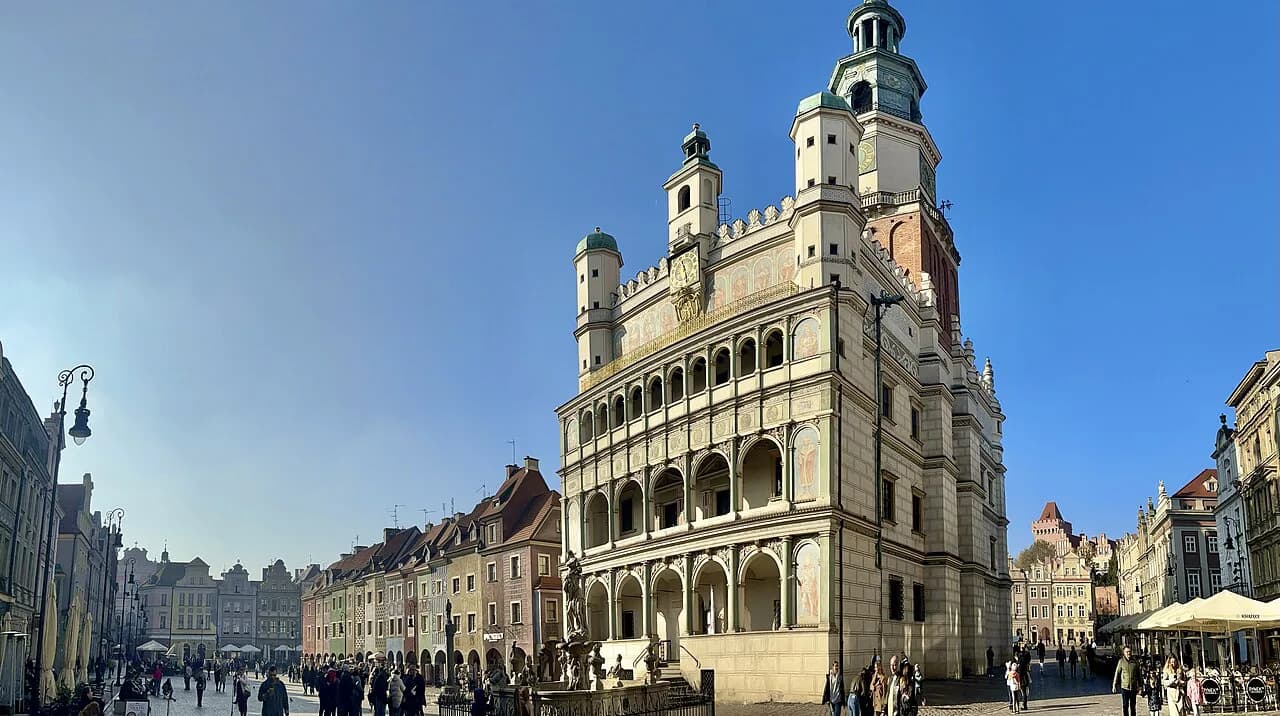
The Old Town is the historic core of one of Poland's oldest cities, built around a market square and a web of streets that converge on it. Poznań has a colourful Old Town with tenement houses and a Renaissance-style town hall, and the market square remains the finest set piece in the centre.
Be clear about what you are walking through. The quarter was rebuilt after 1945 around the original street plan, so the layout is historic while many façades are reconstruction — a fact that changes how you should read the architecture, not whether it is worth your time.
Treat Stary Rynek as the anchor and the side streets as spokes. Once you fix the town hall in your mind, you can wander without a map and still re-find the square within minutes, which is the practical reason the centre suits a short break so well.
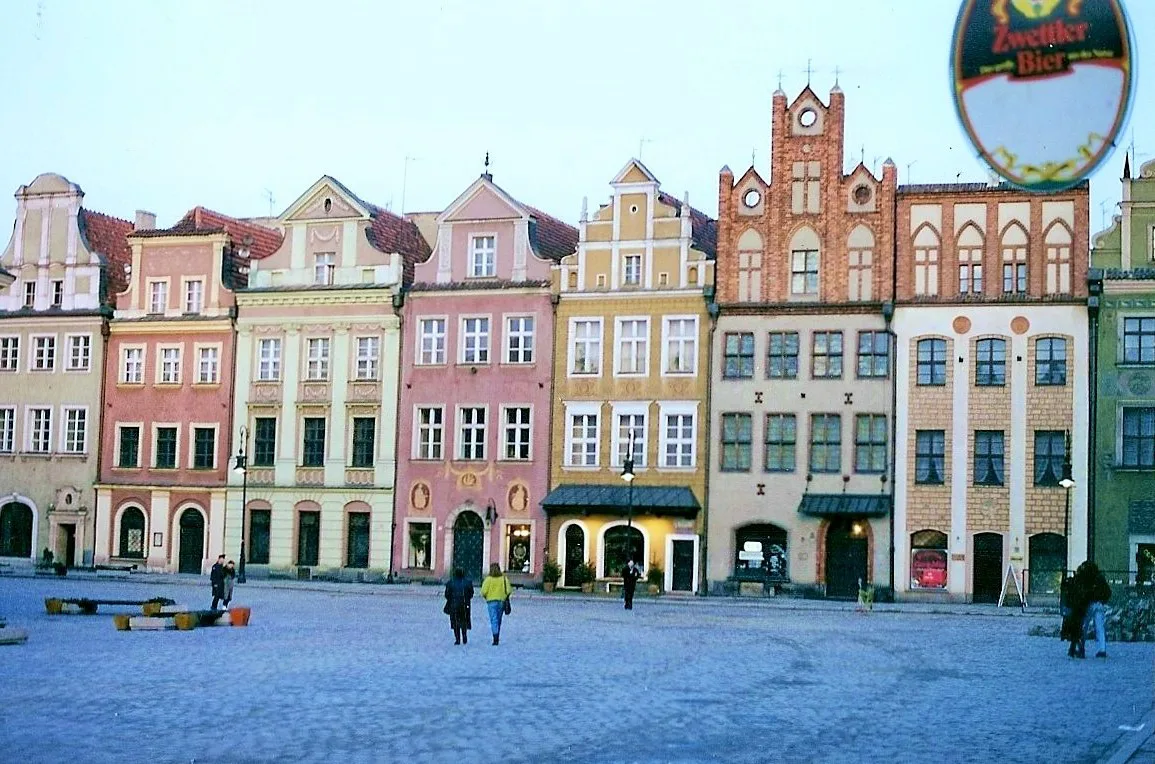
Stary Rynek: what fills the main square and what to look at first
Start in the middle of the square and turn a full circle before choosing a direction. The huge Old Town Square is lined with historic buildings, restaurants and shops, and seeing the whole ring at once tells you which side street to take next.
Look first at the town hall façade rather than the ground-floor cafés, then at the rows of tall, narrow houses whose fronts were rebuilt in period style. The proportions of the square — wide enough to swallow crowds, enclosed enough to feel like a room — are the thing to notice.
The square is also where you will eat and drink, and it is the natural place to try local dishes rather than a random side street. If you are weighing your options, browse the Poznań food picks for the dishes the region is known for before you commit to a table.
Allow 20 to 30 minutes for the square itself, longer if you sit down. It repays slow looking rather than a quick circuit, and a second pass in the evening, when the façades are lit, is the cheapest way to double its value.
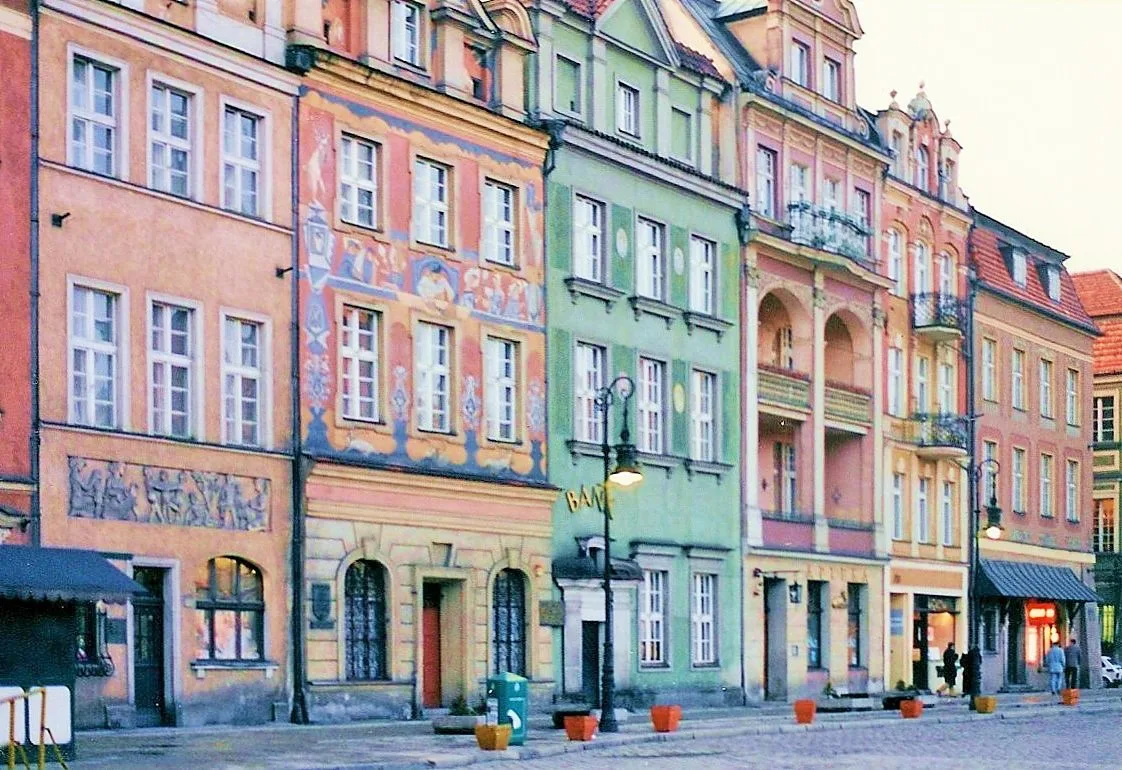
The Renaissance town hall and the old houses around the square
The Renaissance town hall is the centrepiece of Stary Rynek and the one building to prioritise if your time is short. Its arcaded loggia and tower give the square its silhouette, and the building is the reason most photographs of Poznań look the way they do.
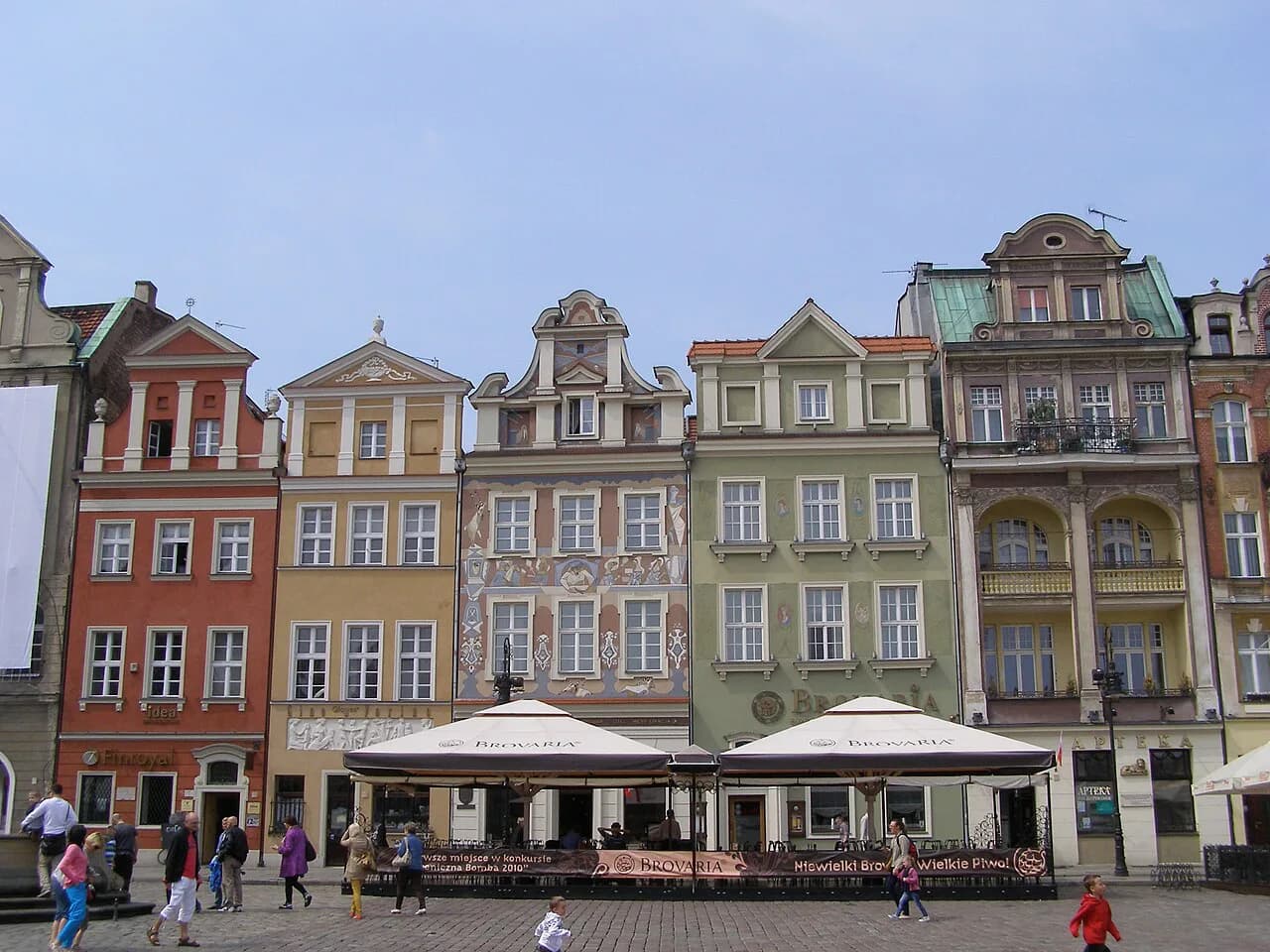
The surrounding houses matter as a set rather than individually. Walk the full perimeter, noting how narrow the plots are and how the rooflines step and vary; that rhythm is what makes the square read as a market square rather than a purpose-built plaza.
Much of what you see dates from post-war reconstruction, so judge the ensemble for its proportions and colour rather than for medieval fabric. This is not a reason to skip it; it is the correct frame for appreciating it.
Churches, side streets and fragments of the old town walls
Beyond the square, the Old Town rewards unplanned turns. The streets radiating from Stary Rynek hold churches and old houses, and the quarter still shows stretches of the old town walls, so a loop outwards and back covers the historic core without a fixed itinerary.
Set aside 45 to 60 minutes for the side streets, and resist the urge to plot every turn. Take one street out from a corner of the square, follow it until it bends, and return by a different spoke; you will see the churches and wall fragments without ever needing a printed route.
If you would rather follow a fixed order, a Poznań walking tour sets one out and saves you the orienteering. Otherwise, keep the tower of the town hall in view as your compass and you will not lose the square for long.
The National Museum of Poznań and other collections near the centre
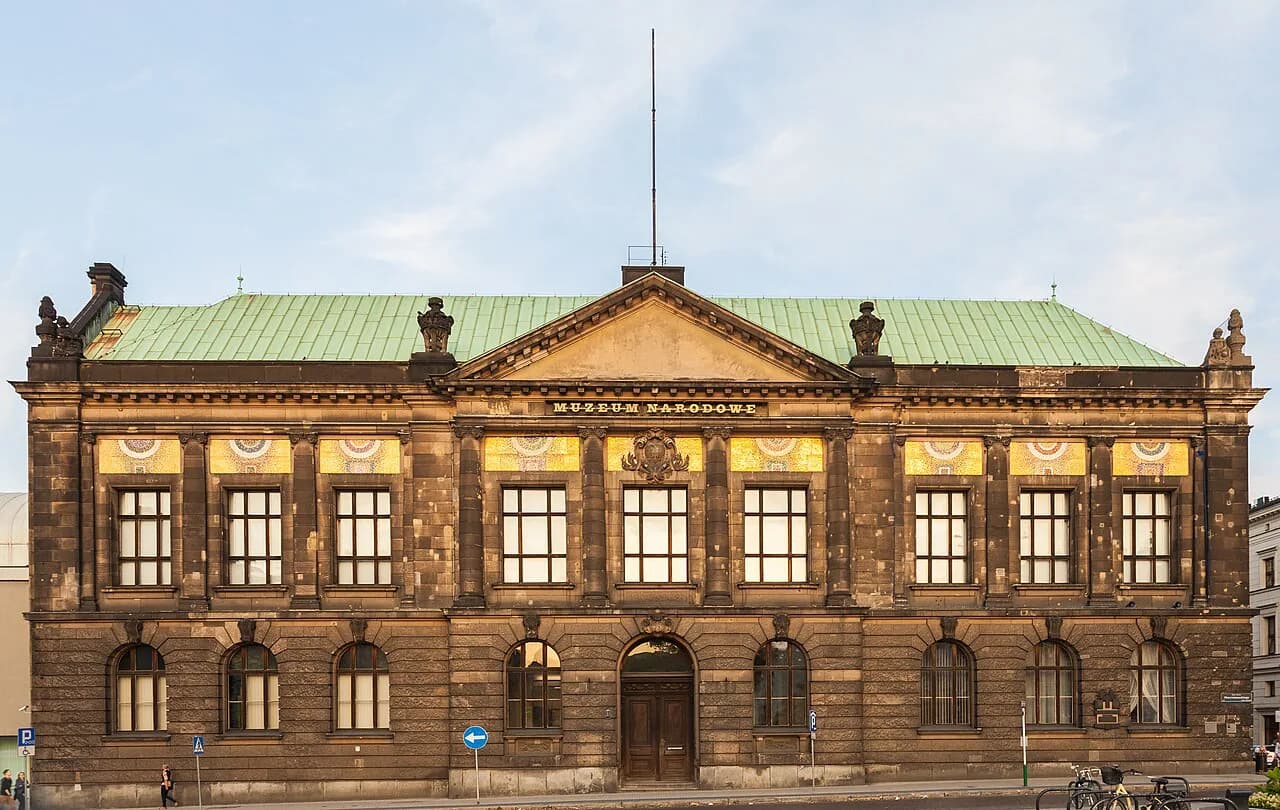
The National Museum of Poznań is the one indoor stop that justifies a half day on its own. It ranks among Poland's oldest, biggest and most significant museums, and its collections run from antiquity to contemporary art across several centuries.
Go for the Polish holdings first: medieval to 20th-century painting, including baroque casket portraits and works by Jacek Malczewski, Stanisław Wyspiański and Jan Matejko. The Flemish, Dutch, Italian and early-19th-century German pictures are the second layer, and the museum also holds Poland's only collection of Spanish paintings, with works by Zurbarán, Ribera and Velazquez.
The museum stands at Al. Marcinkowskiego 9, on the edge of the historic centre. Two to three hours is realistic if you take the Polish galleries properly rather than skimming; ninety minutes is enough for a highlights pass.
The Archaeological Museum in Poznań, housed in the Górka Palace, is the other collection worth knowing about. Its permanent Rock Art of North Africa exhibition covers Saharan engravings and paintings from Algeria, Egypt and the Sudan, with multimedia displays pitched at adults and children alike and a boulder where younger visitors can copy animal engravings.
Plan around the Egyptian gallery carefully. The museum's Egyptian exhibition closed in June 2024, with a new one scheduled for 2026, so do not build a visit around it — check what is actually on before you go, and treat the rock art and other displays as the reason to enter.
A walking order for half a day in the Old Town
Begin in Stary Rynek, circle the square once, then look at the town hall façade before the cafés distract you. An hour in and around the square, including a coffee, is the right opening block for a half day.
Next, take one street out from a corner and loop back by another, giving 45 minutes to the churches, old houses and wall fragments. Keep the circuit loose so you can follow whatever looks interesting rather than ticking off a list.
Finish with a museum or with shopping, not both. The National Museum needs two hours at a proper pace, while browsing the streets for shops takes less and keeps you outdoors; choose by weather and energy rather than by ambition.
If you want a market to break up the walking, the city's market halls and squares are the practical stop for local produce and snacks rather than another museum room.
For a lower-cost half day, the square, the churches and the street loop cost nothing at all. A free-things list helps you fill the gaps between paid sights, though it may send you beyond the Old Town.
How long the Old Town needs on a one-to-four-day break
On a one-day break, give the Old Town the morning and the National Museum the afternoon. That combination covers the square, the town hall, a street loop and the city's strongest art collection without rushing any of them.
With two days, split the Old Town across both: square and streets on day one, museums on day two, and use the remaining hours for districts beyond the centre. Two days lets you see the Old Town in daylight and again after dark, which is a different experience.
With three or four days, the Old Town becomes a base rather than a target. Spend a half day there, then treat the rest of the city as the main event and return to the square for meals; that is when the compact layout pays off most.
Time of year changes the balance. In mild weather the square is comfortable for standing and walking, while in high summer you may want more shade and indoor stops, so weight the museum block accordingly.
What things cost and what to expect from opening days
Walking the Old Town, the square, the churches and the street loop costs nothing; your spending is food, drink and museum tickets. Set a budget for one paid museum per day rather than several, and check ticket prices on each museum's own site before you travel.
Opening days vary by venue, and Polish museums commonly close one day a week, so confirm the day for the specific museum you want rather than assuming a pattern. The National Museum publishes its own opening hours and ticket information, as does the Archaeological Museum.
Seasonal events can fill the square and change its character, so check the city's events calendar if your dates matter.
Is the Old Town worth half a day?
Yes, on one condition: treat it as a walk with one museum attached, not a sight-by-sight checklist. The square, the town hall and the side streets give you a strong half day, and the National Museum gives you a reason to stay longer.
If your break is short, do the square and streets first and add the museum only if the weather or your energy allows. Get those two blocks right and the Old Town justifies its place at the top of any Poznań itinerary.
Sources
Notes for your next Polish city break
Optional updates to our Poland guides.
You might also like
Continue reading
More guides you'll find useful