Katowice Ghetto: What Happened and What You Can Visit
The Katowice ghetto was in Środula, now part of Sosnowiec, not central Katowice. Here is what happened there and how to approach the site respectfully.
On this page
The short answer is that wartime Katowice had no ghetto of its own: the ghetto people mean when they search for one was in Środula, about 10 km east-southeast of Katowice, and Środula is a suburb of Sosnowiec. The German Nazi authorities forced the region's Jews into that small district in 1942, and it operated for less than a year before liquidation in August 1943. Almost no trace survives, and the site has no recorded memorialisation. This page covers where the site sits, what happened there, and how to build a short, deliberate visit into a Katowice city break without treating it as an attraction.
Where Środula sits relative to Katowice
Środula belongs to Sosnowiec, a city that borders Katowice to the east; the ghetto site is recorded as lying 10 km east-southeast of Katowice. The distinction matters because a taxi or tram ride aimed at "the Katowice ghetto" has no central destination. Plan the trip as a cross-city journey into a residential suburb rather than a walk from a Katowice square, and allow the return leg the same care as the outward one. For the city itself, start with our Katowice Attractions: 9 Visitor Guides.
Sosnowiec itself has a history worth understanding before you cross the boundary. The Yizkor memorial book for the region records the persecution and displacement of local Jews through the occupation years, including one account of a woman who escaped before the final expulsion in 1943 with false Christian-Polish papers. Reading a chapter before you travel is a better use of an hour than arriving without context.
What the Sosnowiec-Środula ghetto was
German Nazi forces occupied Sosnowiec on 4 September 1939, and persecution of the city's Jews began immediately. In 1942 the Jewish population was crammed into the small confines of Środula, and the ghetto operated for less than a year before it was liquidated. It was one of a network of ghettos set up by Nazi Germany across occupied Poland, and it is usually described as the Sosnowiec-Środula ghetto.
Środula was never designed for the number of people held there. Multiple families shared cramped and insanitary accommodation, and the '45 Aid Society records that the ghetto housed approximately 3,000 individuals at its peak. Before you travel, read the account on the '45 Aid Society page on the Sosnowiec-Środula ghetto; that background is the explanation you carry with you rather than anything provided on the ground.
The wider region's Jewish life is documented in fragments rather than a single archive. Modrzejów, now part of Sosnowiec, had 1,670 Jewish residents in May 1939, a figure that shows how many communities fed into the Środula ghetto. Treat such numbers as historical records from the cited source, not as estimates to round up or down.
Liquidation and the deportations of 1943
On 19 May 1943 the Jews led out of the ghetto set off under escort towards Sosnowiec Południowy railway station. From there they were transported by train to Płaszów and to Auschwitz II-Birkenau. The deportations are dated in the sources to August 1943, and the ghetto was liquidated the same month; some inhabitants were sent to forced labour camps instead.
The '45 Aid Society exists because survivors were brought to the UK after the war for rest and rehabilitation, and the group of teenage and child survivors known as the Boys included former prisoners of the Środula ghetto. Three of them have been identified in the Society's records: Rivka Goshen (née Landau), Tyla Beeri (née Estrajcher) and Monty Graham. Remembering the place through names and biographies is more honest than through statistics alone.
The historical record of the Sosnowiec ghetto is drawn together in the general reference accounts that document its establishment and liquidation, including the German name Ghetto von Sosnowitz. These are secondary summaries rather than archives; use them to orient yourself, then go to testimony and memorial-book sources for detail.
What survives and how to approach it
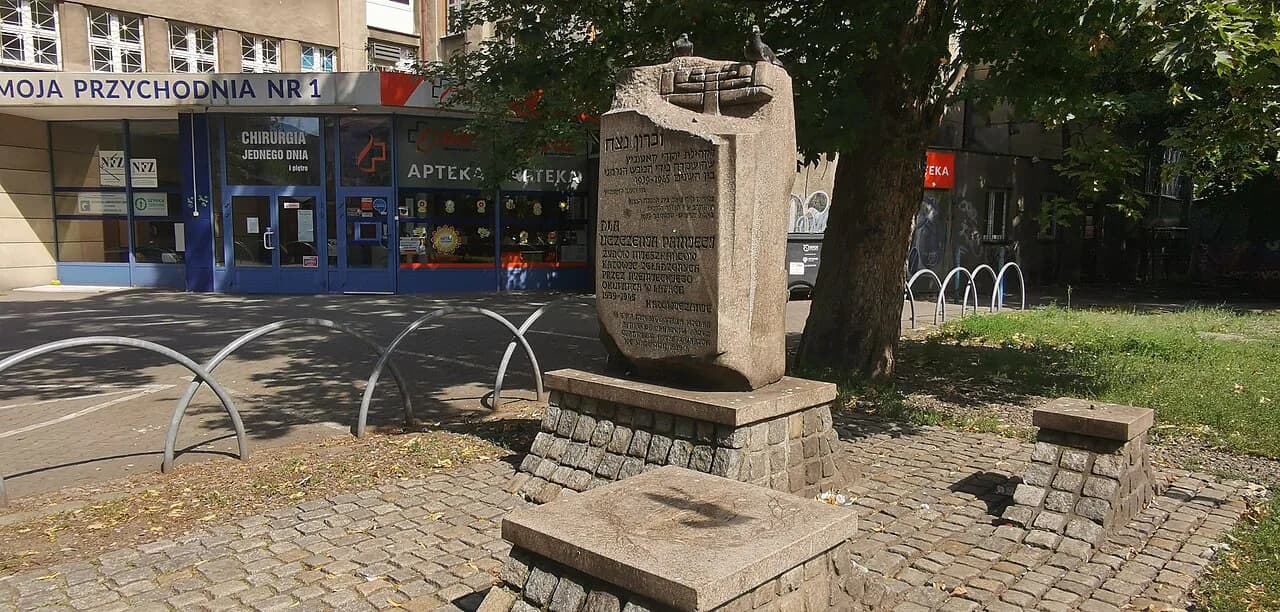
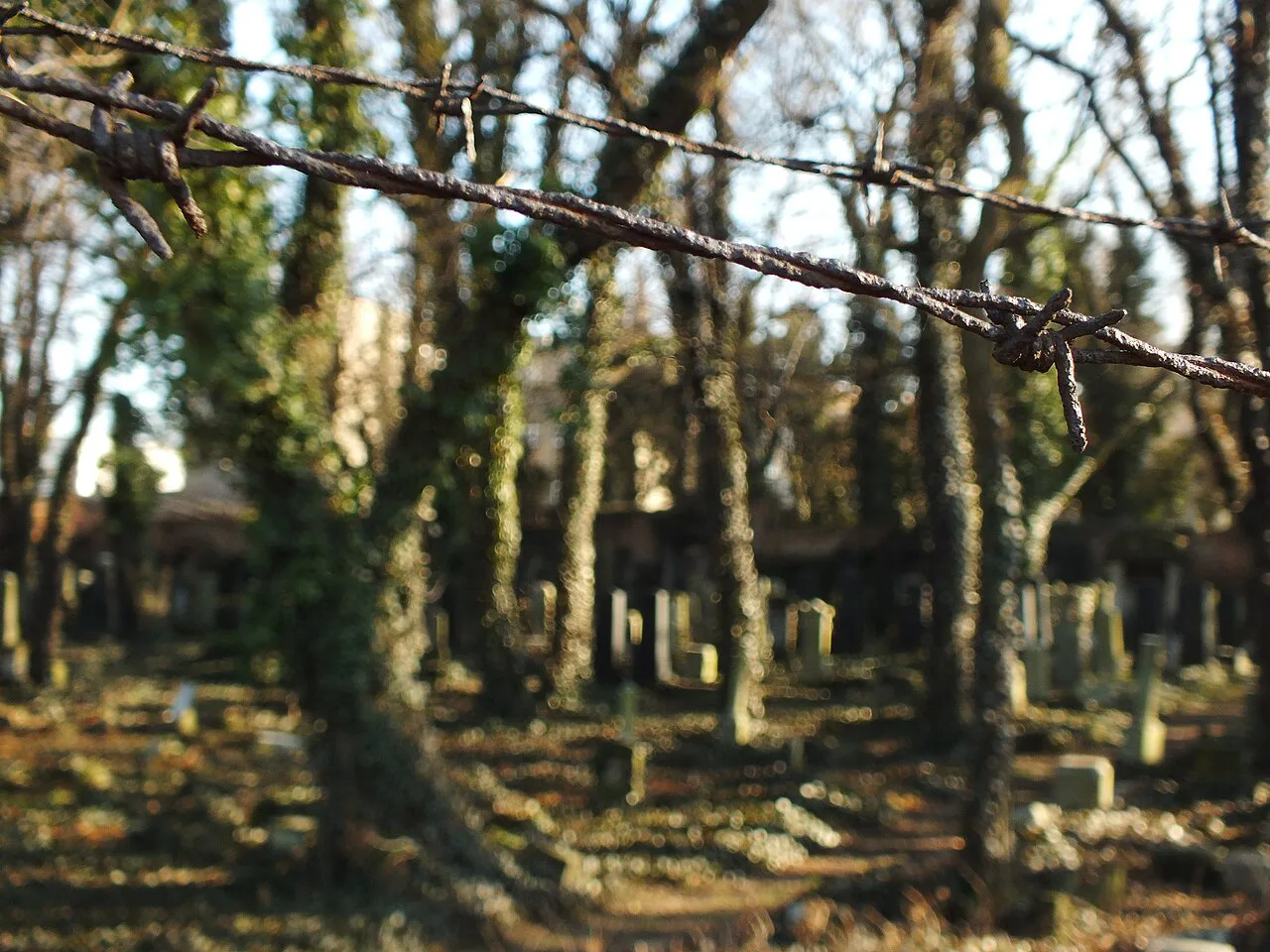
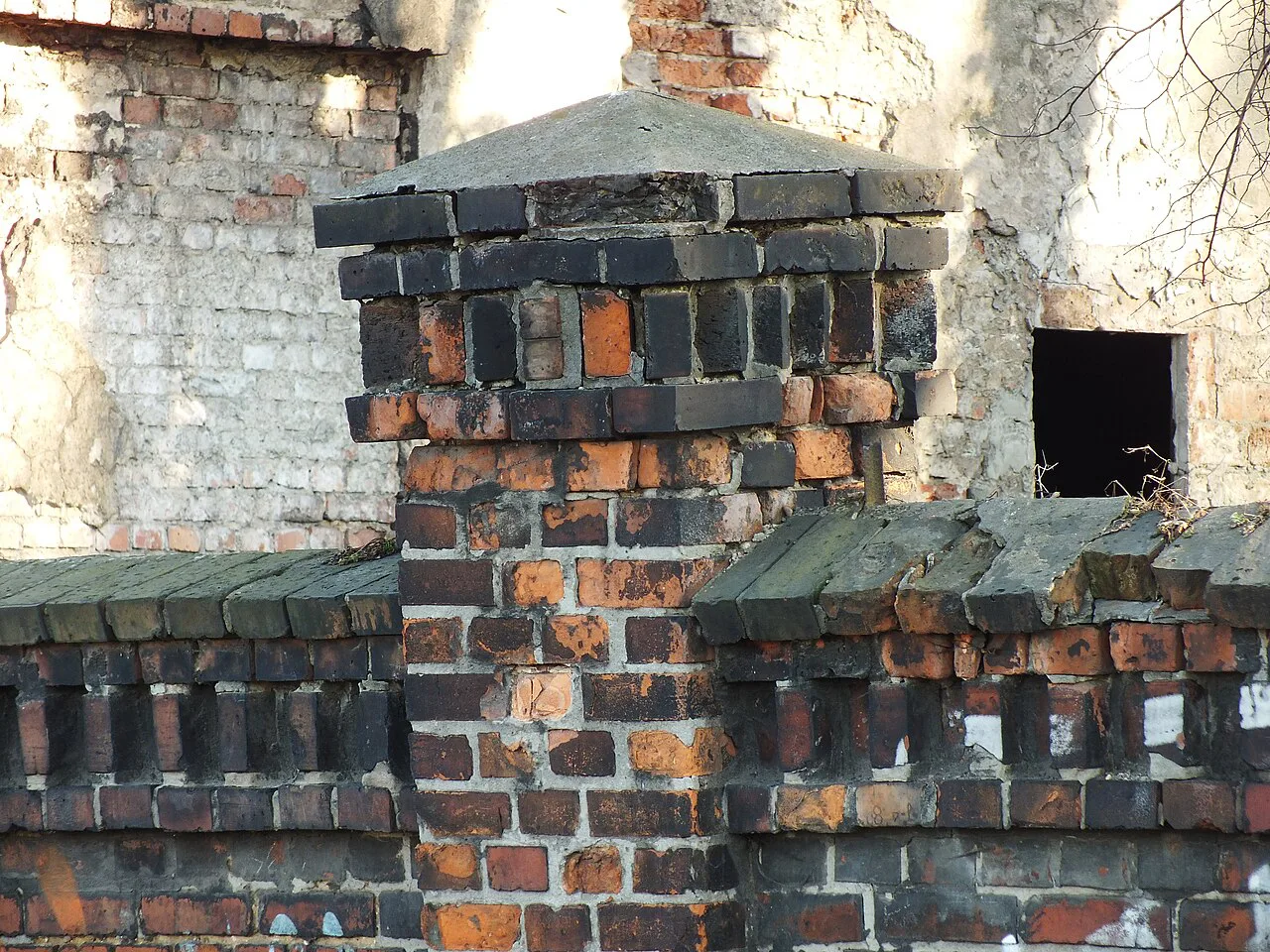
Almost no trace of the ghetto has survived, and no memorialisation is recorded at the site. That absence is the visitor's central fact: there is no marked trail, no gate, no museum building to stand in front of. Come expecting ground in a working residential suburb, and prepare to hold the history in mind rather than read it off a plaque.
Because people live in Środula, visiting means being a quiet guest in ordinary streets. No source sets out formal visitor etiquette for the site, so the sensible standard is to keep to public roads, avoid filming residents' homes, and treat the area as a place of remembrance rather than a photo stop. If you want interpretation and curated context in the same trip, see Museums in Katowice, which covers Silesian history without stepping into anyone's front garden.
A short visit pairs naturally with the city's own war-time history, which includes the Katowice WW2 guide to occupation, resistance and memorial. That page explains the German occupation of the city itself, so you can see the two places as one story told at different addresses.
Fitting it into a Katowice city break
Treat Środula as a deliberate half-day excursion on a two- or three-day break, not a stop on a sightseeing loop. Cross to Sosnowiec in the morning, spend a short while in the district, and return to Katowice for something restorative in the afternoon. The journey and the reflection take more time than the site itself, which is the point.
Back in Katowice, the city's architecture and museums give you the longer Silesian context. Katowice history will fill in how the city grew, so that Katowice feels less like a base and more like the place it is. Use the city guides for the detail once you are back in the centre.
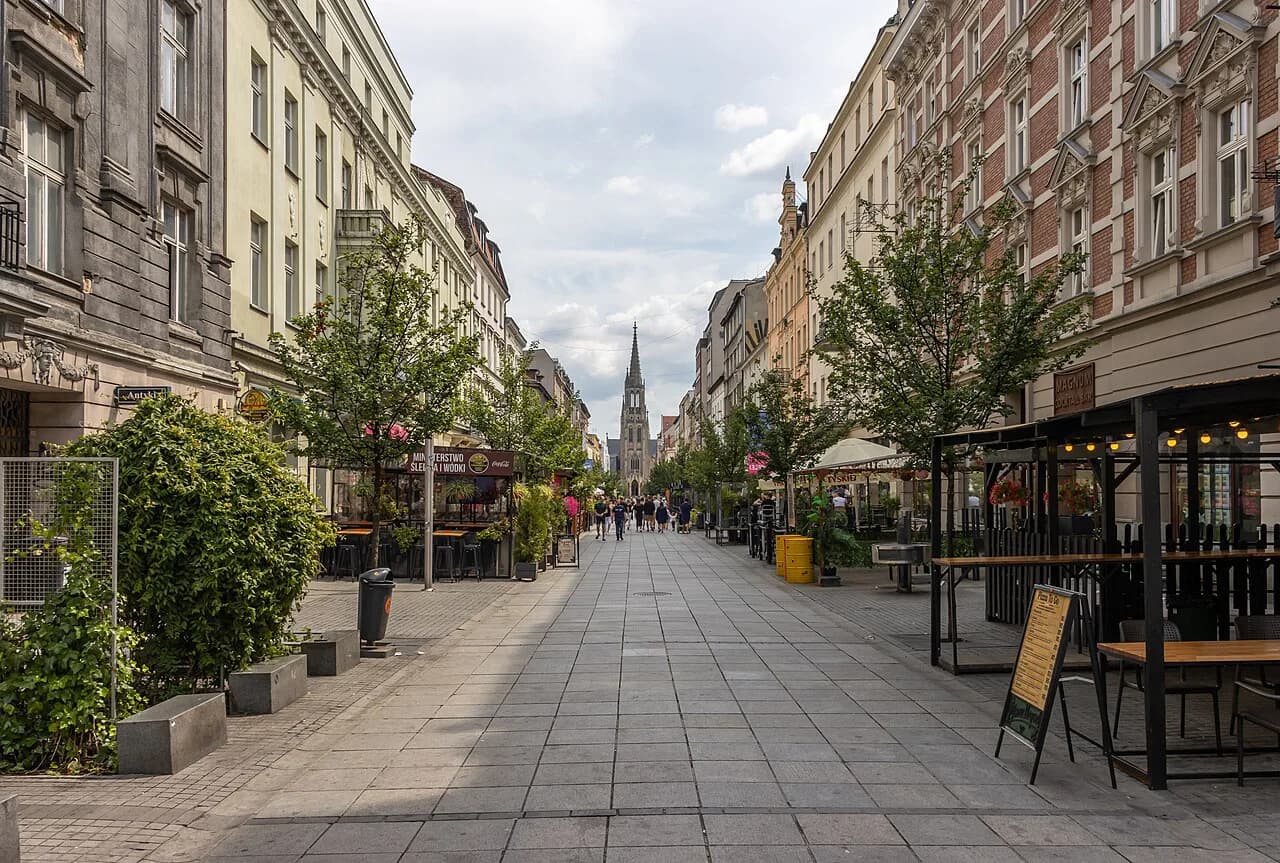
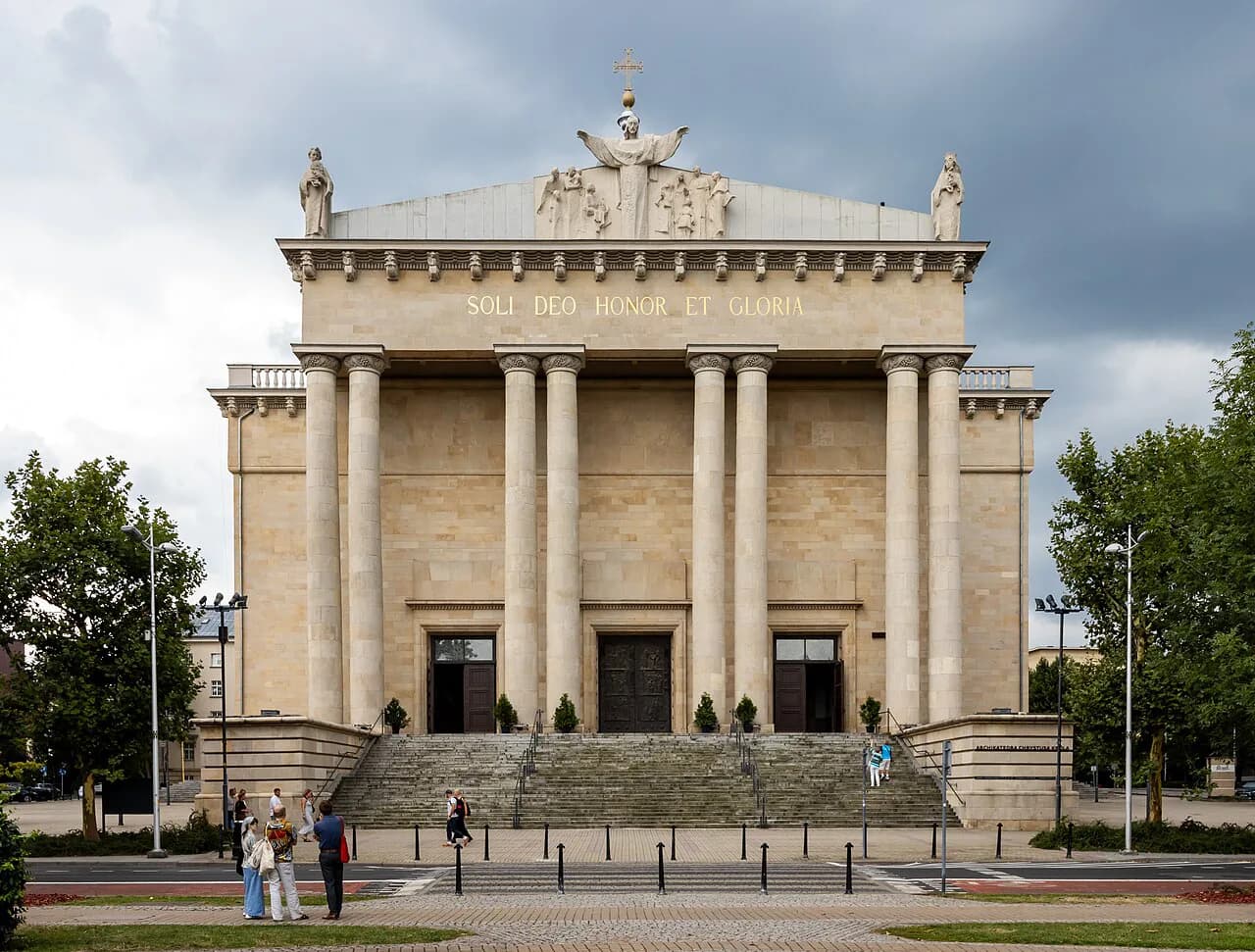
The central market square is a natural place to end a thoughtful day. Its cafés and people-watching provide a quiet return to the present; the Katowice cathedral a short walk away offers a place to sit without any expectation of entertainment. Neither is a Jewish heritage site, but both reset the mood after a morning spent in an unmarked suburb.
Where to read more before you go
The '45 Aid Society page on the Sosnowiec-Środula ghetto brings together dates, population figures, conditions and the route of the deportations, with the names of survivors from the ghetto. It is the essential reading to do before the trip, since there is nothing on site to fall back on.
The Yizkor book for the region is the other essential reading, compiled by survivors and former residents. It records the community that was destroyed, not only the ghetto, and that wider perspective is what makes a bare Sosnowiec street legible. Combine the two sources: one gives you dates and structures, the other gives you lives.
Is the Sosnowiec-Środula site worth the trip?
Yes, for travellers who come prepared: the site rewards remembrance and punishes sightseeing. If you want plaques, exhibits and a clear route, stay in Katowice and use the city's museums; if you want to stand where the ghetto was, cross to Środula with the reading already done. That trade-off is the honest one.
Nothing on site tells you what happened, so a short, quiet visit built around prior reading is the respectful way to include this history in a Katowice break. Give it a morning, then let the city have the rest of your day.
Explore more Katowice guides
Sources
Notes for your next Polish city break
Optional updates to our Poland guides.
You might also like
Continue reading
More guides you'll find useful