Poznań WW2 Sites: What to See and How to Visit
Poznań's wartime story through its forts, memorials and military collections, with honest time budgets and how to fit the sites into a short city break.
On this page
Poznań's wartime story is bound up with its fortifications: a ring of nineteenth-century Prussian forts that later became part of the city's Second World War defences. For a short break, plan one fort visit plus the city-centre memorials and any military collections that are open, and treat the rest as background you pass on the tram. This guide groups the sites by geography, separates what you can enter from what you view from outside, and gives honest time budgets against Poznań's better-known sights.
Wartime places sit in three clusters. The fortress ring lies on the city's outskirts, the memorials and main museums are inside the centre between the Old Market Square and Al. Marcinkowskiego, and the cathedral quarter at Ostrów Tumski anchors the city's oldest history. Once you know which cluster you are in, the rest of the trip planning is mostly about opening days.
Poznań's wartime context
Germany invaded Poland in September 1939, and Poznań was absorbed into the German Reich as part of the Warthegau. The occupiers drove out and murdered Polish and Jewish residents and remade the city's institutions to German ends. For visitors, the key point is that the wartime story here is an occupation story before it is a battlefield story.
Poznań's nineteenth-century forts matter for a wartime visit because they were reused as defensive positions during the Second World War. Read the forts as military engineering first, and as the place where the city's twentieth-century defence happened second.
For the Jewish dimension of the occupation, including the wartime ghetto, work through the dedicated guide to the Poznań Ghetto and Jewish Poznań rather than expecting one memorial to cover it.
Where the wartime sites sit, and how to link them
The fortress ring is the outer layer. Individual forts are spread around the city, so pick one or two that suit your base rather than trying to chase the whole ring on a short break. Trams are the practical way to reach the outer districts; central sights are close enough to walk.
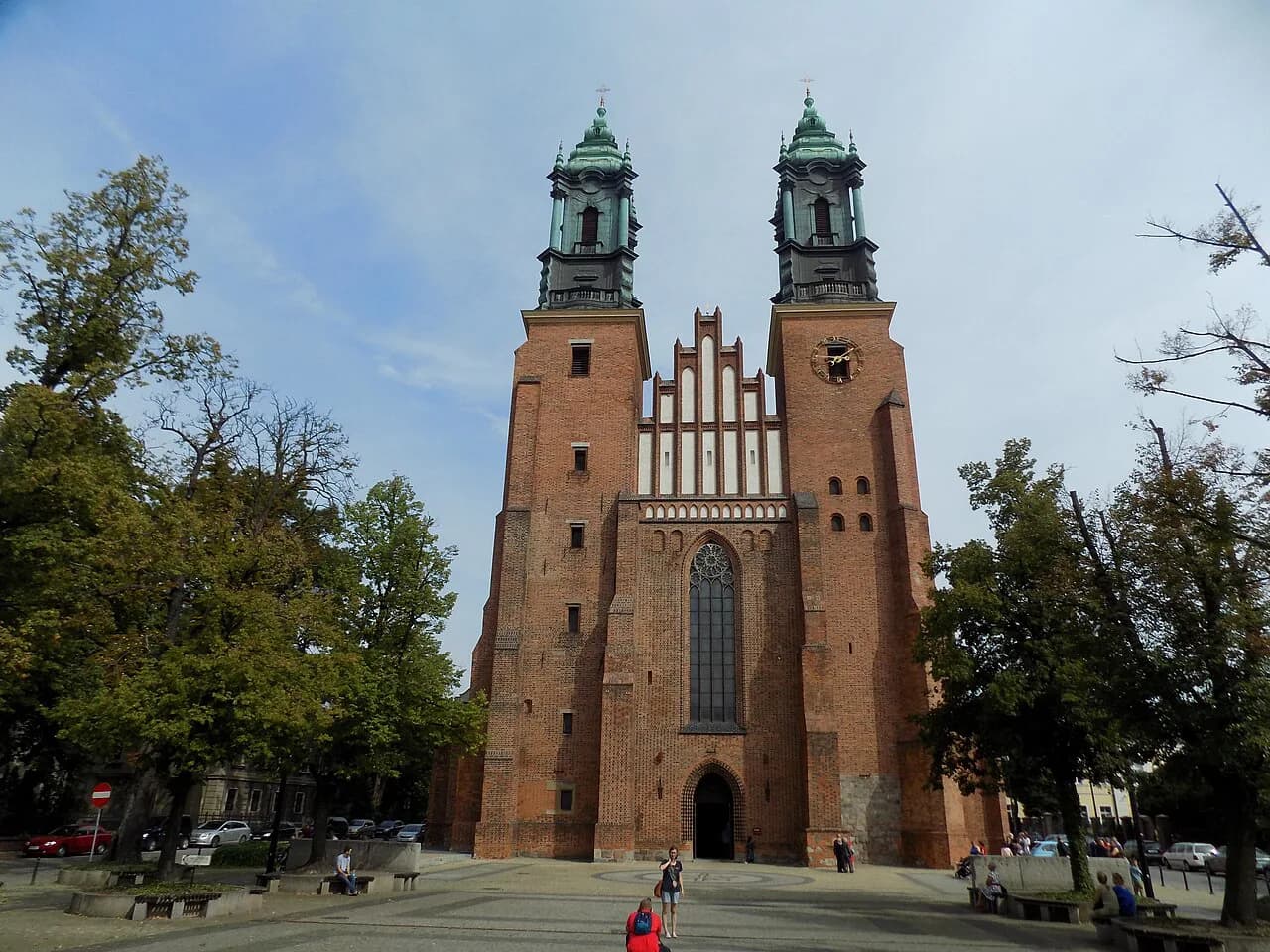
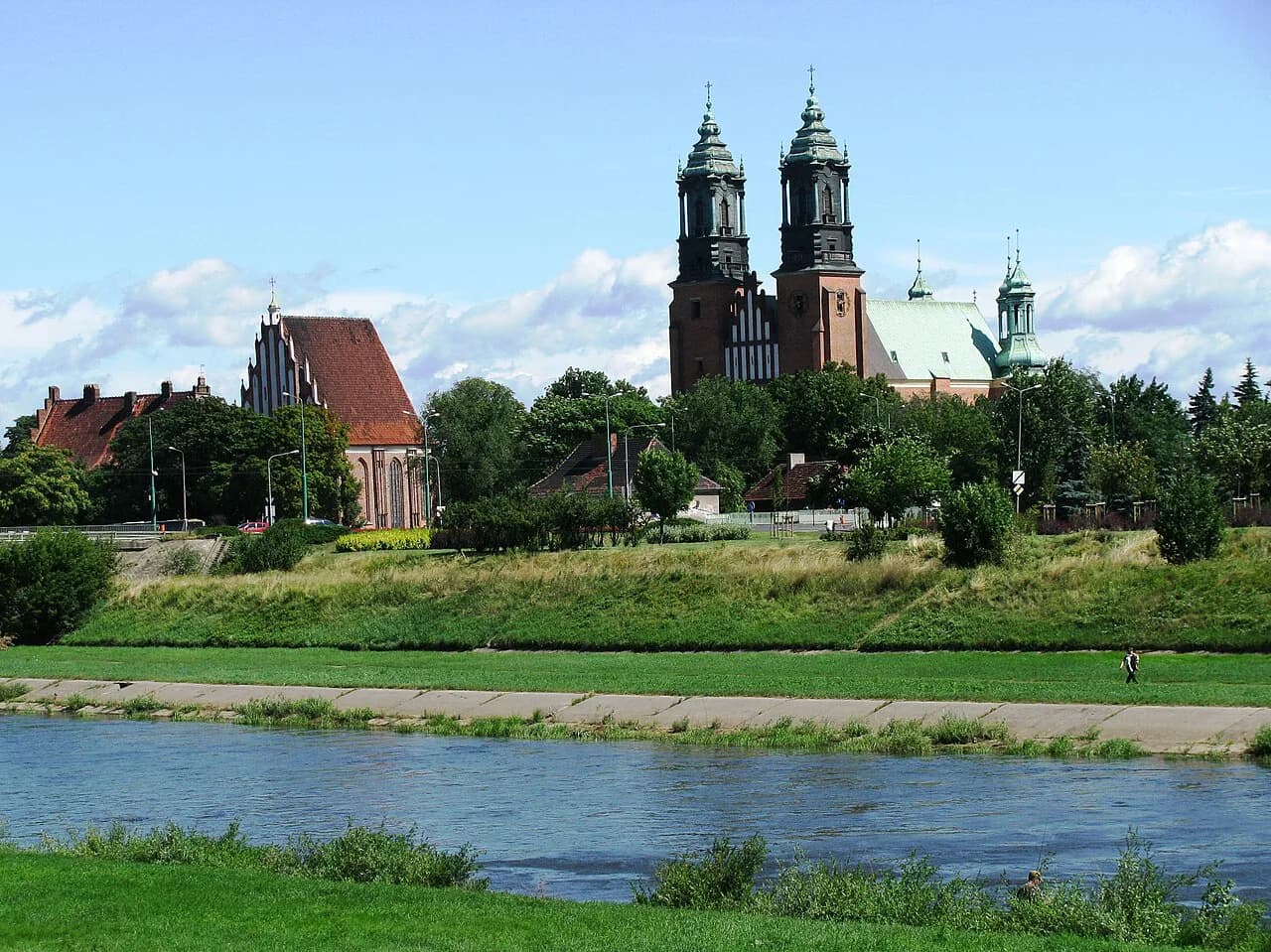
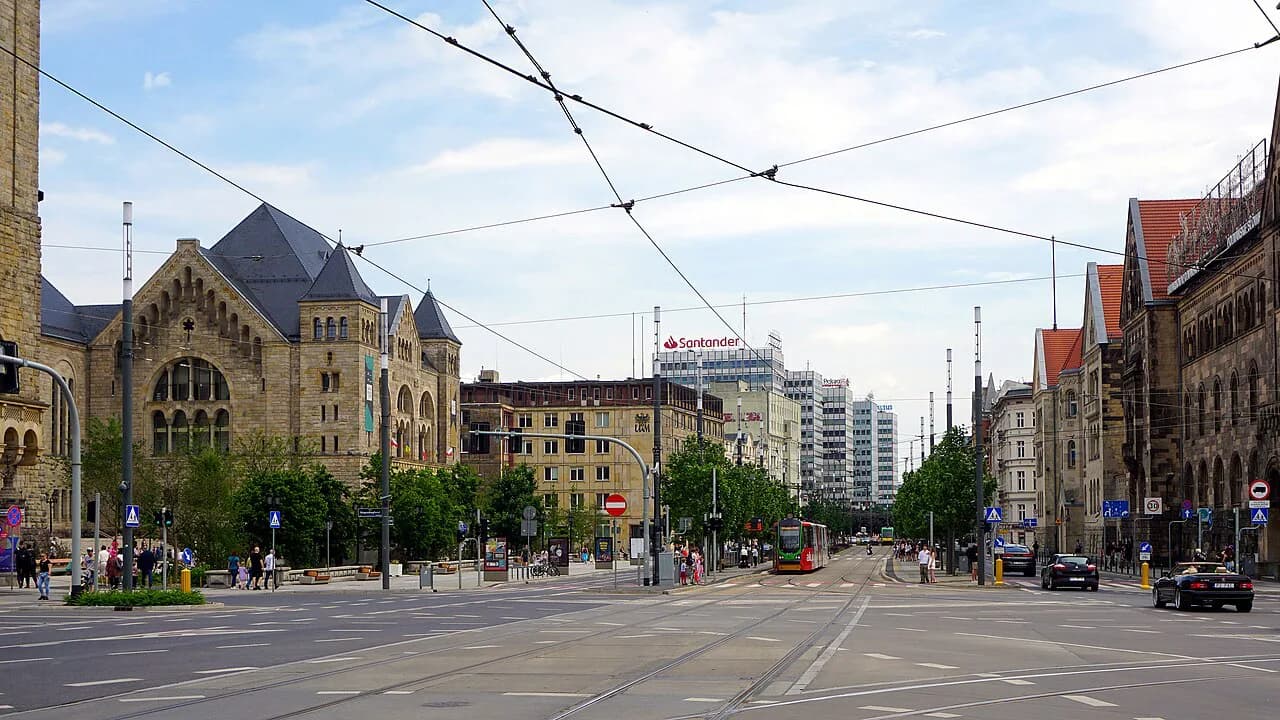
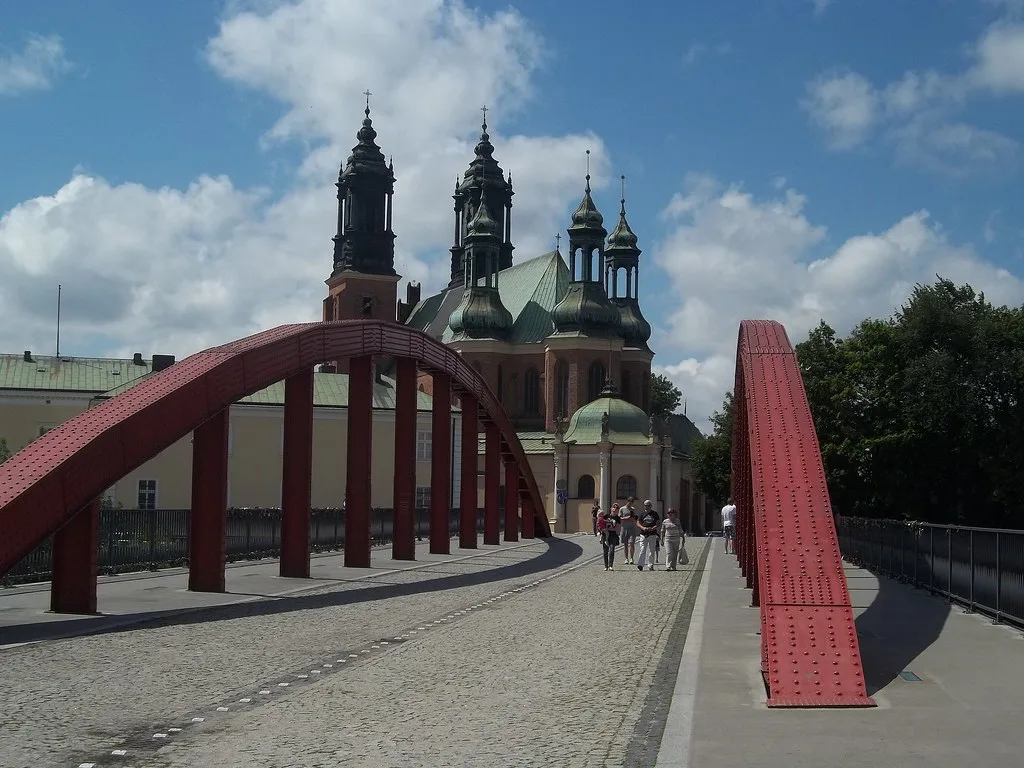
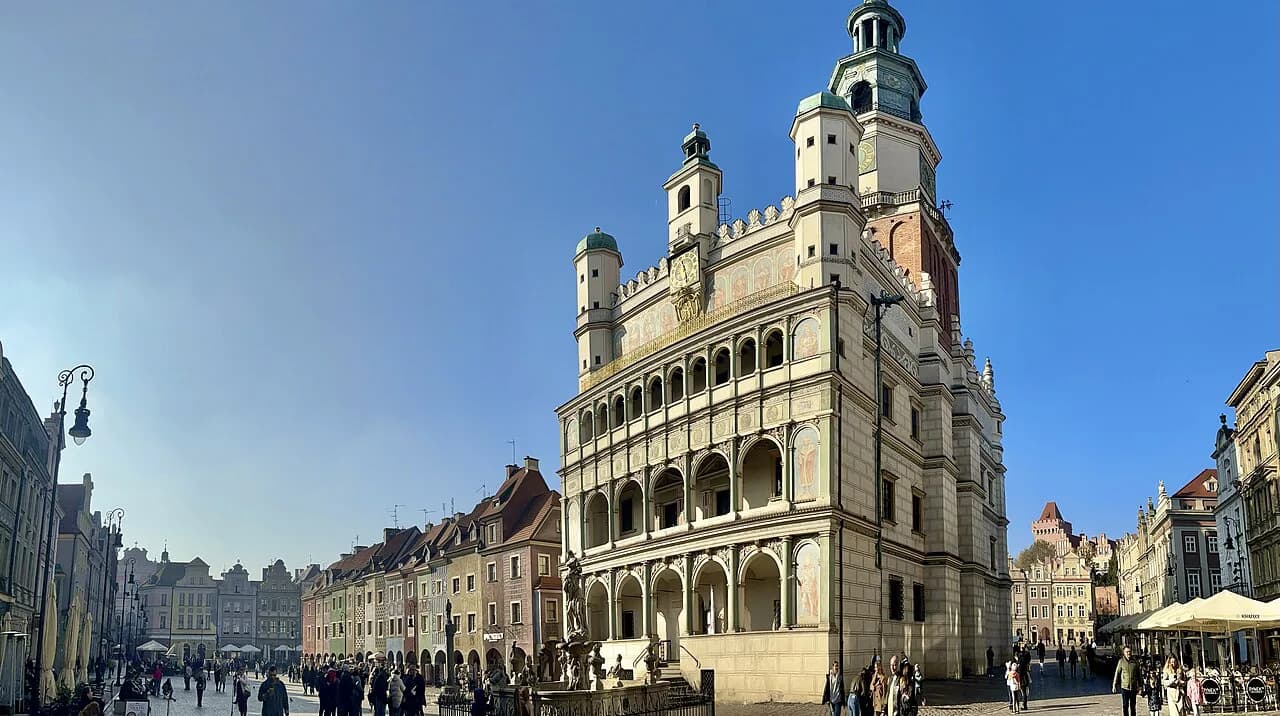
The inner layer is compact. The National Museum, the Archaeological Museum and the military collections sit within reach of the Old Market Square and Al. Marcinkowskiego, so a single centre day can combine wartime collections with the Rynek itself and the parish church. Ostrów Tumski, with the Poznań cathedral, sits east of the centre and pairs naturally with a slower afternoon.
If you have one day, do the centre: military collections in the morning and memorials plus the Old Market Square after lunch. With two or three days, add a fort and Ostrów Tumski on separate half-days. Poznań castle on Góra Przemysła is a short walk from the Rynek and works as a filler between museum slots.
The forts of the Poznań fortress ring
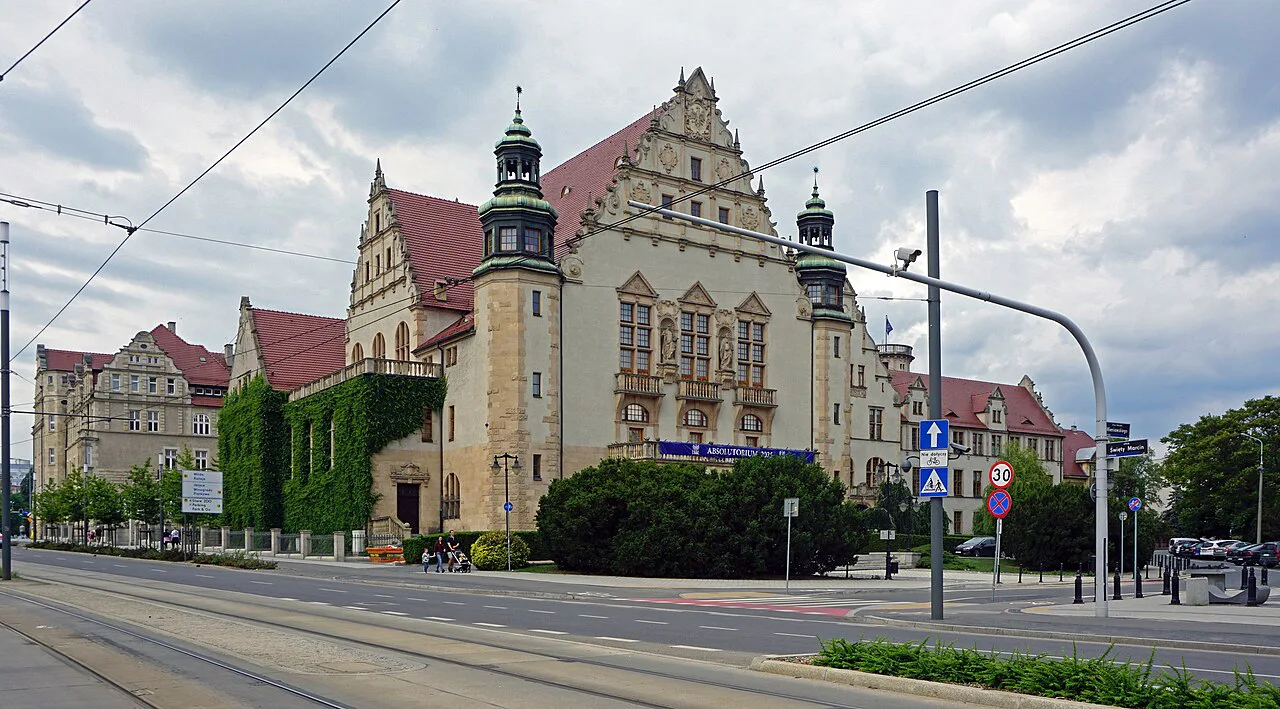
The forts were built in the nineteenth century as part of the city's defensive ring, long before the Second World War. They are brick and earthwork structures designed for artillery and garrison life, which is why they read as military engineering rather than as museums. That earlier purpose is what makes them useful for understanding how the city was defended in the twentieth century.
For a visitor, the forts are wartime sites by reuse rather than by construction: you are looking at nineteenth-century works that became twentieth-century strongpoints. Keep that distinction in mind when you read any on-site panel.
Forts sit in outlying neighbourhoods, so a fort trip eats a half-day including tram time even when the visit itself is short. Choose your target fort first, then read that fort's own published visitor information for opening arrangements, guided routes and interior displays before you travel out.
Visiting a fort today: what is enterable and what you view from outside
Some forts operate as visitor attractions with interiors you can walk through; others survive as earthworks, walls and bastions that you see from the outside. The difference matters for planning, because an exterior-only site needs twenty minutes and a photo stop, while an enterable fort can take an hour or more. Decide which kind you are visiting before you set out, and build the rest of the day around that answer.
Outside-only sites are still worth the detour if you are interested in how the ring worked as a system. Stand back and look at the ditch, the caponiers and the relationship to the road pattern: that is the fortress logic made visible. Do not climb on earthworks or push into unlit passages; these are structures without visitor infrastructure in many cases.
For an overview of the city's museums and how the military collections fit alongside art and archaeology, start with the guide to museums in Poznań and then narrow to the forts you can realistically reach.
Memorials and remembrance in the city centre
Poznań's central memorials are scattered rather than gathered in one memorial park, so the practical approach is to note them as you walk between the Rynek, Al. Marcinkowskiego and the streets running east. They mark occupation, deportation and resistance, and they reward a pause rather than a circuit.
Treat memorials as places of remembrance first. Keep your voice down, do not pose on monuments, and avoid picnicking or leaning on inscribed surfaces. If candles or flowers are already there, leave them undisturbed. This is basic courtesy rather than a rule anyone needs to enforce.
The city's wartime history is not confined to the occupation years; the same streets carry the earlier story of Prussian rule and Polish resistance. The Rynek area holds the layer cake of that history, which is why a slow walk around the Old Market Square repays more than a checklist of plaques.
Military collections
Military collections give you weapons, uniforms and equipment close up in a way the forts cannot. They are the natural place to see the hardware of the twentieth century and to connect it to the city's own defence, so allow an hour to ninety minutes if you read panels. Confirm the specific military museum's own published location and opening arrangements before you set out.
Armoured-vehicle and ordnance collections suit visitors who want vehicles and hardware rather than costume displays. Check the institution's own visitor information for what is actually on show and when it is open.
Polish museums often close one day a week, and some run a free-entry day; the specific days differ by institution, so confirm the museum's own published opening days before you build a day around it. That single check prevents the most common wasted morning on a short break.
The National Museum and the Archaeological Museum: wider context
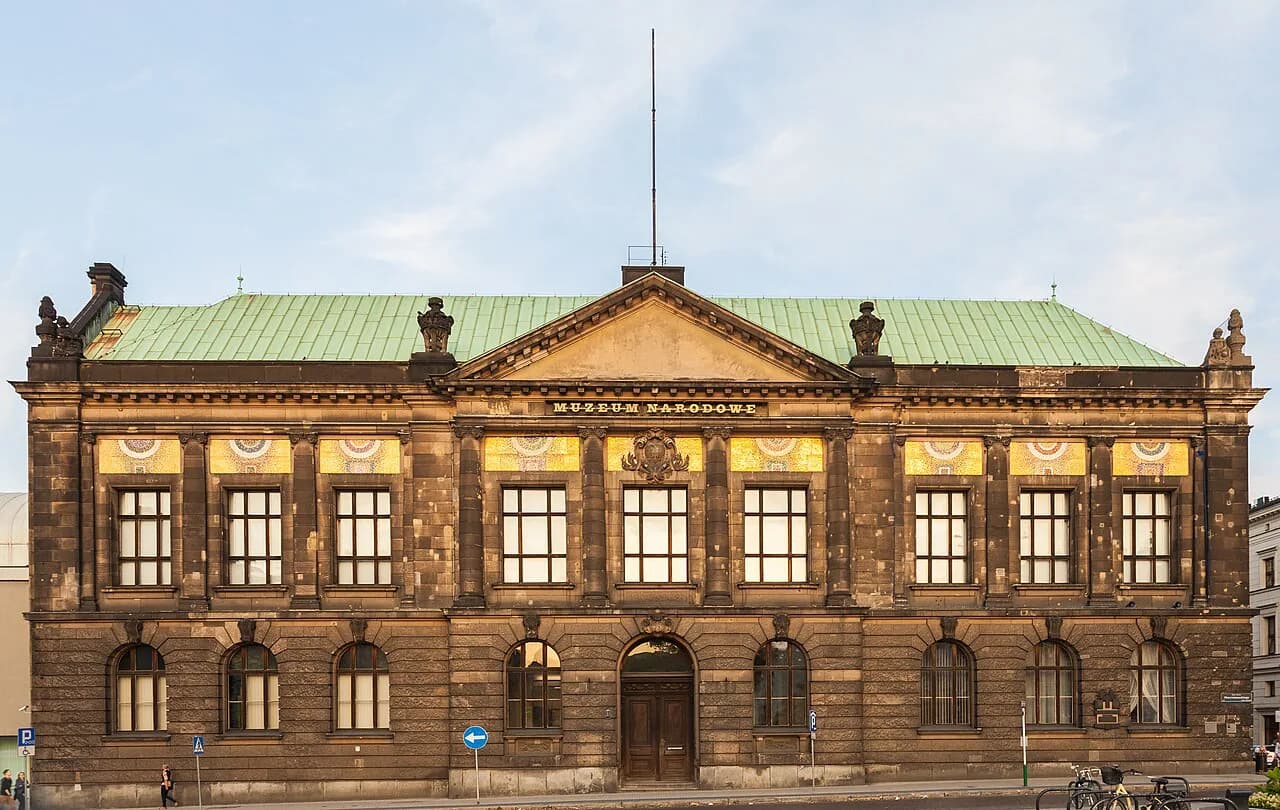
The National Museum of Poznań is one of Poland's oldest and largest museums, with collections running from antiquity to contemporary art. Its Polish paintings from the Middle Ages to the twentieth century, including works by Matejko, Malczewski and Wyspiański, give the city's cultural history a depth that a wartime-only itinerary misses. It stands at Al. Marcinkowskiego 9.
It also holds Poland's only collection of Spanish paintings, with works by Zurbarán, Ribera and Velázquez, alongside Flemish, Dutch and Italian pictures. If you have time for one art stop, this is the one to choose, and it sits close enough to the Rynek to slot into a centre day.
The Archaeological Museum in Poznań occupies the Górka Palace and covers a much longer span, from prehistory to the medieval city. Its Rock Art of North Africa exhibition displays engravings and paintings from the Eastern Sahara, with multimedia installations for adults and children.
One change worth knowing: the Egyptian exhibition closed in June 2024, and the museum stated at the time that a new one was scheduled for 2026. Until the museum confirms a reopening, plan the Górka Palace around the rock art and prehistoric displays rather than an Egyptian gallery.
How long to allow, and pairing sites with the Old Market Square
A realistic budget for a wartime-focused city break is one centre day and one half-day for a fort. The centre day covers the military collections, the memorials and the Old Market Square; the half-day covers travel to a single fort and the visit itself. Anything more is a bonus.
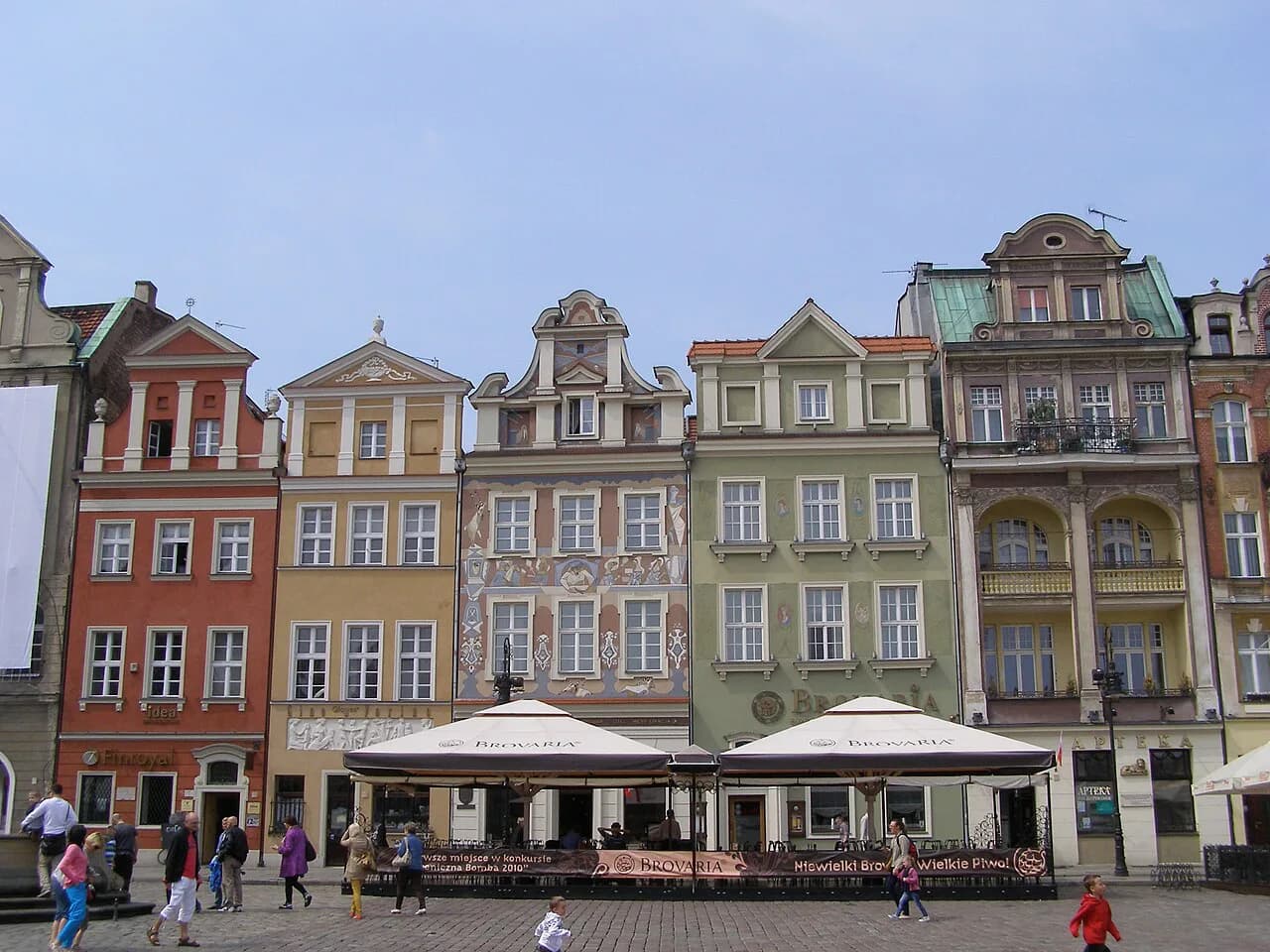
Pair the Old Market Square with the wartime sights rather than treating them as separate trips. The Rynek's cafés make a natural break between museum slots, and from there it is a short walk to Al. Marcinkowskiego and the National Museum.
For a break from military history, Ostrów Tumski and the cathedral offer an older, quieter layer of the city. The walk east takes you out of the commercial centre and into the ecclesiastical quarter, where the pace suits an afternoon after a morning in the museums.
Visitor etiquette at memorial and fort sites
At memorials, behave as you would in any place of remembrance: quiet voices, no climbing, no flash photography where panels ask you not to, and no eating or drinking among monuments. If a site has a visitor book or candles, use them as intended.
At forts, the etiquette is safety-led. Stay on marked paths, do not enter unlit or fenced passages, keep children close on earthworks, and wear shoes that cope with uneven ground. These are often unprotected historic structures, and rescue access is not instant in outlying districts.
Practical points: opening days, tickets and złoty
Ticket prices, free-entry days and opening hours are set individually by each museum, so check the institution's own tickets page before you travel and carry złoty for smaller sites that may not take cards. Budget-minded travellers should look specifically for a free-entry day, which some Polish museums run on a fixed weekday; confirm it rather than assuming.
Build your plan around opening days rather than around the day you happen to be in town. One check on each museum's tickets page covers hours, prices and closures in a single go.
Is a fort detour worth it on a short break?
Yes if you want to understand the city's fortifications as a physical thing, and no if your break is one day and centred on the Rynek. The military collections give you the hardware and the story without leaving the centre, so a fort is a bonus rather than a requirement. Choose one fort, check its own visitor information, and give it a half-day including tram time.
If you have three or four days, the fort plus Ostrów Tumski plus the National Museum makes a rounded trip. If you have one or two, stay central: military collections, memorials, the Old Market Square and the cathedral quarter. Either way, the wartime sites work best as part of the city's wider history rather than as a separate pilgrimage.
Explore more Poznań guides
Sources
Notes for your next Polish city break
Optional updates to our Poland guides.
You might also like
Continue reading
More guides you'll find useful