Museums in Wrocław: What to See and How Long Each Takes
The museums in Wrocław worth a city-break slot, from the National Museum to the Panorama Racławicka, with what each holds and how long to allow.
On this page
Two full days is enough for Wrocław's best museums if you plan around one quirk: the National Museum runs several sites, each with its own building and its own ticket, so a single purchase does not open every door. The main building holds the old painting, sculpture and applied art, the Pawilon Czterech Kopuł carries the modern and contemporary collection across the river, and the Panorama Racławicka is a separate timed visit booked on its own. This guide sets the four National Museum sites against the independent museums, sorts them by neighbourhood, and gives a drop-first order for one-, two- and three-day breaks.
Start with the Gmach Główny on plac Powstańców Warszawy, then walk to Ostrów Tumski and across to the panorama and the Four Domes Pavilion, and finish the day in the Main Town. That route keeps you from crossing the Odra twice, which matters because the river splits the museum map neatly in two.
How Wrocław's museums split up
Muzeum Narodowe we Wrocławiu describes itself as a museum with branches: the Gmach Główny, the Panorama Racławicka, the Pawilon Czterech Kopuł and the Muzeum Etnograficzne, each with its own programme and its own entry. Book and buy for the site you actually want, rather than assuming one purchase covers the family. On a two-city trip, the museums in Poznań make a natural pairing.
The rest of the museum landscape is independent of that structure. The Muzeum Historyczne occupies the Pałac Królewski, the White Stork Synagogue stands as a heritage site in the former Jewish quarter, and the city's churches and cathedral on Ostrów Tumski are visited as living buildings rather than ticketed collections.
That split shapes your planning more than any ranking does. A morning in the Gmach Główny, an afternoon on the cathedral island and a timed slot at the panorama is a coherent day; trying to add the Four Domes Pavilion on top leaves you rushing the painting galleries.
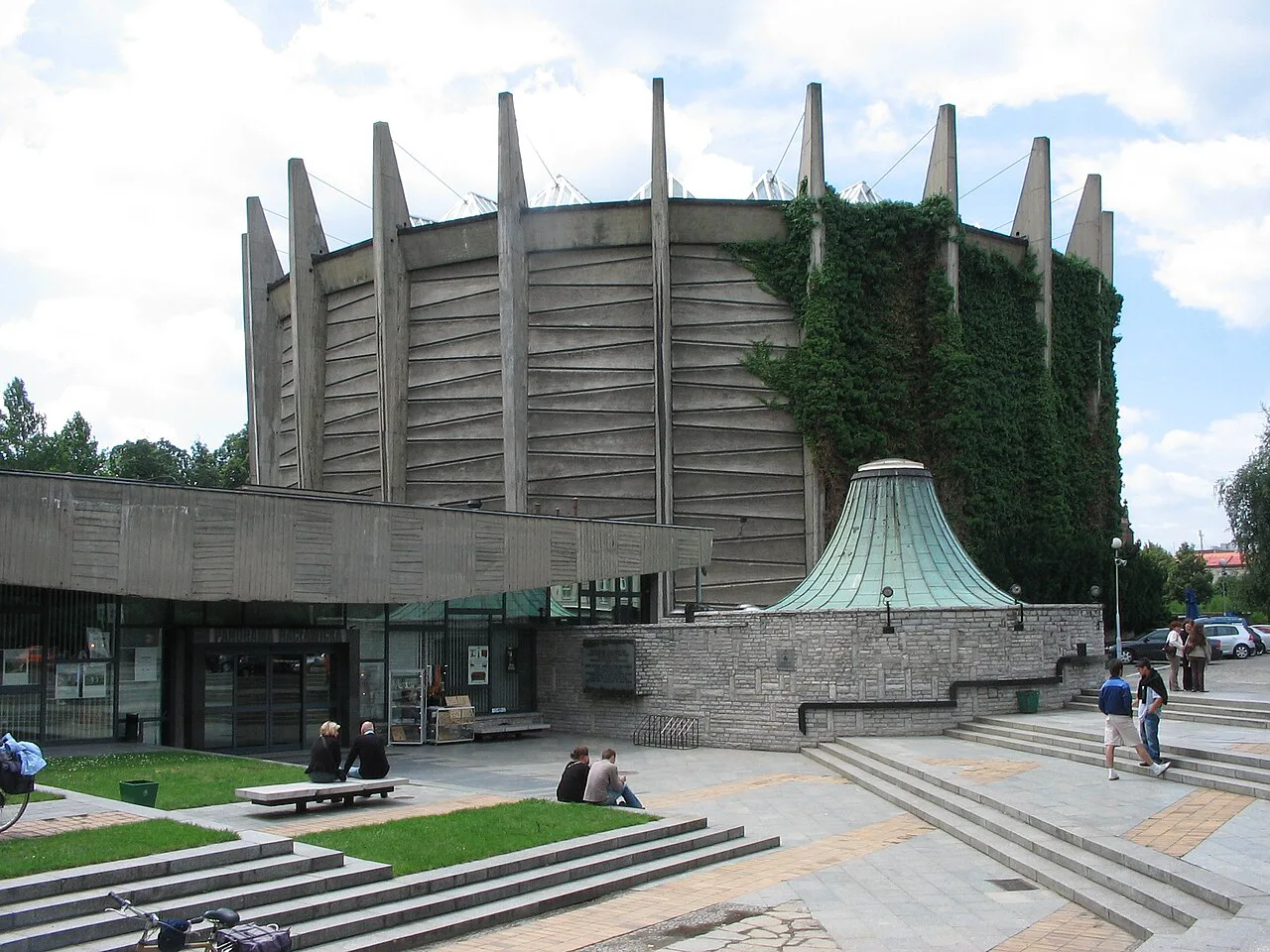
Muzeum Narodowe we Wrocławiu: the main building
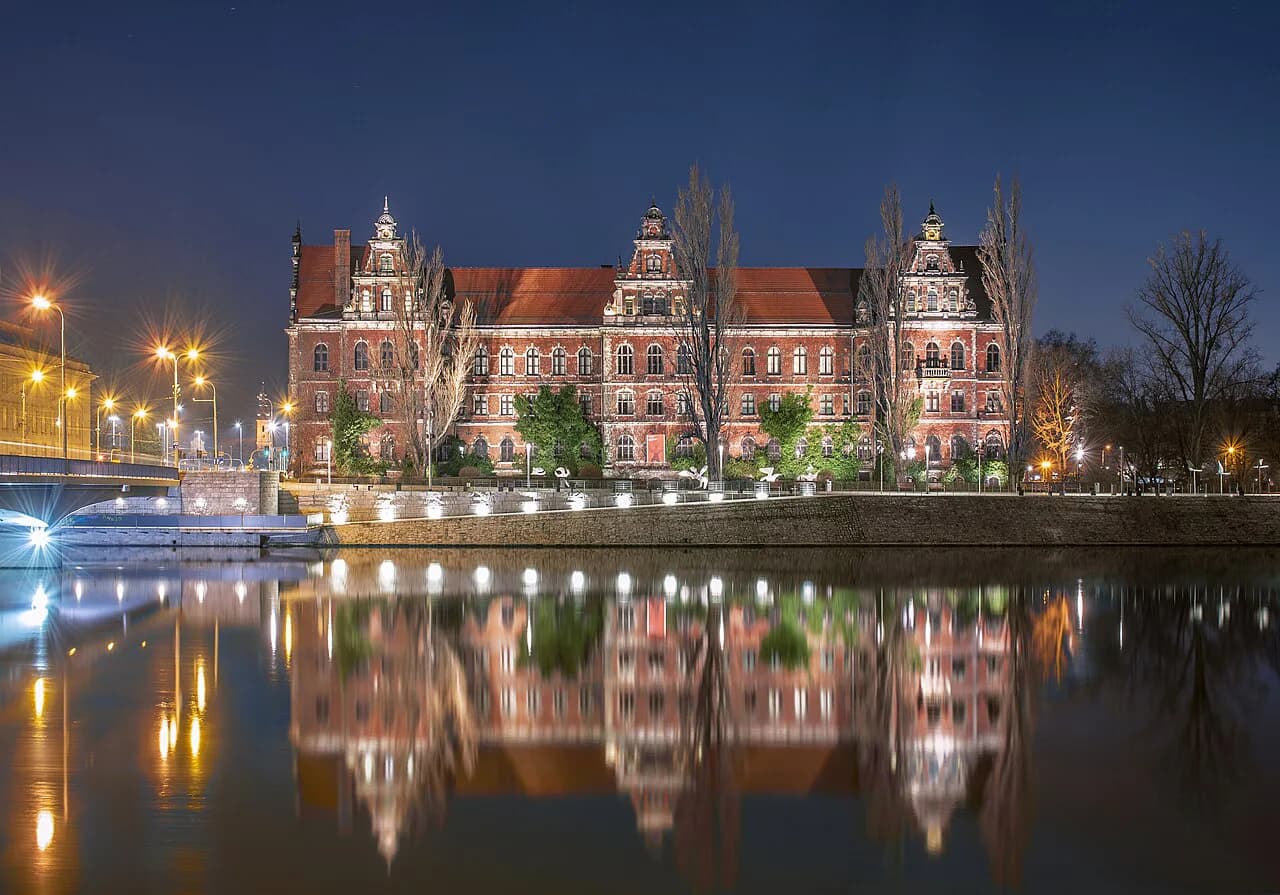
The Gmach Główny is the museum's flagship, and the Lower Silesian tourist board describes the collection as painting, sculpture, graphics and applied art, Polish and European, among the most important in the country. Treat it as the anchor of a Wrocław museum day rather than a filler between other sights.
Allow two to three hours for the permanent galleries and the current temporary shows. The museum's own site lists changing exhibitions alongside the collection, including a display on the goldsmithing of Silesian churches and a centenary exhibition, so check the calendar on the day you plan to go rather than assuming a fixed line-up.
One practical warning comes straight from the museum: the Gallery of Silesian Art of the Fourteenth to Sixteenth Centuries in the main building is temporarily closed, and those medieval pieces are shown instead at the Stulecie exhibition in the Pawilon Czterech Kopuł or online in the Digital Museum. If medieval Silesian art is your reason for coming, head to the pavilion.
Tickets, opening days and any free-entry arrangements are posted on the museum's own site, which is the only reliable place to fix a price before you travel. Buy online where the option exists, because a timed entry saves standing in the hall on a wet morning.
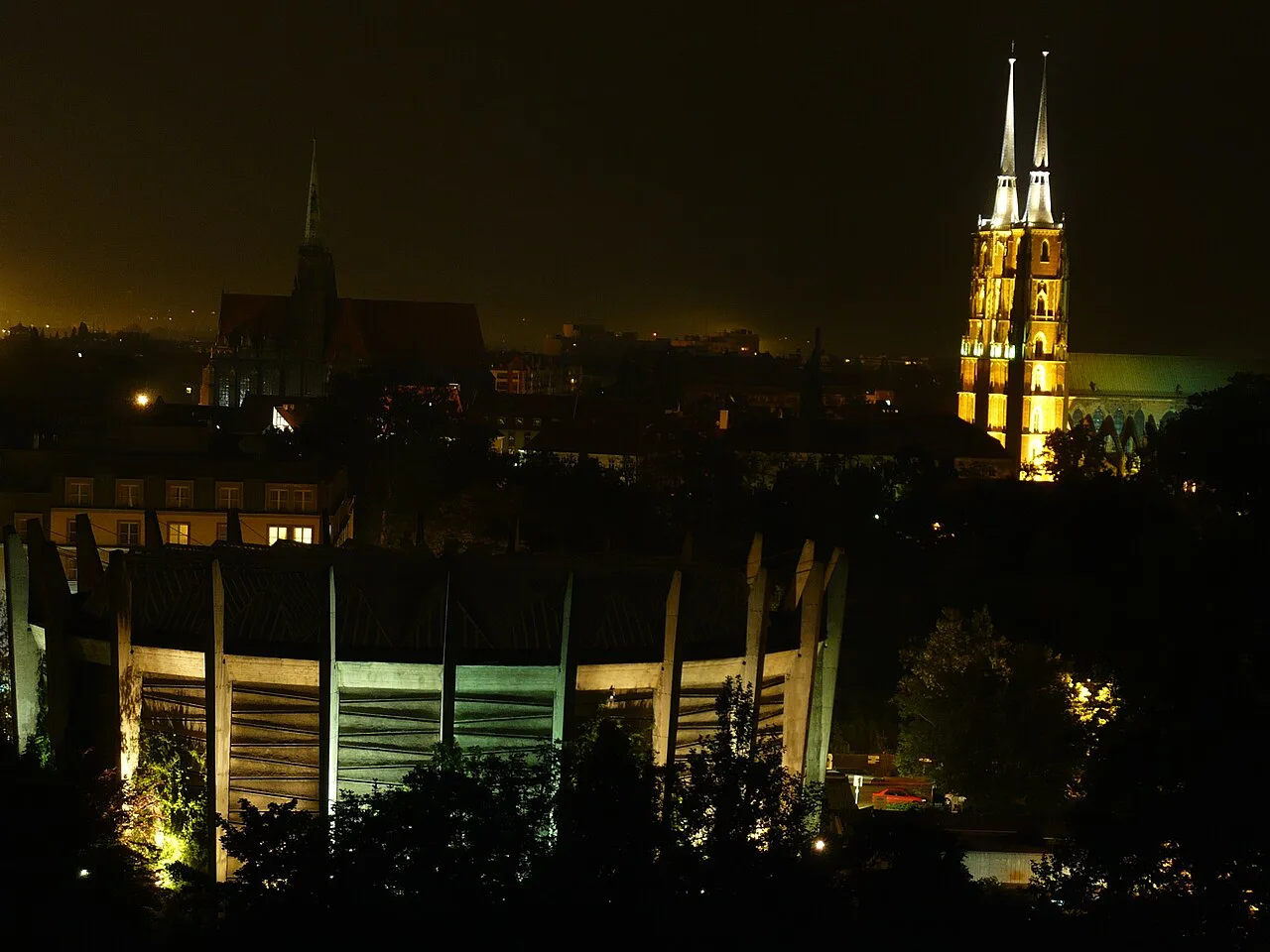
Pawilon Czterech Kopuł: modern and contemporary
The Four Domes Pavilion, a domed modernist building in the exhibition grounds east of the river, is where the National Museum puts its twentieth- and twenty-first-century art. The museum's programme there runs alongside it, and its event calendar can crowd a small gallery on the day you visit.
Give it ninety minutes to two hours. It pairs naturally with the Panorama Racławicka, since both sit in the same parkland a short walk apart, and doing them back to back saves a river crossing.
Panorama Racławicka: book it separately
The Panorama Racławicka is a painted circular panorama viewed from a central platform, and it is the one Wrocław museum visit that works to a clock. The National Museum sells tickets for the panorama separately from the museum and the pavilion, so a museum ticket does not get you in.
The visit itself is short, well under an hour, but the timed slot governs your day. Book a slot for the part of the day you want to spend in the eastern parkland and build the Four Domes Pavilion around it rather than the other way round.
Muzeum Historyczne and the Pałac Królewski
The city's own story, from medieval Wrocław through the centuries of Habsburg and Prussian rule to the twentieth, is told in the Muzeum Historyczne inside the Pałac Królewski. It makes a natural complement to the art museum: one explains what was made here, the other explains who ruled here.
Allow around ninety minutes, more if a temporary exhibition catches you. The palace is central enough to slot into a day of wandering the Main Town rather than a separate detour.
The Occupation and the destruction of 1945 are covered more directly at the city's wartime sites, which suit a separate half-day rather than an add-on here; the Wrocław WW2 Sites guide maps those out.
Ostrów Tumski: churches rather than museums
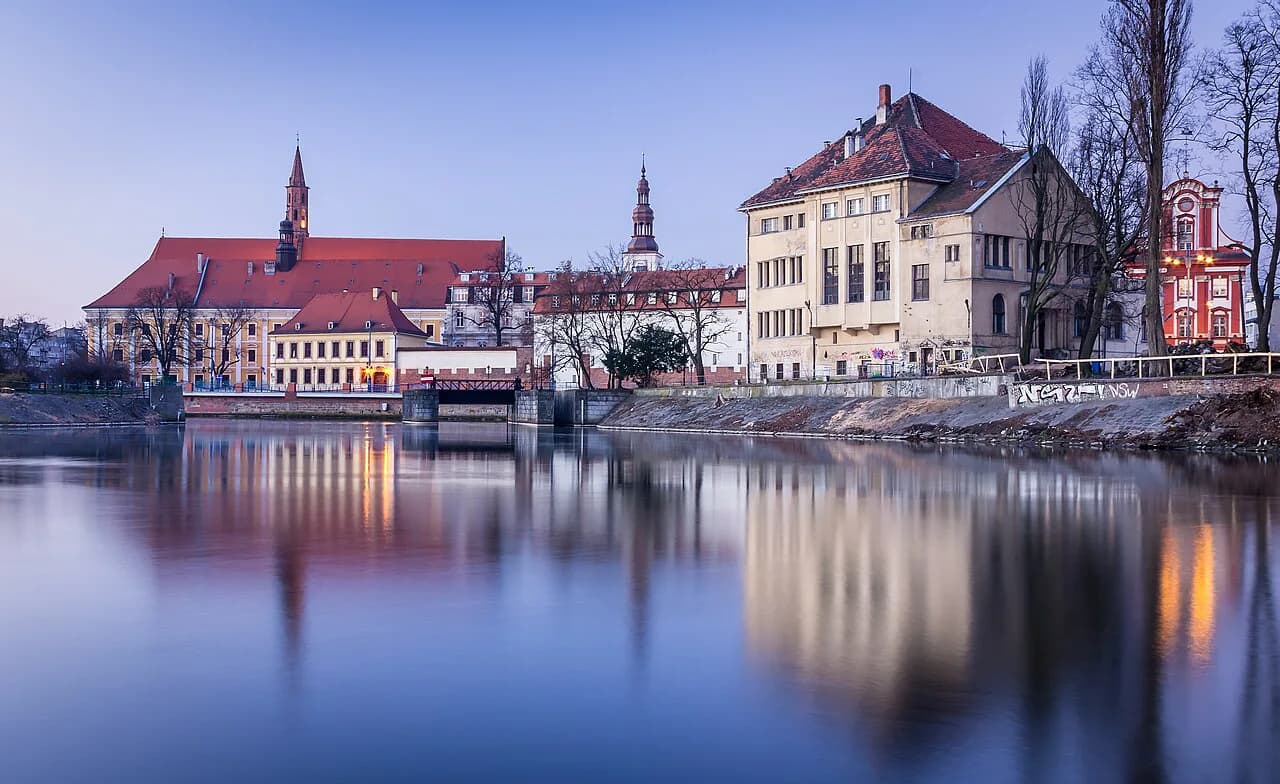
The cathedral island is the oldest part of Wrocław, and visitors treat it as a sight rather than a ticketed collection. The Cathedral of St John the Baptist and the surrounding churches are working buildings, so you are looking at architecture and liturgy together, and you should dress and behave accordingly.
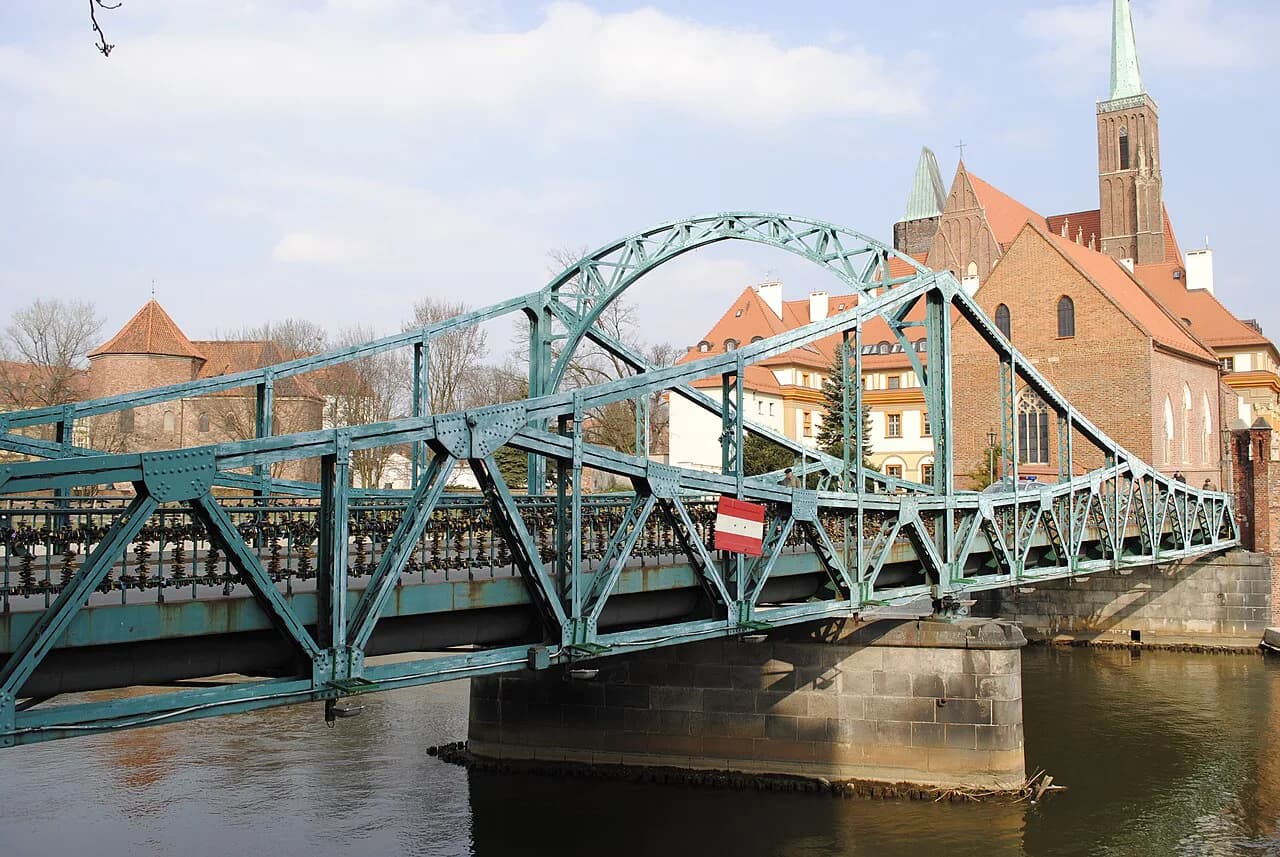
An hour covers the island on foot, and the walk in over the Odra bridges is half the point. Go early if you want the lanes without groups, and note that the gas lamps are lit by hand at dusk, which is the reason many travellers come back in the evening.
Jewish heritage: the White Stork Synagogue
The White Stork Synagogue, restored and now a cultural and museum space, is the focal point of the former Jewish quarter around ulica Włodkowica. A visit here is about the community that built it and the century that followed, so read up before you go and keep the tone quiet inside.
Allow forty-five minutes to an hour. Entry arrangements and the exhibition programme change with the cultural centre's calendar, so confirm before setting out.
How many museums fit into your break
On a one-day break, pick two: the Gmach Główny in the morning and the Panorama Racławicka in the afternoon, with Ostrów Tumski walked between them. Drop the Four Domes Pavilion first if contemporary art is not your priority, and drop the Muzeum Historyczne before you drop the main collection.
With two days, add the Pawilon Czterech Kopuł and the Muzeum Historyczne, one on each day, and keep the evenings free for the Rynek. With three days, the Muzeum Etnograficzne and a slower pass through the cathedral island fit comfortably, and you can return to a gallery you rushed.
The trade-off is always breadth against depth. Three museums in a day is a comfortable maximum in Wrocław; four means you are reading labels rather than looking at anything.
Grouping museums by neighbourhood
The Gmach Główny, the Muzeum Historyczne and the Main Town streets sit on the west and south side of the centre, within walking distance of each other. The Panorama Racławicka and the Pawilon Czterech Kopuł share the eastern parkland, and Ostrów Tumski bridges the two.
Plan one day west and south, one day east and north, and you halve your walking. The Main Town streets between them are worth the stroll in their own right, so build in time rather than treating the walk as dead time between tickets.
What to settle before you set out
Polish museums commonly close one day a week, often but not always Monday, and some run a free-entry day, but the pattern varies by venue and changes with the season. The National Museum's site carries the current opening days, closures and ticket information for each of its four branches, and it is the source to trust over any listing.
Sunday trading is restricted in Poland, so a small museum shop may be shut on a Sunday even when the galleries are open. Buy what you want on a weekday and keep Sunday for the collections.
If you plan around a specific exhibition, check that it is running before you book travel; the museum's own notices about which galleries are open are updated there rather than anywhere else.
Which museum to drop first
If your break is short, keep the Gmach Główny and the Panorama Racławicka and drop the Four Domes Pavilion first. The main building gives you the breadth of Silesian and European art in one visit, and the panorama gives you a piece of Wrocław's late-nineteenth-century display culture that the galleries cannot.
With a second day, add the Pawilon Czterech Kopuł and the Muzeum Historyczne, and walk Ostrów Tumski between them for the city's oldest layers without a ticket. Build the rest of the trip around the museum map rather than the other way round, and Wrocław rewards you with short walks and long lunches.
Explore more Wrocław guides
Sources
Notes for your next Polish city break
Optional updates to our Poland guides.
You might also like
Continue reading
More guides you'll find useful