Poznań Food: What to Eat, Where to Try It and What It Costs
What Poznań food is worth planning a day around, from local specialities to milk bars and market halls, and how to order a meal without overspending.
On this page
The food worth planning a day around in Poznań is Greater Poland's own cooking: potato dishes, slow-cooked meats and a single croissant with a protected name. This is not a city where you chase a tasting menu; a market hall lunch, a milk-bar dinner and one proper restaurant evening cover the ground. This guide sets out the dishes to look for, where they sit in the old town, how milk bars work for a first-timer and how to order without surprises.
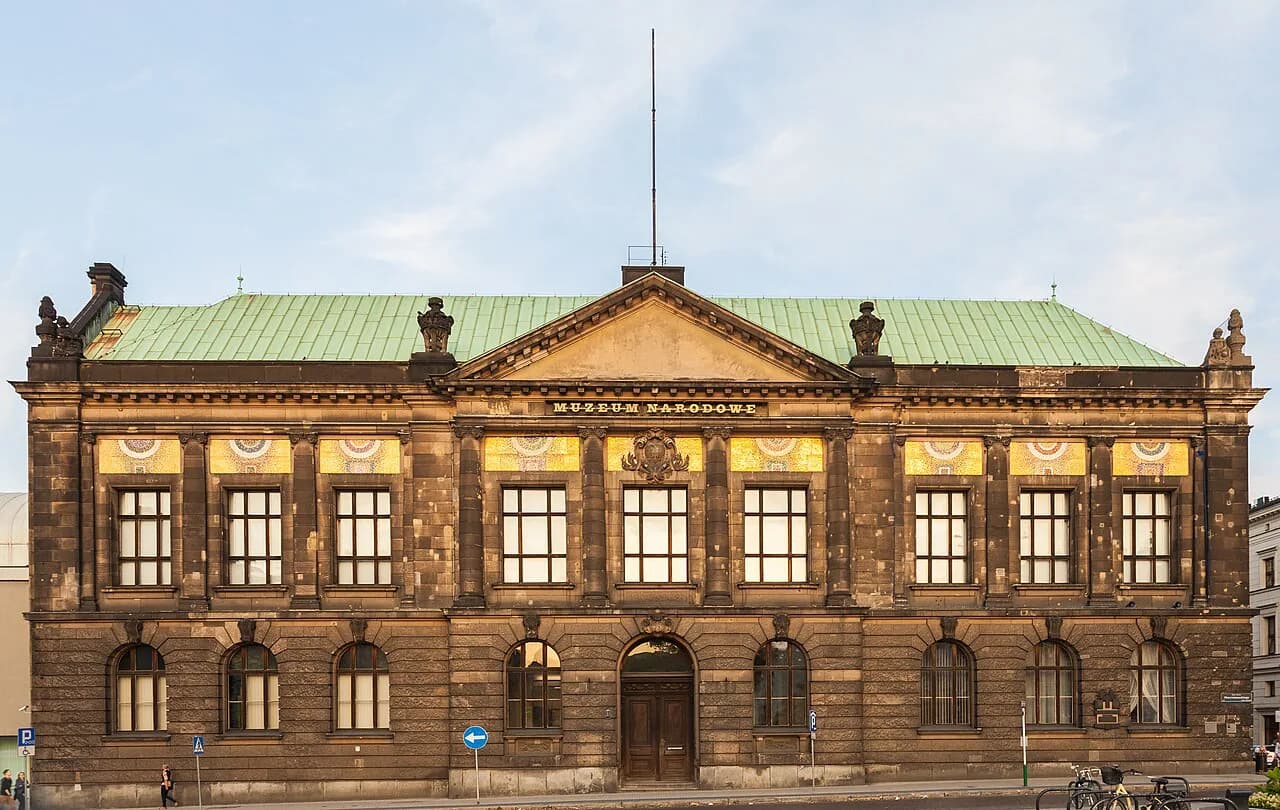
Two things shape a food day here. The historic centre is compact, so you can walk between the Rynek, the main shopping streets and the museum quarter between meals, as set out in our guide to the Poznań old town. Museums also set the rhythm: the National Museum of Poznań on Al. Marcinkowskiego holds Polish art from the Middle Ages to the 20th century alongside Flemish, Italian and Spanish paintings, a sensible anchor for a morning that ends at lunch.
What food Poznań is known for
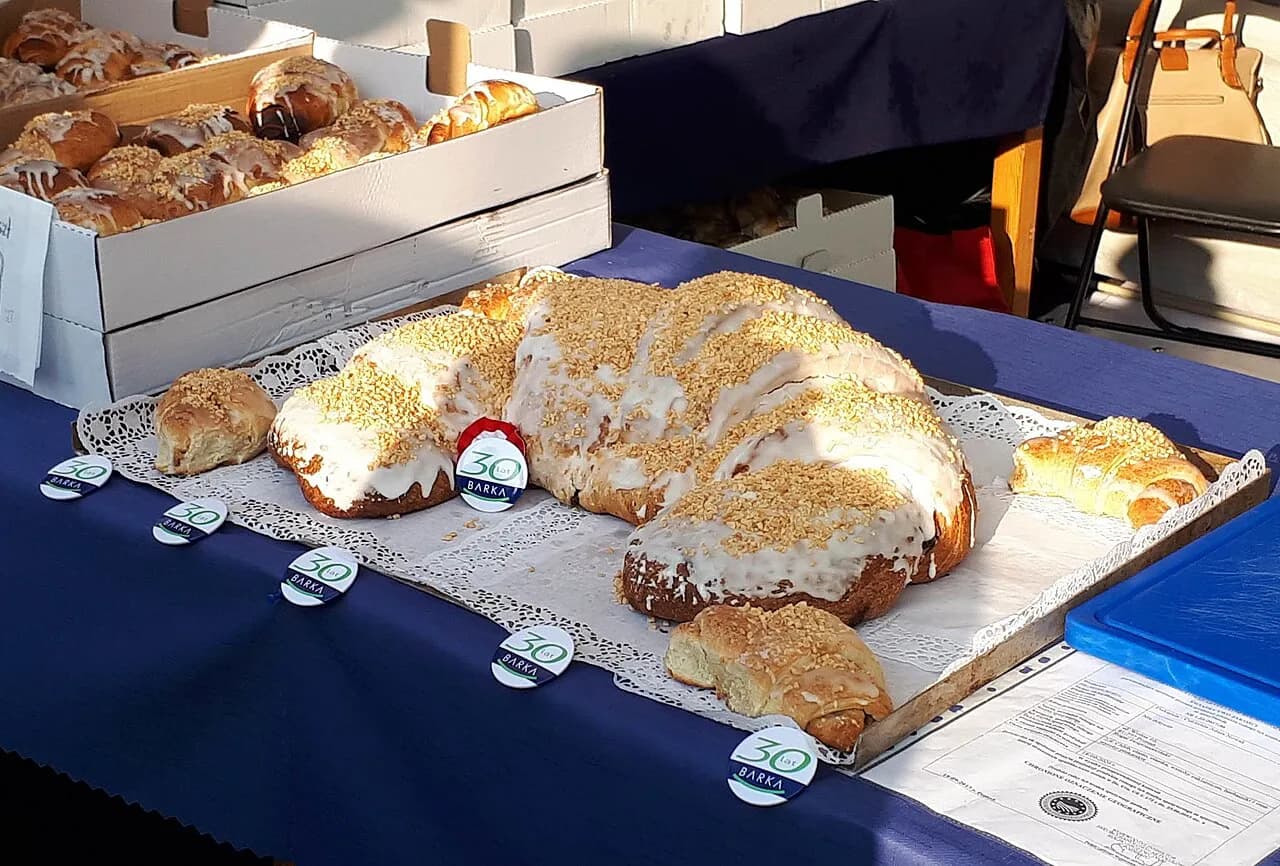
Poznań's identity food is the rogal świętomarciński, the St Martin's croissant baked for 11 November and sold in the weeks around it. It is a poppy-seed and almond paste croissant with a protected geographical name, which means bakers outside the region can sell something similar but not call it that. Buy one from a bakery or café rather than a souvenir stand and you get the real thing.
The second marker is pyry, the local word for potatoes and the base of dishes across the city. Greater Poland cooking leans on them in soups, dumplings and pancakes, alongside duck, pork and freshwater fish. Treat these as the genuinely local order and treat pierogi, Żurek and schnitzel as Polish staples sold everywhere, which is not a reason to skip them but a reason not to build the day around them.
If you want an unexpected detour before a late dinner, the Archaeological Museum in Poznań runs a permanent Rock Art of North Africa exhibition covering engravings from Algeria, Egypt and Sudan, with a boulder children can copy using carbon paper. It has nothing to do with lunch, but it fills a wet hour, and the museum publishes visitor information covering its opening hours and tickets.

The local dishes and regional produce worth ordering first
Order duck with apples or with pyry if it appears, and take pork loin or a slow-braised beef dish when it does not; these are the plates Greater Poland cooks do well. Look for potato soup, potato pancakes and pyry in any form on a lunch menu, and try herring in oil or cream as a starter. Chłodnik, the cold beetroot soup, is a summer order rather than a winter one, and the heavier potato dishes sit best on a winter menu.
Game and freshwater fish show up on better menus in autumn and winter, and wild mushroom dishes appear when the season allows. Cheese from Wielkopolska dairies and smoked meats from regional producers are the things to buy rather than eat on the spot. If a menu names a farm or producer, that is usually a fair signal that the kitchen is buying regionally.
What a meal in Poznań costs in złoty
Expect a ladder rather than a single figure: a milk-bar lunch is the cheapest full meal in the city, a mid-range restaurant main sits clearly above it, and dinner at one of Poznań's most decorated tables costs more again. The Michelin selection for the city lists 25 restaurants in and around Poznań, including TU.REStAURANT, Fromażeria, Posto, SPOT., Strona and Delicja, which gives you a starting point if you want one splurge meal; see the Poznań selection for the full list.
Restaurant websites and menus in the window are the reliable place to check prices, because a guide freezes a figure that changes with the season. Budget the day in three parts: a cheap cooked lunch, coffee and cake mid-afternoon, and a proper dinner, so you will not overspend on the middle meal by accident. Wine and cocktails are where a Poznań bill climbs fastest, so a beer keeps the total down.
Where to eat in the Old Town and around the Rynek
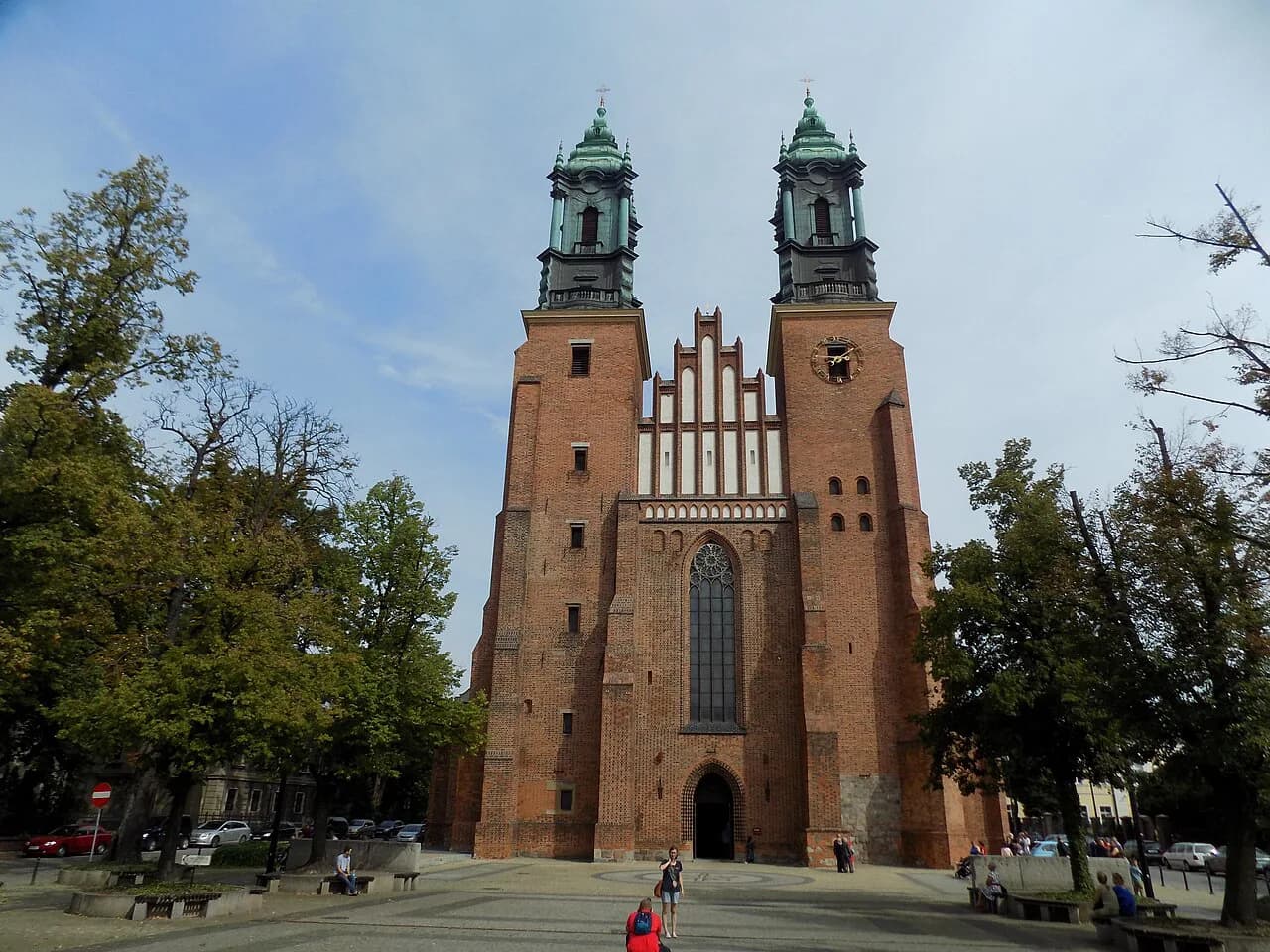
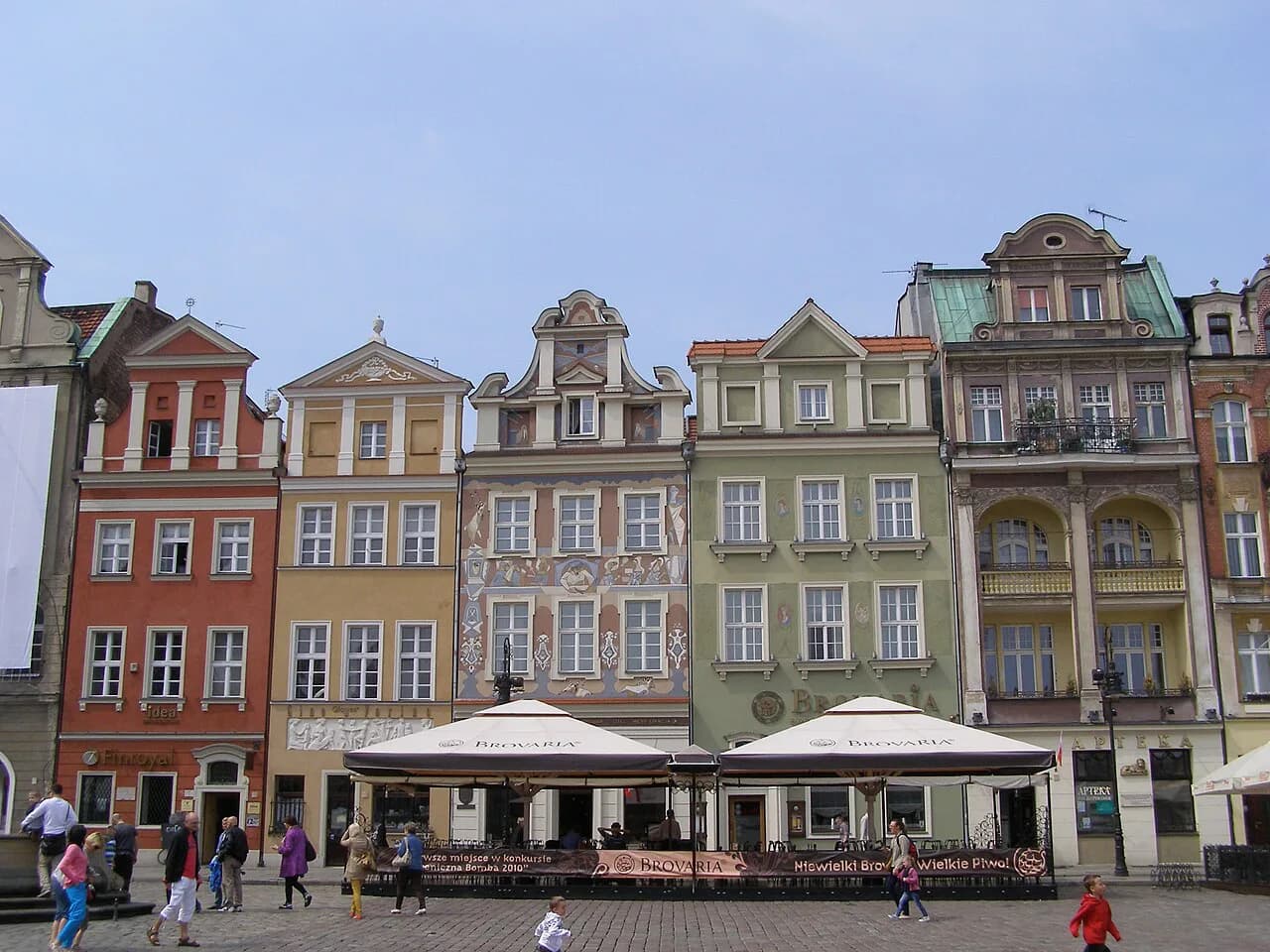
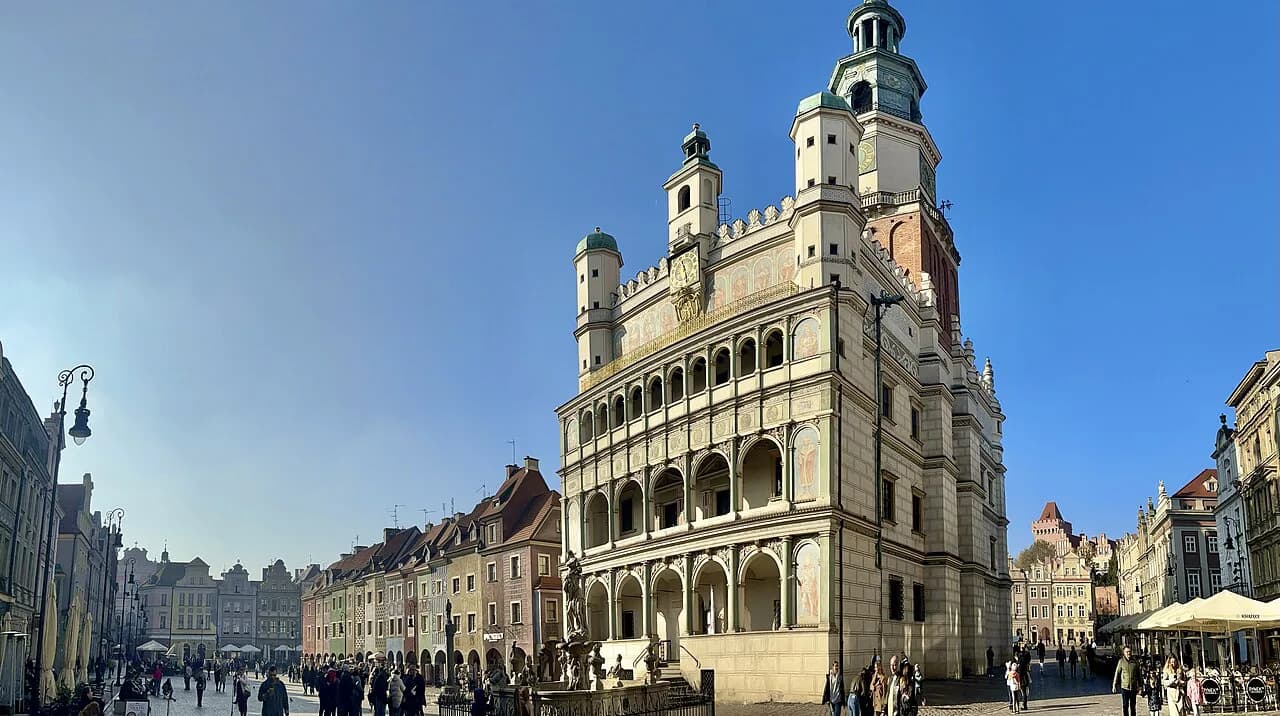
The Rynek and the streets off it are where most short-break eating happens, and the trade-off is blunt: the closer a table sits to the Renaissance town hall, the more you pay for the view. Walk five minutes out towards the side streets and the same standard of cooking costs less. Use the square for one meal and eat the rest a street or two back.
Święty Marcin, the main shopping street, and the streets north of the old town carry a mix of lunch places, bakeries and cafés serving the office crowd on weekdays. A weekday lunch there is better value than a Saturday dinner in the same neighbourhood. If you are eating before a museum, the area around Al. Marcinkowskiego puts you within a few minutes of the National Museum.
If you would rather have someone else order the stops, a Poznań walking tour can shape the morning so lunch lands in the right place. Otherwise, plan food around the things to do in Poznań that fix your day, since a timed museum entry dictates where you eat far more than a restaurant choice does.
Milk bars and budget lunches: how they work and how to order
A milk bar, or bar mleczny, is a self-service canteen serving cheap Polish home cooking, usually soup, a main and a drink. The pattern is: read the board at the counter, order and pay, take a ticket or receipt, then collect each dish at the hatch it belongs to. Pointing at what the person in front of you has is completely normal and faster than translating a menu.
Go early, ideally before the office lunch rush, and expect a shared table and a short menu. Carry some cash even where cards are taken, and portions are generous enough that a soup and one main is usually plenty. If you want a light meal, order soup and a side rather than two mains.
Food halls, market halls and regional produce to take home
Market halls and food halls are the best one-stop option for a mixed group: everyone orders from a different counter and eats together. They suit a first meal in Poznań because you can see the food before committing and prices are posted. They are also where you find regional cheese, smoked sausage, honey and preserves to carry home.
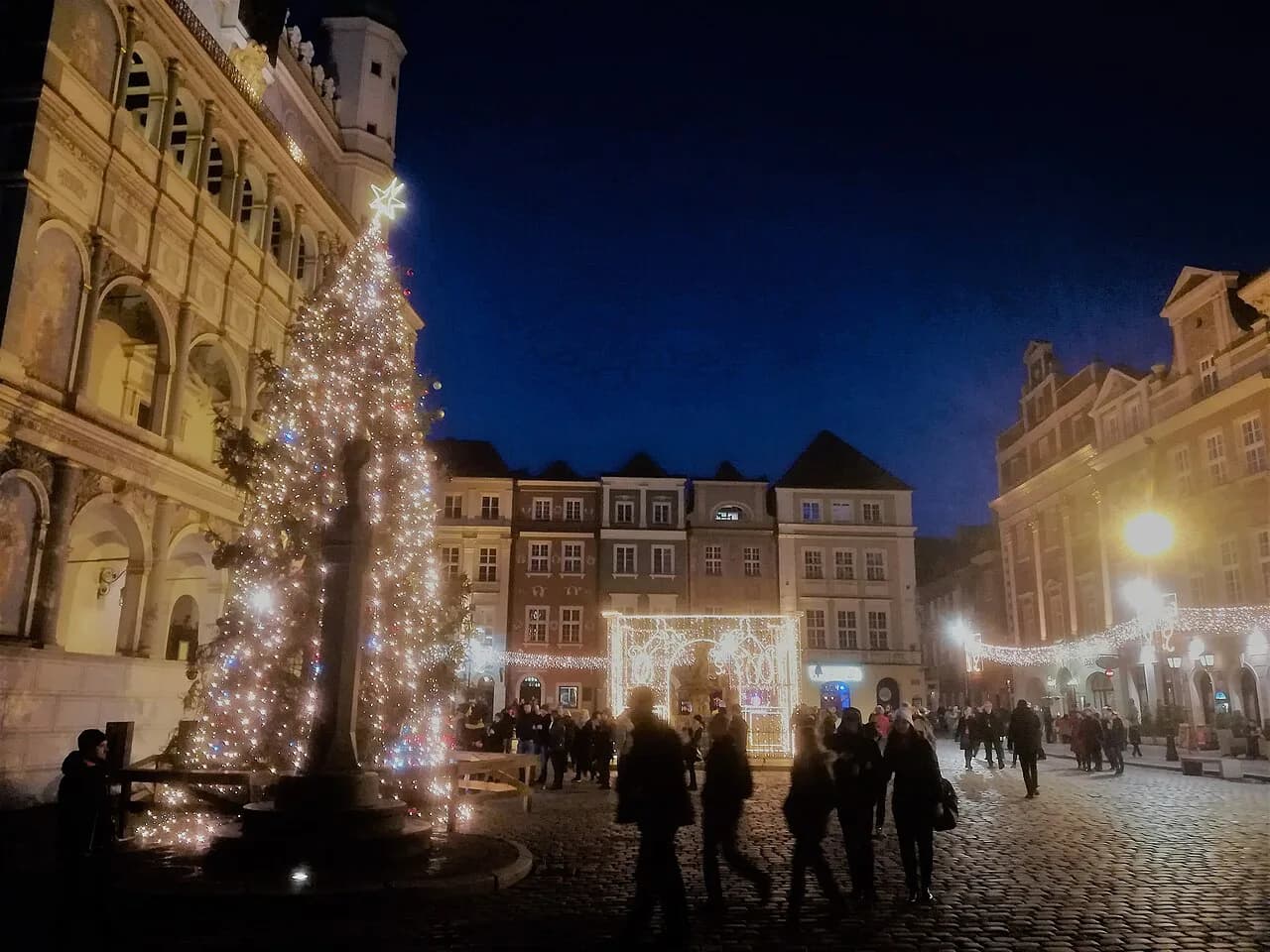
The Poznań Christmas Market at the Fair, run by the Poznań International Fair, is a seasonal event rather than a year-round offer. In 2024 it set out more than 70 stands of local delicacies and crafts, with hot drinks, a mill wheel, an ice rink, a Venetian carousel and Santa's house among its attractions, and the fair lists its next edition for 14 November to 20 December 2026. Confirm the current programme before building a day around it, and treat it as a food and craft stop rather than the reason for the trip.
For a wider picture of which markets run and when, our guide to Poznań Markets covers the regular trading side rather than the seasonal fair. Buy what travels: cheese, sausage, honey, mustard and vacuum-packed smoked fish survive a flight; fresh bread and cream cakes do not.
Poznań's food year: what is in season and when the city eats out
The food calendar is driven by two things: the seasons and 11 November. Autumn brings game, mushrooms and the rogal świętomarciński; spring and early summer bring asparagus, young vegetables and cold soups; late summer is the best time for berries and for eating outside. Winter menus are heavier and shorter, which is when the potato dishes earn their place.
Restaurant timetables matter too. Many kitchens in Poland serve a set lunch on weekdays and price it below the evening menu, so a cooked midday meal is the cheapest way to eat well. Menus go quiet on Sunday evenings at some places, and even the best restaurant in a small city can be closed on a Monday, so email or ring ahead for the one meal you care about most.
If your day is mostly museums, note that the Archaeological Museum's Egyptian exhibition closed in June 2024, with a replacement scheduled for 2026, while its North African rock art display continues. The museum's Egyptian pages spell out what is on and which objects were loaned back to Berlin and Munich, worth knowing before you promise a child mummies.
Practical ordering: portions, tipping and British expectations
Portions in Poland are generous: a soup plus one main is a full meal, and a starter plus a main plus a dessert is a lot of food. Order one course fewer than you would at home on the first night and add later if you are still hungry. Tap water is not automatically brought to the table, so ask for it explicitly, still or sparkling.
Tipping is a judgement call rather than a rule. Rounding up or leaving roughly a tenth in a sit-down restaurant is common practice, and you say the amount you want to pay when you hand over card or cash rather than leaving coins on the table. In a milk bar you do not tip, because you pay at a counter.
For what to do between meals, the Poznań Attractions hub links the individual sights, while a few hours in a Poznań park is the cheapest way to break up a heavy eating day. Plan the walk first and the restaurants around it.
How to spend your food budget over three days
Over three days in Poznań, spend one lunch in a milk bar, one dinner in a mid-range Old Town restaurant a street back from the Rynek, and one meal wherever your museum or walking plan leaves you at midday. Buy a rogal świętomarciński in season, order pyry at least once and take regional cheese or sausage home rather than a packaged souvenir. Check prices on the menu at the door before you sit down, and treat the seasonal Christmas market as a food stop rather than a trip anchor.
Frequently Asked Questions
Do I need to book restaurants in Poznań?
For a mid-range Old Town meal on a weekday, walking in is usually fine. For a weekend dinner at one of the city's most decorated restaurants, book ahead by email or phone, and confirm which day the kitchen closes before you build your evening around it.
Is Poznań expensive for food compared with the UK?
Eating out in Poznań is generally cheaper than in British cities, especially at lunch, where a milk bar or a set weekday menu keeps the bill low. Restaurant dinners and wine narrow the gap, and prices change with the season, so read the menu at the door rather than relying on a figure from an old guide.
Can I eat well in Poznań as a vegetarian?
Poznań's traditional cooking is meat- and potato-heavy, but the city's café and lunch scene has broadened. Look for potato pancakes, pierogi with cheese and potato, soups and salads; treat the Michelin-listed restaurants as a shortlist of kitchens likely to have a vegetarian option rather than a guarantee.
What should I buy to take home from a Poznań market?
Cheese, smoked sausage, honey, mustard and vacuum-packed fish travel well; fresh bread and cream cakes do not. The Christmas market at the fair concentrates regional produce and crafts on one site, so check its current programme before planning a visit around it.
Sources
Notes for your next Polish city break
Optional updates to our Poland guides.
You might also like
Continue reading
More guides you'll find useful