Poznań Markets: an Honest Guide to What You Can Browse
A candid guide to markets in Poznań: the difference between a Targ, a hala targowa and a Targ staroci, what to browse, and how markets fit a city break.
On this page
Treat a Poznań market as a half-day plan, not a sightseeing headline: the city's market scene is made up of neighbourhood produce squares and covered halls that supply a picnic or a self-catering lunch. This guide explains the difference between a Targ, a hala targowa and a Targ staroci, then covers what each type sells and how the markets fit around the sights.
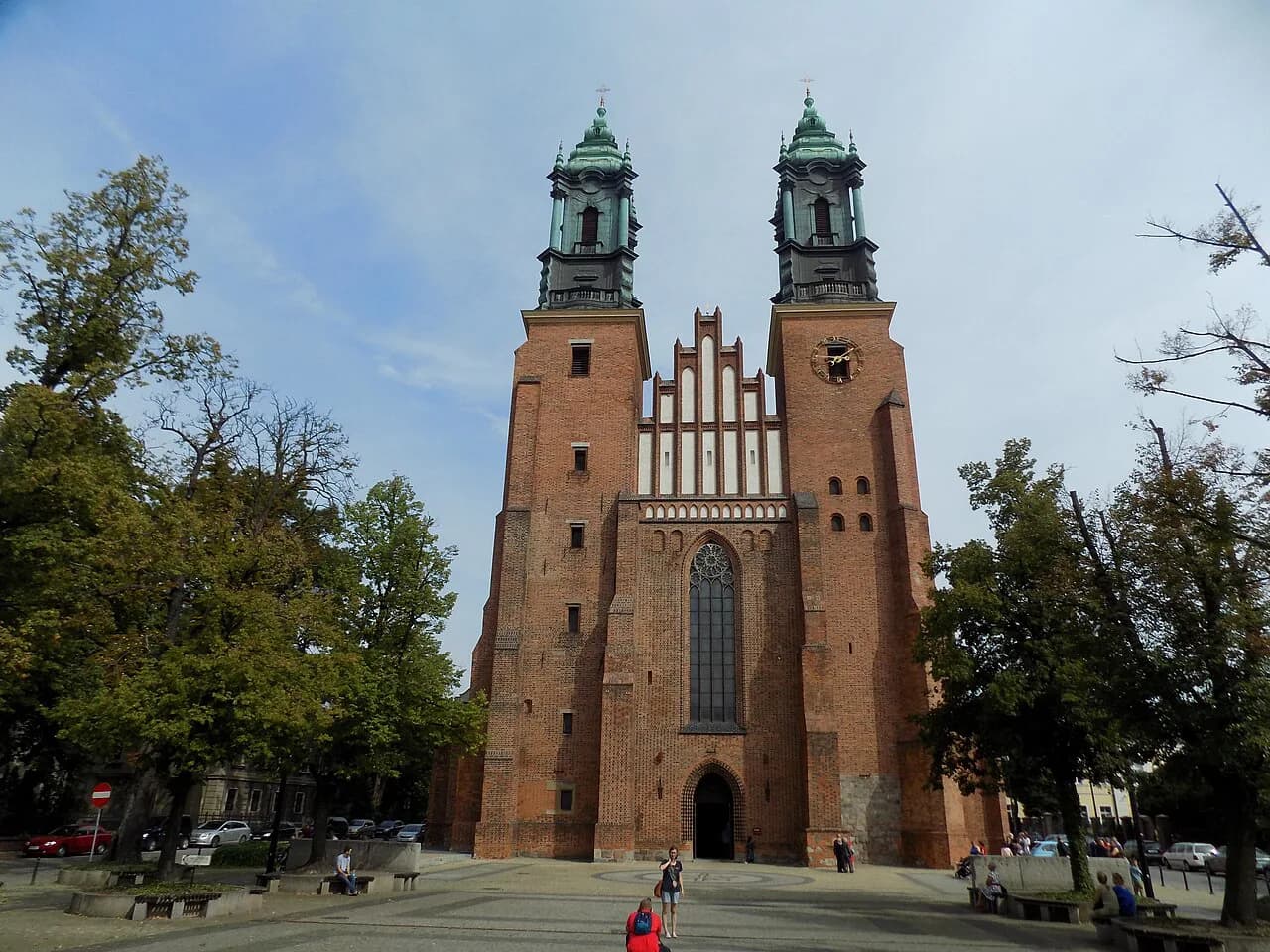
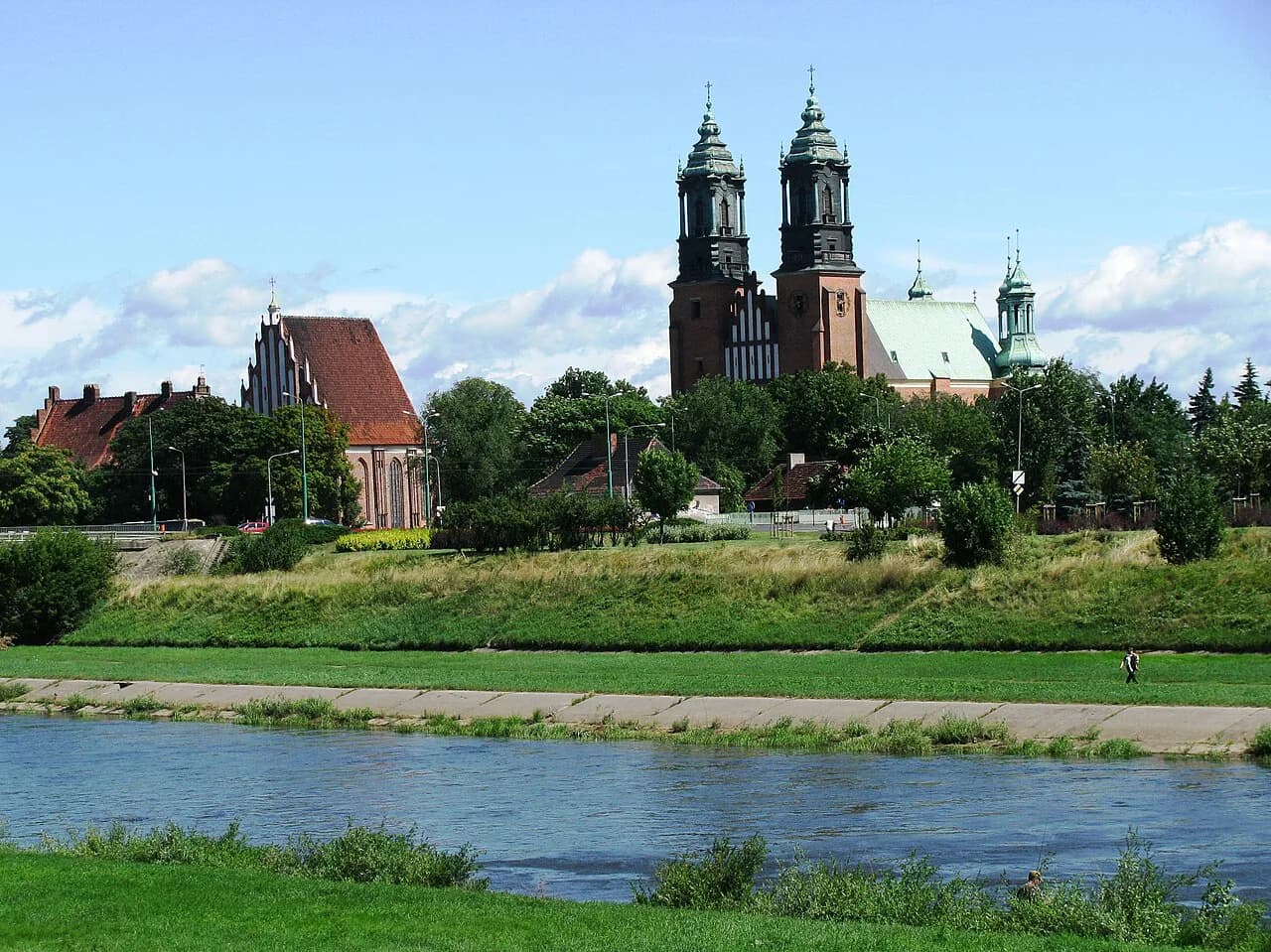
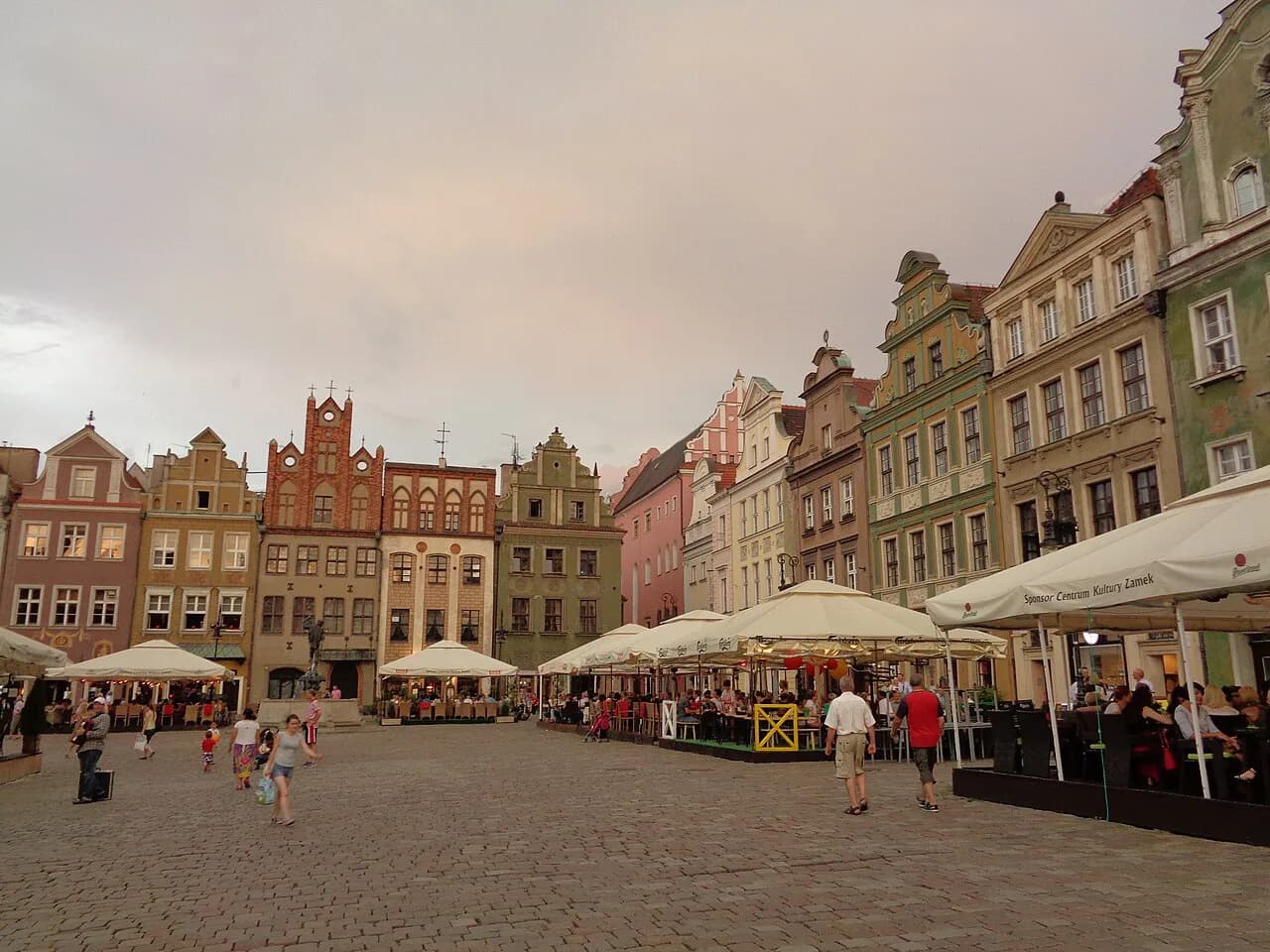
Poznań is compact, and the centre is anchored by Stary Rynek, the old market square, with the Renaissance town hall at its heart and the Jeżyce district a short walk or tram ride west. That layout matters: you can browse a market in the morning and still reach the cathedral district on Ostrów Tumski before dinner.
What a Poznań market visit adds to a short city break
Markets give you the ordinary side of a Polish city: seasonal fruit and vegetables, smoked sausage, farm cheese, honey and bread. Browsing costs nothing, and a bag of provisions undercuts a restaurant lunch, though the trade-off is that markets are working places that reward an early start rather than a ticketed visit.
Three Polish words are worth learning before you go. A Targ is an open market, often held on set days in a square; a hala targowa is a covered market hall with permanent stalls inside a building; and a Targ staroci is a flea or antique market where the stock changes week to week. Knowing which one you are walking into sets your expectations for everything from opening days to whether cards are accepted.
Rynek Jeżycki: the food market in Jeżyce
Rynek Jeżycki is the market square of Jeżyce, the neighbourhood west of the centre, and it functions as a local market rather than a visitor attraction. It is the best-known of the city's public markets and is rated by shoppers for fresh fruit and vegetables at keen prices. Come here for a picnic or a bag of fruit for the train, not for souvenirs.
The setting is part of the appeal. Jeżyce is a grid of nineteenth-century tenements with bakeries and cafes woven into the streets, so a market visit slots into a wander rather than requiring a separate trip out of town. Allow an hour for the stalls and another for the surrounding streets.
Market halls and covered markets: the Polish hala targowa
A hala targowa is the indoor version of the same idea: individual stalls under one roof, typically selling meat, sausage, cheese, bread and seasonal produce, with each trader running their own counter. Halls are less weather-dependent than open squares and quicker to browse, which makes them a sensible fallback on a wet morning. Expect counter service rather than pick-and-mix, and be ready to ask for a weight.
The culture is closer to a British indoor market than to a supermarket: you queue at the counter you want, pay the trader directly and carry your own bags. Small stalls often prefer cash and card acceptance varies from counter to counter, so carry some złoty in small notes.
Flea, antique and second-hand markets: how to browse a Targ staroci
A Targ staroci is the unpredictable end of the market scene: old glass, postcards, tools, crockery, books and furniture, with the mix changing from week to week. Stallholders have often cleared a flat or an attic rather than curated a display, so judge a stall by what it is strong in rather than whether it sells a bit of everything.
Buy what you can carry and what you can identify. Glass and ceramics travel badly in a suitcase, and a piece with no obvious marks is a gamble, so ask whether the trader will wrap it and pay only what you can afford to lose. For a piece with provenance, a shop gives you more protection than a weekend pitch.
Which days and times to go, and why early mornings matter for produce
Markets that sell fresh food trade best in the morning, when produce is at its fullest and the queue moves quickly, and they wind down towards lunchtime as stalls sell out. Aim to arrive close to the start of trading rather than in the last hour. For a covered hall the timing matters less, since the stalls are there through the day.
Days vary by venue, so confirm before you build a morning around a particular market: a neighbourhood square may hold its market on selected weekdays rather than daily. Plan the market for the morning and keep a museum or a walk as the fallback.
What to buy: local produce, smoked meats, cheese, honey and bread
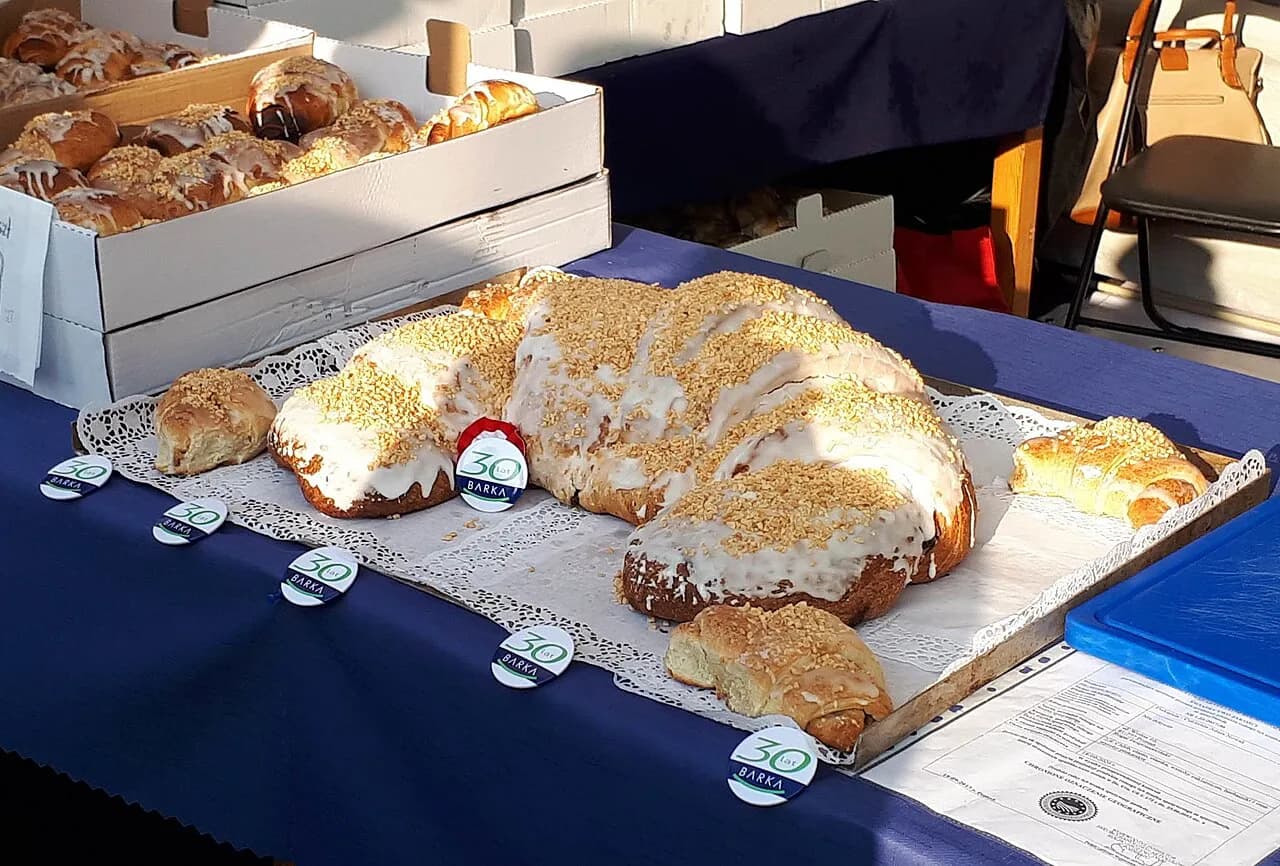
Build a picnic from what is around you rather than from a shopping list: dark rye bread, smoked sausage such as kiełbasa, a wedge of farm cheese, honey and whatever soft fruit is in season. The same stalls suit a self-catering lunch, since a few items cover bread, protein and something sweet. Look for the stalls where locals are queuing, because turnover is the best guide to freshness.
If you want to understand the city through its food rather than just assemble lunch, read up on the regional specialities before you shop. That knowledge helps you choose between a market stall and a delicatessen, and tells you which purchases are genuinely local rather than imported.
Prices in złoty: what a market shop costs compared with a supermarket
Market prices in Poznań are quoted in złoty, usually by the kilogram, and are set per stall rather than posted city-wide, so compare two or three neighbouring counters before you buy. Ask the price per kilo before you commit and watch the scale as the item is weighed.
Open markets can leave room for a small negotiation on a larger quantity, though haggling over a single punnet is not the done thing. Set a rough limit before you start and keep small notes for the stalls that do not take cards.
How the markets fit the city layout: Stary Rynek, Jeżyce and the wider centre
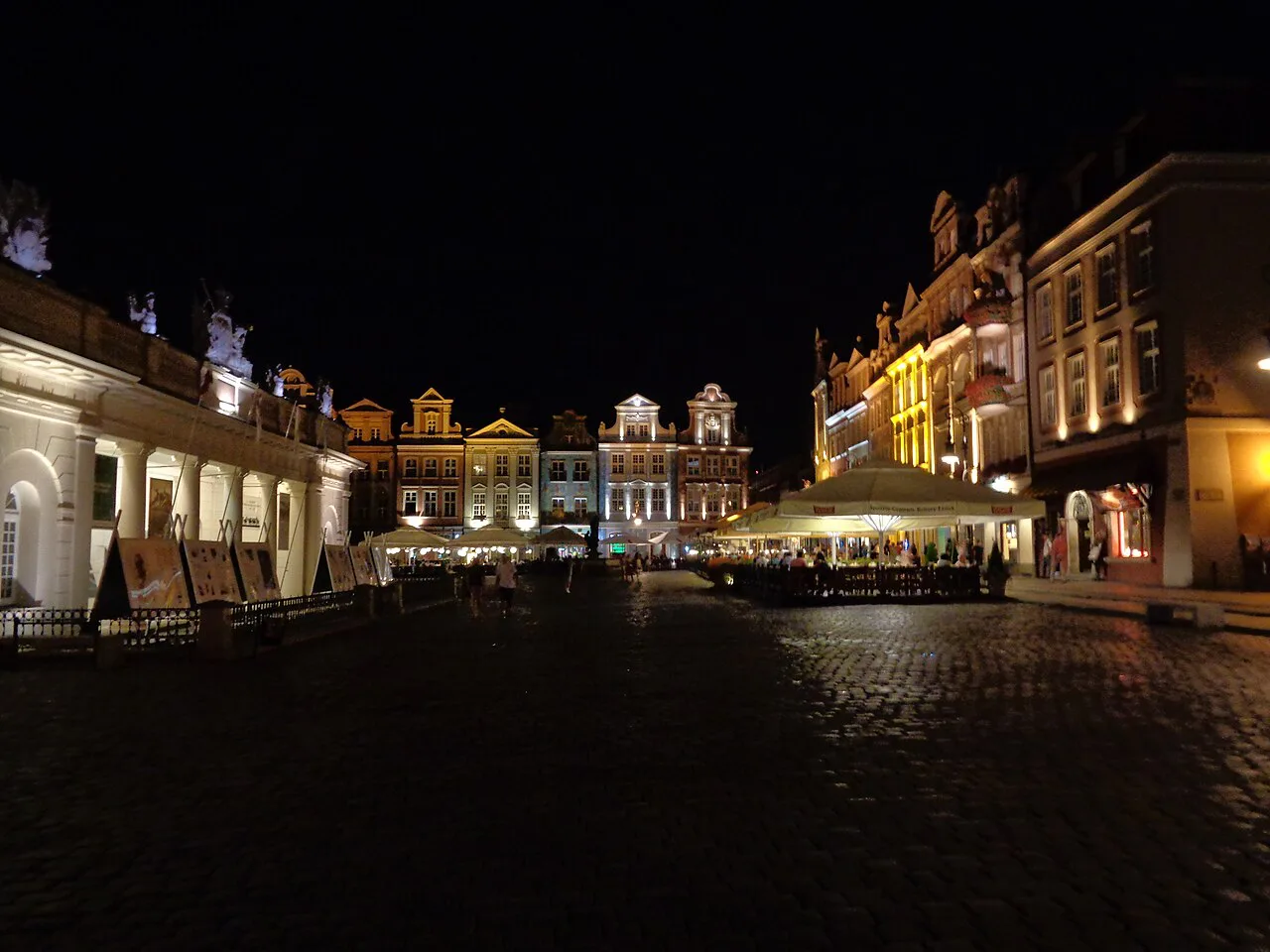
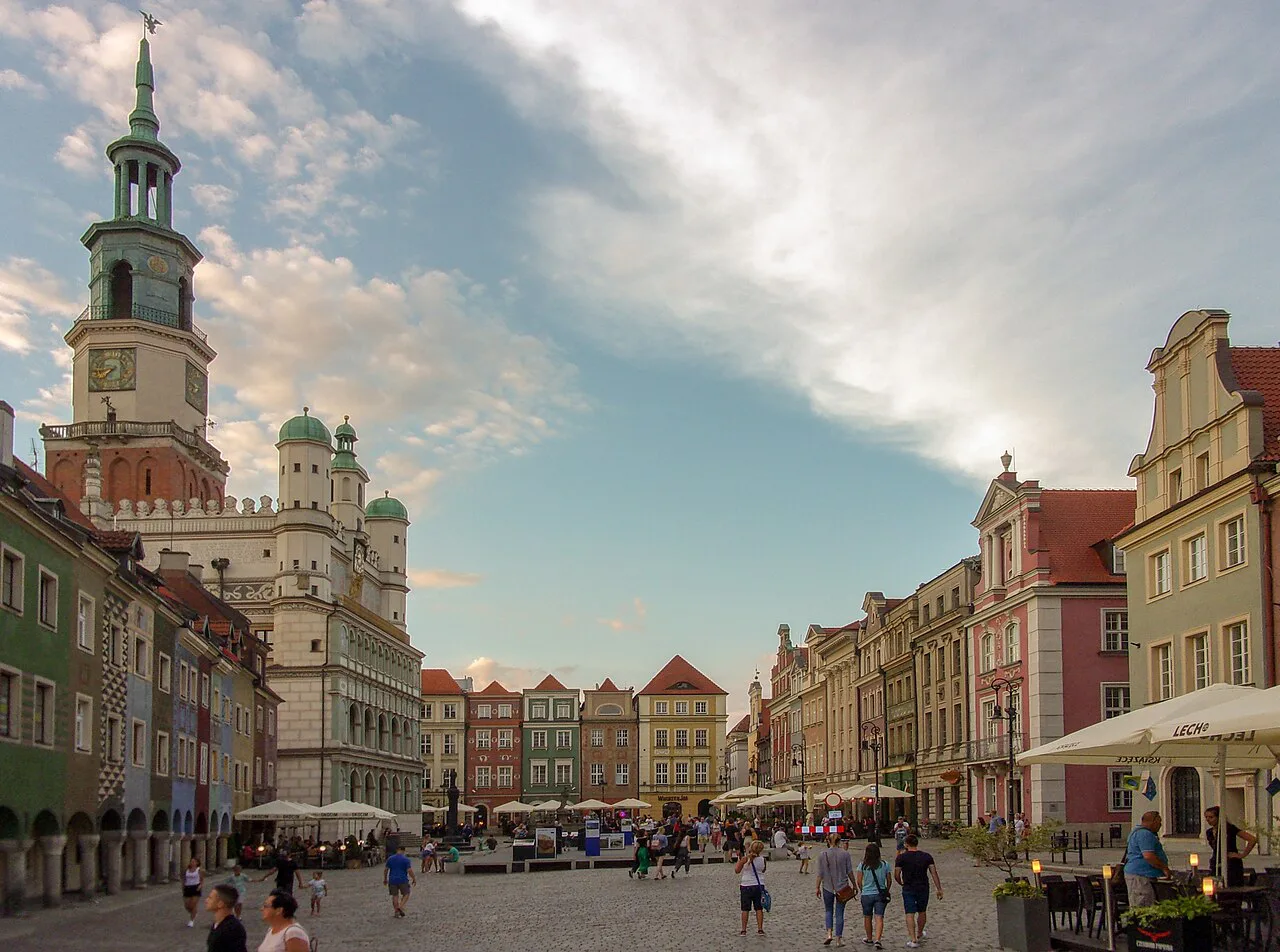
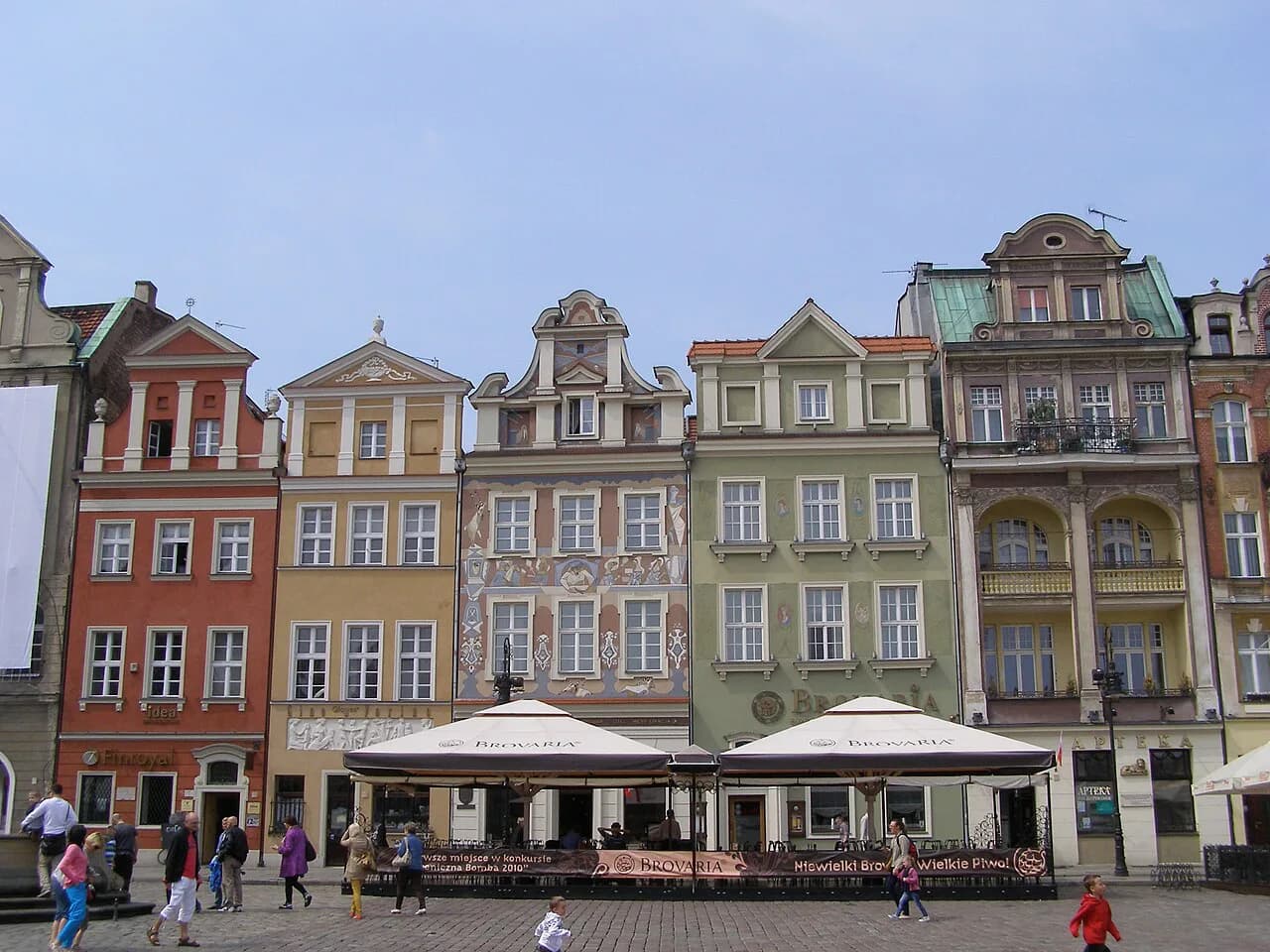
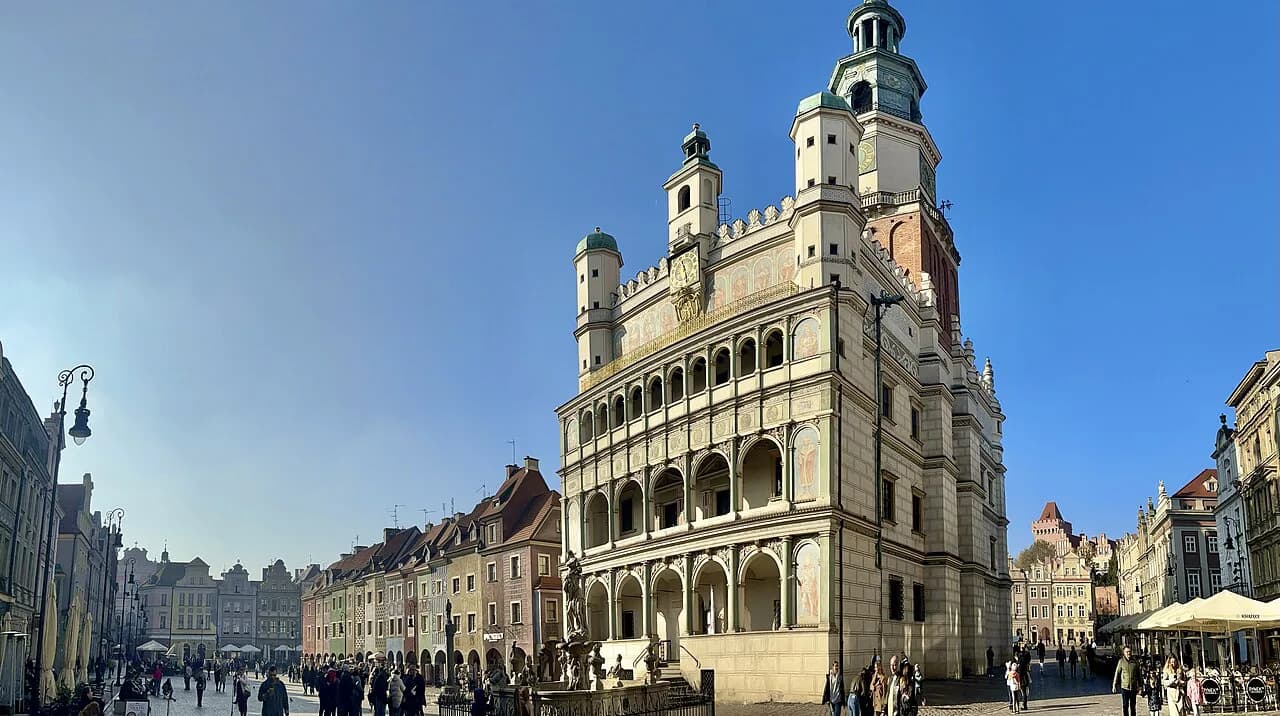
Stary Rynek, the old market square, is the tourist-facing centre, ringed by colourful merchant houses and arcades, and it is where you will find the Renaissance town hall and its famous mechanical goats rather than a produce market. Read it as a sight to see, not a place to do your shopping, and walk west or south for the stalls that sell food. The distinction saves you from arriving at the square expecting a farmers' market.
Jeżyce sits west of the centre and is walkable from the old town in comfortably under an hour, with trams covering the same ground if you are short of time. That puts the neighbourhood market in the same morning as a walk through the centre, which is exactly how a market visit works best on a one- to four-day break.
On the shopping side, central Poznań carries the chains and the independent shops, so a market is a supplement to a shopping afternoon rather than a replacement for it. If you want clothes or gifts rather than lunch, browse the main shopping streets instead.
Sunday and public holiday trading: check before you build a day around a market
Polish trading law restricts Sunday shopping and public holidays follow their own rules, so do not assume a market, hall or shop is open on a Sunday or a holiday without confirming it with the venue. Build Sunday plans around parks, churches and museums with published opening hours instead, and save the market for a weekday morning. This matters most on a short break, when one closed day can swallow a third of your shopping time.
Seasonal events and holiday periods also change which stalls set up and when. If a market is the reason for a particular morning, confirm the day before you travel and keep a fallback museum or walk in reserve.
Practical etiquette: queuing, weighing, cash and bags
Join the queue at the counter you want rather than hovering, wait your turn, and state what you want by weight or by pointing. Cash in small notes makes life easier at produce stalls, and a question about the price per kilo before you commit avoids surprises at the scale. Keep purchases in a day bag rather than swinging them in a crowd.
A few phrases carry you a long way: poproszę for please, kilo for a kilogram, and a question about the price per kilo before you commit. Keep purchases in a day bag rather than swinging them in a crowd, and wash fruit before eating it on the move.
Which market earns your morning?
For most short breaks the answer is Rynek Jeżycki: an hour among the stalls, a bag of bread and fruit, and the rest of the day for Stary Rynek and Ostrów Tumski, with the main sights covered by our guide to things to do in Poznań. Add a covered hall if the weather turns, and treat a flea market as a bonus rather than a plan, since stock and pitches change week to week.
Aim for a weekday morning, bring small notes and a bag, and confirm the day with the venue before you travel. A market works best here as a half-day that feeds the rest of the trip, not as the reason for it.
Explore more Poznań guides
Frequently Asked Questions
What is the difference between a Targ, a hala targowa and a Targ staroci?
A Targ is an open market, often held on set days in a square. A hala targowa is a covered market hall with permanent stalls inside a building. A Targ staroci is a flea or antique market, where the stock changes from week to week. Knowing which you are walking into sets your expectations for everything from opening days to what is on sale.
Can I pay by card at Poznań markets?
Card acceptance varies from stall to stall, and small produce traders often prefer cash. Carry some złoty in small notes and treat a card as the exception rather than the rule.
How long should I spend at a Poznań market?
Allow about an hour for the stalls and another hour for the surrounding streets, which makes a market morning rather than a full day. Pair it with a walk through the centre or a museum in the afternoon.
Sources
Notes for your next Polish city break
Optional updates to our Poland guides.
You might also like

Continue reading
More guides you'll find useful