Parks in Poznań: The Green Spaces to Slot Into a City Break
Poznań's parks are a green pause between sights. See which public green spaces the city lists and how to fit a short park stop into a city break.
On this page
Poznań's parks are an hour, not a day. On a one-to-four-day break, treat them as the pause between a museum and a square rather than a destination in their own right, and pick one that sits on a route you were already walking.
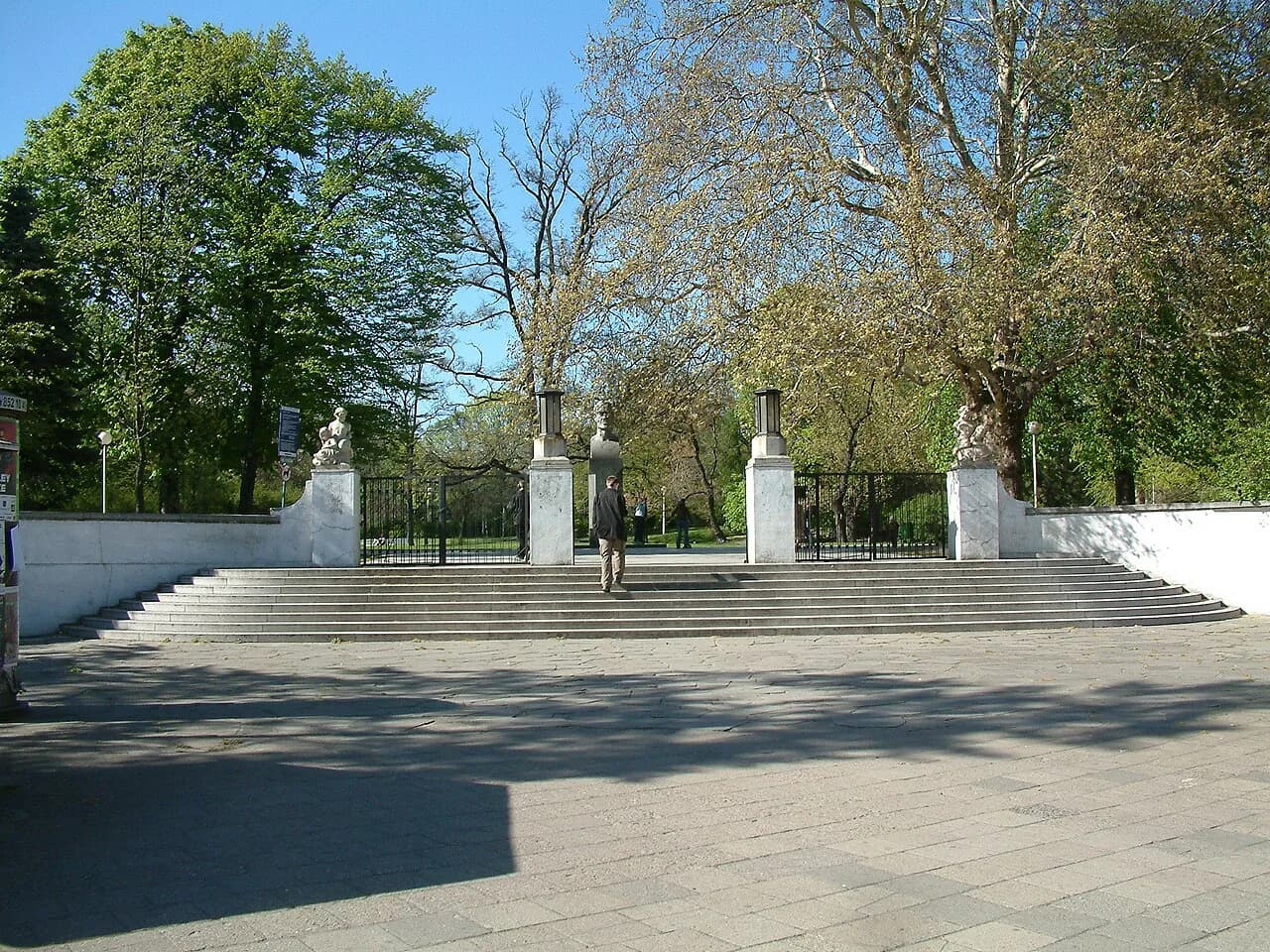
The city lists Park Tysiąclecia (Millennium Park) and Park Bambrów Poznańskich among its public green spaces. Treat either as an add-on to a route you were already walking rather than as the anchor of a green afternoon.
Which parks in Poznań appear on the city's list
The city's parks listing names Park Tysiąclecia (Millennium Park) and Park Bambrów Poznańskich among Poznań's green spaces. Beyond confirming that they are listed city parks, check current details before building a walk around either.
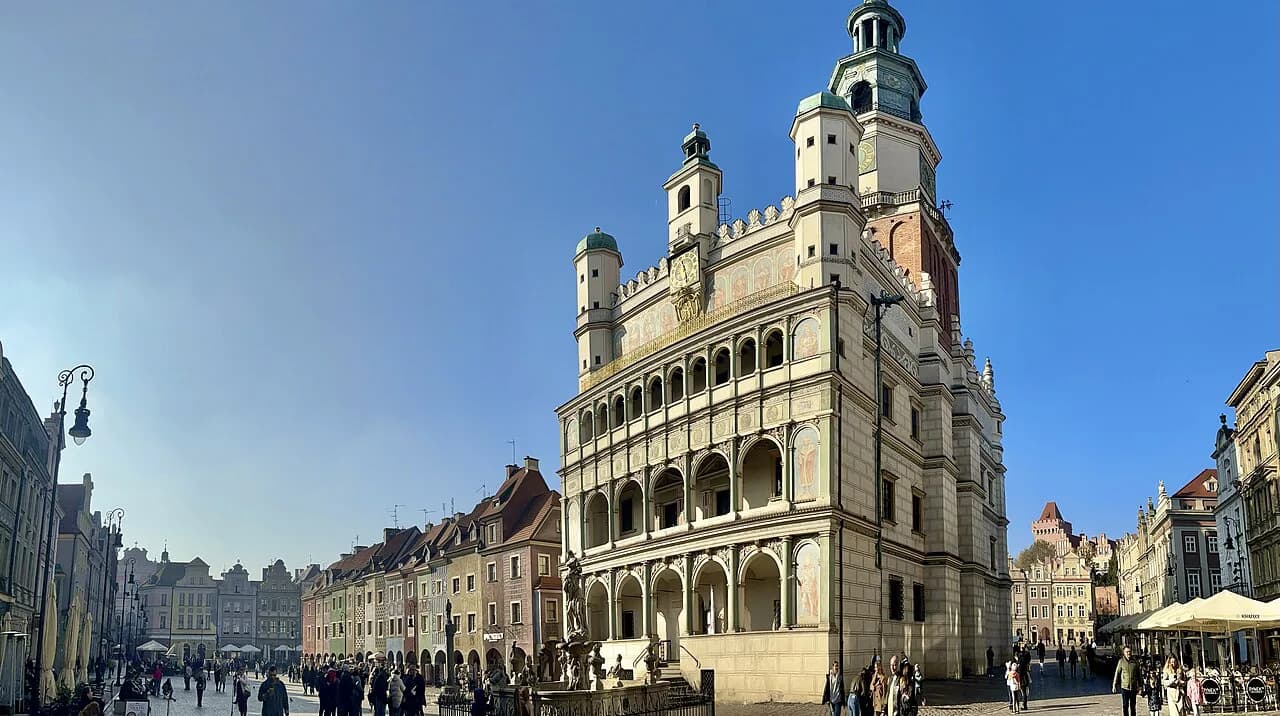
Neither park replaces the old town. If you have two days, your time is better spent on the Renaissance town hall and the streets around it, with a park slotted in when legs need a rest; the wider set of things to do in Poznań shows how much else competes for the same hours.
Treat a city park as a short leg-stretch rather than a half-day out; anything longer starts to eat into the museums and squares that give the city its character.
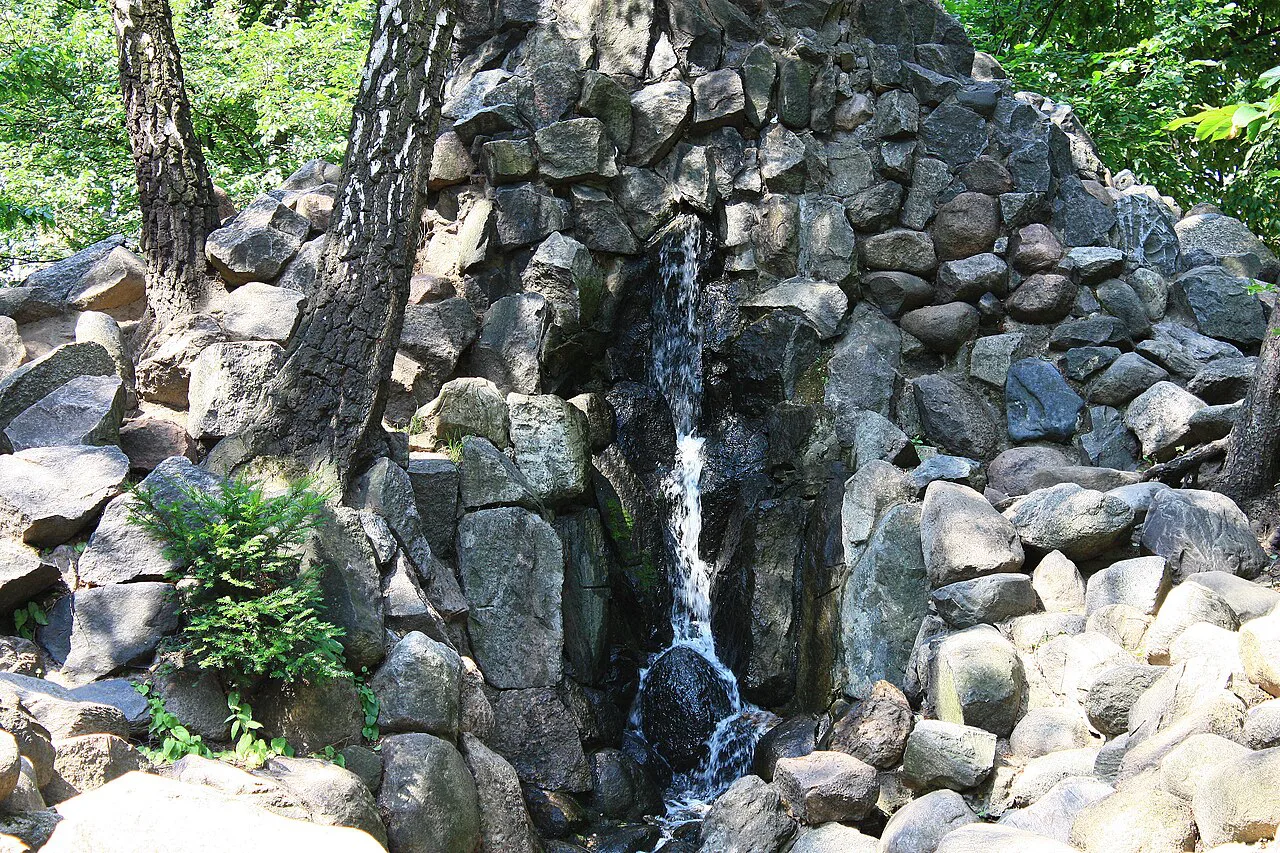
Park Tysiąclecia (Millennium Park)
Park Tysiąclecia is listed on the city's parks directory as Millennium Park. Treat it as open ground for a leg-stretch rather than a sight with a setpiece to see.
The city lists it among its parks, which lets you pin it on a map before you set out. It is a green space to sit in between other sights rather than a destination in itself.
Its value on a short break is as breathing space: somewhere to sit between a morning of churches and an afternoon of galleries. If your plan is already tight, this is the first park to drop, because it rewards lingering rather than a flying visit.
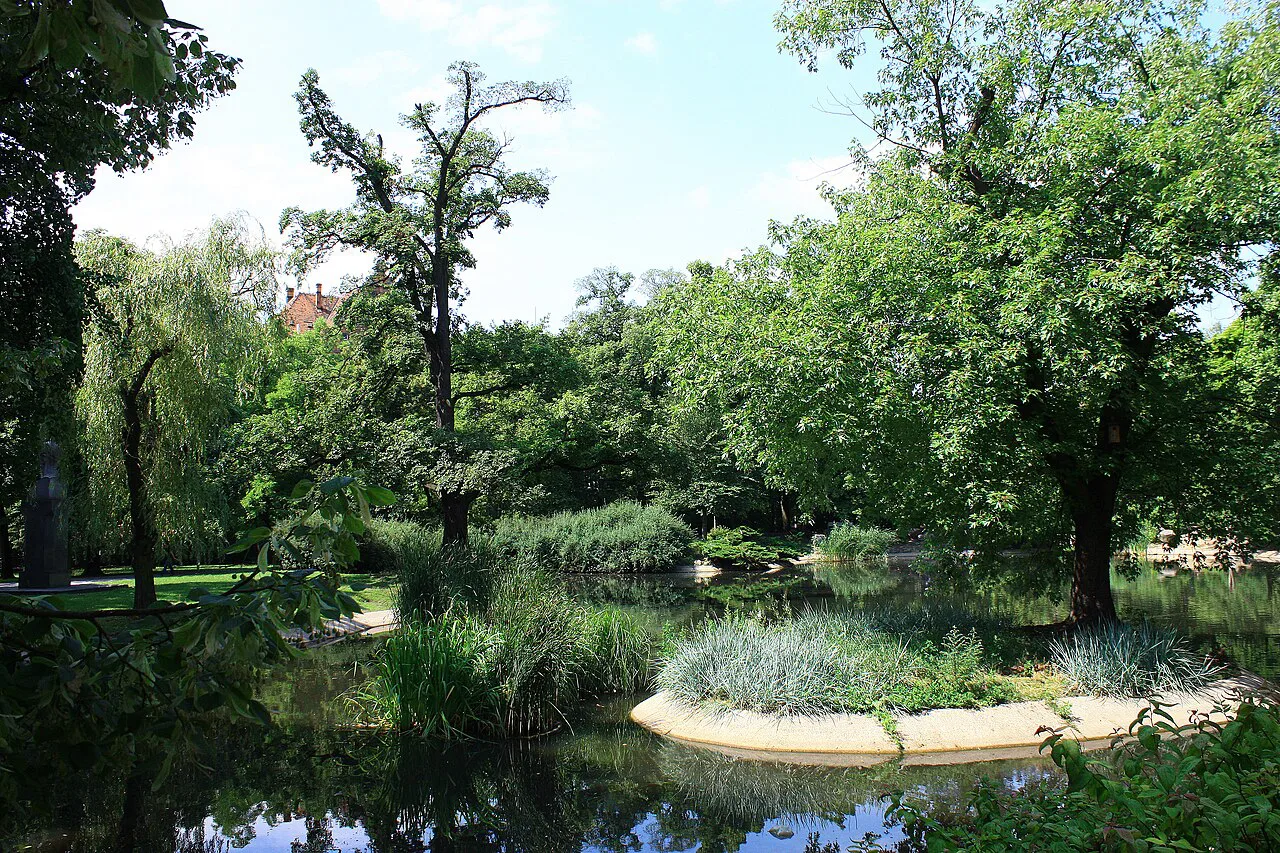
Park Bambrów Poznańskich
Park Bambrów Poznańskich is the other park the city lists. Its name refers to the Bamberg settlers associated with the Poznań area, and it makes a good fit for a slow hour away from the busiest streets.
Choose it when you want a park with a story, and skip it when your short break is already packed with named sights. It rewards a book and a bench more than a checklist.
How to fit a green pause into a Poznań day
Between the parks and the museums, the centre is easily covered on foot, and a green stop slots into a walking route without a detour across town.
Build the day around two or three named sights and put the park between them, so it breaks the walk rather than becoming a separate trip.
If you want a structured route through the centre, the walking tour covers the main squares and streets, leaving you to add a park at the end when you want to slow down.
Fitting a park stop into a walking route
The practical way to treat these green spaces is as stops on an existing route. Work out your day on a map, find the park that falls between two sights, and let it break the walk rather than become a separate trip across town.
Allow more walking than you would for a single museum, because parks have edges rather than exits and you will cross them rather than tour them. Comfortable shoes matter more here than a detailed itinerary.
A walking tour covering the centre makes a sensible anchor for the rest of the day, with a park at the end when you want to slow down rather than head straight to the next sight.
Pairing a park with nearby sights
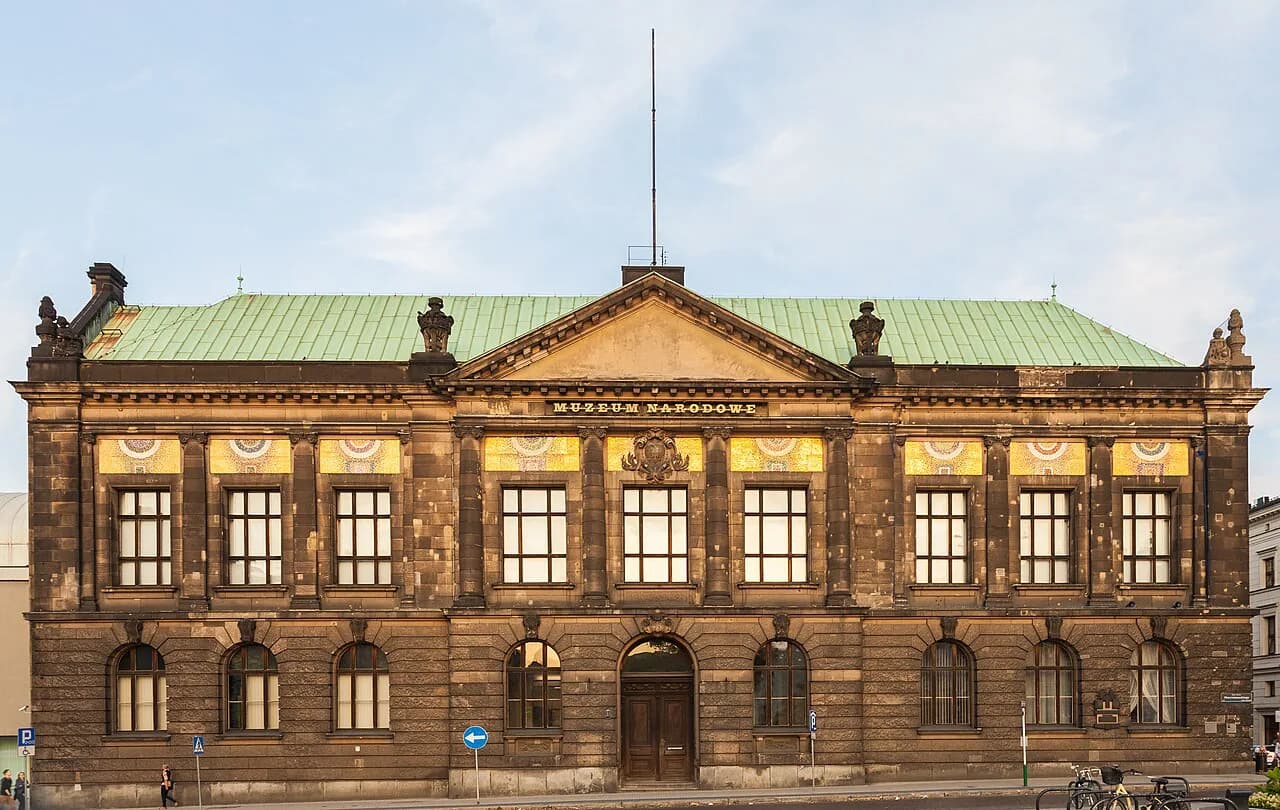
A strong pairing on a Poznań break is a green hour with the National Museum. Its collections range from medieval Polish art to Flemish, Dutch, Italian and Spanish paintings, including Poland's only collection of Spanish works, and it sits at Al. Marcinkowskiego 9 in the centre.
The Archaeological Museum is the other strong cultural anchor, and it rewards a different mood. Its permanent Rock Art of North Africa exhibition draws on the museum's own fieldwork in Algeria, Egypt and the Sudan, with multimedia installations aimed at adults and children, and a boulder where younger visitors can copy engravings.
Note that the museum's Egyptian exhibition closed in June 2024, with a new one scheduled for 2026, so do not plan an afternoon around it. The rock art and the rest of the archaeology displays remain the reason to go.
A park stop pairs naturally with a wander through the old town, giving you a rest between eating and sightseeing.
When to choose a park over a museum
Treat a park stop as the low-key part of the day: a short walk and a bench rather than a ticketed attraction.
The time to choose a park over a museum is when the weather is good and your head is full. A green hour in a city park resets you for an afternoon; a museum hour costs more attention and is better saved for a wet morning.
If you are travelling in spring, a park is an obvious reason to be outside; in October, it works as a golden-hour walk between sights.
For travellers counting the pennies, the free things to do in Poznań cover the zero-cost side of the city, and a city park fits that mood.
Practical limits: daylight, weather and timing
Timing matters more than choice here. Put a park in the middle of the day in spring and autumn, when light is generous, and at the start or end of a summer day when the heat is softer; in deep winter, daylight is short and a park is a brief stop rather than an afternoon.
Weather is the other variable. Poznań's climate is changeable, so keep a park as a fair-weather option and hold a museum in reserve for rain, which is exactly the kind of swap that keeps a short break flexible.
One more practical note: check current opening arrangements and any seasonal changes before making a park the centrepiece of a day.
Which park fits your day?
Pick Park Tysiąclecia if you want open ground, and Park Bambrów Poznańskich if the settler name appeals. On a two-day break, one park is enough; on four days, you can give each a slower hour.
Build the rest of the trip around the old town and its museums first, then slot the green pause into the gap.
Explore more Poznań guides
Frequently Asked Questions
How do you say park in Polish?
The Polish word is park, pronounced close to the English. Park Tysiąclecia means Millennium Park, and Park Bambrów Poznańskich is named for the Bamberg settlers associated with the Poznań area.
Are Poznań's parks worth visiting on a short break?
They are worth a short pause rather than a day. Use one as a stop between the old town and a museum, and pick the one that sits on the route you were already walking rather than crossing town for it.
Sources
Notes for your next Polish city break
Optional updates to our Poland guides.
You might also like
Continue reading
More guides you'll find useful