Poland Itinerary: How to Plan a 4, 7 or 10-Day City Break
Build a Poland itinerary around Warsaw, Gdańsk, Wrocław and Poznań. How many days each city needs, how trains link them and how each stop differs.
On this page
Two full days is the minimum for any single Polish city, and four days is the sweet spot for a first city break: enough for one city done properly, or two cities with a train ride between them. Warsaw, Gdańsk, Wrocław and Poznań each work as a standalone stop, and the route below is built around adding one city per three or four days rather than racing between five. The plan covers how many days each city needs, what to see in each, how trains link them, when to go and what it costs in złoty.
The logic is train-first. PKP Intercity connects the main cities, and rail beats flying on the short hops once you count the time spent getting to and from airports; a long Gdansk to Krakow leg is the one case where flying can genuinely save hours. Everything else here assumes you arrive in one city, work along a line, and fly home from the last one.
How many days you need in Poland
Two nights gives you one unhurried day and one partial day, which is thin but workable for a single city. Three nights per city is the honest rule of thumb: it covers the old town, two museums and a neighbourhood beyond the centre without rushing. Ten days covers three cities at that pace with travel days absorbed into the plan rather than added on top.
A four-day break is one city, not two. Adding a second city to four days means a half-day lost to the journey each way and two short, checklist days at either end. A week allows two cities properly, and ten days is the first length where three stops feel relaxed instead of relentless.
If you are weighing up which cities deserve the days, the best cities in Poland for a city break compares the shortlist on exactly this basis: what each place delivers in two, three or four nights. Use it to trim the route before you book trains.
Which cities to combine and which to leave for a return trip
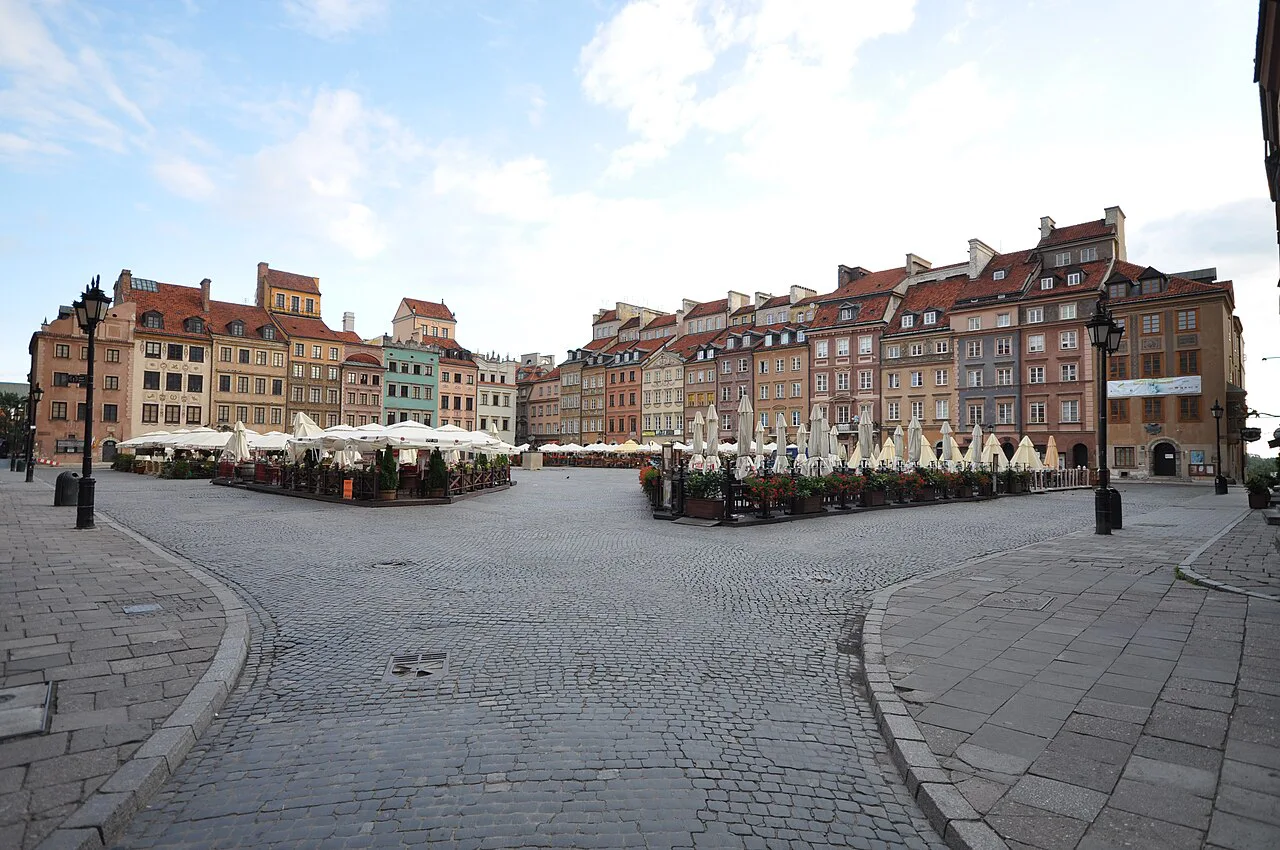
Build the core route from Warsaw, Gdańsk, Wrocław and Poznań. Warsaw is the capital and the densest museum city; Gdańsk brings the maritime Main Town and the Solidarity history; Wrocław has the Rynek and Ostrów Tumski; Poznań is compact and easy to walk. Each is a distinct city break rather than a variation on the same one.
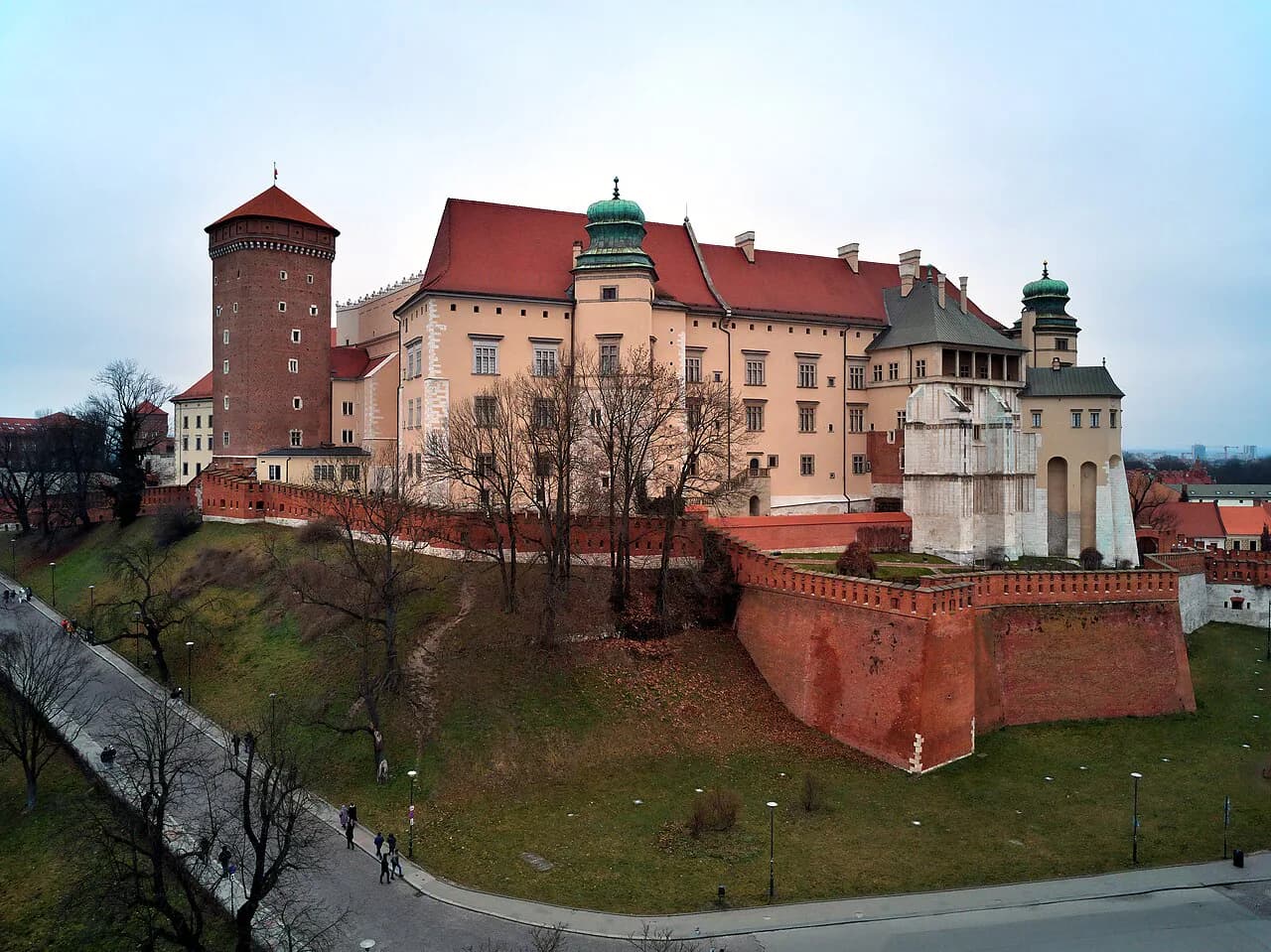
Kraków is worth visiting, but it dominates most Poland itineraries and the alternative cities reward travellers who have already been. If you have seen Kraków, or simply want a quieter first trip, the case for alternatives to Kraków makes the swap plainly: comparable old towns, fewer crowds, and a route that does not revolve around one postcard.
Łódź is the wildcard. It is a post-industrial city with Piotrkowska, the long commercial street at its spine, and a sprawl of former mill and factory districts that reward a half-day of wandering rather than a full itinerary slot. Add it as a one-night stop between Warsaw and Wrocław if you want a city that feels nothing like the others.
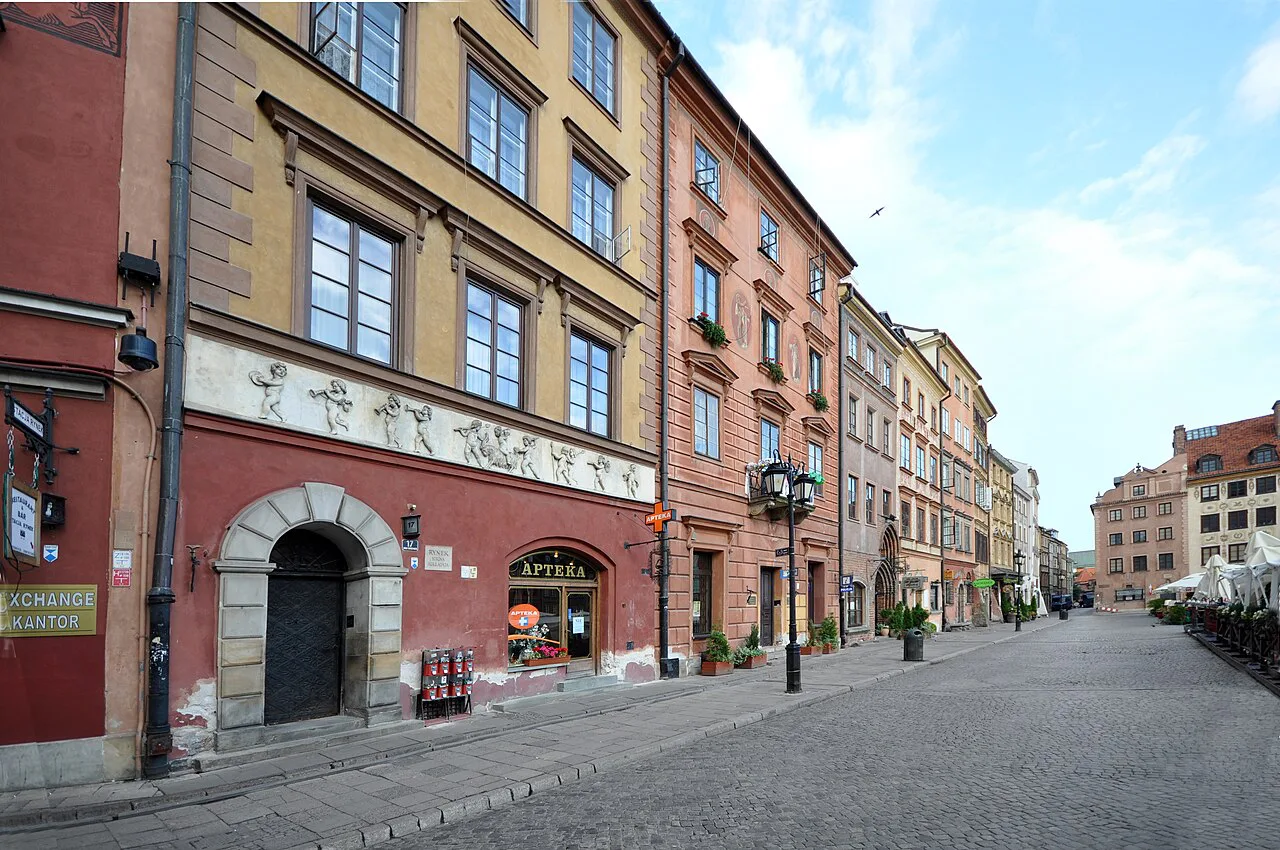
How many days each city needs: Warsaw, Gdańsk, Wrocław, Poznań and Łódź
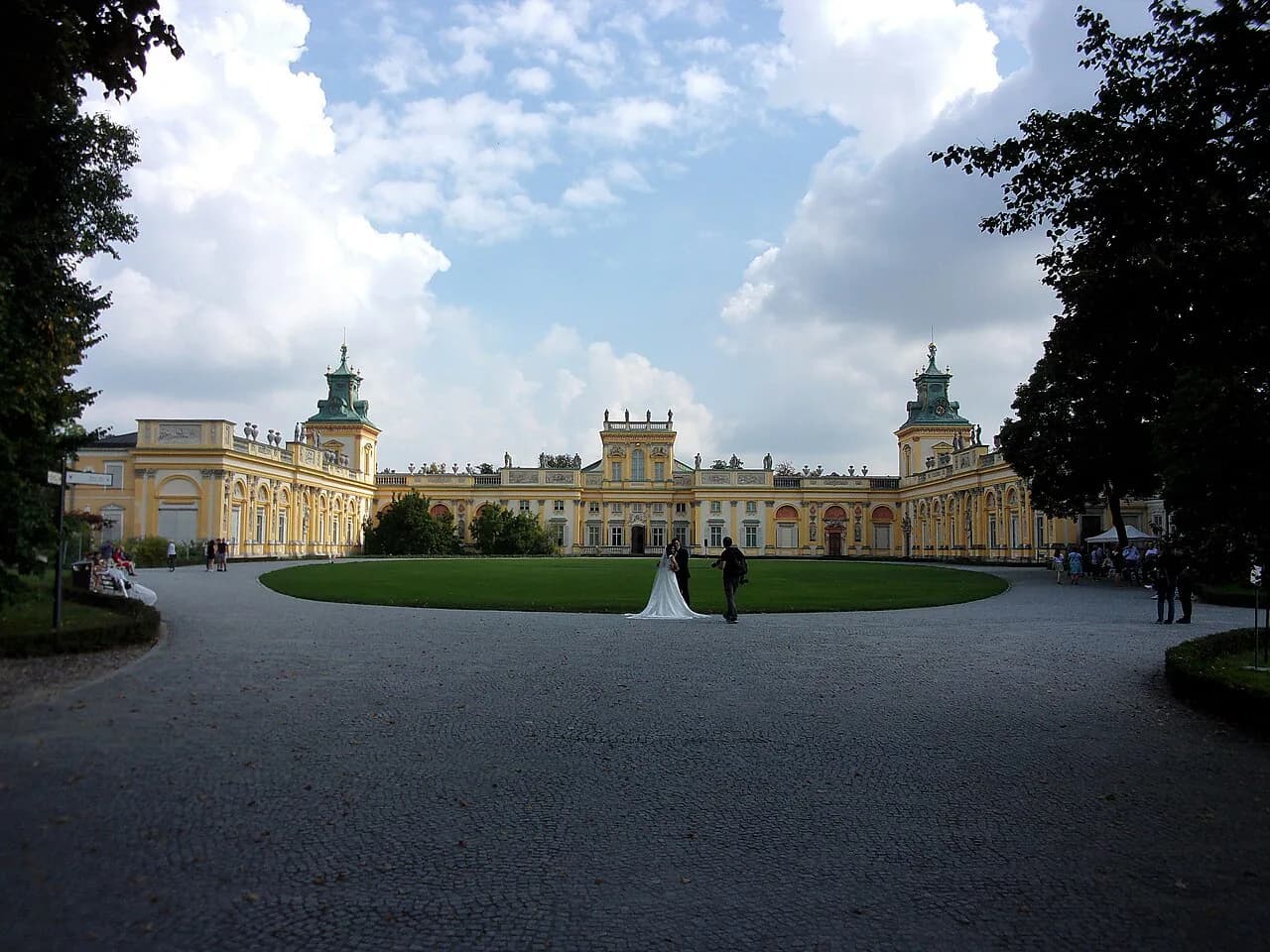
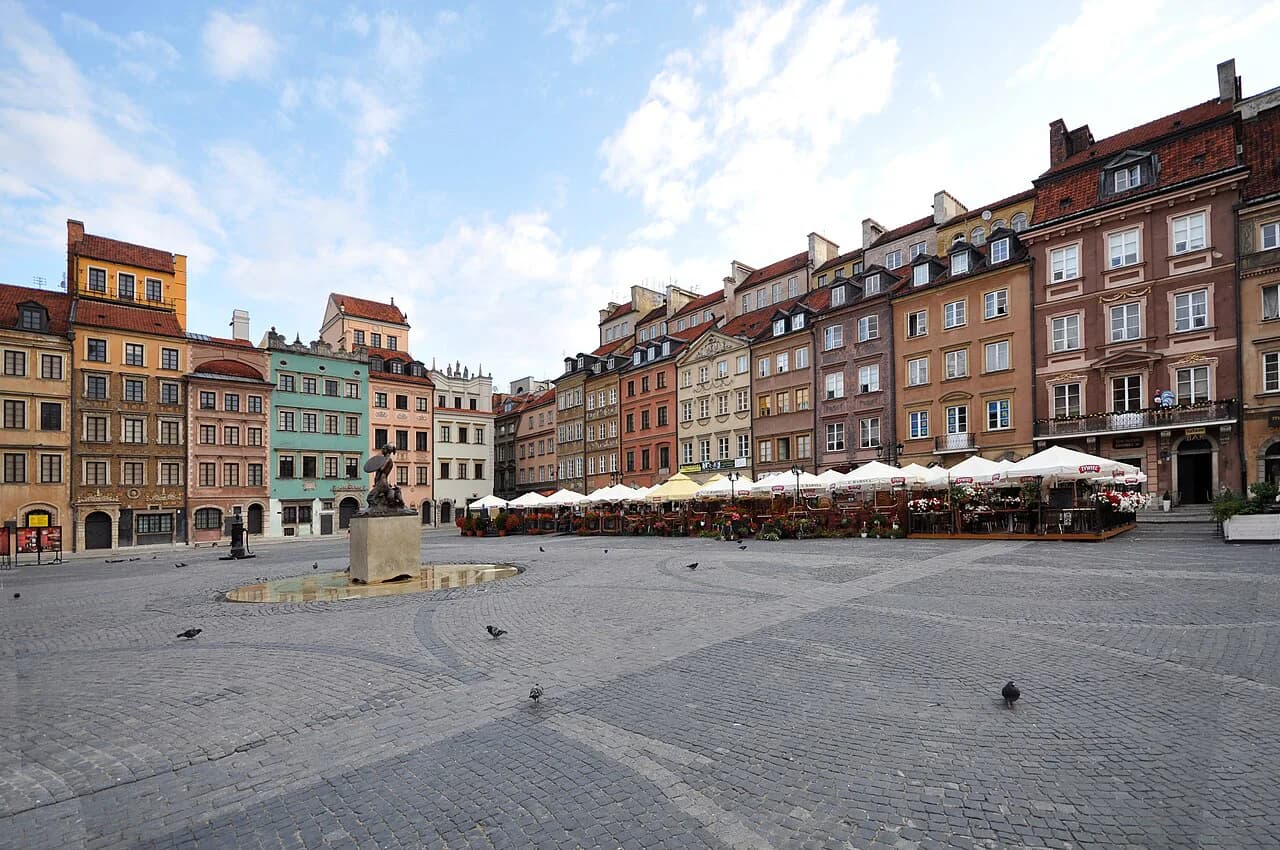
Warsaw needs three days. Give the first to the Old Town and the Royal Castle, the second to Łazienki Park and Wilanów, and the third to the Warsaw Uprising Museum and the streets around it. The Old Town was largely destroyed by German forces in the Second World War and the rebuilding took five years, which is why the reconstruction is itself part of the story.
Gdańsk also wants three days. The Główne Miasto holds Długi Targ, the riverside Żuraw crane and the rebuilt burgher houses; the second day covers the Solidarity museum and the shipyard; the third is for Oliwa or a slower loop of the waterfront. A full Gdańsk itinerary sets out the walking order so you are not doubling back.
Wrocław needs two to three days: the Rynek and the cathedral island of Ostrów Tumski fill a day, the panorama and the university quarter a second, and the third is for a neighbourhood or a lazy afternoon in the parks. Poznań needs two days, mainly the old market square and the cathedral island, and it works best as a stop between Warsaw and Wrocław rather than the anchor of a trip.
That totals roughly fourteen days for all five cities, which is why a ten-day route has to cut one. Poznań is the stop to sacrifice if you are short on time; it is a pleasant city but the thinnest itinerary of the group.
A 4-day Poland itinerary: one city, done properly
Pick Warsaw for museums and grit, or Gdańsk for the sea and the prettiest streets. Four days in one city gives you three full days and a travel day, and that is enough to see the A-list sights plus a district that tourists skip. Splitting four days across two cities means two half-days lost to train stations.
A workable four-day shape in Gdańsk looks like this: arrive and walk the Main Town on the first evening, spend the full second day between Długi Targ and the Żuraw, give the third to the Solidarity museum and the shipyard, and keep the fourth for Oliwa or the beach end of the waterfront before flying home. The Gdańsk itinerary expands each day with walking times.
Four-day planners often assume this is the shortest trip worth making. Our view is the opposite: a single city at this length beats a two-city dash, and the short break tells you which city to return to for a week.
A 7-day Poland itinerary: two cities linked by train
Seven days covers two cities with three nights each and a travel day. The classic pairing is Warsaw with Gdańsk: about three hours apart by express train, culturally opposite, and easy to book in either direction. Gdańsk with Wrocław is the alternative, longer in the saddle but equally rewarding.
A Central Poland pairing works too: Warsaw with Poznań, with a day stop in Łódź on the way. Poznań is compact enough that two nights is genuinely enough, so the train time does not eat into your sightseeing. The one-week Poland itineraries published by Bookmundi stick to Kraków, Zakopane and the Tatras and stay firmly in the south, so treat those as a separate set of routes rather than a template for central Poland.
Book the trains as soon as your dates are fixed. Seat reservations on PKP Intercity sell out on popular services, so locking the trains in first protects the rest of the plan.
A 10-day Poland itinerary: three cities with slower days
Ten days is three cities at three nights each, or three cities plus a one-night stop in Łódź. Start in Warsaw, move to Wrocław, finish in Gdańsk or Poznań, depending on which flight home is cheaper. The longer break also lets you lose one day without losing a city.
Give the slow day to something non-museum: a park or riverside afternoon rather than another ticket queue. Łazienki Park in Warsaw, at 76 hectares the largest park in the city, is the clearest example: a full afternoon of palaces, pavilions and lake rather than a rushed hour.
A ten-day route around Poland is genuinely comfortable at this pace: Warsaw, then Wrocław or Poznań, then Gdańsk. It lets you spend a morning in a café and an afternoon in a museum rather than cramming both before lunch.
How trains and buses link the main cities
Trains are the way to link Warsaw, Gdańsk, Wrocław and Poznań. PKP Intercity runs the main routes, and Polish rail is affordable and reliable enough that flying rarely wins on short hops. Expect around three hours Warsaw to Gdańsk and comparable times on the other legs.
Buses are the budget alternative, and some routes are easier on a bus if you are travelling to a smaller town. FlixBus covers plenty of Polish routes and lets you book a seat in advance on an app, which is worth doing in summer when the better departures fill.
Flying is worth considering only on the long Gdansk to Krakow leg, where the train takes around nine hours and the flight can save a day. For anything under four hours by rail, the train is quicker door to door once you count security and transfers.
Where to start and finish: matching the route to your flight
Start at the airport with the cheapest flight in and finish at the one that gets you home without a dawn departure. Warsaw and Gdańsk have the most connections, so using them at opposite ends of the route keeps your options open.
If you fly into Warsaw and out of Gdańsk, the train does the distance for you rather than a return drive. Wrocław and Poznań have smaller airports and fewer direct routes from the UK, which is why they usually sit in the middle of a route rather than at either end.
Choosing between Warsaw and Kraków
Warsaw wins if you want museums, a spread-out capital and the story of the rebuilt city. It is less immediately pretty than Kraków but more revealing of how Poland works today, and three days there gives you the Old Town, the Royal Castle, Łazienki Park and the Uprising Museum without rushing.
Kraków remains the more conventional first visit and the better choice for a short break built around one old town. The trade-off is crowds: the Main Square and the Jewish Quarter fill quickly in summer. If you have been before, or want a different first impression, the alternatives to Kraków are a stronger basis for a new city break.
A first trip can also combine the two cities if you fly into one and out of the other. Give Warsaw three nights and Kraków two, and the train cuts the long airport journey out of the middle of the trip.
When to go: month-by-month trade-offs for a city break
Late spring and early autumn are the most comfortable: mild enough to walk all day, long evenings, and the museum season in full swing. July and August are warm but busy, and the main squares fill with tour groups through the middle of the day.
Winter turns the cities quiet and cold, with short daylight hours and slightly reduced opening, in exchange for cheaper rates and emptier old towns. Snow cannot be planned around, so a winter city break needs a museum-heavy backup plan rather than long walking days.
What a city break in Poland costs in złoty
Prices are in złoty, so budget in PLN rather than converting every coffee. Entry to state museums and galleries is typically modest, cathedral towers and city viewpoints cost a few złoty, and a day of public transport and food is the bigger line item.
For a fuller breakdown of what a city break in Poland really costs in złoty, the cost guide compares accommodation, museum entry and eating out across the main cities.
Museum entry is the one cost worth checking by venue rather than assuming. Some Polish museums have a weekly free-entry day, so look at the official site for the day you plan to visit.
Museum opening patterns and the weekly closing day
Many Polish museums close one day a week, and Monday is common for venues that close at all. Others shut on a different day, and some open every day in peak season. The reliable approach is to check each museum's official website for the day and week you are travelling, then plan the city around the closures rather than the other way round.
Free-entry days vary by venue, which is another reason to check rather than guess. If you have two museum-heavy cities in one trip, check the closing day of each venue before you fix the order of the stops.
Sunday trading rules and what it means for shopping
Poland restricts Sunday trading, and many shops and larger stores are closed. Tourist shops, restaurants and some smaller venues often stay open, so a Sunday city break means an afternoon in a museum or park rather than a shopping day.
For gifts, plan the shopping for Saturday, when the shops are fully open. Market halls, delis and shopping centres have the widest choice, and that is when you can browse Polish souvenirs such as Baltic amber and local food.
Where to go next: the city guides for each stop
Once you have picked cities and dates, the route sorts itself into a set of city guides: where to go and what to see in Warsaw, how Gdańsk's Main Town and waterfront fit together, what Wrocław's Rynek and Ostrów Tumski demand, and what Poznań packs into two days.
For the practical layer of the trip, the Poland travel tips cover the things a city break always needs: paying in złoty, using public transport and understanding how far ahead to book.
Which route fits your flight and your week
Pick the trip that fits the flights first and the sightseeing second. A four-day break is one city, a week is two, and ten days is three cities with a slow afternoon built into each. Warsaw with Gdańsk is the strongest pairing for a first Poland itinerary: three hours apart by train, opposite in character, and easy to fly into and out of.
If you are still choosing, read the best cities in Poland for a city break next to the alternative cities guide, then book your trains before the hotels. The order matters: the rail timetable decides how much time you actually get in each city.
Explore more Poland guides
Frequently Asked Questions
Is 4 days enough for a Poland city break?
Yes, for a single city. Four days gives you three full days of sightseeing and a travel day, which is enough for Warsaw, Gdańsk or Wrocław without rushing. Splitting four days across two cities leaves you with two short checklist days and time lost to stations.
How many cities can you visit in a week in Poland?
Two, comfortably. Seven days covers three nights in each city plus a travel day between them, with Warsaw and Gdańsk the strongest pairing. Three cities in a week only works if you accept half-days and a lot of train time.
Do I need to book Polish trains in advance?
Book the trains as soon as your dates are fixed. Seat reservations on PKP Intercity run out on the popular services, and locking the trains in before the hotels protects the rest of your plan, since the schedule decides how much time you get in each city.
Sources
Notes for your next Polish city break
Optional updates to our Poland guides.
You might also like

Continue reading
More guides you'll find useful