Warsaw in Summer: What to Do, See and Expect
Plan a Warsaw summer break with open-air Chopin concerts, the Multimedia Fountain Park, Vistula boulevards, Łazienki park and a day out at Wilanów.
On this page
Summer is Warsaw's most sociable season, and three days is enough to see the Old Town, the Royal Route, Łazienki and the river without rushing. Daylight stretches late, seasonal venues spill onto the Vistula boulevards, and much of the best entertainment — Chopin at his monument, the multimedia fountain shows — costs nothing. This guide covers what to see from June to August, how the city is laid out, which evenings to reserve, and how a two-day and three-day plan differ. If you are weighing the season against spring or autumn, see the best time to visit Warsaw.
What summer in Warsaw is actually like
The city's summer character is about where life happens rather than how hot it gets. Parks, riverside paths, café terraces and squares fill up, and organised events shift outdoors — open-air concerts, park food events and free ferries across the Vistula are all part of the warm-weather routine. That outdoorsy rhythm suits a two- to four-day break because you can pair a museum morning with a park or river afternoon and never feel you have wasted the light. Rainy or overcast days do occur, so keep one indoor anchor, such as the Museum of Modern Art or the Royal Castle, in reserve for the day the sky turns.
June, July and August are the months when Warsaw's outdoor programme is densest, which is also when the Old Town and Łazienki are busiest at midday. For a wider calendar of what runs through the year, including the colder months, see Warsaw events.
Start with the Old Town: Market Square, Barbican and Royal Castle
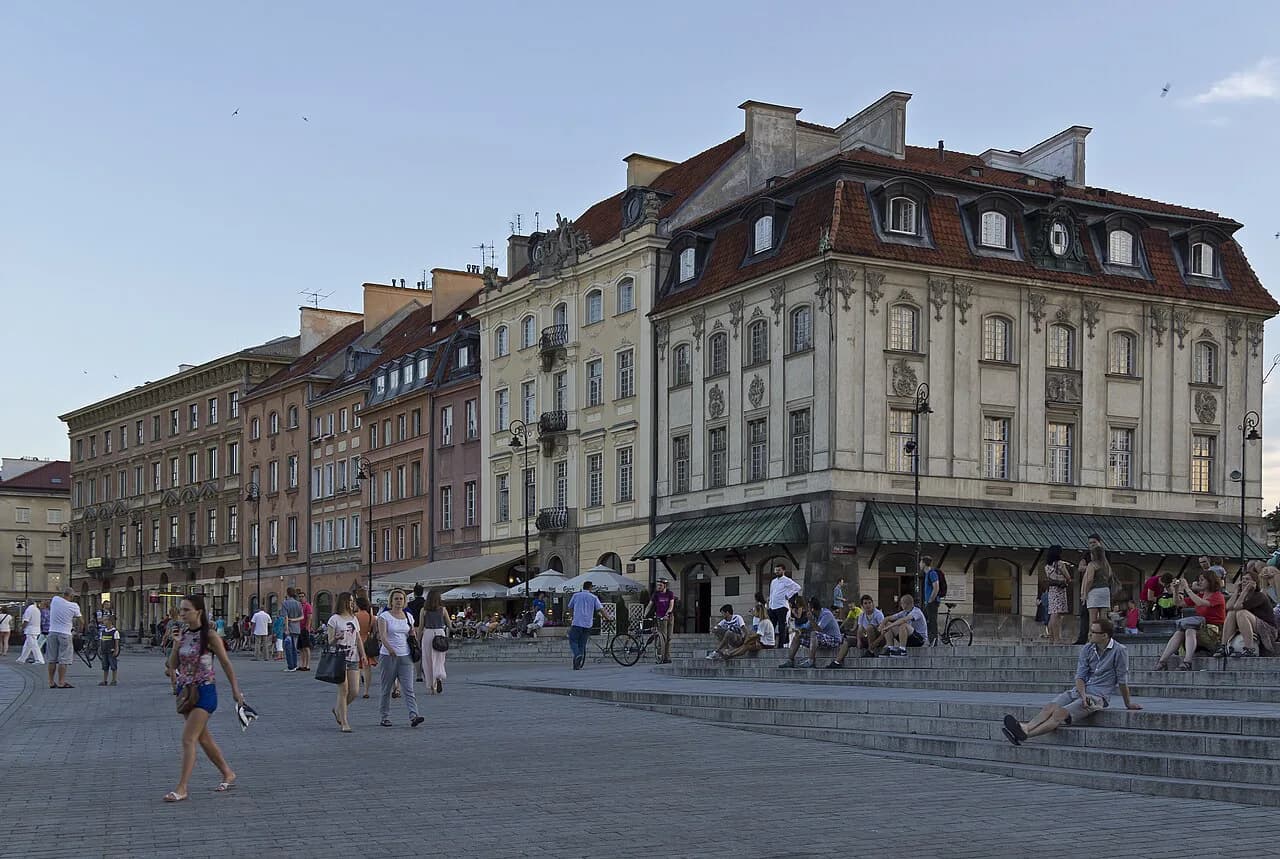
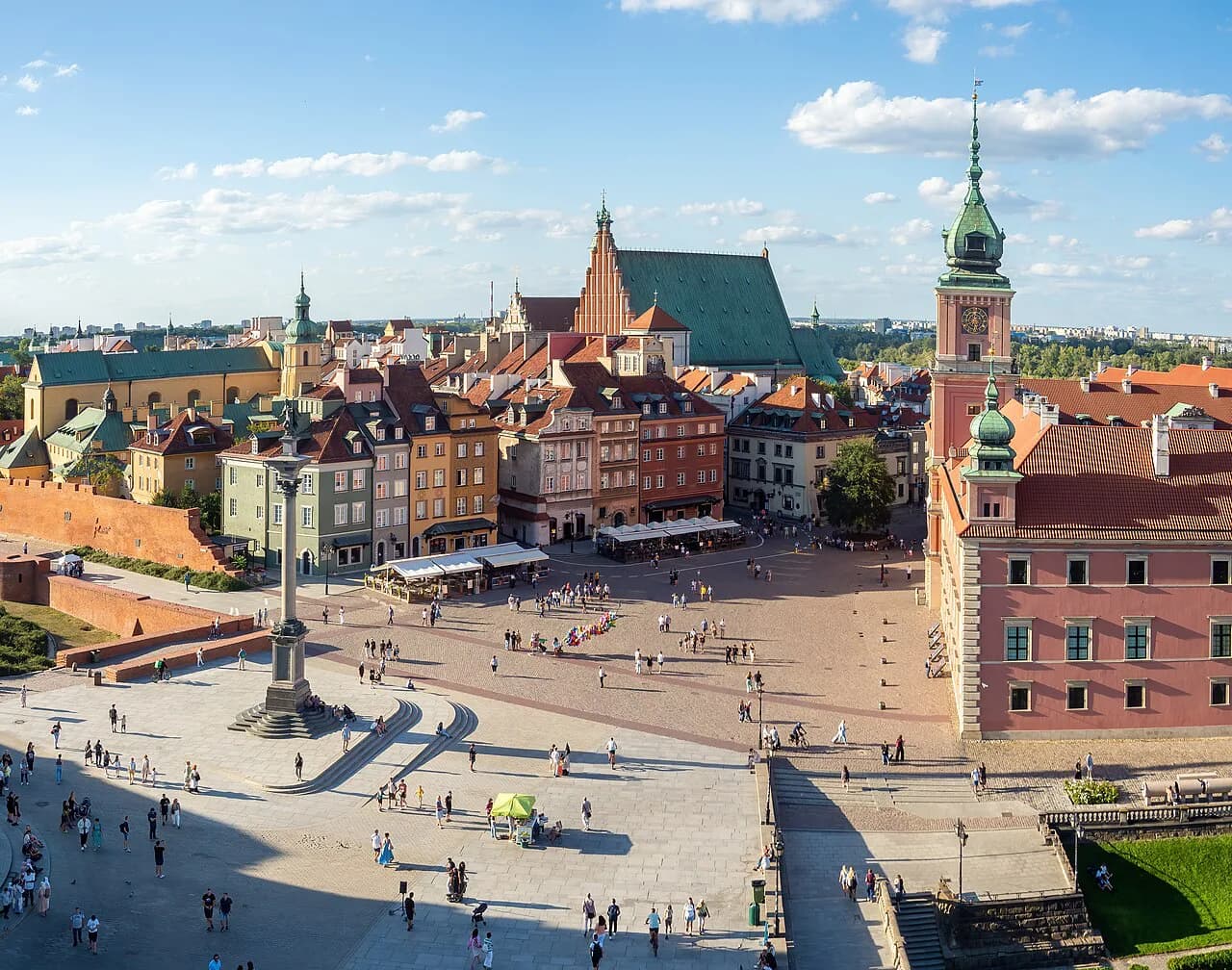
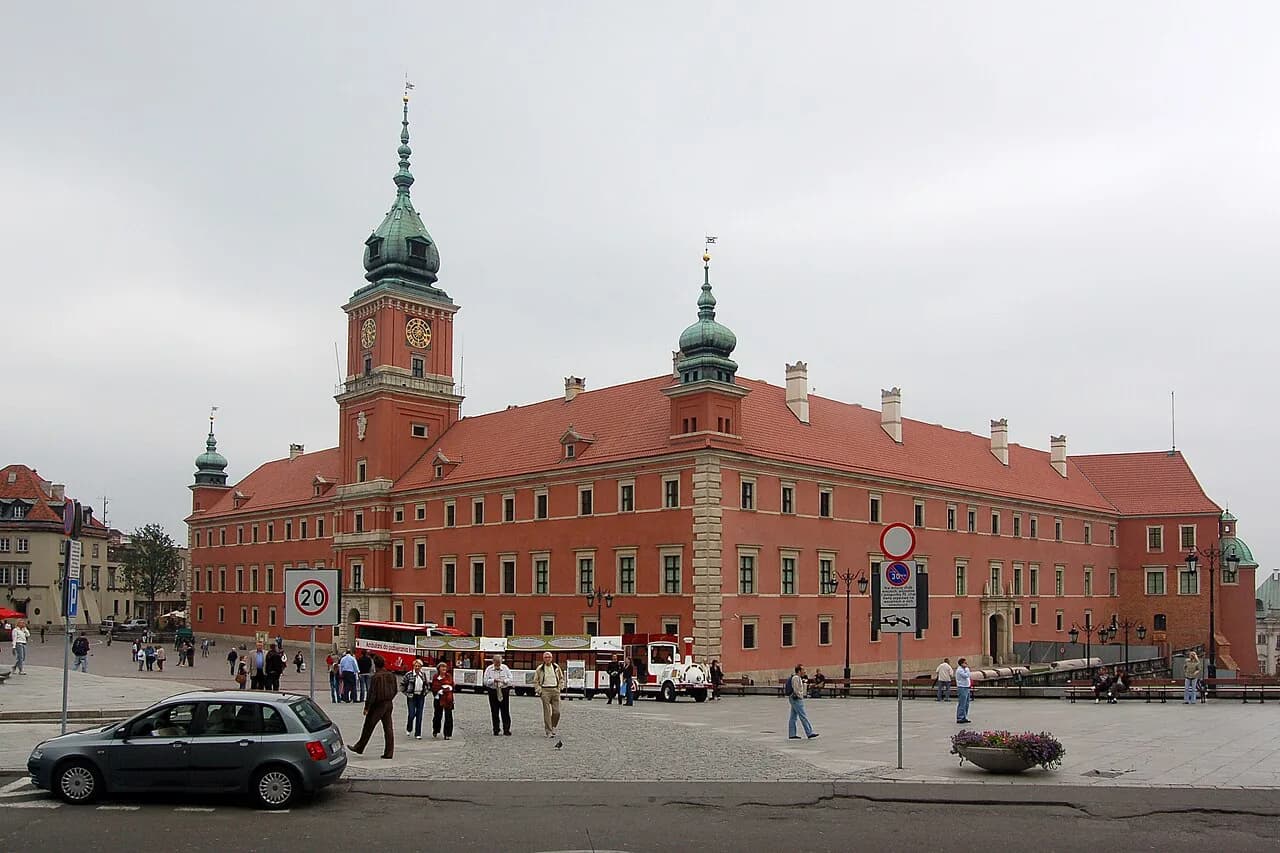
Begin at Castle Square, where the column of King Sigismund marks the entrance to the Old Town, then walk through the Market Square with its colourful townhouses, past the city walls and the Barbican. The Royal Castle anchors the square and is the obvious first museum stop if the weather turns. What makes these streets remarkable is their history: much of the Old Town was destroyed during the Second World War and rebuilt using historical plans, photographs and surviving documents, and the reconstruction was careful enough to earn UNESCO World Heritage status, as the Polish tourist board notes. Practically, that means you are walking through a mid-twentieth-century recreation of an older city — which is precisely the story to keep in mind as you look at the facades.
Time your Old Town visit for early morning or late afternoon. The Market Square is at its most crowded in the middle of a summer day, and the cobbles radiate heat; an hour earlier or later buys you shade, space for photographs and a table at lunch.
Walk the Royal Route south
From the Old Town, the Royal Route runs south along Krakowskie Przedmieście and then Nowy Świat, past churches, palaces and monuments, towards Łazienki and, further out, Wilanów. It is the natural spine of a Warsaw break: walk it in stages, breaking for coffee or a museum, rather than treating it as a single march. If you are visiting earlier in the year, our Warsaw in April guide covers the same streets in cooler, quieter conditions.
Allow a half-day for the stretch between Castle Square and Łazienki if you plan to look inside anything. Nowy Świat is the busier, more commercial end; the atmosphere thins out pleasantly as you approach the parks.
Łazienki Królewskie: the Palace on the Isle and free Chopin concerts
Łazienki Królewskie is Warsaw's great summer park: gardens, ponds, sculptures and, at its centre, the Palace on the Isle, the former summer residence of King Stanisław August. Give it a morning rather than an hour, and sit by the water instead of trying to cover every path. The real trade-off is timing: come early for shade and quiet, or come on a Sunday afternoon for the music and accept the crowds.
From spring to early autumn, free open-air piano concerts are held beside the Chopin Monument on Sundays, at 12pm and 4pm, a tradition that began in 1959. Bring something to sit on, claim a spot on the lawn and expect the surrounding trees and rose beds to do as much work as the pianist. If a Sunday in the park appeals, Łazienki belongs near the top of your list even on a short break.
Chopin across the city
Chopin spent the first half of his 39-year life in Warsaw, studying, composing and performing here before leaving Poland in 1830, and the city still trades on the connection. Musical Chopin benches stand at locations linked to his life; press the button and you get an excerpt of his music before walking on. They are a low-effort way to thread the composer through a day of sightseeing, particularly along the Royal Route.
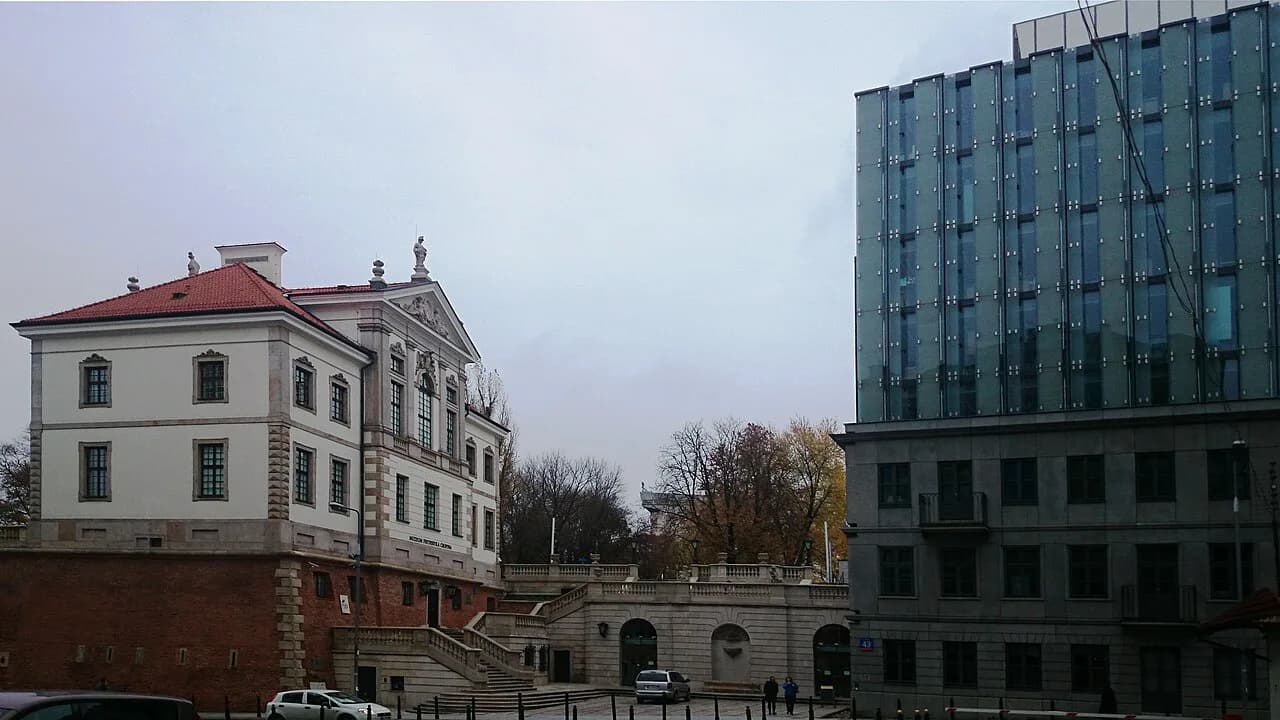
The Fryderyk Chopin Museum is the obvious next stop for music lovers, but it is closed for renovation during 2026, so confirm its status before building a morning around it. If it is shut when you travel, the monument concerts, the benches and the August Chopin i jego Europa festival still deliver the composer's music.
The Vistula: two banks, one river
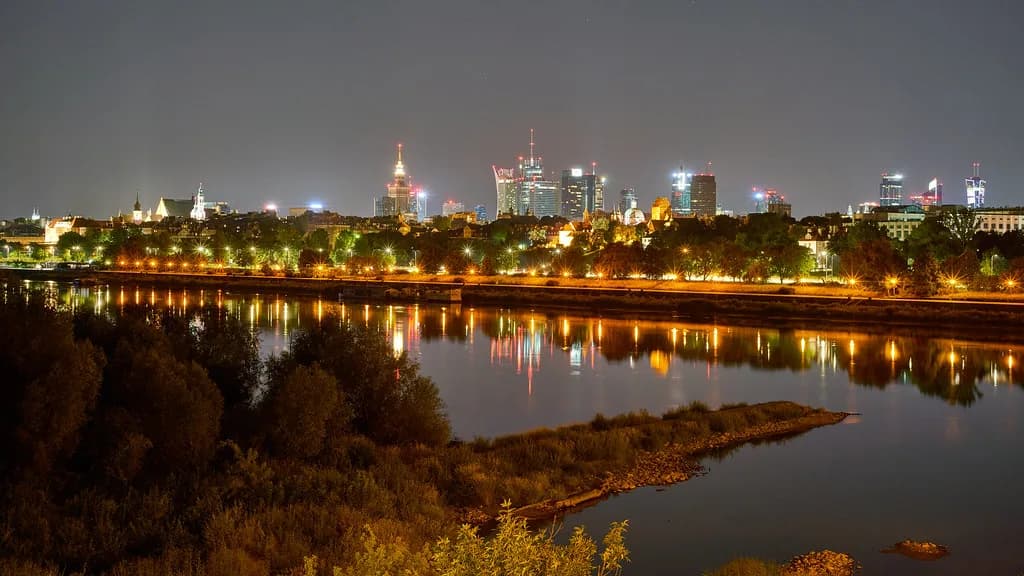
The Vistula is where summer in Warsaw really happens. On the western bank, the boulevards are set up for walking and cycling, with seasonal cafés and venues making the river a natural evening meeting point, while free city ferries run across the water in summer. The two banks could not feel more different: the city side is built up and busy, while the eastern bank keeps natural vegetation, sandy stretches and riverside paths — a surprisingly wild corridor within the capital.
Cross on the Magdalena Abakanowicz Footbridge, a 452-metre pedestrian and cycling bridge connecting central Warsaw with Praga; the crossing takes around six minutes on foot, though there is no reason to hurry when the skyline is the point. Go late in the day for the light, and walk or cycle a stretch of the far bank before coming back.
The Multimedia Fountain Park: evening shows near the Old Town
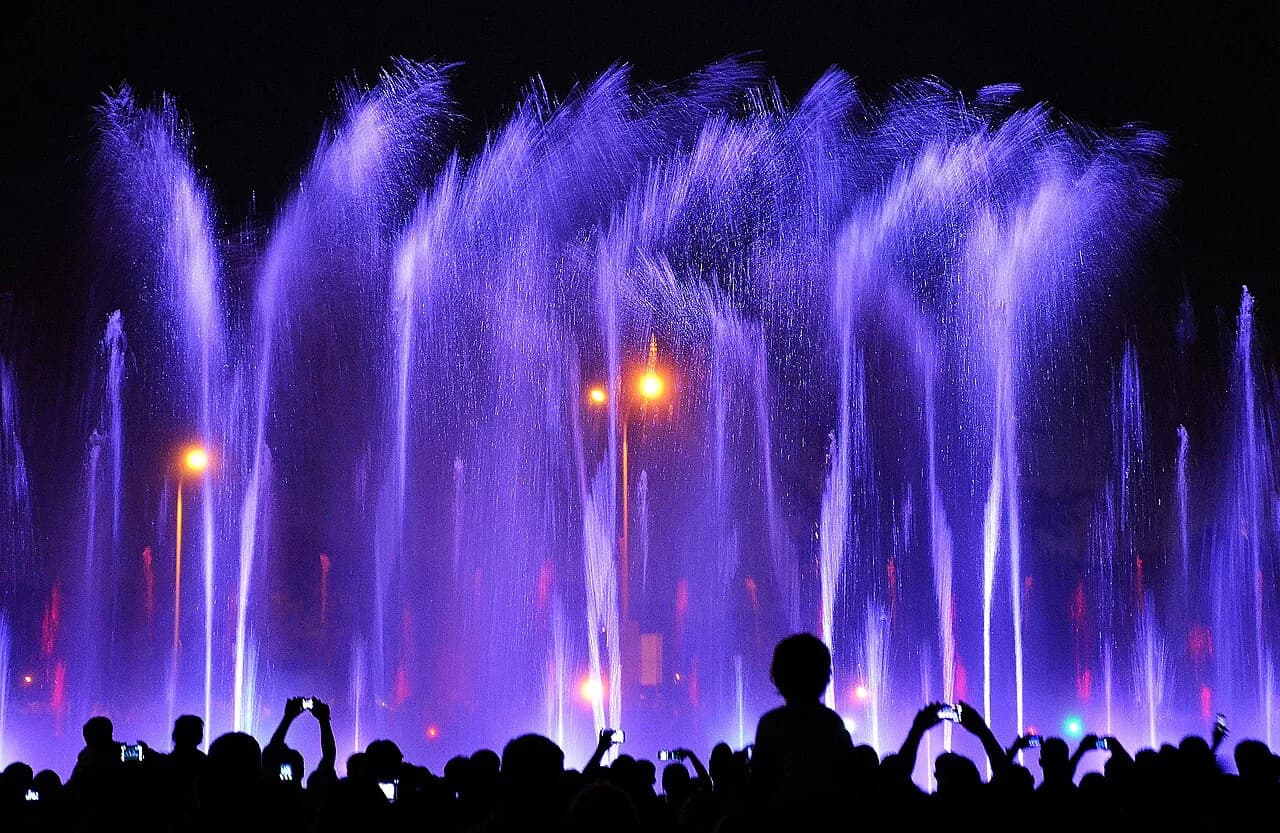
At the foot of the Old Town, the Multimedia Fountain Park runs from May until the end of September and puts on a light, sound and water show with an animated story drawn from Warsaw's history and legends, lasers and illuminated jets several metres high. The grassy slope is the best vantage point, so arrive early with a blanket and treat it as a picnic rather than a fly-by. Shows run at 9.30pm on Fridays and Saturdays in May, June and July, at 9pm in August and at 8.30pm in September, and entry is free.
Pair it with a late afternoon in the Old Town so you are not crossing the city twice. The show is an evening commitment, so schedule it on a day when you have already seen the sights nearby.
Wilanów Palace and the Poster Museum
At the southern end of the Royal Route, Wilanów Palace was built for King Jan III Sobieski and combines Baroque interiors with formal gardens and parkland. Summer is the moment to do both: the gardens are the highlight, and the interiors give you a cool hour in the middle of the day. It sits well outside the centre, so treat it as a half-day excursion rather than a stop-off.
Across the street, the Poster Museum holds a collection of more than 63,000 posters, including one of the world's largest collections of Polish posters, and introduces the Polish School of Posters with its witty take on film, theatre and culture. If you are choosing between Wilanów and a second day in the centre, the palace plus poster museum makes the strongest case for keeping the trip south.
New Warsaw: the Museum of Modern Art and Highline Warsaw
Warsaw's contemporary face is concentrated around Plac Defilad, beside the Palace of Culture and Science, where the Museum of Modern Art in Warsaw opened in 2024 in a building designed by the American architect Thomas Phifer. It has quickly become one of the recognisable additions to the city centre and is a sensible indoor anchor on a hot or wet afternoon.
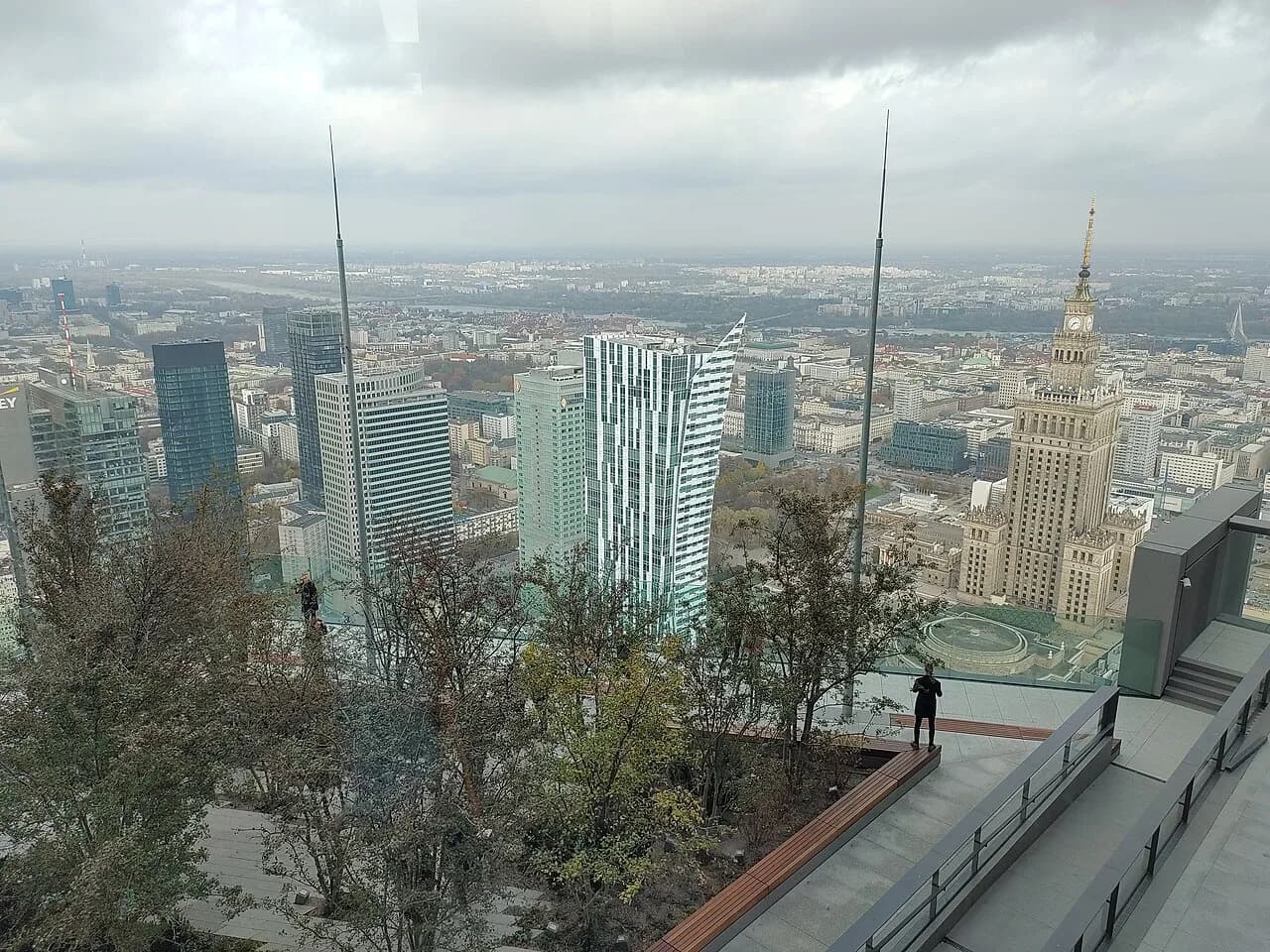
For the view, head to Varso Tower on Chmielna Street, where the Highline Warsaw observation deck sits around 230 metres above the ground and is described as the highest observation deck in the European Union. Go late in the day, when the Palace of Culture, the skyscrapers, the bridges and the Vistula's green banks all sit in the same panorama.
Summer festivals and outdoor events
Warsaw's summer calendar is heavy on open-air music. Jazz na Starówce fills the Old Town Market Square with live jazz on Saturdays, Wianki nad Wisłą marks midsummer near the Multimedia Fountain Park with a reference to the old Slavic solstice festival and a big outdoor concert, and Strefa Ciszy in Łazienki offers classical, jazz and traditional music in calmer surroundings. Fans of the composer should note Chopin i jego Europa in the second half of August, two weeks of concerts by international artists, many on period instruments from Chopin's own time.
Families and film lovers get open-air screenings and street theatre through Filmowa Stolica Lata and Sztuka Ulicy, while Ogrody Muzyczne at the Royal Castle brings opera and ballet in July. Dates shift from year to year, so check listings close to your trip before planning an evening around one event.
Green breathing space: Pole Mokotowskie and Saski Garden
When the sightseeing pace needs breaking, Pole Mokotowskie is Warsaw's backyard: a big, laid-back park with a pond, walking paths and plenty of shade, where you can pick up pierogi or Żurek to take away and lie on the grass.
Saski Garden, closer to the centre, is a shorter pause on a walk between the sights. Neither park needs more than an hour, but both give you a reason to slow down in the middle of a summer day.
How many days you need
Two full days cover the Old Town, the Royal Route, Łazienki and the river comfortably, with one evening reserved for the fountain show. Three days lets you add Wilanów and the Poster Museum, or the Museum of Modern Art and the Highline deck, without cutting anything short. Four days is generous but rewarding if you want a slower park-and-café rhythm alongside the sights.
The honest trade-off is Wilanów. It sits at the far end of the Royal Route and eats half a day, so on a two-day break it is the piece to cut; on three days it earns its place. Either way, plan so the middle of the day is spent in shade or indoors and the long evenings are free for the river.
Should you book Warsaw for summer?
Yes, if you want a city break built around parks, riverside evenings and open-air music rather than a museum queue. Summer gives Warsaw its best atmosphere, and the Chopin concerts, fountain shows and river crossings are the kind of details that make a short break feel fuller than its length suggests. If heat and crowds are your concern, spring is the quieter alternative, while October brings cooler air and fewer people.
Build your plan around the fixed evening and Sunday fixtures first — the fountain show and the Chopin recital — then fit the sights around them, keeping Łazienki for the morning and the Old Town for early or late. That single sequencing decision does more for a short summer break than any list of attractions.
Explore more Warsaw guides
Frequently Asked Questions
Is Warsaw warm in summer?
Summer in Warsaw means long daylight and outdoor life, with parks, riverside paths and squares in full use from June to August. Bring light layers, a refillable bottle and something to sit on for lawn concerts, and plan the middle of hot days indoors or in shade.
Is 2 days enough for Warsaw?
Two full days cover the Old Town, the Royal Route, Łazienki and the Vistula, plus an evening at the Multimedia Fountain Park. Skip Wilanów on a two-day break and keep the Palace of Culture area for a short stop rather than a half-day.
Is 3 days enough for Warsaw?
Three days is the better fit if you want Wilanów Palace and the Poster Museum, or the Museum of Modern Art and the Highline Warsaw observation deck, without rushing the rest. It also leaves room for a Sunday Chopin concert in Łazienki and a slow afternoon on the river.
Sources
Notes for your next Polish city break
Optional updates to our Poland guides.
You might also like
Continue reading
More guides you'll find useful