3 Days in Warsaw: A Day-by-Day Itinerary
Plan three days in Warsaw with a day-by-day route through the rebuilt Old Town, the Royal Route, Łazienki Park and the Warsaw Uprising Museum.
On this page
Three days gives you Warsaw properly: one day for the reconstructed Old Town, one for the Royal Route and Łazienki Royal Park, and a third for the Warsaw Uprising Museum with something lighter afterwards. Two days covers the headline sights, but the museum needs a clear half-day rather than a squeezed morning, which is where the third day earns its place. This plan works district by district so you are not tramping back across the centre between stops; if you only have a single day, One Day in Warsaw strips it back to the essentials.
The city runs on a simple spine. The Old Town sits at the northern end, the Royal Route runs south from Castle Square through Krakowskie Przedmieście towards the palaces and parks, and the modern centre with the Palace of Culture and Science lies west of that line. Once you understand that, choosing where to start each morning becomes straightforward, and a Warsaw City Break stops feeling like a logistics exercise.
How many days you need in Warsaw, and what three days adds over two
Two days suits the Old Town, the Royal Route and one museum; three days lets you spread those out and add a park and a viewpoint without rushing. The extra day also absorbs the walking, because the historic sights cluster tightly but Łazienki Royal Park and the Uprising Museum pull you away from the centre. If you are weighing up the trade-off, this comparison of how many days in Warsaw you need sets one, two and three days side by side.
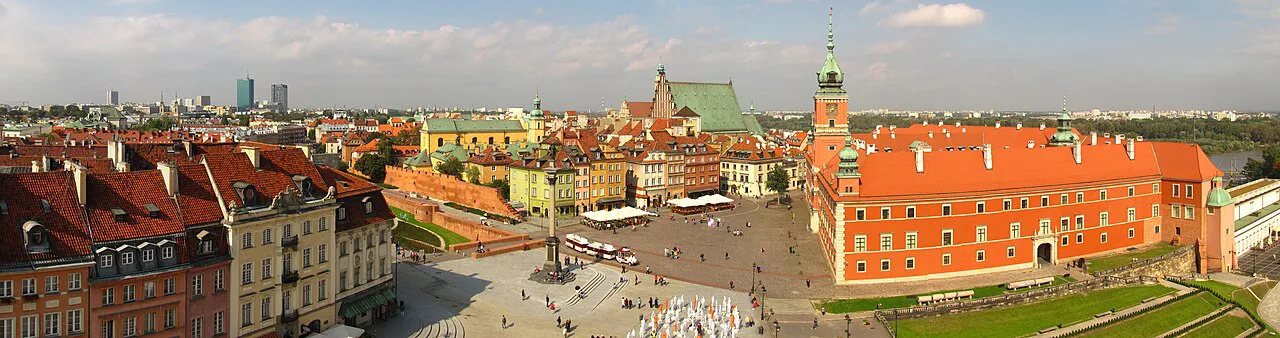
How Warsaw is laid out: Old Town, Royal Route, Śródmieście and the Vistula
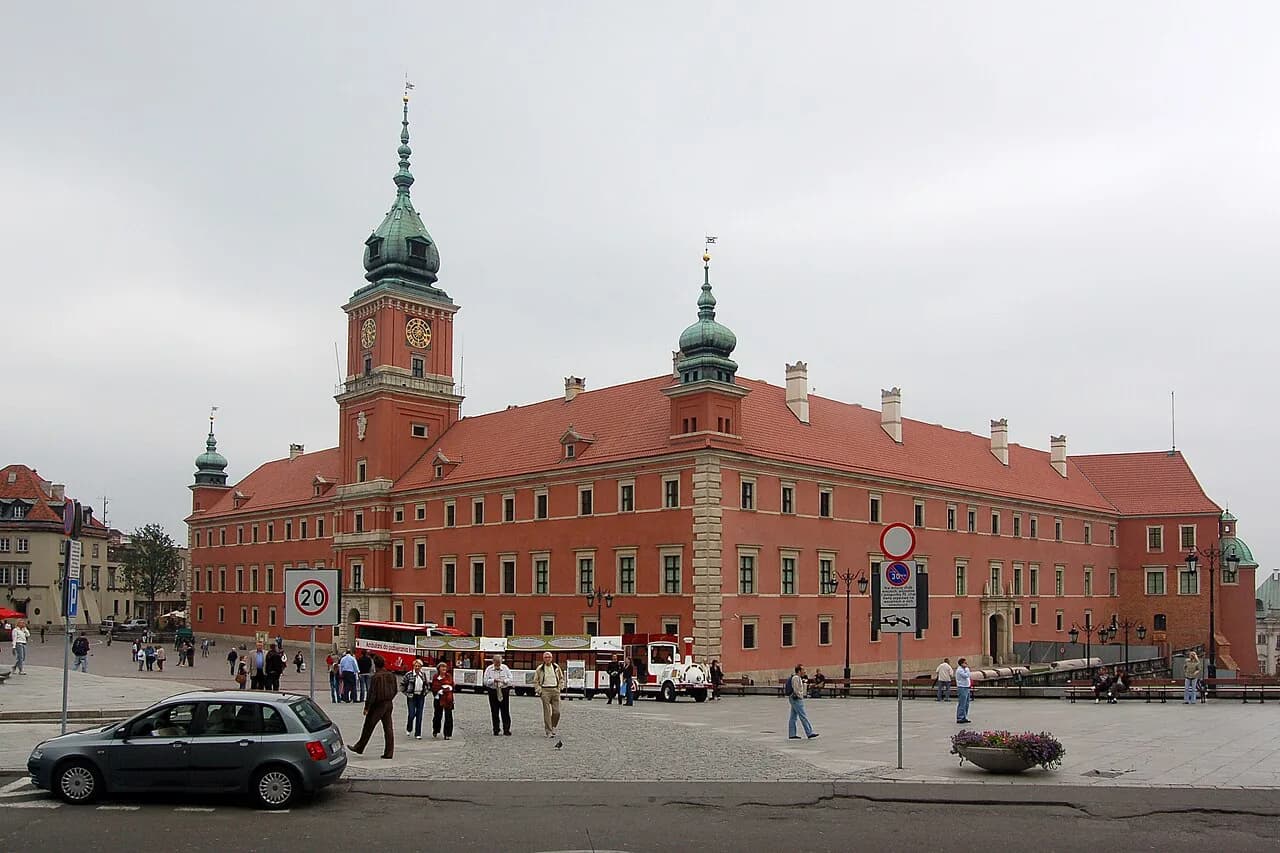
Castle Square (Plac Zamkowy) is the hinge. The Royal Castle and Sigismund's Column dominate the square, and the Old Town's cobbled lanes open directly behind it, so you begin at the gate rather than hunting for the historic core. Krakowskie Przedmieście then runs south from the square as the first stretch of the Royal Route, lined with palaces, churches and manor houses on a prestigious old street.
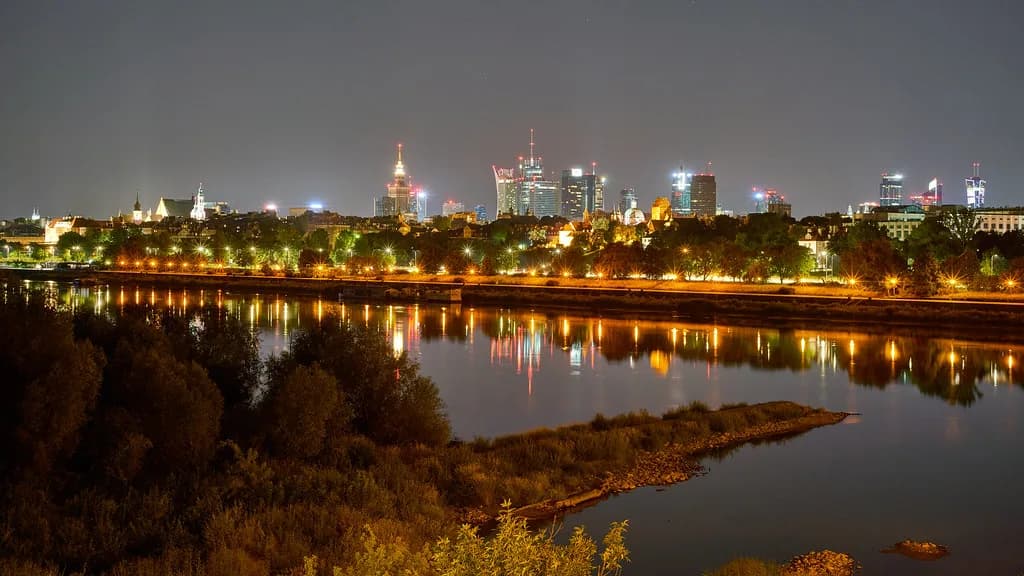
The Vistula runs along the city's eastern edge, with the rebuilt historic centre above it and the modern city spreading west. That geography is why day one stays on foot in the north, day two follows the Royal Route south to the parks, and day three loops west and north again. If you only have one day, the Old Town and the Royal Route are the two things to prioritise, and One Day in Warsaw sets out a compact version.
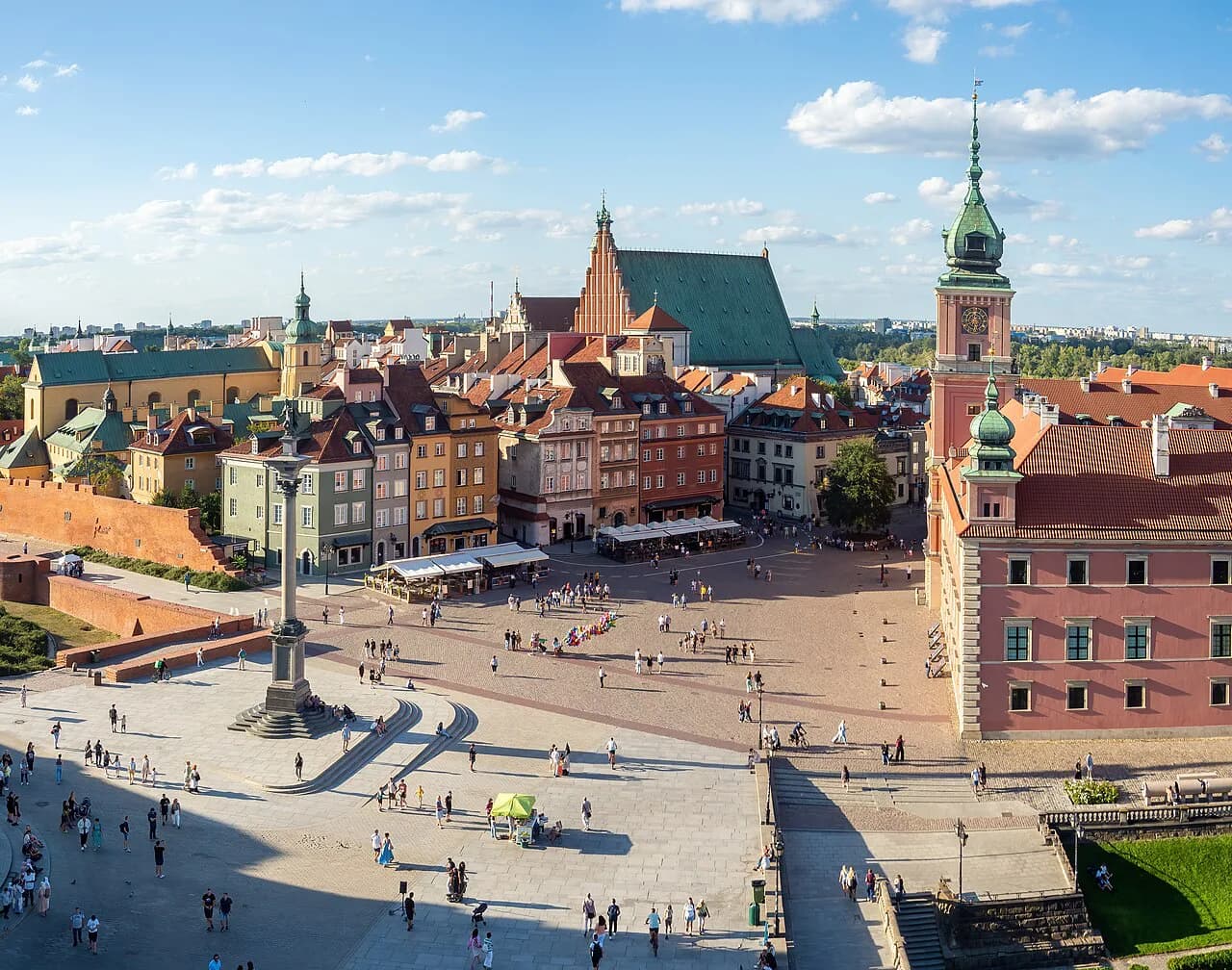
Day 1: Castle Square, the Royal Castle and the Old Town streets
Start at Castle Square and read it as a reconstruction: the Royal Castle you see was rebuilt after the Germans destroyed the city during the Second World War, and the square itself marks the symbolic bridge between the historic quarter and the modern city. Sigismund's Column honours Sigismund III Vasa, the king who moved the Polish capital from Kraków to Warsaw at the end of the sixteenth century. Allow the morning for the castle interiors and the square, then walk straight into the Old Town streets.
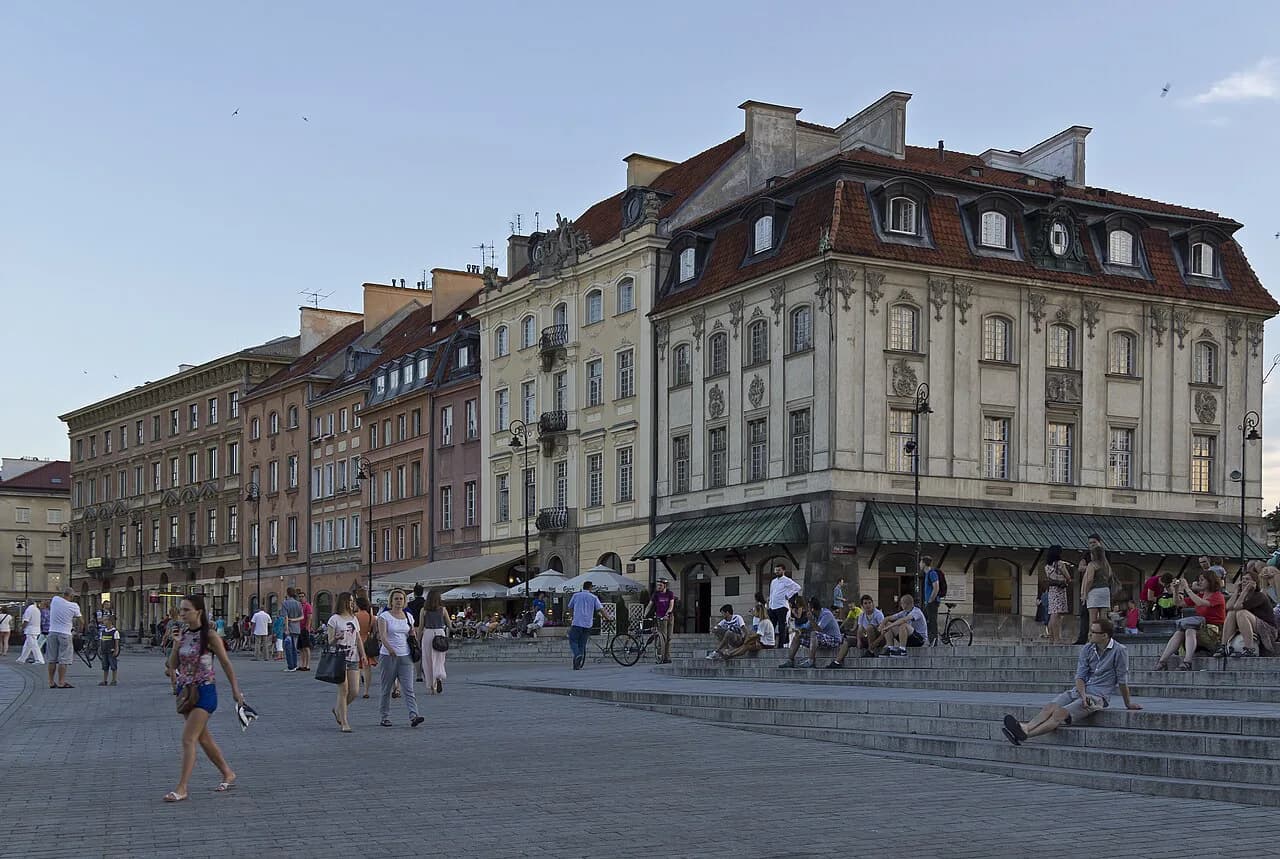
The Old Town was almost entirely destroyed in the war and reconstructed using paintings, historical records and photographs, an effort precise enough that it was designated a UNESCO World Heritage Site. Knowing that changes what you look at: the colourful façades stop being simply picturesque and become the result of one of the most ambitious restoration projects in modern history. Wander the lanes behind the square before lunch rather than treating the area as a single photo stop.
Day 1 continued: Rynek Starego Miasta, St John's Archcathedral and the evening
Rynek Starego Miasta, the Old Town Market Square, is the natural midpoint of the day, ringed by colourful façades and easy to loop back through. St John's Archcathedral is the other Old Town landmark worth a short, quiet stop between the market square and the outer lanes. Both are within a few minutes' walk of each other, so you can drift without a strict timetable.
Keep the evening simple and stay close to where you have been walking. A pierogi dinner in the Old Town is the obvious choice, and a Chopin concert is the other classic Warsaw evening, so pick one and let the other wait for day two. Book nothing tight against your arrival day if you are travelling from the UK or the US, because a long morning of walking catches up with you; Chopin in Warsaw covers where the concerts are.
Day 2: walking the Royal Route along Krakowskie Przedmieście
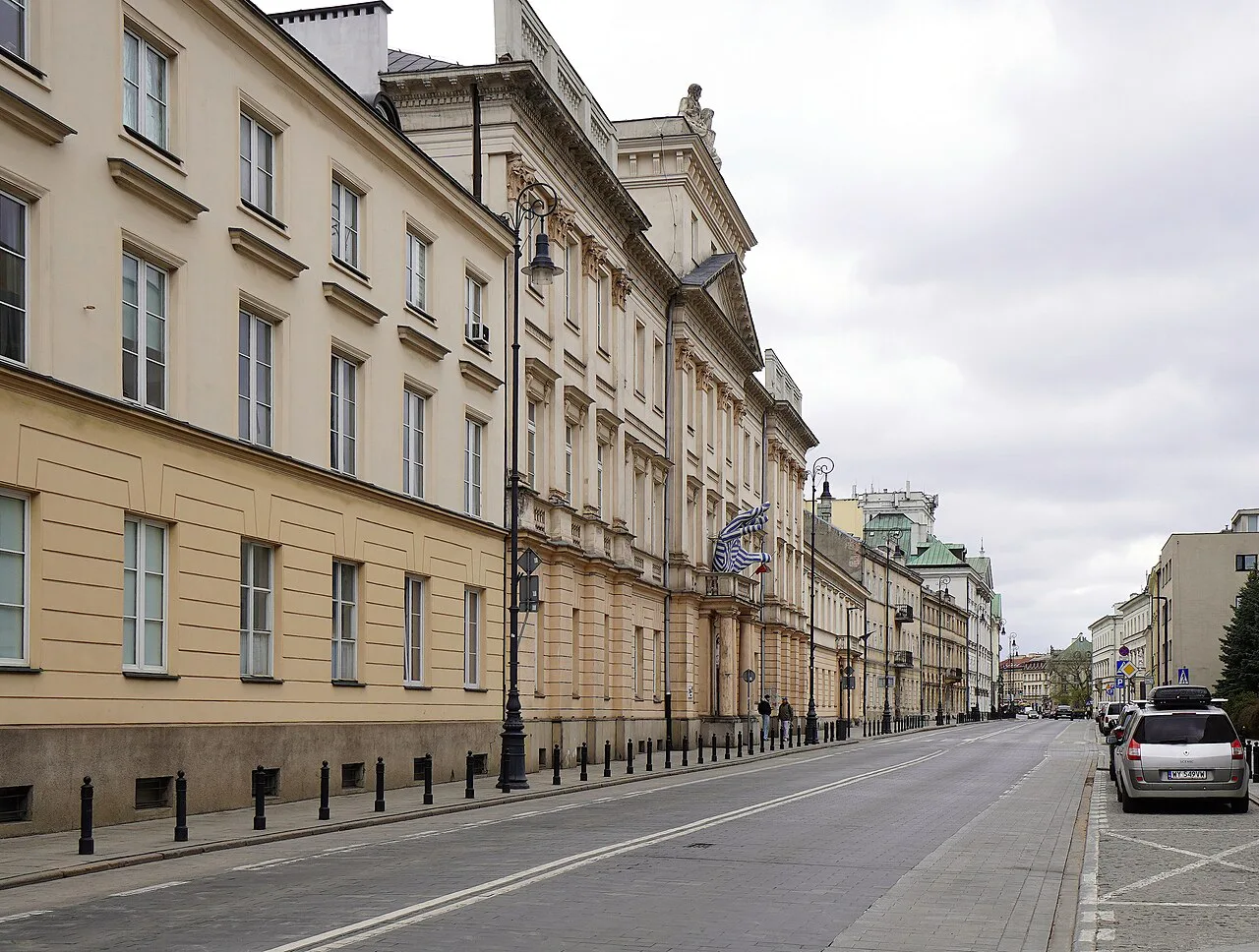
Day two starts at Castle Square again and heads south along Krakowskie Przedmieście, where the palaces, churches and university buildings line the road in an almost continuous run. This is the Royal Route, the historic processional way that links the Old Town to the southern palaces and parks. Walk it slowly in the morning; the street is long, and the interesting detail is at eye level rather than at the ends.
You can pick up a guided walking tour of the Royal Route if you want the history attached to individual buildings, but the street also works unsupported. Leave the mid-morning free rather than stacking a second museum here, because Łazienki Royal Park is next and it takes real time to reach the far end.
Day 2 continued: Łazienki Royal Park and its palaces and gardens
Łazienki Royal Park is a large park with palaces and gardens, and it deserves the afternoon rather than a hurried hour. Treat it as the day's main event: arrive after lunch, pick a direction, and let the gardens take the time they need. The park is a walk from the southern end of the Royal Route rather than a single stop, so factor the transfer in.
If you are planning a longer Polish trip afterwards, this kind of garden-and-palace afternoon sets the pattern you will meet in other cities, and a wider Poland itinerary can hold Warsaw alongside them. Save the evening for something indoor and low-effort, since day two involves the most walking of the three.
Day 3: the Warsaw Uprising Museum and the story it tells
Give the Warsaw Uprising Museum a clear half-day. It commemorates the 1944 uprising and is built as an immersive experience with props and a modern exhibition concept, which means it absorbs attention rather than ticking off in an hour. It sits away from the Old Town, so it is a separate trip rather than a stop on the Royal Route.
This is the museum that carries the weight of the city's wartime story, and visiting it respectfully means reading the material in front of you and letting other visitors move at their own pace. Pair it with one light, non-historical activity later rather than a second museum, because two heavy exhibitions in one day flatten both.
Day 3 alternatives: Zachęta and contemporary art, or the Palace of Culture and Science terrace
If you have had enough of wartime history, Zachęta, the National Gallery of Art, is the substitute. The gallery's origins go back to 1860, the building itself remembers the 1922 assassination of President Gabriel Narutowicz, and it now hosts major exhibitions by international artists. That makes it the strongest single choice for travellers who want twentieth-century and contemporary work instead of another memorial.
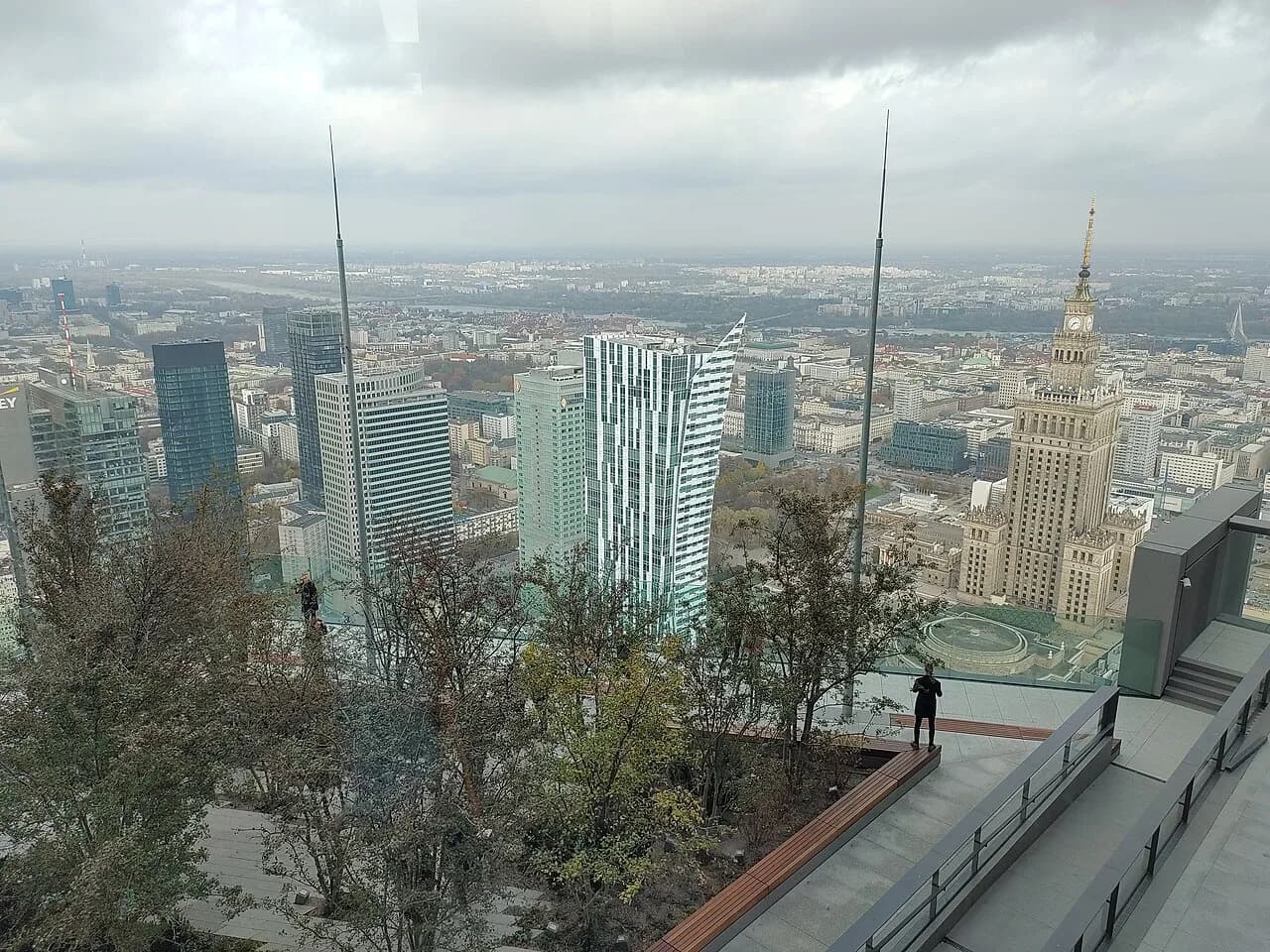
The other option is the Palace of Culture and Science. Opened in 1955 and standing 237 metres high, it was the building that started Warsaw's race towards the sky and remains one of the city's symbols despite its complicated origins. Go up to the terrace for the view, which takes in the nearby skyscrapers including LIM Center and Złota 44, designed by Daniel Libeskind. Note the building's other uses while you are there, including the Museum of Technology and the Museum of Evolution, and Best Views in Warsaw covers other rooftop options.
Where to eat between stops: pierogi, doughnuts and a pierogarnia
Pierogi anchors any Warsaw eating plan, with savoury versions served boiled and steaming and sweet ones filled with tart cherries as a dessert. A pierogarnia is the practical mid-day stop: order a plate, keep it simple, and you are back walking within the hour. Pierogarnia Mandu appears in itineraries as a sit-down pierogi option, though it is worth confirming current hours before you build a day around it.
Doughnuts are the other Polish staple worth planning around, and a doughnut breakfast before a museum morning works well when you want something quick. Keep lunches light and movable rather than booked, because the walking plan shifts with weather and your own pace.
Practicalities: walking times, tram and metro hops, and the cost of a day pass
Warsaw's historic core is compact enough to walk: the Old Town, Castle Square and Krakowskie Przedmieście sit close together and connect on foot. For Łazienki and the Uprising Museum, use the city's buses, trams and metro rather than walking the whole way. Trams run directly into the historic centre, which is how a simple arrival from the city's edge turns into a short hop to Plac Zamkowy.
Day passes for public transport are available and are the cost-efficient option if you plan several journeys, though check the current price and validity before you buy. Do not try to work out Warsaw's transport costs from memory; the operator's own site or a ticket machine gives you the current fare. If you are comparing destinations, the wider question of whether Warsaw is worth visiting covers what the city does well and how long it needs.
What to leave out when three days is all you have
Skip any plan that crosses the city twice in one morning. Three days is enough for the Old Town, the Royal Route, Łazienki and one big museum, and adding two more sights usually means seeing all of them badly. If you are tempted by a day trip, be honest that it costs you the Uprising Museum, which is the one thing here you cannot compress.
The same logic applies to souvenir hunting: Old Town shops sell amber and Bolesławiec pottery at tourist-area prices, so buy small or buy later, and Shopping in Warsaw points you at other options. For overall spending expectations, use a source that breaks down costs in złoty rather than guessing from euro conversions, and Is Warsaw Expensive sets out the costs.
Which Warsaw day plan suits you?
Take three days if you want the Uprising Museum done properly alongside the Old Town and Łazienki; take two if the museum is the one thing you can leave. Either way, build the days around districts — north for the Old Town, south along the Royal Route, west and north for the museum — and the walking stays manageable. That structure is what turns three days in Warsaw into a relaxed city break, and How Many Days in Warsaw helps you scale it up or down.
Explore more Warsaw guides
Frequently Asked Questions
Is Warsaw cheap or expensive for a three-day trip?
Warsaw is generally a moderate-value European capital rather than a budget city or an expensive one, and the main costs are accommodation, museum tickets and meals in the Old Town. Check current museum ticket prices and transport fares directly with each venue and with the city transport operator before you budget, since these change.
What are the top three places to visit in Warsaw?
The reconstructed Old Town around Castle Square and Rynek Starego Miasta, the Royal Route along Krakowskie Przedmieście leading to Łazienki Royal Park, and the Warsaw Uprising Museum. Those three cover the city's history, its architecture and its wartime story, and they are what this three-day plan is built around.
What should I not do in Warsaw?
Do not try to see the Old Town, the Uprising Museum and Łazienki on the same day; they sit in different parts of the city and you will spend the day travelling. Do not treat the Old Town as original medieval fabric either, because it was reconstructed after the Second World War. Check each museum's opening days before you go, as hours vary between venues.
Sources
Notes for your next Polish city break
Optional updates to our Poland guides.
You might also like
Continue reading
More guides you'll find useful