Warsaw in October: Weather, Crowds and What to Do
October in Warsaw brings average highs near 12°C, autumn colour in Łazienki Park and quieter museums. Plan a three-day break with indoor fallbacks ready.
On this page
October is a good time to visit Warsaw if you want autumn colour, cooler walking weather and a city that still runs at full pace. The trade-off is changeable, cool weather and shorter daylight, so plan each day with an indoor fallback ready rather than a fixed outdoor schedule. This guide covers typical October conditions, where the autumn colour shows best, which days to build around museums and how to shape a three-day visit.
Treat any October weather figure as a typical average, not a forecast for your dates. AccuWeather puts Warsaw's average October high at 12°C and the average low at 5°C, which is mild enough for long walks but cool enough to want a proper jacket. Daylight drops noticeably through the month, so front-load outdoor sights into the middle of the day and keep the late afternoons for interiors.
Is October a good time to visit Warsaw?
Yes, for travellers who prefer a calmer city to a busy one. October sits outside the main summer season while the museums, the Royal Castle and the Old Town remain open, and the parks turn gold. The honest trade-off is that a wet, windy week can push you indoors for whole afternoons, so treat the outdoor plan as the flexible half of each day. If you are weighing months, the wider Best Time to Visit Warsaw guide sets October against spring and summer.
The month also suits short breaks because the main sights cluster tightly. The Old Town, the Royal Castle and the Museum of the History of Polish Jews sit within a walk or a short ride of each other, so you lose little time in transit. A three-day break gives you two full sightseeing days plus a half day, which is enough for the headline sights without rushing.
What the weather is like in October
Expect moderately chilly, slightly windy conditions rather than deep cold. Average highs of around 12°C, lows of around 5°C and a typical range from about 4°C to 13°C mean mornings and evenings feel sharp, while a sunny midday can be pleasant in a coat. Rain is possible at any point, so keep a waterproof layer with you whatever the morning looks like.
Because these are averages, not a forecast, check the daily outlook for your dates in the week before you travel. Layering is the practical answer: a waterproof outer layer, a warm mid-layer and comfortable shoes for cobbles. An umbrella is useful but a hooded jacket copes better with wind on the more exposed streets.
How to dress for cool, changeable days
Dress for two seasons in one day. A base layer, a jumper and a rainproof shell cover most October conditions, and gloves and a scarf earn their place for evening walks. Shoes matter more than usual: the Old Town and the streets around Krakowskie Przedmieście are paved with cobbles and stone slabs that turn slippery when wet. Warsaw in April has its own packing logic if you are comparing shoulder seasons.
Keep a small day bag with the rain layer folded inside, so a dry morning does not leave you exposed when showers arrive after lunch. If you plan to spend an afternoon in a museum, a compact umbrella and a dry layer make the difference between a pleasant and a miserable walk back to the hotel.
Autumn colour in Warsaw's parks
Łazienki Park is the obvious autumn walk, and October is when its trees turn red, orange and yellow. Give it a half day: the park is large, the paths wander, and the colour is best in the middle of a bright day. Pair it with the Palace on the Isle and the park's smaller buildings rather than treating it as a quick stop.
Elsewhere, the city's parks and green spaces give easy colour without a long detour. On a bright afternoon, walk the length of Krakowskie Przedmieście and continue into the Old Town, then loop back through the parkland. On a grey one, swap the walk for an interior and keep the park for the next dry spell.
Indoor days: museums and historic interiors
The Museum of the History of Polish Jews is the strongest indoor anchor. It sits in the Muranów district, north-west of the Old Town, and deserves a half day of its own. The museum treats the Holocaust and centuries of Jewish life in Poland with care, so allow time to read and reflect rather than rushing the galleries.
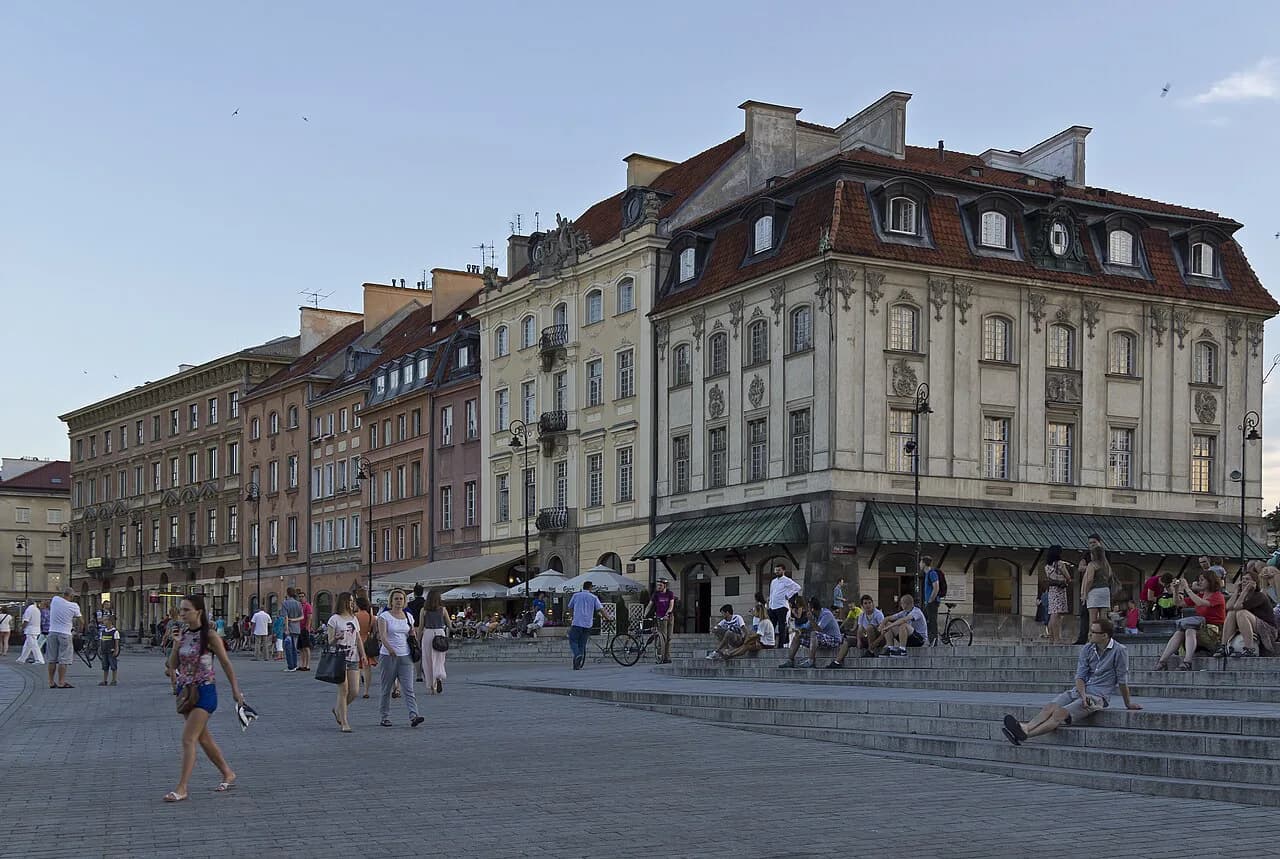
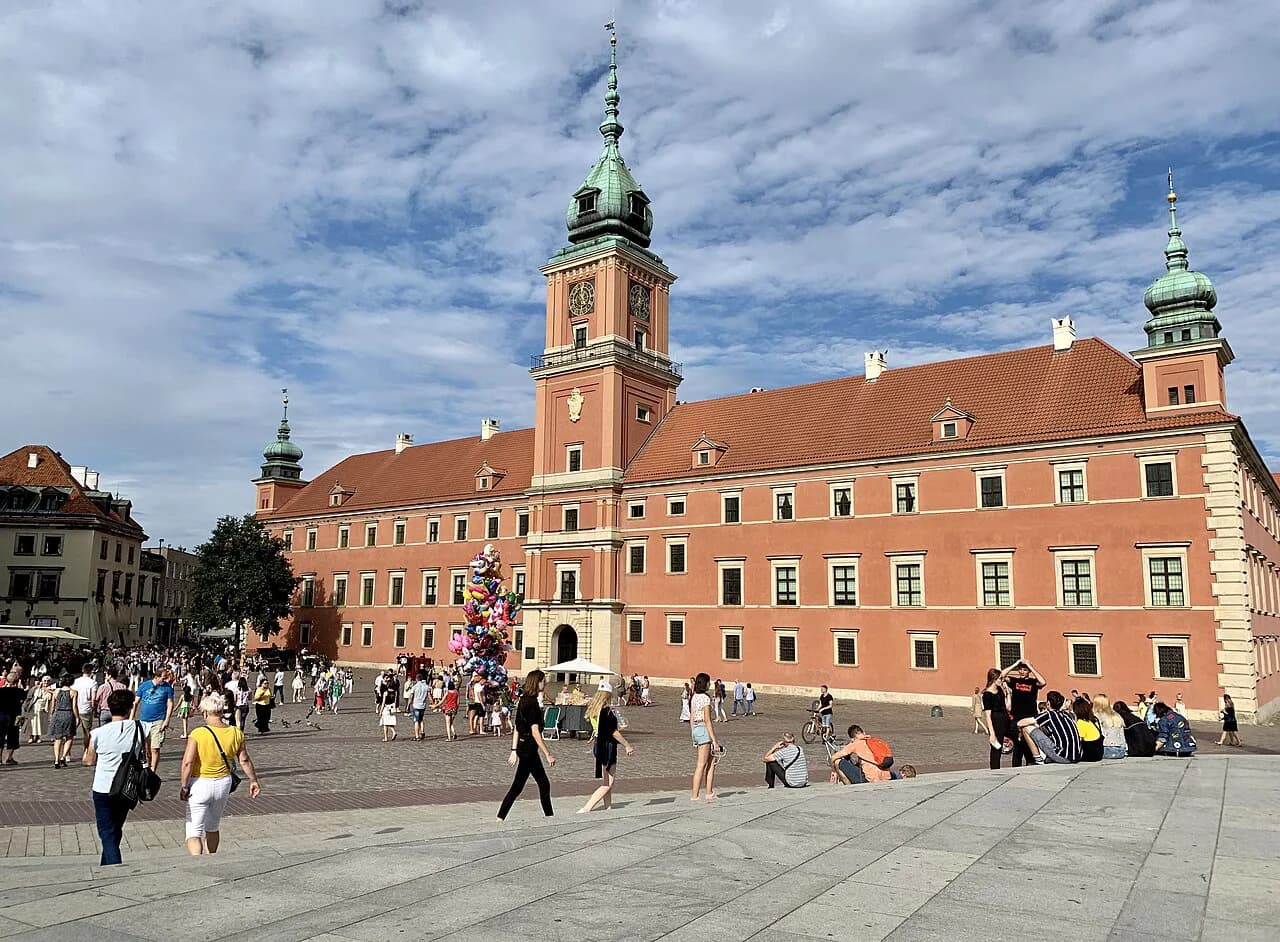
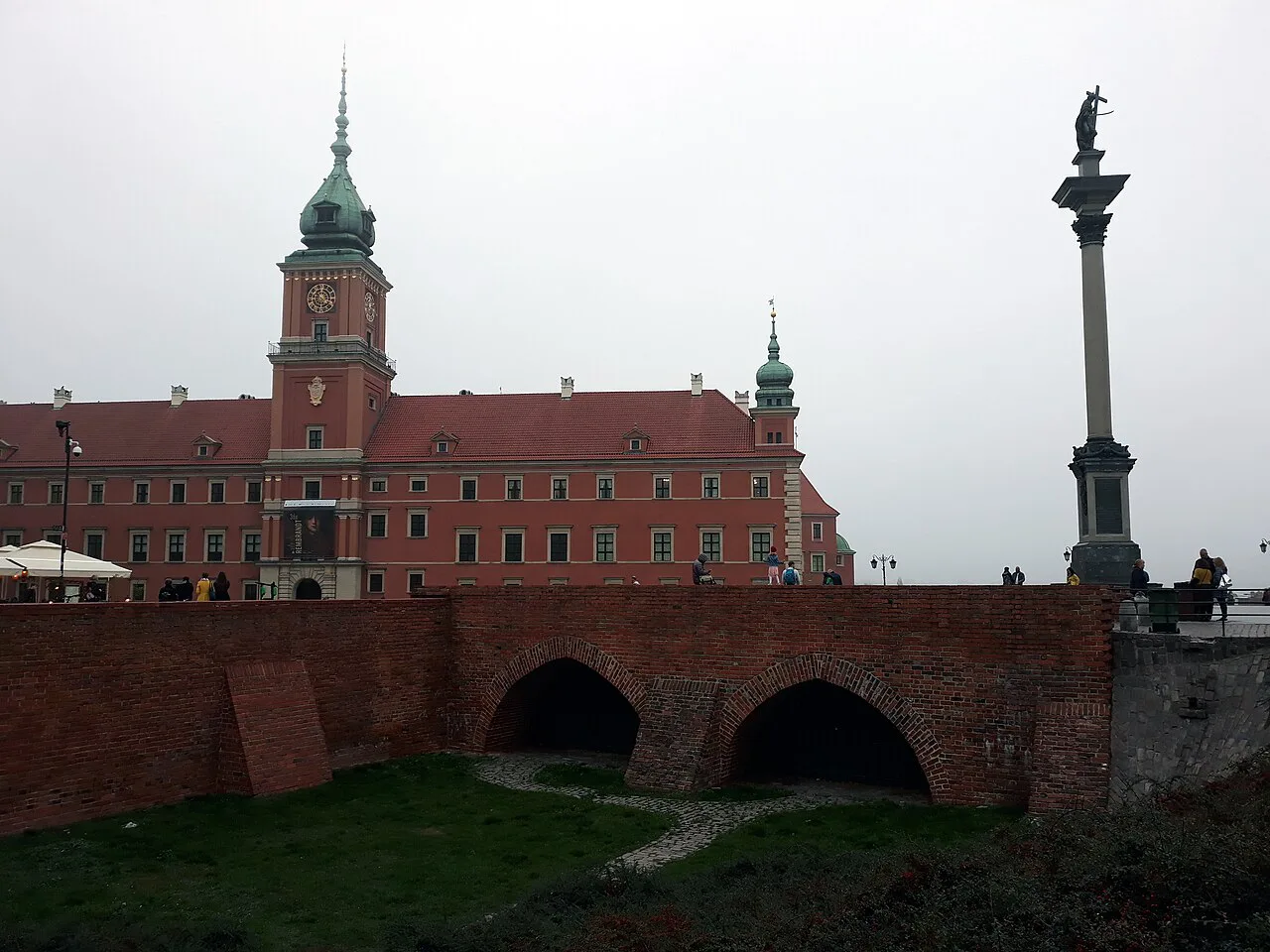
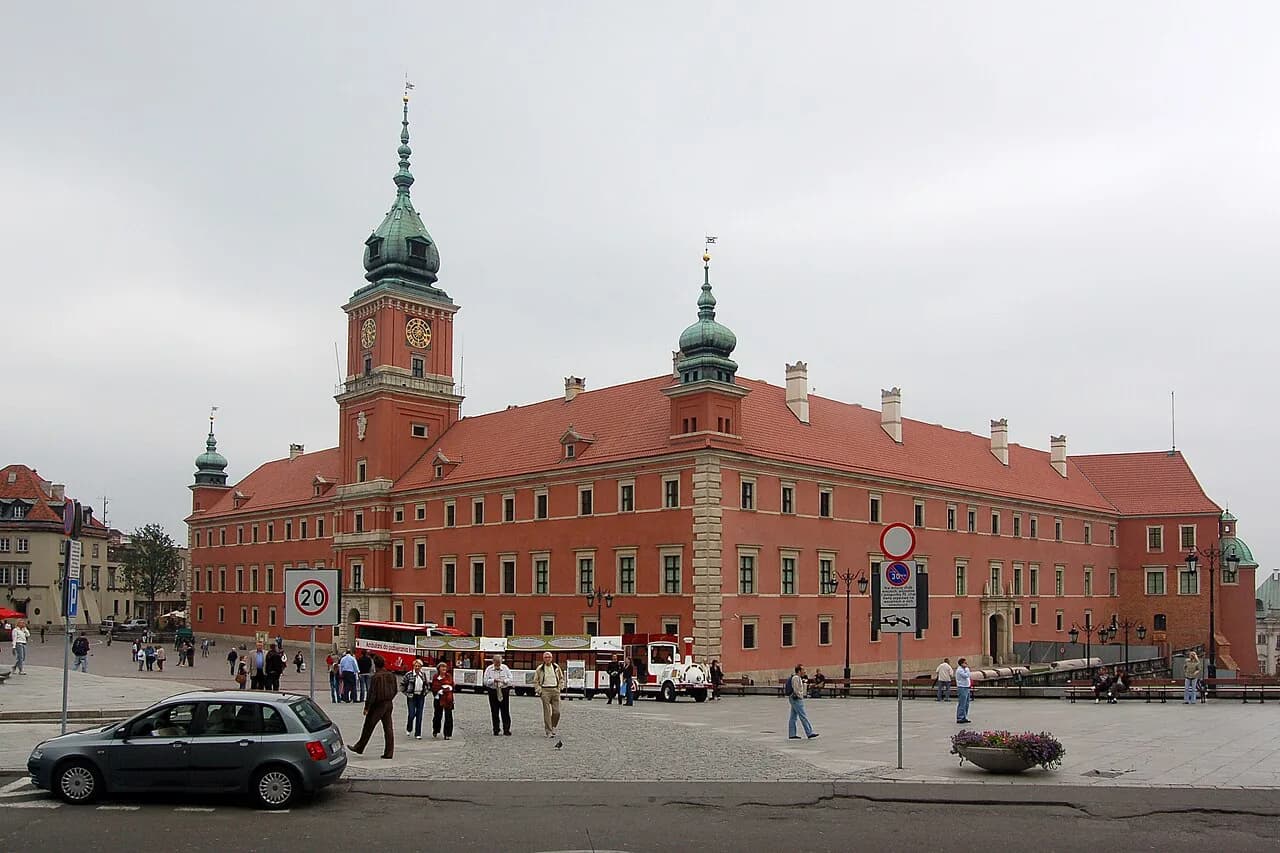
The Royal Castle gives you the historic interiors of the Old Town in one visit, with furnished rooms, halls and royal apartments that explain the building's place in Polish history. It pairs naturally with a walk through the reconstructed streets around it. Treat the Old Town as the surrounding frame for the castle rather than a separate outing.
For a wet afternoon, the pattern that works is simple: one museum in the morning, a long lunch, and a second interior or a covered market in the afternoon. Keep the outdoor sights for the morning when rain is forecast later, and reverse the plan on a dry day. Warsaw Attractions: 10 Visitor Guides covers the individual sights in more depth if you want to pre-select a shortlist.
Events and festivals in October
The Warsaw Film Festival is the headline October event, bringing international and Polish films, screenings and discussions to the city. It is a strong reason to time a break in October if cinema appeals, but confirm the current programme, venues and tickets with the organisers before you build a trip around it. Family-oriented October activities, including pumpkin farms and apple picking, mostly sit outside the city centre and work best with a car.
Beyond the festival, October is a good month for the city's regular cultural life: concerts, theatre and temporary exhibitions. Check the listings for your dates rather than assuming a fixed calendar, and leave one evening free for something you discover on arrival. The city's events calendar is the place to confirm what is on.
How many days you need in October
Three days is the right length for a first October visit. That gives you one day for the Old Town and the Royal Castle, one for the Museum of the History of Polish Jews and Muranów, and one for Łazienki Park plus a flexible afternoon. Two days works if you cut the park or the museum, but the shorter daylight makes three days noticeably more comfortable.
Add a fourth day only if you want a slower pace, a day trip or more museum time. With four days you can absorb a wet afternoon without losing a headline sight, which is a real advantage in a changeable month. Fewer than three days and you will spend most of the trip moving between sights rather than enjoying them.
How to structure a 3-day October visit
Day one: the Old Town and the Royal Castle, with a tour of the castle interiors and a walk along the reconstructed streets. Keep the morning for the outdoor squares and the afternoon for the castle, so rain costs you less. Finish with an early dinner rather than a late night, because darkness arrives sooner than in summer.
Day two: the Museum of the History of Polish Jews in the morning, then Muranów and the surrounding streets. This is the day to slow down, read the exhibitions and leave space for reflection. If the weather turns bright, walk back towards the centre rather than taking transport, and pick up the riverside path on the way.
Day three: Łazienki Park in the morning for autumn colour, then a flexible afternoon for a second museum, shopping or a repeat visit to a favourite square. If the forecast is poor, swap the park for an interior and keep the park for a dry morning. The Best Time to Visit Warsaw guide explains how this structure shifts with the season.
Typical costs in złoty
Warsaw is generally gentler on the wallet than western European capitals, but museum tickets and castle entries vary by venue and exhibition. Rather than budgeting from a single figure, check each museum's own ticket page for the current price in złoty and note that some venues charge separately for temporary exhibitions. Card payment is widely accepted, but carry a little cash for small cafés and market stalls.
Food and transport costs depend on where you eat and how much you walk. A self-catering breakfast and a market lunch keep the daily total down, leaving more for one good dinner. Set a daily budget in złoty before you go and track it, because small entries add up across a three-day visit.
What to book before you travel
Book any timed museum entry before you leave, especially if your dates coincide with the film festival or a public holiday. Confirm the current opening days on each venue's own site, because Polish museums often close one day a week. Leave the parks and the Old Town unbooked so you can move them to the best weather day.
If you are comparing Warsaw with other Polish cities, the Warsaw Attractions hub and Warsaw events through the year pages help you decide what to prioritise. Book accommodation near the centre or the Old Town to keep walking distances short in the cold. Keep the itinerary flexible: in October, the weather decides the order of your days more than any booking does.
Is October the right month for your Warsaw break?
Choose October if you want autumn colour, calmer streets outside the summer season and a city that still offers its full cultural programme. Accept the cool, changeable weather and build each day around one indoor anchor with an outdoor walk saved for the best window. Three days is enough to see the Old Town, the Royal Castle, the Museum of the History of Polish Jews and Łazienki Park without rushing.
Check the daily forecast in the week before you travel and confirm each venue's opening days and ticket prices on its own site. Then book any timed museum entry, and leave the rest of the plan loose. That balance of booked interiors and flexible outdoor time is what makes an October break in Warsaw work.
Explore more Warsaw guides
Frequently Asked Questions
Is 3 days enough for Warsaw?
Yes. Three days covers the Old Town and Royal Castle, the Museum of the History of Polish Jews and a half day in Łazienki Park. Two days is workable if you drop the park, but the shorter October daylight makes three days more comfortable.
Is Warsaw cheap or expensive?
Warsaw is generally gentler on the wallet than western European capitals, but museum and castle tickets vary by venue and exhibition. Check each museum's own ticket page for the current price in złoty rather than budgeting from a single figure.
Sources
Notes for your next Polish city break
Optional updates to our Poland guides.
You might also like
Continue reading
More guides you'll find useful