Museums in Warsaw: Which Ones Are Worth Your Time
Which Warsaw museums deserve your limited city-break hours? What each holds, how long to allow, closing days and honest trade-offs for a short visit.
On this page
For a city break of two or three days, Warsaw's shortlist is POLIN, the Warsaw Rising Museum and the Museum of Warsaw, with Royal Łazienki and the Neon Muzeum as strong additions if your schedule allows. This guide gives each museum a realistic time budget, sets out what it holds and groups them by side of the river so you are not wasting hours on trams.
The spread is unusually wide for a European capital: a 1,000-year Jewish history under one roof, an immersive account of the 1944 uprising, a cabinet-of-curiosities museum on the Old Town square and a science centre built for families. Several museums sit within a short walk of each other, and one ticket reaches across the river to Praga, so the order you visit in matters as much as the list itself.
Which Warsaw museums are worth your time on a short break
Three museums reward almost any visitor: POLIN for the breadth of its exhibition, the Warsaw Rising Museum for the force of its storytelling and the Museum of Warsaw for a compact introduction to the city itself. Royal Łazienki is a different kind of day out, a palace and park rather than a gallery, and it works best when the weather cooperates.
Beyond those, be selective. The Neon Muzeum is small but atmospheric and pairs naturally with a wander through Praga, while the Copernicus Science Centre suits families and curious teenagers far better than travellers chasing history. If your break is only two days, pick two big museums and one small one, and leave the rest for a return visit.
The city's wartime and Jewish heritage deserves more than a hurried hour, and our guides to Warsaw WW2 and the Warsaw ghetto go deeper into the sites beyond the museum walls.
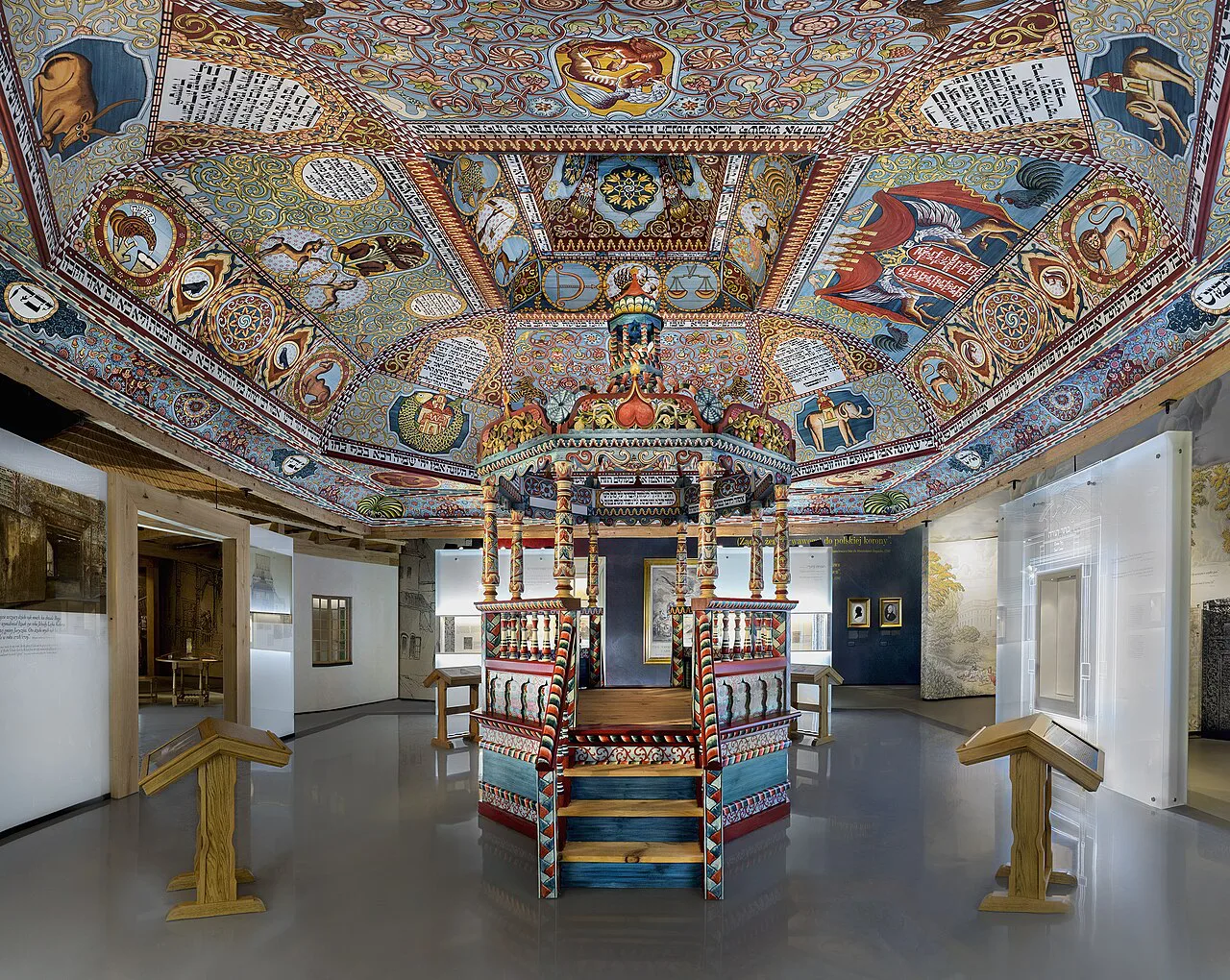
POLIN Museum of the History of Polish Jews: what the 1,000-year exhibition covers and how much time it takes
POLIN stands on the ground of the former Warsaw ghetto and tells 1,000 years of Jewish history in Poland, from the earliest traces through the community's golden age and the pre-war years to the Holocaust and the postwar period. The exhibition relies heavily on light, sound and reconstructed spaces, and the museum was named European Museum of the Year in 2016.
Allow at least half a day. The core exhibition is long and chronologically laid out, and the Forest Gallery at the start sets a tone that rewards patience rather than speed. If you only have one morning for a museum in Warsaw, this is the one to give it to.
Afterwards, continue on foot into the surrounding streets to see the memorials and fragments of the ghetto that remain, which is where a good city map and a slow walk pay off.
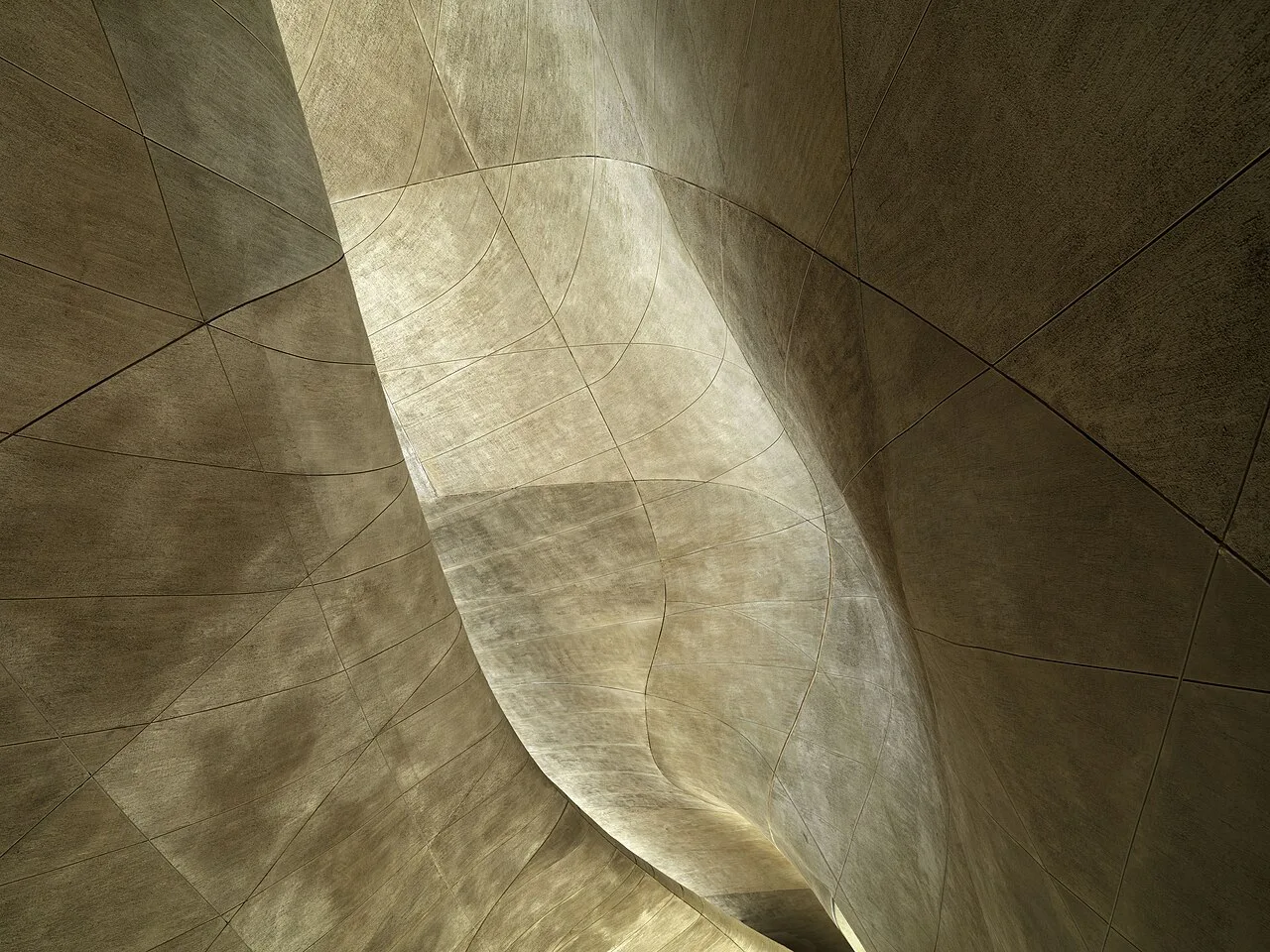
Warsaw Rising Museum: the 1944 uprising told through the building, the bomber replica and the sewers
The Warsaw Rising Museum opened in 2004 and covers the 1944 uprising through a route that follows the fighting from outbreak to the insurgents' departure from the ruined city. The building is large and the layout can be confusing, so take the audioguide if you want the narrative to hold together.
Two exhibits stay with most visitors: a replica Liberator B-24J bomber suspended from the ceiling, and a section where you can enter a reconstruction of the sewers that served as a lifeline for citizens and fighters. A short 3D film of the city after the bombings is quietly devastating, and worth timing your visit around.
This is not a museum to squeeze into an hour before dinner. Budget a full morning or afternoon, and expect to come out drained rather than entertained.
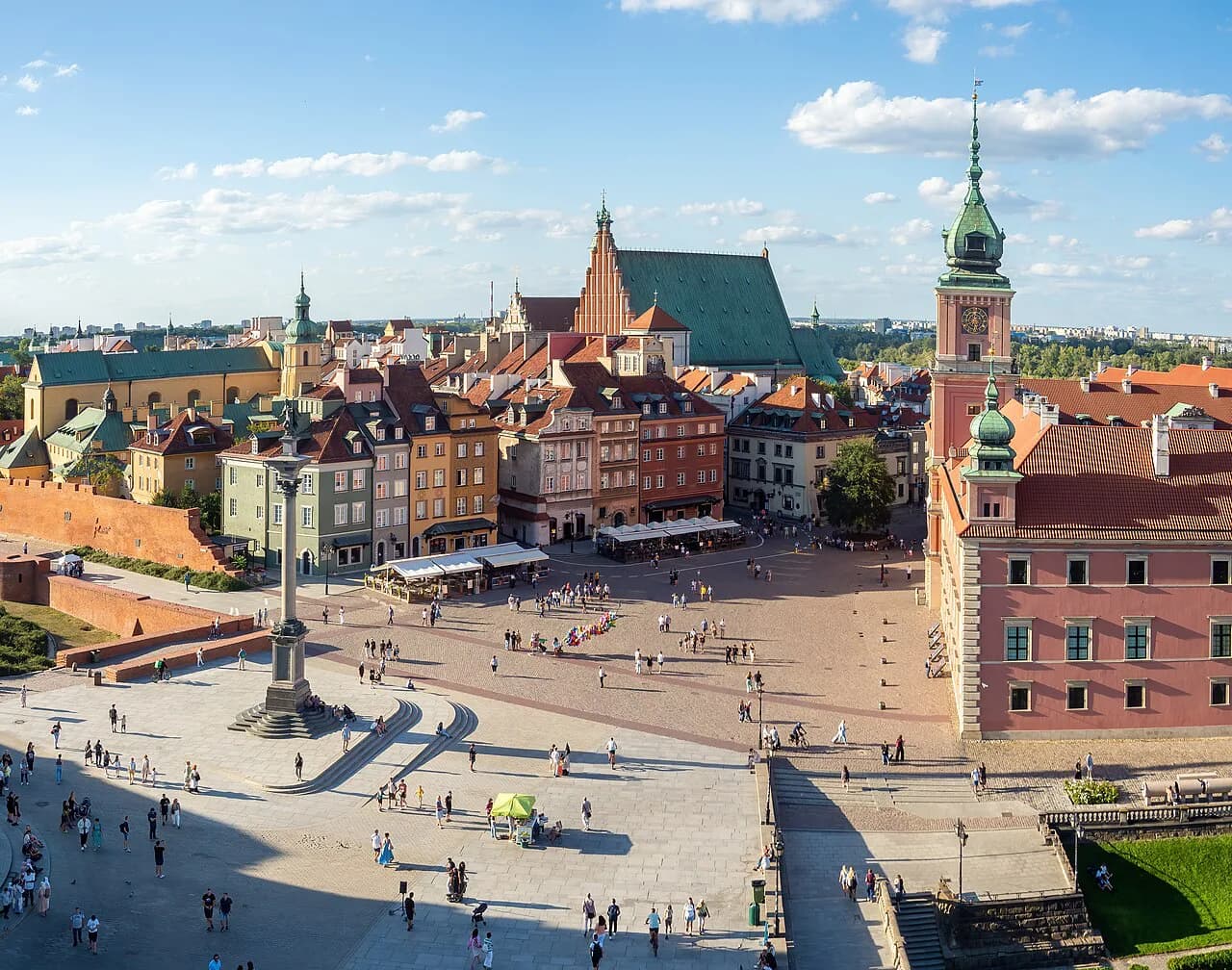
Museum of Warsaw on Rynek Starego Miasta: the Things of Warsaw collection and the Old Town Square view from the top floor
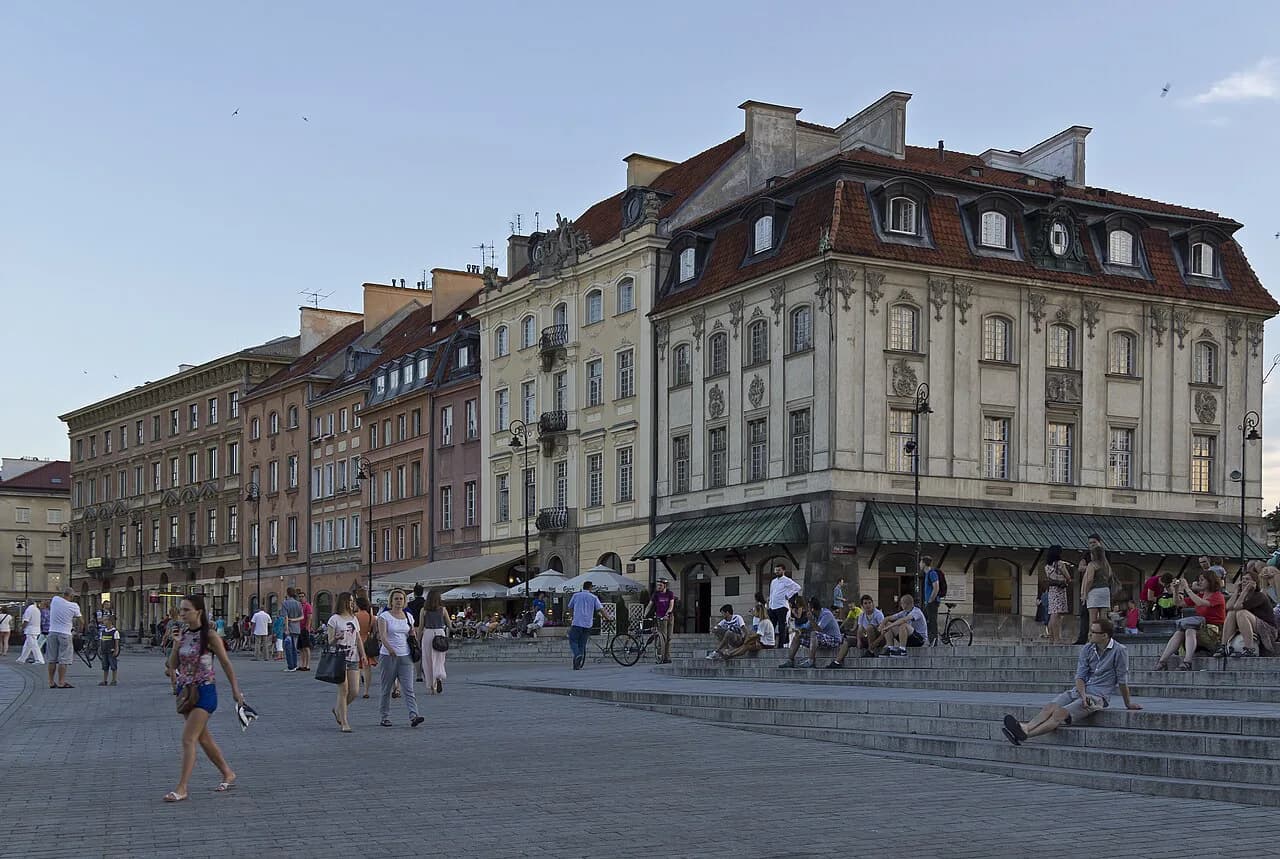
The Museum of Warsaw occupies a row of historic houses on the Old Town Market Square and reopened, after modernisation, with a core exhibition called The Things of Warsaw. It is built around 7,352 objects, from a carriage clock to a tin from the E.Wedel confectionery works. The audioguide steers you through the rooms in the right order.
The permanent exhibition runs Tuesday, Wednesday and Friday from 9am to 5pm, Thursday from 9am to 7pm, and Saturday and Sunday from 11am to 6pm, and it is closed on Mondays. Temporary exhibitions keep their own schedule, so check the official site before you set out.
The building climbs through six floors and the top one gives a view over the square below, across the rooftops of the Old Town. Keep your ticket, and check the museum's own site for current admission prices, which it publishes, and any combined offer with its other branches, including the Praga Museum of Warsaw.
Royal Łazienki: the Palace on the Isle, the park and what the ticket does and does not cover
Royal Łazienki is a park full of former royal buildings, and its centrepiece is the Palace on the Isle, a neoclassical bathhouse remodelled for the last king of Poland. The surrounding baroque garden, with peacocks strolling across the lawns, is the reason many visitors rate it their favourite stop in Warsaw.
Treat it as a half-day outdoors rather than a museum visit. The German Nazis burned the roof and frescoes and looted much of the art during the occupation, and some of what you see inside is projection and reconstruction rather than original fabric.
The park and palace are separate propositions, and the palace's own ticket arrangements change with the season, so the safest plan is to decide on the spot how much interior you need. This is also the easiest place in Warsaw to spend an afternoon with no ticket at all beyond the grounds.
Copernicus Science Centre: who it suits and when it does not fit a short break
The Copernicus Science Centre is a hands-on science museum on the Vistula embankment, aimed squarely at children and teenagers. It is genuinely excellent at what it does, but it is not where you send a couple on a two-day break who want to understand Warsaw.
If you are travelling with children, it can easily absorb half a day, and the riverside setting makes a pleasant walk either side. For everyone else, the hours are better spent at POLIN or the Rising Museum.
Neon Muzeum in Praga: a small museum that rewards a look at how the signs tell Warsaw's story
The Neon Muzeum sits on the Praga side of the river in the Soho Factory complex and preserves the illuminated signs that once lit Warsaw's streets. It is a small museum, and that is part of its charm: you can see it properly in well under an hour.
The signs are working electrical objects, so keep your distance when photographing them. A guided tour explains how the designs trace the city's postwar visual culture, which turns a room of glowing lettering into something closer to a history lesson.
Pair it with a walk through Praga's streets rather than making a special trip across the river. The museum sits in the Soho Factory complex, and a wander through the neighbourhood's pre-war buildings and courtyards rounds off an afternoon.
Chopin Museum, National Museum and the smaller museums worth knowing about
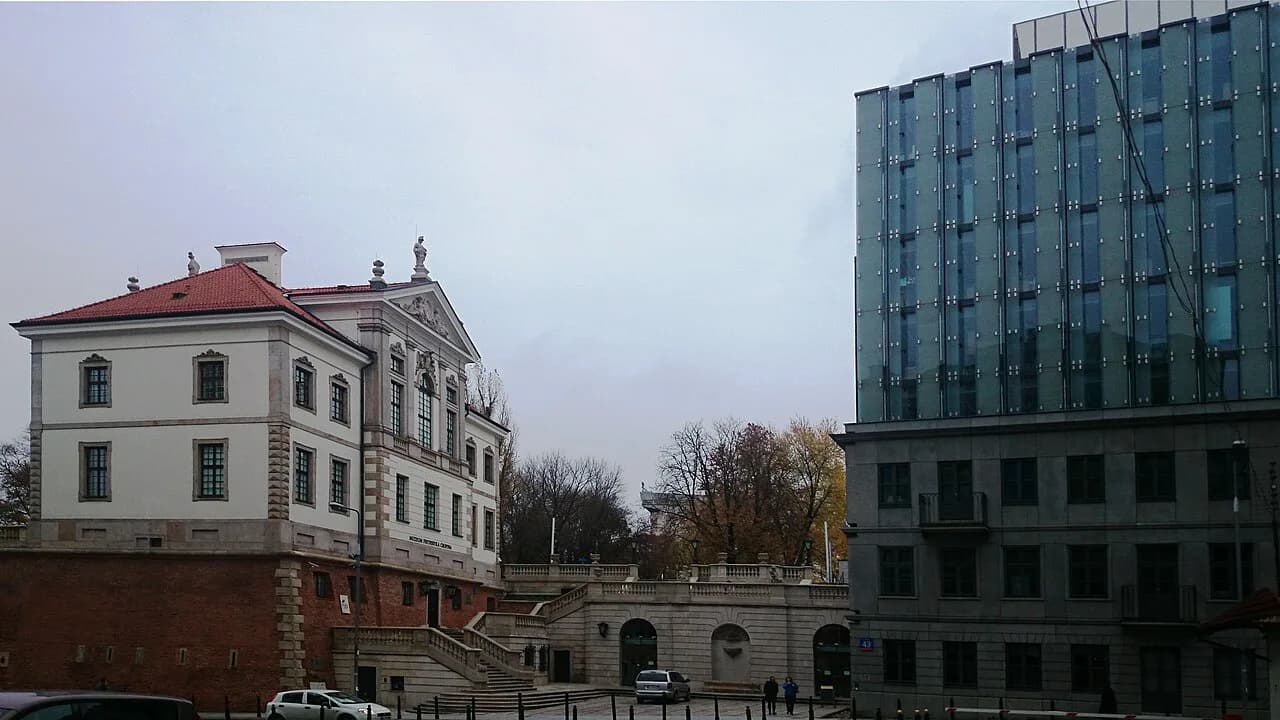
The Fryderyk Chopin Museum occupies the Ostrogski Palace and is the obvious stop for anyone following the composer's trail through the city. Our Chopin Warsaw guide links the museum to the other addresses associated with him, from the church where his heart is buried to the benches along the Royal Route that play his music.
The National Museum in Warsaw holds the country's main collection of Polish and European art, and it can swallow an afternoon if you let it. For something smaller and more peculiar, the Neon Muzeum and the Museum of Life under Communism give a different angle on the twentieth century.
If you are planning similar days in other Polish cities, our guides to museums in Gdańsk and museums in Katowice follow the same format.
Opening days: the Museum of Warsaw's schedule and how to sequence a two- or three-day visit
Mondays need planning where museums close that day. The Museum of Warsaw is closed on Mondays and opens from 11am at the weekend, so it slots most naturally into a Tuesday to Friday visit or a weekend morning.
A sensible two-day sequence starts with POLIN and the Museum of Warsaw on day one, both within reach of the Old Town, then gives the Warsaw Rising Museum a full morning on day two with Praga and the Neon Muzeum in the afternoon. If you have three days, add Royal Łazienki as a slower half-day when the weather is kind.
Rainy days change the calculation, and our guide to indoor activities Warsaw fills the gaps between museum slots.
Ticket prices in złoty and how to plan around them
Ticket prices in Warsaw vary widely between institutions, and the big museums charge separately for temporary exhibitions. The Museum of Warsaw's own site publishes current admission prices rather than a fixed figure you can rely on from an older guidebook.
Some museums run reduced tickets for students and seniors, and the Museum of Warsaw has in the past offered a combined arrangement that lets one ticket reach its Praga branch within a week. Ask at the ticket desk which branches your ticket covers before you pay.
How to group the museums by neighbourhood so you are not crossing the city twice
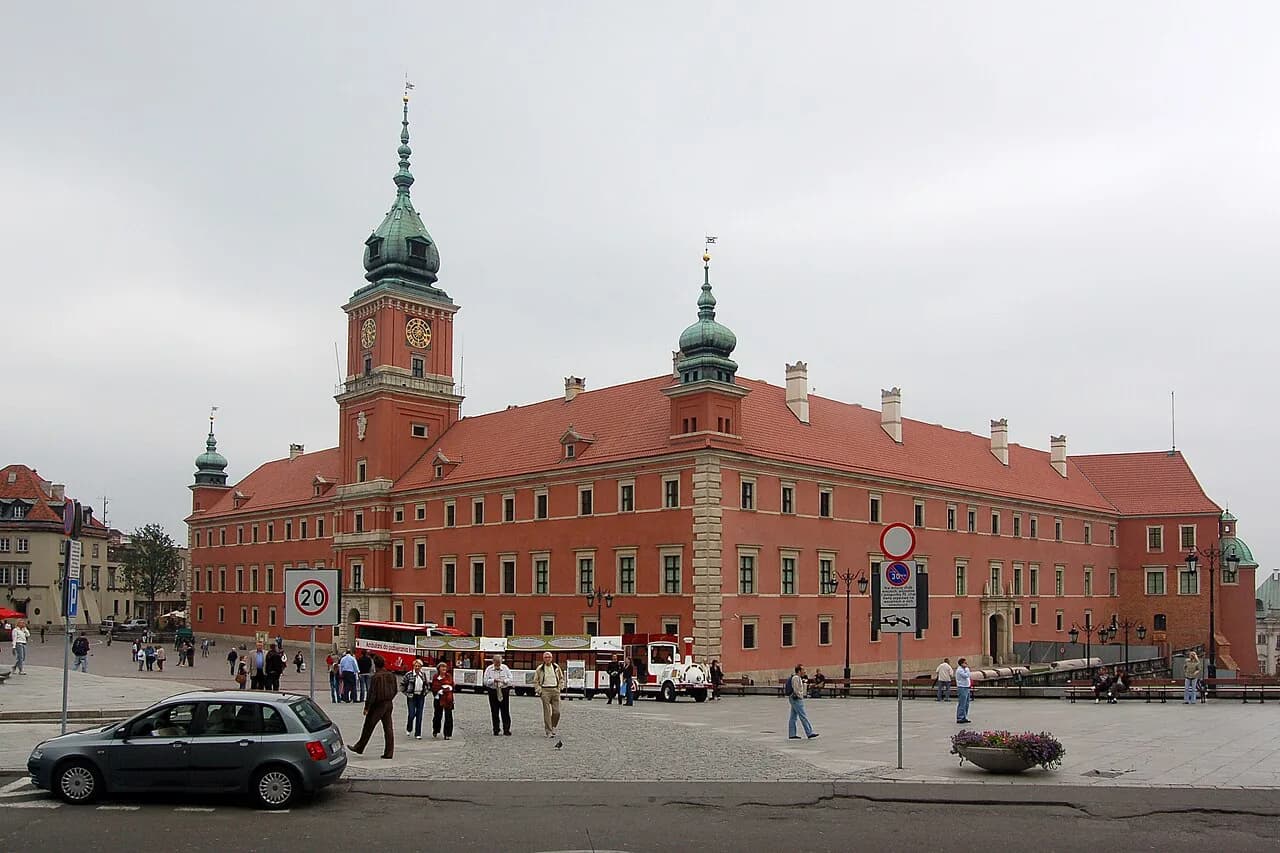
The Vistula splits Warsaw's museums into two clusters. The Old Town group includes the Museum of Warsaw on Rynek Starego Miasta, the Royal Castle next door and POLIN a short walk west, while the Rising Museum sits further out towards Wola.
Praga and the Neon Muzeum sit on the eastern bank, best reached by tram or a long walk across the river. Group them with a Rising Museum morning rather than making a separate crossing, and you save an hour of travel on a two-day break.
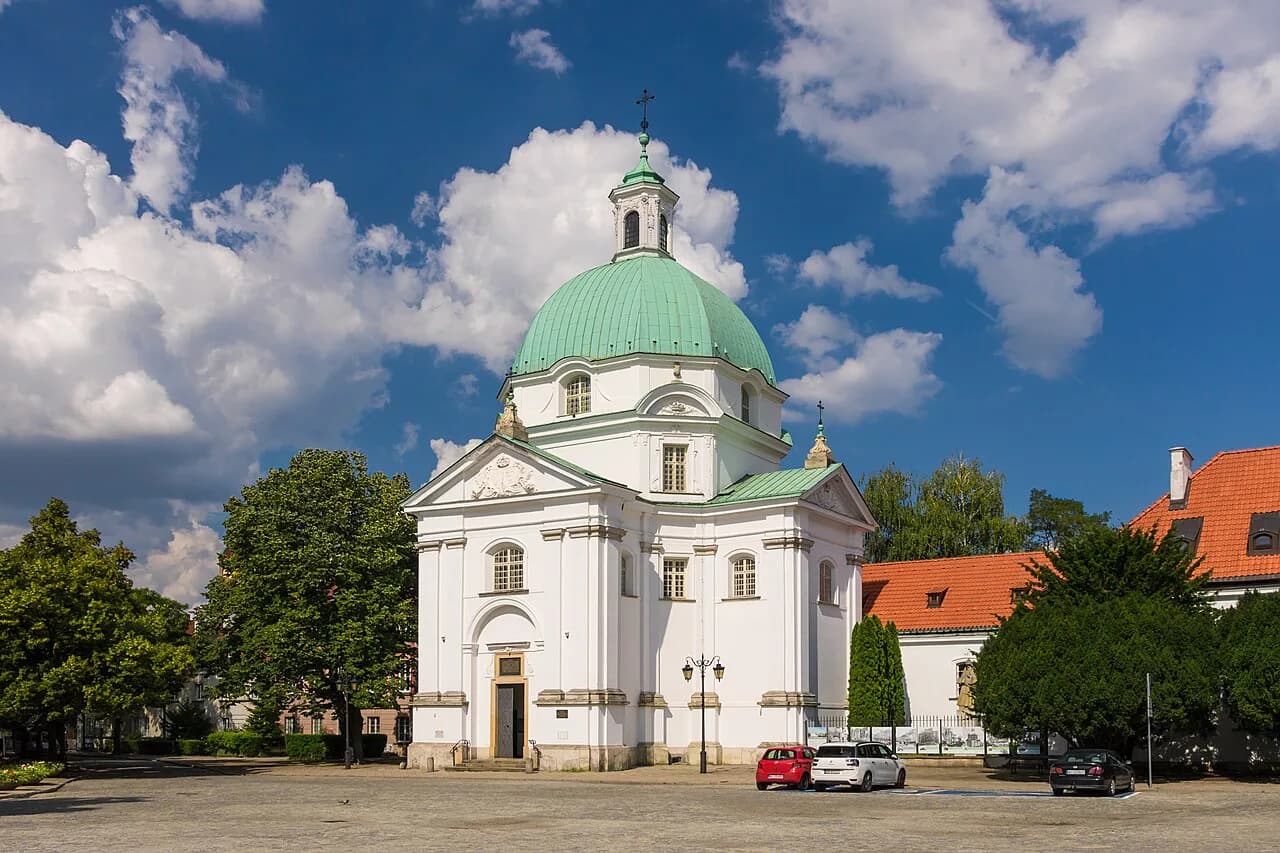
The Old Town also holds most of the city's historic churches, several of them free to enter and worth ten minutes each between museum visits.
Museums that need booking ahead versus those you can walk into
The big draws, particularly POLIN and the Copernicus Science Centre, are the ones most likely to fill up, and booking a timed slot online removes the risk of standing in a queue on a wet Saturday. Smaller museums such as the Neon Muzeum rarely need advance planning.
Book your two or three fixed museum slots before you travel, then leave the rest of each day flexible. That way a sunny morning can be spent in Łazienki's park, and the museums fill the afternoons when the weather turns.
Which museum gets your first morning?
If you only have time for one, give your first morning to POLIN and your second to the Rising Museum, then use the Museum of Warsaw as a flexible third that fits around its Monday closure and weekend hours. Royal Łazienki and Praga reward the hours you have left.
Use the wider guide to Warsaw Attractions to slot the Royal Castle, the Old Town and the riverbank walks around your museum days.
Explore more Warsaw guides
Frequently Asked Questions
Are museums free in Warsaw?
Not generally. Most of the major museums charge admission, and some offer reduced tickets for students and seniors. The Museum of Warsaw's site publishes its current prices and any combined ticket offers, so check there before you budget.
Is entry to the Łazienki Palace free?
The park at Royal Łazienki is a public space and is the main reason most visitors come, while entry to the Palace on the Isle is ticketed separately. Ticket arrangements change with the season, so confirm at the palace itself when you arrive.
What not to miss in Warsaw?
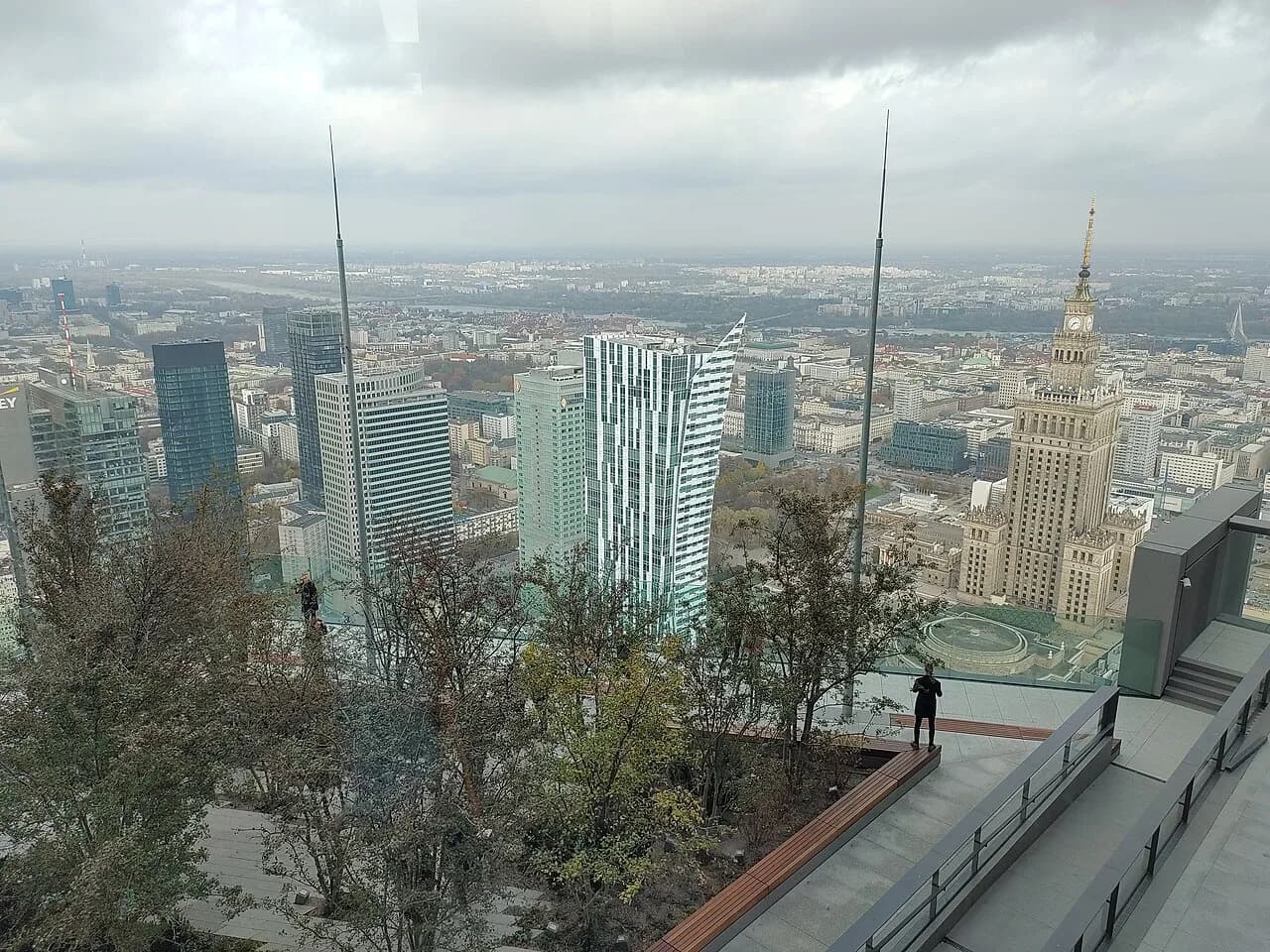
Beyond the museums, the reconstructed Old Town around Rynek Starego Miasta, the Royal Castle and a walk along the Vistula embankment are the essentials. The Old Town is a UNESCO World Heritage Site rebuilt after the war, which is itself part of what makes Warsaw distinctive.
Sources
Notes for your next Polish city break
Optional updates to our Poland guides.
You might also like
Continue reading
More guides you'll find useful