Wrocław in April: Spring Weather and What to Do
Wrocław in April brings warming spring days and a city shaking off winter. See what the weather is typically like and how to shape a one- to three-day break.
On this page
April is a good month for a Wrocław city break: the city is warming up, the squares are usable again and you can walk the Old Town without the heat of high summer. Expect changeable spring weather rather than settled sunshine, and plan each day with an indoor half and an outdoor half.
This guide covers what April typically feels like, how the month compares with March and May, which sights suit a wet afternoon, how to divide two or three days and where the costs sit in złoty.
What April is like in Wrocław
April sits in the stretch the city's travel guides treat as the start of the good season, with milder days and lower costs than the high summer months. The practical consequence is a city you can tour on foot comfortably, but with enough rain risk that a fixed outdoor schedule will sometimes wobble.
Treat any April forecast with caution and treat climate averages as a guide to what to pack and how to structure days, not as a promise. The single most useful April habit is holding one indoor option in reserve for each day you are in the city.
Typical April temperatures and rainfall
Published averages for Wrocław put the hottest month in August at roughly 26°C, with January lows near -8°C, which places April in the mild middle of the year rather than at either extreme. May is described as the year's wettest month, so April is generally the drier side of spring.
Read those figures as typical climate averages, not a forecast for your dates. A light waterproof layer and shoes that cope with wet cobbles matter more in April than a heavy coat.
How April compares with March and May
March is colder and less inviting for long walks, while May is warmer but carries the highest rainfall of the year, so April trades a little warmth for better odds of dry sightseeing. If you want the best overall balance of weather, cost and thinner crowds, spring is the season the destination guides push first, with March to May named as their preferred window.
If warmth matters more than dry days, take the later month; if you want long walking days without summer heat, April is the safer pick. Use the month-by-month comparison in our guide to the best time to visit Wrocław to weigh April against the rest of the year.
What to do on a rainy April day in Wrocław
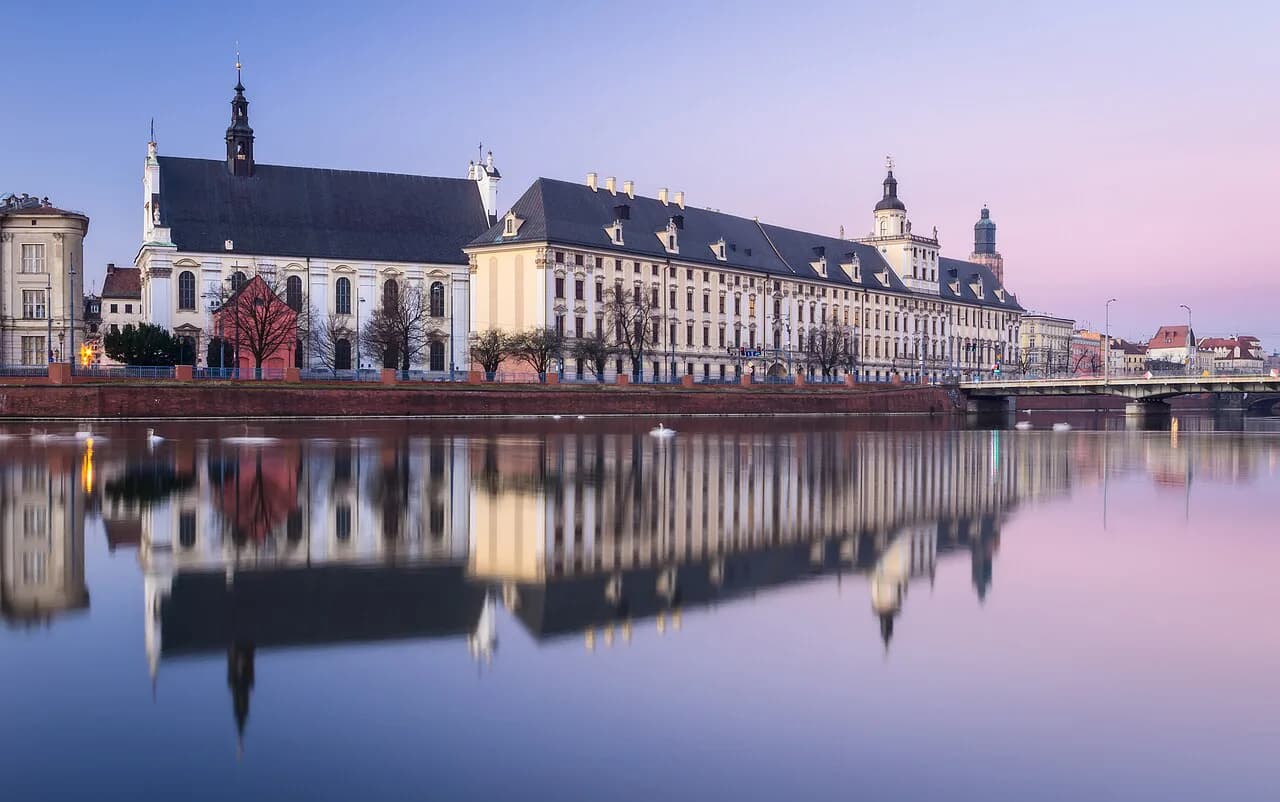
The Racławice Panorama is the obvious wet-weather anchor: a large painted panorama viewed from a central platform, and a genuinely indoor hour or so. The university buildings and the Centennial Hall area give you further covered or short-exposure stops if the showers keep coming.
The Archdiocese Museum at the bishop's palace on Ostrów Tumski is a sensible indoor stop, and the source suggests allowing around an hour for it. Pair it with a shorter outdoor loop so a downpour costs you an hour rather than a day.
For a broader list of indoor and outdoor sights to slot into a wet day, our Wrocław Attractions: 12 Visitor Guides hub groups the city's main venues in one place.
How many days Wrocław needs in April
Two full days covers the Rynek, the Old Town and Ostrów Tumski at an unhurried pace; three days lets you add the Racławice Panorama, the Centennial Hall area and a slower wander without racing the weather. In April, build the outdoor blocks into the middle of the day and keep the indoor block flexible for the wettest hours.
A workable split is day one for the Market Square and Old Town, day two for Ostrów Tumski plus one museum, and a third day for the exhibition and park sights east of the centre. That structure survives a washout because each day has somewhere dry to retreat to.
Rynek and the Old Town on a spring afternoon
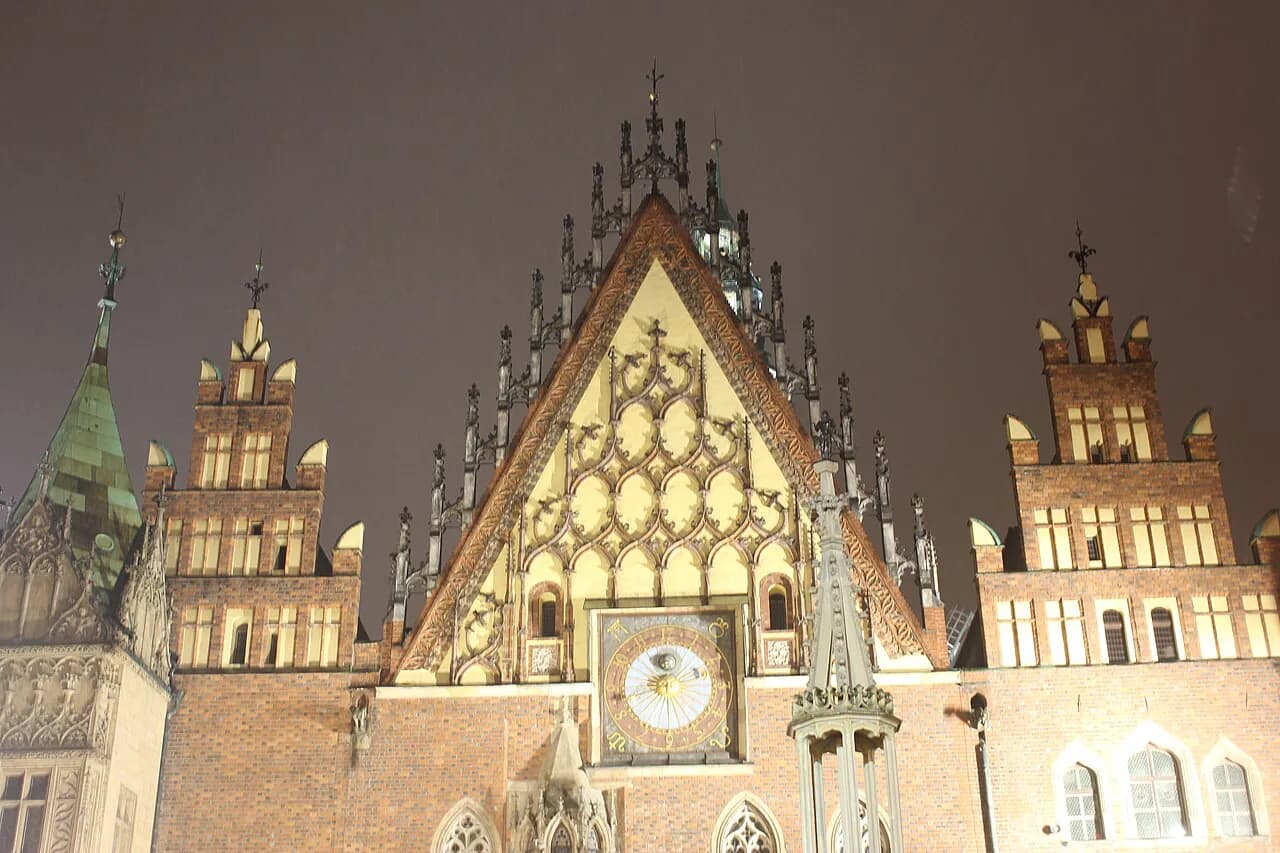
The Market Square is one of the largest in Poland at about 3.8 hectares, with a layout largely unchanged since the thirteenth century and colourful tenements that were extensively restored after the war. Its pillory dates from 1492 alongside the Town Hall, and the square is one of the city's three favourite meeting points.
On a dry April afternoon, the square and the surrounding streets are where the city's café and restaurant life spills outdoors. If the weather turns, the Gothic Town Hall and the surrounding arcades keep you close to shelter.
St Elizabeth's tower and Plac Solny
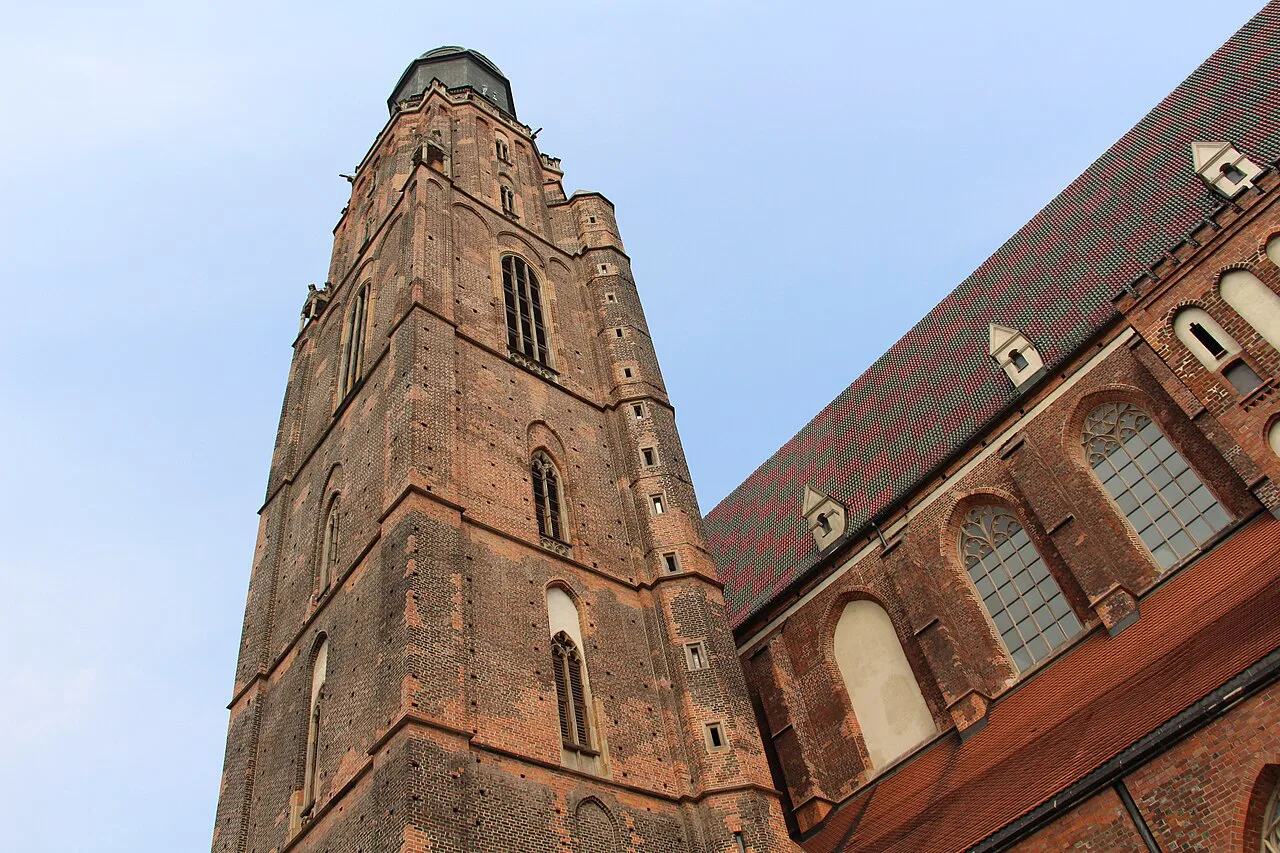
Plac Solny, a short step from the Rynek, is known for its flower market, and St Elizabeth's Church nearby has a tower you can climb if you have the energy. In April the climb is more appealing than in high summer, but save it for a clear, dry slot rather than a gusty shower.
Buying flowers at the market is a cheap, very local way to spend ten minutes, and it keeps you in the heart of the Old Town between two bigger sights.

A walk between the Rynek, Stare Jatki and the dwarf statues
From the Rynek, head up to Stare Jatki, the old butchers' quarter with a continuous run of buildings from the 1600s and 1700s, then loop back through the Old Town counting the small bronze dwarf statues that are scattered across the city. The source puts the count at around 300.
This is walking, not sightseeing with tickets, so it suits an April day when the weather is uncertain and you want to stay near cover. It also fills the gap between a morning museum and an evening meal.
Ostrów Tumski at dusk and the gas lamps
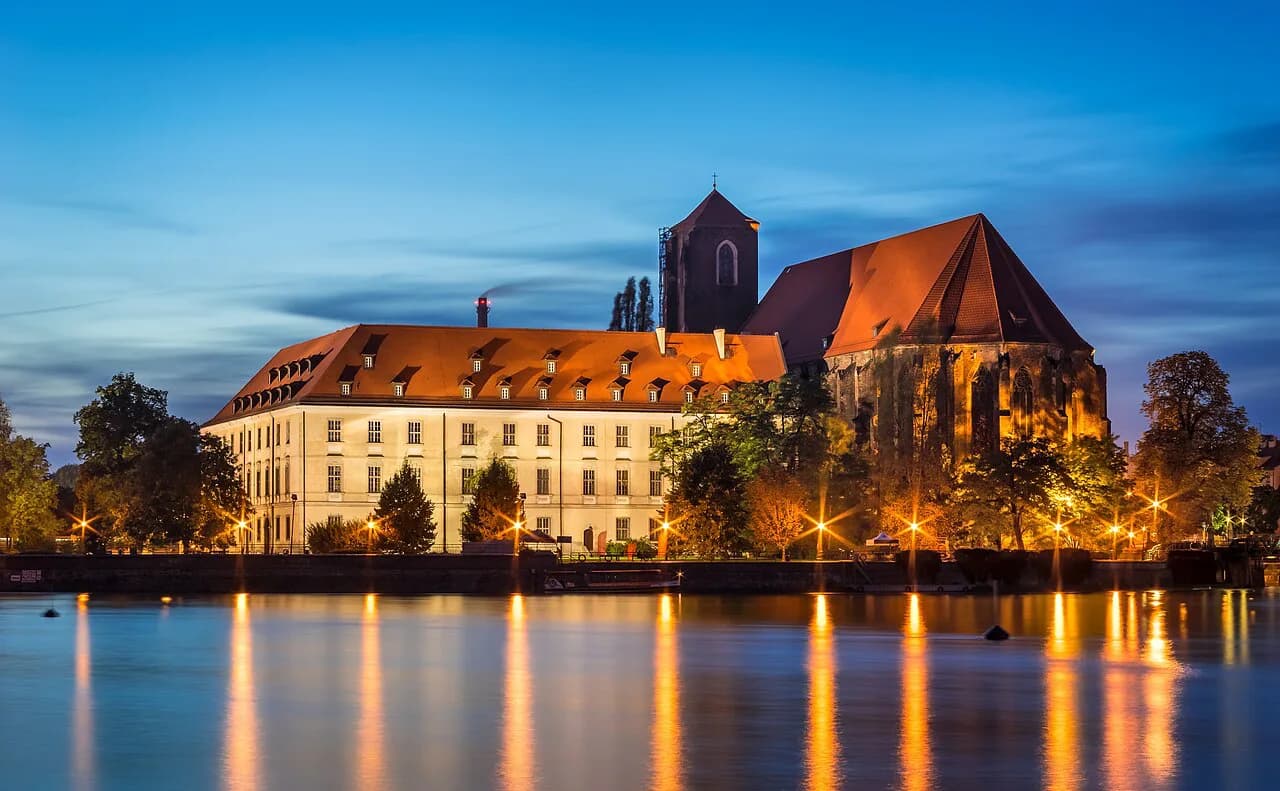
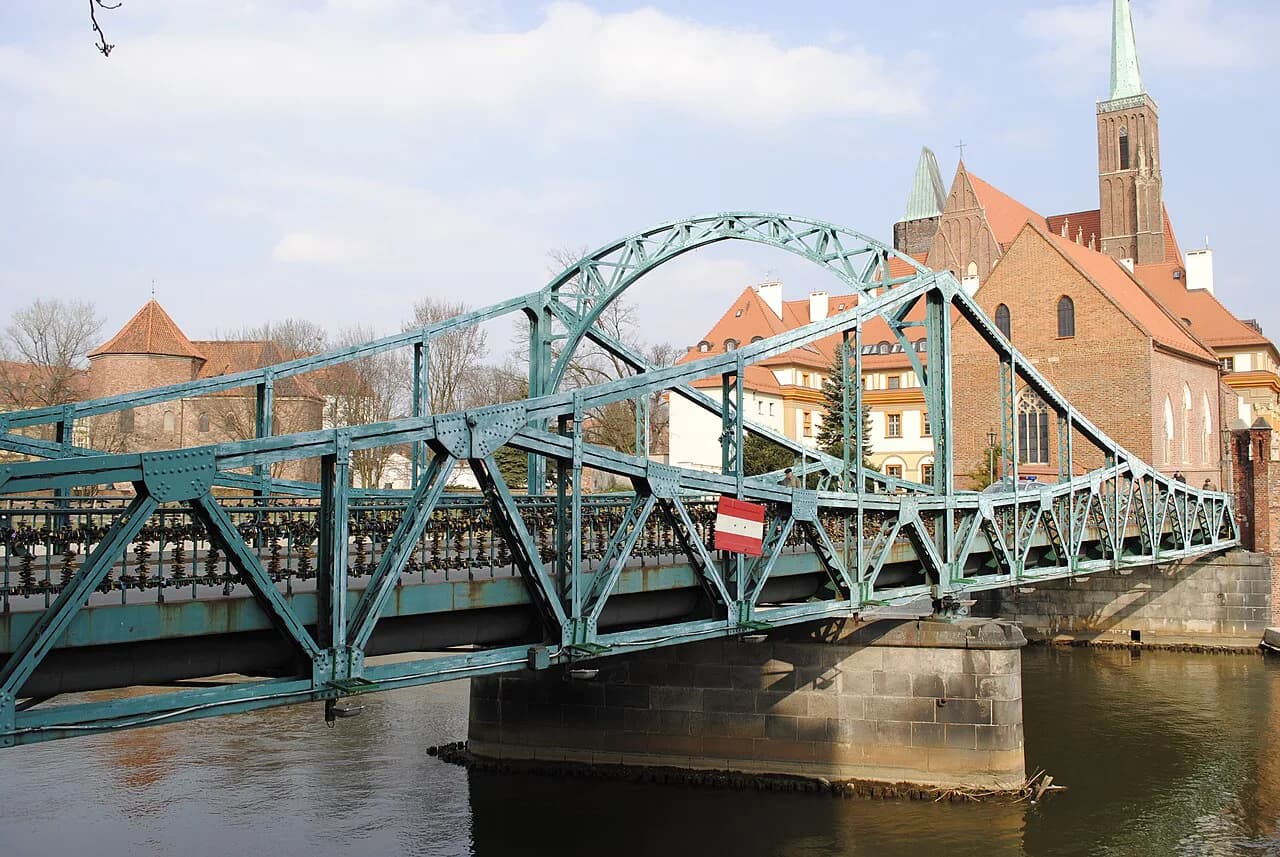
Ostrów Tumski is the oldest part of the city, once an island in the Odra and now reached over a former river arm, with churches at almost every turn and streets lit by gas lamps. At dusk you may see the lamplighter at work, which is one of the atmospheric moments of a Wrocław evening and works well on a cool April night.
April dusk arrives at a civilised hour, so you can pair the walk with an early dinner rather than waiting until late. For how this compares with longer, brighter evenings later in the year, see our guide to Wrocław in summer.
Racławice Panorama and the Centennial Hall area
The Racławice Panorama and the Centennial Hall are the two big sights outside the immediate Old Town, and the source lists both among the city's top attractions. Centennial Hall sits in a park-and-exhibition area, which makes it a good April choice once the grass and trees are coming back.
Allow a half-day for the pair rather than trying to bolt them onto a Rynek morning, and check the current visiting arrangements directly with each venue before you commit a slot.
When to go out and when to go inside: building an April day around the light
April days are getting longer but are not yet the long summer evenings, so a sensible pattern is to be outdoors from mid-morning and again before dusk, keeping any indoor block for the wettest hours. That way you use the brighter spells for the Rynek and the river, and the museum hours for the showers.
Keep one flexible afternoon for the thing you most want to do outside, and do not schedule two ticketed indoor sights back to back on a clear day.
What April means for prices and crowds
Spring is described as the season with lower travel costs and fewer high-season crowds, with March to May named as the best window for exactly that combination. April therefore tends to sit on the comfortable side of both, before the summer peak arrives.
Plan your budget in złoty and confirm current ticket prices and opening days with each museum, gallery or tower directly, since these are set by the venues and change by season. If you are weighing a later trip, our guide to Wrocław in September covers the autumn equivalent.
Should you book Wrocław for April?
Book April if you want a walkable, affordable city break with mild days, thinner crowds and a real chance of rain you can plan around. If guaranteed warmth matters more than value, the later months are the better bet.
Either way, lock in the Rynek, Ostrów Tumski at dusk, the dwarf-statue walk and one big indoor sight such as the Racławice Panorama, and keep an afternoon spare for whatever the weather allows.
Explore more Wrocław guides
Frequently Asked Questions
Is Wrocław worth visiting in April?
Yes, for most city-break travellers. April gives you milder days than March, lower costs and fewer crowds than summer, and a compact Old Town you can walk in a couple of days. The trade-off is changeable weather, so plan an indoor option for each day.
Is late April a good time to visit Wrocław?
Late April is generally warmer than early April and still short of the May rainfall peak, which makes it a sensible target for a short break. Treat any specific forecast as unreliable until close to your dates and pack a waterproof layer.
How many days do you need in Wrocław?
Two full days covers the Market Square, the Old Town and Ostrów Tumski at a relaxed pace. Three days lets you add the Racławice Panorama and the Centennial Hall area without rushing, and gives you room to absorb a wet afternoon.
Is Wrocław cheap for a city break?
Spring is described as the lower-cost season for Wrocław, with March to May offering better value and thinner crowds than high summer. Budget in złoty and check current ticket prices with each venue before you go.
Sources
Notes for your next Polish city break
Optional updates to our Poland guides.
You might also like
Continue reading
More guides you'll find useful