Best Time to Visit Wrocław: A Month-by-Month Guide
Choose when to visit Wrocław with a season-by-season look at typical temperatures, daylight, crowds and what stays open, plus the best months for a short break.
On this page
The best time to visit Wrocław is late spring or early autumn, when daytime temperatures are mild, daylight is generous and the Rynek and Ostrów Tumski are pleasant to walk without summer crowds. If your priority is warm evenings on the market square terraces, aim for June to August and accept busier streets. The spring months are covered in detail in our guide to Wrocław in April. This guide works through the seasons, shows where the appeal shifts across the city, and flags the practical planning points.
Best time to visit Wrocław: the short answer
For a first city break, May, June and September are the strongest months: the Oder islands and the market square are walkable for hours, and the light lasts into the evening. Wrocław is built across 12 islands linked by more than 100 bridges, so a lot of the city's appeal sits outdoors along the river, and dry, mild days make the biggest difference.
Budget travellers should look at late autumn and the weeks after the New Year, when demand eases, while photography trips favour the low, angled light of spring and autumn. Museum-heavy trips work in any season, but winter shortens the daylight you have for everything else.
How the seasons change in Wrocław: typical temperatures and daylight
Wrocław sits in south-west Poland and has a temperate climate with four clear seasons. The figures below describe typical conditions rather than a forecast, so treat them as a planning baseline and look at a current weather service close to your travel date. Daylight swings widely: summer evenings stay light well past the time most visitors finish dinner, while December afternoons fade early.
KLM's destination page gives October averages around 11°C for Wrocław, which underlines how quickly the city cools once autumn sets in. That is comfortable for walking if you layer up, but it is not terrace weather. The broader point is that a difference of a few weeks can change the feel of a trip more than a difference of a few hundred metres in where you stay.
Spring (March to May): what to expect and what it suits
Spring arrives gradually, with March still cool and changeable and May often the first reliably pleasant month. The payoff is a city shaking off winter: the Rynek fills with café tables, the riverside paths become usable again and the light is soft for photographs of the ochre and pastel façades. Easter moves each year, so check the calendar if you want to be there for it.
Spring suits travellers who want long walks without summer heat, and it is a good window for the botanical and park spaces that sit away from the centre. Pack a light waterproof and check the forecast in the week before you travel, since April and early May can still deliver cold snaps.
Summer (June to August): long days, the Rynek terraces and the trade-off with crowds
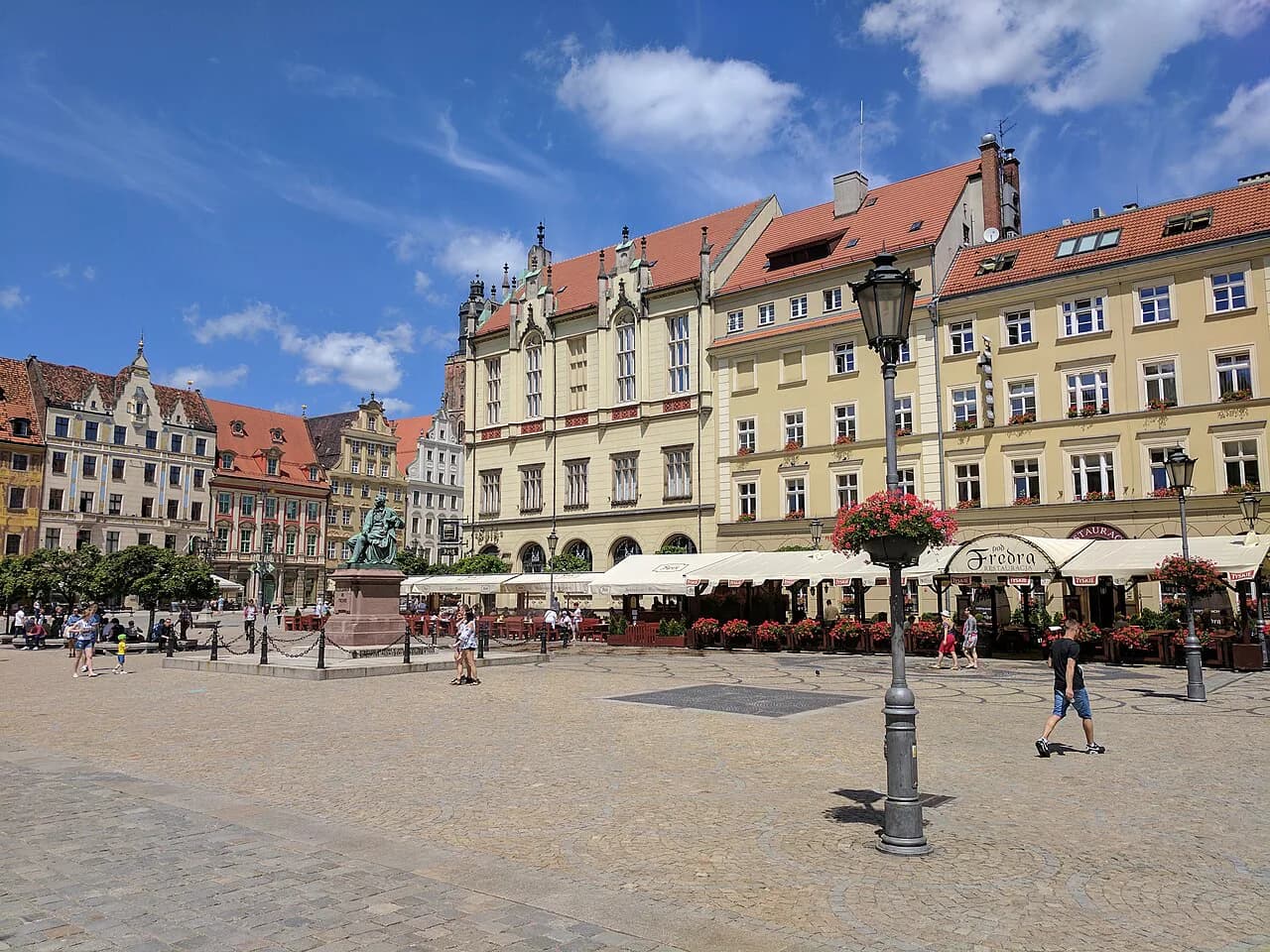
June to August brings the warmest weather and the longest days, and the Rynek becomes the social centre of the city, with terraces spread across one of Europe's largest market squares. This is the season for lingering outdoors, taking a boat on the Oder and wandering the cathedral island in the evening. For a closer look at the warmest months, see our guide to Wrocław in Summer. The trade-off is peak demand: expect busier streets, fuller restaurants and higher room rates.
If you visit in July or August, plan the indoor sights for the middle of the day and save the river and squares for morning and evening. The long daylight means you can fit more into each day, which can offset the crowds if you are willing to start early.
Autumn (September to November): the sweet spot for city breaks
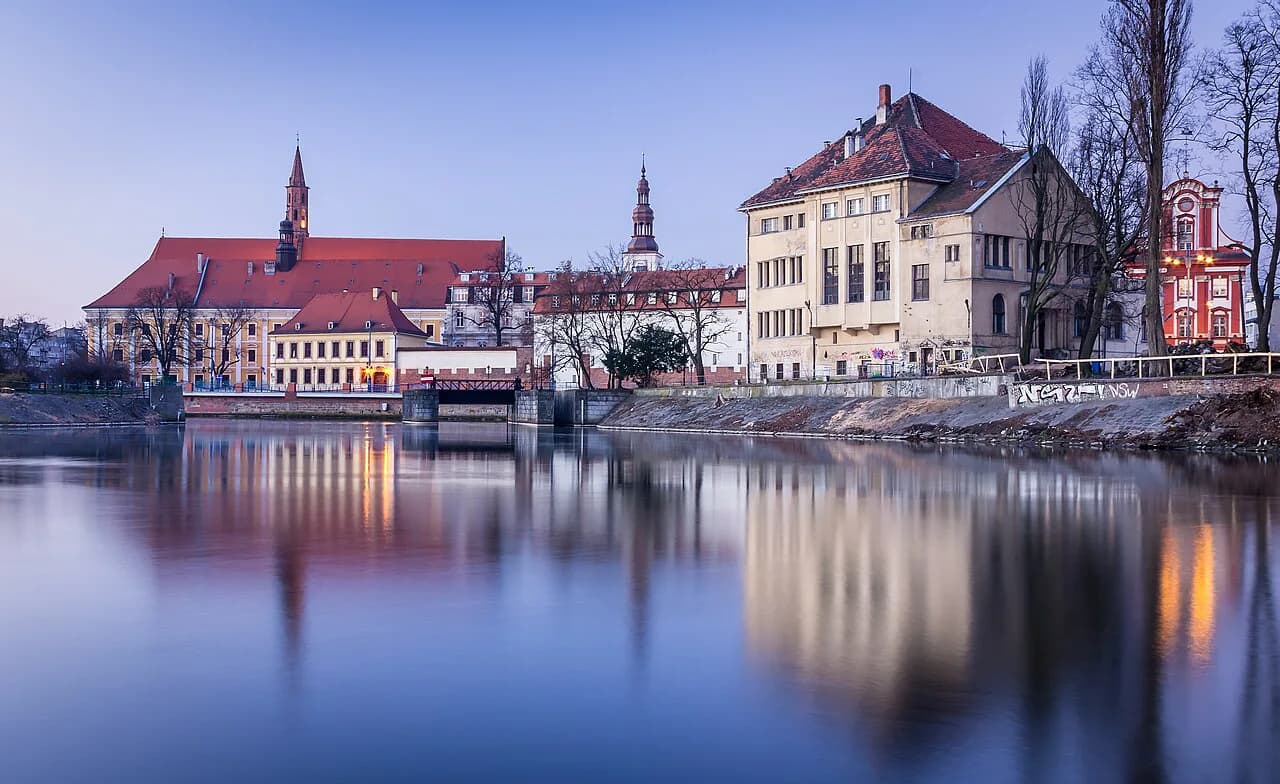
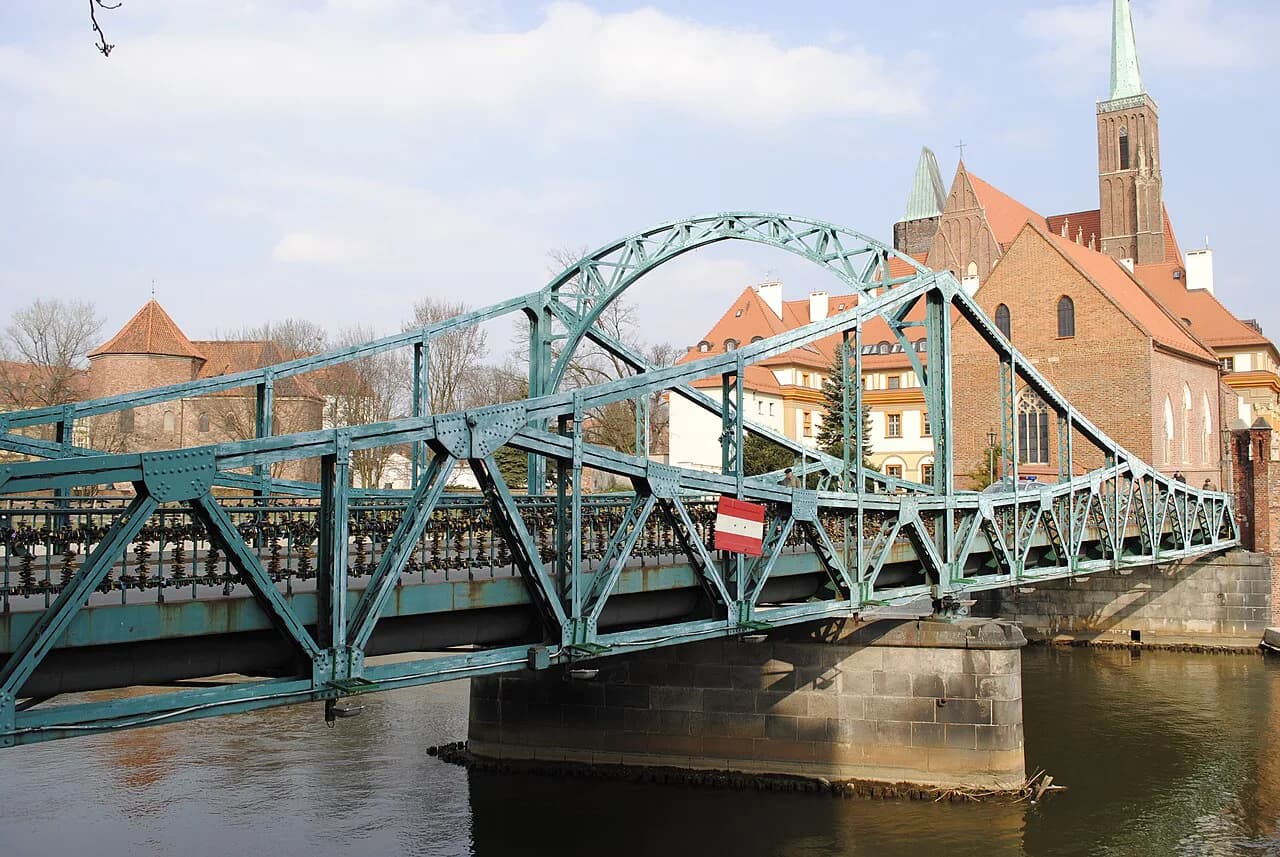
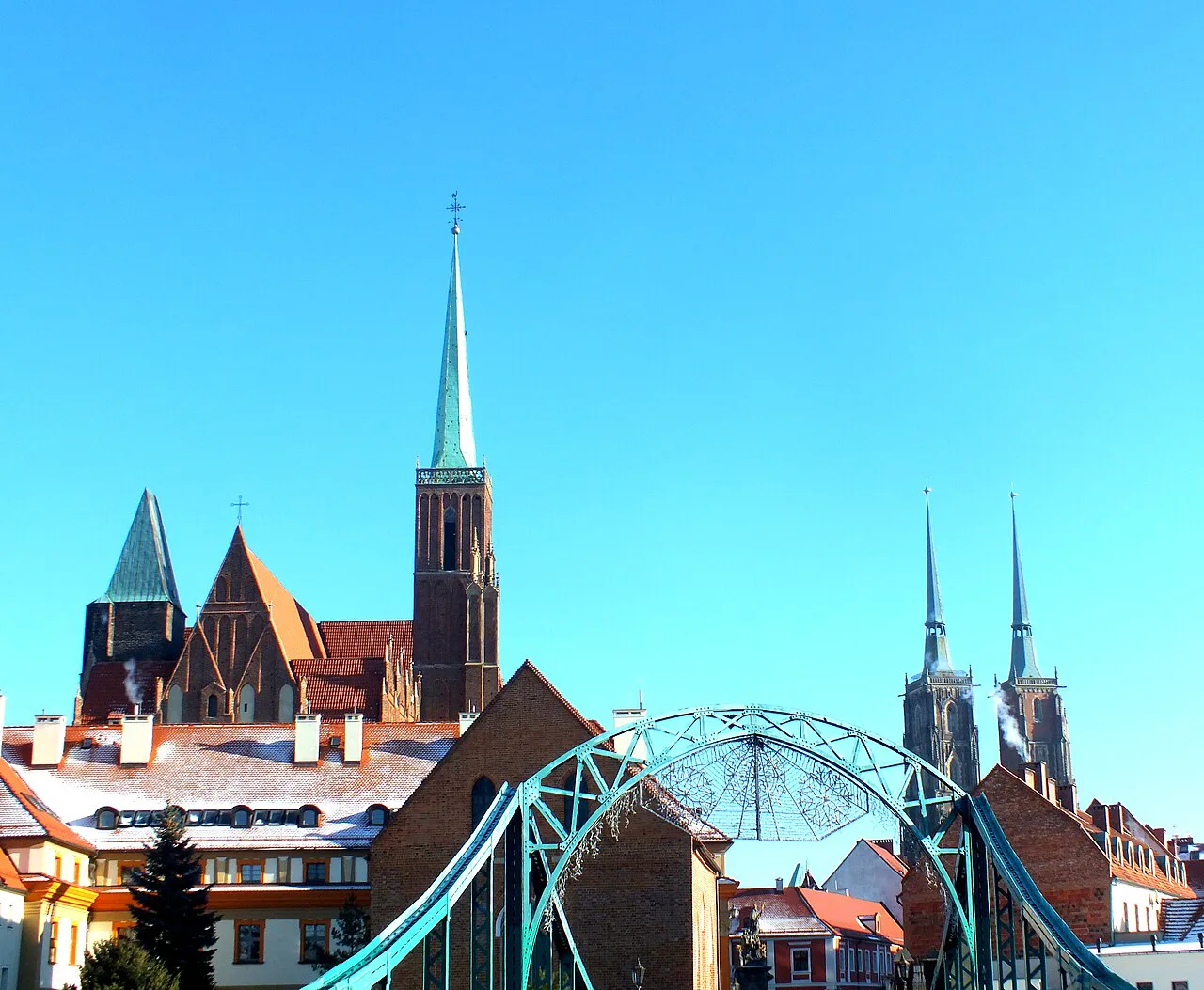
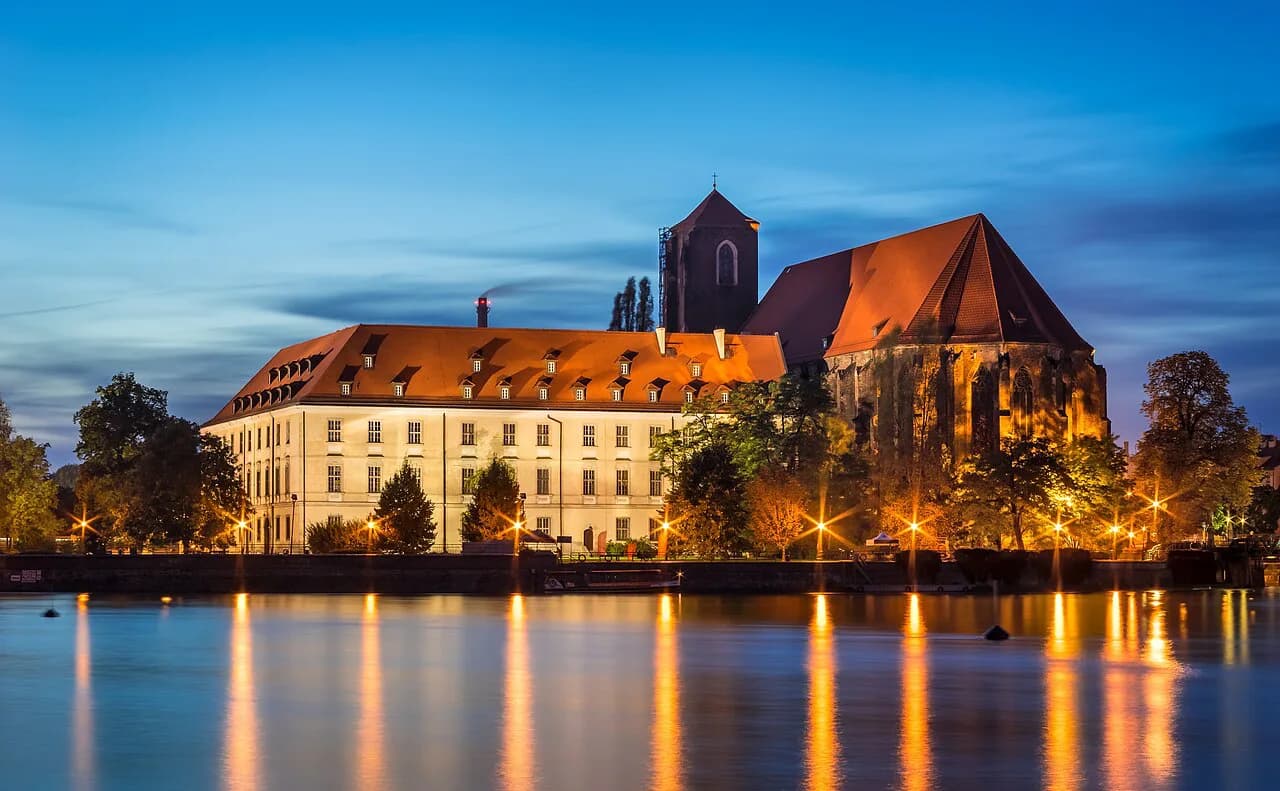
September and early October are the most comfortable months for a short break, with mild days, thinning crowds and the market square still lively. The city's colours sharpen as the leaves turn, which makes the walk across Tumski Bridge and through Ostrów Tumski particularly rewarding. It is also a sensible time for photography, since the low sun picks out detail on the brickwork. If you are weighing up a Polish city break more broadly, our guide to the best time to visit Poland for a city break puts this season into a national context.
By November the season has turned: days are shorter and noticeably cooler, and outdoor time needs planning around the light. November suits museum-heavy trips and travellers who prefer a quieter city to warm weather. It is worth checking which sights keep reduced hours in the shoulder season before you build an itinerary.
Winter (December to February): cold, short days and indoor sights
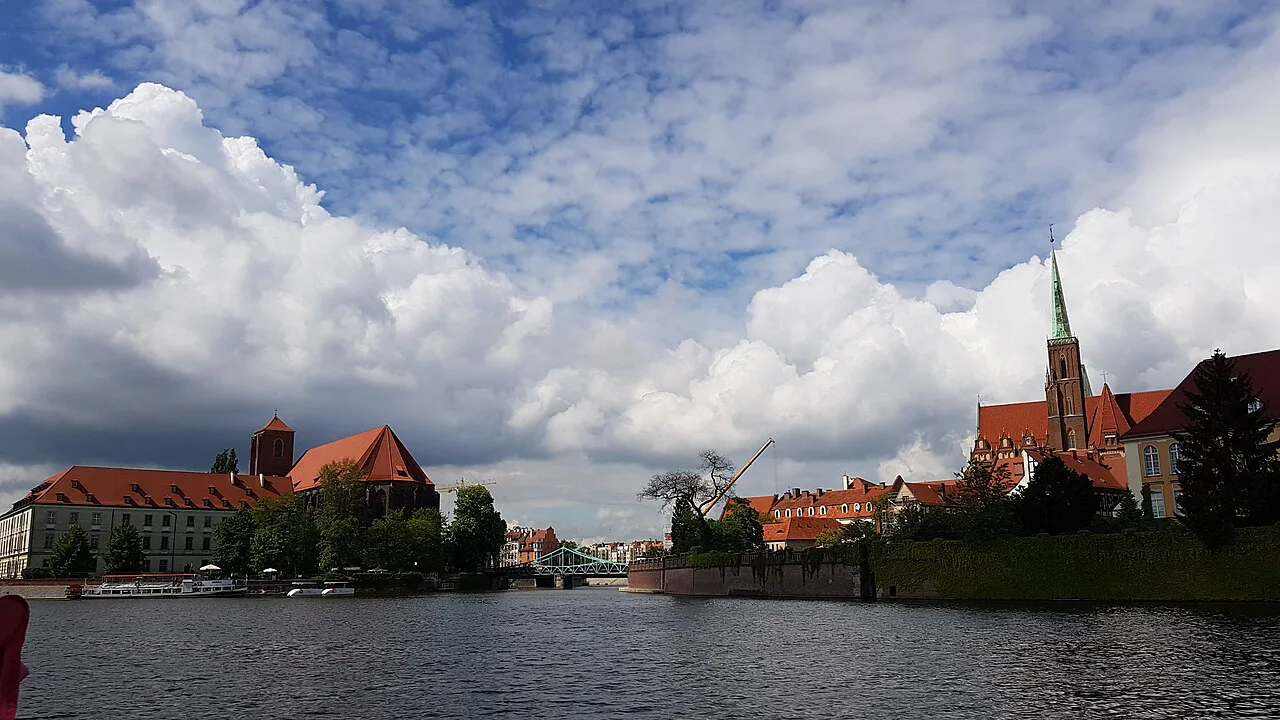
Winter in Wrocław means cold days, early dusk and a city that shifts indoors, which suits travellers who prioritise museums, galleries and long lunches over river walks. Daylight is limited, so plan any outdoor sightseeing for the middle of the day and keep the evenings for indoor attractions. Wrap up properly and treat winter as a different kind of city break rather than a compromise.
Which month suits which trip: museums, river walks, photography, budget
Museum trips work year-round and are best in the colder months, when indoor time is welcome. The National Museum and the Panorama of the Battle of Racławice are the anchor sights for a culture-heavy visit, and a short break of two or three days gives you room for both without rushing.
River and island walks are at their best from May to September, when the Oder paths and bridges are comfortable for hours at a time. Photography favours the low light of spring and autumn, and budget travellers get the best value outside the summer peak. Once you have chosen dates, two full days cover the main sights and three let you slow down.
Festivals and events worth timing a trip around
Wrocław has a busy cultural calendar, and a well-timed visit can add a concert, festival or exhibition to the trip. Check what is on before you lock in dates, since major events can push up room rates and fill the squares. A current events listing is the reliable way to see what falls in your window.
How many days Wrocław needs once you have picked your dates
Two full days cover the Rynek, Ostrów Tumski and one major museum; three days let you add a second museum, the Centennial Hall area and a relaxed river walk. A widely shared three-day itinerary structures the city around the market square and dwarf statues, then culture and viewpoints, then parks and gardens, which is a sensible rhythm to borrow.
If your dates fall in a shoulder month, build in a flexible afternoon for the weather rather than booking every hour. A short break of three nights gives you two clear sightseeing days and a buffer.
Public holidays and restricted Sunday trading to plan around
Polish public holidays can affect opening hours, and Sunday trading is restricted in Poland, so larger shops may be closed on some Sundays. Museum opening days vary, and many Polish museums close one day a week, often Monday. Check the specific venue's published hours before you rely on it for a particular day.
Public holidays also bring crowds to the Rynek and can change transport timetables. If your trip includes a Sunday or a holiday, plan the day around sights you have confirmed are open rather than assuming the city runs as usual.
What to do in Wrocław when the weather turns
When rain or cold sets in, move indoors: the National Museum and the Panorama of the Battle of Racławice are substantial enough to fill an afternoon, and the market square's covered passages and cafés keep you close to the centre. The city's many bridges and arcades mean you can move around without long exposed walks.
For a break in the weather, head to the Centennial Hall area, where the surrounding park and the multimedia fountain give you an outdoor option close to indoor cover. Check fountain operating times before you go, since they are seasonal.
Which month should you book for Wrocław?
For most travellers, May, June or September gives the best balance of mild weather, long days and manageable crowds, with the Rynek and Ostrów Tumski at their most enjoyable. Book winter only if museums and indoor time are the point of the trip, and use the shoulder months to keep costs down. Pick your month by what you most want to do, then let the weather plan fill in the rest.
Explore more Wrocław guides
Frequently Asked Questions
What is Wrocław like in November?
November is cool and often grey, with short daylight hours, so it suits museum-heavy trips and quieter city breaks rather than long river walks. Pack warm layers and plan outdoor sightseeing for the middle of the day.
Which month is the coldest in Wrocław?
January and February are typically the coldest months, with short days and a higher chance of frost. Winter is best treated as an indoor-focused city break, with outdoor time saved for the brightest part of the day.
Sources
Notes for your next Polish city break
Optional updates to our Poland guides.
You might also like
Continue reading
More guides you'll find useful