Wrocław Itinerary: A Realistic 2–3 Day Plan by Area
A practical Wrocław itinerary for two or three days, grouped by area: Market Square, Ostrów Tumski, the Panorama and the museums worth your time.
On this page
Two days are enough for Wrocław's Rynek, Ostrów Tumski and the riverside if you plan by district rather than by checklist. Add a third day for a museum, the Centennial Hall area or a slower morning in the Market Hall. This itinerary gives you a day-by-day route, the trade-offs between sights, and the practical details on tickets, trams and opening days.
How many days Wrocław needs
Two days let you see the Market Square, the University quarter, the riverside and Ostrów Tumski at a comfortable pace. Three days give you room for the Panorama of the Battle of Racławice or the National Museum, plus the Centennial Hall district east of the centre. If your trip is shorter than 48 hours, our One Day in Wrocław plan is the better fit.
If you are still deciding on the length of your trip, our guide to how many days in Wrocław sets out what each extra day buys you. A weekend in Wrocław works well for the two-day version; the third day is the one most people drop, and it is also the day that lets you slow down.
How the city is laid out
The Rynek, Wrocław's Market Square, is the centre of gravity, with Plac Solny (Salt Square) just off its south-west corner and the Market Hall a block further south. Świdnicka Street runs south from the Rynek past the dwarf statues, and the University of Wrocław sits a short walk north-east around Plac Uniwersytecki. The Odra runs north of the old town, and Ostrów Tumski, the cathedral island, sits across Most Tumski on the far bank.
The old town, the University quarter and the riverfront are all walkable within about twenty minutes of each other. The Centennial Hall and the multimedia fountain area are further east and worth a tram rather than a long walk. Plan each day around one bank of the river so you are not crossing the Odra twice to tick off sights.
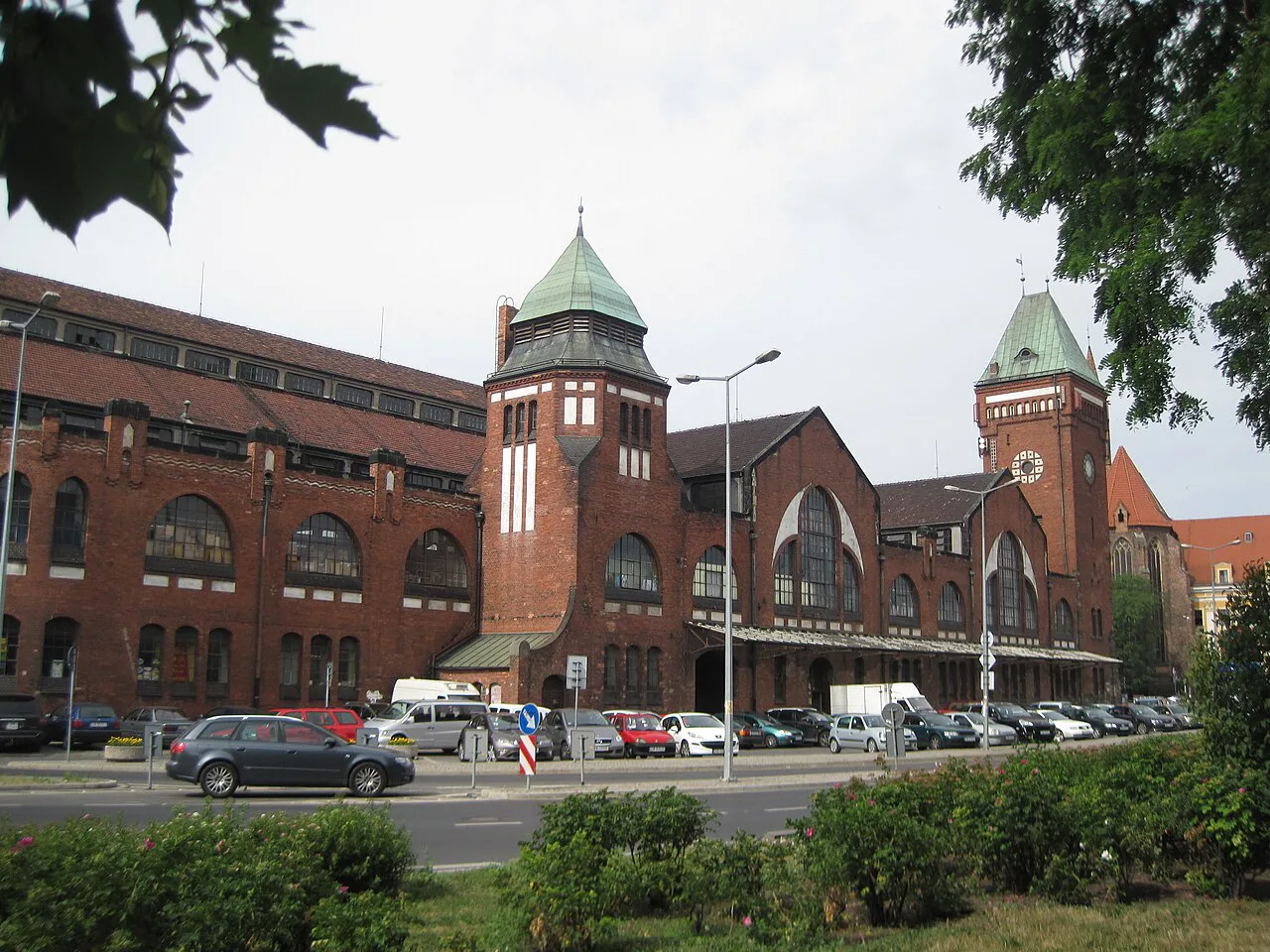
Day 1 morning: Rynek, Town Hall, Plac Solny and the Market Hall
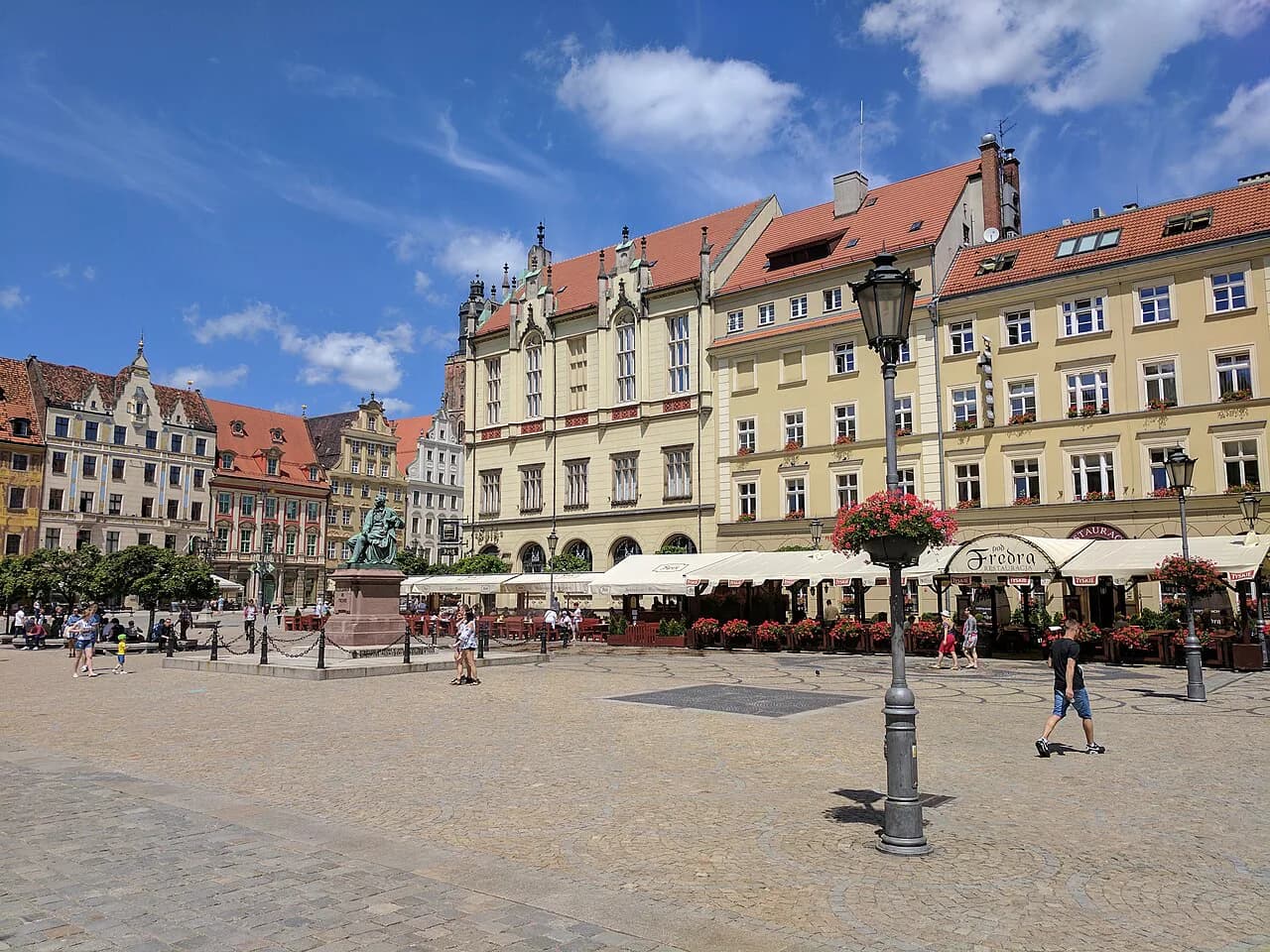
Start in the Rynek, ringed by colourful facades rebuilt after the fighting in 1945. The Old Town Hall stands in the middle of the square and is the obvious first landmark.
Walk south to Plac Solny, then on to the Market Hall for a browse among the food and flower stalls. Allow about an hour for the square, the hall and the side streets. On the way south along Świdnicka Street, keep an eye out for the bronze dwarf statues that stand outside shop doors and on kerbs.
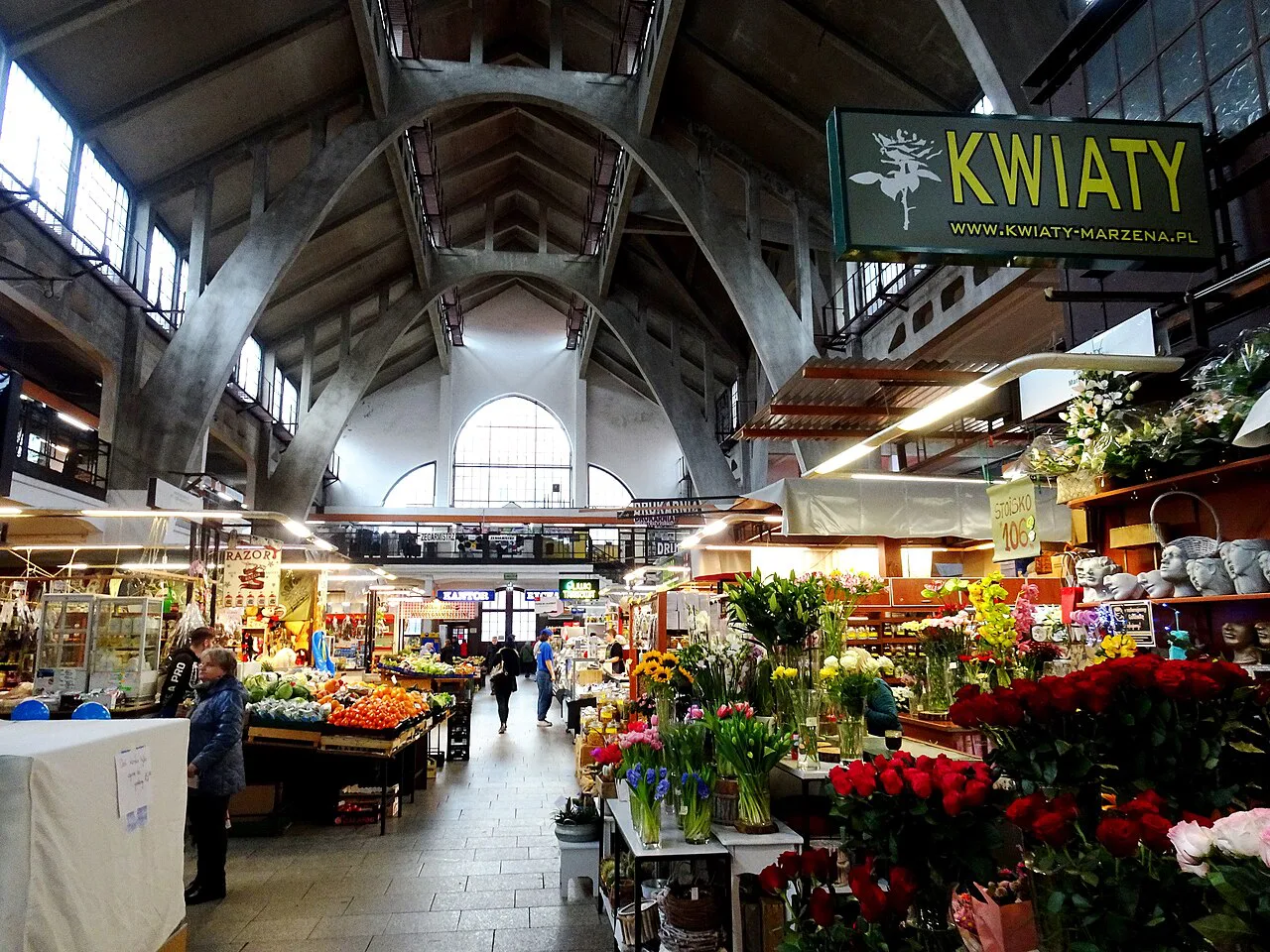
Day 1 afternoon: the University quarter and the riverside
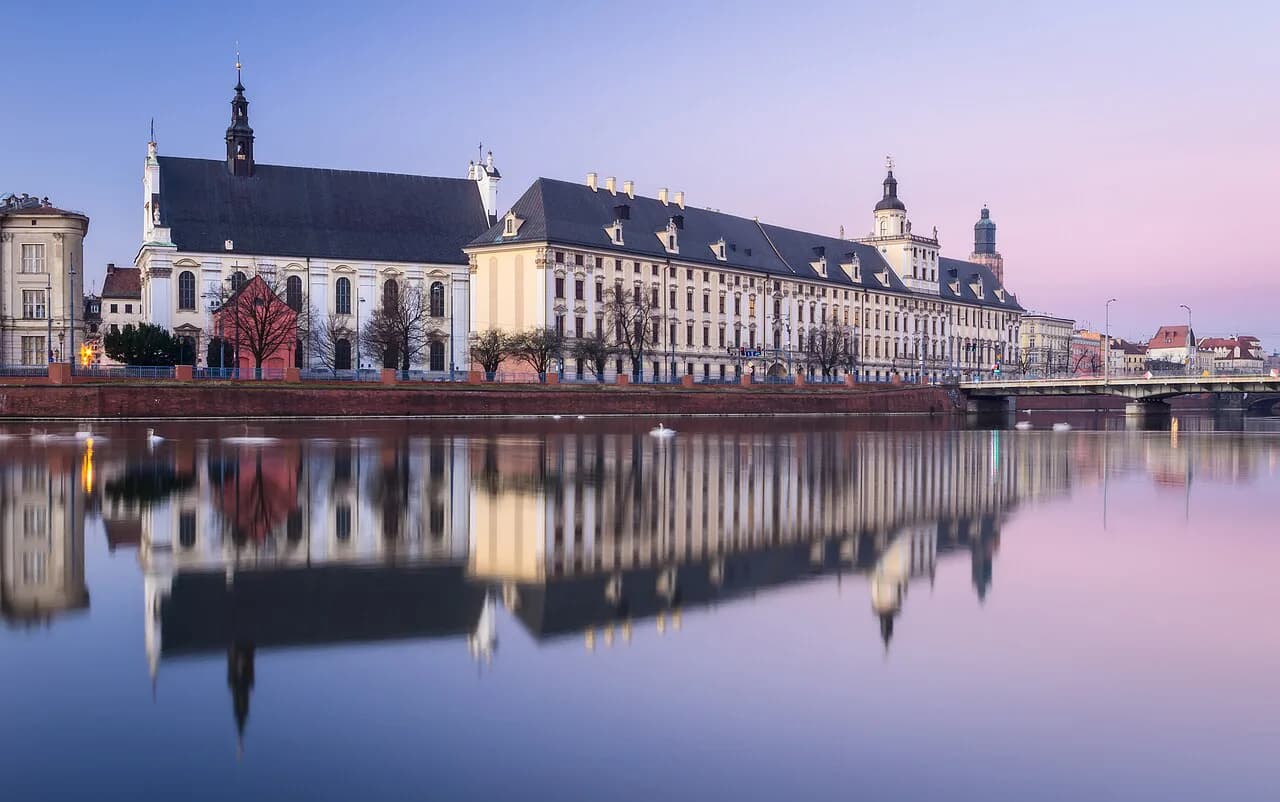
Head north-east to Plac Uniwersytecki for the University of Wrocław and its baroque Aula Leopoldina, then take a coffee break in the side streets before walking towards the river. Check the current opening hours for the University interior before you go if it is on your list. From there, the walk to Most Tumski is short.
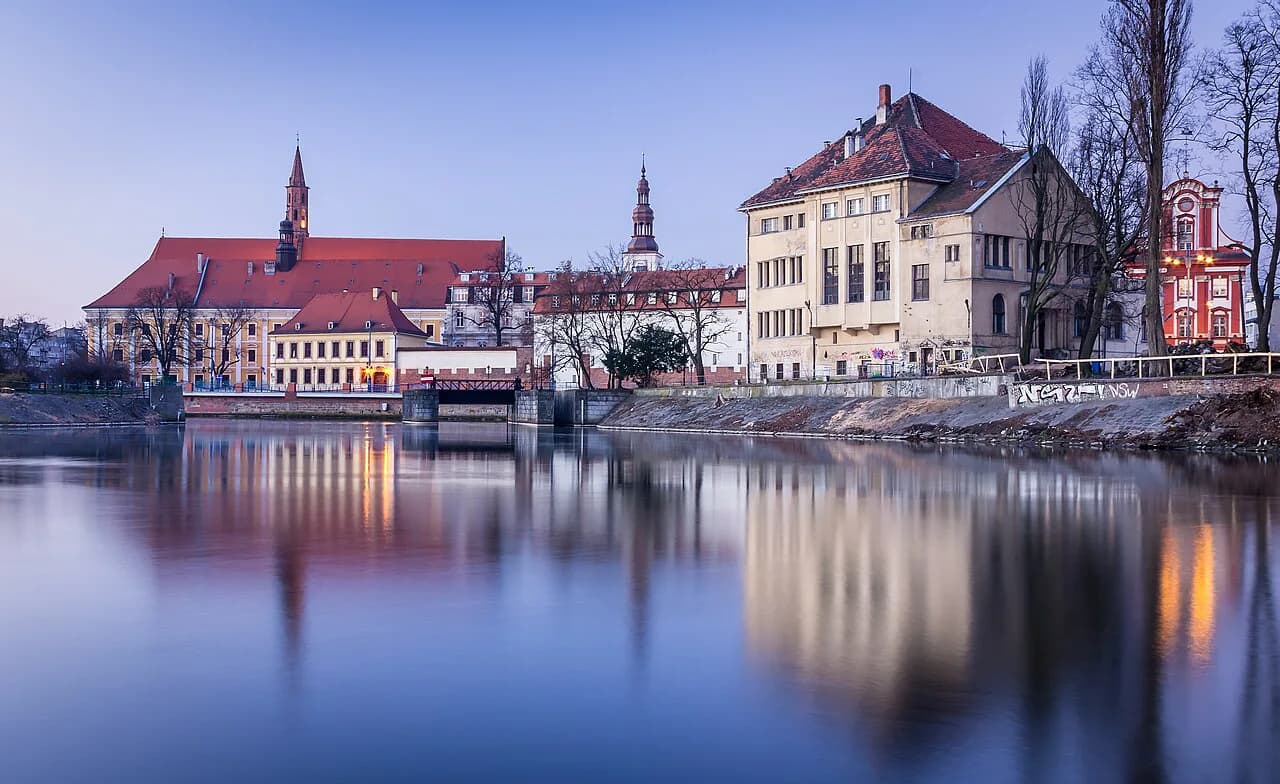
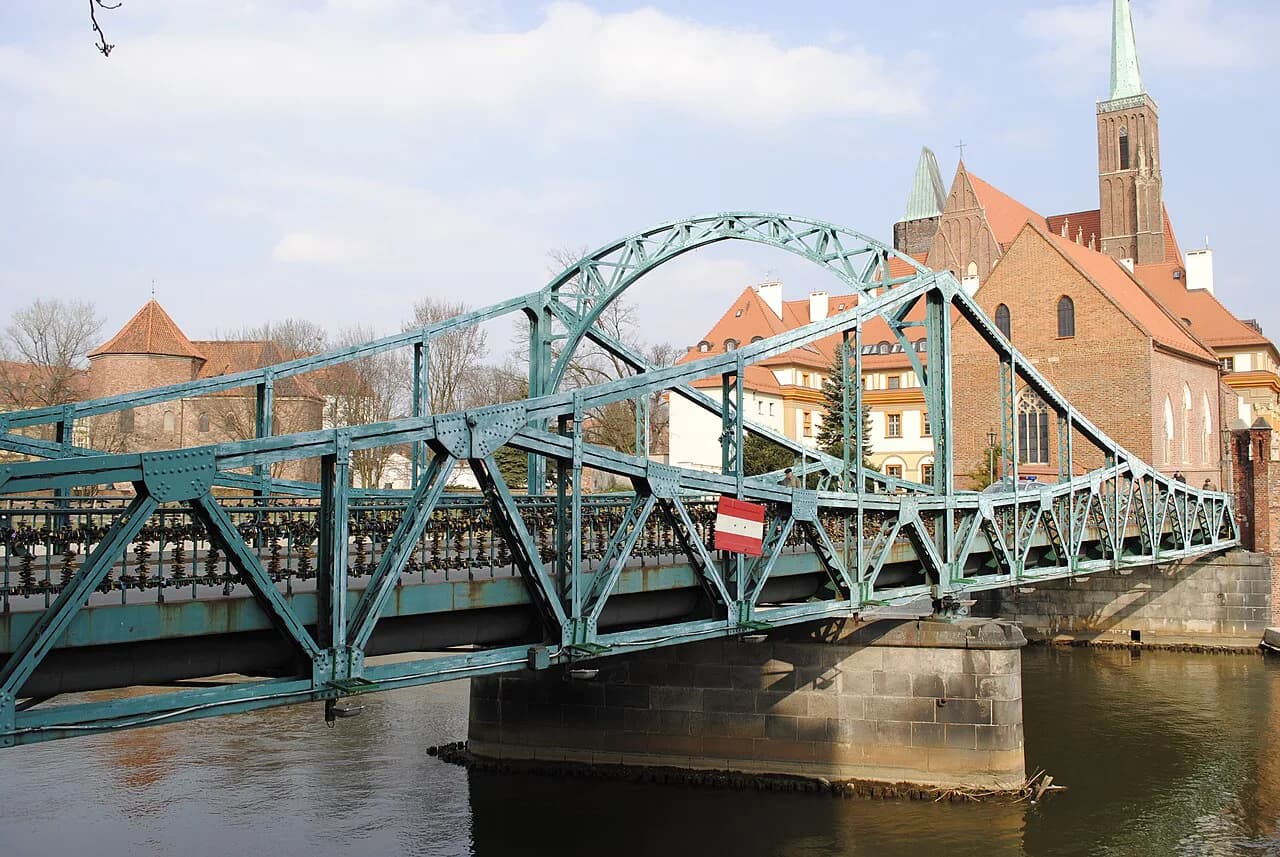
Most Tumski, the bridge covered in love locks, leads onto Ostrów Tumski and gives you the classic view back towards the cathedral towers. You can cross it on Day 1 for the view and save the cathedral interiors for Day 2, or reverse the order depending on the weather. The Bridge of Penitents, a short walk from the cathedral, gives a higher view over the Odra.
Day 1 evening: an early dinner near the Rynek
Eat near the Rynek on your first night, then walk back through the illuminated centre at a slow pace. The square and the streets around Świdnicka are at their best after dark, when the facades are lit and the crowds thin out. Keep the evening low-key so you are fresh for the cathedral island the next morning.
Day 2 morning: Ostrów Tumski and the Cathedral of St John the Baptist
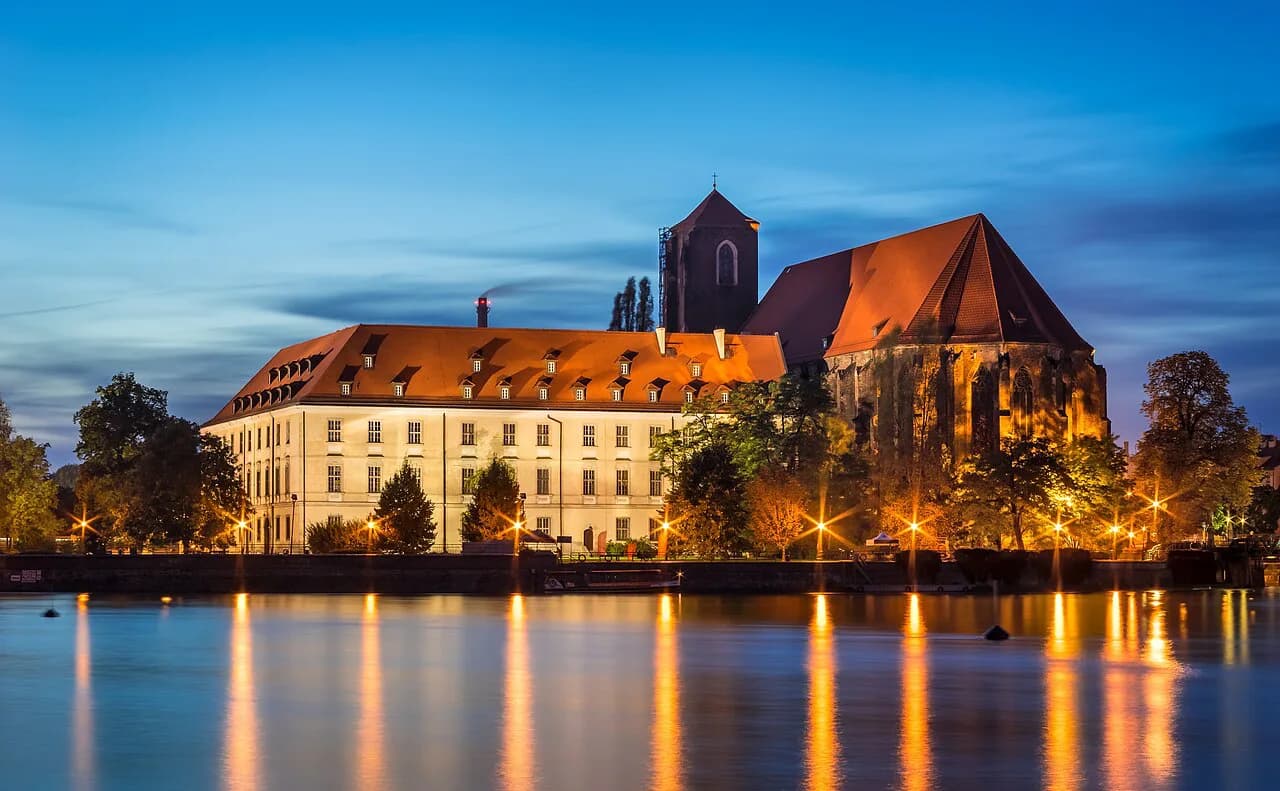
Cross Most Tumski early, when the light on the river is at its best and the island is quiet. The Cathedral of St John the Baptist is the main stop on Ostrów Tumski, and the surrounding streets of Kanonia and the cathedral square are worth a slow lap. Give the island about two hours, including the bridge views.
For the best outlook over the river and the towers, walk to the Bridge of Penitents, a short detour from the cathedral. It is a viewpoint rather than a sight in itself, so ten minutes is enough. If you want to know when the island looks its best across the seasons, our guide to the best time to visit sets out the options.
Day 2 afternoon: Panorama or National Museum
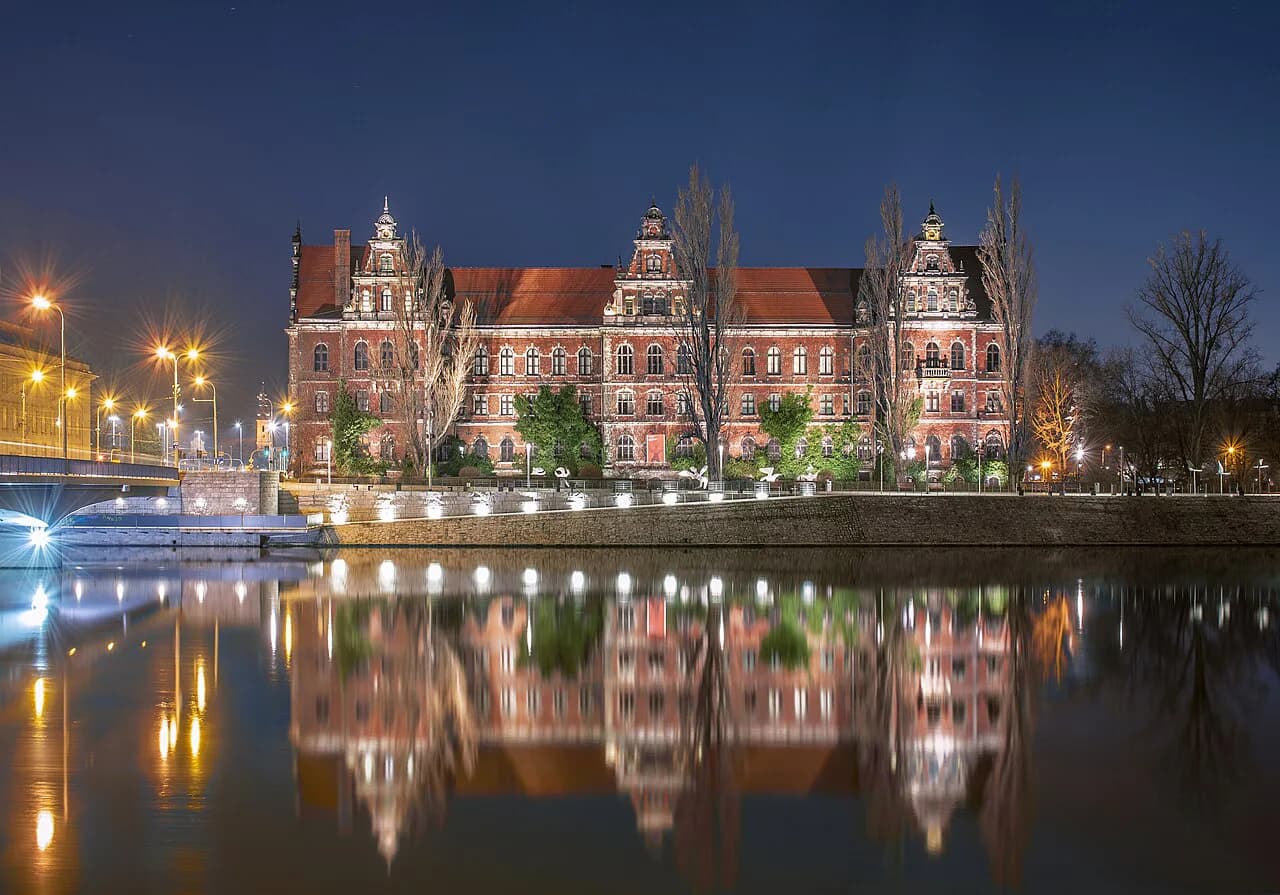
The Panorama of the Battle of Racławice is the more distinctive of the two: a huge circular painting of the 1794 battle, viewed from a central platform. The National Museum in Wrocław is the broader art collection, with a stronger range of painting and sculpture across the centuries. Choose the Panorama if you want one unforgettable stop; choose the National Museum if you would rather wander a general collection.
Both are in central Wrocław, so you can decide on the day. Check each venue's own website for the current opening days and ticket prices before you rely on them. If you only have time for one, the Panorama is the more unusual experience and the one to plan around in high season.
Day 2 evening: a food tour or a self-guided eating route
Wrocław's food scene runs on the Rynek and the streets just off it, with everything from pierogi and Żurek to modern Polish cooking. A guided food tour is a good way to cover several stops in one evening and to try dishes you might not order otherwise. If you would rather go it alone, build a short route around the square and Świdnicka, with one stop for dumplings and one for dessert.
Day 3 option A: Centennial Hall and the multimedia fountain
The Centennial Hall, a UNESCO-listed concrete hall from the early twentieth century, sits east of the centre near the Wrocław Multimedia Fountain. It is a tram ride rather than a walk, so allow half a day. Check the fountain's seasonal operating dates on the official site before you build your afternoon around it, as the shows do not run year-round.
Day 3 option B: Market Hall, cafés and the Botanical Garden
A slower third day suits anyone who has already covered the big sights. Browse the Market Hall in the morning, then take a long coffee break in the side streets off the Rynek before walking to the Botanical Garden of the University of Wrocław. The garden is a calm counterpoint to the square, and a good option if you are travelling with children or want a shorter walking day.
Slotting museum stops around Polish closing days
Polish museums commonly take one closing day a week, and some offer free entry on one day, so build the museum parts of your plan around the specific venue rather than assuming everything is open. Check each museum's own website for the current opening days before you commit.
What things cost: tickets and trams
Museum tickets, tram fares and meal prices change, so confirm them on the venue or operator site when you book. Wrocław's trams, buses and regional trains are covered by city transit tickets, which are sold through apps and at ticket machines; a 3-day ticket is one option for a multi-day visit. Set a daily budget that includes one paid museum, a tram ticket and two meals, then adjust for your own pace. For typical costs across the country, see whether Poland is expensive.
When to go
Spring and early autumn give you the most comfortable walking weather for a three-day plan, with long daylight hours for the riverfront. Summer is the busiest period around the Rynek and the fountain, while late autumn and winter are quieter but colder. Our guide to the best time to visit Wrocław compares the seasons for a city break.
Wrocław with children
The dwarf statues are the easiest way to keep children interested on the walk between the Rynek and Świdnicka, since spotting them turns the street into a hunt. Keep the walking legs short: the square, the Market Hall, Most Tumski and the fountain are enough for a day. Choose one museum at most, and put it in the morning when energy is highest.
Is two days or three the better fit?
Two days cover the essentials without rushing: the Rynek and the Market Hall, the University quarter and riverside, then Ostrów Tumski and the Panorama or National Museum. Take the third day if you want the Centennial Hall and fountain, the Botanical Garden or a slower café-and-Market-Hall morning. Before you go, read our guide on whether Wrocław is worth visiting for a city break and compare it with your other options.
Explore more Wrocław guides
Frequently Asked Questions
How do you pay for trams in Wrocław?
City transit tickets cover trams, buses and regional trains, and you can buy them through apps such as Jakdojade or from ticket machines. You can also pick up a 3-day ticket if you are staying a few days. Keep your ticket until you finish your journey.
Is Wrocław more Polish or German?
Wrocław has been part of Poland since 1945 and was previously part of Germany, so its architecture and street layout carry layers of both. The city's own museums and the reconstructed Rynek facades tell that story better than a general answer can.
Sources
Notes for your next Polish city break
Optional updates to our Poland guides.
You might also like
Continue reading
More guides you'll find useful