Katowice Street Art: Murals to Find in the City Centre
Katowice street art grew out of the Katowice Street Art Festival. Here are the murals to look for in the centre and nearby districts, and who made them.
On this page
Katowice is good for street art, and most of it sits within a walkable ring of the centre rather than scattered across the whole city. Many murals were painted during the Katowice Street Art Festival and are mounted on townhouses and apartment-block walls in the centre and nearby districts, which makes a half-day of looking realistic. This guide names the pieces worth seeking out, separates the central ones from the detours, and explains what to look for once you are standing in front of them.
What Katowice street art is and where it comes from
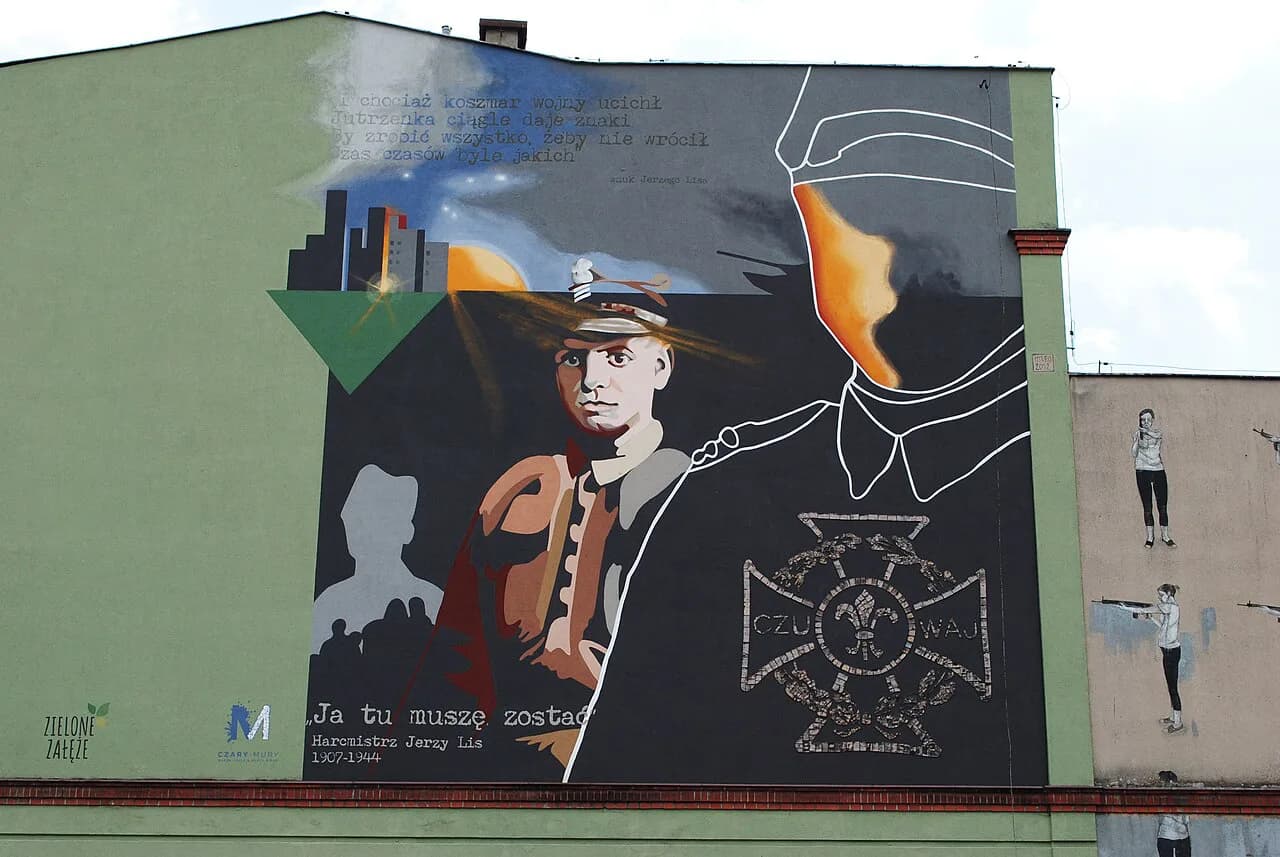
The city's street art is largely mural work: large painted images on the blank side walls of tenements and apartment blocks, rather than small tags or throw-ups. The Katowice Street Art Festival is the origin point for many of them, and it is why the scene reads as a curated collection rather than an accumulation of decades. Look for painted gable ends and courtyard walls as you cross the centre; that is where the big pieces sit.
For a traveller, this matters because the murals reward looking up and sideways rather than following a single signed trail. They are visible from the street, so they slot easily into a day built around the city's museums in Katowice when you want a break from interiors. The trade-off is that they are working parts of the city: parked cars, bins and street furniture will get in the way of a clean view, and you will enjoy them more if you accept that.
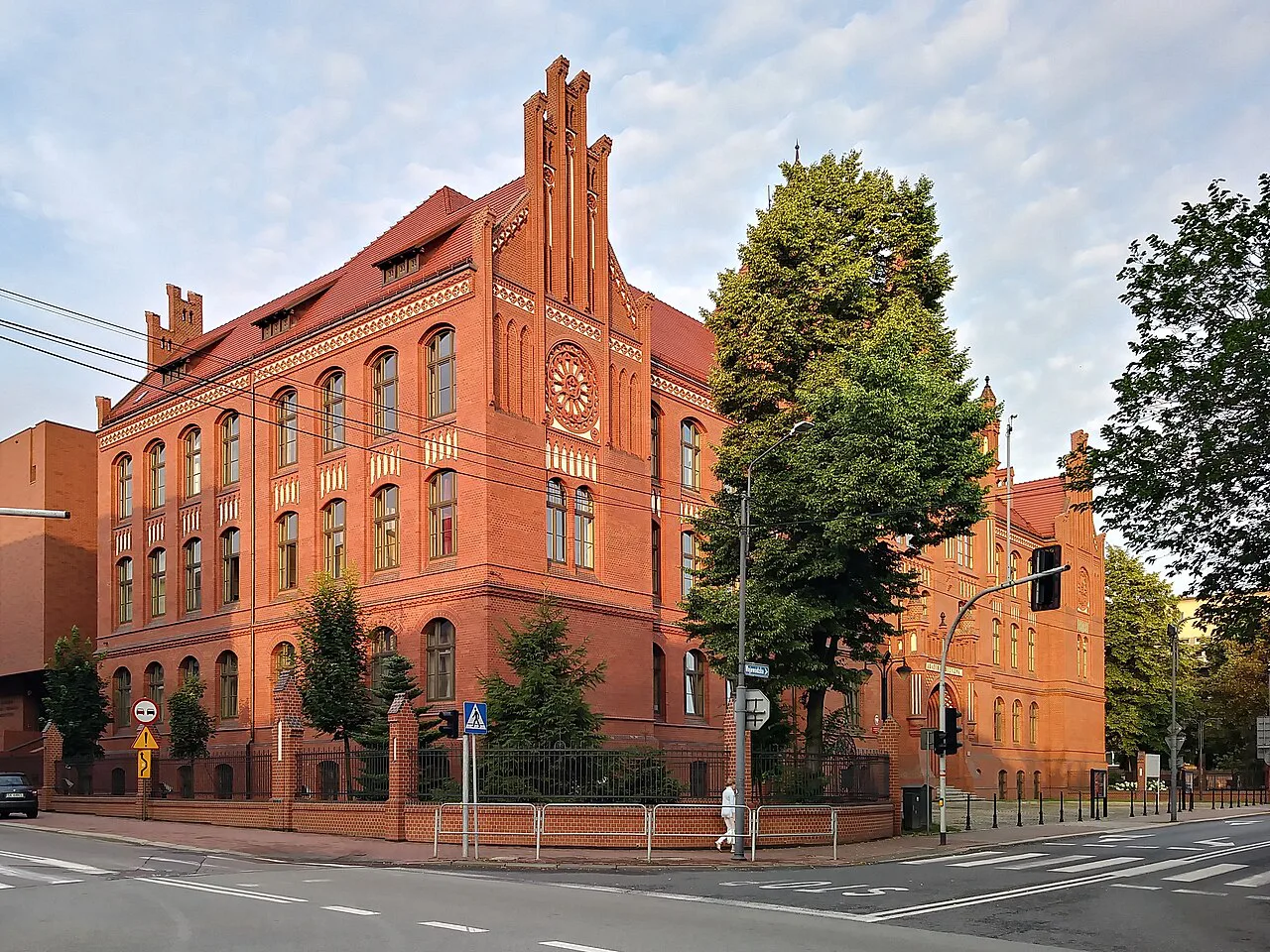
Why so many murals date from the Katowice Street Art Festival
A festival model means pieces were commissioned in batches, often by artists invited from outside Poland, and sited on walls chosen for visibility. That explains why the works cluster in the centre and in districts close to it rather than following the city's edges. It also explains the range: the collection includes Polish artists and an Italian muralist, so the visual language shifts from piece to piece.
Treat the festival as context rather than a schedule. It tells you the murals belong to a deliberate programme of urban art, but it does not give you a route or a leaflet. If you want to know whether a particular wall is still painted, the practical approach is to walk the streets named here and look, since outdoor work can be repainted or built over.
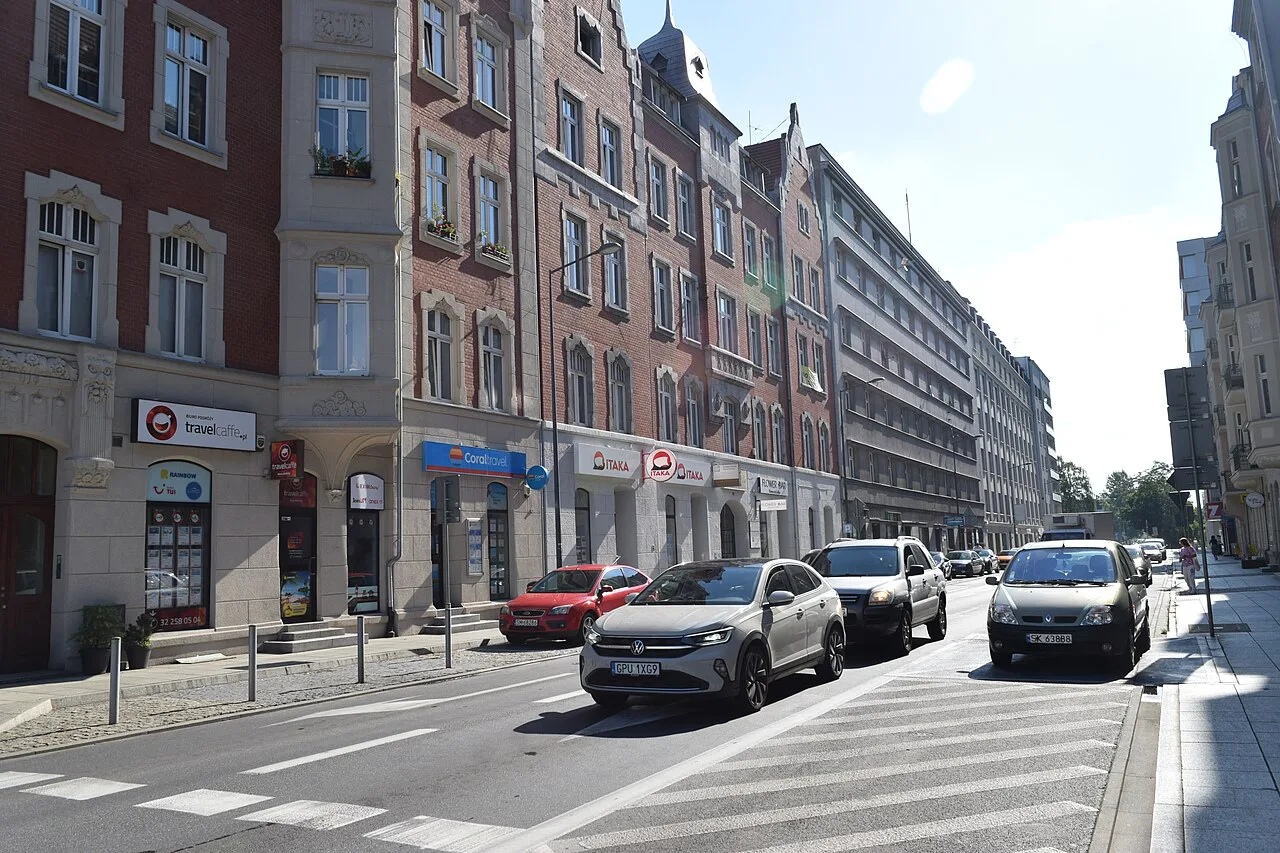
The murals in the city centre: One Mother, Different Dreams and Lady with a Donut
Start in the centre, where two pieces are easy to fold into any walk. One Mother, Different Dreams is described as a prominent piece of urban art in the city centre, and it is the one to prioritise if you only have an hour. The Lady with a Donut mural sits in the heart of Katowice and is a whimsical piece of street art, a useful contrast in tone to the heavier memorial works elsewhere in the city.
Neither is a museum piece: you view them from pavement level, in traffic, with whatever the weather is doing. That is the honest trade-off of central murals, and it is why a short list beats an exhaustive one. Pair them with a look at the surrounding Katowice architecture, since the tenements carrying the paint are often as interesting as the paint itself.
The Airship Mural at 1 Maja and Dudy-Gracza
The Airship Mural is a three-dimensional artwork on the side of a tenement house at the intersection of 1 Maja and Dudy-Gracza streets. The street junction gives you a fixed address to aim for, which is more than most murals offer, and the 3D treatment means it changes as you move past it. Approach from a couple of angles before deciding you have seen it.
Because it sits at a junction rather than on a quiet back wall, this is one to see in passing on the way between two other stops. It works best as part of a loop through the centre rather than a destination in itself. If you are building the day around indoor art, save it for the walk between the museums.
Tellas, Probówki and the festival-era pieces
The Italian artist Tellas contributed a piece as part of the Katowice Street Art Festival, and his work is among the more restrained in the collection. The Probówki mural is by Mariusz Waras, who works as M-City, and the name is worth remembering because his style is recognisable once you have seen one. Both sit in the same festival-era layer of the city's walls, so they make a sensible pair to seek out together.
Sebastian Bożek is another Polish name attached to work in Katowice, documented as a street art piece in the city. Between Bożek, Waras and Tellas you get a compact sense of the scene's mix of local and invited artists. Knowing who made a mural changes how long you stand in front of it, so carry the names with you.
Murals with a story: Dr. Jolanta Wadowska-Król and Girl with a Rifle
Two central pieces carry more weight than their paint. The mural titled Women Know What They Are Doing honours Dr. Jolanta Wadowska-Król, a physician recognised for her work protecting the local community from lead poisoning, which makes it a memorial to a living civic story rather than a decorative commission. The Girl with a Rifle mural by Hyuro covers the side wall of a tenement, and its subject gives it a political edge that rewards a moment's thought.
There is also the Murem za Niepodległą mural, a commemorative artwork in the city, which belongs to the same strand of patriotic and historical reference. If this kind of material interests you, it pairs naturally with the city's wartime history; the Katowice WW2 page covers the sites where that history is interpreted indoors. Give these three more time than the purely visual pieces.
Further out: Łysek z pokładu Idy in Załęże and Niezła sztuka on Dębowa Street
Two named murals sit outside the centre and need a deliberate decision. The Łysek z pokładu Idy mural in the Załęże district depicts Łysek, the hardworking mine horse from Gustaw Morcinek's story, which ties the piece to Silesia's mining literature. Niezła sztuka is on Dębowa Street. Both are district pieces: you go for them specifically rather than stumbling across them.
The trade-off is simple. If you have one day in Katowice, the centre holds enough to fill your art quota without leaving it; if you have two or three, one outlying district is a reasonable excursion. Check how the district sits on the map before committing, because the sources give street and district names rather than directions.
How to see the murals on foot in a half-day
Build the half-day around the centre first: One Mother, Different Dreams, the Lady with a Donut, the Airship Mural at 1 Maja and Dudy-Gracza, and the Hyuro and Wadowska-Król pieces. Walk between them rather than planning a fixed loop, since the streets are the point and the walls are visible from the pavement. Leave the last hour free for whichever wall catches your eye on the way.
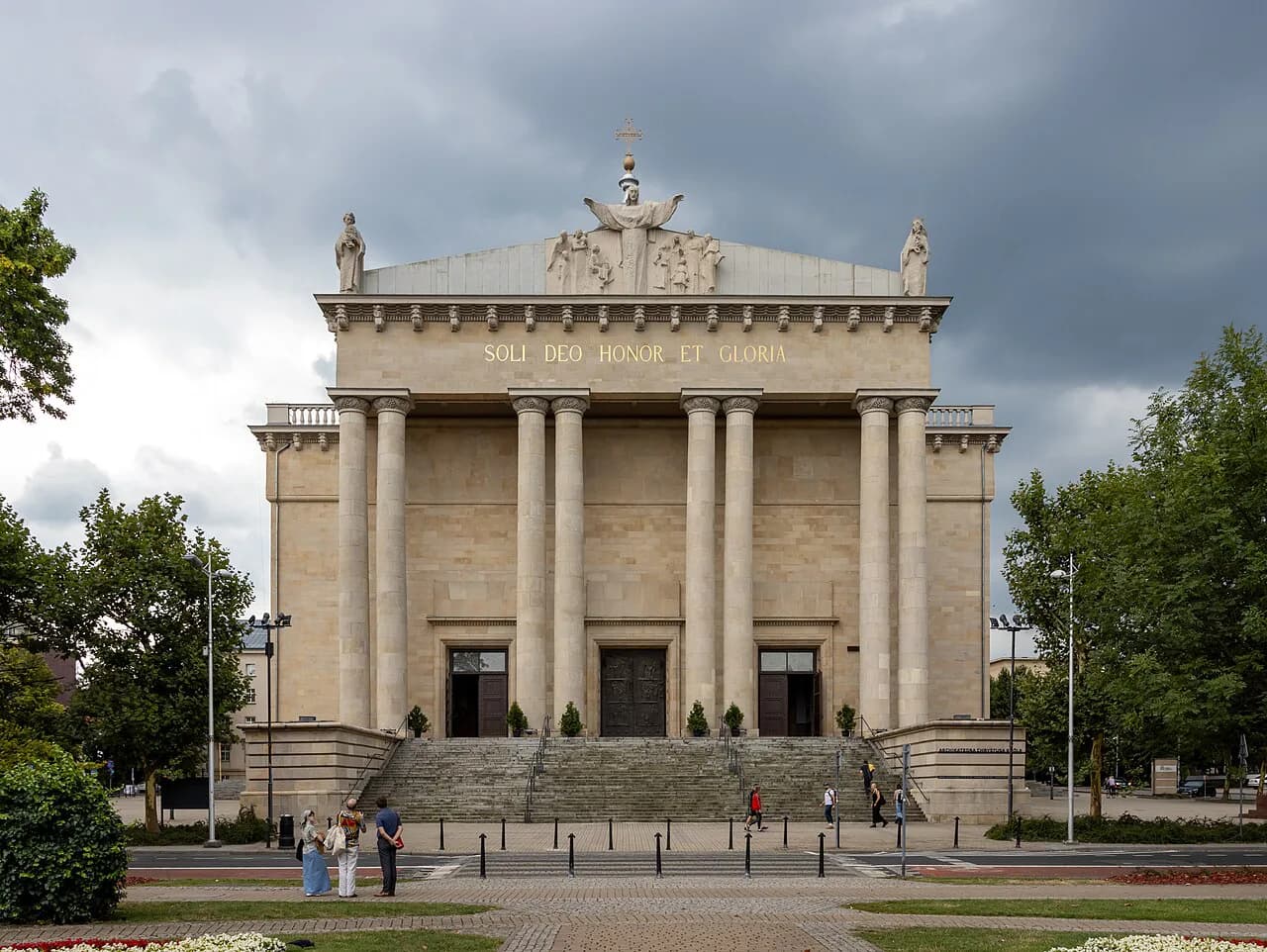
A useful pattern is to alternate outdoor and indoor stops so the day does not become a march between walls. The Silesian Museum gives you a serious art and history anchor, and stepping back outside afterwards makes the murals read differently. The Katowice cathedral is another nearby interior if you want a quiet pause mid-route.
Keep expectations calibrated to a working city. Some pieces will be partly obscured, some walls will have been repainted, and the biggest names are not signposted. That is not a reason to skip the murals; it is a reason to treat them as a walk with rewards rather than a tick-list.
What to expect from the art: scale, condition and setting
Expect size. These are building-scale works painted for viewing from across a street, and the detail is often coarser than a photograph suggests. Step back rather than close in, and use the opposite pavement. The best light is usually when the sun is on the wall, which on a half-day walk means you will see some pieces well and others flat.
Condition varies, and that is part of the honest picture of a street art city. Outdoor paint weathers, and a wall documented in 2022 may look different today, so treat written descriptions as a guide to what to look for rather than a guarantee. The setting matters too: a mural on a busy junction is a different experience from one on a quiet residential street.
Should you build a half-day around the murals?
Yes, if you are in Katowice for two days or more and want something that costs nothing and gets you into streets you would otherwise skip. Keep it to the centre unless you have a third day, and pair the walk with one museum so the day has both shade and scale. The Załęże and Dębowa Street pieces are for return visitors or committed mural hunters.
The murals work best as a frame around the city rather than the whole reason for the trip. Use them to break up a museum day, and let the named pieces give your walk a shape without turning it into a hunt.
Explore more Katowice guides
Sources
Notes for your next Polish city break
Optional updates to our Poland guides.
You might also like
Continue reading
More guides you'll find useful