Katowice WW2: Sites, Memorials and Museums That Tell the Story
Katowice's wartime story is told mainly through its Jewish Cemetery, founded in 1868 and devastated under German occupation, and the 1939 approach on the city.
On this page
Katowice tells its wartime story through one main site: the Jewish Cemetery, founded in 1868, enlarged in 1927 and devastated by the Germans during the Second World War. Allow an hour there on a one to three day break, and treat the city as a place for reading fragmentary evidence rather than walking a formal memorial trail.
The city is often overlooked beside Kraków, which is better known for Holocaust remembrance and sits about an hour away by train as a transport hub. This guide sets out what the sources record about the cemetery, how the war reached Katowice in September 1939, and how to fit the sites into a short city break without overstating what is there.
Why Katowice's wartime story is easy to miss
Katowice presents itself as an industrial and socialist-era city, and the sights most guides lead with are exactly that: the twentieth-century mining districts and the redeveloped core. The wartime layer is thinner and quieter, which is why the Jewish Cemetery carries so much of the story on its own. Use the museums in Katowice as background context rather than expecting a dedicated occupation exhibition.
That absence is a practical fact worth planning around. If you want a Holocaust museum as the centrepiece of a trip, build the break around Kraków; if you want a city break where the war appears as a cemetery, a memorial and a date in a newspaper, Katowice rewards the detour.
How the war reached Katowice in September 1939
A newspaper report of 5 September 1939 described German troops pushing into Poland and reaching the suburbs of Katowice, alongside the occupation of Rybnik and neighbouring towns. Read it as a period document rather than a summary of the campaign.
Film held in the United States Holocaust Memorial Museum collections shows factory scenes in Katowice in 1936, capturing the industrial city in the years immediately before the invasion. Together with the September 1939 report, it fixes the city in the tense pre-war and opening-war period without needing a memorial marker on the ground.
Katowice's Jewish Cemetery
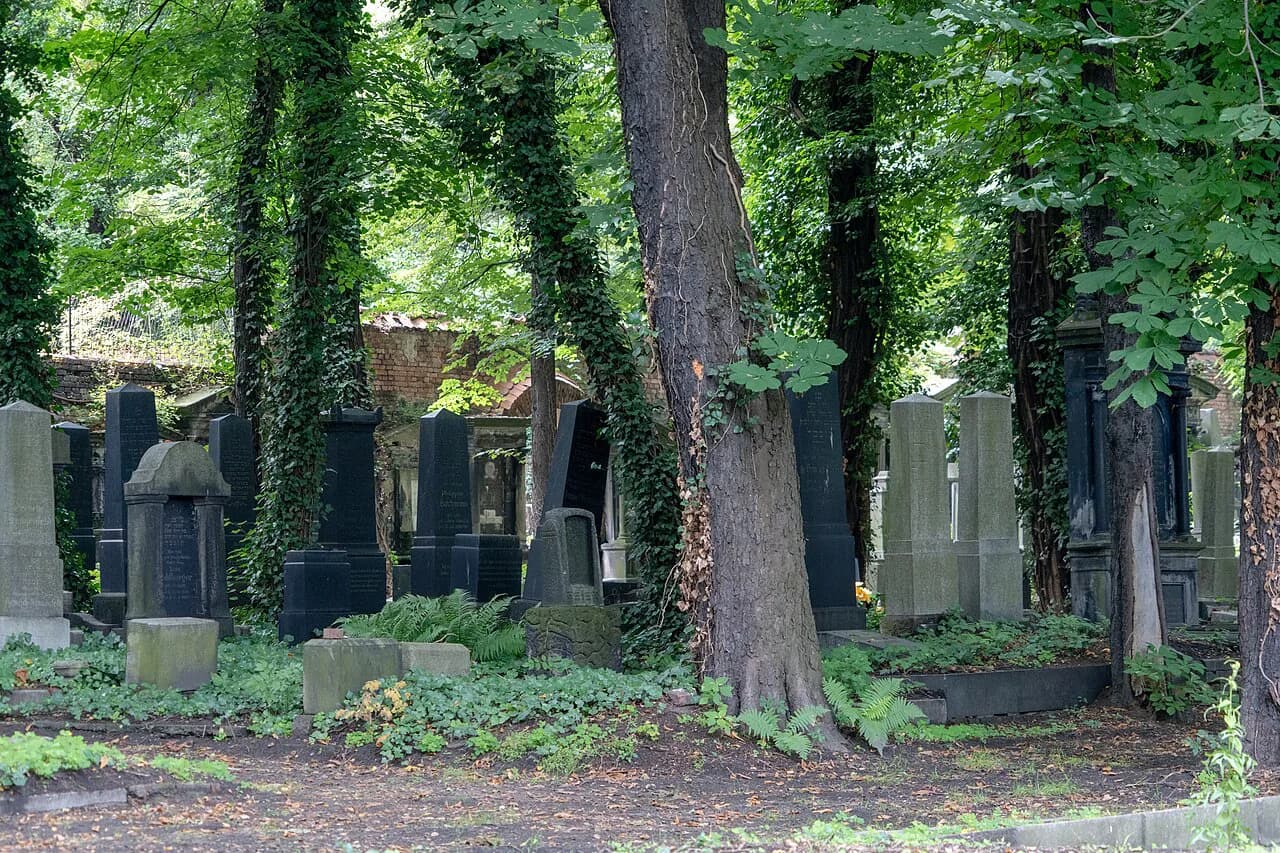
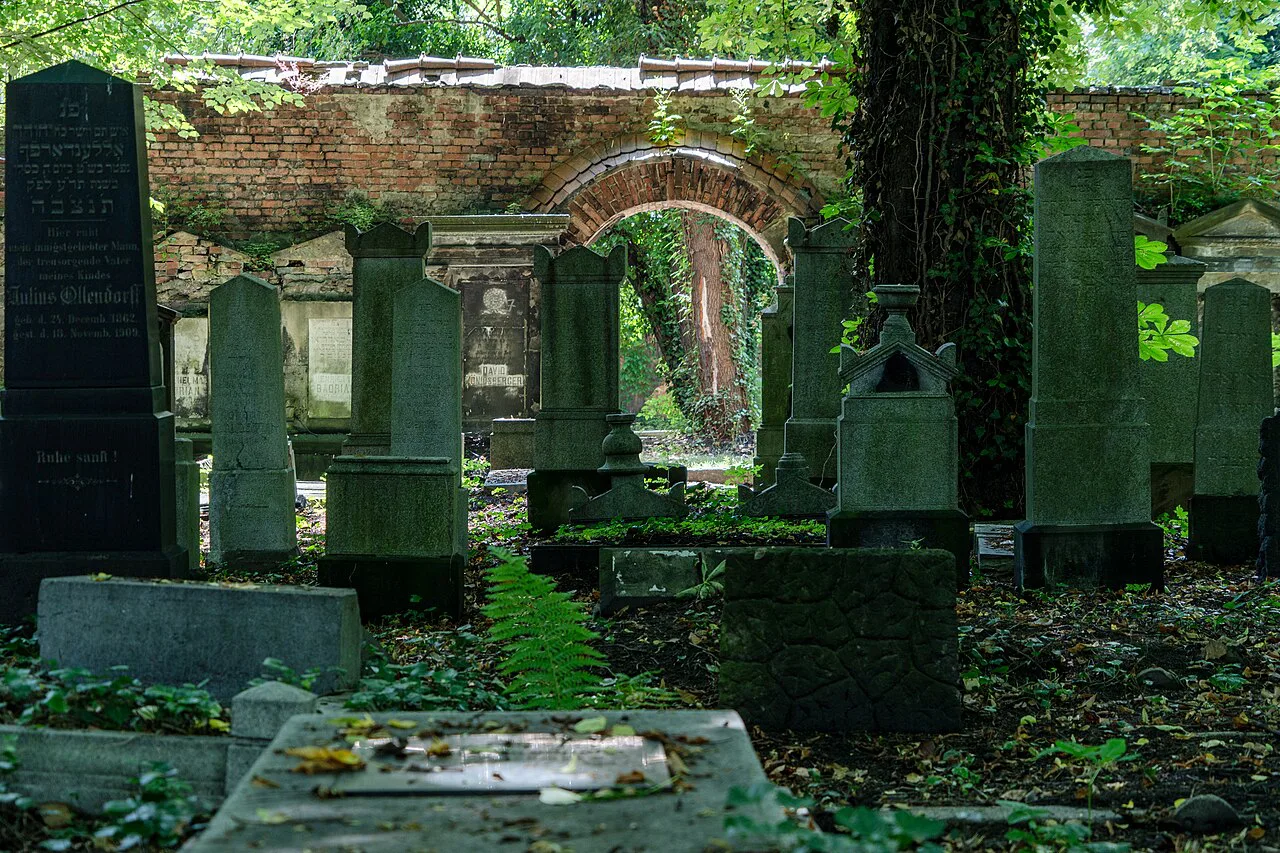
The cemetery was founded in 1868 and enlarged in 1927; during the Second World War it was devastated by the Germans, and after the war its area was extended again. It covers about 1.1 hectares and holds roughly 1,400 graves, including those of prominent and wealthy Jewish families from the city. A monument inside is dedicated to victims of the Holocaust.
Read the site in three layers: the pre-war graves and family plots, the wartime destruction that left the cemetery scarred, and the post-war restoration and memorial that frame it today. The memorial is the focal point for most visitors, but the older stones carry the same weight and repay slow reading.
Reading the cemetery as a visitor
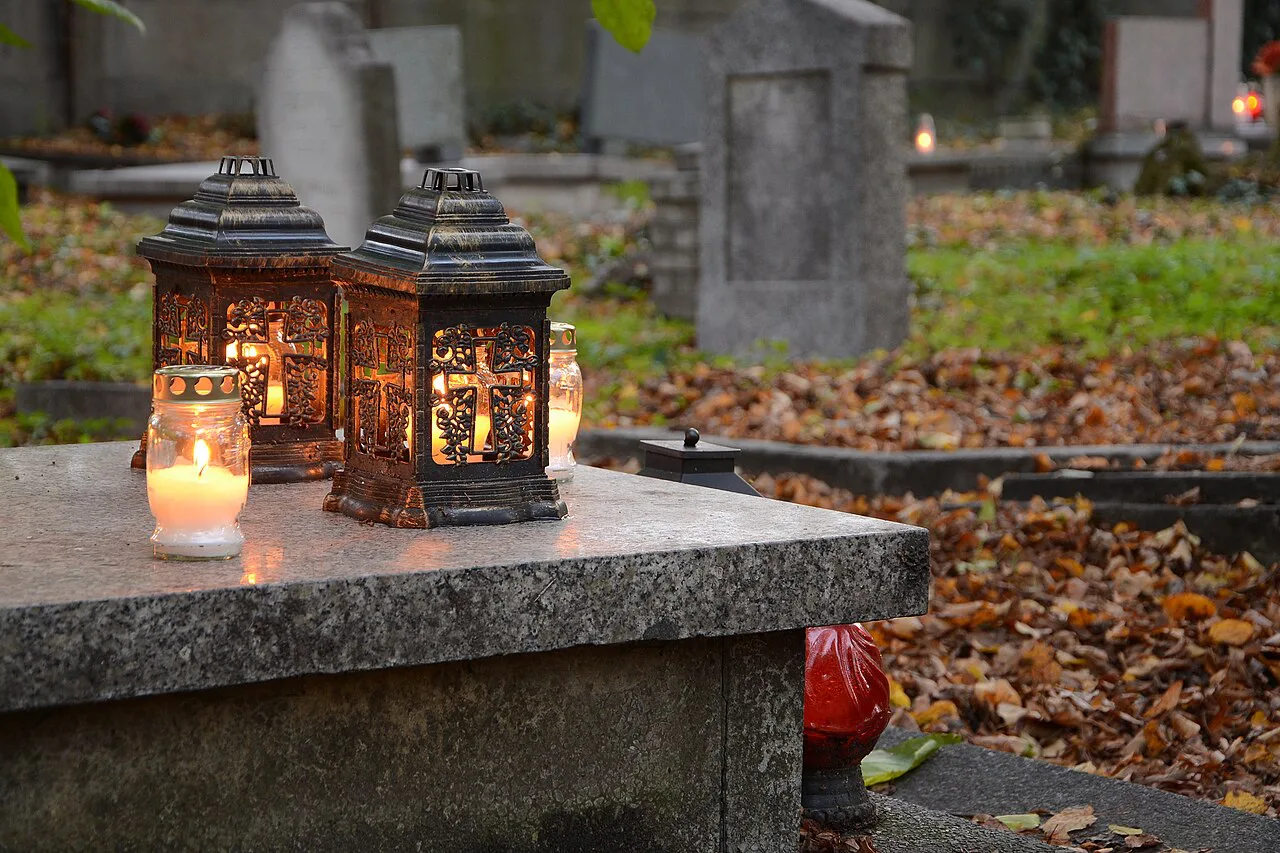
This is a Jewish burial ground and a memorial, so walk quietly and do not touch or lean on unstable stones. Gravestones here bear Hebrew and Polish inscriptions, and the family names record a community that was largely destroyed during the German Nazi occupation of Poland.
Photograph individual graves only with care and never stage or film for effect; the Holocaust memorial in particular is a place for stillness, not content. If you want to understand how the cemetery sits within the wider story of Katowice's Jewish community, the Katowice ghetto page covers the wartime confinement in the city and the deportations towards Sosnowiec-Środula Ghetto.
Where the wartime sites sit in a city walk
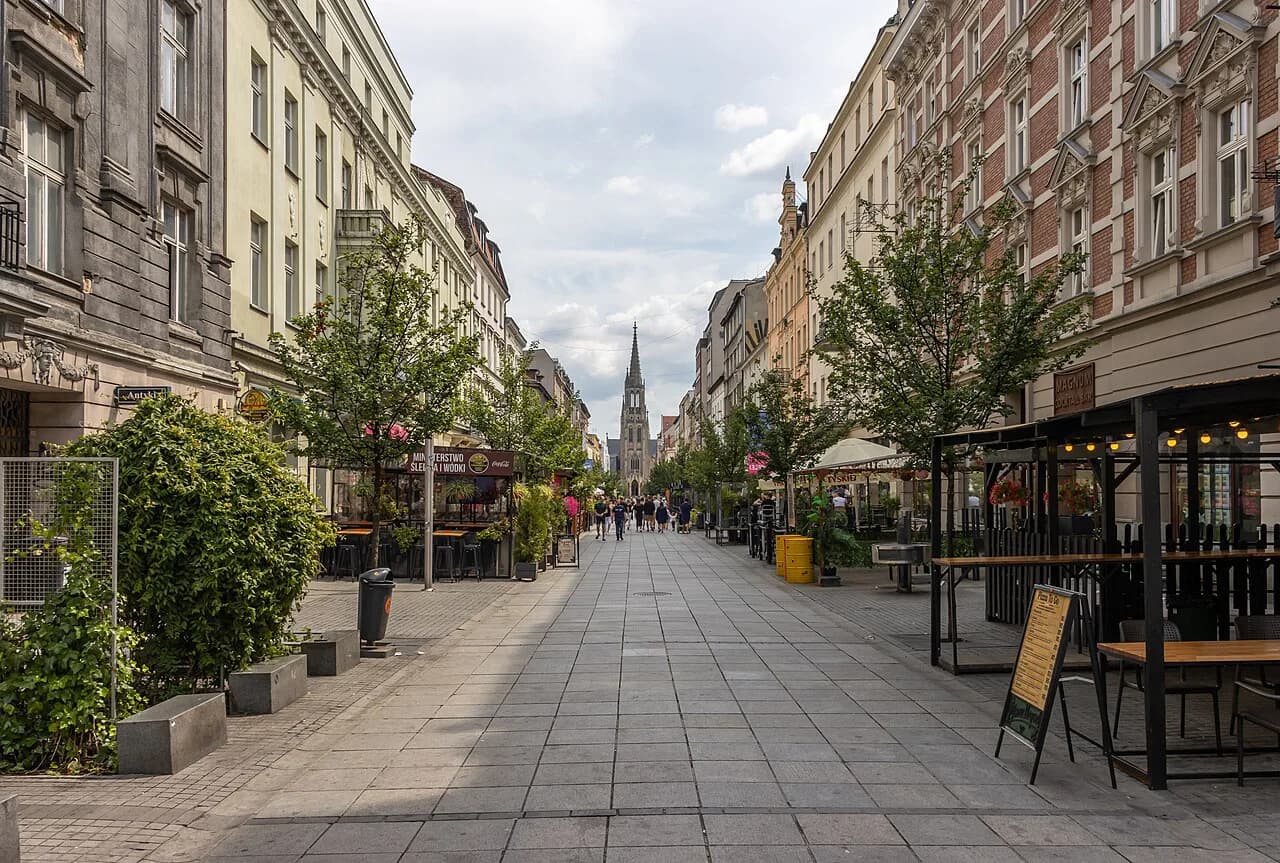
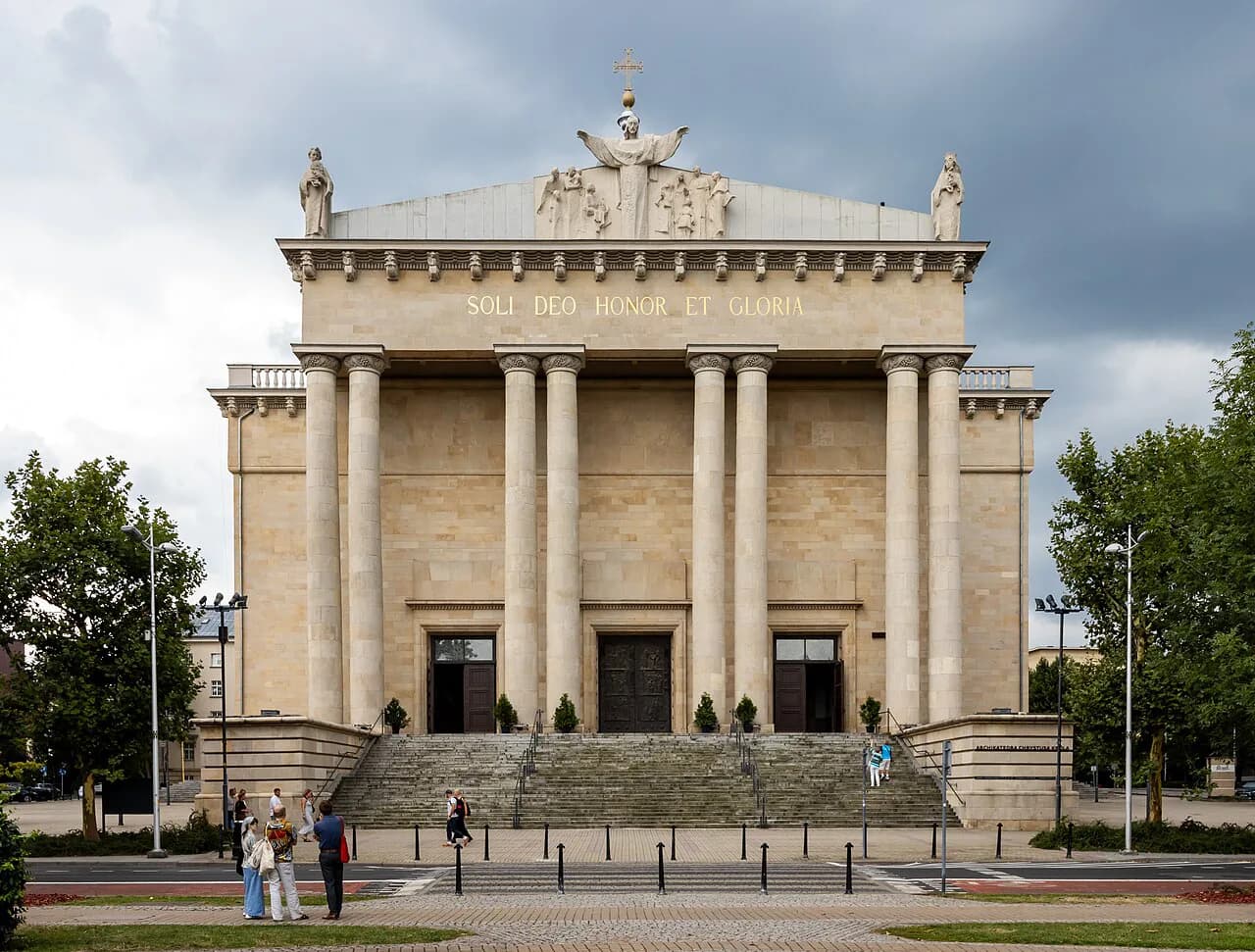
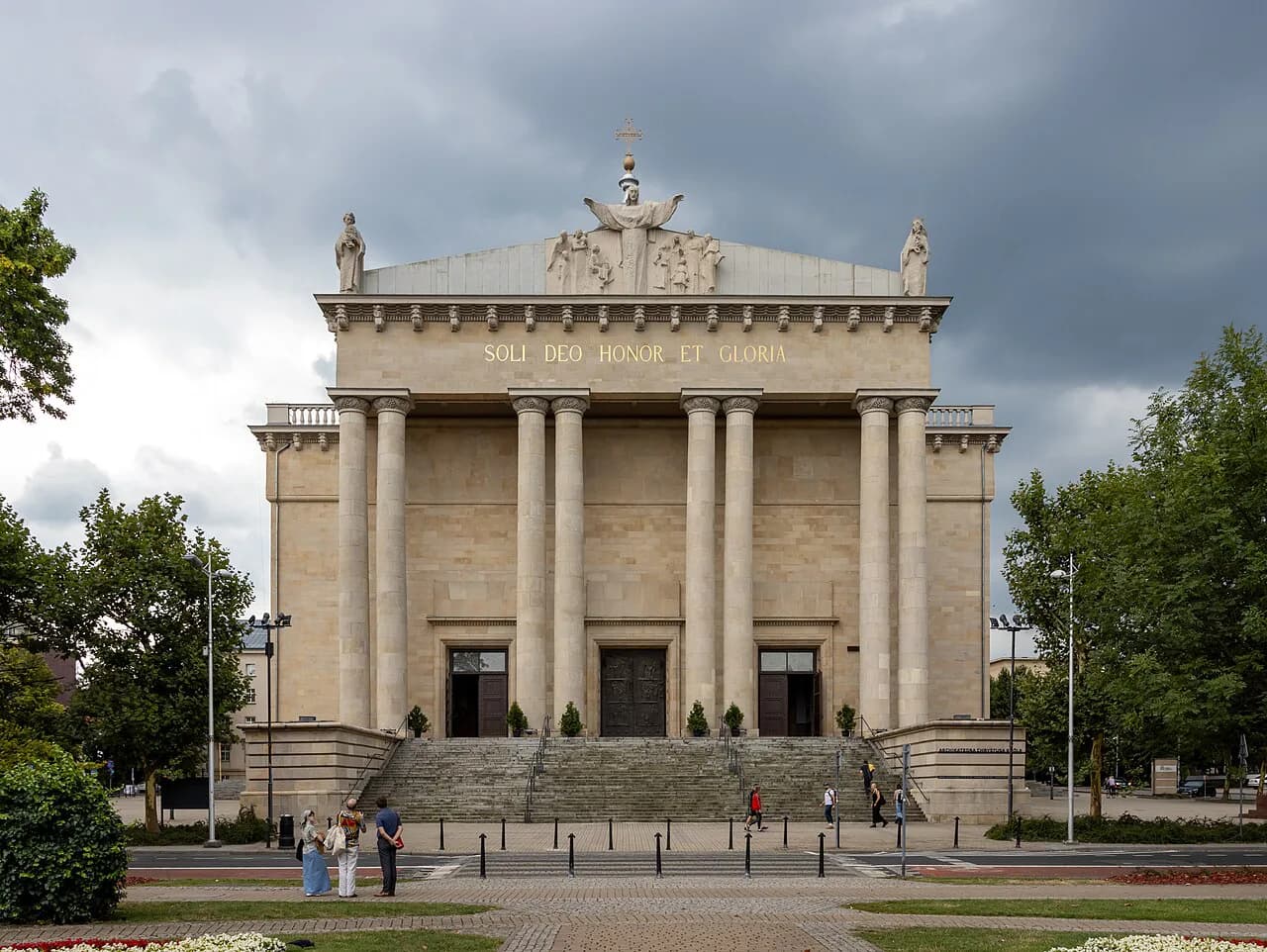
The cemetery is best treated as a standalone stop rather than one element of a rapid circuit. Pair it with a longer walk through the centre, where the churches, squares and interwar buildings give you the city the war interrupted; the Archcathedral of Christ the King is a natural anchor for that half-day.
If your interest is industrial rather than commemorative, Giszowiec, about seven kilometres south-east of the centre, was designed in the early twentieth century as a rural garden settlement for miners, its low houses set among trees and later sitting beside socialist-era blocks. The Rialto cinema, which opened on 7 November 1912, is another survivor from the same pre-war world. These are not wartime sites, but they show the city the occupation took over.
Practical planning for a one to three day break
Give the cemetery about an hour, more if you want to read inscriptions and sit with the memorial. Fit it into the first afternoon of a two-day break, then use the second day for the city centre and the museums, which suits a short trip better than trying to spread a thin wartime trail across three days.
The city's core is compact and walkable, so treat the cemetery as a short journey from the centre by taxi or public transport rather than a day out in itself. Confirm the cemetery's opening arrangements before you set off, as they can change.
What Katowice is known for beyond the war years
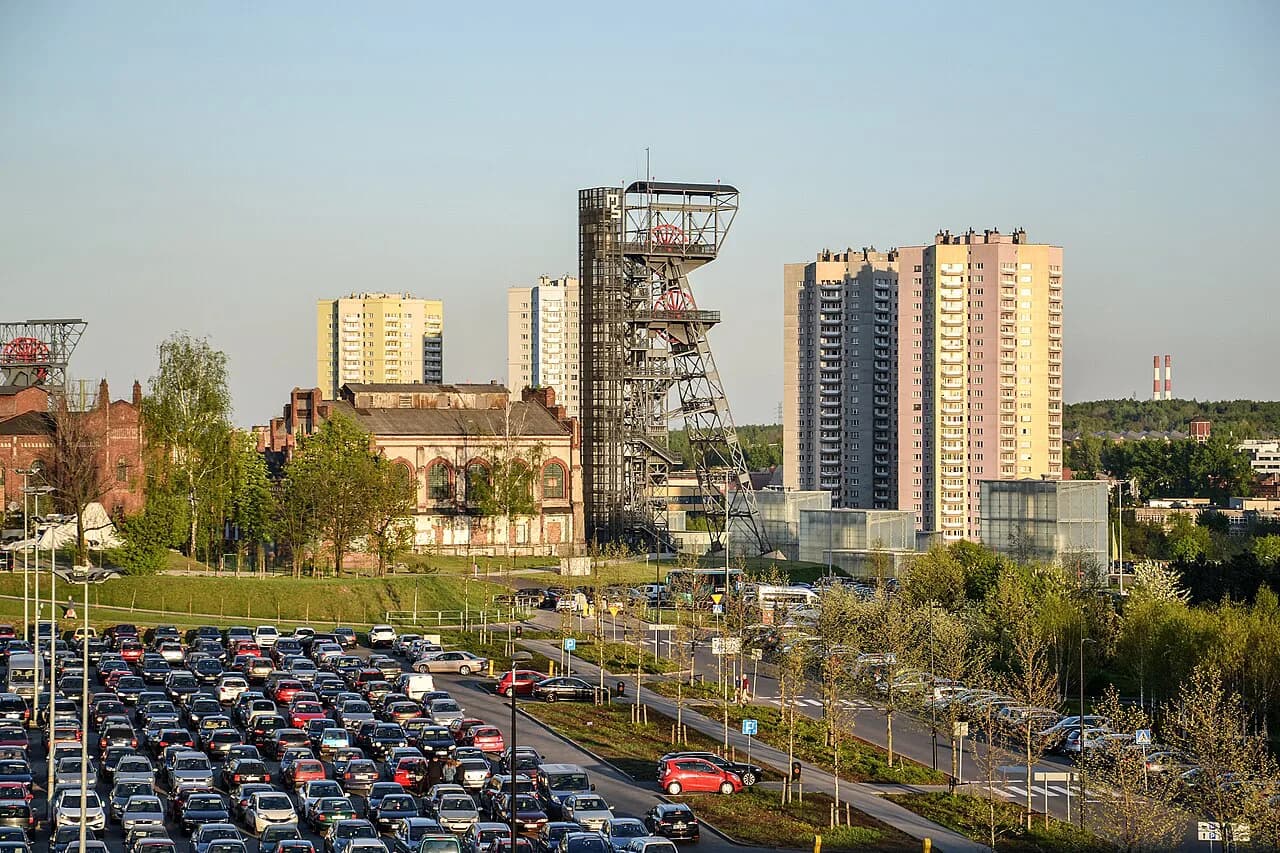
Katowice is a Silesian industrial city that reinvented itself around culture and music, and the shift is most visible in its museum and music quarter. The two stories sit alongside each other rather than compete: the city's industry is what made it a target and a prize in 1939. For more on the museums, see the Museums in Katowice guide.
If you want to look beyond the centre, the Katowice castle at Ogrodzieniec is a ruined medieval stronghold on the Kraków-Częstochowa Upland, a different historical layer altogether and best treated as a separate outing rather than part of a wartime itinerary.
Should Katowice be on a Holocaust remembrance trip?
Treat Katowice as a supporting stop rather than the reason for the trip. The Jewish Cemetery is a genuine, verifiable wartime site with a Holocaust memorial at its centre, but it is a cemetery, not a museum, and the city's wartime history is told in fragments rather than in one exhibition.
If you are building an itinerary around remembrance, base yourself in Kraków and give Katowice a day; if you are already coming for the industrial and cultural city break, add the cemetery and the 1939 record to your plan and let them inform the rest of what you see.
Explore more Katowice guides
Sources
Notes for your next Polish city break
Optional updates to our Poland guides.
You might also like
Continue reading
More guides you'll find useful