Katowice History: What Shaped the City and Where to See It
Katowice history for visitors: how coal, steel and Silesian identity shaped the city, and the museums and districts where you can still see it.
On this page
Katowice is best understood as a city built on coal, steel and a distinct Silesian identity that sits between Polish and German influences. Its history is visible in two very different places: the planned miners' estates on the edge of town and the museum quarter a short walk north of the main square. This guide matches each period to the district or museum where you can see it, so you can decide what to visit first.
The city grew as an industrial powerhouse in Upper Silesia, and the evidence of that rise is still the backbone of its appeal. The practical question is not whether to look at industry but where: on the streets of Nikiszowiec, in the galleries of the Silesian Museum, or around the Spodek arena in the Culture Zone. For the wartime chapter that followed the industrial boom, see Katowice WW2.
How coal and steel made Katowice
Katowice sits in the Upper Silesian Agglomeration and became an industrial powerhouse by the end of the 18th century, when coal reserves were discovered in the area. That single fact explains much of what you see today: a dense centre, a web of surrounding towns, and a civic pride in technical work.
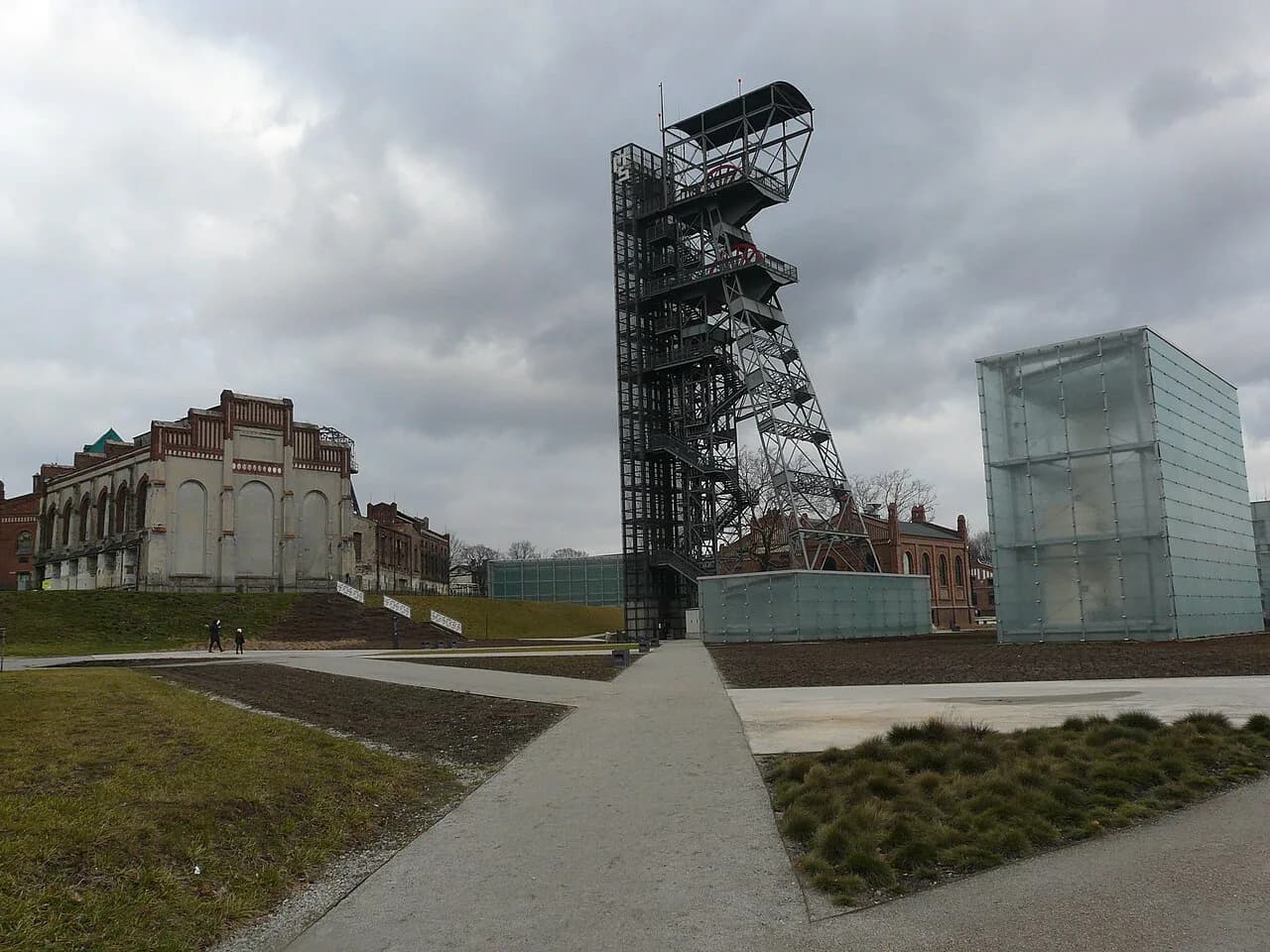
The city has been an industrial centre for centuries, and its museums treat that heritage as the main story rather than a footnote. Expect displays on mining, manufacturing and the everyday life that grew around them, alongside cultural collections that stop the city reading as a single-industry town.
Silesian identity: Polish and German influences
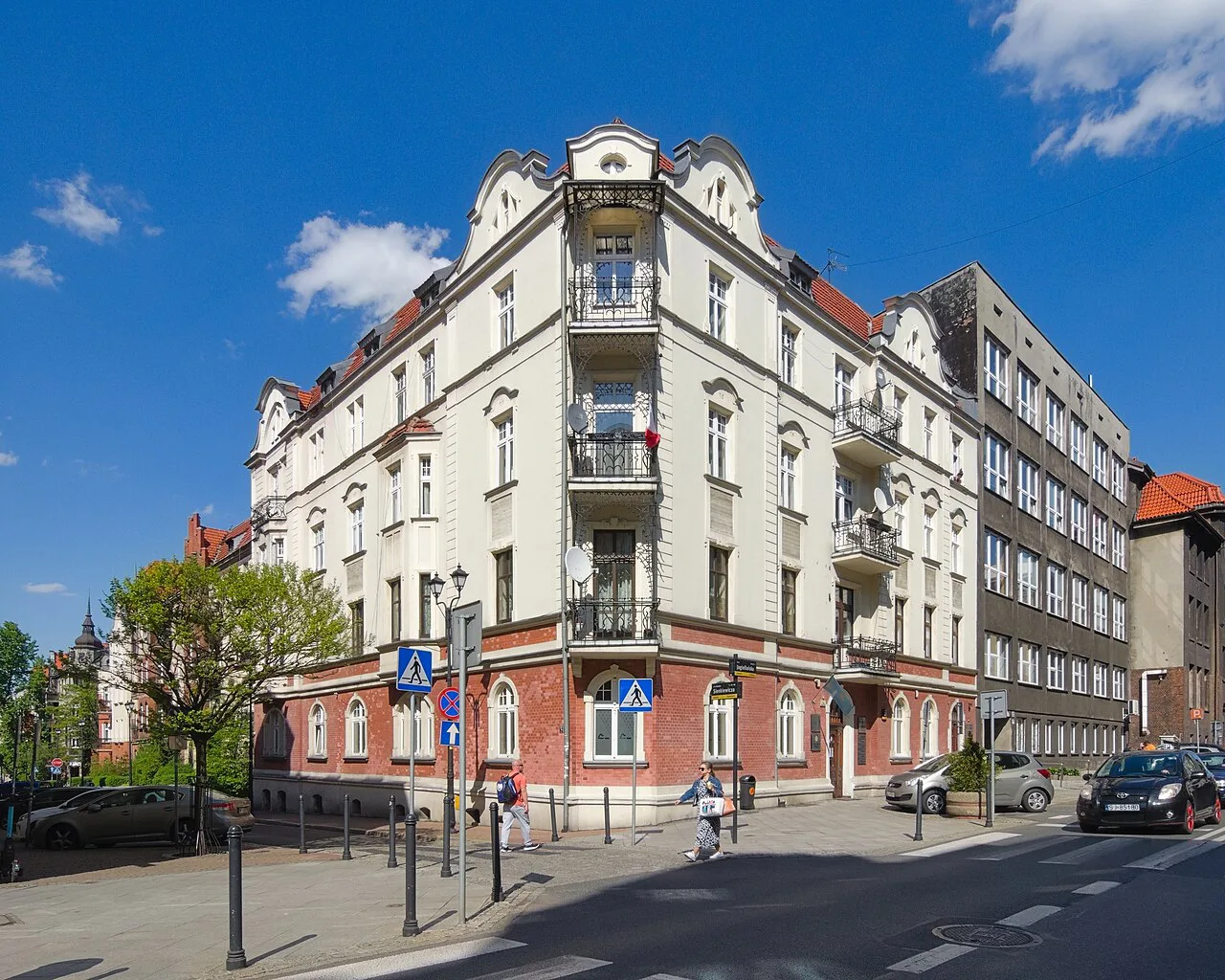
Silesia has passed between Polish, Czech, Austrian and German rule, and Katowice's own dialect and cultural identity reflect both Polish and German influences over the years. Locals often describe the city as having its own character within Poland, shaped by that borderland position. You will hear it in speech, see it in the architecture and read it in museum captions.
For visitors, the useful takeaway is that this is not a city with one neat founding story. Buildings and districts from different eras sit side by side, which is why a short walk can take you from 19th-century tenements to a 1970s arena.
Nikiszowiec and Giszowiec: two planned miners' estates
Nikiszowiec and Giszowiec are the clearest surviving expressions of how industrial Katowice housed its workers. Both were built in the early 1900s for miners and their families, but they were laid out on opposite principles. Nikiszowiec, around 3 miles from the centre, is a 1910s planned industrial suburb of dense red-brick rows known as familoki, with Plac Wyzwolenia as its central square.
Giszowiec was conceived more like a garden city, with greenery and detached houses rather than tight brick terraces. If you only have time for one, choose Nikiszowiec for the architecture and atmosphere of the familoki; choose Giszowiec if you want the contrast and a quieter wander. Both are residential districts, so treat the streets as people's front doors rather than an open-air museum.
Everyday life at the Museum of Katowice History
The Museum of Katowice History covers the city's everyday past from the 1200s to the present, with collections devoted to figures such as the artist Stanisław Ignacy Witkiewicz. Its City Ethnology department in Nikiszowiec is the part that pairs best with a walk around the estate, since it shows how traditional miners' houses were actually lived in.
This is the museum to pick if you want domestic detail, photographs of ordinary streets and the small objects that rarely make it into national narratives. The Silesian Museum, by contrast, takes the broader view of the region. For a full comparison of the city's collections, the guide to Museums in Katowice sets out what each one covers.
The Silesian Museum: painting, photography and industry
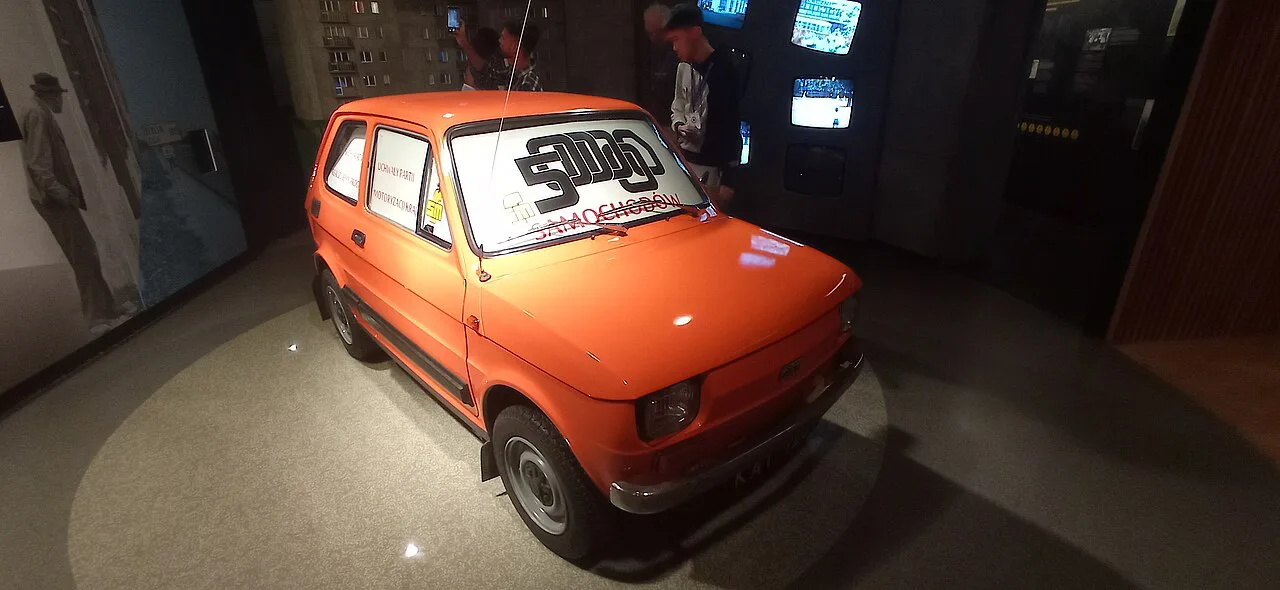
The Silesian Museum sits just north of Rynek, the main square, which makes it the easiest history visit to fit into a short break. It holds 35,000 photographs, some over 130 years old, including images of Polish resistance against the German Nazi occupation, alongside galleries covering Polish painting and the history of Silesian industry.
Its painting collection includes work by Polish masters such as Stanisław Wyspiański, so the museum works as both an art stop and a history lesson. The occupation material is presented factually; for the wider wartime story across the city, see Katowice WW2.
Spodek and the Culture Zone
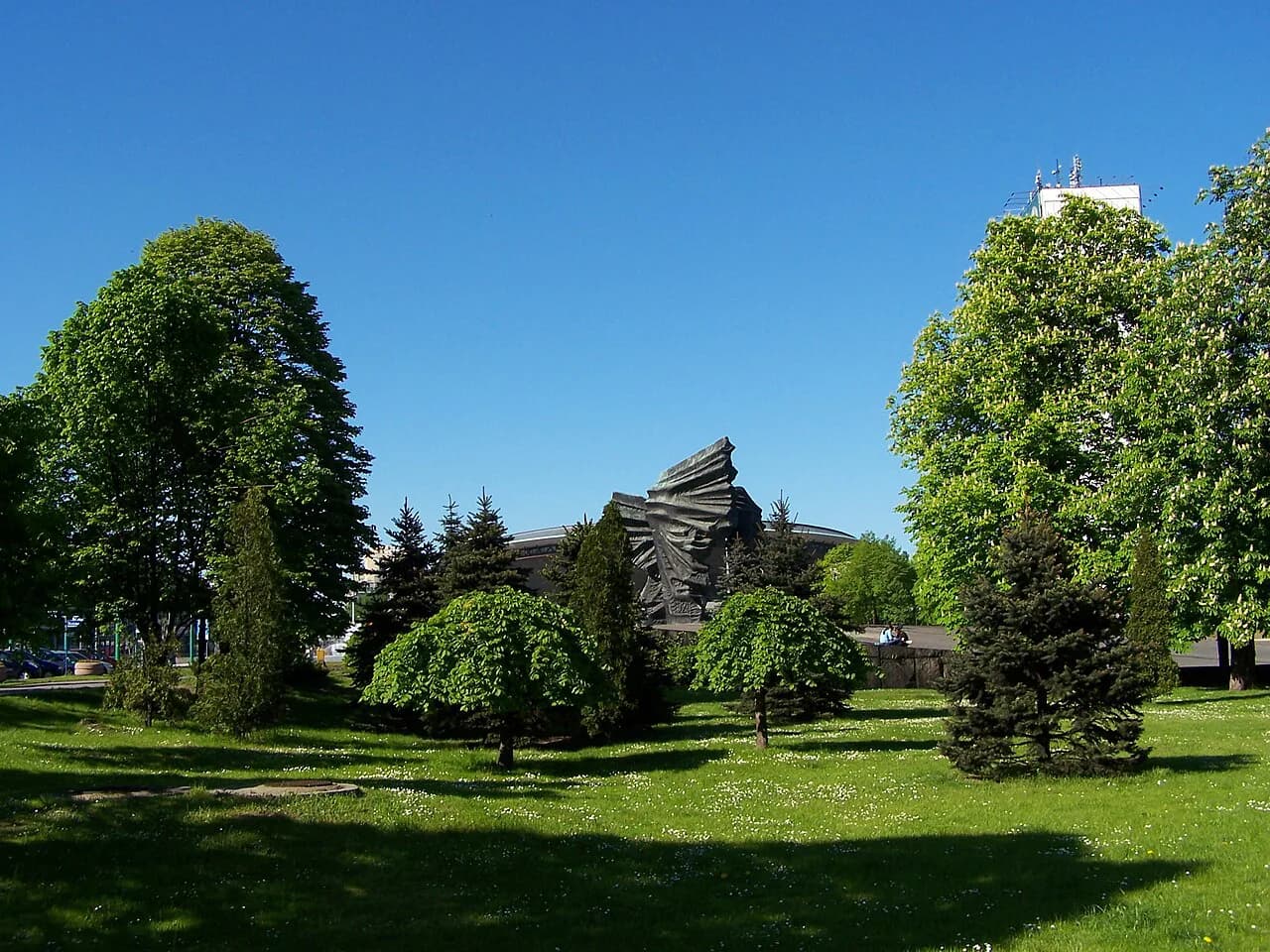
Spodek was built in 1971 and holds 11,500 people, which is why it still dominates the skyline around the Culture Zone. Its saucer shape reads as a piece of 1970s confidence, and it has hosted everything from ice hockey to major rock concerts, including a Metallica show in 1987. Treat it as part of the modern chapter of the city's story rather than just a venue.
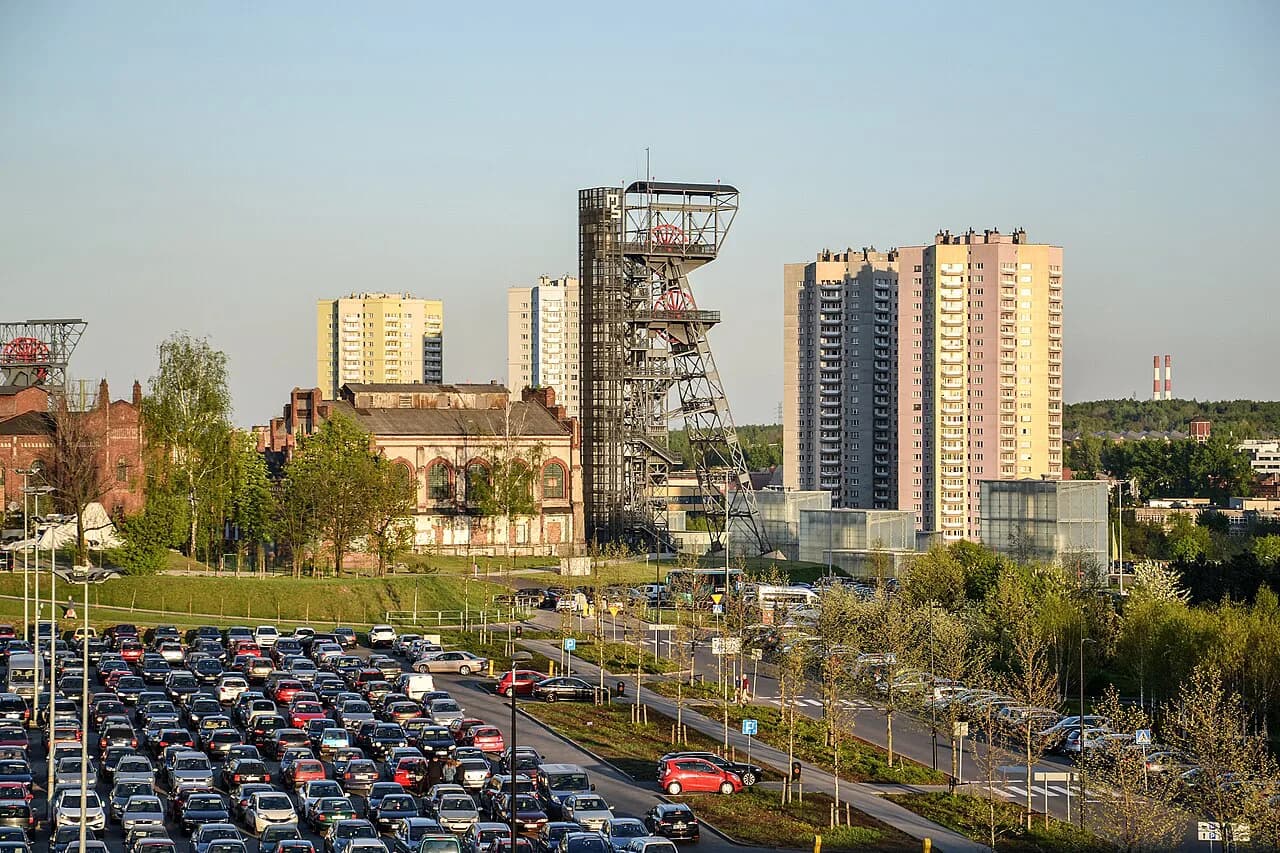
The arena anchors a compact area where heavy industry, museum architecture and event space sit within a few minutes of each other. Pair it with the Silesian Museum and you have the city's 20th century in one loop.
Reading the city on foot
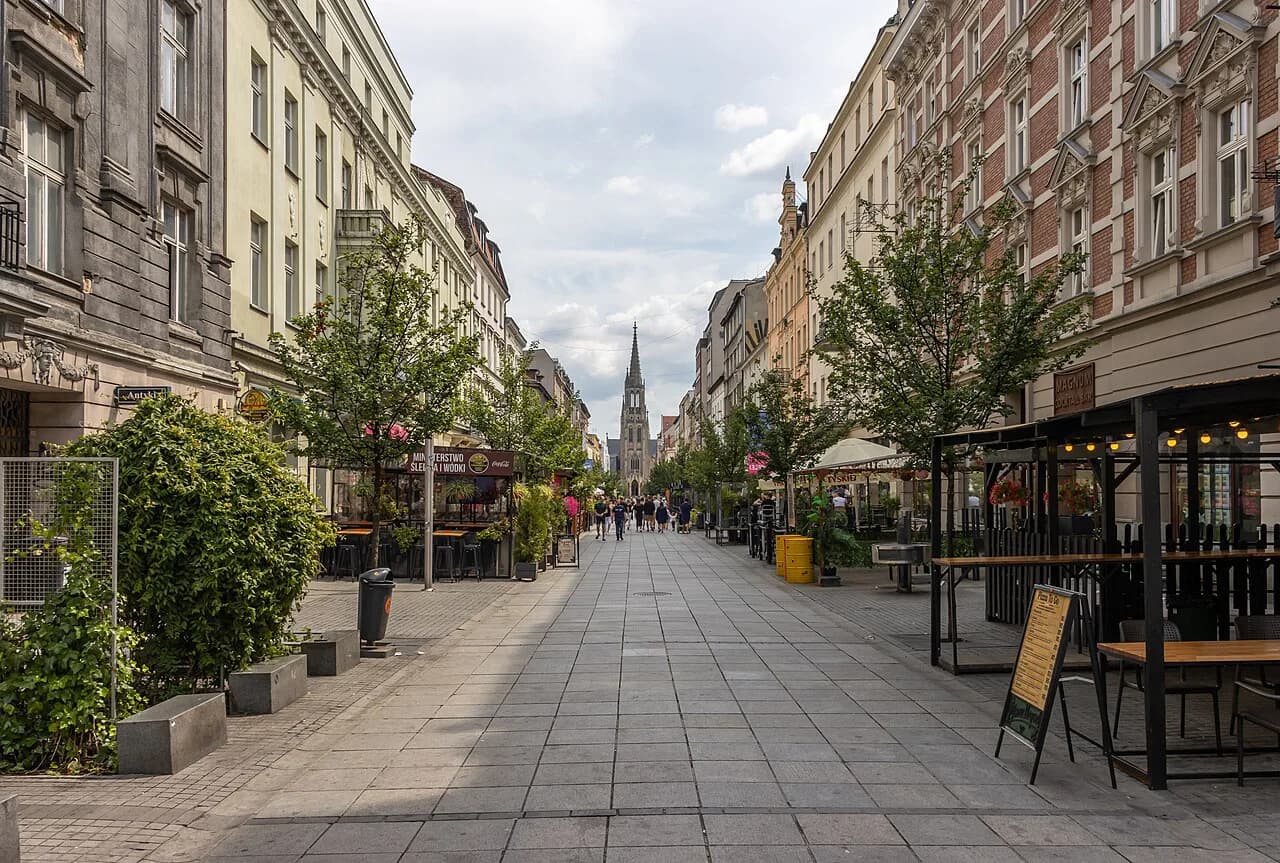
Central Katowice is walkable, and the historic core rewards slow looking rather than a checklist. Rynek is the natural starting point, with the Silesian Museum a few minutes north and Mariacka Street a good example of the city's older commercial frontage. Modernist buildings are scattered through the same streets, so a loose loop beats a rigid route.
The wider region is easy to move around: the Metropolis GZM network covers more than 40 cities and towns, and one ticket works across buses and trams in the zone. That makes the miners' estates reachable without a car, though Nikiszowiec's distance from the centre means you should allow proper travel time rather than squeezing it between two museums.
How much time the history sights need
Two days is enough to cover the core history sights without rushing. Give the Silesian Museum and the city centre the first day, and set aside a half-day for Nikiszowiec plus the Museum of Katowice History's ethnology branch on the second. If you add Giszowiec, budget the rest of that day.
Opening days vary by venue and several Polish museums close one day a week, so confirm the schedule for your dates before you build an itinerary around a single museum.
Which history sight should you choose first?
Start with the Silesian Museum if your time is short: it delivers painting, photography and industrial history in one building close to Rynek. If you have a second day, go out to Nikiszowiec for the red-brick familoki and the City Ethnology branch of the Museum of Katowice History, which together tell the story of the people who made the city work.
Explore more Katowice guides
Frequently Asked Questions
What is Katowice known for?
Katowice is known for its industrial heritage, the Silesian Museum and the planned miners' estates at Nikiszowiec and Giszowiec. Spodek, the 1971 arena in the Culture Zone, is another landmark that comes up again and again.
Is Katowice a major city?
Yes. Katowice is the central city of the Upper Silesian Agglomeration and has been an industrial centre for centuries, with a dense cultural quarter and a transport network covering more than 40 towns in the region.
Sources
Notes for your next Polish city break
Optional updates to our Poland guides.
You might also like
Continue reading
More guides you'll find useful