Is Katowice Worth Visiting? An Honest Answer for a City Break
Yes, if you want industrial heritage, striking museums and a city with no medieval old town to fall back on. Here is who Katowice suits and who it does not.
On this page
Yes, Katowice is worth visiting if you want a Polish city built on coal and heavy industry rather than a reconstructed medieval square. Its appeal sits in decommissioned shafts and factories turned into museums and galleries, in Modernist workers' estates, and in a street grid that never follows the old-town template. This guide sets out what the city does well, who should skip it, and how many days it needs.
Come expecting a working regional capital that has repurposed its own buildings, not a prettified tourist centre. The trade-off is that the strongest sights spread out, so Nikiszowiec and Giszowiec cost you a separate half-day rather than a stroll from the centre. Our companion guide to things to do in Katowice carries the full list of named sights, streets and venues.
What Katowice does well: a mining city that reused its own buildings
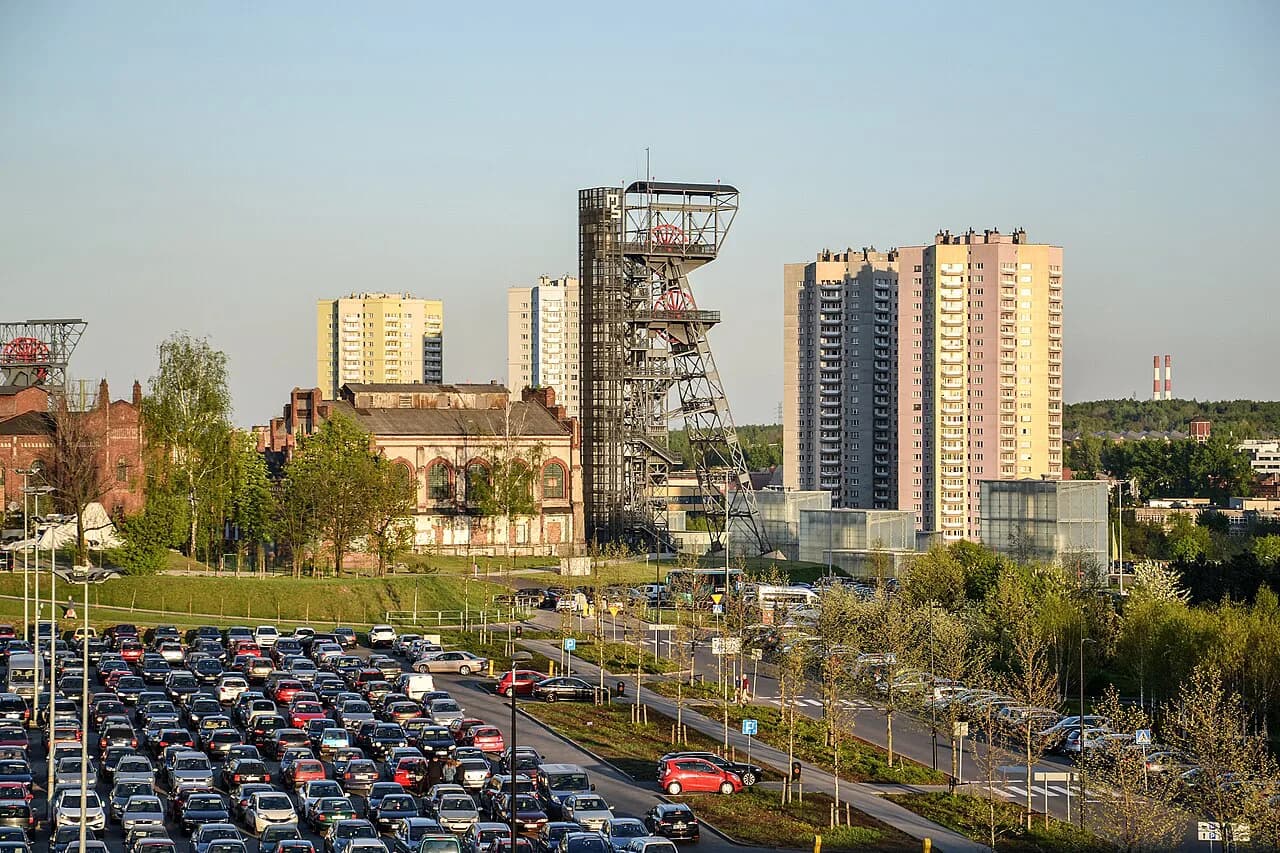
Katowice grew as a mining and industrial city in Upper Silesia, and its distinctive sights come from that inheritance rather than from merchant houses or a castle. Decommissioned mining shafts and abandoned factories now hold cultural centres, galleries and museums, which gives the city a texture you will not find in the older Polish destinations. The city also preserves its workers' housing, so the industrial story is visible in streets as well as in exhibition halls.
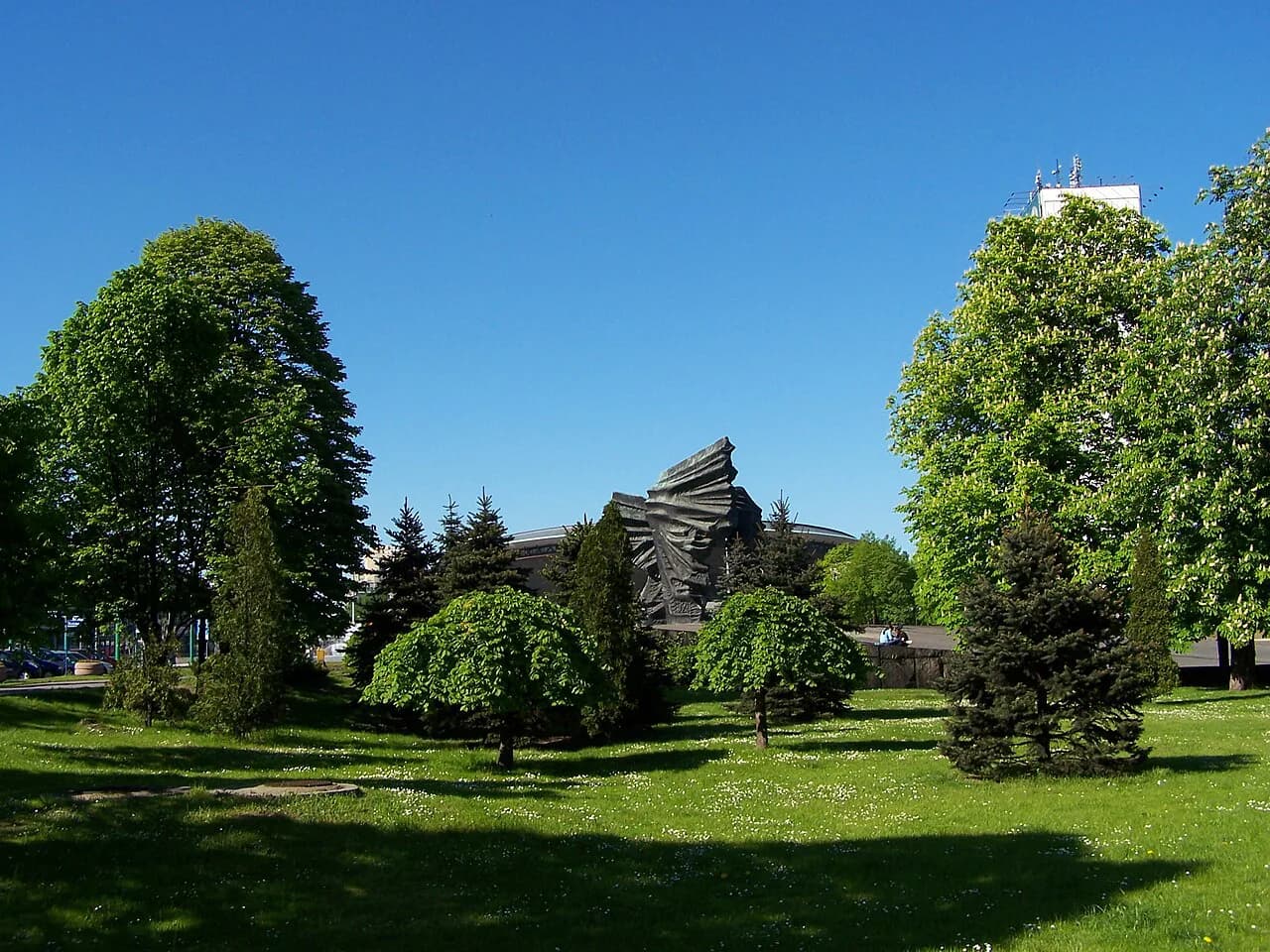
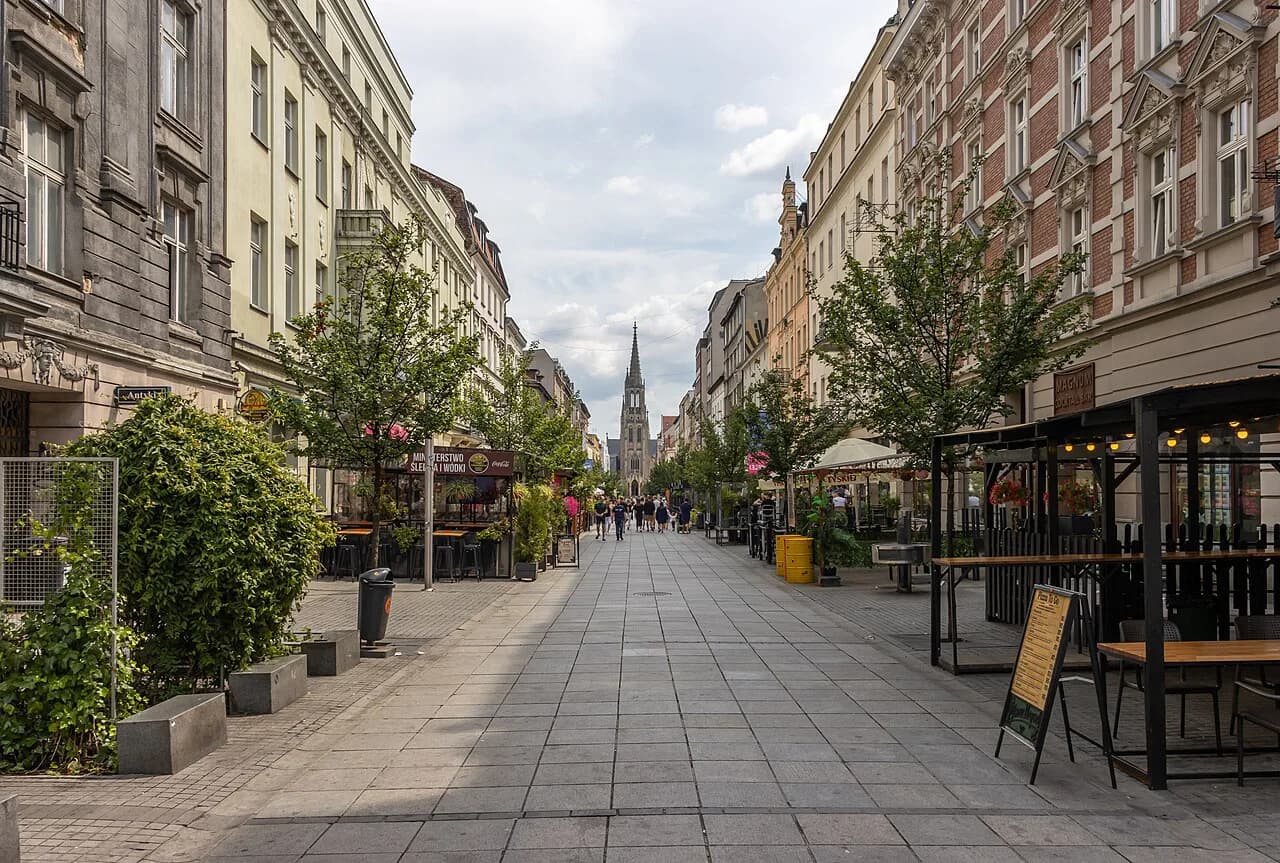
That reuse is the reason to give Katowice time on foot. The Silesian Museum and the Silesian Insurgents Monument anchor the central cluster, while Mariacka Street gives you the city's social spine for an evening stroll. Smaller stops such as the Wilson Shaft Gallery and the Industrial Ethnography Museum reward anyone who wants the mining story told in detail.
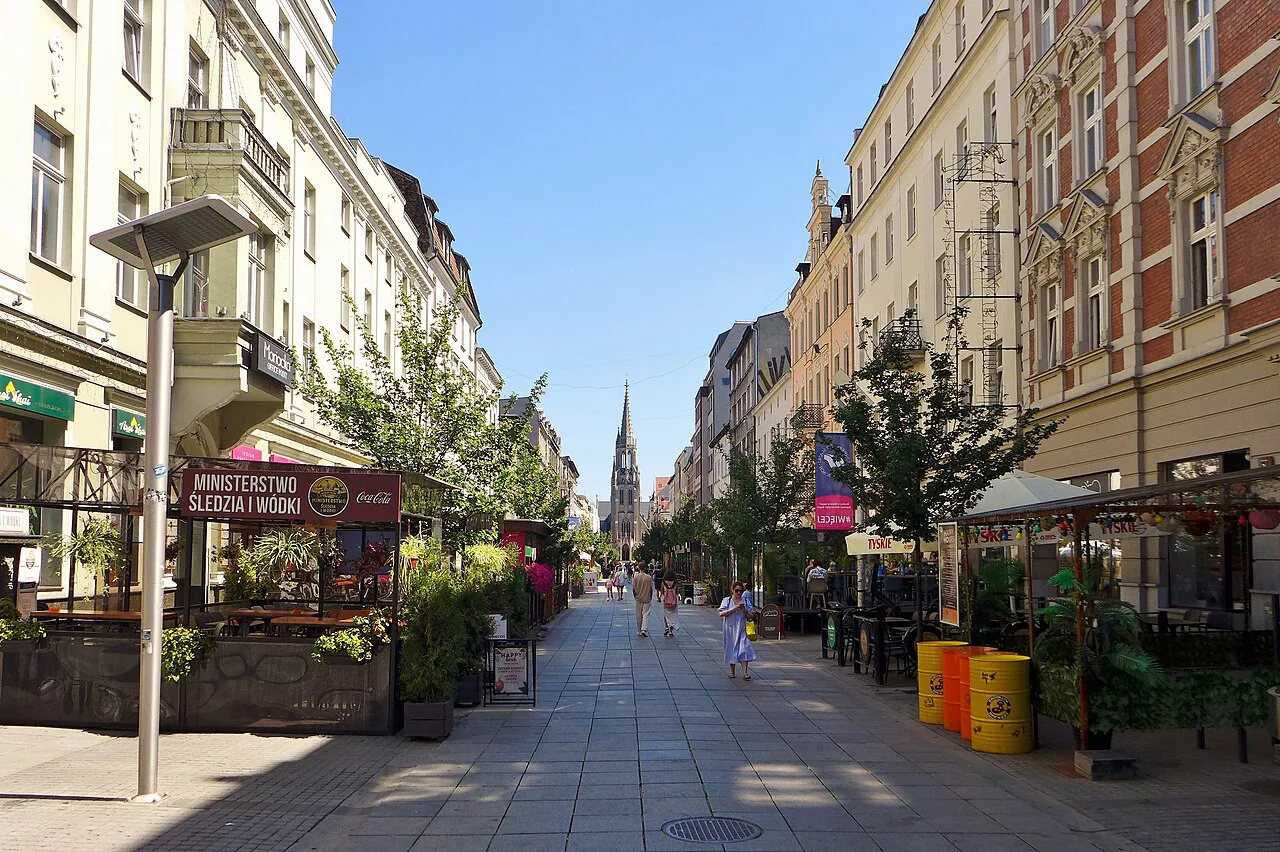
Why Katowice looks different from Kraków, Wrocław or Poznań
Most big Polish cities present a Rynek ringed by tenement houses or a river with boulevards; Katowice offers neither in the same form. It began as a farming village in the thirteenth century and expanded by absorbing neighbouring towns, villages and industrial worker estates, so no single old town evolved. The result is a mix of Modernist, red-brick heritage and Communist-era building that reads as a century of Silesian history in sequence.
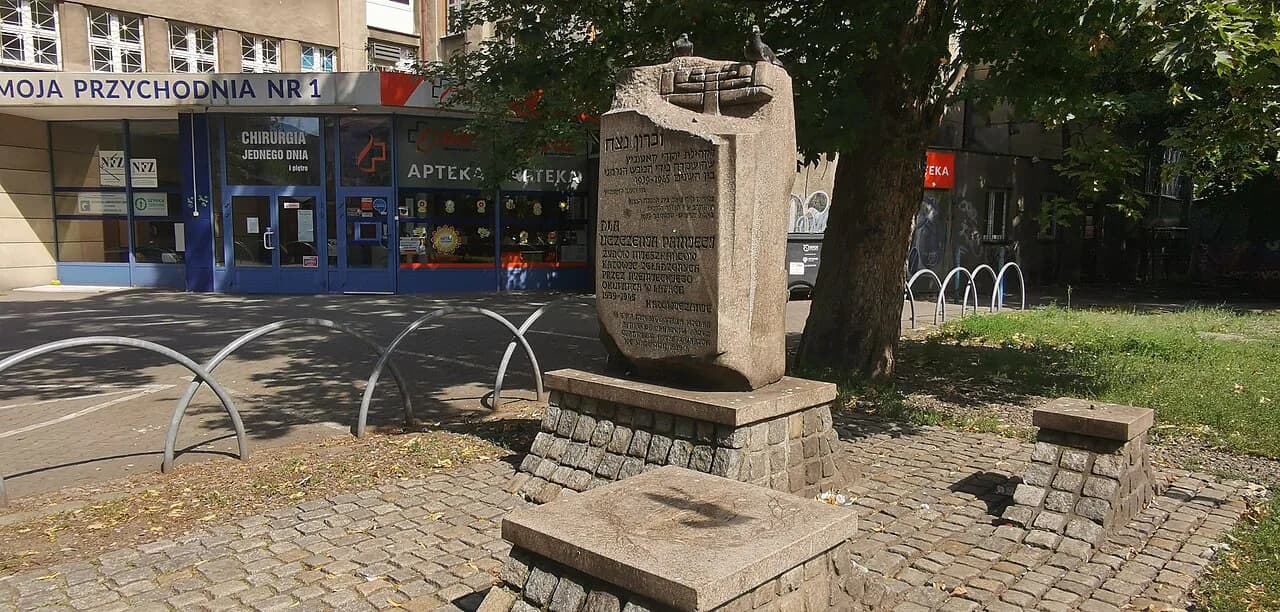
The Second World War left the city standing where Warsaw was destroyed, but the occupiers demolished monuments, renamed streets and exiled Jewish and Polish residents, and postwar rebuilding cleared parts of the Rynek area for concrete architecture. Keep that in mind when the centre feels less picturesque than Kraków or Gdańsk: the interest is in the backstreets and the estates, not in a showpiece square.
The sights worth your time
Start in the centre: the Market Square and its backstreets, the neo-Gothic school building, and Mariacka Street for both daytime coffee stops and evening atmosphere. Street art is scattered across the city, and small Bebek statues turn up on pavements as a running motif. Allow a relaxed half-day for this central loop rather than treating it as a checklist.
Then give the Silesian Museum and the Silesian Insurgents Monument proper time, because they carry the argument for the city in one place. The museum occupies a former mine site, and the monument's scale is part of the point. Pair them with the Wilson Shaft Gallery if you want contemporary art in an industrial frame.
Opening days and ticket prices vary between venues, and Polish museums commonly close one day a week, so build a day around a named sight rather than a fixed schedule. The wider set of guides to Katowice attractions covers individual venues one by one. Budget in złoty and treat any figure you find in older blog posts as history rather than a current price.
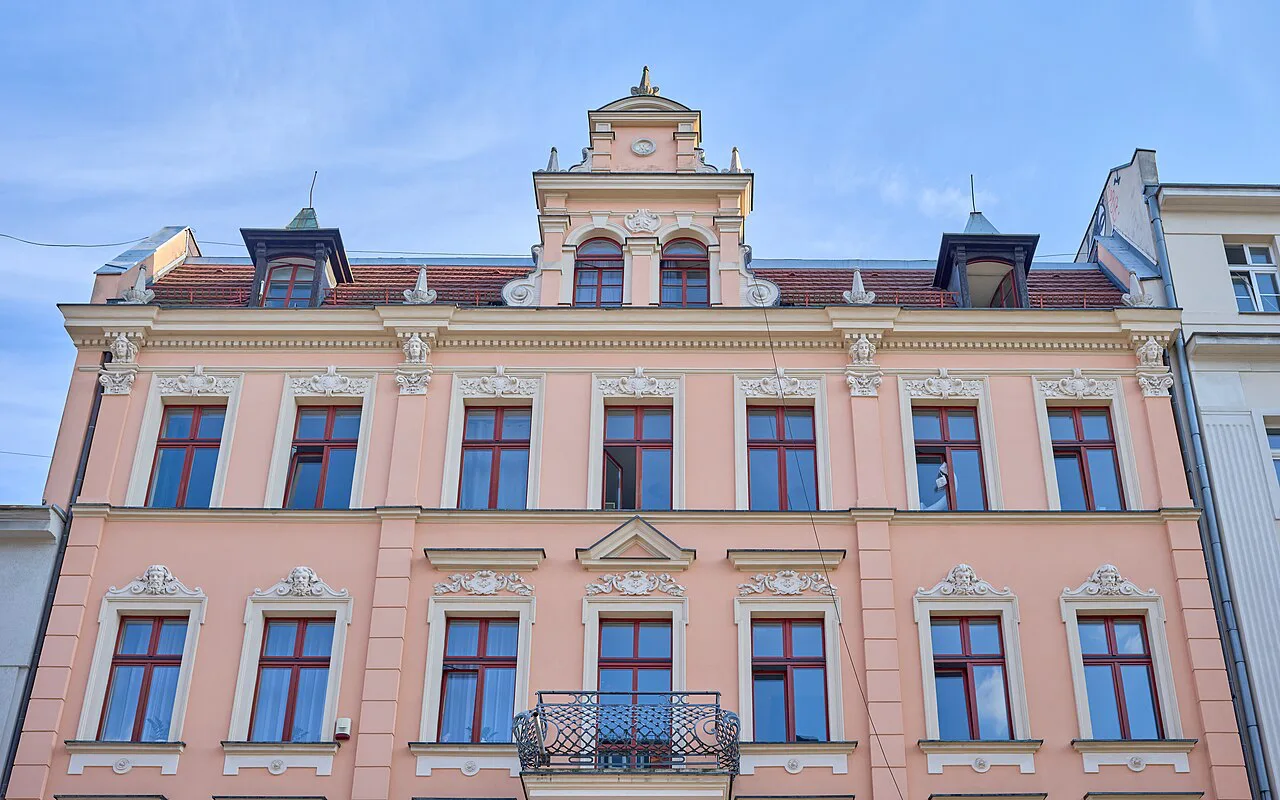
Nikiszowiec and Giszowiec: the miners' estates that take half a day
Nikiszowiec is the red-brick miners' estate that most justifies the trip, and it needs half a day of its own rather than an hour between museum stops. The Industrial Ethnography Museum there shows how miners lived, which turns the architecture into a story about people. Giszowiec, the third of the workers' neighbourhoods, adds a contrasting garden-city layout.
Because these estates sit away from the centre, plan them as a morning or afternoon block and do not try to bolt them onto a Silesian Museum visit. If your time in Katowice is one day only, choose between the central cluster and Nikiszowiec rather than attempting both.
Who will love Katowice and who may not
Katowice suits travellers who have already seen Kraków and want a different Polish story: industrial heritage, Modernist architecture, repurposed factories and regional food. It also works for anyone who enjoys cities that feel lived-in rather than staged for visitors. If you want a pretty market square, riverside boulevards and postcard streets, you will spend your time looking for something the city never set out to offer.
Families and slower travellers should note the spread: the named stops in the city are not all within one short stroll, so budget time to move between the centre and the estates. Museum-heavy days are easy to fill here, but the city rewards curiosity more than it rewards a tick-list approach.
How many days Katowice needs
Two full days cover the centre, the Silesian Museum and the monument at an unhurried pace, with an evening on Mariacka Street. Add a third day if you want Nikiszowiec, Giszowiec and the Industrial Ethnography Museum without rushing, or if you want a long lunch of Silesian specialities in between. One day is enough only for the central cluster.
If you are weighing up free options, the city's public squares, monuments and street art cost nothing, and a short list of free things to do helps offset museum tickets. Check event listings for the dates you are in town, since a concert or festival can justify an extra night. The parks give you somewhere to slow down between sights.
When a day trip from Kraków is enough and when to stay over
A day trip from Kraków works if you want a first taste: the Market Square backstreets, Mariacka Street and the Silesian Museum cluster can fit into a long day on foot. Stay overnight if the miners' estates are the reason you are coming, because Nikiszowiec rewards a quiet morning rather than a rushed dash before the last train. Staying over also lets you see the centre after dark, when Mariacka Street is at its most sociable.
The distance and rail connections between Kraków and Katowice are best checked against current timetables before you commit to a day-trip plan.
Practical notes: the złoty, English in the city and getting around on foot
Katowice uses the Polish złoty, so pay in PLN and ignore any euro prices quoted in old posts; card payments are common but carry some cash for smaller shops. The centre is walkable, but the estates are a separate trip, so plan transport accordingly.
Is Katowice the right city break for you?
Book Katowice if you want industrial heritage, a strong museum cluster and workers' estates that show how a mining city lived, and give it two or three days so Nikiszowiec is not squeezed out. Skip it, or treat it as a day trip from Kraków, if a pretty medieval old town is your main reason for visiting Poland.
Explore more Katowice guides
Sources
Notes for your next Polish city break
Optional updates to our Poland guides.
You might also like

Continue reading
More guides you'll find useful