Museums in Katowice: Which Are Worth Your Time
Katowice museums worth your time: the Silesian Museum's underground galleries, the Museum of Katowice History and the mining heritage that shaped the city.
On this page
Katowice rewards two museums above all: the Silesian Museum, a former coal mine turned exhibition complex, and the Museum of Katowice History, a tenement house tracing the city from village to industrial powerhouse. A two-day break absorbs both comfortably; a one-day trip means picking the Silesian Museum and saving the rest. This guide covers what each museum holds, ticket prices in złoty, opening days, how long to budget and how to string them together on foot with the Culture Zone and Nikiszowiec.
Which Katowice museums are worth a slot in a short city break
The Silesian Museum is the one to build a trip around: its main history exhibition on Upper Silesia fills 19 separate spaces and uses multimedia displays, and it is presented in Polish, English and German, with voice narration also in Silesian. The Museum of Katowice History is a smaller companion piece, set in a historic tenement with two period apartments and an account of how a rural settlement became a city. Everything else is a bonus.
Both sit well inside a one-to-four-day break. The Silesian Museum deserves half a day on its own, the Katowice History museum an hour or two, and the rest of your time goes to Nikiszowiec, the Spodek and Mariacka Street. If you only have one day, do the Silesian Museum and the Culture Zone around it and leave the tenement museum for a return visit.
The Silesian Museum: former coal mine, underground galleries and 40 m observation tower
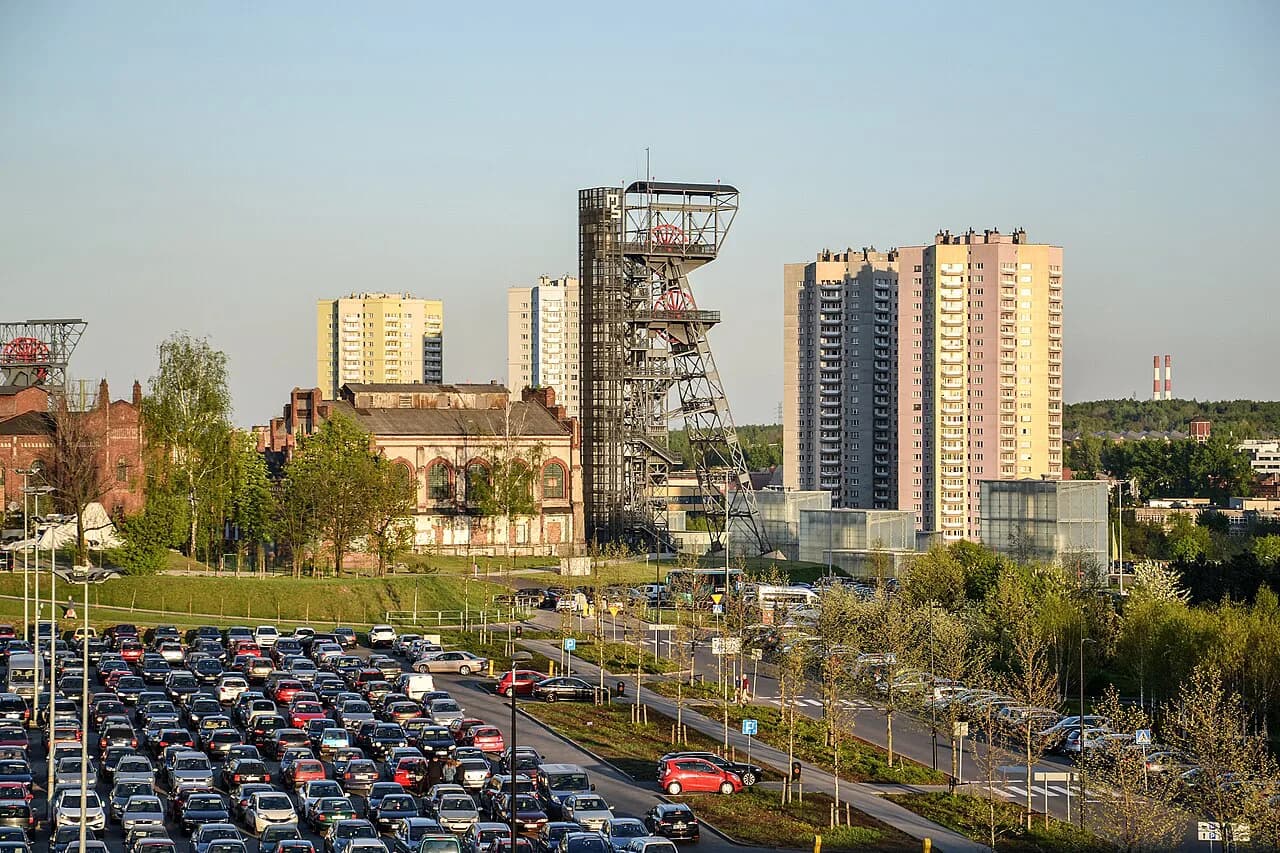
The Silesian Museum occupies the site of a former coal mine on Dobrowolskiego street, on a hill above the city centre. Exhibitions sit in renovated mine buildings and in underground galleries, with the Katowice Spodek visible from the observation tower. The complex includes several renovated buildings open to visitors as well as others still awaiting their turn, so expect some buildings to be closed rather than fully open.
The observation tower is a separate, small attraction in its own right: it sits on the hoisting tower of the former Warszawa II shaft, stands about 40 m high and is reached by lift. Access is weather-dependent, and in busy periods staff may limit how long you can stay at the top so that everyone gets a turn, so check conditions before you commit.
What the Silesian Museum's Upper Silesia exhibition covers, and which languages it is in
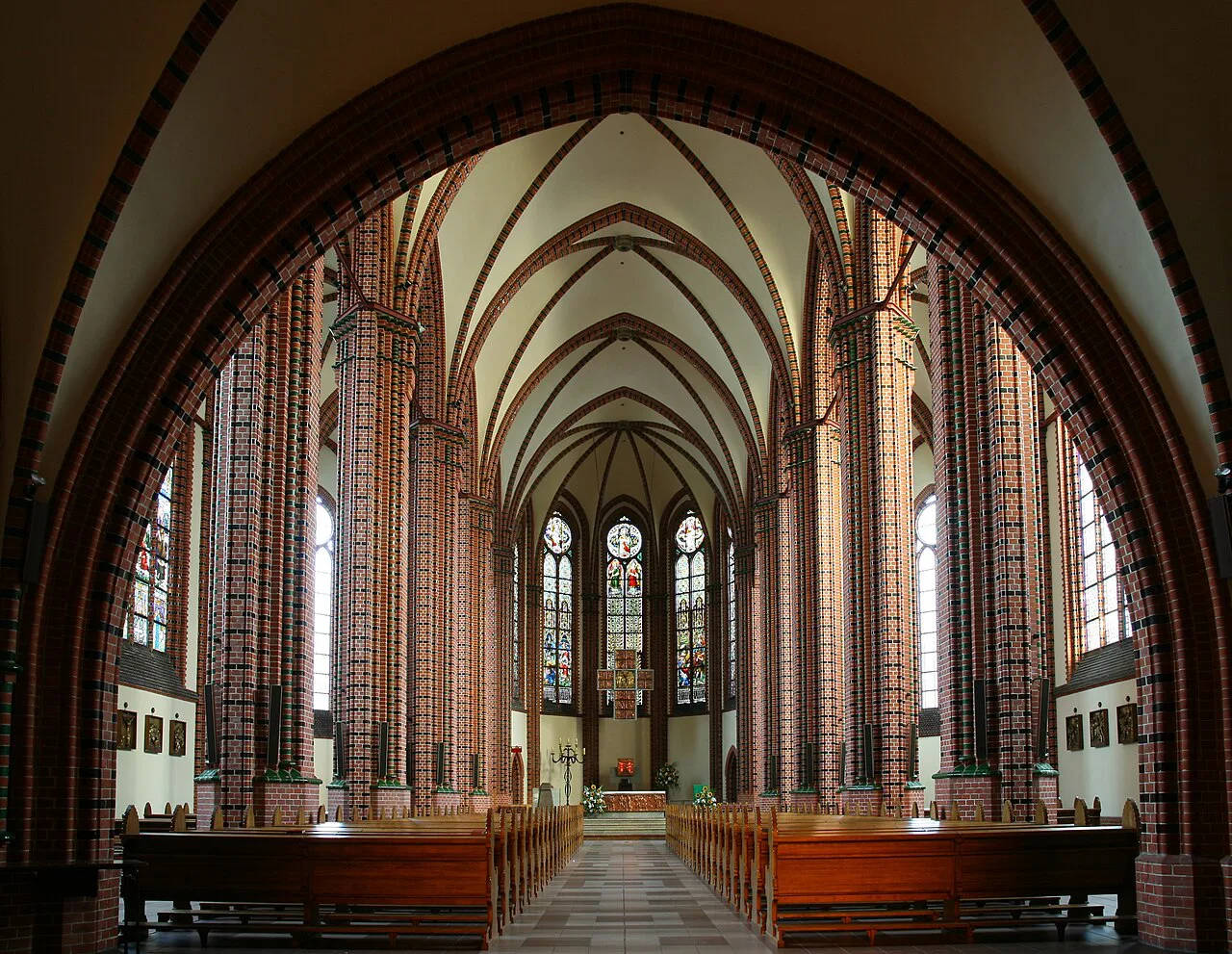
The permanent exhibition, The light of history. Upper Silesia, opened in 2021 and runs from the earliest settlement of the region to the political breakthrough of 1989. You enter through a symbolic gate to the Katowice mine and move through political, social, industrial and cultural themes across 19 spaces, with leaflet stands along the way on Silesian customs and traditions. It is the part of the museum that repays the most time.
Art exhibitions rotate alongside it: a gallery of non-professional art, Silesian sacred art, and shows such as paintings by Teofil Ociepka. They are worth a look, but families in particular tend to move through them faster than the history galleries. If your time is tight, head straight for the Upper Silesia exhibition.
Silesian Museum tickets in złoty, including the tower, and its Tuesday-to-Sunday hours
As reported in a 2022 account, the museum opens Tuesday to Sunday, 10.00 to 20.00, with the observation tower keeping the same hours and the museum closed on Mondays. Ticket prices are tiered: a ticket covering all permanent and temporary exhibitions costs 24 zł for adults, 16 zł for concessions and 62 zł for a family, while a temporary-exhibitions-only ticket is 14 zł adult, 9 zł concession, 37 zł family. The tower is priced separately at 5 zł adult and 3 zł concession. These prices and hours are 2022 figures, so check them at the ticket desk rather than treating them as current.
Parking next to the museum is free for up to four hours, enough for a proper visit, with later hours charged at 4 zł. Allow at least three hours inside if you want the Upper Silesia exhibition and one art gallery without rushing, and budget for the tower as an add-on rather than assuming it comes with the main ticket.
Museum of Katowice History: tenement interiors and the city's growth from settlement to industrial city
The Museum of Katowice History is based in an early 20th-century tenement house and uses two model apartments to show how people lived around 1900. The story is laid out from Katowice's rural beginnings through its industrial boom, with multimedia displays keeping it readable rather than dense. It is a compact, city-centre stop rather than a half-day commitment.
A visitor write-up reports free Saturday entry here, though it is worth confirming at the ticket desk before you rely on it. The museum is the easiest of the Katowice museums to slot into a morning: an hour covers the core displays, and it pairs neatly with a walk through the surrounding streets.
Nikiszowiec and the Museum of Katowice History's ethnology branch in the workers' district
Nikiszowiec is the red-brick miners' district built in the early 1900s, with rows of familoki and Plac Wyzwolenia at its centre. The Museum of Katowice History's ethnology department here explains how people lived in these communal flats, which is the detail that makes the architecture click. It is the strongest reason to leave the centre on a museum-focused trip.
Getting out to Nikiszowiec takes a bus or tram from the centre, so treat it as a half-day rather than a quick detour. While you are there, the wandering is half the point: the courtyards, the square and the surrounding streets reward an unhurried hour. Combine the museum with a look at neighbouring Giszowiec if you want to compare two very different approaches to worker housing.
Silesian museums outside the centre and whether they fit a one-to-four-day trip
Beyond Katowice itself, the wider region holds industrial and mining museums that suit a longer stay. Zabrze, a short trip from the city, is the obvious extension for anyone hooked on the industrial story, and it is the kind of stop that swallows a full day rather than an afternoon. On a two-day break it competes directly with Nikiszowiec; on four days you can fit both.
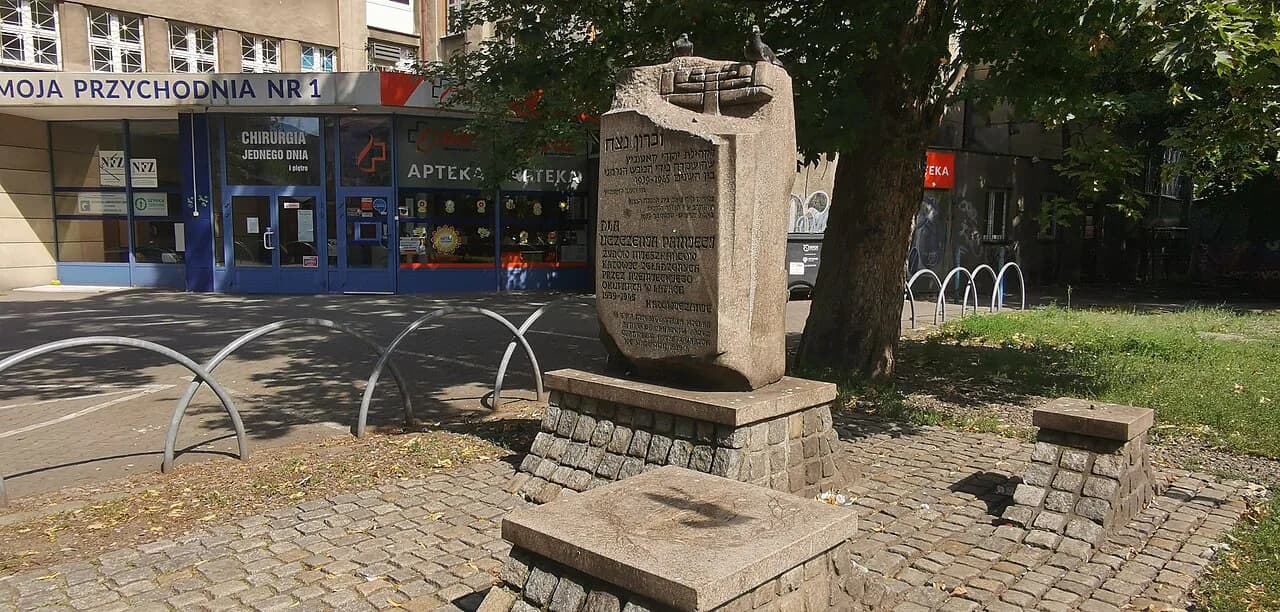
If mining heritage is your reason for coming, build your itinerary around the Silesian Museum first and Zabrze second. Travellers who prioritise art and city history can skip Zabrze without regret and spend the time on the Katowice collections and the architecture instead. The same principle applies to the city's wartime memory: the Katowice WW2 sites map out the occupation years, and the Katowice ghetto guide covers the Jewish community's deportation, so those belong in a serious half-day for anyone drawn to twentieth-century history.
Closing days and free-entry days: what to confirm before you go
Polish museums commonly close one day a week, and the Silesian Museum closes on Mondays, so plan a city break that does not waste a Monday on it. Its exhibitions and tower keep the same Tuesday-to-Sunday hours, which makes it easy to schedule a single museum day. Tickets are tiered enough that the family ticket is worth asking about if you are travelling with children.
Free-entry days vary between institutions and change over time, so ask at the ticket desk or check the museum's own site rather than assuming from an older magazine post. The Saturday free entry reported for the Museum of Katowice History is one example of a claim worth verifying before you plan around it. Hours can shift for public holidays, so confirm before a long journey across the city.
How to link the museums with the Culture Zone, Spodek and Mariacka Street on foot
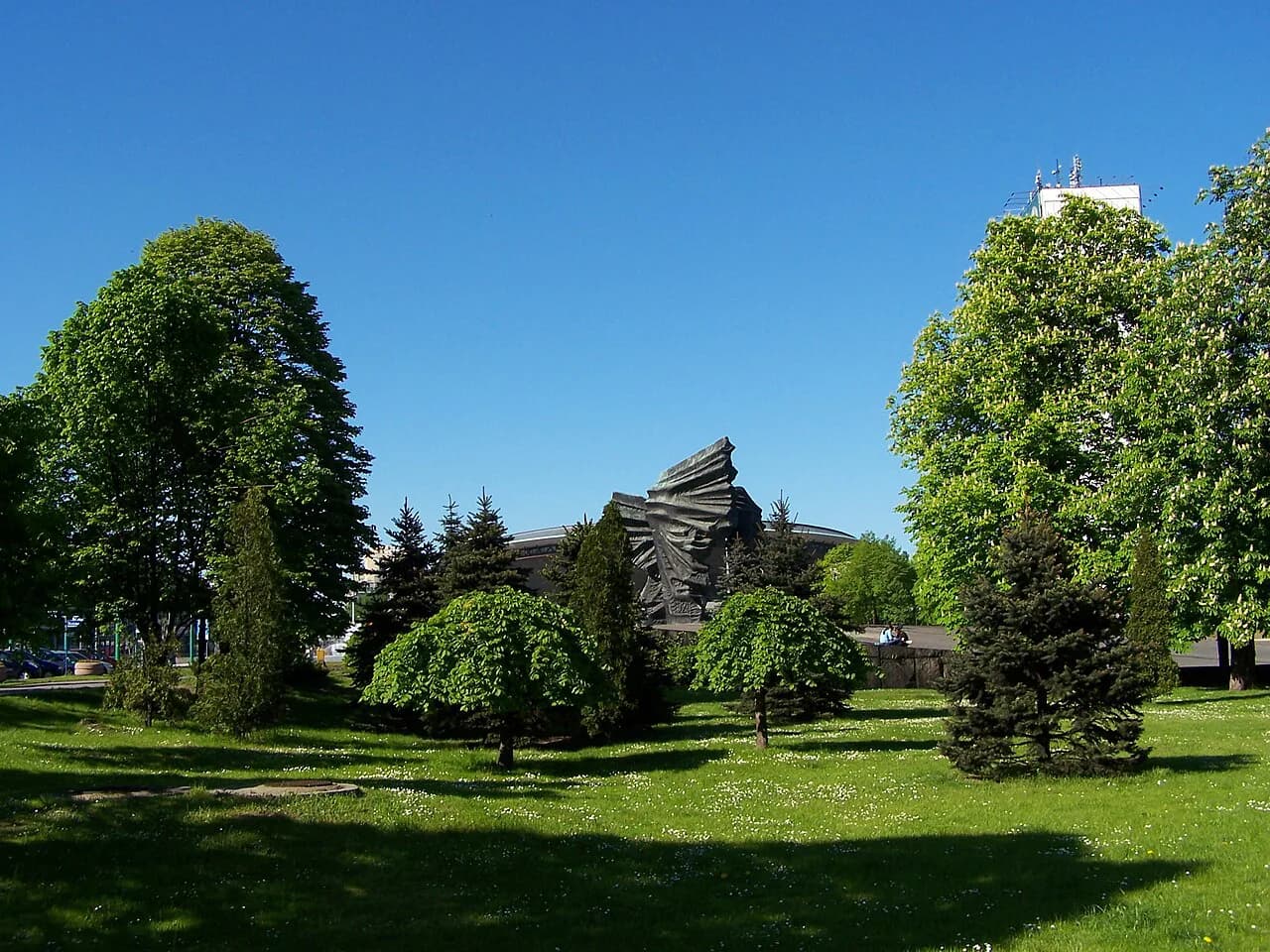
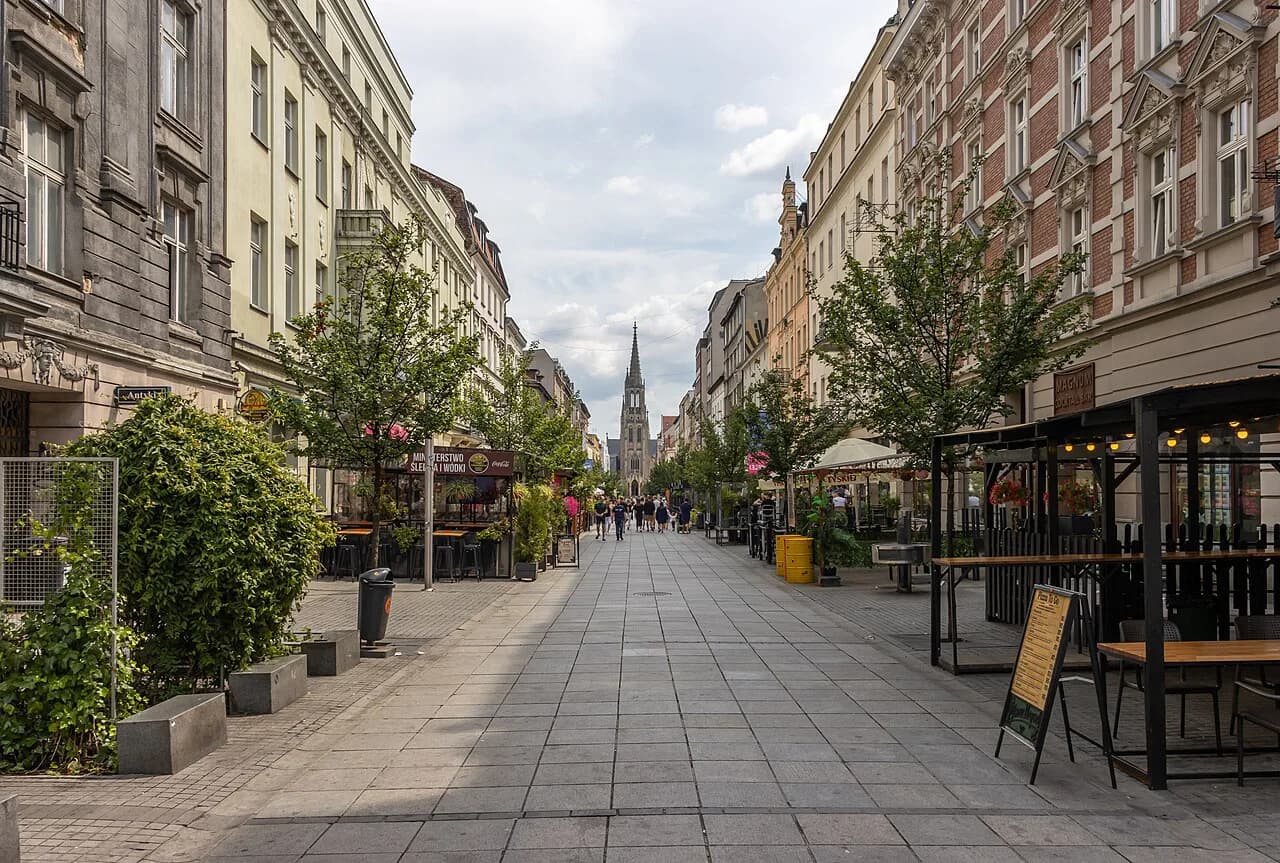
The Silesian Museum sits in the Culture Zone, next to the Spodek arena, which makes a natural half-day: museum first, then a walk past the Spodek and around the surrounding parkland. From there, head back into the centre for Mariacka Street, whose cafés and restored frontages make a good late-afternoon wander. All of it is walkable if you are staying near the Market Square.
Keep an eye out for the bebok statues and the modernist architecture on the way; they give the walk a purpose rather than making it a straight transfer between museums. The Museum of Katowice History fits into a centre day alongside the market square and the surrounding streets. Two museums plus a Culture Zone walk is a comfortable full day.
How much time to allow per museum, and a wet-weather museum day
Budget half a day for the Silesian Museum, including the Upper Silesia exhibition and the tower, and allow an hour and a half for the Museum of Katowice History. Nikiszowiec needs at least half a day once you factor in the journey out and the walk around the district. That is a realistic two-day museum programme with time left for the Spodek, Mariacka Street and a good dinner.
Rainy days in Katowice are the Silesian Museum's moment: the underground galleries mean weather barely touches much of the visit, though the tower closes in poor conditions. Pair it with an afternoon in the tenement museum and you have a wet-weather day that needs no further planning. Save Nikiszowiec for a dry spell, when the courtyards and the walk between the flats are the whole draw.
Silesian Museum or the tenement museum first?
Start with the Silesian Museum. It is the bigger, more distinctive experience, it sets up the region's history and it sits next to the Culture Zone and the Spodek, so you can build a whole day around it. Book the Museum of Katowice History for the second day, when a smaller, more personal view of the city suits a slower pace.
If heritage is what brought you to Katowice, follow the Silesian Museum with Nikiszowiec and the ethnology branch there rather than racing straight back to the centre. That pairing covers the industry, the people and the architecture in one thread. Anyone continuing to other Polish cities will find the same approach useful for the museums in Gdańsk or the museums in Poznań, where one anchor museum plus a specialist collection beats a checklist.
Explore more Katowice guides
Sources
Notes for your next Polish city break
Optional updates to our Poland guides.
You might also like

Continue reading
More guides you'll find useful