Malbork Castle: Visiting the Teutonic Order's Brick Fortress
Malbork Castle is the Teutonic Order's brick fortress on the Nogat. What each tour covers and how long to allow for the visit.
On this page
Malbork Castle is the Teutonic Order's fortified complex on the east bank of the River Nogat, and it rewards roughly half a day if you take one tour, a full day if you take both. It is a UNESCO World Heritage site, listed as the most complete and elaborate example of a Gothic brick-built castle, which is the reason to give it more than a hurried photo stop. This guide separates the two main tours, sets out a realistic time budget, and covers the train from Gdańsk and the walk from the station, so you can choose a ticket before you reach the counter.
Why Malbork Castle is famous
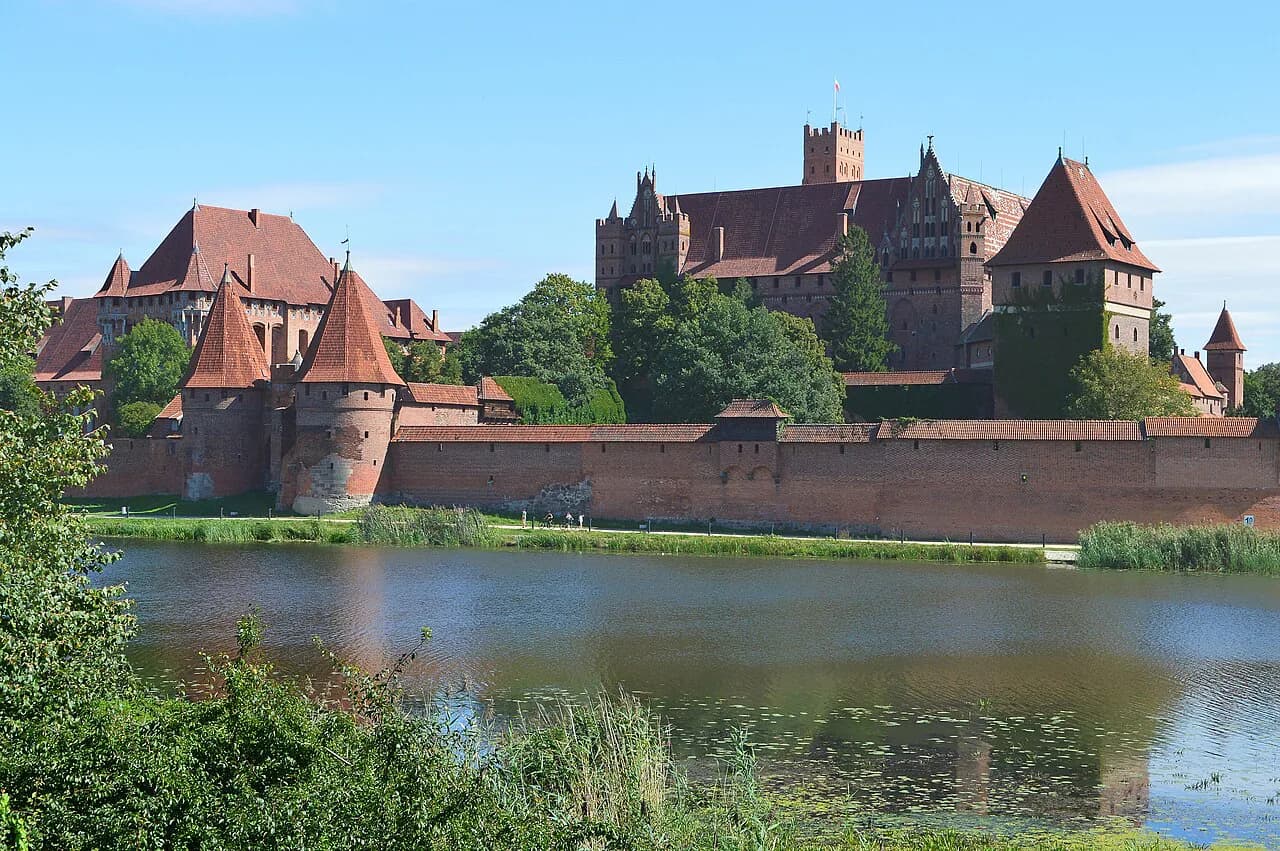
The castle was built by the Teutonic Order from the 13th century and served as the seat of the Grand Master, which is why its scale is civic and monastic rather than that of a single noble residence. UNESCO describes the complex on the Nogat as the most complete and elaborate example of a Gothic brick-built castle, and the listing is the strongest argument for treating Malbork as a headline sight rather than an add-on. It is also frequently described as the largest castle in the world measured by land area, a claim worth treating as a popular label rather than a measurement you need to verify on site.
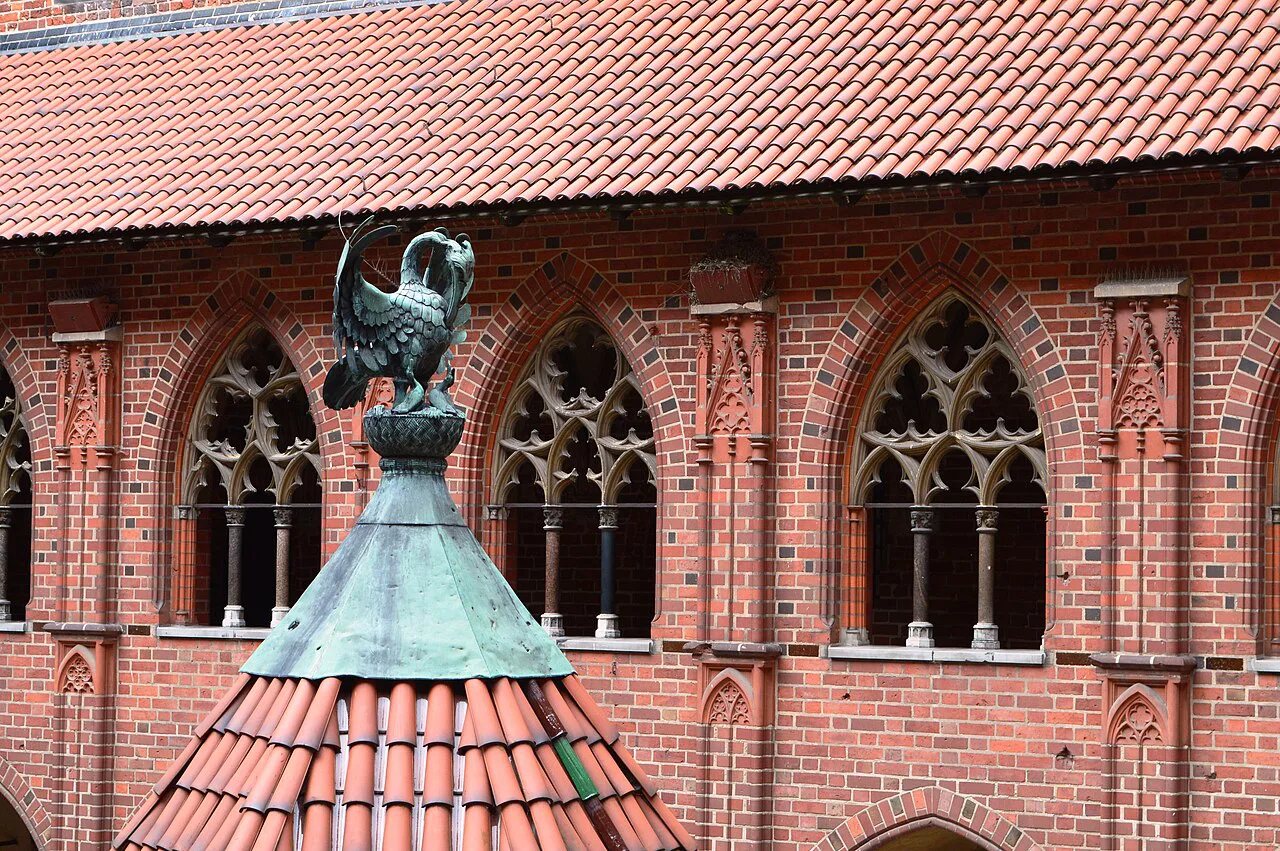
Brick Gothic is the architectural story here: red brick rather than stone, with towers, gateways and courtyards layered across the fortress. If you have already seen the brick castles in Poland, Malbork is the one against which the others are measured, and that context makes the extra time worthwhile.
How the castle is laid out
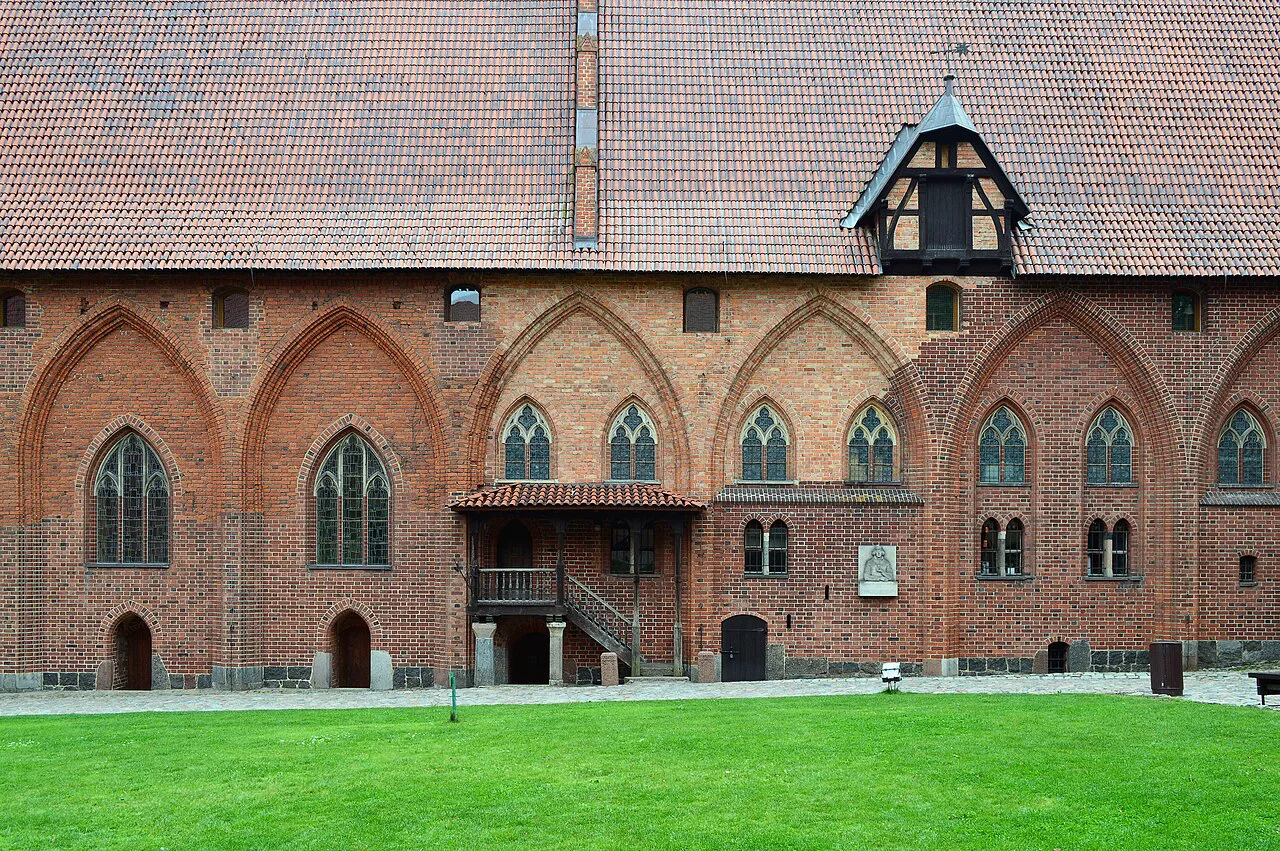
The Castle Grounds Tour and the Historical Tour are the two main routes the museum offers, and they are separate tours rather than one entry ticket that covers everything, so the layout matters before you book. Read the museum's own visit pages before choosing, because which route covers which interiors, the grounds and the courtyards determines how much of the fortress you see.
The museum is a branch-structured institution: the Malbork Castle Museum also runs branches at Kwidzyn Castle and Sztum Castle, so ticket descriptions and exhibition pages can belong to a different site. Check the page title and address before you buy, because a ticket for a branch is not a ticket for the main castle. The official site keeps opening hours, tickets, group visits, guided tours, family and audio guide information in one place, which is where those details sit.
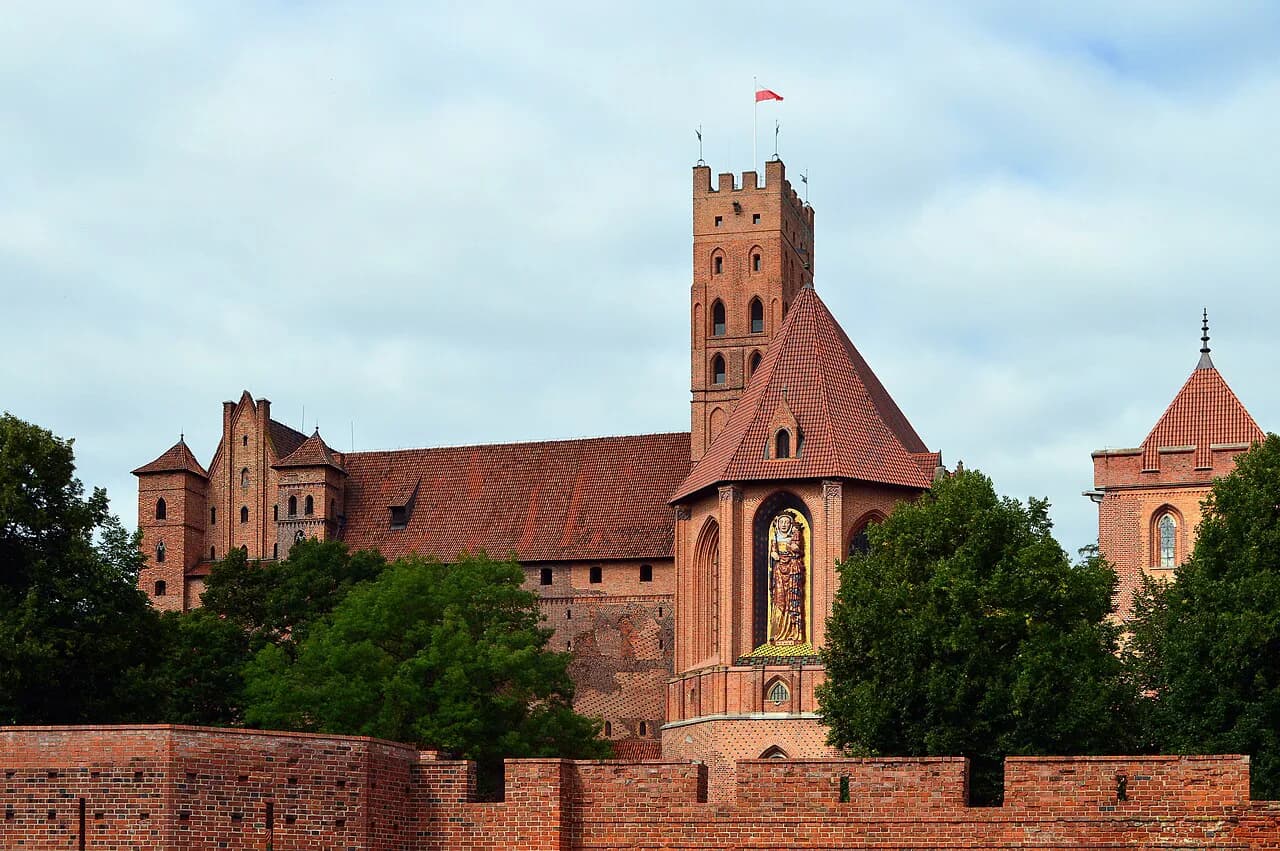
Allow time outside the walls as well: the approach across the Nogat gives you the classic view of the fortress reflected in the water, and the town on the west bank is small enough to walk through in an hour. That riverside view is the reason many travellers rate the exterior as highly as the interiors.
Which ticket and tour to choose
Give the route descriptions on the museum's visit pages a close read before choosing, and decide between them on how much time you have and how much of the interiors you want. If the castle is your only stop, lean towards the fuller route; if you are short of time or travelling with people who tire of museum rooms, the shorter route and the courtyards may suit you better.
Prices, concessions and any reduced-entry days change, so the museum's own ticket page is the only place to confirm what you will pay in złoty; buy there rather than from a reseller, and note the year printed on any price you compare. The museum also publishes information on group visits, family visits and tourist discounts, which can reshape the choice if you are travelling with children or in a large party.
Book ahead for the tour you actually want, not just for entry, and check the day's tour times when you buy. If you are building a wider itinerary, the guide to castles in Poland will help you decide whether Malbork deserves the full day or shares it with another fortress.
Guided tour versus audio guide
The museum runs guided tours and offers an audio guide, and the choice comes down to pace and depth: a guide sets a rhythm you cannot slow down, while an audio guide lets you linger in the rooms that interest you. Check the language options on the official visit pages before you commit.
A practical option is a guided tour of one route on a first visit, then a self-guided wander through the grounds afterwards with the audio guide for the collections. That combination suits travellers who want explanation once and freedom later.
How long to allow
A single tour plus the grounds and the riverside walk fits comfortably into half a day, which is the realistic minimum for a day trip from Gdańsk. A full day lets you pair the castle with a proper look at the town, and that is the version to plan if the castle is the reason for your trip rather than a stop on the way.
Build in buffer for security checks, ticket collection and the walk between the station and the castle, and do not schedule a tight onward train on the assumption that tours run to the minute. If you only have an afternoon, pick one tour rather than rushing several.
Tickets in złoty and booking through the museum
Pay in złoty and book on the museum's own site; the museum publishes a how-to-buy page covering online purchase and ticket collection, which is the safest route for a timed tour. Compare any third-party offer against the museum's own price and remember that a package combining transport and entry usually costs more than the separate parts.
The museum announces occasional promotions and price changes on its news pages, so check the current announcement rather than a cached price in a blog post. Where a past price is quoted anywhere, treat it as history for the year stated and confirm the present figure with the museum before you budget.
Getting there from Gdańsk by train
Malbork has its own railway station, and the train from Gdańsk is the practical default for a day trip, with the castle reachable on foot from the station rather than by taxi. Timetables, journey times and fares vary by service, so check the operator's site for the day you travel rather than relying on a remembered schedule.
The walk from the station to the castle crosses the Nogat and takes you past the best exterior view, so do not rush it in a taxi. If you are arriving by car instead, the museum publishes travel information and tourist information for visitors, which is the place to confirm parking and arrival details.
What else rewards a slower visit
The museum's collections are the reason a full day beats a half day: the amber collection, the ceramic collection and the architectural detail collection are separately catalogued, and each rewards a slower pass through the interiors. The architectural detail material connects directly to the restoration of the castle itself under Conrad Steinbrecht, which makes it more interesting in situ than its title suggests.
The museum also runs temporary exhibitions and a calendar of events, including evening openings such as a night tour of the castle, so an overnight stay in Malbork can add a second layer to the trip. Check the calendar for what overlaps your dates rather than assuming a fixed programme.
Practical points for the day
Last entry times differ by tour and are published with the daily opening hours, so read them before you set out: arriving late can leave you with the shorter route or no entry at all. The museum also publishes its terms of visiting, covering photography, pets and accessibility, which is where to confirm rules rather than guessing at the gate.
Accessible routes, pets and photography rules all sit under the visit section of the official site, and they are worth checking in advance if anyone in your party has mobility needs or you plan to bring a dog. The complex is large and spread across courtyards and stairs, so plan the route around the least mobile member of the group.
If you are comparing Malbork with other Polish fortresses, Książ Castle in Lower Silesia is a palace-and-castle hybrid with a very different atmosphere, and Czocha castle offers a compact, moody alternative in the same region. Both suit travellers who want a second castle day rather than a repeat of the Teutonic Order's scale.
For a contrast in style, Moszna castle in Opole Voivodeship is a fairy-tale confection with towers and a park, and it pairs well with a city break in Wrocław rather than Gdańsk. Use it as a benchmark for how differently Polish castles present themselves.
Is Malbork Castle worth it, and who should skip it
It is worth it if you want the scale, the Brick Gothic architecture and the museum collections, and it is the standout castle day in northern Poland. It is not worth it if you have a single day in Gdańsk and want a compact old town rather than a fortress complex, or if stairs, courtyards and long walking routes are a problem for your group.
Travellers who have already seen several brick castles may find a single tour sufficient, while first-timers and architecture enthusiasts should plan the full day. Judge it against how much of your trip you want to give to one site, not against a checklist of must-sees.
Which Malbork ticket should you book?
Book the tour that best matches your interests and time, and keep the other route for a return visit if the day is short. If you are coming from Gdańsk with limited time, take one tour, walk the riverside approach and leave the rest for another trip.
Confirm the current tour times, prices and last entry on the museum's own pages before you travel, and buy direct rather than through a reseller. That single step removes most of the friction from a Malbork day.
Sources
Notes for your next Polish city break
Optional updates to our Poland guides.
You might also like

Continue reading
More guides you'll find useful