
Brick Gothic in Poland: Where to See It in Gdańsk, Toruń and Malbork
Brick Gothic in Poland means Teutonic castles, Hanseatic churches and red-brick town halls. Here is where to see the best of it on a short city break.
On this page
Three cities carry the strongest Brick Gothic in Poland, and they line up neatly for a short break: Gdańsk for Hanseatic churches and the waterfront Crane, Toruń for a compact old town of cathedral, town hall and merchant houses, and Malbork for the Teutonic Order's castle. Build a trip around those three and you see the two traditions that produced the style, civic and monastic, side by side. This guide explains what the buildings are, how to read their towers and gables, and how to fit them into one to four days.
Wrocław and Szczecin add a second layer, because much of what stands there today was rebuilt after 1945, which changes how you look at it. The same red brick can be medieval fabric, a nineteenth-century revival or postwar reconstruction, and knowing which is which is half the pleasure of a Brick Gothic tour.
What Brick Gothic actually is
Brick Gothic is the northern European version of Gothic architecture, built in fired brick where good building stone was scarce. The Baltic coast of Mecklenburg is dense with it, from the churches of Wismar to the cathedral at Bad Doberan, and the same tradition runs east into Poland. Its hallmarks are tall brick towers, steep gables, stepped facades and patterned wall surfaces made by laying bricks in different bonds and colours.
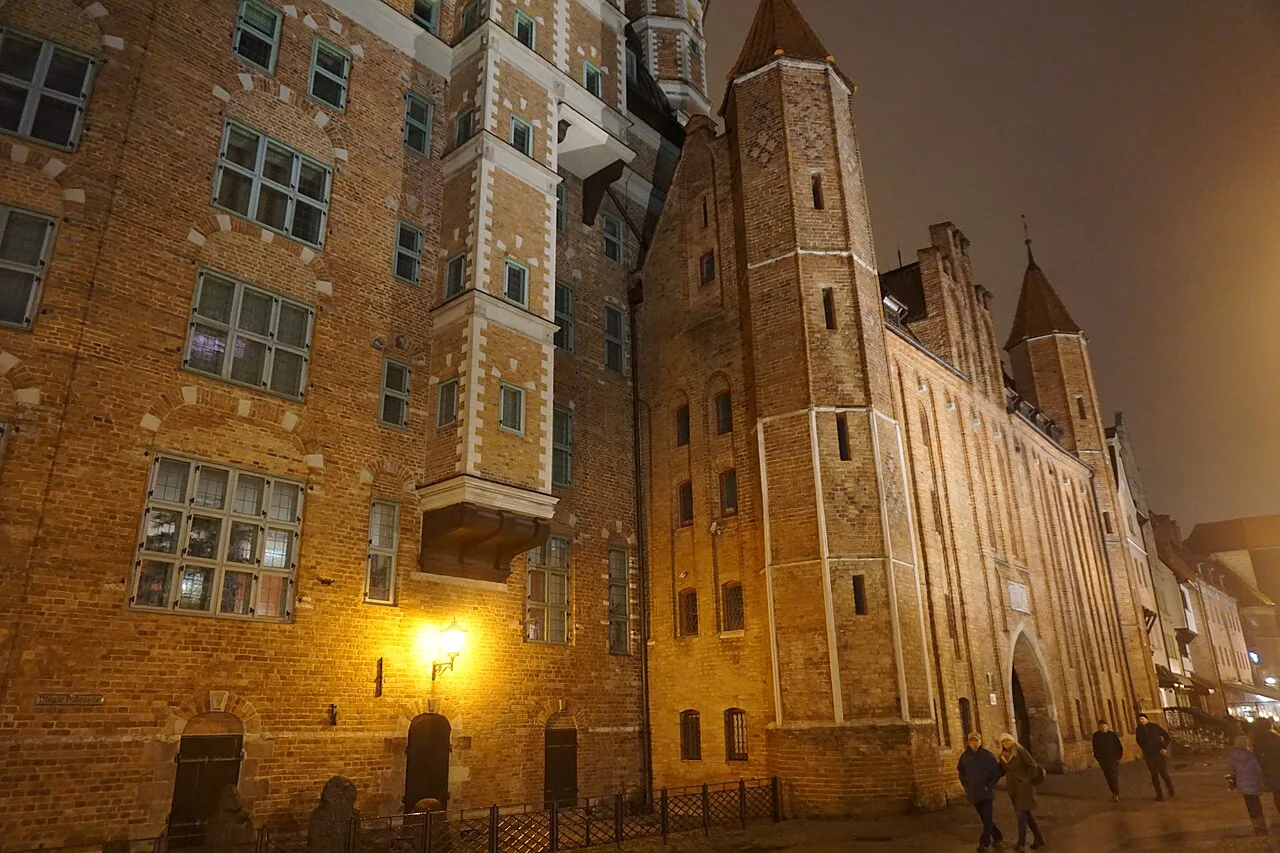
Two kinds of patron shaped what you see. The Teutonic Order built fortified monasteries and castles, so its brickwork is heavy, defensive and often arranged around courtyards. Hanseatic towns built churches, town halls and gatehouses that advertised civic wealth, which is why the grandest brick buildings in Gdańsk and Toruń face market squares rather than moats.
A useful way to read a facade is to look at the brickwork itself. Dark over-fired bricks were used to draw patterns, crosses and diamond bands through the red walls, and the effect is easiest to see where a wall has been cleaned rather than rendered. Wikimedia Commons keeps a browsable category of Brick Gothic photographs by city and by building type, which is a practical way to compare gables before you travel.
The style belongs to a wider story of Polish building that runs from medieval brick through to the timber villas of the Tatra Mountains. If you want the full picture before you book, our guide to Polish architecture sets the periods side by side.
Which Polish cities carry the strongest Brick Gothic
Gdańsk, Toruń and Malbork form the core, and they sit close enough together to treat as one architecture-focused break. Gdańsk and Toruń are both Hanseatic ports of the old trading network, with merchant churches and town halls at their centres; Malbork is the Teutonic counterweight, a castle complex rather than a trading city. Wrocław and Szczecin belong on a longer list, with brick churches and civic buildings that reward a half-day each.
If you have time for only one, choose by interest. Gdańsk gives you the widest mix of churches, gates and waterfront warehouses within a walkable centre; Toruń gives you the tightest concentration in a single old town; Malbork gives you the one building that explains the military side of the style.
Gdańsk: the Główne Miasto churches and the Żuraw
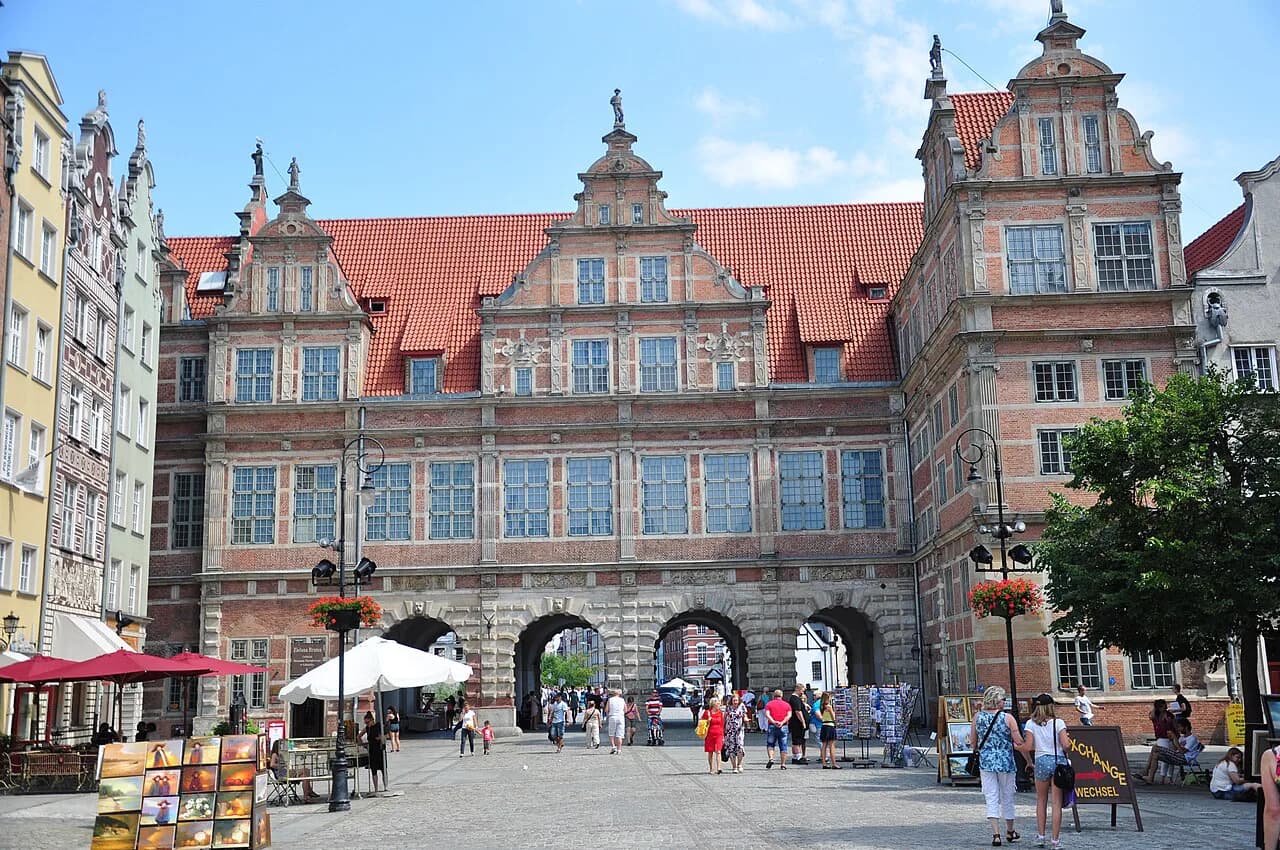
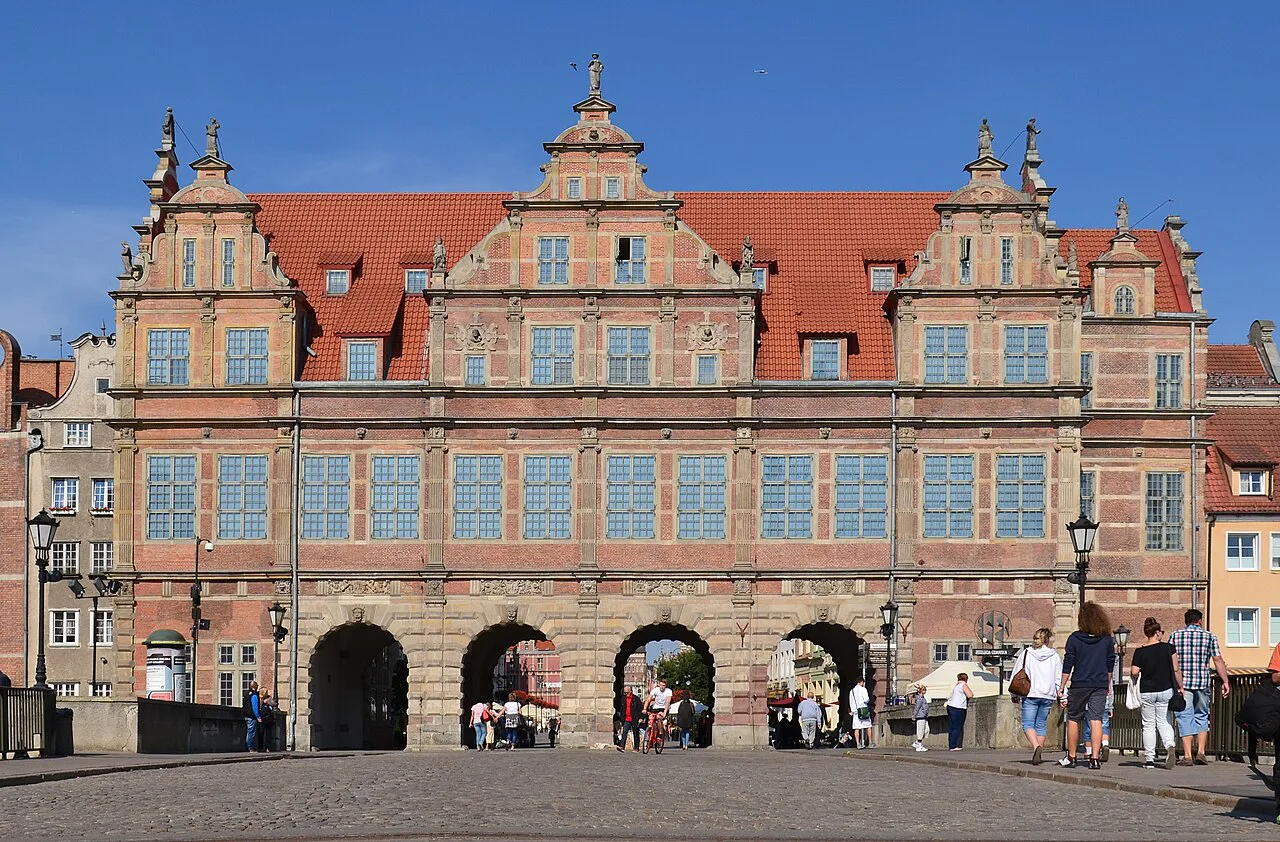
Start in the Główne Miasto, the Main Town, where the long market street of Długi Targ runs between the town hall and the Green Gate. The street itself is the set piece: tall burgher houses with decorated gables, rebuilt after the war, framing one of the most photographed squares in Poland. Walk it early, then turn off into the side streets where the churches stand.
The brick churches are the real Gothic substance here. St Mary's is the vast one, its tower visible from across the city, and its interior is a forest of brick piers and vaulting rather than the white plaster many visitors expect. Give it an hour and go up the tower if the weather is clear.
On the Motława waterfront, the Żuraw, the Crane, is the Hanseatic image most people carry home: a medieval harbour crane rebuilt into the city wall, its timber lifting gear and brick structure the centrepiece of the waterfront. It reads best from the opposite bank, where you can see the whole outline at once, and a closer look at the mechanism is a natural next stop.
Toruń: cathedral, town hall and merchants' houses in one walkable old town
Toruń Old Town is the most efficient Brick Gothic day in Poland, because the cathedral, the town hall and the merchant houses all sit within a few minutes of each other. The Old Town Hall in the middle of the market square is the civic showpiece, with a stepped brick facade and gables that set the tone for the streets around it. The cathedral of SS John the Baptist and John the Evangelist anchors the other end of the old town, close to the river.
The merchant houses are the part most visitors underrate. Look above shop level for the brick gables and the ornamental fronts, which show how private wealth imitated the civic buildings. Because the distances are short, you can see the whole ensemble in an afternoon and spend the evening on the same streets.
Malbork: the Teutonic castle as the big monastic set piece
Malbork Castle is the place where Brick Gothic reads as power rather than trade. Built by the Teutonic Order, it is a fortified complex of courtyards, chapels and refectories, and it needs several hours rather than a quick stop. The scale is the point: successive building campaigns stacked defence, ceremony and administration into one brick ensemble.
Treat it as a full morning or afternoon, not a filler between trains. The interiors matter as much as the walls, particularly the vaulted halls where the order's ceremonies took place, and the brick detailing inside repays slow looking. Check the castle's own site for how tickets and entry are arranged before you travel.
Wrocław and Szczecin: what survives and what was rebuilt
Wrocław and Szczecin show the other side of Brick Gothic: what a twentieth-century city does with a medieval core. Both lost large parts of their historic fabric in 1945, and the brick buildings you see now are a mixture of surviving medieval work and careful postwar reconstruction. That does not make them less worth visiting, but it does mean you should look at the fabric, not just the silhouette.
In Wrocław, begin on Ostrów Tumski, the cathedral island, where the brick churches rise above the Odra. In Szczecin, the Wały Chrobrego terrace gives you the long view across the river, which helps when you are trying to work out which buildings are old and which are replacements.
Reading a building: towers, gables and brick bond patterns
The tower is usually the giveaway. Brick Gothic towers tend to be square, tall and topped with a stepped or pyramidal roof, and they often sit slightly off-centre against the nave. Where the tower is heavily buttressed and narrow, you are usually looking at a town church built to be seen from a market square; where it is broad and part of a defensive wall, the military patron is showing.
Gables are the second sign. Stepped gables, where the brick rises in a stair pattern, are typical of the civic and merchant buildings of the Hanseatic towns, and they were often renewed or rebuilt over the centuries. Look for the joins: changes in brick colour and bond often mark where the medieval wall ends and later repair begins.
How to slot a Brick Gothic morning or afternoon into a city break
On a one-day stop, pick a single city and do it properly rather than chasing two. A Gdańsk day can be the Główne Miasto churches in the morning and the Żuraw and waterfront in the afternoon; a Toruń day can be the town hall, cathedral and merchants' streets in one loop; Malbork needs its own half-day, on whichever day you can give it.
On two days, pair Gdańsk with Malbork, because the road or rail link between them is short and the contrast between the trading city and the castle is the clearest illustration of the style. Toruń fits best on a three-day trip, added to Gdańsk rather than substituted for it.
On four days, add Wrocław or Szczecin at the end, once you know what you are looking for. The rebuilt centres become far more interesting after you have spent time in the medieval fabric of Toruń or Malbork.
If your interests stretch beyond brick, the same trips pair well with later styles: the curved ironwork and glass of Art Nouveau in Poland rewards a half-day in Wrocław, while the timber Zakopane style offers a deliberate contrast to Gothic verticals.
Opening days, ticket prices and free-entry days
Each sight keeps its own visiting arrangements, whether that is a ticket price in złoty, an opening-day pattern or a free-entry day, and these can change with the season. Check the official page of each church, castle or museum for the week you are travelling, because a Monday closure in one place says nothing about another.
In Poland many museums close one day a week, often Monday, and some have a free-entry day, so build the plan around the places you most want to see rather than the other way round. Brick churches that remain active parishes may have services and restricted visitor access, so check before making one your first stop of the day.
Which Brick Gothic city should you book?
Book Gdańsk if you want one base with the widest variety of Brick Gothic buildings and the waterfront beside them. Book Toruń if your priority is a compact, walkable medieval centre you can cover in an afternoon. Book Malbork as a half-day from Gdańsk if the Teutonic Order's castles are what drew you to the style in the first place.
Whichever you choose, go with a little preparation about what you are looking at: the tower, the gable and the brickwork tell you whether a Hanseatic town or a monastic order paid for the wall in front of you. That single habit turns a walk through an old town into a lesson in how northern Europe built.
Explore more Poland guides
Frequently Asked Questions
Is Malbork Castle a day trip from Gdańsk?
It can be done in a day, but give the castle several hours on site rather than squeezing it between other stops. Plan the journey around the castle's opening hours on the day you travel, which are published by the castle itself.
What is the difference between Teutonic and Hanseatic Brick Gothic?
Teutonic buildings were built for a religious-military order, so they tend to be fortified complexes arranged around courtyards, like Malbork. Hanseatic buildings were paid for by towns, so the grandest brickwork appears in churches, town halls and gatehouses facing market squares, as in Gdańsk and Toruń.
Can I see Brick Gothic in Poland without going to Gdańsk?
Yes. Toruń's old town holds the cathedral, town hall and merchant houses within a few minutes of each other, and Wrocław's Ostrów Tumski and Szczecin's riverside both have brick churches worth a half-day.
Where can I find opening hours and ticket details?
Each church, castle and museum publishes its own arrangements, and they can change with the season. Check the official page of the specific sight you plan to visit for the week you are travelling.
Sources
Notes for your next Polish city break
Optional updates to our Poland guides.
You might also like



Continue reading
More guides you'll find useful





