Polish Architecture: Where to See Each Era, City by City
Polish architecture from Gothic brick and Renaissance squares to Art Nouveau and modern landmarks, with the cities and buildings where each style is visible.
On this page
Polish architecture is best understood as a set of layers you can walk through in a single trip: brick Gothic, Renaissance market squares, Baroque churches, Art Nouveau tenements and post-war reconstruction, often within a few streets of each other. This guide sorts those layers by style, names the buildings that show each one and says which cities to pick when architecture is your main reason for going.
The country has more than a thousand years of building behind it, and the surviving monuments range from castles and sacral architecture to industrial works and gardens. The Polish national tourist board lists royal residences, castles, sanctuaries, mines and open-air ethnographic parks among the country’s main built attractions, with 17 UNESCO World Heritage sites.
What kind of architecture you see in Poland, and why one trip can cover six centuries
Think in layers rather than in a single national style. Gothic arrived in brick, because good building stone was scarce across much of the north; the Renaissance remade market squares into arcaded showpieces; the Baroque added domes, towers and monumental monasteries; the nineteenth century produced eclectic tenements and Art Nouveau detailing.
The heritage list makes the spread concrete: castles, historic town centres, churches, mines and parks all sit alongside each other. Old Town centres such as Kraków’s and Toruń’s are recognised for their authentic medieval fabric, while Zamość is described as the Renaissance “Padua of the North”.
For a short break, that density is an advantage. A single old town can deliver Gothic, Baroque and nineteenth-century streets within one loop, so the sensible plan is to pick a base city and read its architecture in sequence rather than touring the country building by building.
Gothic brick: Malbork Castle, St Mary's Basilica in Kraków and the churches of Toruń
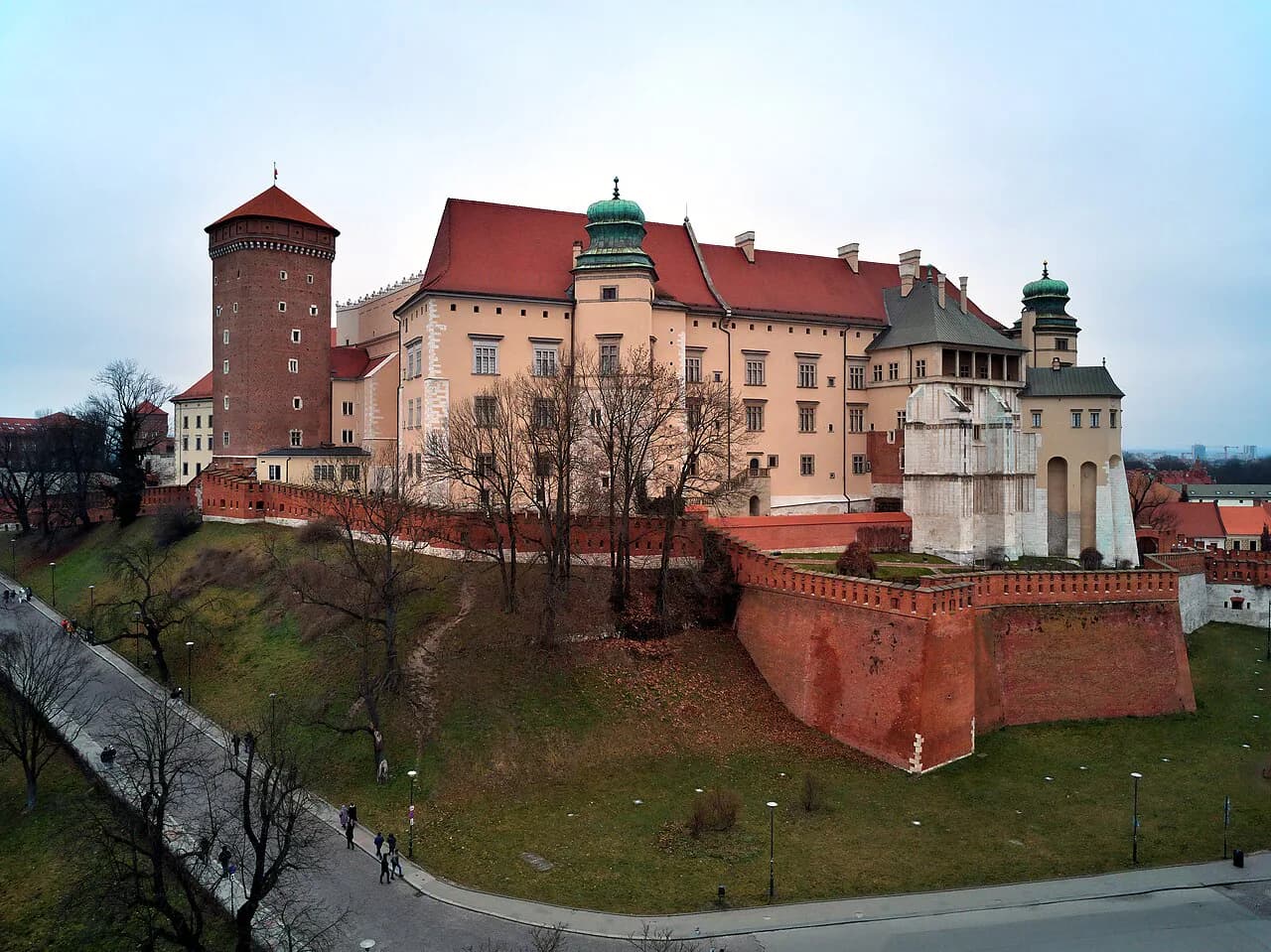
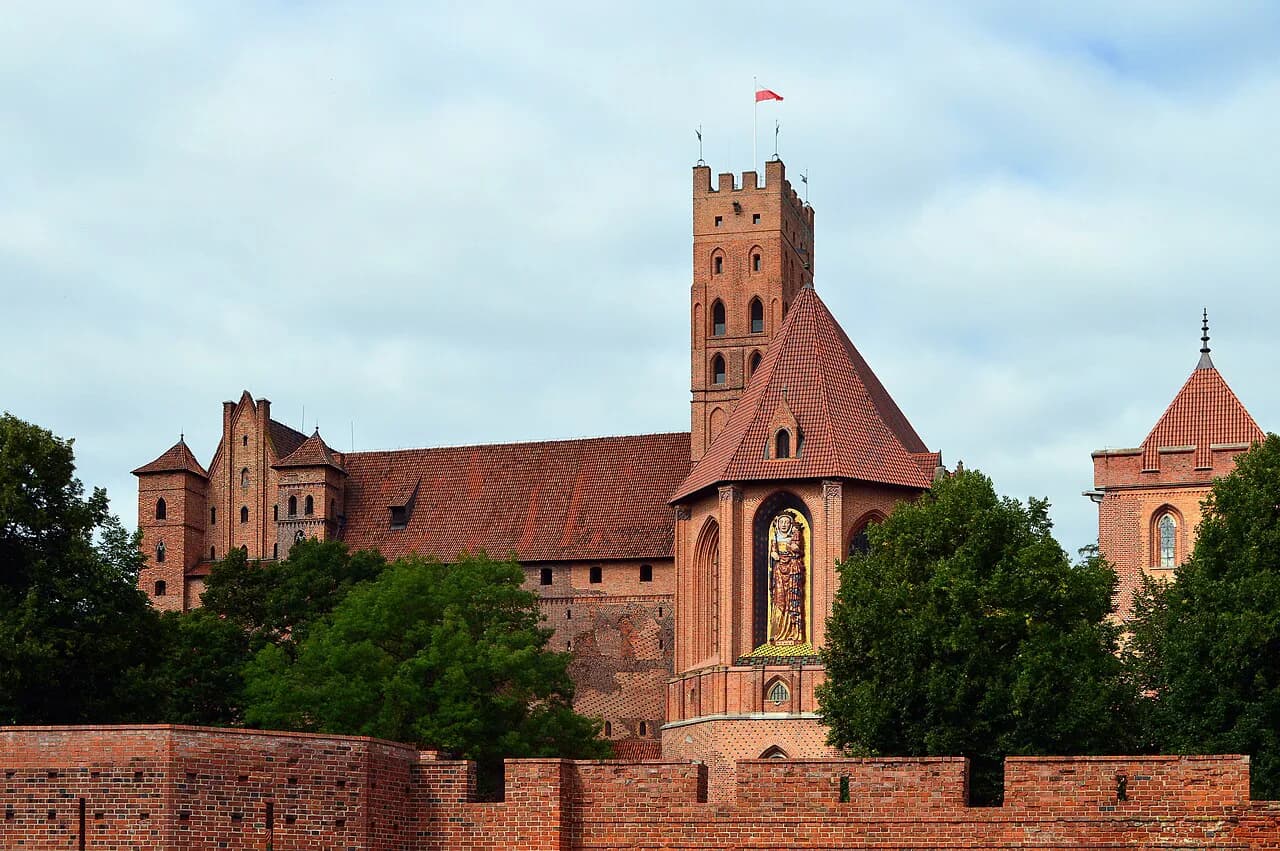
Brick Gothic is the northern signature: churches, town halls and fortified complexes built from fired brick when stone was expensive and the Hanseatic trade made money. The biggest single statement is the Castle of the Teutonic Order in Malbork, which sits on the national heritage list with Wawel Royal Castle, the Royal Castle in Warsaw and Książ Castle.
Kraków contributes its Gothic layers, including the basilica and castle complex on Wawel Hill, and is a good place to study the transition from Gothic interior to the Renaissance layer. Toruń’s Old Town, with its medieval street plan largely intact and its medieval buildings recognised on the UNESCO list, is the other essential stop for brick work.
If brick churches and castle walls are your interest, it is worth planning a separate northern loop. Rynek Routes has a companion guide to Brick Gothic in Poland covering the Hanseatic towns where the style is concentrated, including the Główne Miasto quarter of Gdańsk, and it pairs naturally with a Malbork stop.
The trade-off is distance. Malbork and Toruń sit in the north while Kraków is in the south, so fitting all three into one short break means either a long rail leg or accepting that you will see Gothic in two regions on separate trips.
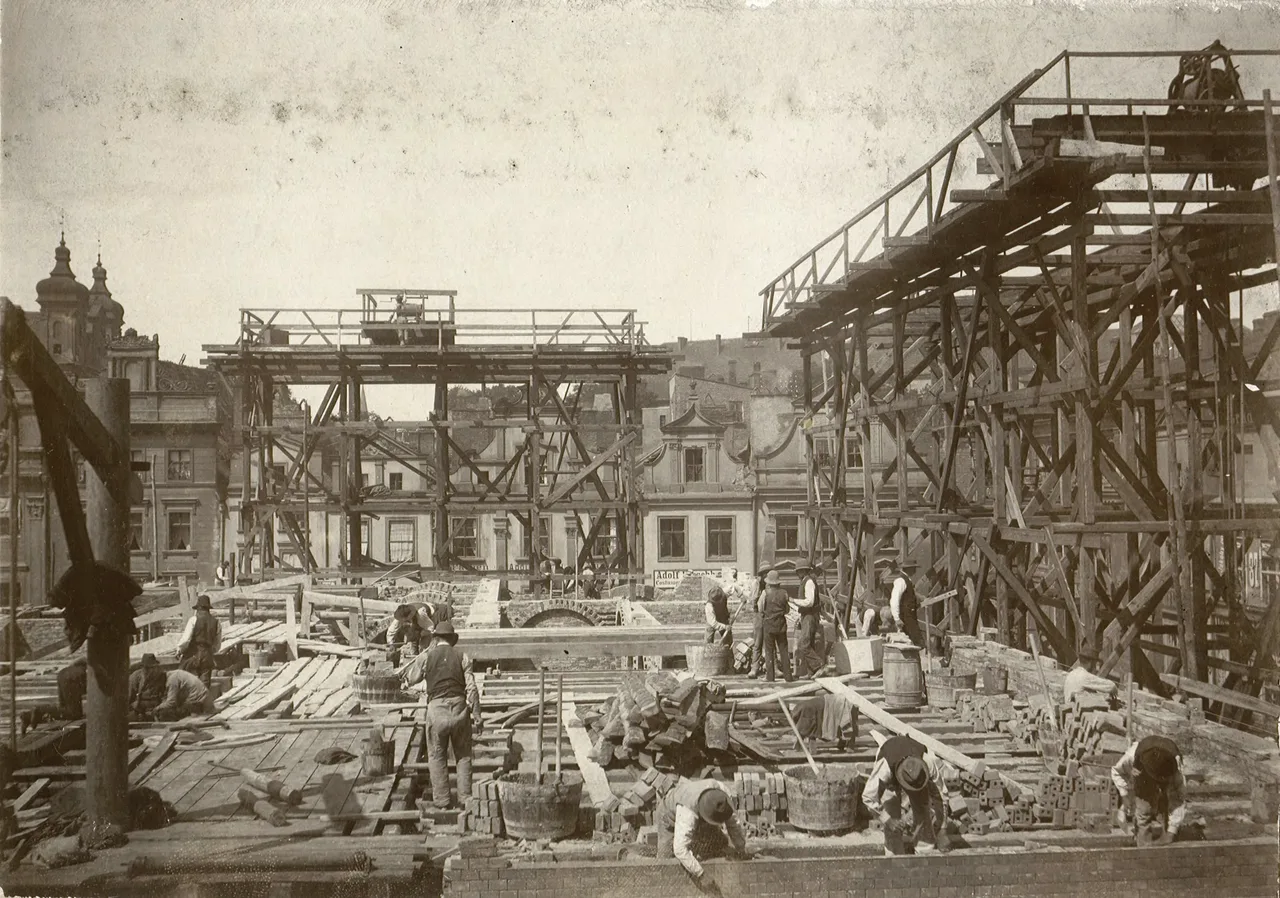
Renaissance and Mannerist squares: Zamość's Old Town and the market halls of the old trading cities
The Renaissance remade the Polish market square into a stage set of arcades, attics and symmetrical façades, and Zamość is the textbook example. UNESCO recognition singles it out as the Renaissance “Padua of the North”, and the town centre rewards a slow walk rather than a checklist of individual buildings.
Elsewhere, the same logic shows in trading squares that were rebuilt after fires and restyled over centuries. In Gdańsk, the Long Market and its surroundings are the natural place to read the city's commercial frontages, though the buildings themselves are a palimpsest rather than a pure period piece.
Visit Zamość if you care about planned Renaissance towns; choose Gdańsk if you want Renaissance show fronts sitting alongside a much wider architectural mix. Zamość is smaller and easier to cover on foot in half a day, but it takes longer to reach from the main southern bases.
Baroque churches and palaces: Jasna Góra in Częstochowa and the great castle-palaces
Baroque gave Poland its most theatrical buildings: domed churches, layered façades and pilgrimage complexes designed to impress from a distance. Jasna Góra in Częstochowa is the country’s best-known sanctuary and draws pilgrims as well as visitors interested in ornament and architecture across several eras.
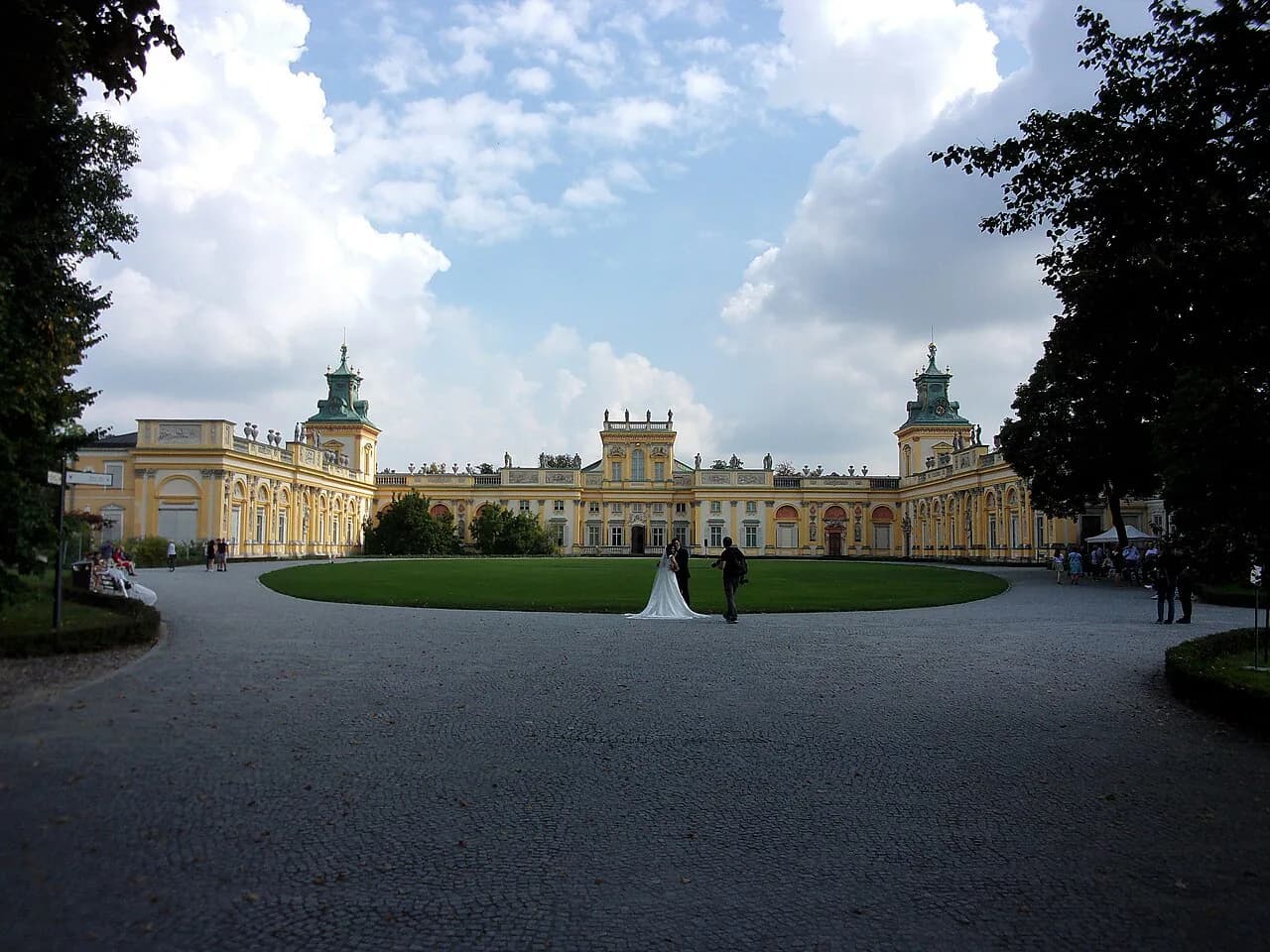
The castle and palace list is where Baroque and later styles overlap most visibly. Wawel Royal Castle and the Royal Castle in Warsaw are state residences on a monumental scale, Książ Castle is the great Silesian palace-and-garden ensemble, and each has been altered repeatedly, so read them as accumulations rather than single-period buildings.
Several of these palaces sit outside the main city centres and come with historic gardens, which makes them half-day outings rather than quick stops. If you want to build a route around them, the Rynek Routes guide to castles in Poland explains which ones are genuinely worth the journey from the city you are visiting.
For most short-break travellers, the practical choice is one palace outside the city plus the cathedral or sanctuary in the city itself; trying to see three royal residences in four days means spending most of it on trains.
The wooden architecture route of Małopolska, Podkarpacie and Silesia
Wooden architecture is Poland’s most underrated architectural story: churches built entirely in timber, with steep shingled roofs, painted interiors and joinery instead of masonry. The Wooden Architecture Route, running through Małopolska, Podkarpacie and Silesia, links the surviving examples into a manageable regional trail.
Treat this as a route rather than a single building to tick off, because the churches are scattered across the countryside and rewards come from seeing several in a day by car. Open-air ethnographic parks, such as those in Sanok and Tokarnia, give you the same timber tradition in a concentrated, walkable form if you are relying on public transport.
The trade-off is logistics. The route is a strong option from a Kraków or Rzeszów base but weak if you only have city days; the open-air parks are the compromise when you cannot drive between villages.
Art Nouveau and eclectic city centres: Piotrkowska in Łódź and the tenement streets of Wrocław and Poznań
The nineteenth-century industrial boom produced the streets most visitors photograph without naming the style: long runs of eclectic tenements with Art Nouveau doorways, stairwells and façades. Piotrkowska in Łódź is the clearest single example, a long commercial street of continuous frontages built on textile money.
Wrocław’s Rynek and Poznań’s old centre work differently: both are market squares whose surrounding townhouses were rebuilt or restored over centuries, so you read colour, roofline and detail rather than a single architect’s design.
For the details rather than the street view, Rynek Routes covers Art Nouveau in Poland, which points you to the chapels, portals and apartment blocks where the style actually survives in walkable city centres.
Łódź is the honest pick if tenement streets are your priority, but it needs a full day to walk Piotrkowska properly; Wrocław and Poznań give you comparable streetscape alongside a much broader historic centre.
Industrial and technical monuments: the Wieliczka and Bochnia salt mines and the timber-framed mills and factories
Industrial heritage is architecture too, and the UNESCO-listed salt mines at Wieliczka and Bochnia are its most spectacular form: chambers, shafts and workings cut entirely below ground rather than built above it.
At ground level, the same story shows in technical monuments and surviving factory buildings, which often sit outside the prettiest old towns and require a deliberate detour. Many are now museums or visitor attractions, which is why the national heritage list treats them alongside castles and gardens.
The trade-off is underground versus overground. A mine visit eats half a day and involves stairs and low passages, so it suits travellers who want one big set-piece rather than a walking day of churches and squares.
Warsaw's Old Town: what was rebuilt after the Second World War and what UNESCO recognised
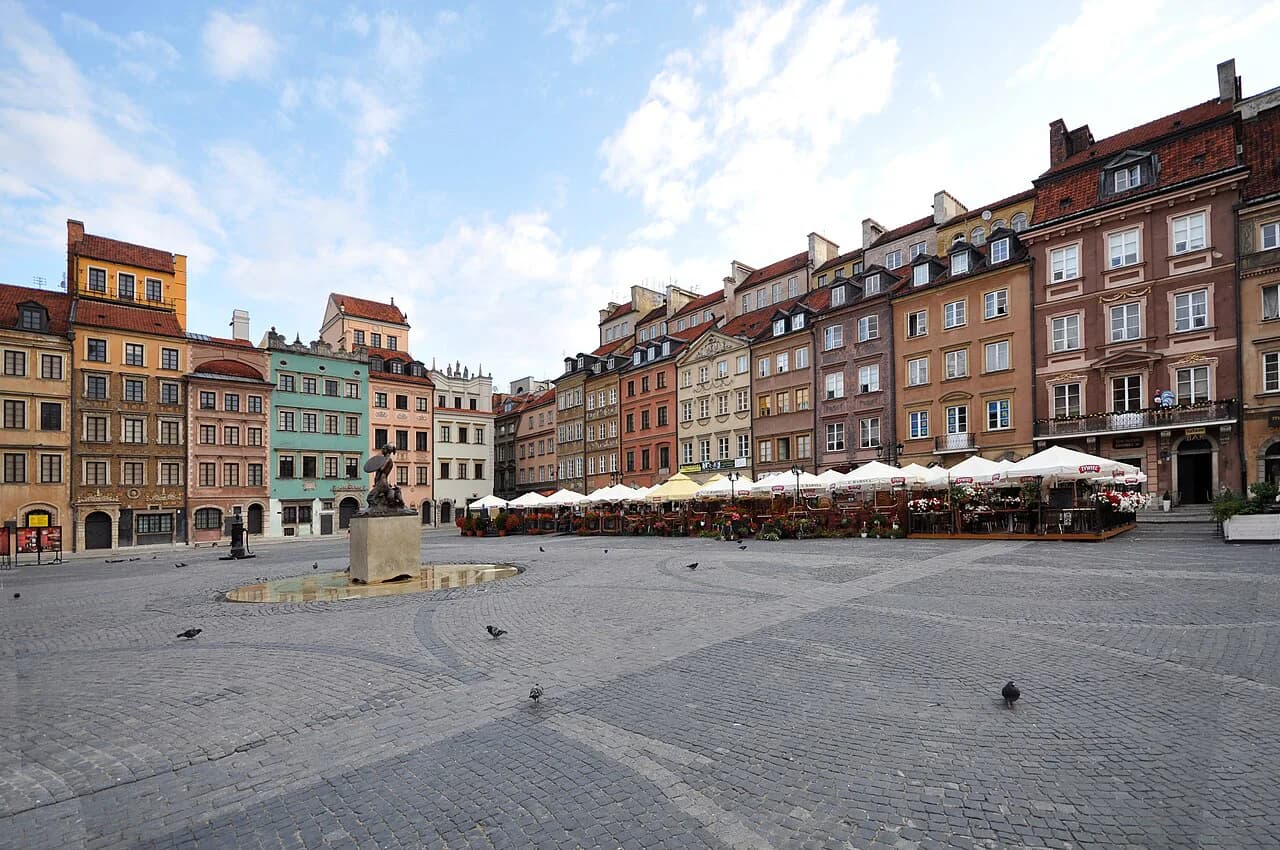
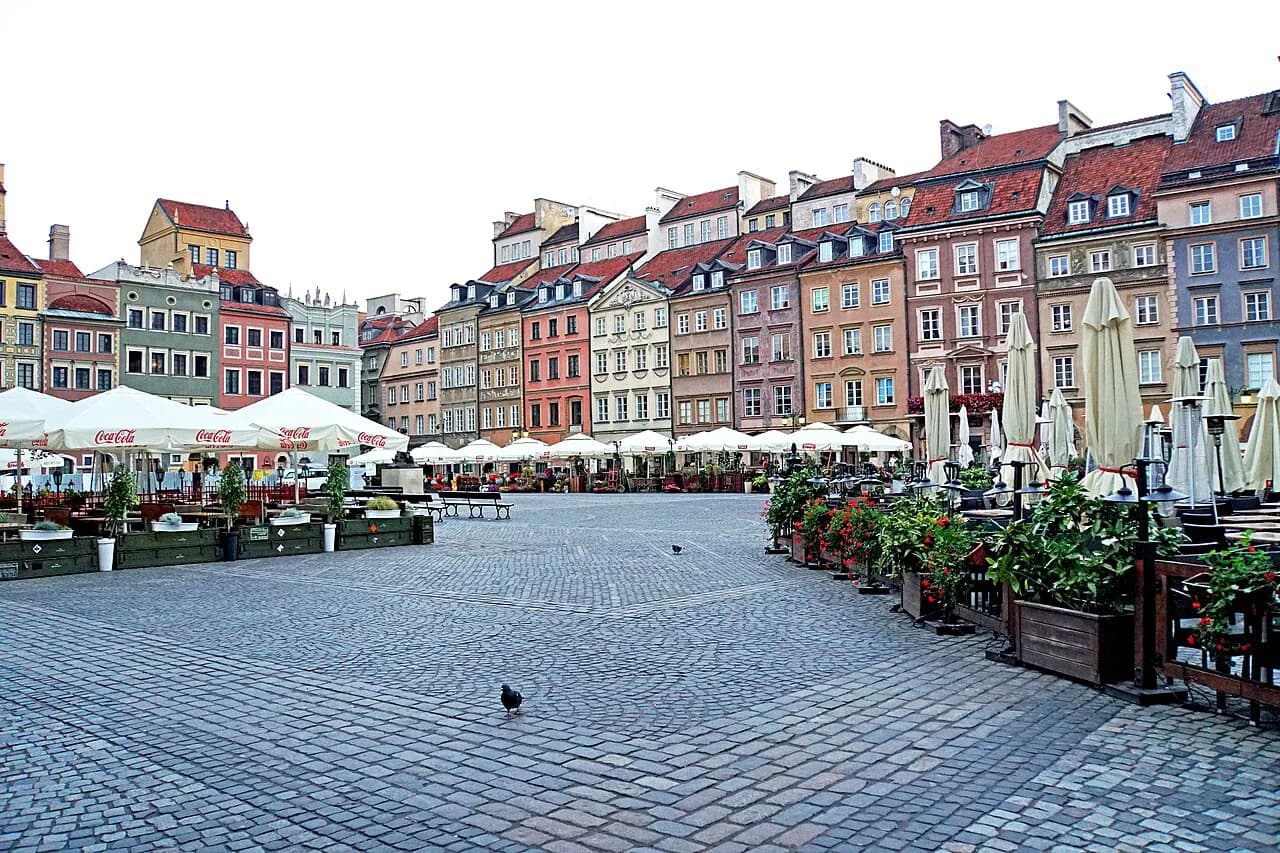
Warsaw’s Old Town needs to be read differently from Kraków’s or Toruń’s, because it was completely rebuilt after the destruction of the Second World War. UNESCO recognised it precisely for that reconstruction, which makes it a monument to post-war craft and archival research as much as to the medieval town it recreates.
Approach it as a story about rebuilding: look at the façades with the knowledge that the detail is twentieth-century work based on older records. If contemporary architecture interests you too, the Rynek Routes guide to Polish modern architecture gives the post-war and current buildings that complete the picture, from reconstructed squares to the University Library BUW.
The practical consequence is that Warsaw rewards an architecture-focused visitor with a different kind of interest: the city is a case study in reconstruction and modern planning rather than a medieval fabric, so it suits a traveller who wants the twentieth century explained.
Zakopane style and regional building in the Carpathians
The Zakopane style is Poland’s own architectural movement, a turn-of-the-century attempt to turn highland timber building into a national design language. It shows in villas, churches and boarding houses around Zakopane, with steep roofs, carved timber and stone bases.
Rynek Routes has a separate guide to the Zakopane style that covers the architects and the specific villas, including Stanisław Witkiewicz and Villa Koliba, so you can walk the town with the right buildings identified.
The trade-off is that Zakopane is a mountain resort with busy peak weekends and limited daylight in shoulder months, so the architectural walk is best paired with the town itself rather than treated as a quick add-on from Kraków.
Post-war and contemporary buildings: socialist-era structures and new landmarks
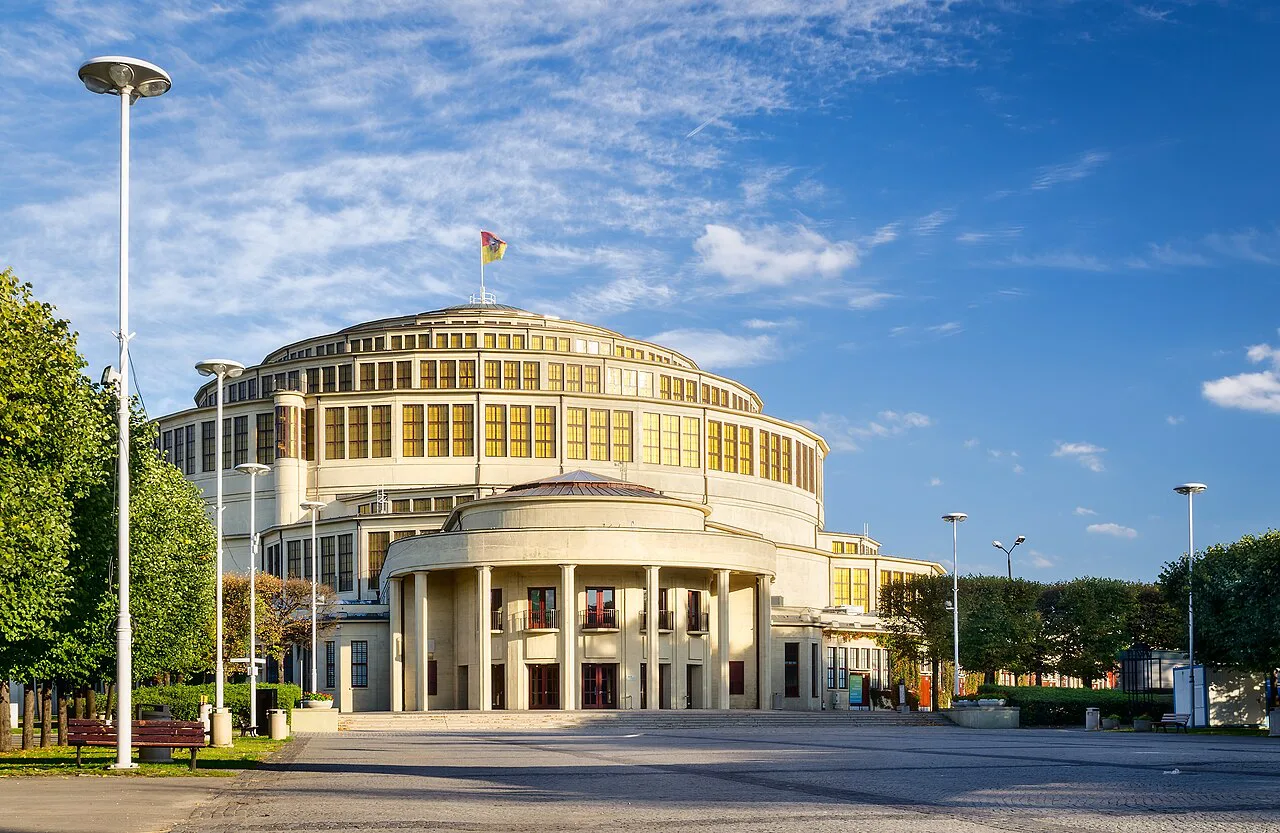
Post-war Polish architecture runs from socialist-realist set pieces to the engineering of the later decades, and it is the layer most short-break travellers skip. The clearest statements are in the big cities, where planned squares, wide avenues and large housing estates were laid out deliberately.
The national tourist board’s Warsaw list points to newer attractions such as the Copernicus Science Centre and the garden on the roof of the University of Warsaw Library as places where visitors go for the view as much as the building.
Add modern landmarks to a city plan rather than building a trip around them: an hour on a rooftop garden fits naturally between old-town streets, but a dedicated contemporary-architecture tour needs more time than a three-day break usually allows.
How to read a Polish old town on foot
Start at the market square and work outwards, because the square tells you the town’s trading wealth and the streets radiating from it show how it grew. Look for the town hall in the middle, the arcaded houses around the edge, the parish church on the highest ground and the surviving gates and towers in the old defensive line.
Then read the roofline: Gothic churches sit low and heavy, Baroque ones add domes and lanterns, nineteenth-century blocks add height and ornament, and post-war reconstruction shows in cleaner, flatter detail. Bell towers and gates make useful orientation points between stops.
Aim for one square, one church and one palace or town hall per morning, with a walk along the old walls or a park in the afternoon. Green space is part of the design, and a ring of parkland around an old core often marks where the defences once ran.
Which city to pick if architecture is your main reason for going
For a first architecture trip, Kraków plus Toruń gives you Gothic and Renaissance in two compact old towns, and Wrocław or Poznań adds the colourful market-square streetscape. Gdańsk is the pick if you want brick and Hanseatic mercantile architecture, with Długi Targ and the Główne Miasto as the starting loop.
Choose Warsaw if you are more interested in reconstruction, planning and the twentieth century than in medieval fabric, and Łódź if industrial-era streets are the priority. Zamość and the wooden churches are specialist trips that pay off when you have already seen the main centres.
Weather should shape the choice more than it usually does, because most of this architecture is seen on foot. Spring runs from March with daily temperatures typically between 5 and 15 degrees Celsius, summer around 20 to 25, and the tourist board rates May to June and September to October as the best times to visit, when it is still warm and crowds are thinner.
If your dates are flexible, the Rynek Routes guide to the best time to visit Poland for a city break sets out the seasonal trade-offs for short trips in more detail.
Practical notes: opening patterns, free-entry days and Sunday trading
Plan museum and castle interiors around the day you are in each city, since many state-run sites keep their own calendars and some close one day a week. Check the official page for the specific castle, mine or museum before you fix your route, as opening days vary between sites.
Outdoor architecture does not depend on opening hours, so put squares, streets, parks, castle exteriors and church towers on the day when an interior is closed. That way a Monday in a museum city does not become a wasted day.
For ticketed interiors, palaces and mines, buy through the venue’s own site and confirm the current price in złoty there rather than relying on older guides. Retail opening on Sundays is restricted in Poland, so do not count on shops for a rainy afternoon.
Where to see castles, Gothic churches and planned medieval towns in Poland
Poland’s built heritage spans fortified castles, parish and pilgrimage churches, planned town centres and market squares, and it is possible to see strong examples of each within easy reach of one another. Malbork covers the fortified castle, Kraków and Toruń cover the Gothic church and the walled town plan, and the wooden churches show a regional alternative to masonry.
A practical loop is Malbork for the castle, Toruń for the medieval town layout and Kraków for St Mary's Basilica and Wawel, though that spans the country and suits a week rather than a weekend. If you have three days, pick two of the three and see them properly.
Read each site for what it actually is: a restored castle, a working church or a rebuilt town centre. The value of the comparison comes from noticing how much of each building is original fabric and how much is later craft.
Which architecture city should you book first?
Book Kraków first if you want Gothic and Renaissance in one walkable centre, Gdańsk if brick and mercantile fronts are the draw, and Warsaw if reconstruction and modern planning interest you more than medieval fabric. Save Zamość, the wooden churches and Zakopane for a second trip when you already know which layer you like.
Whichever you choose, give the old town one unhurried morning and let the rest of the day follow the rooflines outwards. Architecture rewards sequence more than ticks, and a single square read properly beats five photographed in a hurry.
Explore more Poland guides
Frequently Asked Questions
Is Polish architecture mostly Gothic?
No. Brick Gothic is the dominant medieval style in the north, but the Renaissance, Baroque, nineteenth-century eclectic and post-war layers are all strongly represented, often within the same old town. A short break can reasonably cover three or four of those layers in one city.
Can you see Polish architecture without booking museum interiors?
Yes. Squares, streets, castle exteriors, parks, gates, towers and church façades are all visible from outside, so a closed interior day does not have to be a wasted day. Save ticketed interiors for the days they are open at the specific venue.
How many days do you need for an architecture-focused city break?
Three full days is enough for one city with a single outlying monument, such as Malbork from Gdańsk or a salt mine from Kraków. Four days lets you add a second city or a countryside route, but shorter trips work best with one base.
Sources
Notes for your next Polish city break
Optional updates to our Poland guides.
You might also like

Continue reading
More guides you'll find useful