Jewish Heritage in Poland: City-by-City Guide
Jewish heritage in Poland spans Warsaw, Łódź, Lublin, Wrocław and Tykocin. See which synagogues, cemeteries and museums to visit and how to plan around them.
On this page
Warsaw deserves the most time, Łódź and Wrocław reward a focused half-day, Lublin adds a compact old quarter and Tykocin is worth the trip for a single synagogue. This guide sets out what survives in each city, what a visit involves, and how to fit a heritage stop into a short break without letting it swallow the rest of the itinerary.
Jewish presence in Polish lands reaches back roughly a thousand years, beginning with travelling merchants in the medieval period. That long history, and the communities destroyed during the German Nazi occupation, are why the surviving synagogues, cemeteries and museums carry such weight for visitors.
Warsaw: the museum, the ghetto and the cemetery districts
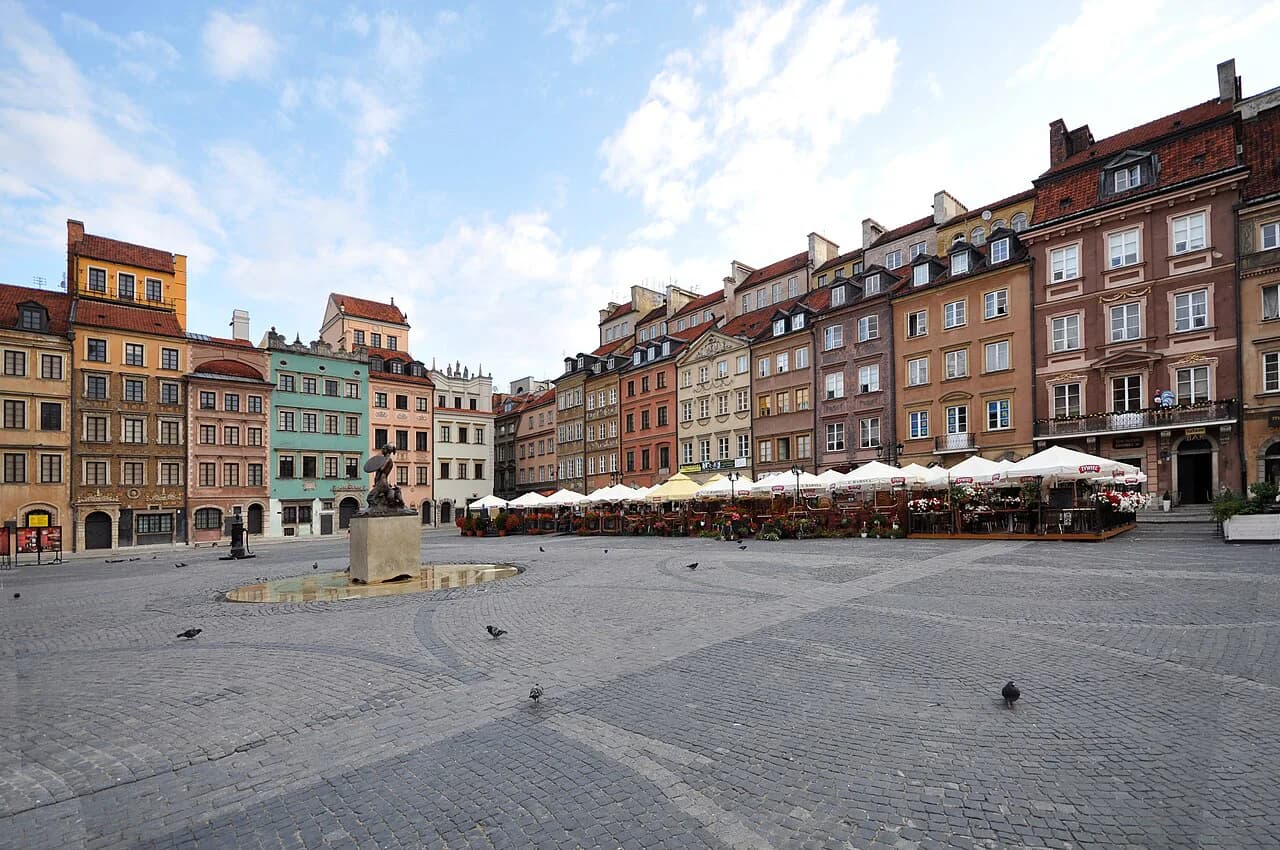
Warsaw holds the densest concentration of Jewish heritage in the country and is the city where a single visit can cover the arc from a thousand years of life to the occupation and its aftermath. Plan Warsaw as your museum stop and your memorial stop, then add a cemetery visit if you have a spare morning.
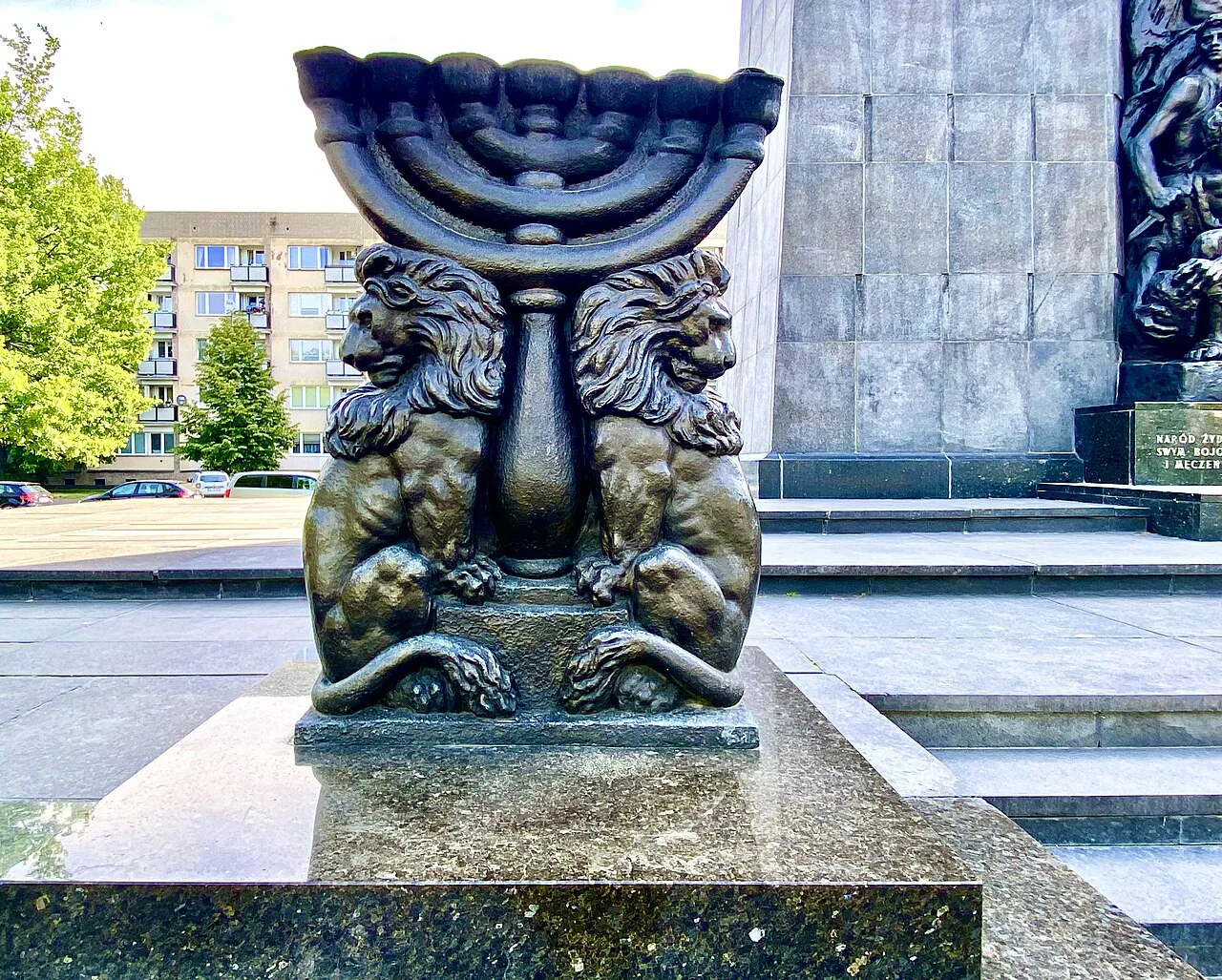
The former ghetto area is the city's most concentrated memorial landscape, marked by traces of the wall and by the squares and monuments that have grown up around it. Walking this ground takes time and attention rather than stamina, so give it the better part of a morning rather than squeezing it between other sights.
North-west of the centre, the Jewish cemetery on Okopowa Street is a vast, overgrown place where the city's nineteenth-century Jewish bourgeoisie is buried under a canopy of trees. It is a cemetery first and an attraction second, so dress and behave accordingly and allow an hour and more once you are inside.

Łódź: the industrial city's Jewish quarter
Łódź grew as a textile city in the nineteenth century, and its Jewish community was woven through the mills, merchant houses and tenements that still define the centre. The result is a heritage landscape spread across the city rather than concentrated in one square, best tackled on foot along Piotrkowska and the surrounding streets.
The Jewish cemetery here is a forested expanse of grand mausoleums and modest stones that reflects the wealth and scale of the pre-war community. Treat it as a half-day in its own right rather than a quick stop, and check opening arrangements for the day you plan to go before setting out.
Łódź is also the base for the most striking industrial heritage in Poland, and visitors combining interests often pair a heritage morning with the city's factory architecture. Allow a full day if you want both, or choose one and do it properly.
Lublin and the east: a compact old quarter
Lublin's old Jewish quarter sits directly beside the Old Town, so a heritage walk slots naturally into a two- or three-day city break without a separate journey. The streets north of the castle hold the synagogue complex and the memory of a community that once made Lublin a centre of Jewish learning.
What Lublin offers is atmosphere and compactness rather than blockbuster institutions: you can cover the quarter in a couple of hours and still have the afternoon for the castle and the Old Town. That makes it the easiest city in Poland to add a Jewish heritage strand to an itinerary that is mainly about something else.
Wrocław and the south-west: a German-Polish-Jewish past
Wrocław's Jewish story is bound up with its German past, which gives the city a different texture from Warsaw or Lublin: the heritage here is as much about nineteenth-century civic architecture as about the occupation. The White Stork Synagogue, Synagoga pod Białym Bocianem, is the obvious anchor.
Pair the synagogue with the city's Jewish cemetery and you have a solid half-day that fits comfortably around the Rynek and Ostrów Tumski. Wrocław is also the natural base for anyone heading on to the smaller towns of the south-west, where individual synagogues survive in unlikely places.
Tykocin and the small towns: the single most affecting stop
Tykocin is the case that changes how visitors think about this subject: a small town in the Podlaskie Voivodeship with a surviving synagogue that stands almost alone as a witness to a community that is no longer there. The building is the reason to come, and the emptiness around it is part of what you will remember.
Across Poland, more than a thousand Jewish cemeteries survive, many of them overgrown, neglected or half-forgotten. Organisations such as Friends of Jewish Heritage in Poland work with descendants and local communities on cleanups, boundary markers and preservation, and report having supported more than 31 cemeteries and four synagogues.
A visit to one of these small-town sites is often the most affecting part of a heritage trip, but it requires preparation: transport, opening arrangements for a synagogue that may be locked, and a realistic sense of what is and is not there. Build the day around one site rather than trying to string several together.
Synagogues, museums and cemeteries: what a visit actually involves
It helps to know what kind of place you are walking into. A working synagogue is a place of worship with a congregation; a museum synagogue is a heritage site with exhibits and opening hours; a cemetery is a burial ground above all. Each demands a different pace and a different register.
The same applies to museums: some are large, narrative institutions built for international visitors, others are single rooms maintained by local enthusiasts. Neither is better, but only one suits a rainy two-hour slot, so decide before you go which kind of visit you want. Where a site publishes its own opening days and ticket prices, that is the page to check.
The Foundation for the Preservation of Jewish Heritage in Poland, known as FODŻ, is described by Friends of Jewish Heritage in Poland as the single-biggest owner of Jewish cemeteries and synagogues in the country, which means many of the sites you will want to see fall under its care. Its arrangements, and those of local caretakers, determine what you will actually find on the day.
How to behave at a cemetery or memorial
A Jewish cemetery is a burial place, not a heritage attraction with a gift shop. Common practice at Jewish cemeteries is to keep voices low and avoid eating or drinking among the graves.
Do not photograph mourners, and ask before photographing anyone at a funeral or commemoration. Where there is a caretaker or family present, follow their lead.
At memorial sites, the same restraint applies: read the inscription before you photograph it, keep group conversations brief, and treat the ground as consecrated even where little remains. If you are unsure, follow the lead of the caretaker or any family present.
Fitting a heritage stop into a one-to-four-day break
In a two-day Warsaw break, give the museum and the former ghetto area one full day and the cemetery a morning; that is a realistic heritage allocation without abandoning the rest of the city. In Łódź, Wrocław or Lublin, a half-day is enough for the core site, leaving the afternoon free.
Daylight matters more than you might expect: cemeteries are outdoor sites, and a winter afternoon closes in early. Spring and early autumn give you the longest usable days, and a heritage-heavy break benefits from them more than a museum-heavy one. It is worth checking the best time to visit Poland before you fix dates around long cemetery walks.
If you have four days, Warsaw plus one other city is a better plan than three rushed stops, because travel between Polish cities eats into the day. Pick your anchor city, then add a single heritage half-day elsewhere.
Guided tours and restoration organisations
Guided tours are offered by specialist operators that arrange genealogy research, pre-arranged museum and synagogue visits, and tailor-made trips into towns where families once lived. Poland Jewish Heritage Tours is one such operator, and its site sets out the range of formats it runs.
For visitors who want to combine heritage with the rest of a Polish itinerary, a structured Jewish tour can remove the logistics of locked buildings and rural transport. The trade-off is cost and flexibility: a private guide buys access and context, but you see less on your own timetable.
Restoration bodies are a different proposition: they are not tour operators but charities and foundations that support cleanups, surveys and informational markers. Donating or volunteering is a way to contribute to the sites you visit, and their published news gives a realistic picture of what preservation work involves.
Practical pacing: how much you can actually see
Two heritage sites a day is a sensible ceiling. A museum takes two to three hours, a cemetery an hour and more once you have travelled to it, and a synagogue or memorial an hour at most. Three sites in a day is possible only if they are close together.
Drop first the sites that duplicate what you have already seen: a second nineteenth-century cemetery adds less than a different kind of place, whether a museum, a surviving synagogue or a small-town site. Keep the one that is most distinctive to that city.
Build in an unhurried final stop, ideally somewhere you can sit with what you have seen. Heritage travel of this kind is not improved by rushing, and the sites that stay with visitors are usually the quiet ones.
Which cities to put on your Jewish heritage itinerary
For a first trip, Warsaw is the obvious base and one other city is usually enough: Łódź for scale and industrial history, Wrocław for architecture and its synagogue, Lublin for compactness, or Tykocin for a single building that says more than a whole museum.
If you only have two days, stay in Warsaw and do the museum, the ghetto area and the cemetery properly. With four days, add one city and resist the temptation to add a third.
Explore more Poland guides
Sources
- Friends of Jewish Heritage in Poland | Restoration
- Poland Jewish Heritage Tours - Jewish Tours & Travel - Jewish Tours in Poland Jewish Heritage Tours_Header Navigation Jewish Heritage Tours_Body Poland Jewish Heritage Tours Jewish Heritage Tours_Welcome Poland Jewish Heritage Tours Poland Jewish Heritage Tours
- Poland
Notes for your next Polish city break
Optional updates to our Poland guides.
You might also like
Continue reading
More guides you'll find useful