Best Time to Visit Poland for a City Break: Season by Season
Late spring and early autumn give the best city-break weather in Poland, with mild days and thinner crowds. Here is how each season changes the trip.
On this page
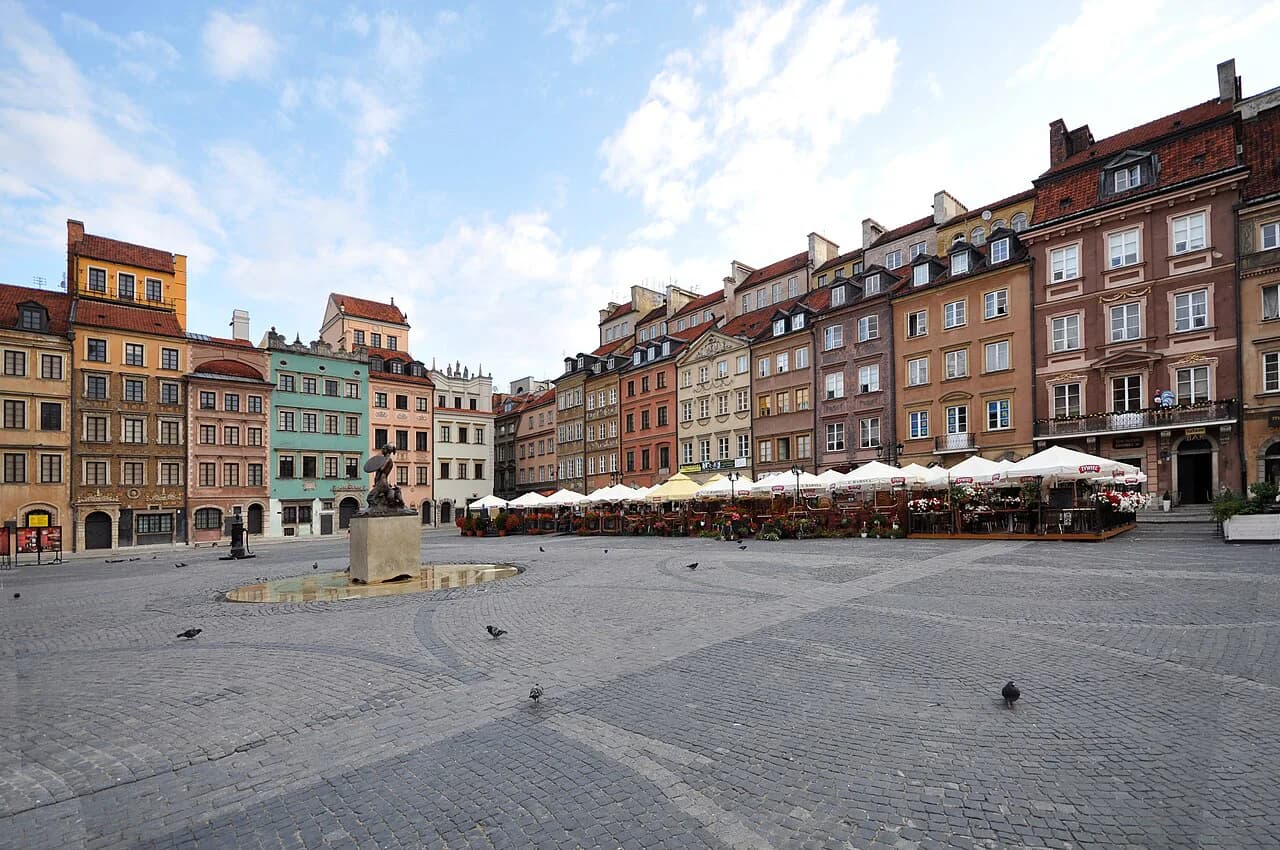
Go in May or from September into early October for a Polish city break. Those weeks bring the most comfortable walking weather and noticeably thinner crowds, and for a one-to-four-day trip you will spend nearly all your time outdoors, moving between squares, churches, museums and viewpoints. This guide reads each season as usable walking hours, sets out where to go when, and explains how far you should book ahead.
Poland sits in a transitional temperate zone between the maritime west and the continental east, so the numbers for any given month are typical averages rather than a promise. The further south and east you go, the hotter the summers and colder the winters; the Baltic coast stays milder and breezier all year.
Late spring and early autumn also suit museum-heavy plans, because mild days make it easier to walk a circuit between galleries and squares without overheating or sheltering from rain. Summer is lively but the busiest; winter in a sentence is sub-zero days and short light, best left to those with mountain plans.
When to go: late spring and early autumn are the sweet spot
May and September into early October are the two cleanest windows. In both, typical daytime temperatures land in the mid-to-upper teens and low twenties, which is what you want for six or seven hours on foot past town halls, cathedrals and market halls.
Spring is pleasant but starts rough: March brings blustery winds, rain and the odd light frost, with roughly 5–15°C early on, climbing to a comfortable 18–20°C by mid-May. That curve means a visit in early April and one in late May are almost different trips.
Autumn is the mirror image. September often holds upper-teens warmth and soft light well into October, then November brings fog, cold and the first snow. If your dates sit in the middle of a season, expect a better deal on the shoulder and a nicer walk on the earlier side.
What Polish weather actually does
Think of a transitional climate: neither fully maritime nor fully continental, depending on wind direction. A sunny morning can turn into a rainy afternoon, so a pocket umbrella earns its place in any month.
Daytime temperatures across the country run from roughly −5°C to 0°C in deep winter up to around 20–30°C at the height of summer, with regional and yearly variation. That is a wide band, and it is the reason local forecast checks matter more here than in, say, Rome.
From May until October the country generally has its most agreeable weather, the long stretch most visitors choose. The trade-off is simple: the best months are also the ones with the fullest squares and the tightest accommodation.
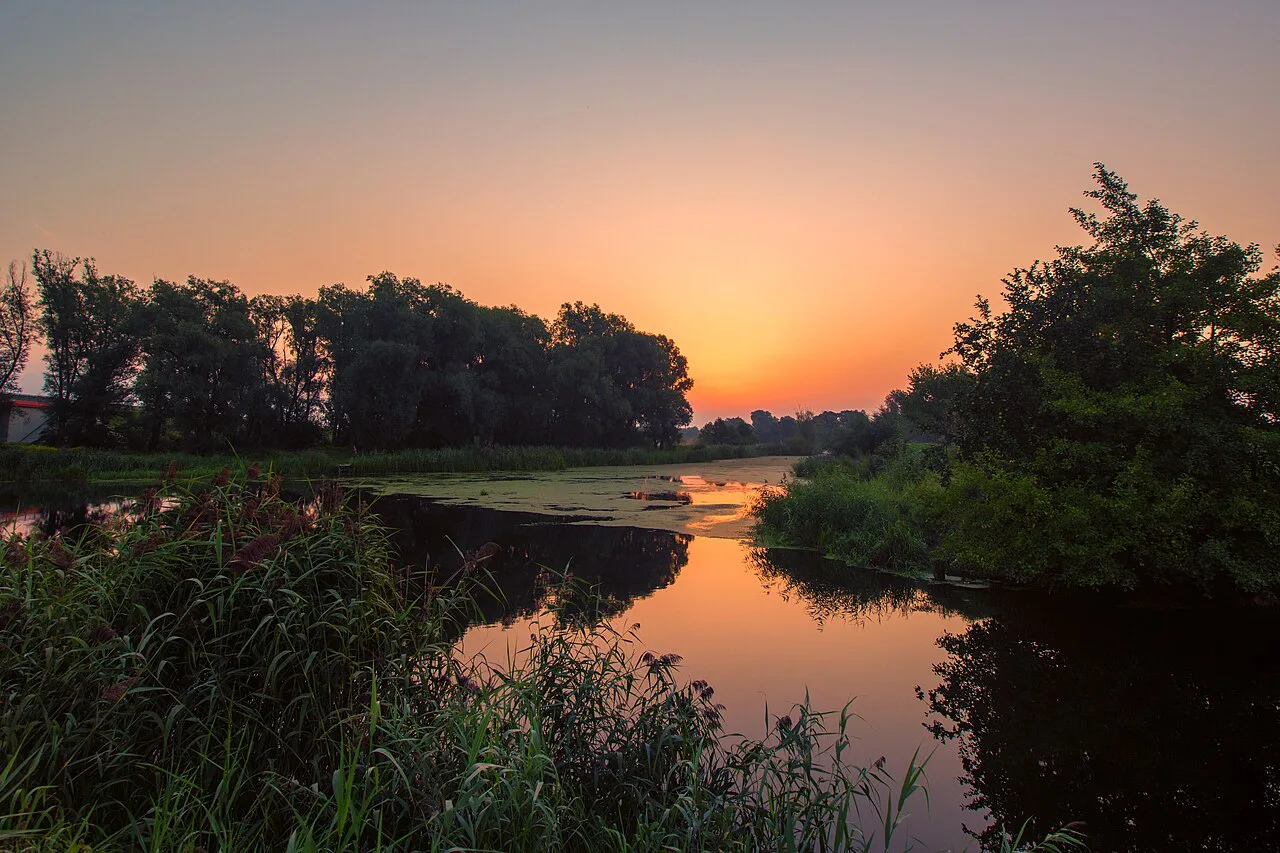
Spring (March to May): cold starts, mild finishes
March is still winter-ish in the cities, with rain, wind and occasional frost, so outdoor café time is unreliable. April is the turn: parks start greening, air feels lighter, and spring highs can reach around 19°C on good days.
By mid-May you get the version of spring worth booking for: pleasant temperatures, green parks and crowds that have not yet arrived, which is why the city feels like it is waking up.
If your dates land in April, plan around the cold snaps with indoor blocks in the middle of the day and open-air circuits in the afternoon, and check what Poland in April typically delivers before you fix an itinerary.
Summer (June to August): warmest and busiest
Summer settles in the 20–30°C range, peaking in July and August, and rarely gets oppressively hot. Passing rain often cools things down, which keeps long walking days manageable.
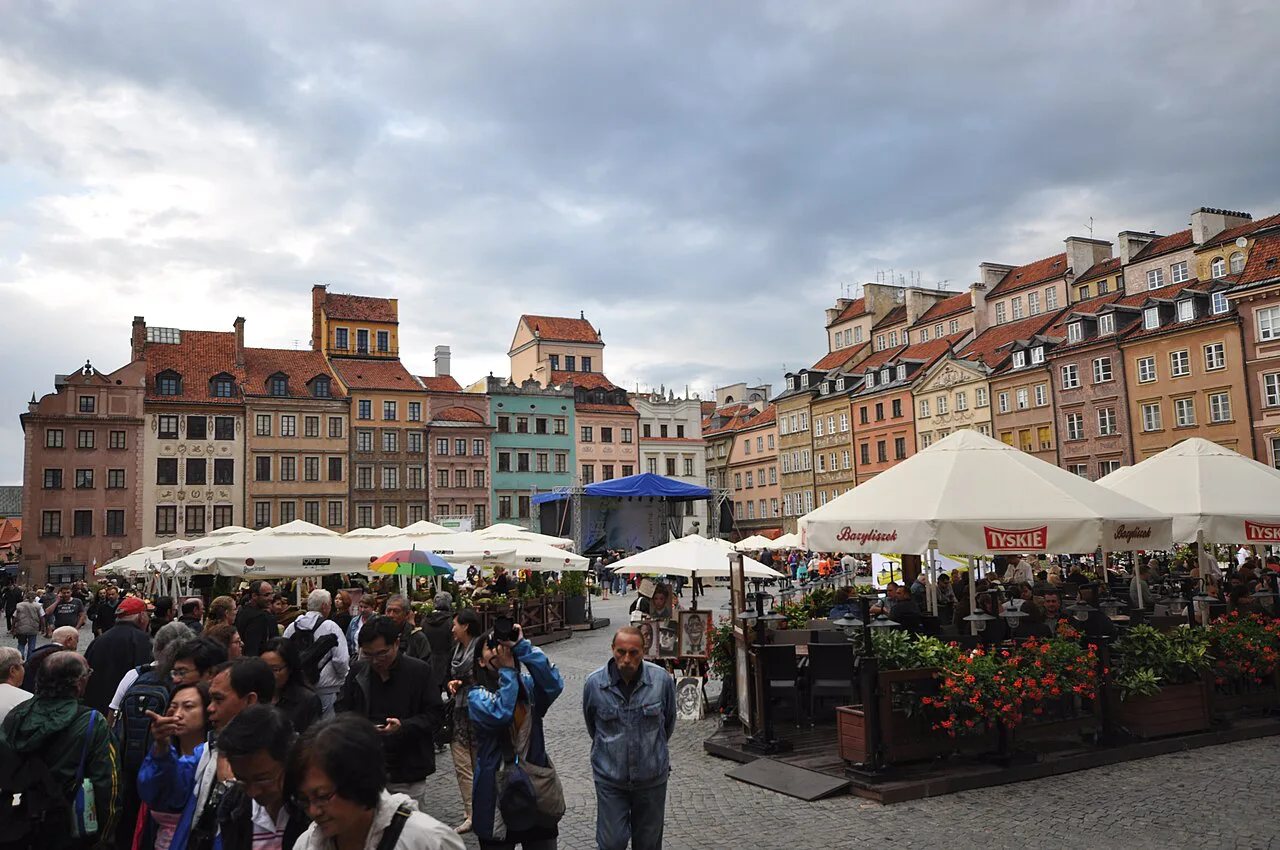
This is peak tourist season. Squares fill with festival crowds, and accommodation should be booked well ahead, so a three-day break in July rewards early planning far more than the same break in May.
The coast takes the edge off the heat, with highs around 22°C, while the centre and south run hotter. If you are building a Gdańsk break around the waterside streets of the Główne Miasto and Długi Targ, summer is comfortable but crowded, so read Poland in May for the same streets with more breathing room.
Autumn (September to November): Golden Autumn, then fog
September and October are Poland at its most photogenic: temperatures in the upper teens, low warm light, city parks turning red and gold, and thinner crowds. It is the closest thing to a free upgrade on a city break.
October can turn: some days are rainy, cold and grey, and November brings fog, puddles and the first snow with suddenly shorter days. Book early October rather than late if you want the version of autumn in the photographs.
For a Wrocław base, autumn is the season that rewards the walk from the Rynek out across the Odra, and Poland in September sets out what those weeks look like in practice.
Winter in one sentence
Winter runs from late November into March with frequent sub-zero days, cloudy skies and short light, which narrows a city break to museum-and-café circuits and pushes most outdoor ambitions towards the mountains.
How the region changes the forecast
Pick your city partly by the season. The Baltic coast, including Gdańsk, stays milder and breezier year-round and rarely sees the brutal inland cold, while the south and east lean continental with sharper summer heat and harder winters.
On the same January day the coast might hover near freezing while the Tatra Mountains sit well below it under deep snow; in July that flips, with the coast coolest and the interior hottest.
For a short break this matters most at the edges of the season: a May trip to Gdańsk and a May trip to Wrocław can feel like different months, so match the city to the forecast you can live with. The same logic applies if you are weighing the best time to visit Warsaw against a coastal plan.
Matching a season to a city
For Gdańsk and the coast, aim for late spring or early autumn, when the waterside walks along the Motława and the lanes behind Długi Targ are pleasant without the summer squeeze. Read best time to visit Gdańsk for the coastal picture.
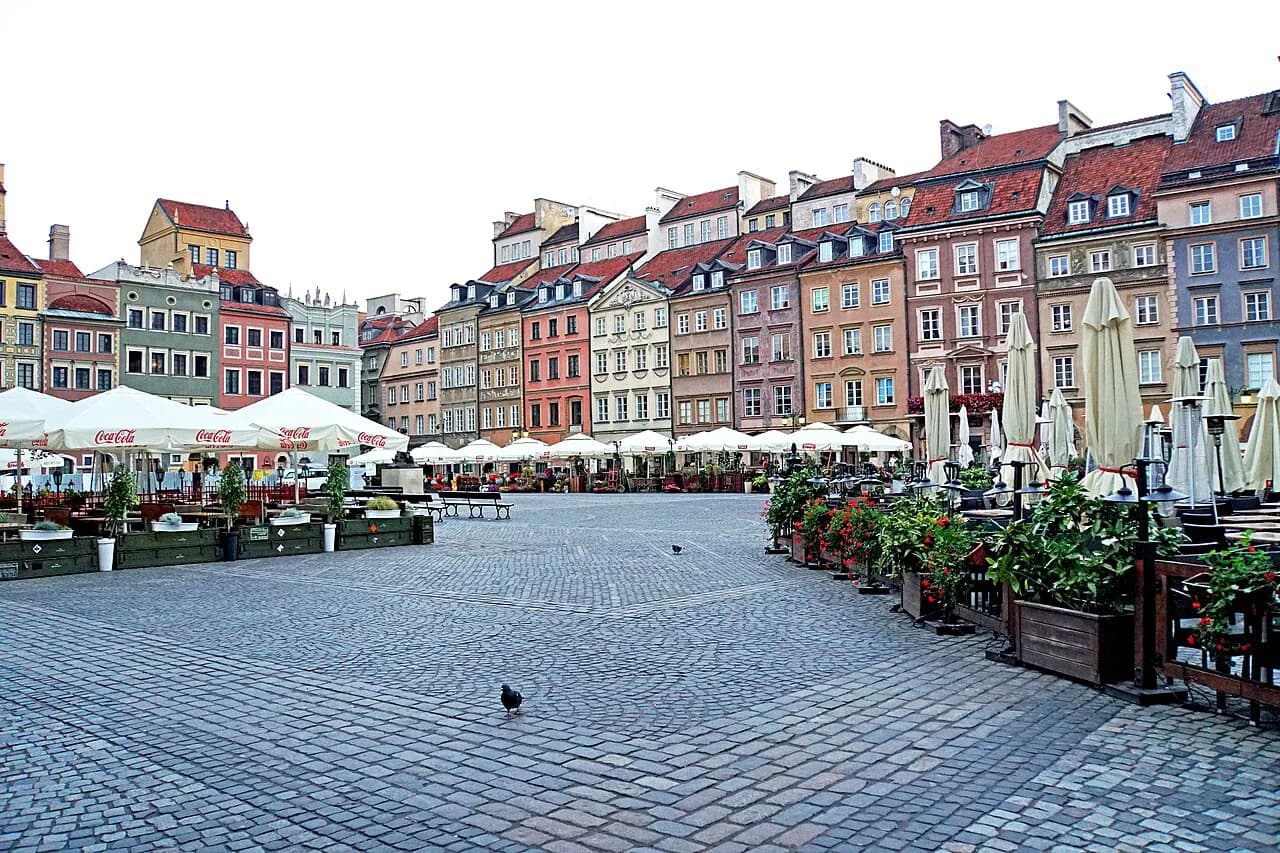
For Wrocław and Poznań, the large market squares are the whole point, so pick months when sitting outside is realistic: May, June and September beat both the January cold and the August crowds.
For Łódź, the long walk down Piotrkowska is more forgiving than a square circuit because you can duck into side streets and courtyards as you go. Shoulder season keeps that stroll comfortable and the city quieter.
Why shoulder season suits museum days
A short break usually mixes two or three museums with long stretches on foot, and shoulder season is the combination that works. Mild days mean you can walk between sights without wilting, and cooler evenings make an indoor block welcome rather than a compromise.
Summer heat is manageable but the queues and full squares eat into a two-day plan. Spring and autumn let you keep the same itinerary and still fit in an extra church, tower or market hall.
Daylight and your one-to-four-day plan
Day length, not just temperature, decides how much you see. Late spring and early autumn give long enough days to walk a full circuit and still climb a tower before dusk, while November's suddenly shorter days push you indoors by mid-afternoon.
For a one-day visit, pick the season with the longest usable daylight and keep the plan to one compact area. For three or four days, a shoulder-season trip lets you spread out without losing an afternoon to early darkness.
What to pack by season
A pocket umbrella is the one item that earns its place in every month, because a sunny morning can turn into a rainy afternoon.
In spring, bring a light jacket and a warm layer for blustery March and April mornings. In summer, light clothing plus a rain shell covers the passing showers, and in autumn add a warm mid-layer for the October slide into grey, cold days.
Comfortable shoes matter more than any single garment: Polish city breaks are walking trips, and cobbled squares punish thin soles whatever the temperature.
How to read a Polish forecast before booking
Treat published monthly figures as typical climate averages, not a forecast for your dates, and check a local forecast in the week before you travel. Booking flexible accommodation is the practical response to a climate that can vary within a single day.
If you are weighing two sets of dates in the same month, favour the later spring weeks and the earlier autumn ones; the weather is most changeable at those edges of the season.
Which month should you book?
Book May or September into early October if your priority is comfortable walking, thinner crowds and an itinerary that mixes squares with museums. Choose June, July or August only if you want festival energy and will book accommodation well ahead, or if you are heading for the coast, where summer highs stay around 22°C.
Then match the city to the season: Gdańsk and the coast for the milder ends, Wrocław and Poznań for the months when sitting on the square is realistic, and Łódź whenever you want a long Piotrkowska walk without the August squeeze.
Explore more Poland guides
Frequently Asked Questions
How many days should you spend in Poland?
For a single city, two to three days covers the main squares, a couple of museums and a tower or viewpoint at a comfortable pace. Four days lets you add a second neighbourhood or a slower museum day, which works well in shoulder season when the daylight is long.
What is the average temperature in Poland by month?
Typical daytime figures run from roughly −5°C to 0°C in deep winter up to around 20–30°C at the height of summer, with spring climbing from about 5–15°C in March to 18–20°C by mid-May and autumn easing from the upper teens in September to fog and first snow by November.
Sources
Notes for your next Polish city break
Optional updates to our Poland guides.
You might also like

Continue reading
More guides you'll find useful