One Day in Wrocław: What You Can Realistically Fit In
One day in Wrocław: a walkable route through the Market Square, the Town Hall and the Oder islands, with timings and the trade-offs to make it work.
On this page
One day in Wrocław gets you the Market Square and its Town Hall, a walk out toward the Oder, one substantial afternoon sight and an evening back in the centre. That is a real day rather than a checklist, and it holds together because the whole route stays walkable from the square. This guide sets out the hours, the trade-offs and the few practical details that decide how the day runs; if you have longer, see A Weekend in Wrocław.
What you give up is equally clear: Ostrów Tumski, the zoo, the Racławice Panorama and the Centennial Hall cannot all fit alongside a proper look at the square. Pick one paid sight for the afternoon, keep the rest for a longer stay, and the day stays enjoyable instead of rushed. Our Wrocław Itinerary spells out where each of those sits in the city.
How Wrocław is laid out for a single day
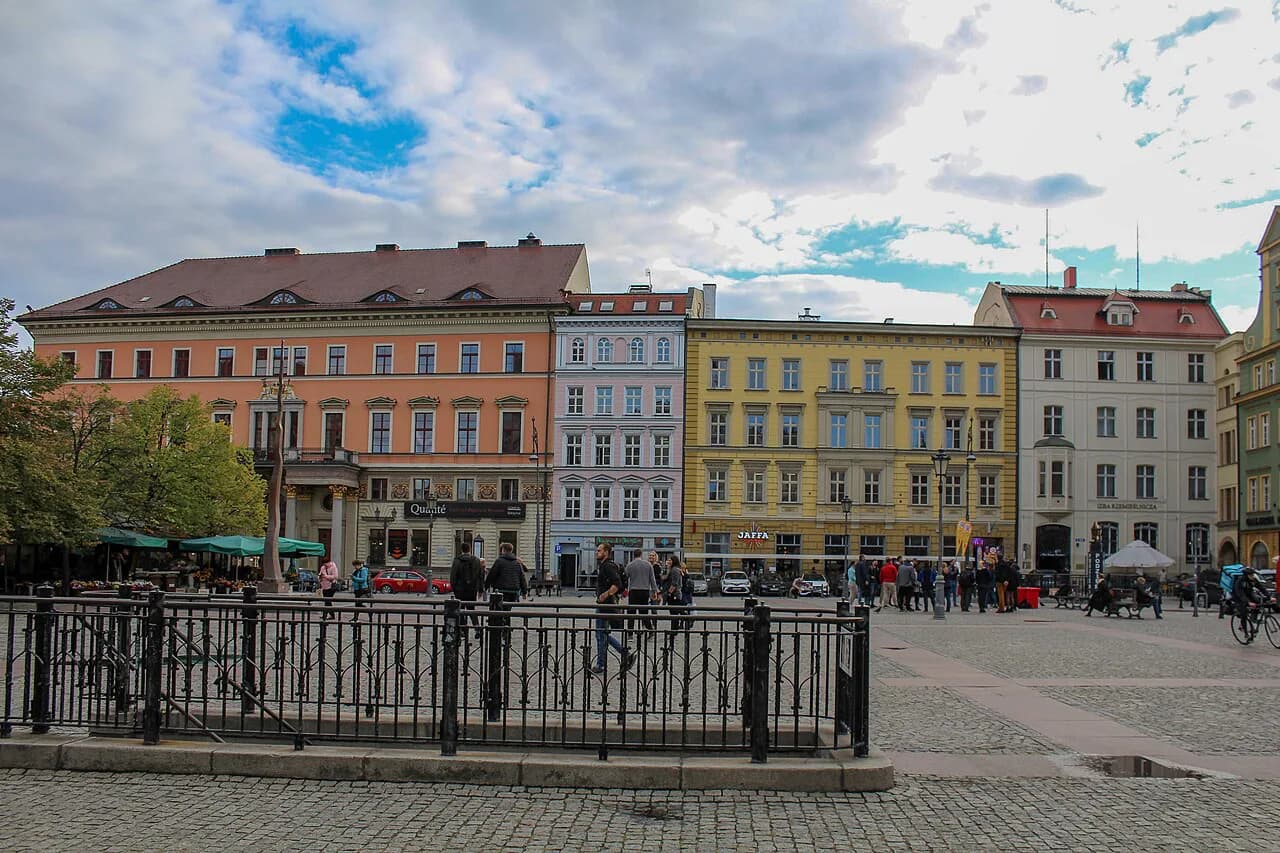
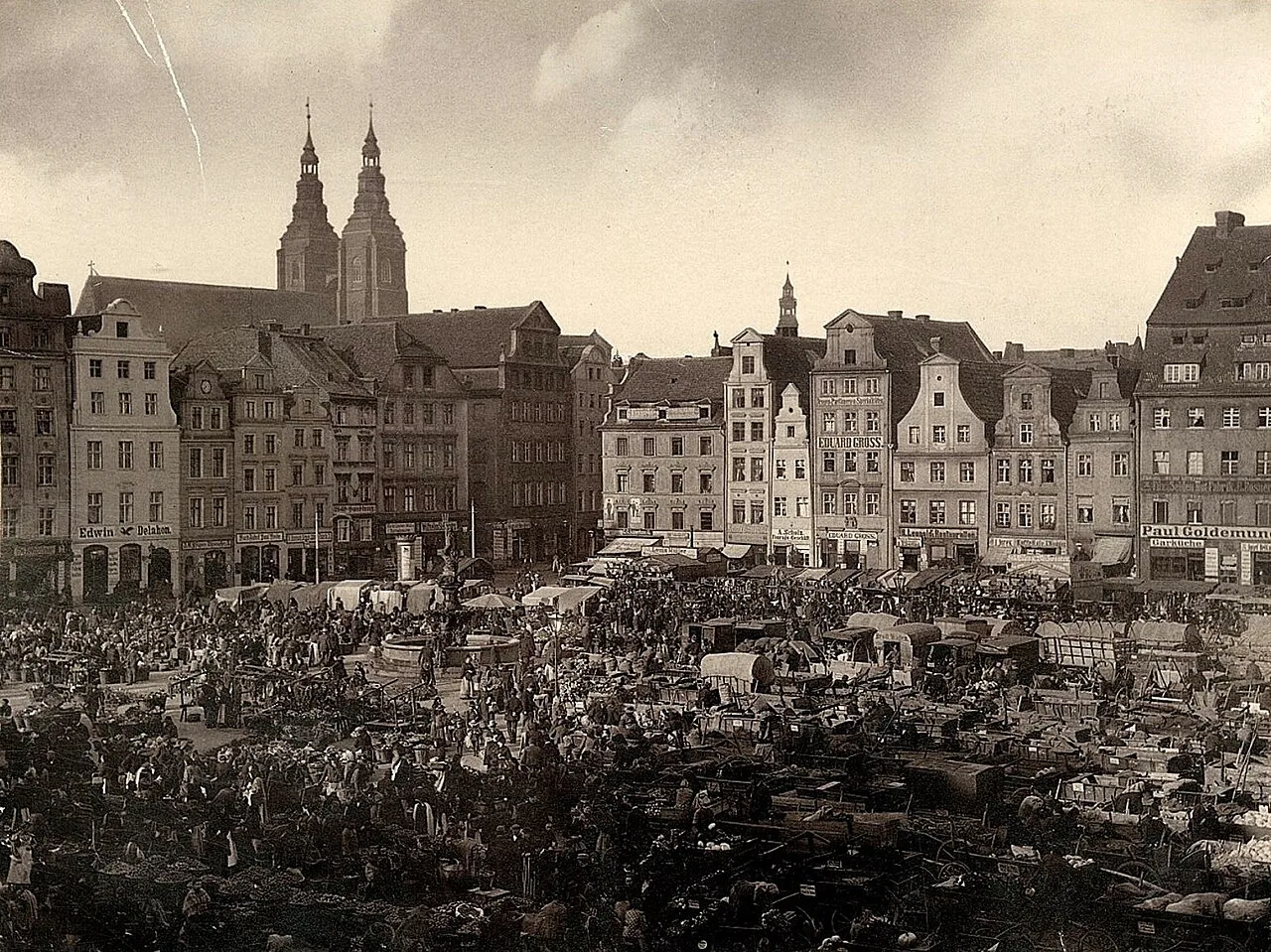
Wrocław's Market Square is one of the largest in Poland and sits in the very centre of the city, which makes it the natural anchor for a short visit. The Town Hall stands in the middle of the square itself, so the morning's main sight needs no travel between stops. Everything else on this route radiates from that point.
Świdnicka Street runs off the square toward the south, and it is both the Opera's address and a useful orientation line when you leave the Market Square. Plan the day as a loop rather than a line: square first, river and any afternoon sight next, then back through the centre for dinner.
Walking is the right mode here. The distances between the square, the river crossings and the evening venues are short enough that streetcars are only worth it for arriving in the morning or covering a longer hop. Allow fifteen to twenty-five minutes between the square and the riverbank, longer if you stop at the dwarfs and street performers along the way.
Morning: Market Square and the Town Hall
Start with the Town Hall in the middle of the square. The building is the square's centrepiece, and the surrounding streets are dense with cafés, restaurants and bookshops, so a slow first hour here is time well spent rather than time wasted.
Arriving by streetcar is the simplest approach. The stops Rynek, Zamkowa, Świdnicka, Galeria Dominikańska and Oławska all put you within a few minutes of the middle of the square, which is why the car question barely arises for a day trip.
If you do drive, note that the inner city has no free parking and fees apply all week between 09:00 and 20:00. The named car parks near the square include the underground car park under Liberty Square, the one under New Market Square, the multilevel car park on Kazimierza Wielkiego Street and the Salt Square car park, so budget for the charge and walk in from there.
Late morning: leaving the square toward the Oder
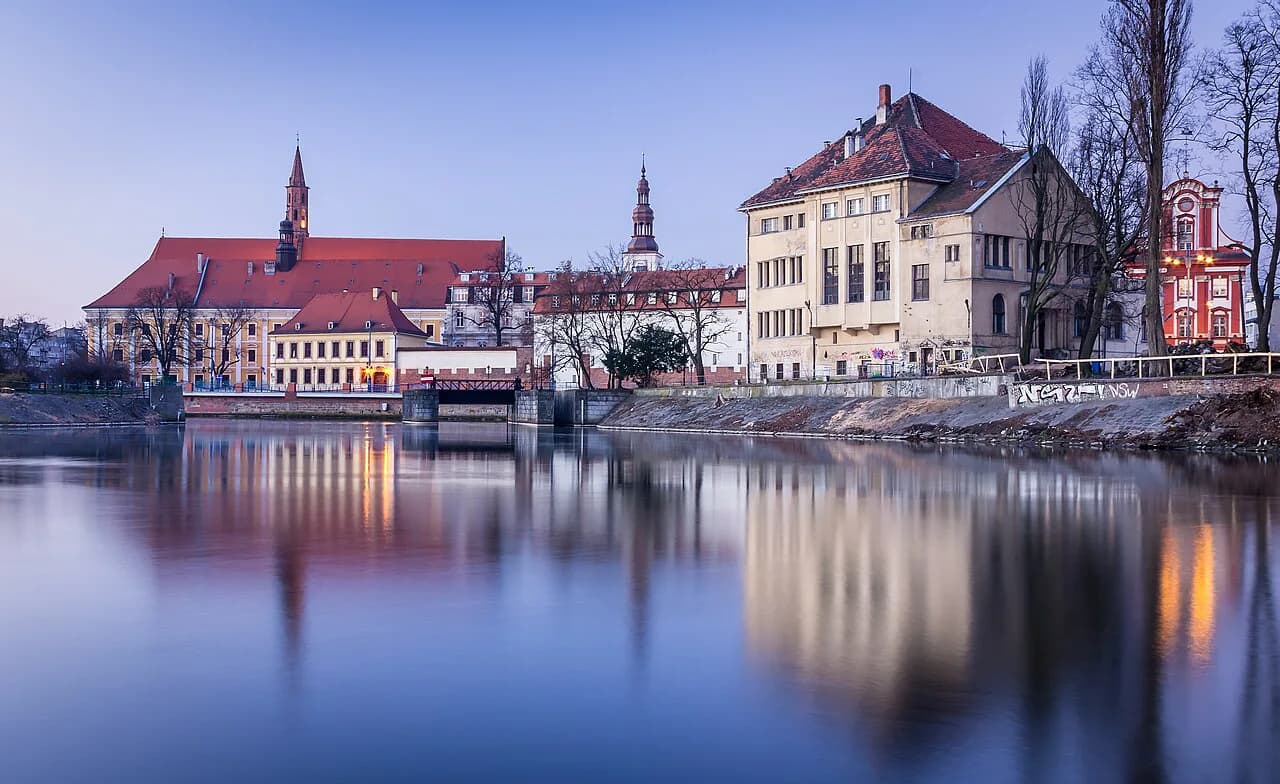
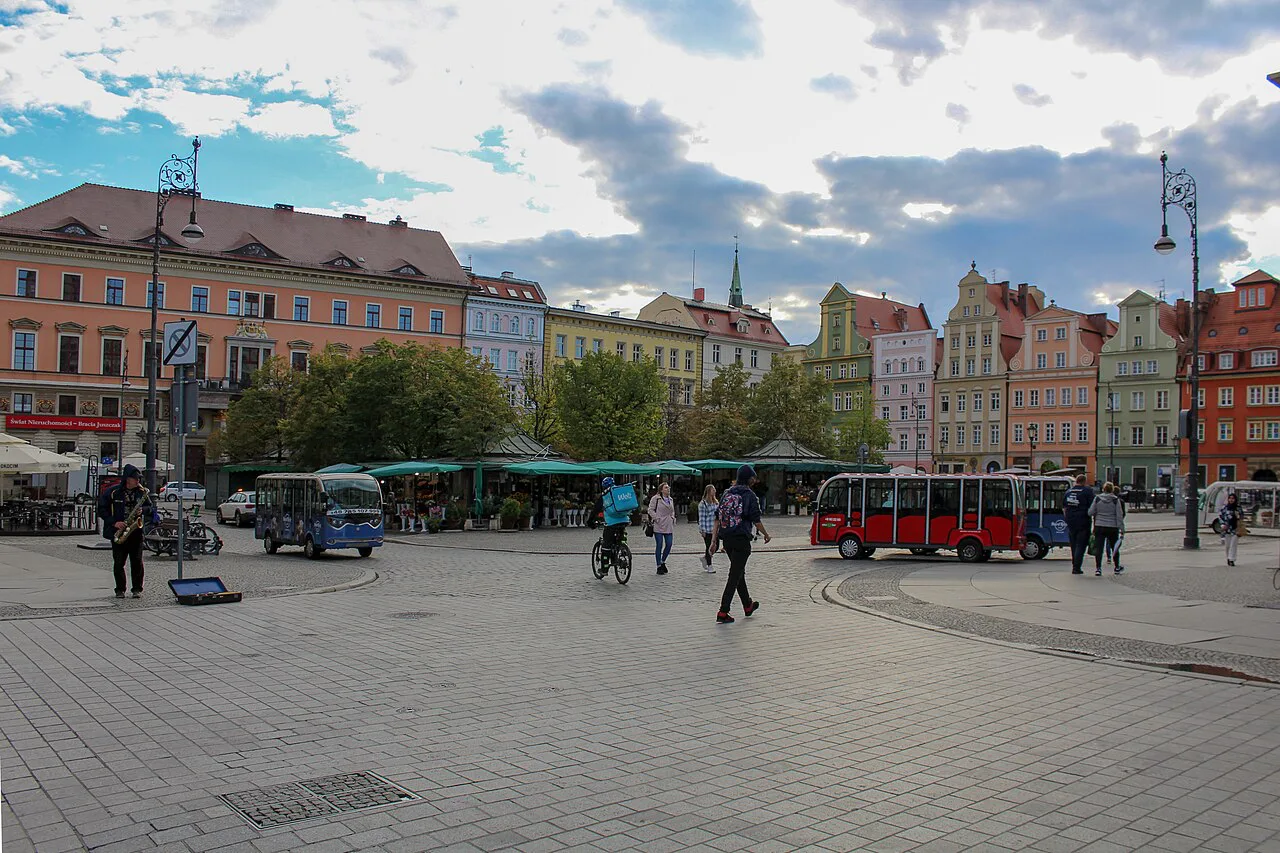
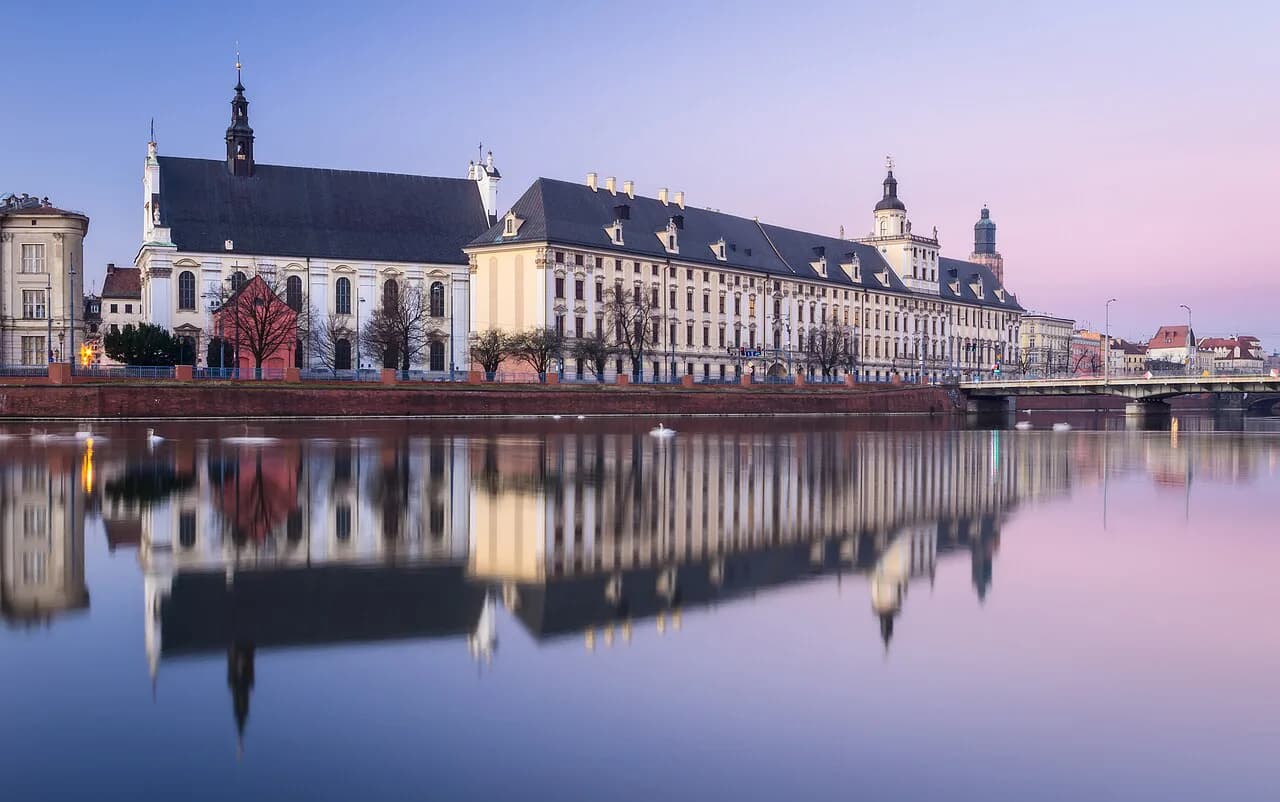
Around mid-morning, walk off the square rather than around it again. Head for the river crossings and the older streets near the water, which give the day its change of scale after the busy Market Square. This is the stretch where Wrocław stops feeling like a market town and starts feeling like a river city.
Keep this leg loose. The point is the transition, the bridges and the views back toward the centre, not another ticked-off sight, and it is the section to shorten if the morning has run late. Cross once, look back, and turn around when you are ready for lunch.
Lunch around the Market Square
Eat around the Market Square rather than hunting for a hidden neighbourhood. The square and its immediate streets keep a dense cluster of cafés and restaurants, and the city centre stays lively through the day and night, so a midday break here costs you no travel time.
Book the meal as a proper pause of roughly an hour. One day in Wrocław dies if lunch stretches to two, because the afternoon block is where the single big choice gets made.
Afternoon choice A: one paid sight, done properly
Take one indoor sight and give it two to three hours. The realistic candidates are the Racławice Panorama, the University of Wrocław's Aula Leopoldina, the Zajezdnia History Center, or the zoo with its Afrykarium. Each sits in a different part of the city, so choose before lunch and walk in that direction rather than improvising afterward.
The Panorama is the most compact of the four: a monumental painting measuring 15 by 114 metres that surrounds the viewer on every side. If your priority is a single unforgettable image of Polish history rather than a long museum wander, this is the one to take.
Aula Leopoldina rewards anyone who prefers architecture to military history, since the Baroque hall inside the University of Wrocław is as much a piece of theatre as an exhibit. The zoo and Afrykarium pull in the opposite direction, swallowing a whole afternoon and making the evening tight.
Afternoon choice B: Centennial Hall, the fountain and a viewpoint
Stay outdoors instead and head for the Centennial Hall area, where the Multimedia Fountain is described as the largest of its kind in Poland and one of the largest in the country. This is the better pick on a warm, dry day when you would rather be outside than in a gallery.
Combine it with the Sakwowy Bastion, a surviving piece of the city's old fortifications that now works as a place to walk and sit, with a view over the City Moat and a café and restaurant on site. It looks its best in the evening light, so it can double as a pre-dinner stop rather than a separate trip.
The trade-off is honesty, not preference. An outdoor afternoon depends on the weather in a way a museum does not, so keep the paid-sight option in reserve and decide over lunch.
Evening: dinner and a performance at the Opera
Wrocław Opera sits at ulica Świdnicka 35, a short walk from the Market Square, which makes it the natural evening anchor if you want a performance rather than another restaurant. The box office opens Monday to Saturday from 12:00 to 19:00, and on Sunday according to the show; audience services run Monday to Friday from 08:00 to 16:00.
Prices vary by production rather than by seat band alone. The house's current listings show opera from 50 to 250 zł, ballet from 60 to 300 zł, concerts from 40 to 120 zł and children's shows from 50 to 75 zł, while a guided Opera Labyrinth tour runs from 40 to 50 zł — treat these as the ranges the house has published for its current season, not a fixed price for your date.
Check the repertoire before you commit, because the schedule is a rolling calendar rather than a fixed weekly rotation, and popular titles sell out. If the Opera has nothing that suits, a dinner near the square and an early night is a perfectly good use of the evening on a one-day visit.
What one day in Wrocław has to drop
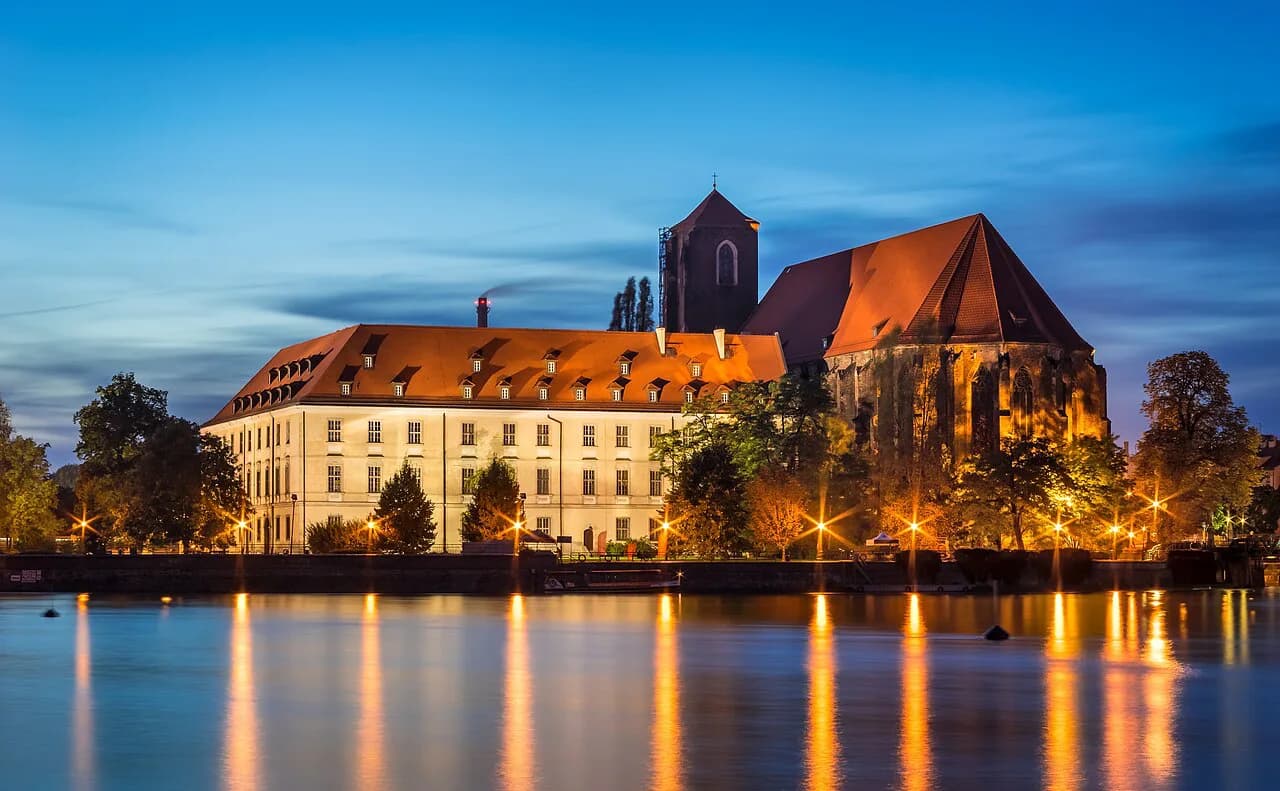
Ostrów Tumski is the clearest casualty. The cathedral island needs a calm half-day including the walk there, and squeezing it between lunch and the Opera turns both into a race. Leave it for a two-day visit.
The same applies to the city's museum circuit and the zoo. A single day allows one substantial indoor sight, and choosing it in advance is what keeps the rest of the day pleasant.
One day versus two
One day gives you the Market Square, the Town Hall, a river walk and one big sight. Two days add Ostrów Tumski and a second museum without either being rushed, and three days let you include the Centennial Hall and the zoo as well. If you are weighing it up, this guide to how many days in Wrocław sets out the arithmetic.
If the single day is the fixed constraint, keep the plan and accept the omissions. A focused day in Wrocław beats a scattered one, and the sights you skip give you a reason to come back.
Which afternoon should you choose?
Pick the paid sight if the weather is uncertain or you want one thing you will remember in detail. Pick the Centennial Hall and Multimedia Fountain if the day is dry and you would rather stay outdoors after a morning on the square.
Either way, book the evening before you travel if the Opera matters to you, and keep the day's walking loop tight around the Market Square. Two days would let you add Ostrów Tumski, and that is the upgrade most visitors end up wanting.
Explore more Wrocław guides
Frequently Asked Questions
Can you see Wrocław's main sights in one day?
You can see the Market Square and its Town Hall, walk to the Oder, and fit one substantial afternoon sight, then return to the centre for dinner or a performance. You cannot add Ostrów Tumski and a second museum without rushing, so treat the day as a selection rather than a full tour of the city.
Is Wrocław worth a day of a longer Poland trip?
Yes, if the Market Square and the river setting are what you want from a short stop. The city rewards a focused day, and its compact centre means you spend time looking rather than travelling between sights. A second day makes a noticeable difference.
What should you book in advance for an evening in Wrocław?
Book Opera tickets in advance if a specific title matters, since the house runs a rolling calendar and popular productions sell out. Check the published programme for your dates, and if nothing appeals, dinner near the Market Square needs no booking beyond a table.
Sources
Notes for your next Polish city break
Optional updates to our Poland guides.
You might also like
Continue reading
More guides you'll find useful