How Many Days in Wrocław? One, Two or Three Days
Two days covers Wrocław's Old Town, Cathedral Island and one museum. Add a third for the University and Centennial Hall, and know what to cut with one day.
On this page
Two full days is the right amount of time for most Wrocław city breaks. One day covers the Market Square and Ostrów Tumski, a second adds the University Museum, the Mathematical Tower and the riverside islands, and a third buys you Centennial Hall, its park and slower café time. This guide sets out what each day actually contains, so you can book two nights or three with a clear idea of what you gain and what you give up.
Why Wrocław suits a short break
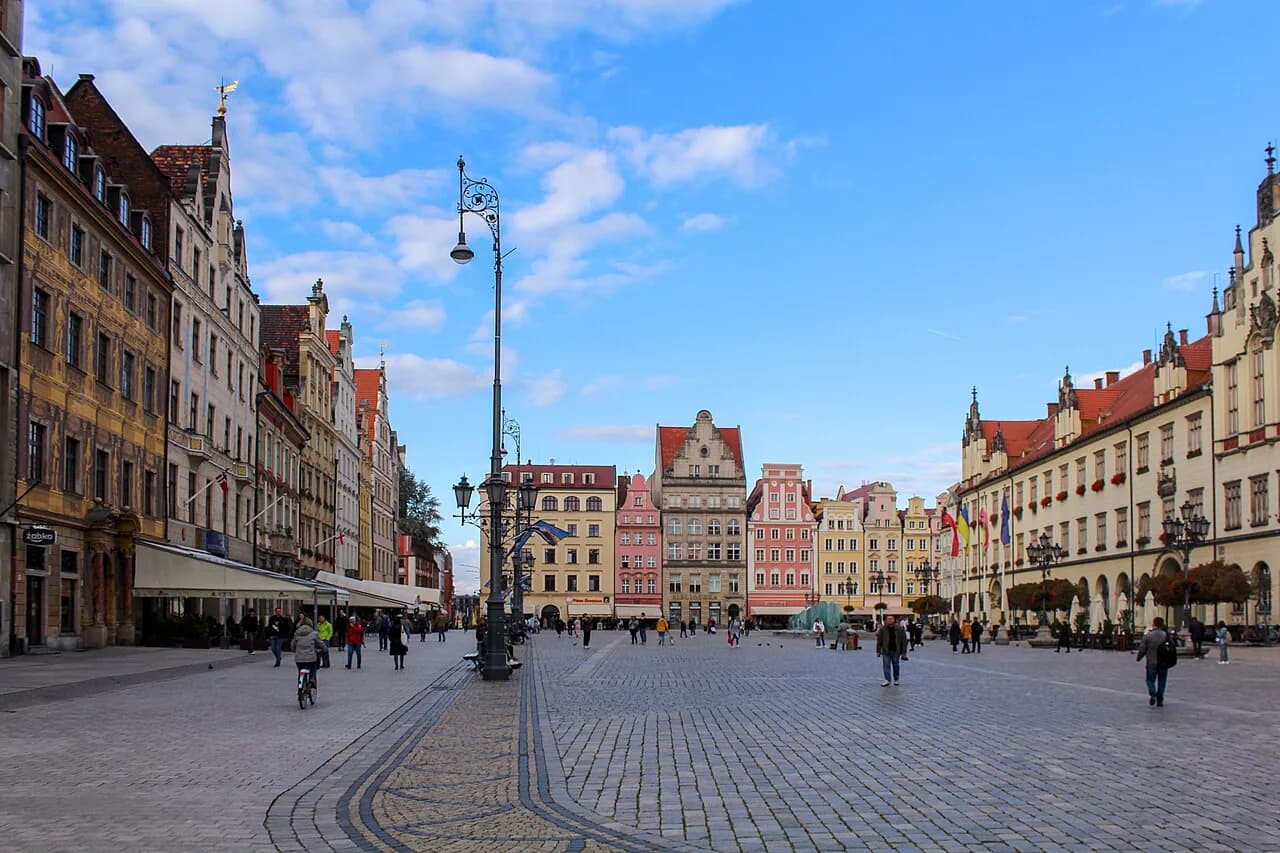
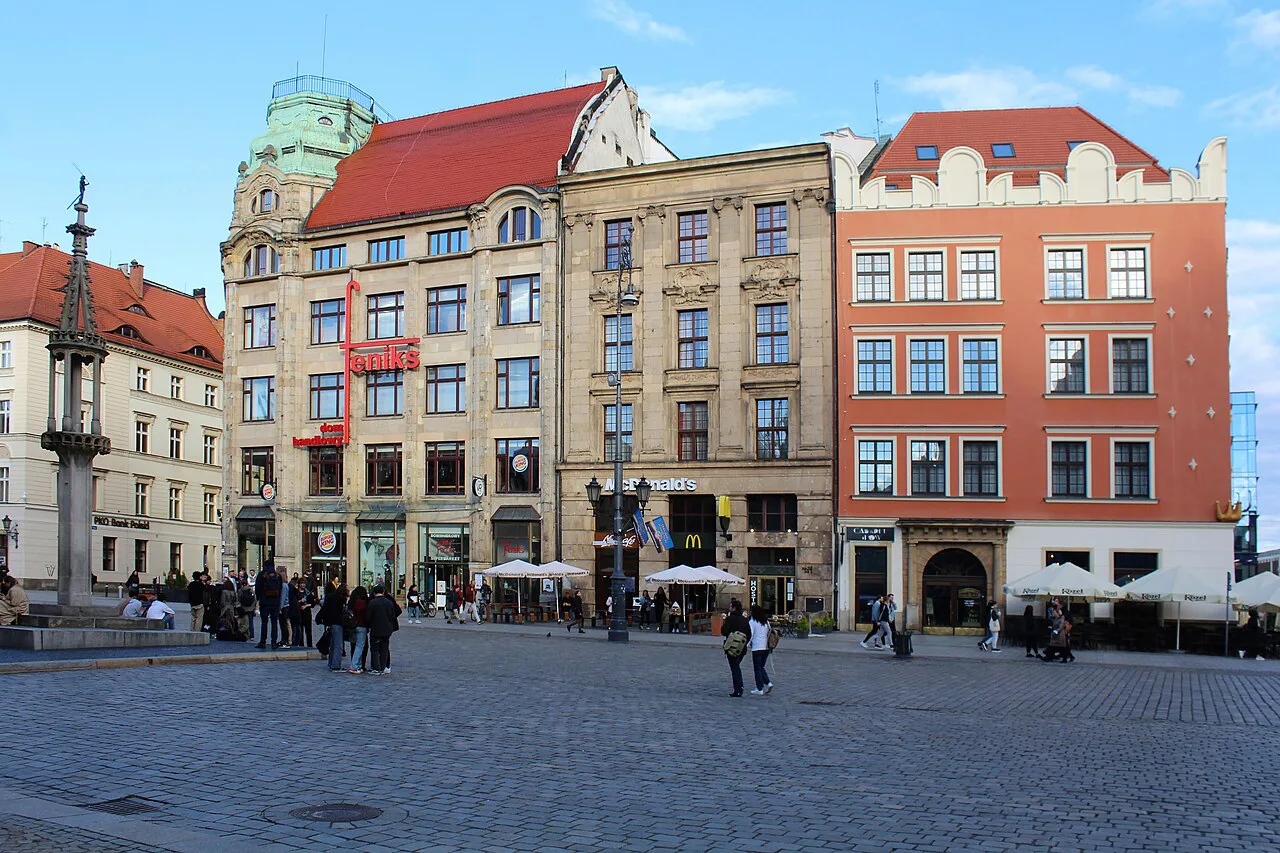
Wrocław is Poland's fourth biggest city, with more than 600,000 residents, and its historic heart is compact enough to cross on foot. The medieval Market Square, the second largest in Poland after Kraków's, is the pedestrian anchor of the whole trip, with restaurants, shops and the clock tower packed around it. That density is why two days feels generous here rather than rushed: you spend your time looking at things, not travelling between them.
The city's layered history, from Bohemian and Prussian rule through to the Polish resettlement after 1945, shows up in the architecture rather than in a single museum. Gothic churches, baroque townhouses and restored facades sit alongside playful street art and a lively café culture, and hundreds of small dwarf statues are scattered across the pavements. For a short break that mixes sights with sitting down, that combination is the draw.
What one day in Wrocław covers
Start in the Market Square, where the clock tower and fountains give you the city's central image in the first ten minutes. From there, treat the dwarves as a moving treasure hunt rather than a separate attraction: each bronze figure does something different, washing clothes or holding a drink, so the hunt pulls you down streets you would otherwise skip. St Elizabeth's Church and its tower sit just off the square, and the tower climb is the quickest way to see the whole layout from above.
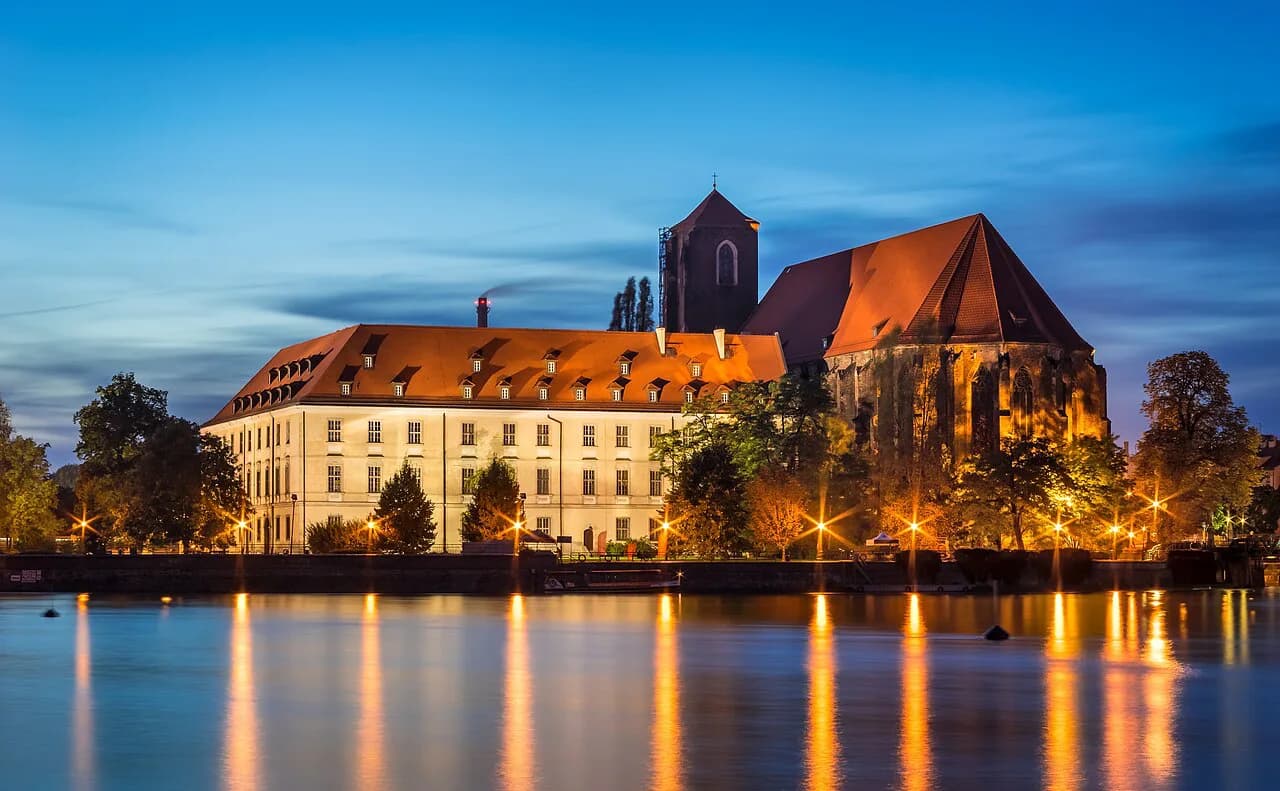
Spend the afternoon on Ostrów Tumski, the oldest part of the city, where the cathedral and gas lamps make the walk across the river feel like a change of era. With only one day, this is the sensible outer limit: the Market Square, the tower and the cathedral island fill a full day without a single museum, and adding more means rushing the parts you came for. Leave the University and Centennial Hall for a longer trip.
What a second day adds
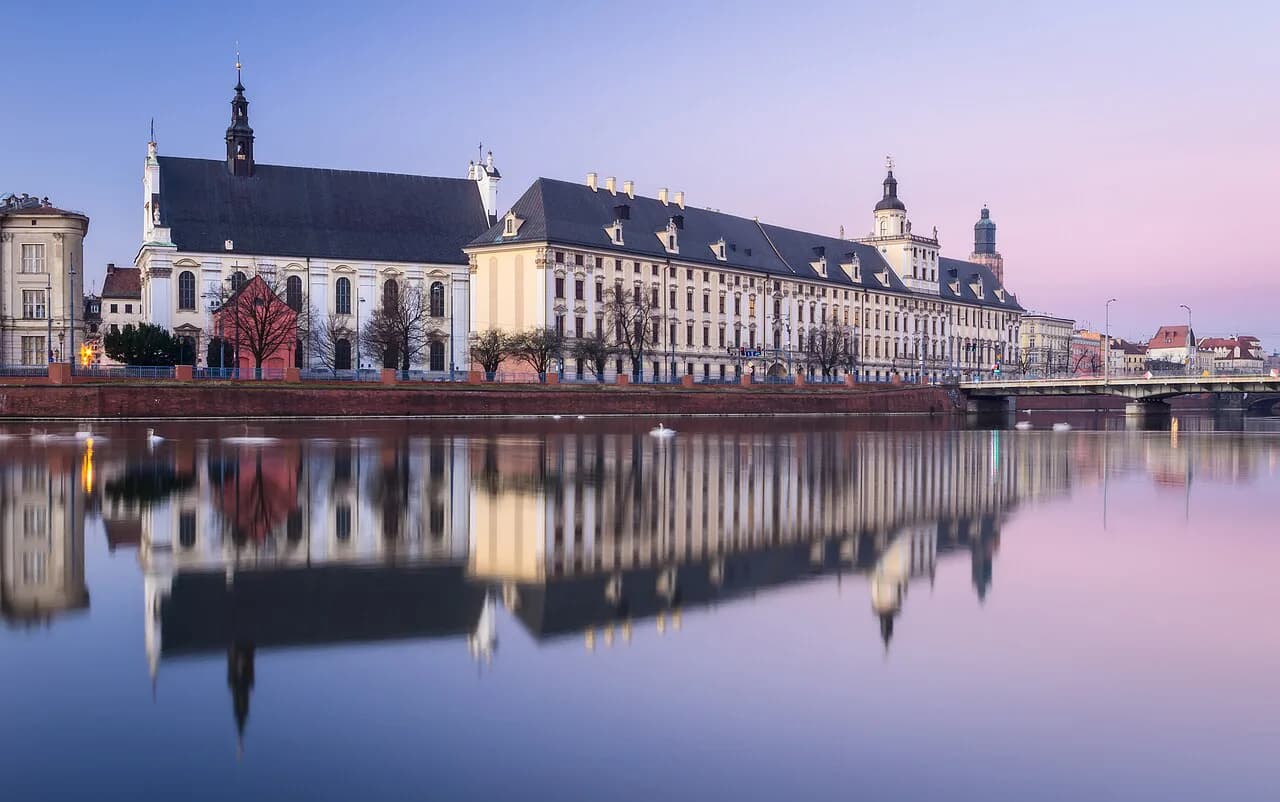
The University of Wrocław is the best-value few hours in the city. The Mathematical Tower complex includes the Aula Leopoldina with its painted ceiling, the Oratorium Marianum, an exhibition and a roof terrace with views over the river, and visitors report it as open 10am to 4pm every day except Wednesdays. Buy the ticket that covers all four halls rather than the single-room entry, then find the door to the roof, which is easy to miss and worth the detour.
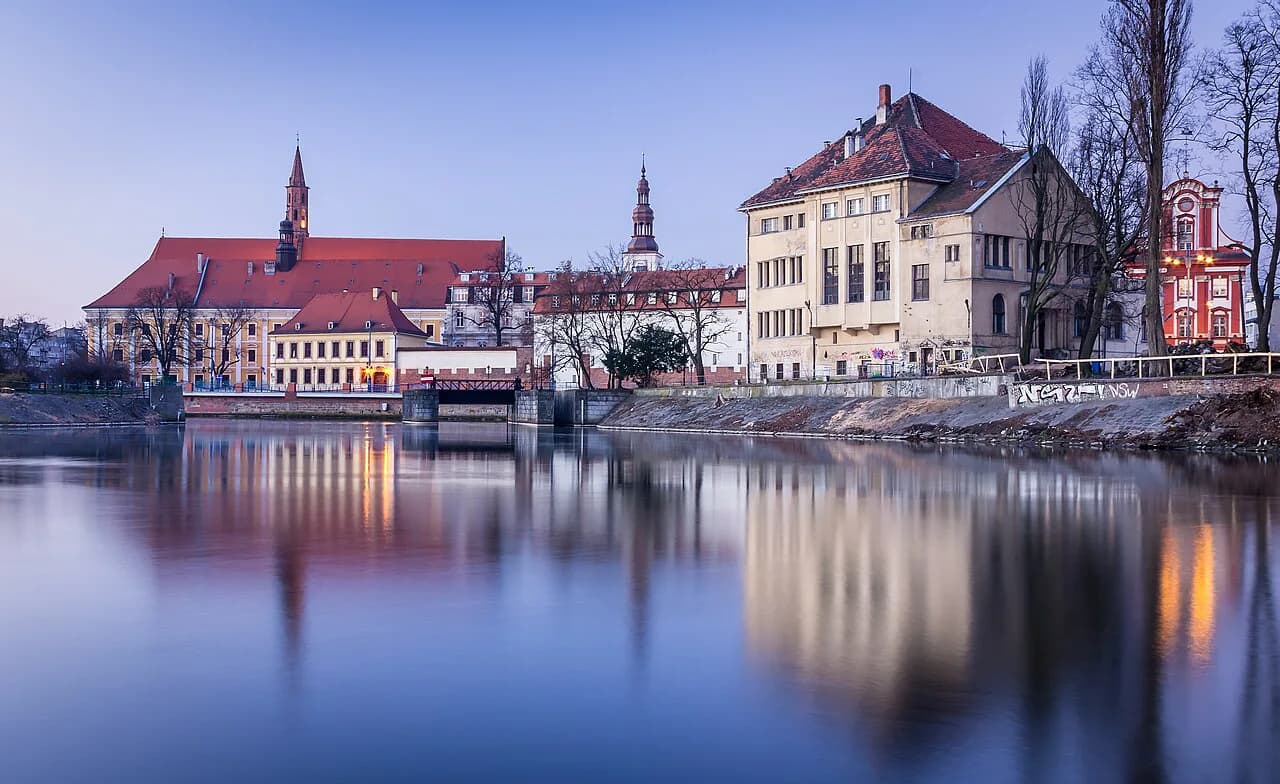
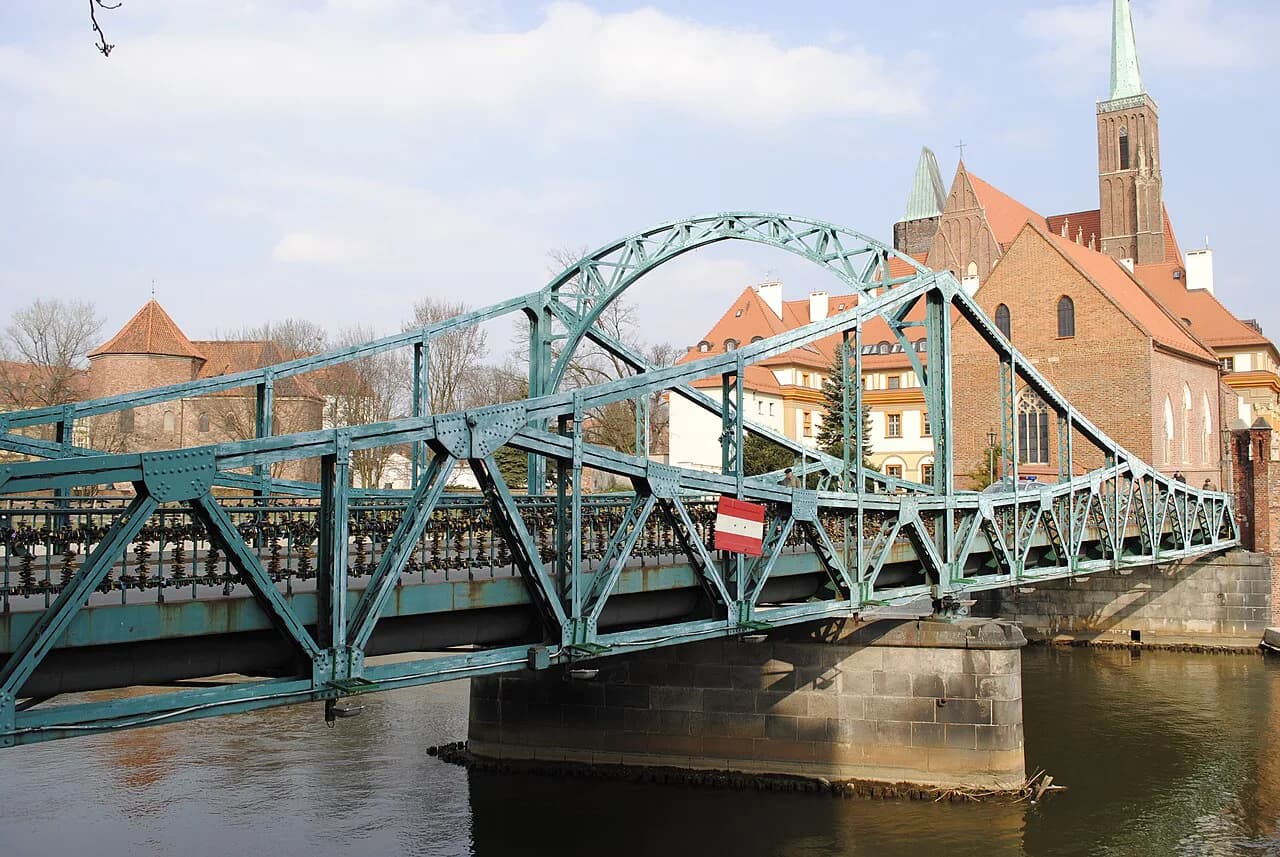
The rest of day two belongs to the water. Cross to Wyspa Piasek, walk the riverside paths and the bridge weighed down with love locks, and stop in the Monastery Garden at the Ossolineum for a quiet half hour. The monumental Market Hall is the place for grocery shopping with some architectural drama attached, and the salt square nearby keeps you close to the centre. If you are sketching a two-night break, this is the day that makes it feel complete rather than squeezed.
What a third day adds
Centennial Hall and the park and exhibition grounds around it sit away from the Old Town and deserve a half-day of their own. The hall dates from the early twentieth-century German period, and the surrounding green space is where a third day stops feeling like padding. The medieval Town Hall back on the Market Square belongs to a much older layer of the city, so do not expect the two to match. Pair Centennial Hall with a long café lunch back in the centre and you have used the day well without racing.
A third day also lets you treat the city's green spaces and café scene as content rather than filler, and those only work if you have an unscheduled afternoon to give them. If your plan already lists every museum in the city, three days will feel tight; if it lists two sights and a lot of walking, three days is plenty. You can sketch a two-night version first with A Weekend in Wrocław and then add the third day once the fixed opening hours are settled.
One day or two: the trade-off
One day in Wrocław is a loop, not a stay: Market Square, the dwarves, St Elizabeth's Tower, then Ostrów Tumski, then back for dinner. Two days turns the same set of places into a rhythm, with a museum in the morning and the square in the afternoon when the light softens. The honest choice is between ticking off the headline sights and having time to sit in the Market Square with a coffee and watch it fill up.
If your flight or train only allows a single night, accept the loop and skip the University Museum rather than trying to fit it in around everything else. The Mathematical Tower alone can absorb a couple of hours once you add the exhibition and the roof, and cutting it short is worse than leaving it for next time. With two nights you get the museum and the islands without either feeling like an errand.
Three days or four
A fourth day only pays off if you use it for something the centre cannot give you, such as a longer excursion or a second visit to a favourite part of town. Otherwise it repeats what you have already seen, and the city's compactness works against you: the same streets come round again. Three days is the natural ceiling for a Wrocław-only break.
One reliable way to fill a fourth morning is a broader walking tour, which also helps you understand how the districts fit together. Guided options exist and reviewers describe them as good value, but they are a supplement to your own wandering rather than a replacement for it. The city rewards slow, aimless walking more than another booked slot.
How the season changes the count
Late spring to early autumn, roughly mid-May to the end of September, is when Wrocław works as an outdoor city. Parks, riverside paths and pavement cafés are all in play, which means two days can stretch comfortably across a lot of ground without much indoor time. In colder months the same trip shifts indoors and the museums do more of the work, so a second day matters more than a third.
Rain is the variable that decides your day plan rather than your day count. Keep one indoor option in reserve, with the Museum of the History of Wrocław as the obvious wet-weather standby, and you can swap it into any afternoon without redrawing the trip.
Where to base yourself and how the layout shapes your days
Base yourself centrally, within a short walk of the Market Square, and the day count takes care of itself. From there, Ostrów Tumski is a straightforward walk north-east, the University is a few minutes away, and the Market Hall and river islands sit in between, so nothing on a two-day plan requires transport. A hotel on the edge of the Old Town would add a tram ride to every morning and evening.
The walk from the main station into the Old Town is not the city's prettiest stretch, so do not judge Wrocław by the first fifteen minutes. Get past it and the historic centre opens up quickly, which is another argument for keeping your base inside the old streets rather than near the platforms.
Questions to settle before booking
Museum closing days are the detail most likely to wreck a carefully planned second day. The University Museum is reported as closed on Wednesdays, so check the day you intend to visit against that before you commit to a three-night stay built around it. Check the opening days for any other museum you have set your heart on directly with the venue, since Polish museums vary and no single rule covers the city.
Ticket prices and opening days change, so confirm them with each venue before you travel rather than relying on a remembered figure, and budget in złoty. Two full days is still the sensible default for most breaks, with a third added for Centennial Hall and slower café time.
How to fill the days if it rains
Wet weather is a reason to slow the plan down, not to abandon it. Put the University Museum and the Museum of the History of Wrocław on the same day, use the covered Market Hall for a long lunch and shopping stop, and save the tower climbs for a clear morning. Two indoor sights plus a market will fill a rainy day comfortably.
If rain swallows a whole day of a two-day trip, cut the second museum rather than the walking. The Market Square, the dwarves and the cathedral island are the city's identity, and they survive drizzle better than an over-packed gallery schedule. One good indoor morning and one damp but determined afternoon is a fair trade.
Two nights or three?
Book two nights if you want the Market Square, the dwarves, St Elizabeth's Tower, Ostrów Tumski and one museum done properly. Add a third night only if Centennial Hall and unhurried café and park time genuinely appeal to you, because a fourth day in a city this compact tends to repeat itself. One night is workable but means choosing the loop over the University Museum.
Whichever you pick, settle the museum day first and build the rest around it. Then check the venue's own page for current hours and ticket prices before you travel, and let the weather decide the order rather than the number of days.
Explore more Wrocław guides
Sources
Notes for your next Polish city break
Optional updates to our Poland guides.
You might also like
Continue reading
More guides you'll find useful