A Weekend in Wrocław: Two-Day Plan for a City Break
Plan a weekend in Wrocław with a two-day route through the Rynek, Ostrów Tumski and the dwarf trail, plus how to handle Sunday and Monday opening hours.
On this page
Two days is the right length for a Wrocław weekend: long enough for the Rynek, the dwarf trail and Ostrów Tumski, short enough that you choose rather than trail round every museum. The city unfolds in a walkable core, so you can cover the centre on foot and save time for the river. This guide sets out a two-day route, what fits and what does not, and how to handle Sunday and Monday when trading and museum hours become your planning problem.
Two days is the right length for a Wrocław weekend
Wrocław is a compact city: the Market Square, the dwarf trail and the oldest quarter across the Oder all sit within a couple of kilometres of each other, which is why two days covers the essentials without rushing. If you have only one day, you can still see the Rynek and the Cathedral, but you will miss the dwarf trail and the riverside. If you have three days, add a museum and a slower afternoon on the islands.
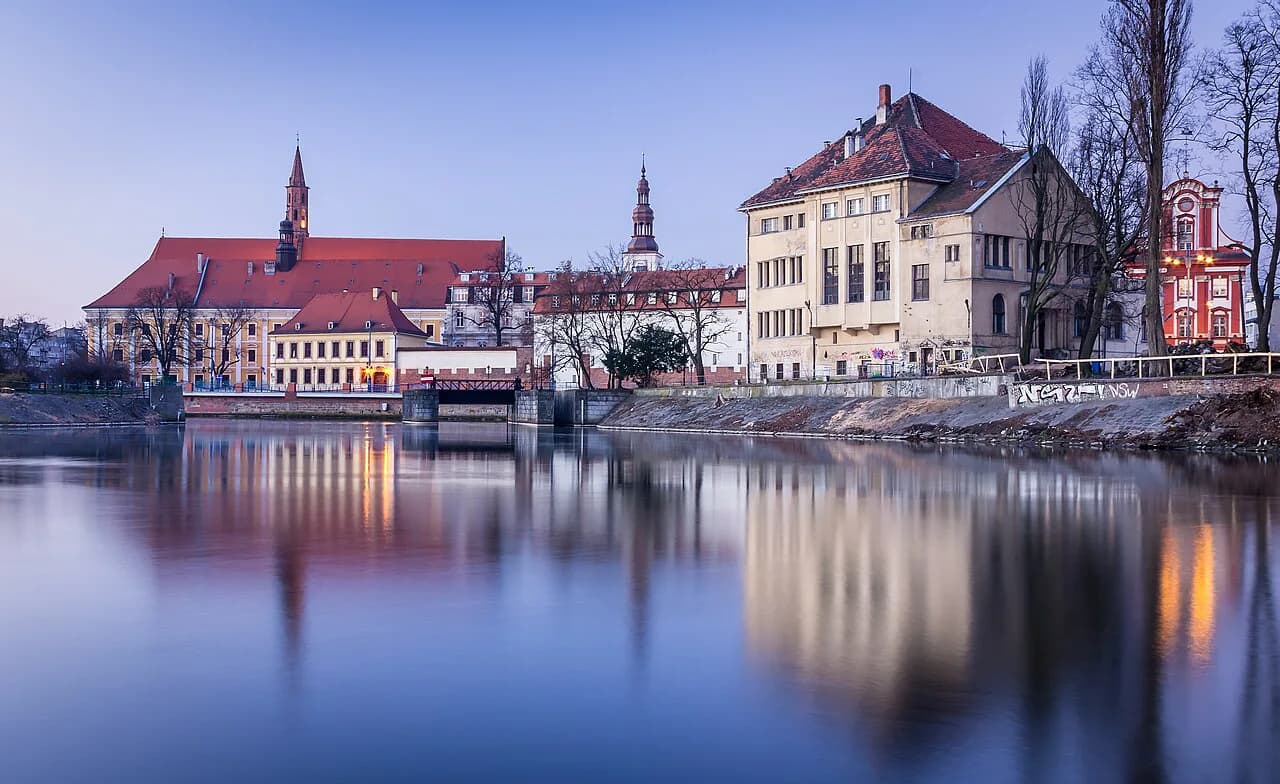
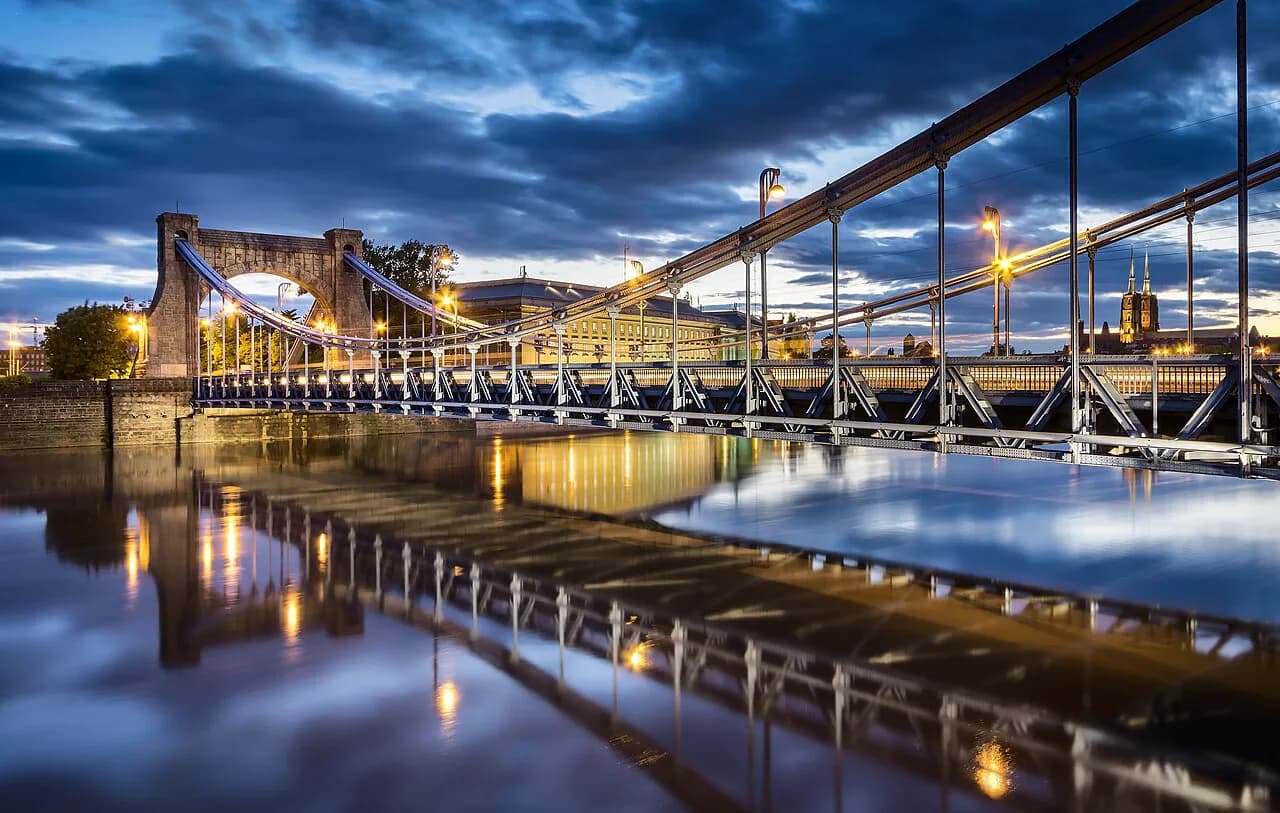
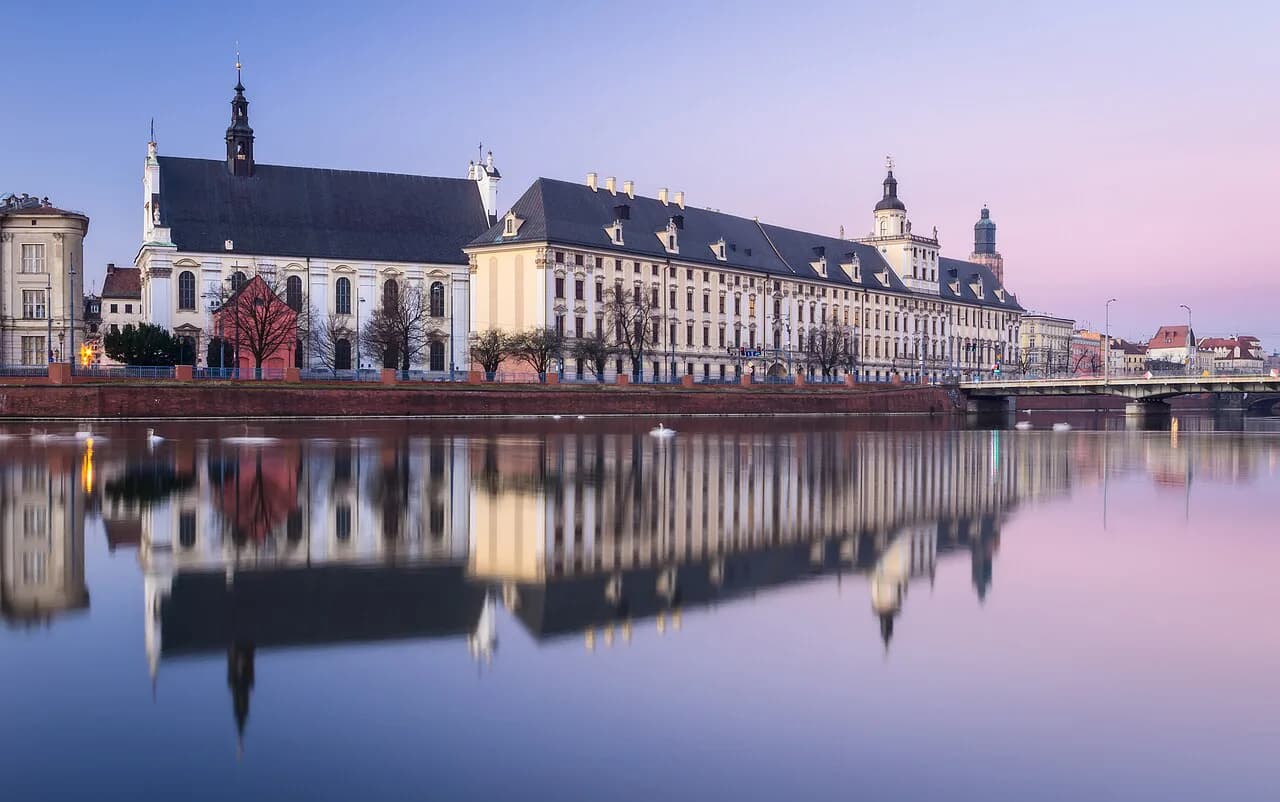
The city is often called the Venice of Poland, thanks to more than 100 bridges and its Oder islands, so the river is not decoration but part of the plan. Wrocław also blends Polish tradition with Central European influences in its architecture, and its festivals, theatres and riverside promenades give the centre a modern edge alongside the Gothic and Renaissance streets.
How Wrocław is laid out: Rynek, the Oder islands, and Ostrów Tumski
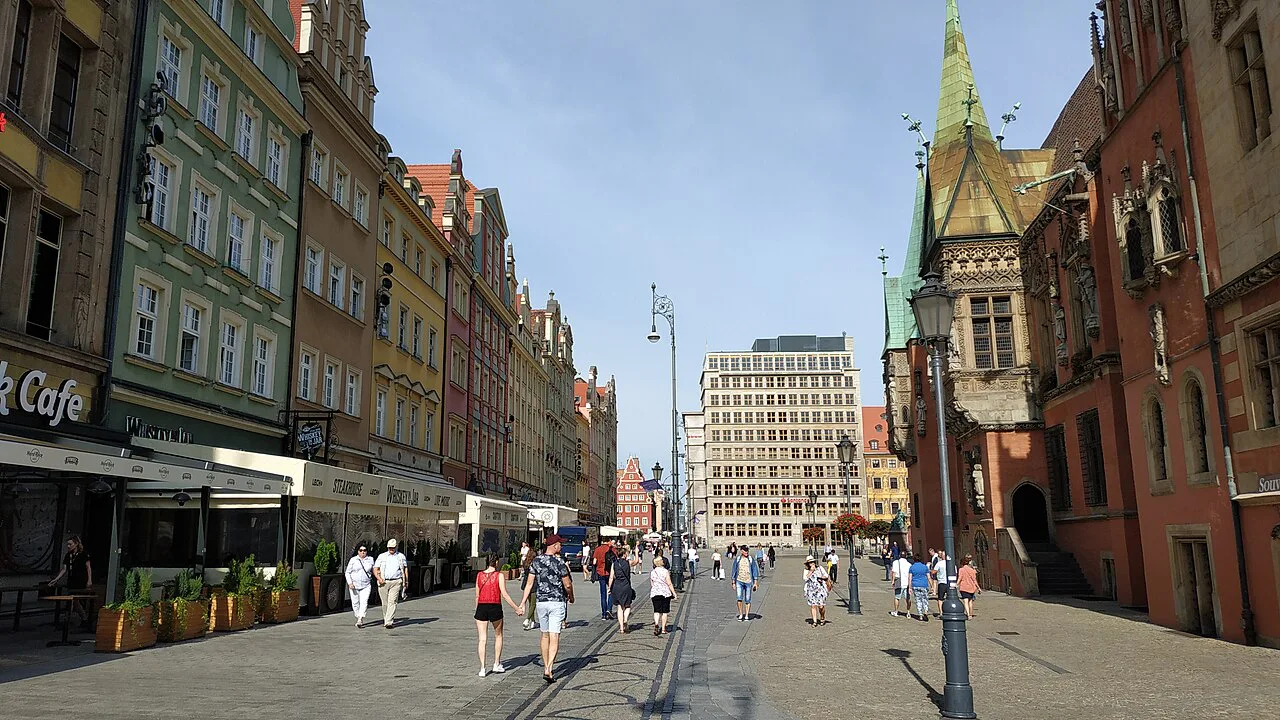
The Rynek, Wrocław's Market Square, is the heart of the city and your starting point. It is lined with pastel façades and historic landmarks, with cafés and shops at ground level and the Town Hall in the middle. From the Rynek you can walk to the Oder islands in about ten minutes, and across the river to Ostrów Tumski.
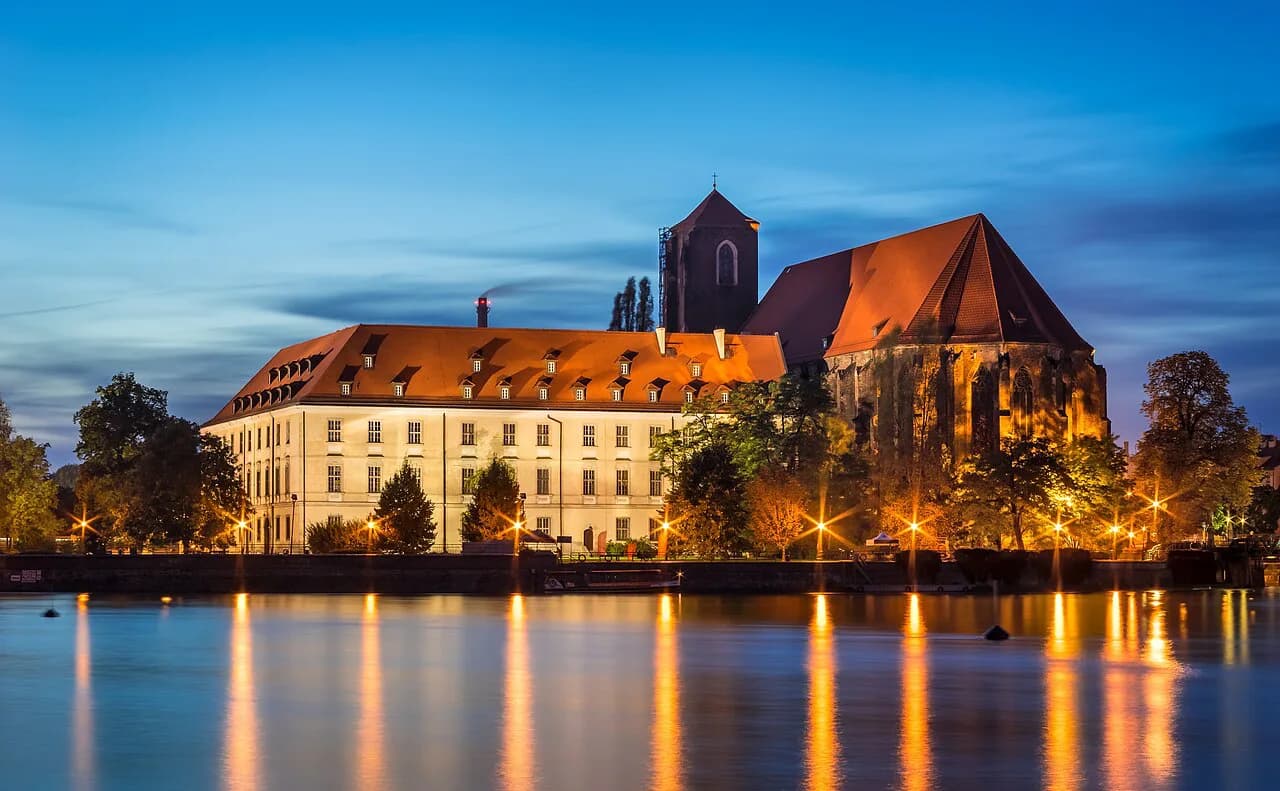
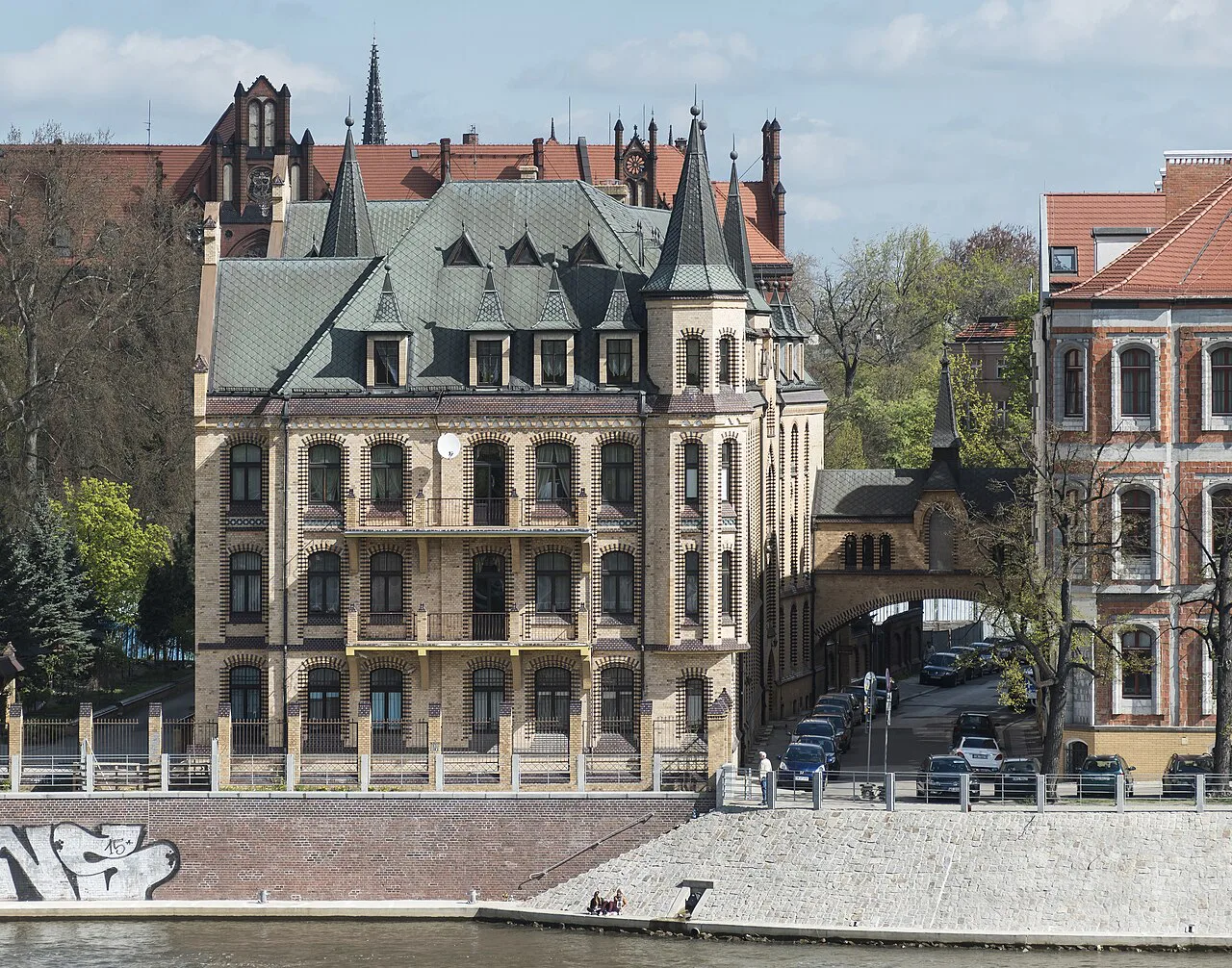
Ostrów Tumski is the oldest part of Wrocław, a quiet neighbourhood of cobblestone streets lit by gas lamps after dark and home to the Cathedral of St. John the Baptist. The river splits the city into islands and bridges, which is why a good weekend route crosses the Oder at least once rather than staying inside the Rynek.
Day one morning: the Rynek, the Town Hall and its astronomical clock
Start in the Rynek and walk the square slowly. The Town Hall, with its astronomical clock, is the centrepiece, and the surrounding Renaissance and Gothic buildings are the reason the square is the city's most photographed spot. Allow an hour to walk the perimeter and a second coffee among the cafés before moving on.
If you prefer a structured guide, operators run self-guided and scavenger-hunt walking tours that cover the highlights and the dwarf trail, and Wrocław Attractions covers the individual sights in more depth. A self-guided option leaves you to set your own pace, while a guided tour trades flexibility for commentary and a set route.
Day one afternoon: the dwarf trail and Hala Targowa market
The bronze dwarf statues scattered across the city each have their own story and pose, and hunting for them is a fun way to explore the streets with children. Treat the trail as a way to wander rather than a checklist: it will take you down side streets you would otherwise miss.
Stop at Hala Targowa market for regional cheeses, smoked meats and pastries, and use it as a lunch stop rather than a full meal. It is the practical answer to a mid-afternoon hunger gap, and it puts you back near the Rynek for the evening.
Day one evening: Polish dishes to try, from pierogi to Żurek
Wrocław's restaurants blend traditional Polish cooking with modern European influences, and many put tables out in courtyards and on the street in good weather. Order pierogi, bigos or Żurek, the sour rye soup served in a bread bowl, then finish with mead or a local craft beer. Ask for the menu before you commit: prices vary by street and by whether the café has a view of the Rynek.
Day two morning: Ostrów Tumski and the Cathedral tower
Cross the Oder early, before the tour groups, and walk the cobblestones of Ostrów Tumski. The Cathedral of St. John the Baptist, with its twin spires, is the main sight, and its tower gives a panoramic view back over the city; the climb is worth it if your legs are willing.
The tower and the cathedral interior keep their own opening arrangements, and the cathedral authorities maintain the current details. Check the notices at the door when you arrive, and build the visit around the hours you find rather than a fixed timetable.
Day two afternoon: the Oder bridges and riverside promenades
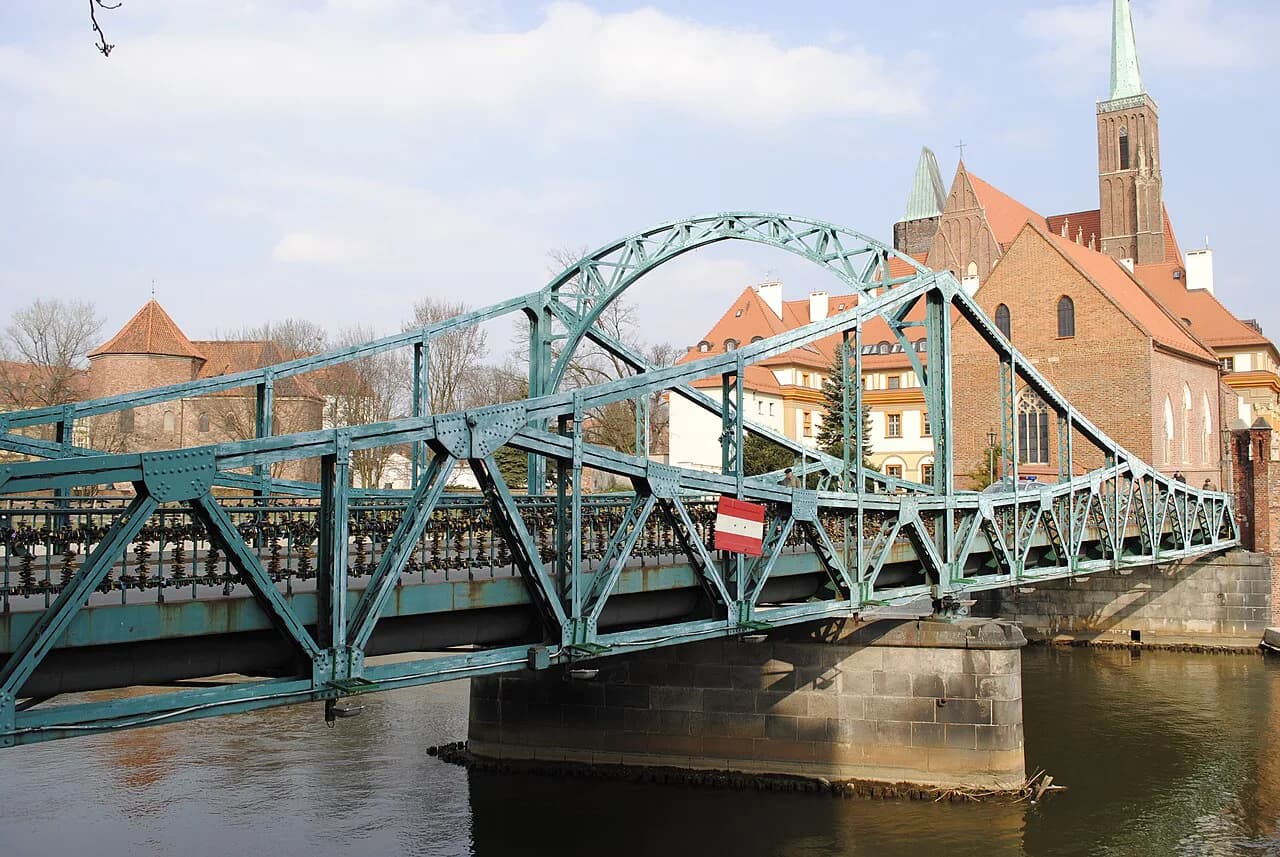
Spend the afternoon on the water. The islands and bridges give Wrocław its character, and the riverside promenades make an easy walk back towards the centre, with the green spaces and island parks along the way. This is the part of the weekend that rewards a slower pace: bring a coffee, sit on a bench, and watch the river rather than ticking off another sight.
The full Wrocław itinerary sets out how to order these stops if you are fitting in more than two days, and it is worth reading before you book timed entries. If the weather turns, swap the promenade for the Rynek cafés and save the river for the following morning.
What to do on a Sunday, when shops are restricted
Sunday trading is restricted in Poland, so do not plan a shopping afternoon on a Sunday. Build the day around the Rynek, Ostrów Tumski and the river instead, where the appeal is the streets and the views rather than the shops. The square hosts events through the year, so check what is on before you go.
Museums keep their own Sunday hours, and those vary by venue. Decide which single museum matters most before you leave and confirm its hours on its own website, rather than assuming the whole city runs on one timetable.
What to do on a Monday, when many museums close
Many Polish museums close one day a week, often Monday, so treat Monday as your outdoor day. The dwarf trail, the bridges and Ostrów Tumski do not depend on museum hours, and the Rynek is at its most relaxed when the offices are empty. If a specific museum is the reason for your trip, check its opening days before you fix your dates.
The one-day plan for Wrocław works well as a Monday route because it leans on streets and squares rather than galleries. If Monday is your only full day, use it that way and save museum interiors for another day.
What to skip on a two-day weekend
With two days, skip the outlying districts and the longer museum visits. Wrocław's strength is its compact centre, and a day spent travelling to a single sight costs you the dwarf trail or the river. Choose one museum at most, and only if the weather keeps you indoors.
Skip the idea that you need to see everything: the city's mix of history and modern culture is best taken at a walk. If you are deciding whether Wrocław is worth the trip at all, the guide to whether Wrocław is worth visiting sets out the case.
Where to base yourself within walking distance of the Rynek
Base yourself within walking distance of the Rynek and you will not need transport for the two-day plan. The Market Square, the dwarf trail, Hala Targowa and the bridges are all reachable on foot, and Ostrów Tumski is a short walk across the river. If you are choosing between areas, the guide to how many days in Wrocław helps weigh up where to stay.
When you compare areas, check how many minutes each is from the Rynek on a map rather than relying on district names, because the old town boundary is not obvious from the street. A ten-minute walk is a reasonable trade for a quieter street; anything longer starts to eat into a two-day visit.
Is two days enough for Wrocław?
Two days covers Wrocław's core: the Rynek and its Town Hall, the dwarf trail, Hala Targowa and the walk to Ostrów Tumski and the cathedral. Add the river promenades and you have a weekend that feels complete without a single rushed morning. If you can stretch to three days, the extra day is best spent on a museum and a slow afternoon on the islands.
Decide which day suits a museum visit and keep the rest of the weekend outdoors, then check the current opening details for any named sight before you travel. For a longer stay, the guide to how many days in Wrocław sets out the multi-day version, and the full Wrocław itinerary has the day-by-day ordering.
Explore more Wrocław guides
Frequently Asked Questions
Is Wrocław good for partying?
Wrocław has a student population and a lively central scene, but a weekend here is better built around the Rynek, the dwarf trail and Ostrów Tumski than around nights out. If nightlife is your priority, plan it as an add-on after dinner rather than the reason for the trip.
Is Wrocław cheap?
Wrocław is generally a good-value city break compared with Western Europe, though prices vary by street and by venue. Check current menu prices and ticket prices directly with each place, because they change and this guide does not quote them.
Which city in Poland is known as the Venice of Poland?
Wrocław is the city usually given that nickname, thanks to its more than 100 bridges and its Oder islands. The comparison is about the river setting rather than canals, and the bridges are part of why the city is worth a weekend.
Sources
Notes for your next Polish city break
Optional updates to our Poland guides.
You might also like
Continue reading
More guides you'll find useful