Parks in Warsaw: The Green Spaces Worth Your Time
Warsaw's parks, from royal Łazienki to the Saxon Garden and Pole Mokotowskie, with what each offers and how to fit them into a city break.
On this page
Royal Łazienki Park is the one Warsaw park worth planning a half-day around, and the Saxon Garden is the one you can fold into an Old Town walk without losing a morning. Between them sit a former airfield, a 17th-century garden beside a palace, a forest reachable by metro and several small squares that reward a spare hour. This guide covers what each green space offers, how much time it needs and which sights sit close enough to pair with it.
The city is unusually green for a capital, with forests, parks and green squares covering around 40 percent of its area, so a park stop rarely means leaving the city behind. Use the list below to pick one big park and one small one, then build the rest of the day around them with our guide to things to do in Warsaw.
Which parks in Warsaw are worth visiting on a short city break
With one to four days you cannot see every green space, and you should not try. Royal Łazienki Park earns its half-day, the Saxon Garden costs almost no time, and Pole Mokotowskie and Kabacki Forest suit a run or a lazy afternoon rather than sightseeing. Krasiński Garden and Park Skaryszewski are the picks for travellers who want a quieter park with a specific nearby sight.
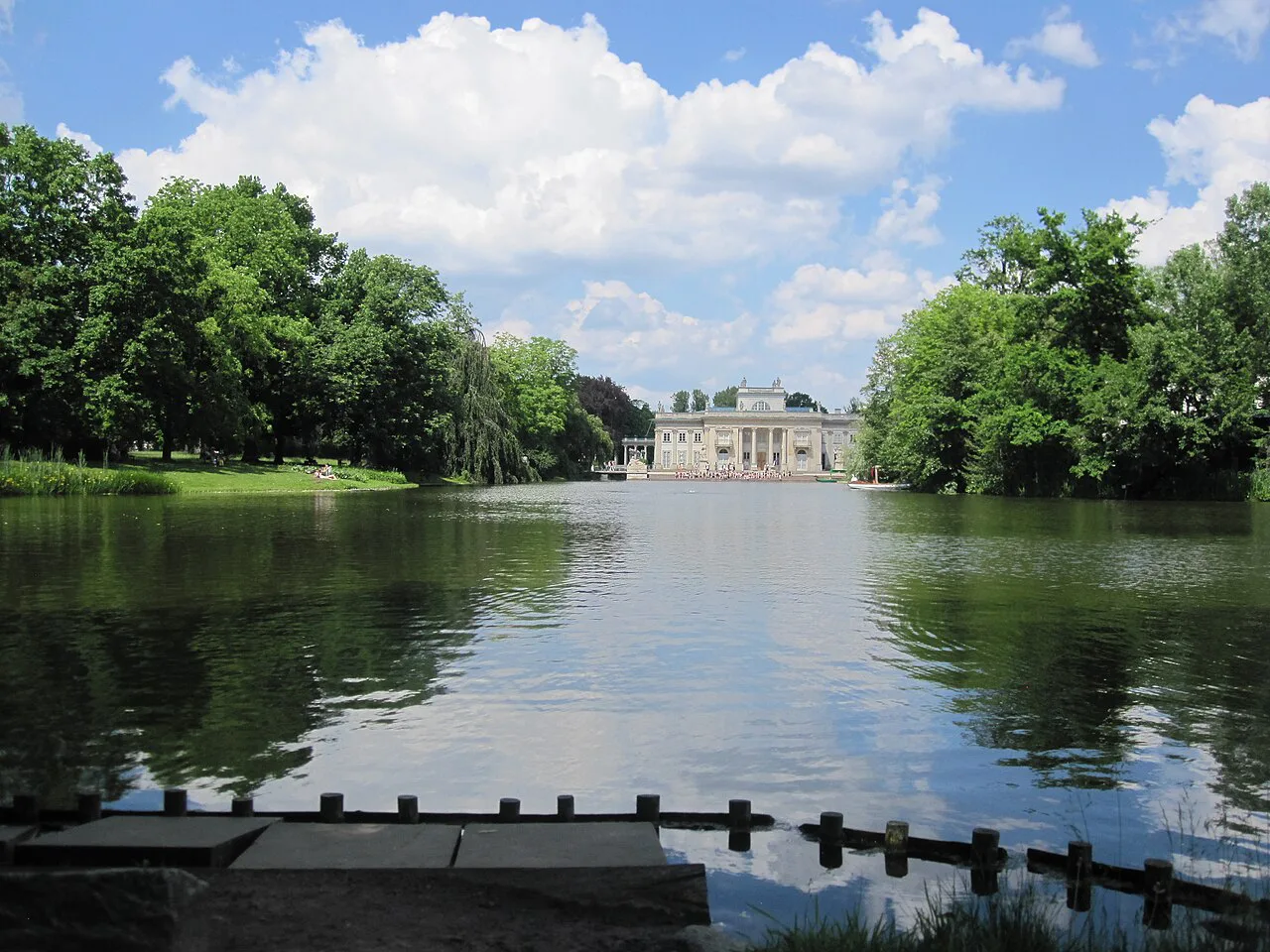
Royal Łazienki Park: the Palace on the Isle, the Old Orangery and 76 hectares
Łazienki covers 76 hectares and began as King Stanisław August Poniatowski's summer residence, which explains why classicist buildings sit scattered through the trees rather than in one block. The Palace on the Isle is the centrepiece, and the park also holds one of the few original European 18th-century court theatres and the Old Orangery, now the Royal Sculpture Gallery. If you want to see the palace interiors and the other buildings as well as the gardens, give it a full half-day.
Getting there is easy from the centre, with a bus ride from the Old Town taking around ten minutes, which makes it a natural extension of a walk down the Royal Route rather than a separate excursion. The park is also where squirrels will take nuts from visitors, a small pleasure that keeps children happy on the walk between buildings.
Saxon Garden: Warsaw's first public park, its fountain and the sundial
The Saxon Garden became the first park in Poland open to the public in 1727, and it has stayed an elegant, formal space ever since. Look for Henryk Marconi's fountain, a sundial that still shows the correct hour and 21 statues representing seasons and virtues. A bench dedicated to Frédéric Chopin is another marker worth finding.
Its position just west of the Old Town makes it the easiest green stop to add to a sightseeing day, and it costs almost no time beyond the detour itself. Treat it as a twenty-minute breather between the Old Town and the rest of the city centre rather than a destination in its own right.
Krasiński Garden: the 17th-century garden beside Krasiński Palace
Krasiński Garden dates to the 17th century and was the largest garden in Warsaw before the Saxon Garden took that title, opening to residents in 1766. It now covers 9.5 hectares next to Krasiński Palace, and recent restoration work has brought back the historic fence, benches, lanterns and litter bins along with a pond, stream and cascade. There are two boules courts and an outdoor gym for adults, plus a playground of over 2,000 square metres for children.
One practical catch matters for some travellers: dogs are not allowed inside, so visitors travelling with a pet should choose a different green space. For everyone else it is a calm, well-kept park that pairs naturally with a look at the baroque palace beside it.
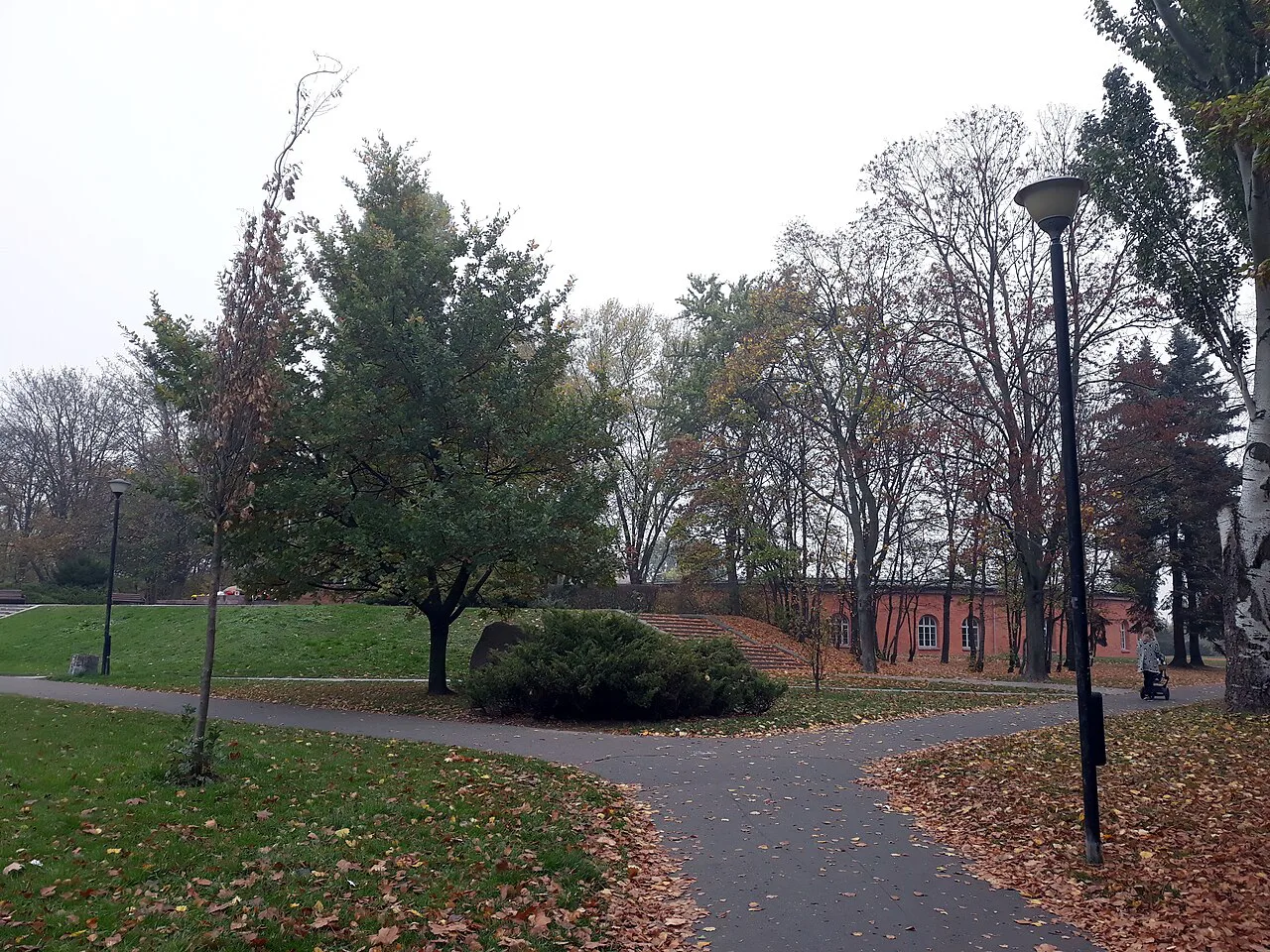
Pole Mokotowskie: how a former military airfield became a 70-hectare park
Pole Mokotowskie has had several lives: a 19th-century military training ground, then a military, sports and passenger airport, then a venue for sports events. It once stretched to 200 hectares and now covers about 70, which is still plenty of room for a bicycle route, runners and skaters, and grass for sitting on. Several restaurants sit inside the park, and summer brings a run of food trucks, so it works well for a relaxed lunch without leaving the greenery.
This is the park for an unstructured afternoon rather than a checklist of monuments, and it suits travellers who have already done the Old Town and want a break from walking between sights.
Park Skaryszewski in Praga: named Poland's most beautiful park in 2009
Park Skaryszewski sits across the river in Praga and was officially named the most beautiful park in Poland, and third most beautiful in Europe, in 2009. It is also on the national heritage list and holds more than 280 kinds of plants and trees, with the oldest specimens over a century old. Come here for the planting and the space rather than for buildings.
Because it lies on the right bank, it makes most sense combined with a morning exploring Praga rather than as a dash across the river and back. A river cruise is another way to see the water without adding a separate park trip.
Królikarnia: the palace, the Sculpture Museum and the sculpture park
Królikarnia takes its name from the rabbits once kept here in the 18th century, when the site also held a brewery, brickyard, inn, mill and barn. Today the draw is a palace housing the Sculpture Museum, which opened in 1965 and stages temporary exhibitions of Polish and foreign contemporary artists. The surrounding park includes a Sculpture Park showing works from the National Museum in Warsaw's collection.
It is not the largest park in the city, but the pairing of a small museum with an uncrowded garden makes it a good choice when you want culture and fresh air in the same stop.
Kabacki Forest: a half-day outdoors, still inside the city boundary
Kabacki Forest lies further from the centre but stays inside the city boundary and is quick to reach by metro, which makes it the easiest proper forest trip on a city break. Fitness and bicycle paths run alongside recreational areas, tourist shelters, benches and playgrounds, so both active and slower days work here. Foxes, badgers, weasels and martens have all been spotted along the trails.
Give it a half-day rather than an hour, since the point is the scale of the place and the distance from the streets. It suits a morning run or a slow afternoon more than a sightseeing stop.
Smaller green stops: the Saxon Garden and the centre's other gardens
Not every green stop needs a slot of its own. The Saxon Garden and Krasiński Garden both sit close enough to the centre to work as a short pause during a sightseeing day, with formal planting, fountains and benches rather than long trails.
These are add-ons rather than destinations, and they are best used when you are already passing rather than planned as a separate trip across town.
How to fit a Warsaw park into one to four days without losing a morning
On a one-day visit, take the Saxon Garden as part of an Old Town walk and leave the bigger parks for another trip. With two days, give Łazienki a half-day and pair it with the Royal Route so the walk between sights does double duty. On a three- or four-day break, add Pole Mokotowskie or Kabacki Forest as a slower afternoon, and put Skaryszewski or Królikarnia on the day you explore that side of the river.
Build the day around one park rather than three, since travel between them eats the time you came for. A walking tour can cover the centre's green edges without a separate plan.
Pairing parks with nearby sights: Łazienki with the Royal Route, Skaryszewski with Praga
Łazienki works best at the end of a walk along the Royal Route, when you have already seen the churches and squares on the way south and the park becomes the reward. Skaryszewski belongs with Praga, where the park's heritage listing and old trees make more sense after you have seen the district around it. The Saxon Garden slots between the Old Town and the centre without any planning at all.
If you want a market or a food stop in the same outing, the centre's markets and food halls sit close enough to the Saxon Garden and Krasiński Garden to combine.
What to expect from a Warsaw park
Summer is when the parks are busiest, with the food trucks pulling into Pole Mokotowskie. Spring and autumn suit the garden parks, when the formal planting in the Saxon Garden and the old trees in Skaryszewski are at their most pleasant. The parks themselves are open green spaces, while the museums and palaces inside them keep their own opening hours and admission arrangements, so check the venue directly before planning a visit around one.
Which Warsaw park should you pick first?
Pick Royal Łazienki Park if you have a half-day and want palaces, galleries and gardens in one place, and take the Saxon Garden as an easy extra on your Old Town day. Choose Pole Mokotowskie or Kabacki Forest if you would rather run or laze than sightsee, Skaryszewski if you are heading to Praga, and Królikarnia if a small sculpture collection appeals more than a big park.
Whichever you choose, one park per day is the honest limit on a short break, and the rest of the time is better spent on the streets between them.
Explore more Warsaw guides
Frequently Asked Questions
Do Warsaw parks charge an entry fee?
The parks described here are green spaces rather than ticketed attractions, and the city gardens such as the Saxon Garden and Krasiński Garden are entered freely. Museums and palaces inside the parks, including the Palace on the Isle and the Sculpture Museum at Królikarnia, handle their own admission, so check the venue's own page for current prices and opening days before you plan around a visit.
How long does Royal Łazienki Park take to visit?
Allow at least half a day if you want to see the Palace on the Isle and the Old Orangery as well as walk the 76 hectares. If you only want to stroll through the gardens and skip the buildings, plan a shorter visit and accept that you will miss what makes the park distinctive.
Sources
Notes for your next Polish city break
Optional updates to our Poland guides.
You might also like
Continue reading
More guides you'll find useful