Szczecin Art: Museums, Galleries and Where to Find Them
A practical guide to art in Szczecin, from the National Museum's contemporary collection to TRAFO's changing exhibitions, with what each place is for.
On this page
For a short break, art in Szczecin means two places: the National Museum's contemporary collection, which is large and documented, and TRAFO Trafostacja Sztuki, a centre whose exhibitions change. If you have time for only one, choose the museum when you want post-war Polish art you can plan around, and TRAFO when you would rather see whatever is current. This guide explains what the collection holds, which names to look for and how much of a day an art stop should take.
The two art stops for a short break
Szczecin's art offering splits cleanly. The National Museum holds a large, documented collection of Polish and foreign contemporary art, so you know roughly what the collection covers before you arrive. TRAFO Trafostacja Sztuki is an exhibition venue rather than a collection, so its programme decides your visit.
The Academy of Art in Szczecin is a public university founded in 2010, not a public gallery, so it does not belong on a visitor itinerary. Treat the pair above as the core, and use the wider set of museums in Szczecin to fill the rest of a wet afternoon.
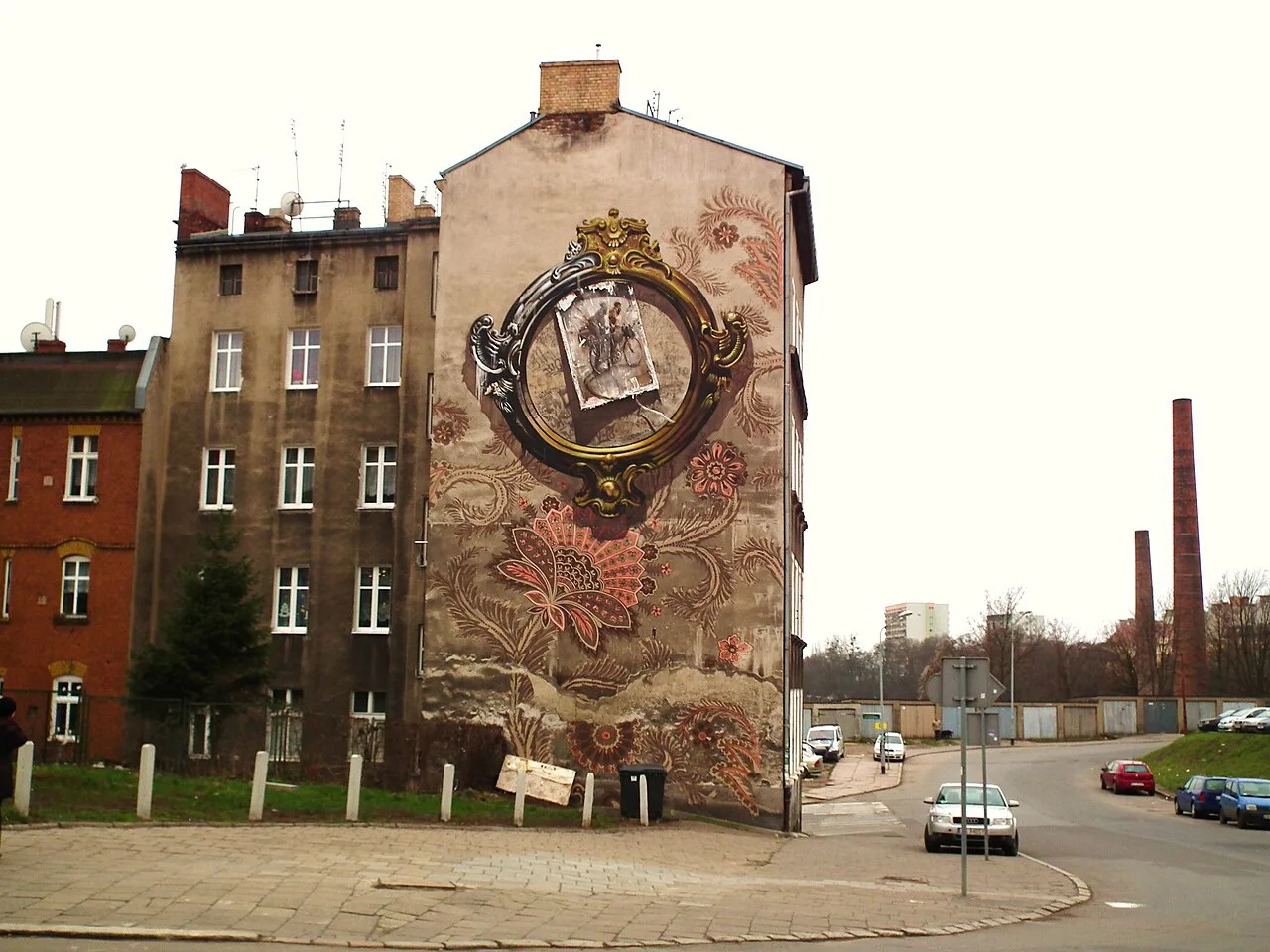
The National Museum's contemporary collection
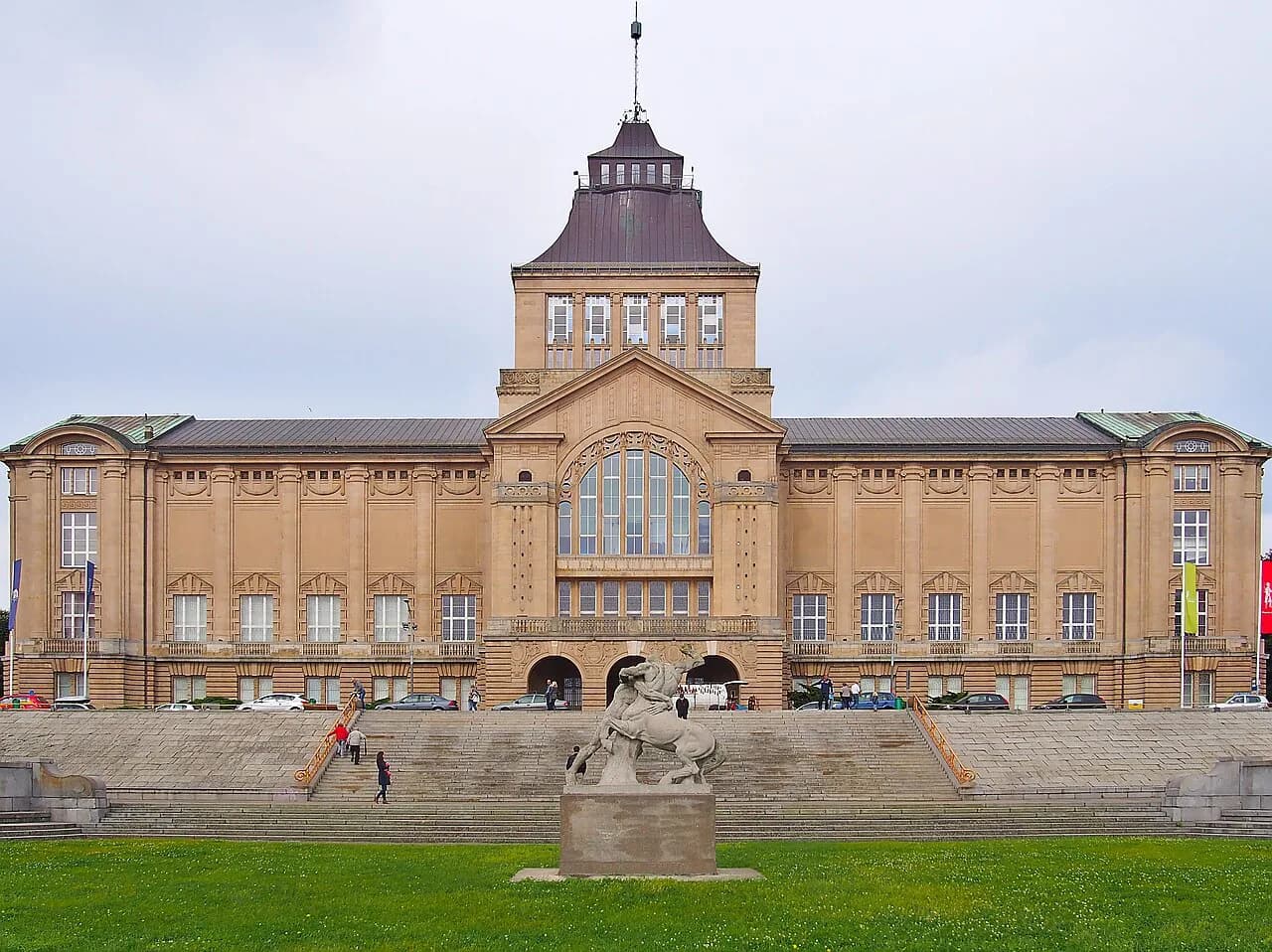
Collecting contemporary art has been central to the museum since it was established after the war, with the first acquisitions arriving in 1946. The collection now runs to more than five thousand works, including around 500 pieces of foreign art, spanning painting, graphics, drawing, sculpture, objects, installations and applied arts.
Its character is coherent rather than encyclopaedic. Post-war Polish painting forms the spine, with a strong group of artists from Szczecin and Western Pomerania alongside it, and the museum has documented the local and Pomeranian art scene systematically since the first post-war decades. That makes it unusually good for anyone who wants a focused look at Polish art after 1945 rather than a survey of everything.
Foreign art arrived from the mid-1960s, when the museum decided to build a collection to sit alongside the Polish one. In the decades before 1989 this drew heavily on works shown at festivals and fairs, which left a rich representation of artists from the former Eastern Bloc. From the 1970s the geographical range widened to the Baltic rim, and since the 1990s works have come through the Mare Articum exhibition and research programme that the museum coordinates.
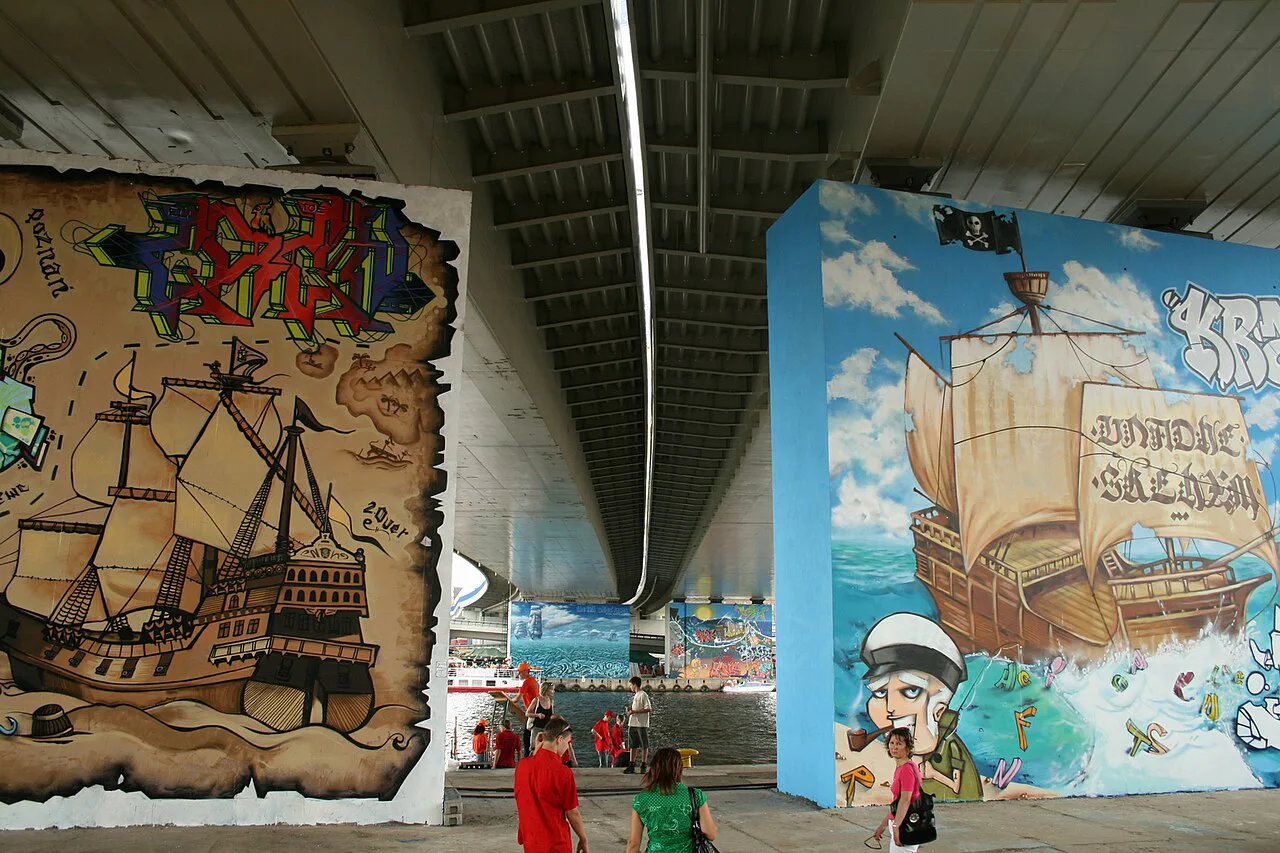
Names to look for in the galleries
The collection's strongest thread runs from the interwar avant-garde into the post-war years, with Władysław Strzemiński and Henryk Stażewski as its linking figures. Around them sit artists who shaped Polish art in the 1940s and 1950s, among them Tadeusz Kantor, Maria Jarema, Tadeusz Brzozowski, Jerzy Nowosielski and Jonasz Stern.
A second strand is Colourism, the tradition carried on by painters such as Piotr Potworowski and Tadeusz Dominik, whose work balances the avant-garde holdings. A third is the Group of Young Visual Artists, later known as the Second Kraków Group, formed in 1946 and continuing avant-garde experiment in both technique and imagery.
Figurative painting returns with force in the 1970s and 1980s, represented by Eugeniusz Markowski, Jerzy Zieliński and Jacek Rykała. Władysław Hasior and Jerzy Bereś push in a different direction, treating the object as part of a performance or happening. A deposit of more than 250 objects from Regionalna Zachęta Sztuki Współczesnej, strong in works by new-media artists, entered the collection in 2005.
TRAFO Trafostacja Sztuki: a changing programme
TRAFO describes itself as the only centre for contemporary art in this part of Poland. That framing matters for planning: it is a venue for temporary exhibitions, so the quality of your visit depends on what is hanging when you arrive rather than on a fixed collection.
Go if you want to see current work and are comfortable with the unknown, and especially if you have already visited the National Museum on an earlier trip. Skip it on a first, short visit if you would rather spend your limited hours on things you can count on. Check the programme before you travel and decide then, rather than assuming a particular show will be on.
Fitting an art stop into one to four days
On a one-day visit, pick one venue and give it a proper stretch rather than splitting the day between both. The museum rewards a slower pace because the collection is dense and its strands, from avant-garde to Colourism to Pomeranian painting, only make sense in sequence. TRAFO suits a shorter stop, since a single exhibition takes less time than a large collection.
With two days, pair the museum with the city's older sights so the art gives context to the streets you walk afterwards. The Pomeranian Dukes' Castle and the cathedral sit in the same historic core, and the museum's own history, built up in a city that became Polish after 1945, reads differently once you have seen the centre.
On a three or four day break, you can comfortably do both venues and still leave the art for a wet morning. Use the rest of the time for the city's architecture and the riverside walks, then return to TRAFO if the programme appeals. That ordering keeps galleries from swallowing a fine afternoon.
The trade-off: a big collection or a changing show
The National Museum gives you volume and coherence: a documented collection with named artists, clear groupings and a story that runs from the avant-garde to new media. It suits anyone who wants to understand Polish art rather than simply look at it, and it is the safer choice when you have one chance to get it right.
TRAFO gives you currency instead of depth. A temporary show can be excellent or slight, and you cannot know which until the programme is published, so it rewards flexibility. If your itinerary is tight, the stable option is the better bet; if you have already seen the museum, the changing venue is the reason to come back.
Tickets, hours and what is on
Neither venue's admission prices nor opening days are fixed in a way a printed guide can carry, so confirm them on the official sites before you set out. The museum publishes ticket and opening information alongside its collections pages, and TRAFO's own site is where you see what is actually showing.
Build the visit around a confirmed exhibition rather than the other way round: pick your day, check the programme, then slot in the surrounding sights. If nothing at TRAFO appeals, the museum's permanent collection is the dependable fallback, and the wider Szczecin history gives the art a setting.
Where art sits beside the war memorials
A city that became Polish after 1945 has a museum that began collecting contemporary art the following year, and the two facts sit awkwardly together in the best way. If you are spending a morning on Szczecin WW2, the museum's post-war holdings make a natural sequel, offering a way to look at what artists did next rather than leaving the day in the 1940s.
Which art stop should you visit first?
Start with the National Museum if this is your first visit and you want the substantial, documented collection of post-war Polish art. Add TRAFO only once the museum is in your plan, or if the current programme genuinely interests you more than the collection. Everything else in the city can be arranged around those two decisions.
Explore more Szczecin guides
Frequently Asked Questions
Is the National Museum in Szczecin worth visiting?
Yes, if you want post-war Polish art. It holds more than five thousand contemporary works, including around 500 pieces of foreign art, with strengths in the Polish avant-garde, Colourism, the Second Kraków Group and artists from Szczecin and Western Pomerania. The collection has been built since 1946 and is coherent rather than sprawling.
How much does it cost to visit art venues in Szczecin?
Admission prices are set by each venue and change over time, so check the National Museum and TRAFO websites before you travel. Confirm current ticket information there rather than relying on any printed figure.
Do I need to choose between the museum and TRAFO?
On a one-day visit, yes: pick one. The National Museum offers a large documented collection, while TRAFO shows temporary exhibitions, so the museum is the safer choice when time is short. On a three or four day break you can do both without losing an afternoon.
Sources
Notes for your next Polish city break
Optional updates to our Poland guides.
You might also like
Continue reading
More guides you'll find useful