Warsaw Markets: Halls, Food Stalls and Flea Markets
Warsaw's markets run from the historic Old Town square to flea and antique bazaars. Here is which ones suit a short city break and what each sells.
On this page
Warsaw's market scene splits cleanly in two: the historic Old Town square, which you wander for its setting, and the working flea and food bazaars scattered across the city, which you visit to actually buy things. The Old Town Market Square belongs to any first visit because it anchors the reconstructed centre, while the bazaars need a deliberate trip and suit travellers with a spare morning. This guide covers both, says what each sells and shows how a market stop slots around the museums and the Royal Route without eating a day.
Set your expectations before you go. The square is a landmark and a meeting point, not a shopping destination, and the bazaars are second-hand and everyday places rather than curated design markets. Nor are there confirmed trading days published for most of these venues, so treat a market visit as a flexible morning rather than a fixed appointment.
Old Town Market Square: the market you visit for the setting
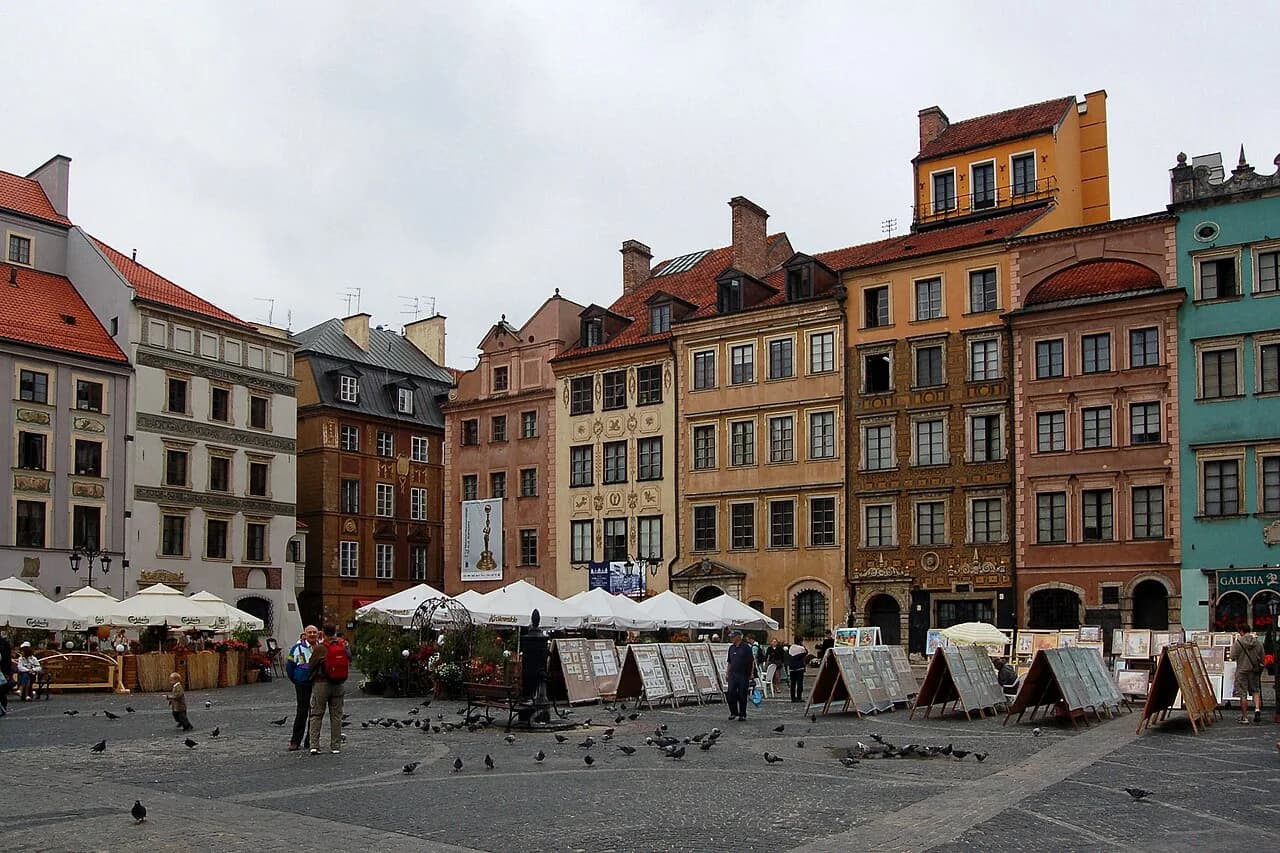
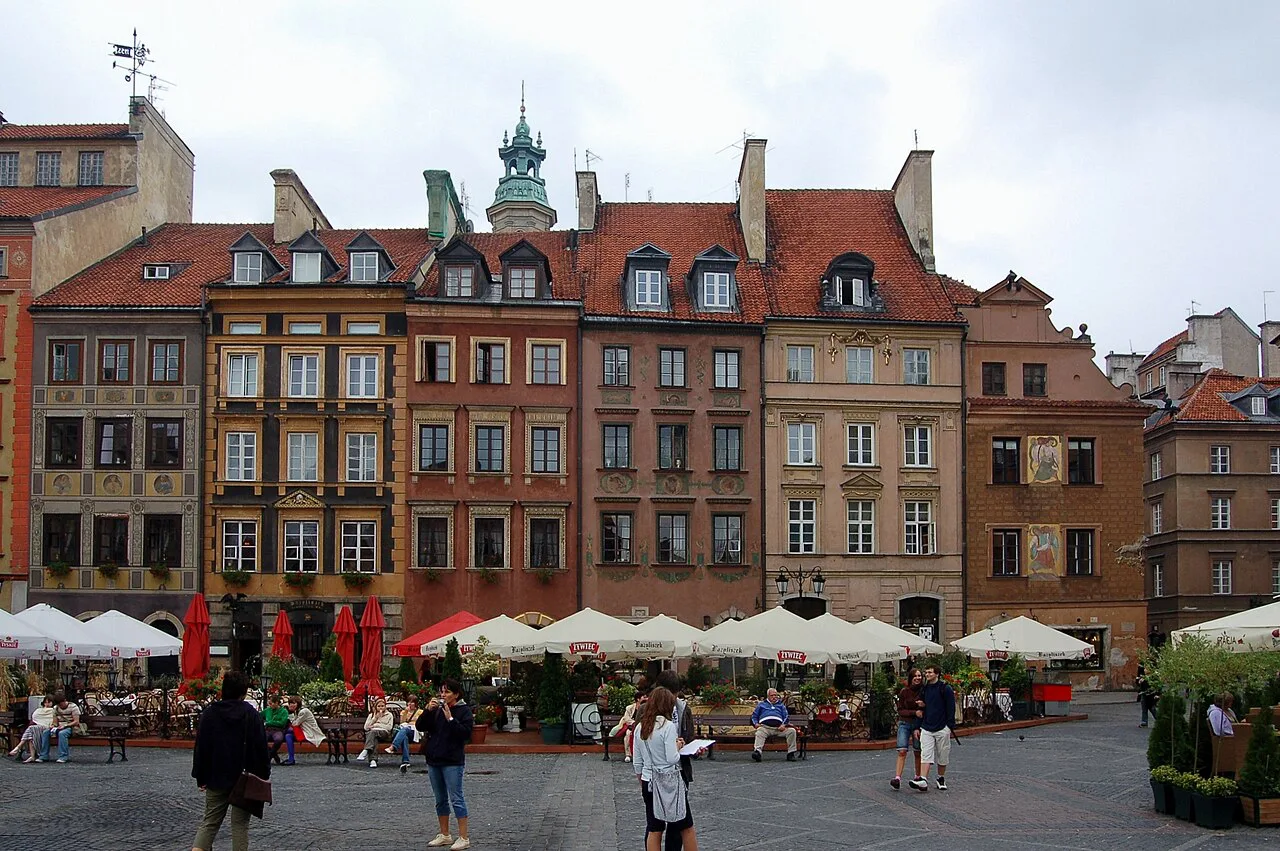
Rynek Starego Miasta, the Old Town Market Square, is the heart of Warsaw's UNESCO-listed historic centre. Colourful townhouses ring the square, the Warsaw Mermaid statue stands in the middle, and in summer outdoor cafés spill across the cobbles to make it one of the capital's busiest spots. The city walls, Barbican and Royal Castle sit within a couple of minutes' walk.
The square's history reaches back roughly 700 years, and the buildings you see are a meticulous post-war reconstruction rather than medieval fabric. Warsaw's Old Town was destroyed during the Second World War and rebuilt using historical plans, photographs and surviving documents, and that reconstruction was careful enough to earn UNESCO World Heritage listing. Knowing this changes how you read the square: it is a faithful re-creation of a lost city centre, not an ancient marketplace that survived.
Do not come expecting stalls of produce or crafts. The square works as a starting point for a walk through the Old Town, a coffee stop and a photograph, and it earns its place on a short break for those reasons alone. Budget 30 to 45 minutes if you are passing through, longer if you sit down.
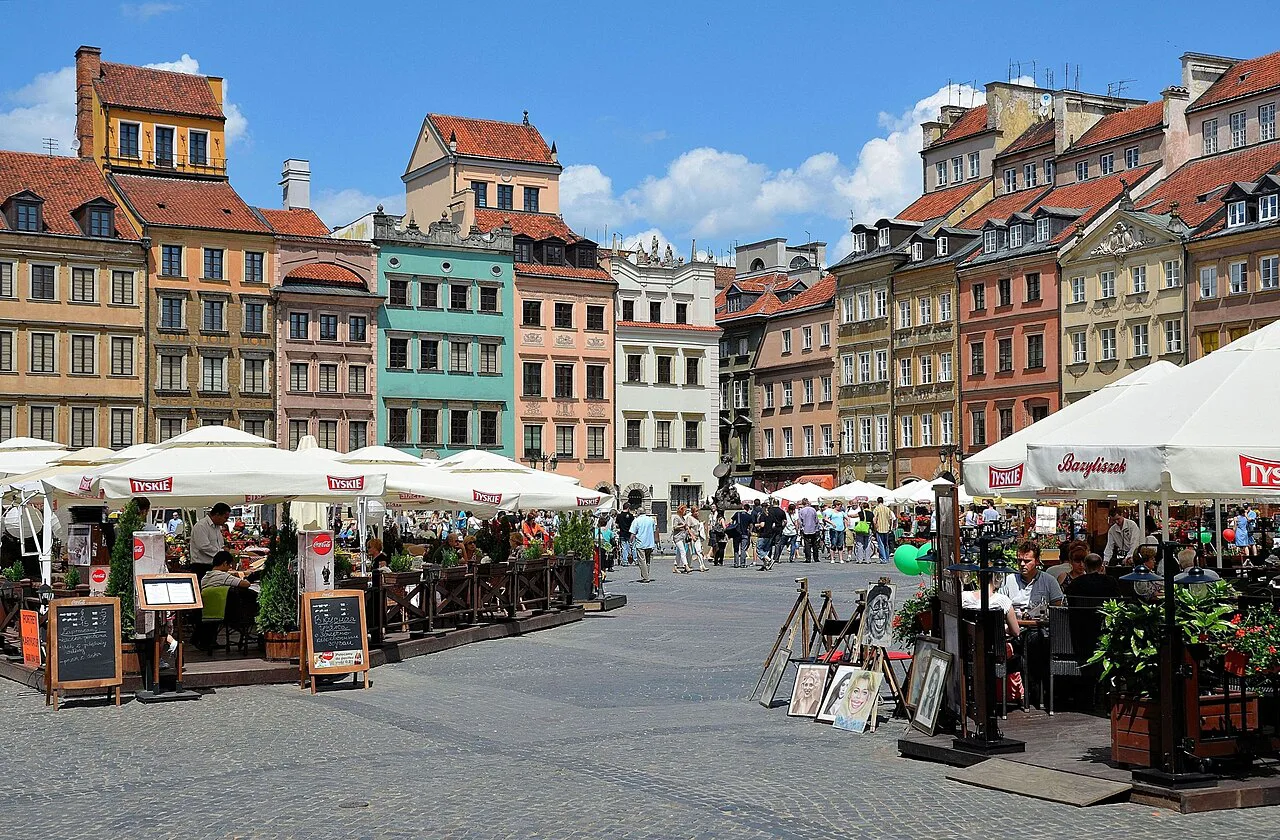
Why the Old Town square is a place to wander rather than a place to shop
If you want to buy something, the Old Town square is the wrong stop. Its appeal is atmosphere and architecture: the townhouses, the Mermaid, the cafés and the evening light. Treat it as the opening scene of a day rather than a shopping errand.
The surrounding tenements hold the Museum of Warsaw, whose collections tell the story of the city and its residents across several floors. A local guide reports the museum closes on Mondays and opens Tuesday to Sunday, with full tickets at 20 PLN and reduced at 15 PLN, and that the same ticket covers the Praga Museum of Warsaw within seven days. Check the current days and prices at the museum before you rely on them. The museum rounds off a square visit far better than another loop of the cafés.
The nearby Gothic St. John's Cathedral holds the tombs of the last Dukes of Mazovia and the Chapel of Cardinal Stefan Wyszyński, which makes a short, worthwhile detour off the square.
Flea and antique markets: Bazar Staroci na Kole and Nowy Bazar Różyckiego
Warsaw's flea and antique trade appears in city market listings at Bazar Staroci na Kole and Nowy Bazar Różyckiego, both named among Warsaw's flea and street markets. Expect the kind of second-hand and antique stock that rewards patient rummaging rather than a polished tourist market, and that is precisely the appeal of this kind of bazaar. No trading days are published for either, so confirm before you travel across the city.
Come with cash in small notes, a bag and a rough idea of what you want, and be ready to walk away. Condition matters more than price: check glass and ceramics for chips and cracks before you commit. These markets suit travellers who enjoy the hunt rather than those ticking off sights.
Neither bazaar is next to the main visitor circuit, so a trip costs you half a day once travel is counted. If your Warsaw plan is two days or fewer, weigh that against the museums and the Royal Route. On a three- or four-day trip, a morning at a flea market is a good change of pace.
Everyday food and household markets: City Bazar and Bazar Olimpia
For markets beyond the antique bazaars, City Bazar and Bazar Olimpia appear among Warsaw's market listings alongside the flea markets. Little detail on what they sell is published, so treat them as a stop for a spare morning rather than a headline sight, and confirm what is on offer locally before making a special trip.
Trading days and hours for Warsaw's markets vary by venue and are not set out in a single reliable source. Check the market's own information before you travel across the city, since a wasted trip is the main risk with these outlying stops. Arriving in the morning leaves the widest margin if a venue turns out to be closed.
How market days shape a one- to four-day Warsaw plan
On a one-day visit, skip the bazaars and use the Old Town square as the start of a walk down the Royal Route. On two days, add one museum-heavy afternoon and keep the markets for browsing rather than buying. Only on a three- or four-day trip does a dedicated flea-market morning make sense, and even then you should pair it with something nearby rather than crossing the city twice.
Sunday trading is restricted in Poland, so do not assume a market is open on a Sunday without checking. The safest approach is to plan the market as a weekday morning and keep the rest of the day flexible, so a closed gate costs you an hour rather than a day.
Pairing a market visit with the Royal Route and Łazienki Królewskie
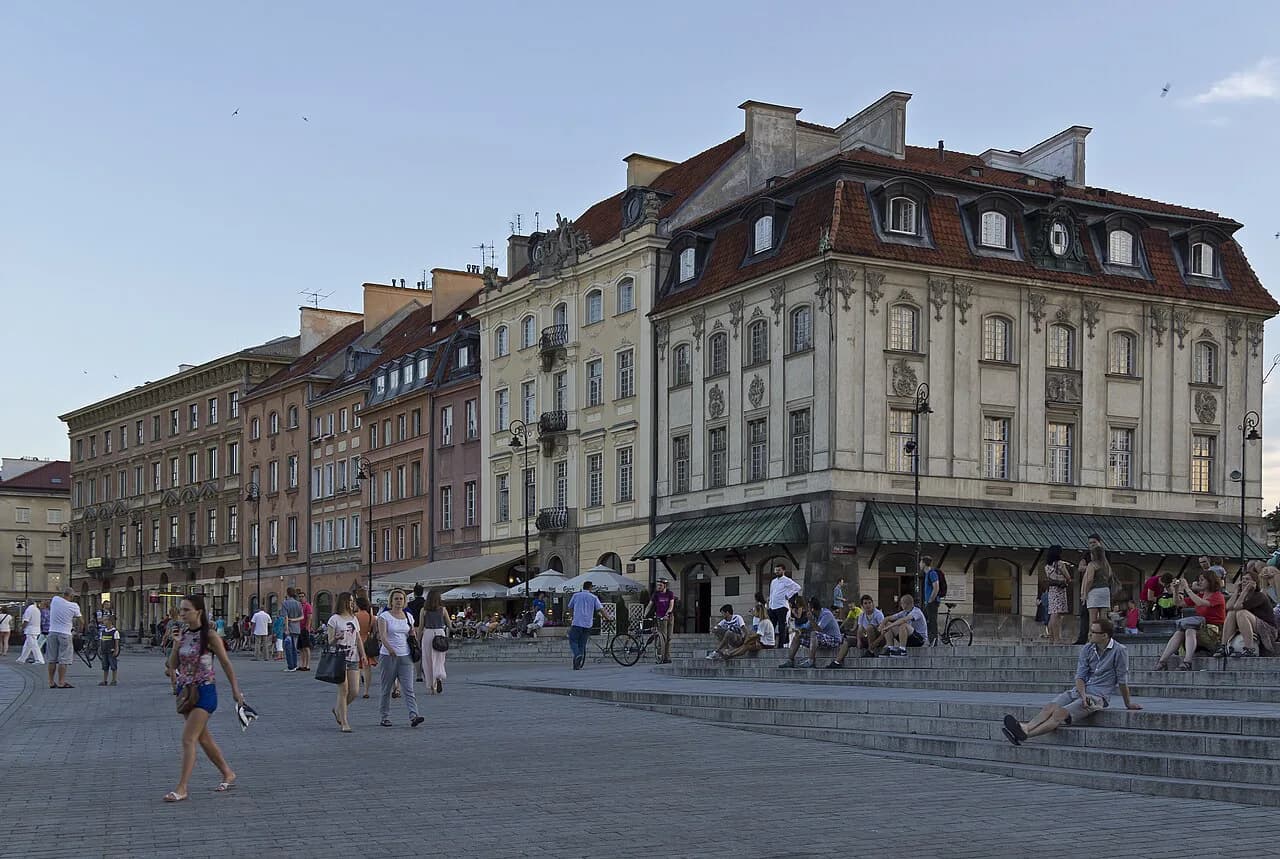
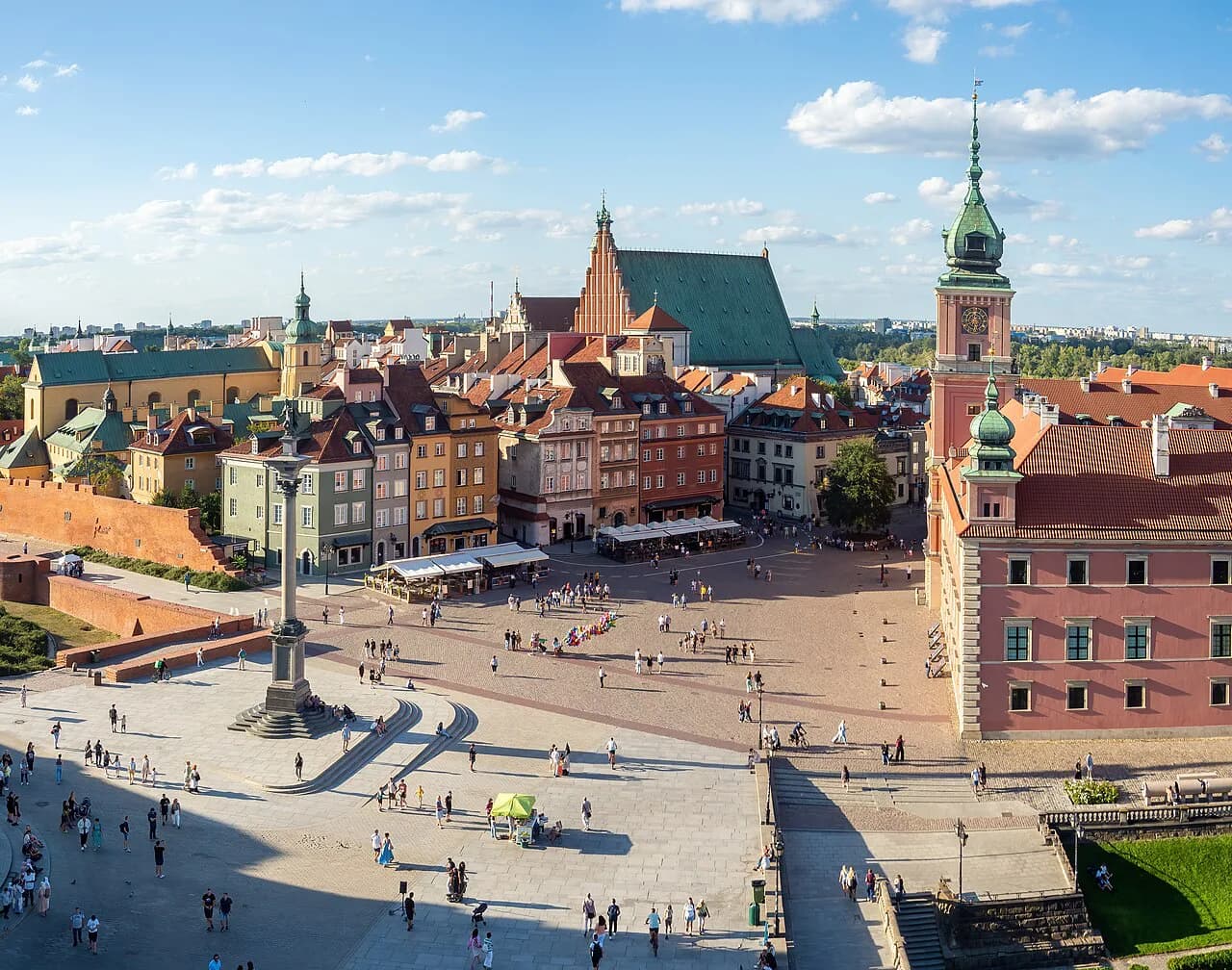
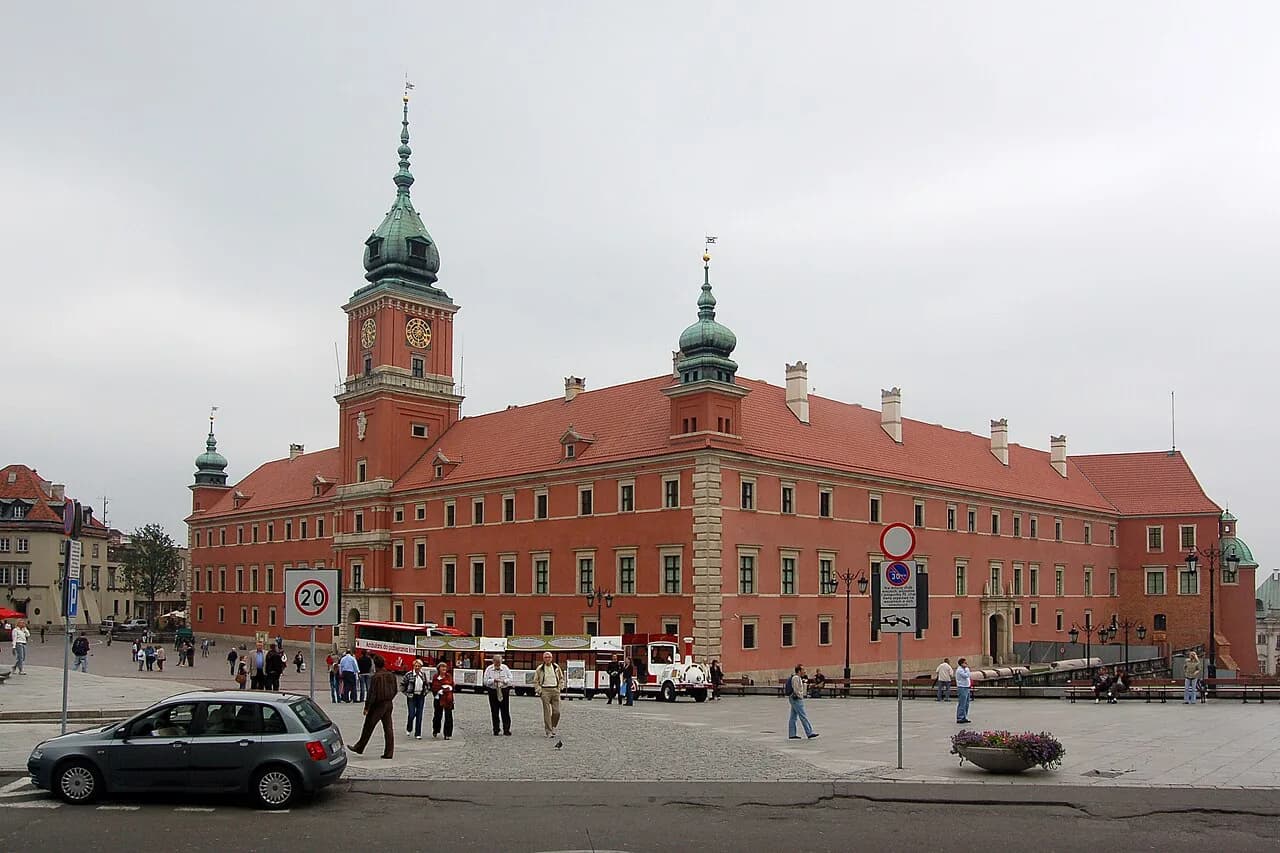
The Old Town square sits at the northern end of the Royal Route, the historic axis that runs south along Krakowskie Przedmieście and Nowy Świat towards Łazienki Królewskie and, further south, Wilanów. Walk it on foot and you pass churches, palaces, the Royal Castle, Sigismund Column and the University of Warsaw without needing transport. That makes the square an efficient first stop rather than a detour.
Royal Łazienki Park is the natural end point of that walk: gardens, ponds, the Palace on the Isle and, from spring to early autumn, free open-air Chopin concerts by the composer's monument on Sundays. The tradition dates back to 1959, and the park is large enough to absorb a slow afternoon. If your legs are done, the Vistula Boulevards on the western bank offer an easy, flat finish to the day.
For a different view of the river, cross on the Magdalena Abakanowicz Footbridge, a 452-metre pedestrian and cycling bridge that connects central Warsaw with Praga in about six minutes on foot. If you are crossing to Praga anyway, pair the walk with a market stop on that side of the river.
Design and souvenirs instead of market browsing
If you want design rather than bric-a-brac, Warsaw's museums do the job better than its markets. The Poster Museum in Wilanów holds more than 63,000 posters, including one of the world's largest collections of Polish posters, and it introduces the Polish School of Posters with its witty takes on film, theatre and culture. Combine it with Wilanów Palace, the Baroque residence of King Jan III Sobieski at the southern end of the Royal Route.
The Neon Museum on the far side of the river preserves Warsaw's neon signs and makes a compact, photogenic stop near the river crossing; a guided tour explains how the signs tell the city's story. The Neon Museum and the Poster Museum are better souvenir hunting than any bazaar, and both are indoors when the weather turns.
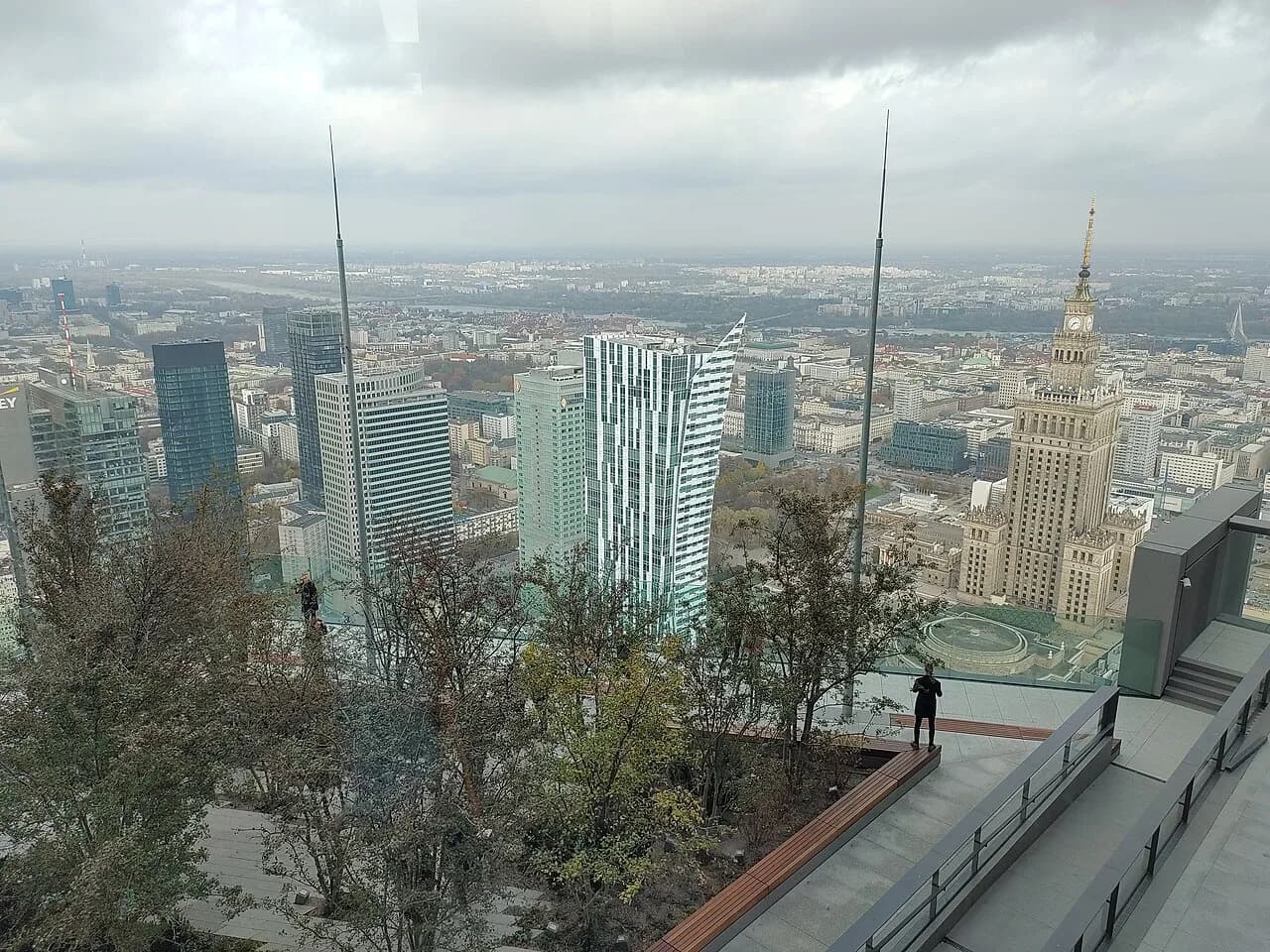
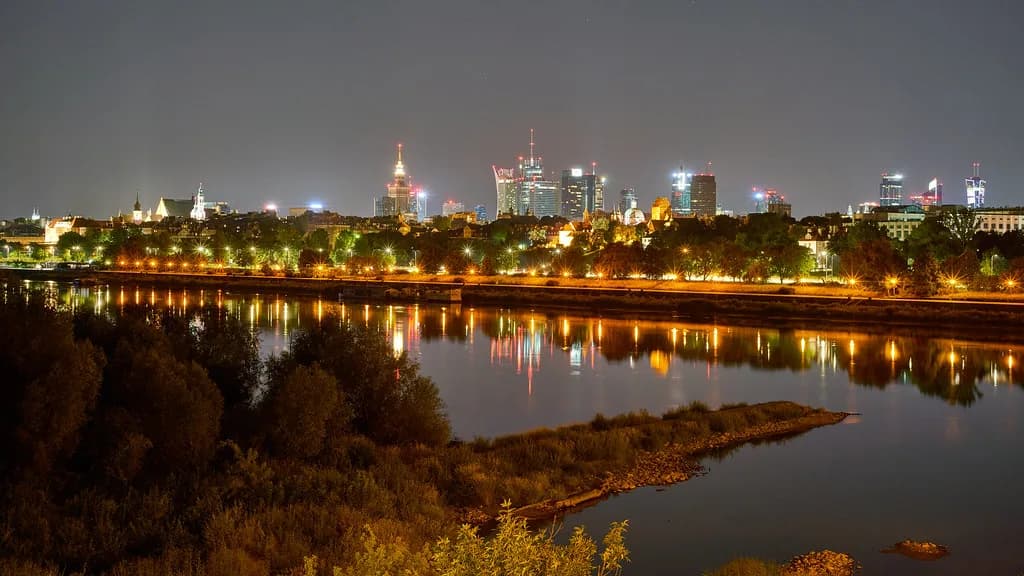
For a panorama between stops, the Palace of Culture and Science has an observation deck on the 30th floor with views over the skyline and both banks of the Vistula. Varso Tower's Highline Warsaw deck, roughly 230 metres up, claims the highest observation deck in the European Union.
Fitting markets around museum opening days
Many Polish museums close one day a week, often Monday, so build your market time around the days the museums you want are open. The Warsaw Rising Museum, which documents the 63-day struggle of 1944, and the POLIN Museum of the History of Polish Jews are the two heavyweight history stops; POLIN, on the site of the former Warsaw ghetto, was named European Museum of the Year in 2016.
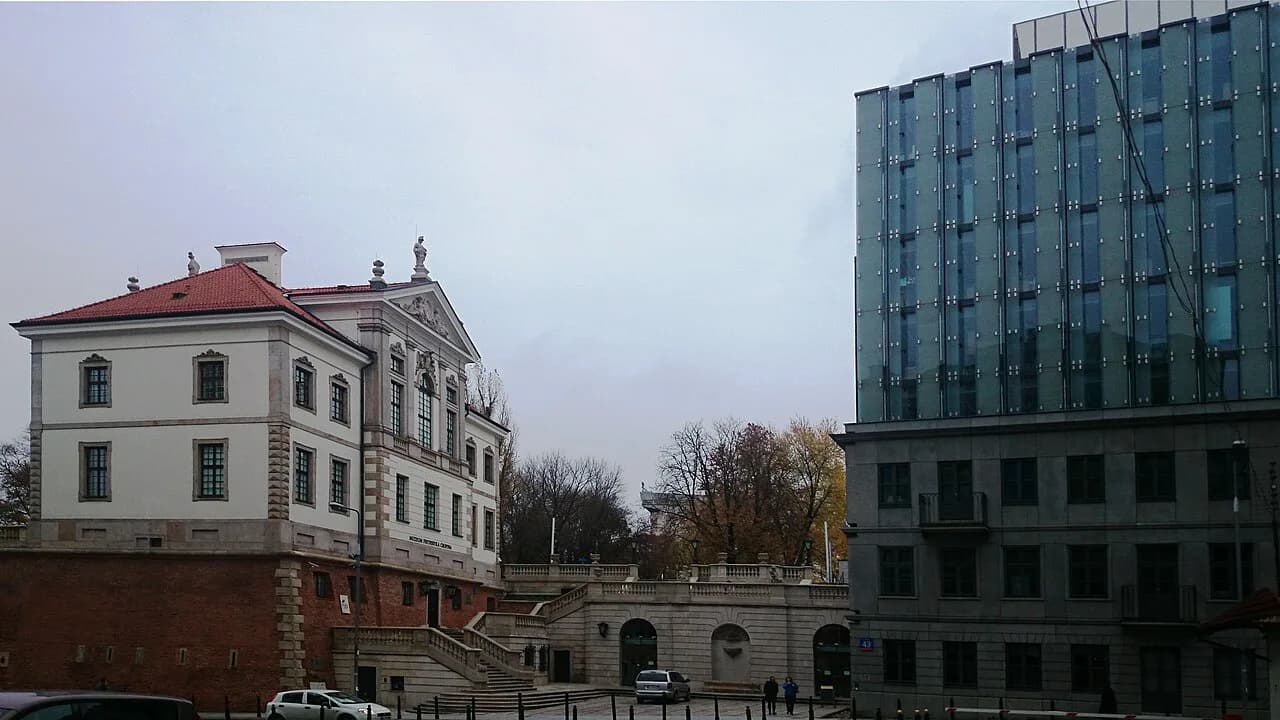
One practical warning: the Fryderyk Chopin Museum is closed for renovation during 2026, so do not build a day around it without checking. If a museum is shut on your chosen day, that is the moment to slot in a bazaar or the Old Town square instead.
Which Warsaw market is worth your morning?
For most short-break travellers, the Old Town Market Square earns its place and the bazaars do not: start there, walk the Royal Route and use Łazienki Królewskie as your afternoon. Add a morning at Bazar Staroci na Kole or Nowy Bazar Różyckiego only if you have a third or fourth day and enjoy rummaging.
Check each market's own information for its current trading days before you set out, since these vary by venue, and keep the rest of the day flexible so a closed gate does not derail the plan. For more, see things to do in Warsaw and Warsaw old town.
Explore more Warsaw guides
Frequently Asked Questions
What is Warsaw's main market?
The Old Town Market Square, Rynek Starego Miasta, is Warsaw's best-known market and the one most visitors see, but it is a historic square for wandering rather than a place to shop. The working markets where you actually buy things, such as the flea bazaars and food markets, sit away from the centre.
Are Warsaw's markets open on Sundays?
Sunday trading is restricted in Poland, so do not assume any Warsaw market is open on a Sunday. Trading days vary by venue, and market days are not published in one reliable place. Check the venue's own information before travelling across the city.
Sources
Notes for your next Polish city break
Optional updates to our Poland guides.
You might also like
Continue reading
More guides you'll find useful