Warsaw Food: What to Eat and Where to Try It
A practical guide to Warsaw food: the Polish dishes worth ordering, from pierogi and Żurek to bigos, plus how to build a meal and where to try each one.
On this page
Warsaw food is Polish home cooking at full strength: potatoes, cabbage, beetroot, mushrooms, sour cream and sausage in various forms, served in restaurants all over the city and especially densely in the old town. The dishes to order first are pierogi, Żurek, bigos, grilled white sausage and kopytka, with chocolate babka or apple pie to finish. This guide covers how those dishes fit together into a meal, how to read a Warsaw menu, and which city-centre venues serve them.
Expect heavier cooking than you may be used to. One Polish food write-up describes the cuisine as even richer than Slovenian cooking, and the meals back that up: thick soups, dumplings with crackling, stews served with bread. Plan a lighter breakfast or a long walk between sittings, and treat a big Polish lunch as the main event of the day rather than one stop among many.
The dishes to order first
Pierogi are the entry point. These are dumplings stuffed with different fillings and served with different sauces, and they can arrive as a starter, a main or a dessert, so a table order needs some planning. Mushroom and meat with crackling is the version usually described as the most traditional, but fillings vary from restaurant to restaurant and can include sauerkraut, onion, cheese, spinach, berries or chocolate.
Żurek is sour rye soup cooked with spareribs, roasted meat and dried mushrooms, served with grilled white sausage, a boiled egg, horseradish and rye bread. It is a full meal in a bowl, and some Warsaw restaurants serve the sour-cream, onion, sausage and egg version inside a bread bowl, which makes it even stodgier. Order it once and you have ticked off soup, sausage and bread in a single course.
Bigos is the hunter's stew: sauerkraut, dried mushrooms, red cabbage and several cuts of meat cooked together, usually served with bread and best suited to cold weather. Grilled white Polish sausage comes with fried onions and sauerkraut, plus mustard and horseradish on the side. If you want one plate that explains Polish cooking, bigos with rye bread does it.
Kopytka are the potato-pasta side: small potato dumplings close to Italian gnocchi, and one Warsaw food write-up describes them as the dish that disappeared fastest at its table. Treat them as an accompaniment rather than a main and pair them with a meat dish or a portion of sauerkraut, which the same account rates highly as a side order.
How a Warsaw menu works
Polish menus split more clearly than British ones into soup, dumpling, stew and sausage categories, and portions are built for sharing or for a two-course meal rather than a tasting-style spread. A sensible structure is one soup, one dumpling dish and one stew or sausage between two people, with rye bread on the side. Ordering four mains lands you with four heavy plates and no room for dessert.
Pierogi are the trap. Because they come as starter, main or dessert depending on filling and sauce, a table can end up with three plates of dumplings and nothing else. Decide up front whether pierogi are your main or your opener, then choose the other courses around that.
Rye bread turns up repeatedly: with bigos, alongside Żurek, and under grilled sausage with mustard and horseradish. It is worth ordering deliberately rather than treating as a free extra, since it is part of how the heavier dishes are meant to be eaten. Pea soup with smoked bacon is another thick option, sometimes served in a small pot over a candle with smoked pork sausage and rye bread.
Where to eat: city-centre Polish restaurants
Zapiecek is a Polish food chain with branches across Warsaw, and one traveller's account notes that there is a Zapiecek at almost every corner of the old town. That makes it a low-risk first meal if you have just arrived and want Polish cooking without hunting: the menu covers the staples and the ribs get a specific mention. The trade-off is that a chain gives you a standardised version rather than a neighbourhood one.
Bistro Warszawa sits next to the marketplace and serves the bread-bowl soup, with a piano in the room and a short menu that suits a lunch stop rather than a long dinner. For pierogi specifically, a small open-kitchen place with only a few tables is worth seeking out, and sharing a plate of several fillings is the sensible way to order there.
If you want a sit-down Polish meal in the centre rather than a chain, Warsaw's restaurant listings currently show Stary Dom, Gospoda Kwiaty Polskie and the Browar Warszawski restaurant and grill among the city's Polish and European restaurants. Use those listings to check current opening days before you walk across town, since restaurant hours change more often than museum hours.
Sweet things and what to drink
Chocolate babka is the dessert for chocolate lovers: a chocolate pound cake with cherries, covered in warm thick chocolate. Polish apple pie is the other classic, with thin layered dough, apples and cinnamon, and often a serving of vanilla sauce. Either makes a better finish than a second dumpling course, and one slice between two is usually enough after Żurek and bigos.
Two drinks stand out for cold-weather eating. Mulled beer is made like mulled wine, with cloves, cinnamon, lemon and orange, and comes in ginger or raspberry versions, the ginger one bitter and the raspberry sweeter. Dried fruit compote is served warm, tastes sweet and arrives looking something like tea, which is a reasonable description of how it functions with a heavy Polish meal.
Vegetarian Warsaw food
The core of this cuisine is meat-heavy: sausage in the soups, spareribs in the Żurek, several meats in the bigos. Vegetarian readers should build a meal from the dumpling and vegetable side of the menu instead: at least one Warsaw food account reports pierogi filled with feta and spinach, and sweet fillings such as fruit or cottage cheese, alongside kopytka and sauerkraut as meat-free sides.
For something further from the Polish staples, Mango is a Warsaw restaurant known for vegan cooking, and one visitor's order there was a kimchi falafel wrap with Polish lemonade. It is a useful fallback when the group wants a break from dumplings, and it shows that meat-free eating in Warsaw is not limited to side dishes.
Fitting Warsaw food into a short break
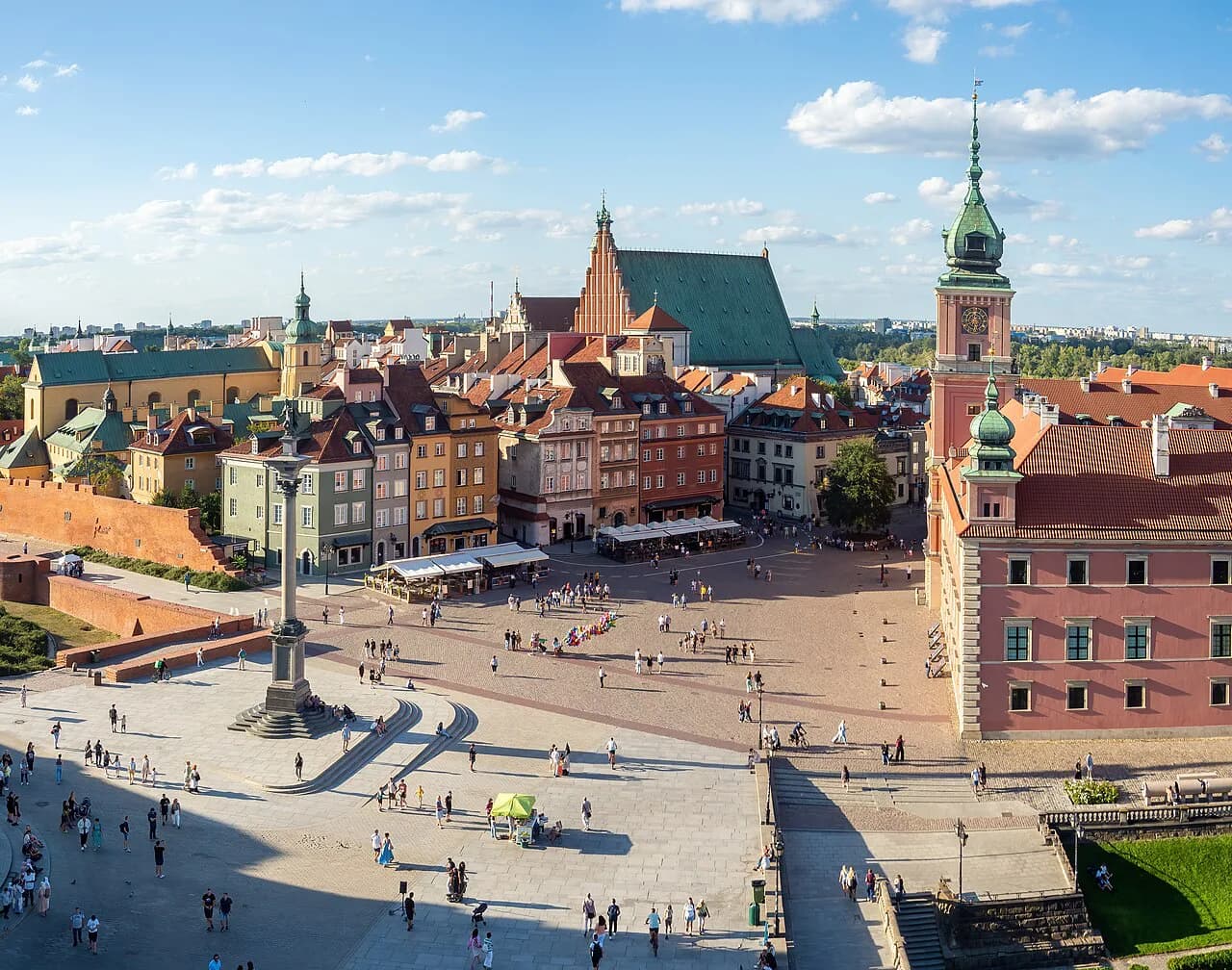
On a one-day visit, eat one proper Polish lunch rather than three restaurant meals, and leave the rest of the day for the things to do in Warsaw around Castle Square and the Old Town. A soup-and-dumpling lunch takes an hour or so; a three-course dinner takes most of an evening. Choose which one matters and plan the day's walking around it.
With two or three days, use one meal to try the classics and another to eat somewhere specific: pierogi at a small open-kitchen place, bread-bowl soup near the marketplace, or a vegan lunch at Mango. Wear the walking off between meals with a Warsaw walking tour or a wander through the Old Town.
For self-catering and picnic supplies, a Warsaw market is the place to buy bread, sausage, sauerkraut and fruit rather than a supermarket. That also gives you a cheap lunch on a day when the restaurant budget has gone on dinner.
Which Warsaw meal should you book first?
Start with one sit-down Polish meal: Żurek and pierogi if you want the two most distinctive dishes, or bigos and sausage if you want the heaviest, most traditional plate. Keep Zapiecek or Bistro Warszawa in reserve for a quick city-centre lunch, and use a small open-kitchen pierogi place when you want to compare fillings.
Save the sweet course for babka or apple pie, drink mulled beer if the weather is cold, and give vegetarian eaters a dumpling-based order or a vegan stop rather than a plate of sides. That covers Warsaw food in two or three meals without turning the trip into a series of heavy lunches.
Explore more Warsaw guides
Frequently Asked Questions
Which Polish dishes should I try first in Warsaw?
Start with pierogi, Żurek and bigos. Pierogi are dumplings that can come as a starter, main or dessert; Żurek is a sour rye soup served with white sausage, egg and rye bread; bigos is a sauerkraut, cabbage and meat stew served with bread. Grilled white sausage, kopytka and chocolate babka or apple pie are the other dishes visitors most often mention.
Can vegetarians eat well on Warsaw food?
The classic dishes are meat-heavy, with sausage in the soups and several meats in the bigos, so build a meal from the dumpling and vegetable side of the menu. Pierogi fillings can include cheese, spinach, sauerkraut, mushrooms or fruit, and kopytka and sauerkraut make meat-free sides. Warsaw also has dedicated vegan restaurants such as Mango.
Sources
Notes for your next Polish city break
Optional updates to our Poland guides.
You might also like

Continue reading
More guides you'll find useful