Warsaw Old Town: What to See and How to Walk It
Plan a walk through Warsaw's Old Town: Castle Square, the Royal Castle, St John's Cathedral, the Market Square and the Barbican, and what was rebuilt after 1944.
On this page
Warsaw's Old Town is best done on foot as a one-way walk: start at Castle Square, work north through the Market Square and finish at the Barbican and the city walls, and allow roughly half a day. The area is the Historic Centre of Warsaw, known in Polish as Stare Miasto or Starówka, and it is a UNESCO World Heritage Site. This guide sets out the layout, the named sights along the route, how long to allow and the trade-offs that decide whether you go inside the Royal Castle or simply walk past it.
What Warsaw's Old Town is called and where it sits
Stare Miasto, or Starówka in everyday speech, is the historic core of the Polish capital and appears on the UNESCO World Heritage list as the Historic Centre of Warsaw. It sits immediately north-west of the Vistula, with Castle Square opening onto Krakowskie Przedmieście, the long street that runs south towards the rest of the city centre. That position matters for planning: the Old Town is not a detached museum quarter but the top end of a continuous walk down towards the river and the modern centre.
Almost everything you see dates from after the Second World War. In 1944 the German Nazi occupiers destroyed roughly 85 per cent of the Old Town area, and the meticulous post-war restoration of buildings, walls, churches, palaces, squares and markets has become a standard example of heritage recovery. Knowing this changes how you look at the place: the cobbles and facades are a deliberate act of reconstruction rather than an accident of survival.
How the Old Town is laid out
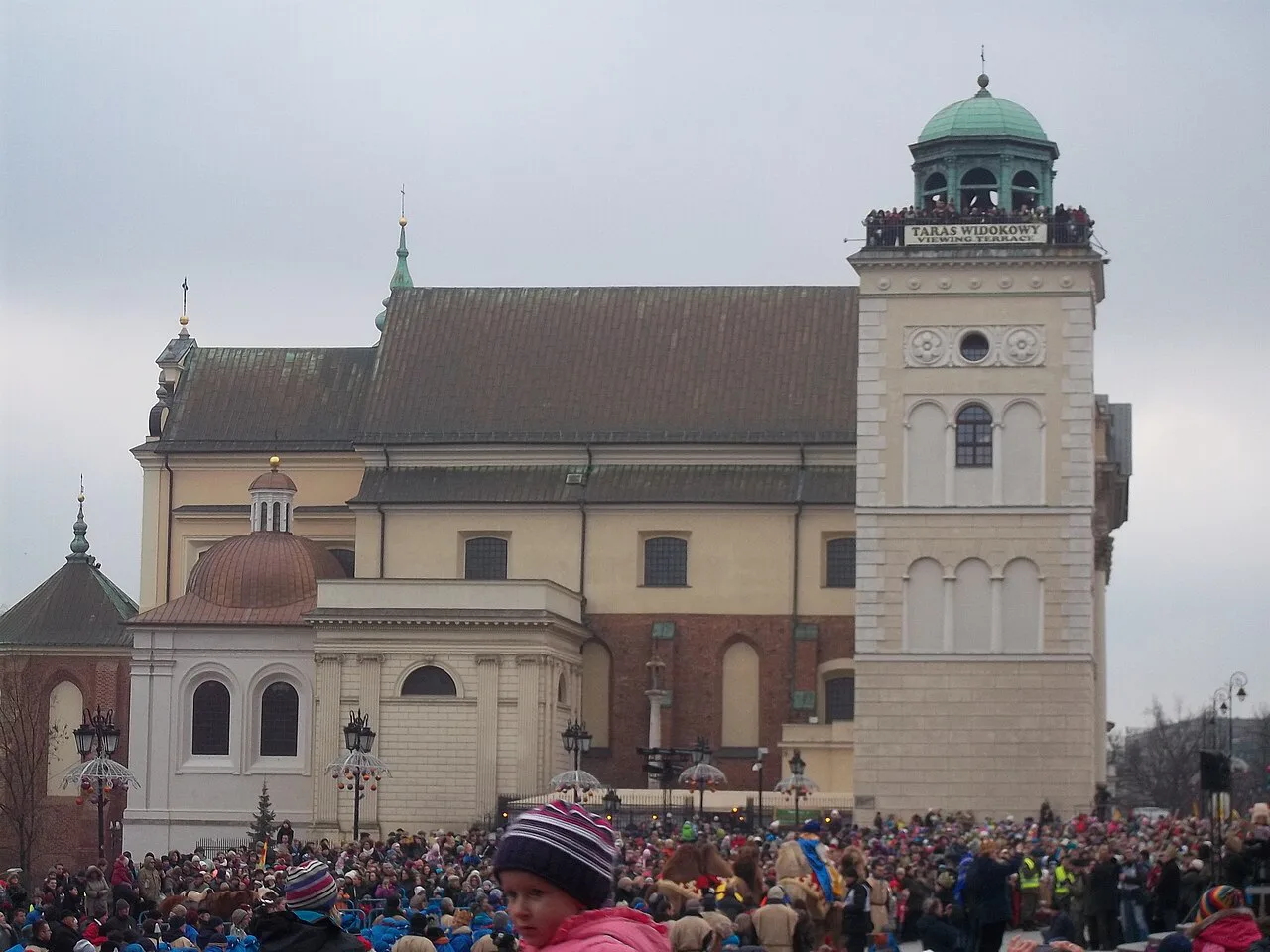
Think of the Old Town as a line rather than a circle. Castle Square is the main gateway, the Market Square sits at the centre of the street grid, and the Barbican and surviving city walls mark the northern edge. Walking it in that order means you rarely double back, and you end near the quieter northern lanes instead of pushing back through the busiest square.
The whole circuit is short enough to cover on foot in a couple of hours without stops, which makes the Old Town easy to bolt onto a wider day of things to do in Warsaw. The catch is surface: much of it is cobbled, so comfortable shoes matter more than distance. If you only have an afternoon, prioritise Castle Square, the Market Square and the Barbican rather than trying to see every church.
Castle Square and Sigismund's Column
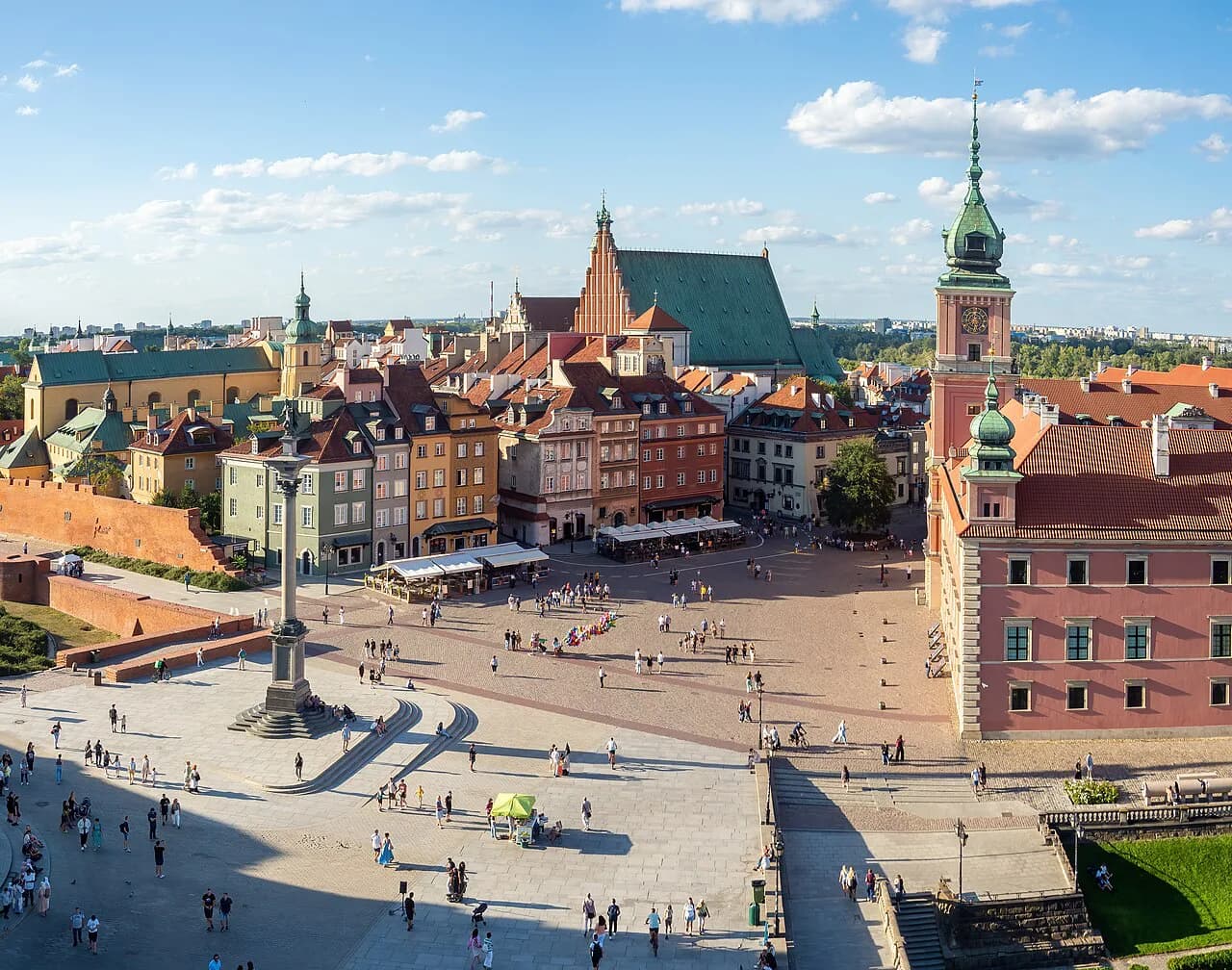
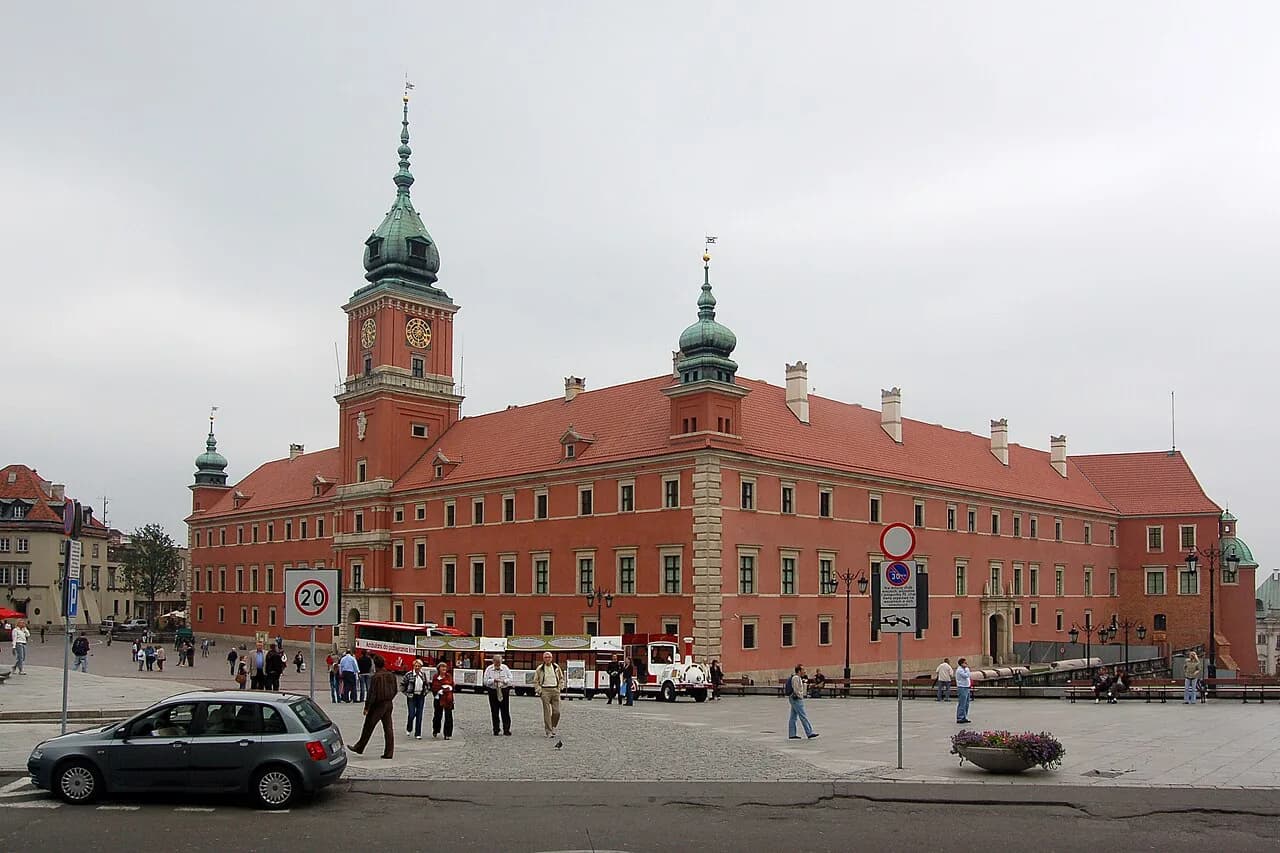
Castle Square is a broad, roughly triangular esplanade between the Royal Castle and the entrance to the Old Town streets, and it is the natural place to begin. Sigismund's Column stands here, a tall granite Corinthian column, itself rebuilt after the war, commemorating King Sigismund III Vasa, who moved Poland's capital from Kraków to Warsaw at the end of the sixteenth century. The square is also where Krakowskie Przedmieście begins, flanked by palaces and churches, so it works as a hinge between the Old Town and the newer city.
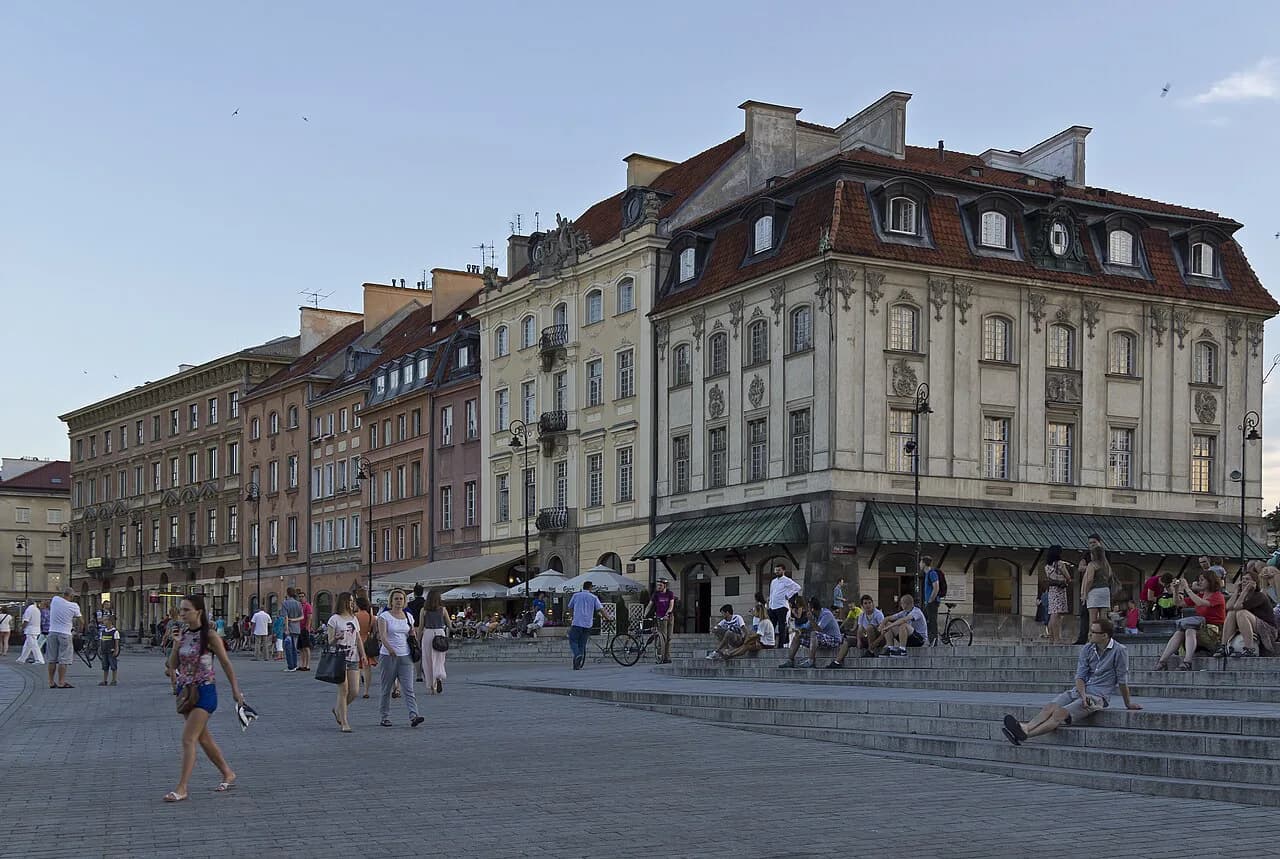
Around the square you will find shops, bars, a restaurant and a tourist information point in the historic buildings on the side opposite the castle. In practice this is the busiest point of the whole walk through the middle of the day, so if you want photographs of the column and the castle facade without a crowd in front of them, come early or return in the evening.
The Royal Castle: inside or walk past?
The Royal Castle, Zamek Królewski, was the official residence of Polish kings until 1795 and marks the southern end of the Old Town between Castle Square and the Vistula. Its origins go back to the fourteenth century, though the appearance you see reflects sixteenth- and seventeenth-century changes, above all under Sigismund III. It was destroyed along with the rest of the Old Town and rebuilt, and it now works as a museum while also hosting concerts, temporary exhibitions and other cultural events.
Going inside is the main either-or of an Old Town visit. The interiors and temporary exhibitions can absorb a large part of a day, so treat the castle as a separate booking decision from the street walk. Ticket prices, opening days and any free-entry day are published by the castle itself, and that is the place to confirm them before you build a day around it.
Behind the castle, facing the river, the Upper and Lower Castle Gardens, the Kubicki Arcades and the eighteenth-century Copper-Roof Palace are worth the few minutes it takes to walk round. This side is often calmer than the square in front, and it gives you a first glimpse of the Vistula before you head back into the streets.
Świętojańska Street and St John's Cathedral
From the castle, Świętojańska Street leads a few hundred metres into the heart of the Old Town to St John's Cathedral, properly the Archcathedral Basilica of the Martyrdom of Saint John the Baptist. It is one of the oldest churches in Warsaw and the only one of the city's three cathedrals with archcathedral rank, meaning it is the seat of the metropolitan archbishop. The original building dates from the fourteenth century and was rebuilt after the war in Mazovian Gothic style.
This is a working cathedral rather than a museum piece, so treat it as a short, quiet stop on the route between the castle and the Market Square. As with any active place of worship, visitor access can be affected by services, so check the cathedral's own published hours before you rely on going inside.
The Market Square and the surrounding streets
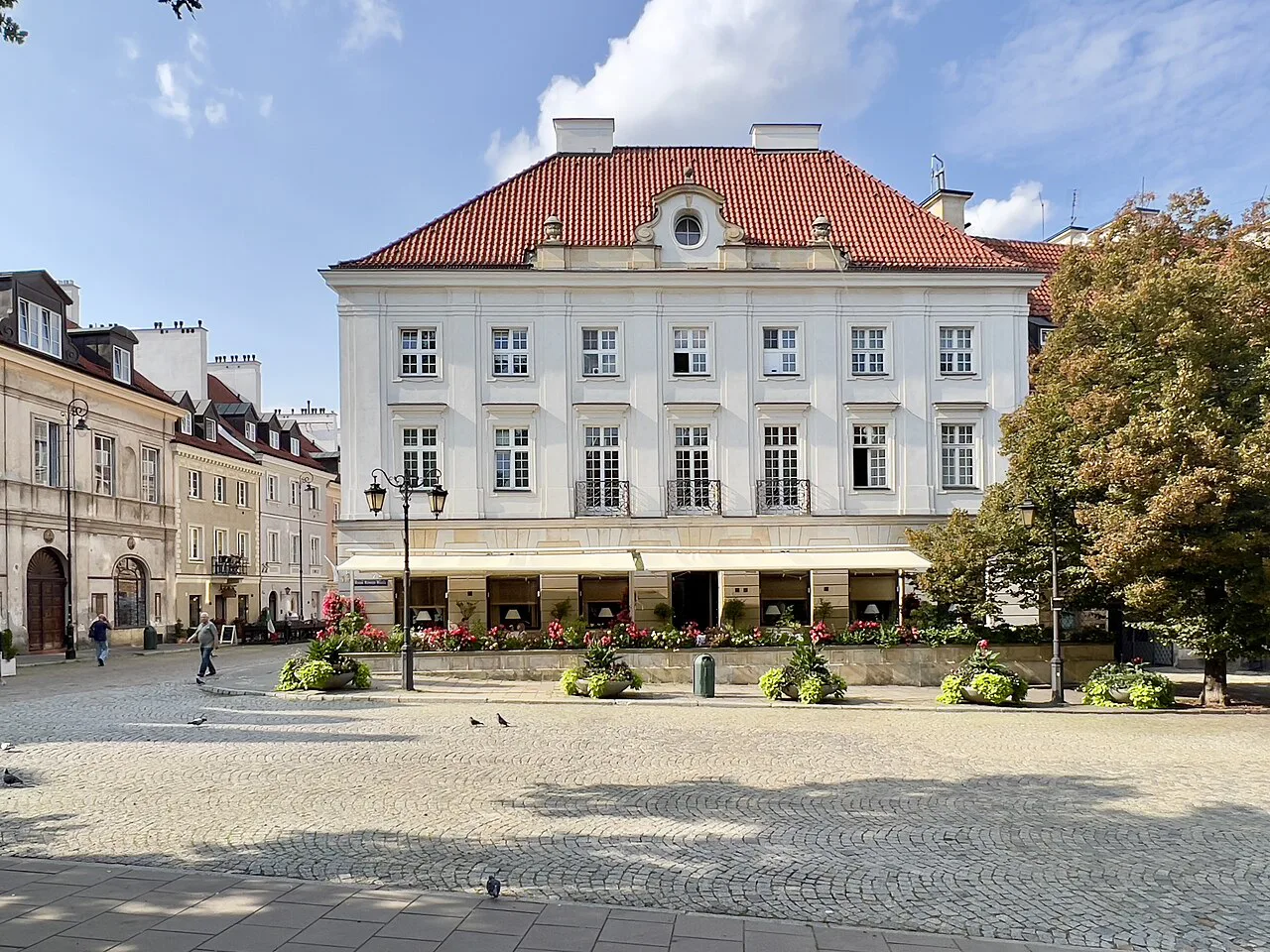
The Market Square is the core of the Old Town, ringed by rebuilt townhouses whose facades reproduce the Gothic, Renaissance and Baroque layers of the original streets. Because the reconstruction was carried out street by street, the square reads as a coherent whole even though almost all of it is post-war work. It is the obvious place to pause for coffee, and the surrounding lanes hold the densest cluster of shops and eateries in the district.
Allow more time here than the map suggests. The square and the lanes running off it are where the Old Town's crowds concentrate, particularly in the middle of the day and at weekends, and it is also the part most worth wandering without a fixed plan. If you want a quiet version, the streets just beyond the square towards the walls thin out quickly.
The Barbican, the city walls and the Kanonia bell
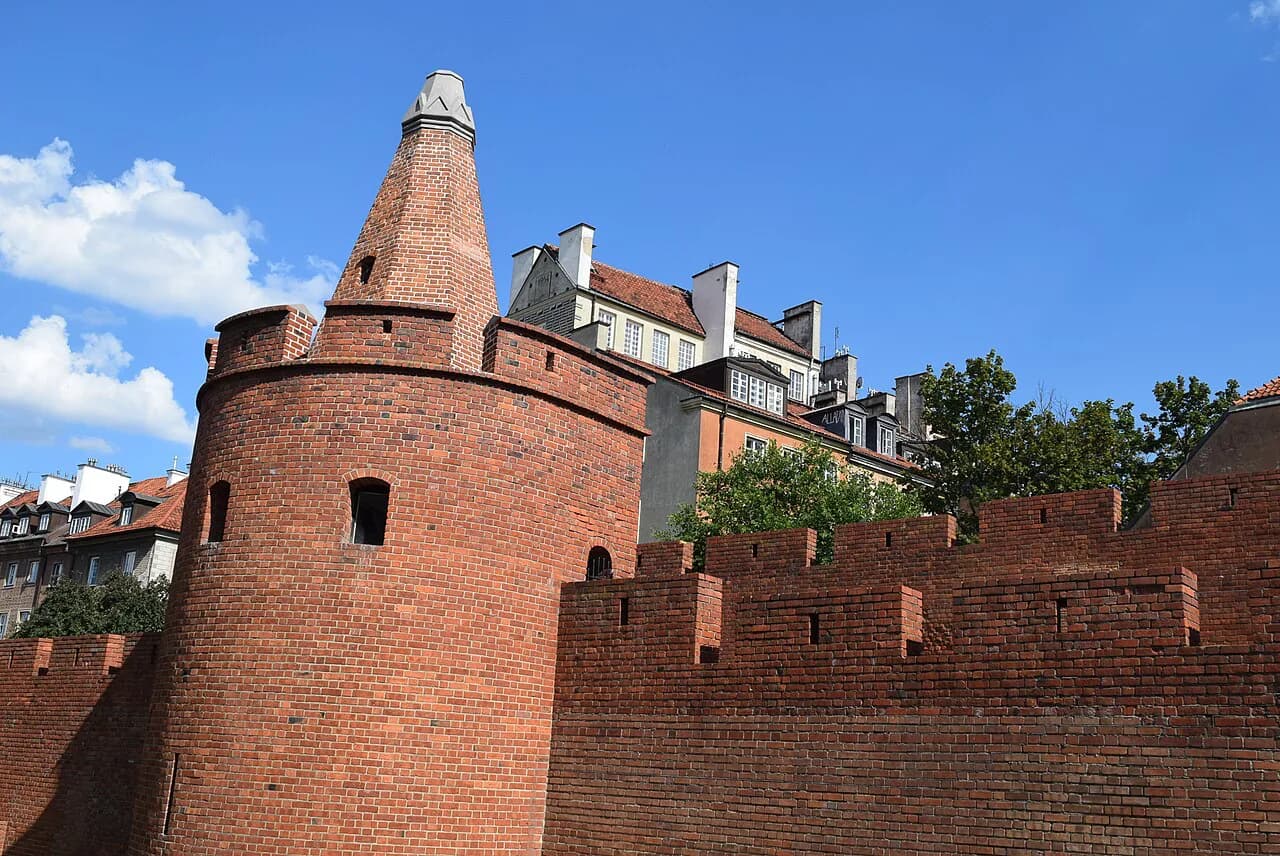
At the northern end of the walk, the Barbican gatehouse and stretches of the old city walls survive as the boundary of the historic quarter. Just inside this area is the Kanonia bell, one of the smaller details most summaries skip and a good marker that you have reached the far end of the route. From here you can loop back through the side streets rather than retracing your steps through the Market Square.
This northern edge is the quietest part of the Old Town and the easiest place to see the brickwork and fortifications without a crowd. It also makes a sensible finish: once you have walked Castle Square to the Barbican, you have covered the historic centre end to end and can decide whether to spend the rest of the day on the Royal Route south towards the palaces and parks.
The Little Insurrectionist and the Old Town's monuments
Beyond the headline sights, the Old Town carries a scatter of monuments, among them the Little Insurrectionist, a small statue of a child in a helmet. It is easy to walk past, so look out for it among the memorials of the quarter. Treat it, and the plaques around it, as a memorial rather than a photo prop.
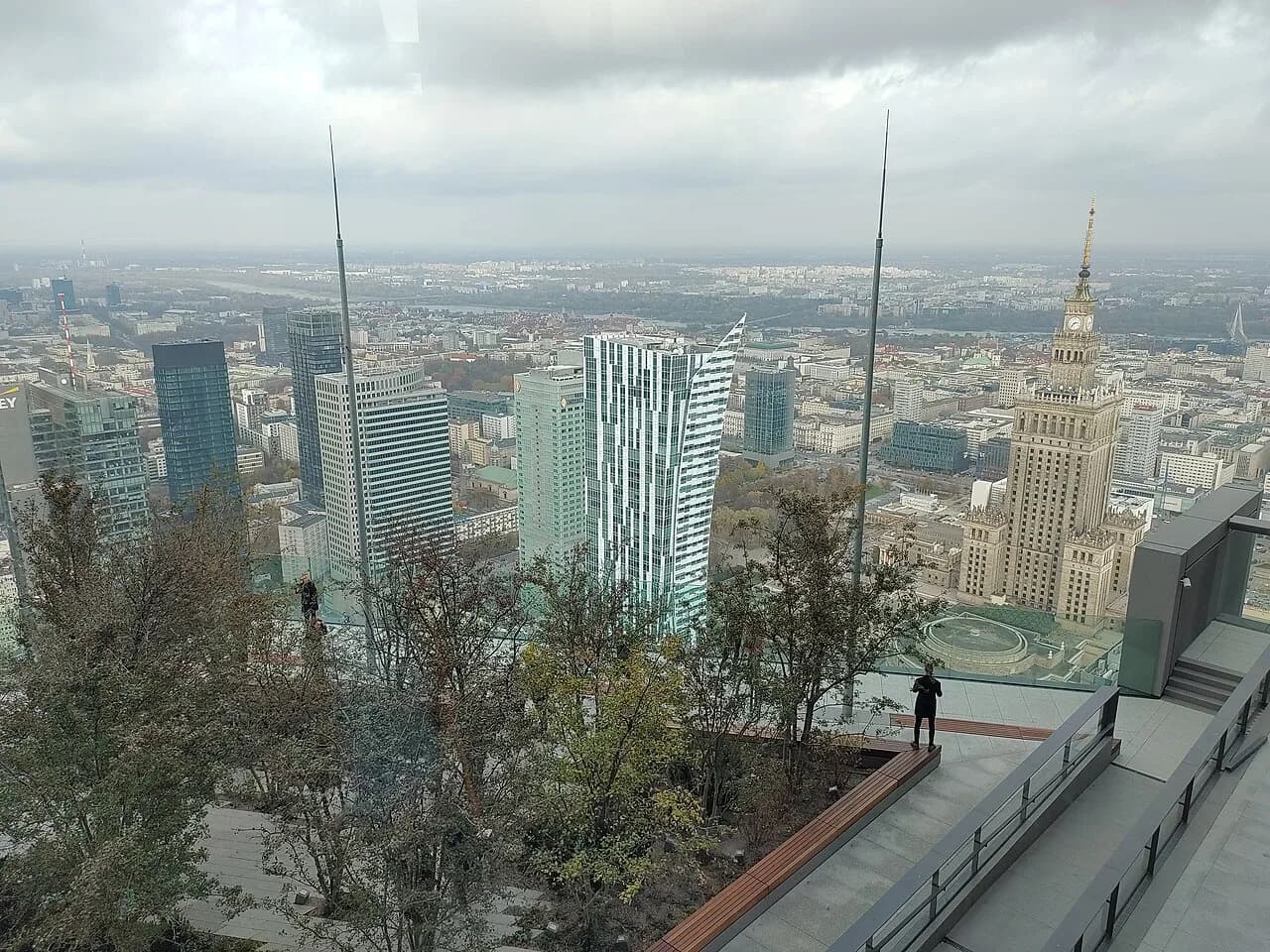
Gnojna Góra is a lookout point where the Old Town drops towards the river side, giving an open view out over the Vistula and the opposite bank. It is a short detour from the main route. For a wider survey of city viewpoints, compare it with the best views in Warsaw before deciding how much of the day to give to overlooks.
What was destroyed in 1944 and how it was rebuilt
The Old Town was damaged by bombing during the German invasion of Poland in 1939, but the decisive blow came in August 1944, when the Polish resistance rose against the Nazi occupiers in the Warsaw Uprising. In retaliation, German forces went through the district systematically, looting, burning buildings with flamethrowers and blowing up monuments over months. Across Warsaw as a whole, losses have been estimated at about 10,000 buildings, 25 churches, 14 libraries, 150 schools and two universities.
The post-war answer was to rebuild the Old Town as it had been, using old photographs, paintings, historical records and residents' memories to place buildings and reproduce their artistic detail and colour. A collection of eighteenth-century paintings of the streets and squares by Bernardo Bellotto, court painter to the King of Poland, was among the most useful references. The first stage of the work took about five years, and the effort drew on ordinary citizens as well as architects and engineers.
How long to allow: half a day or a full day
A half-day is enough for the street route: Castle Square, Świętojańska Street and the cathedral, the Market Square and out to the Barbican, with time for coffee and a look at the monuments. A full day makes sense if you add the Royal Castle interiors, the castle gardens and a slower pass through the side streets.
The realistic trade-off is between the free walk and the ticketed interiors. The streets alone can fill two to three hours at an easy pace; the castle and its exhibitions push that towards a full day, and pairing the Old Town with a longer Warsaw walking tour in the same visit rarely works well. Build in a pause at the Market Square rather than trying to see everything in one continuous push.
Crowds, quiet corners and where the Old Town sits in the city
The Old Town is busiest around Castle Square and the Market Square from mid-morning until late afternoon, when coach groups and day visitors overlap. The northern lanes near the walls, the castle gardens behind the Royal Castle and the river-side lookout tend to be calmer than the two main squares. Starting early gives you the square and the column closer to empty, and returning after the day groups leave is the other reliable option.
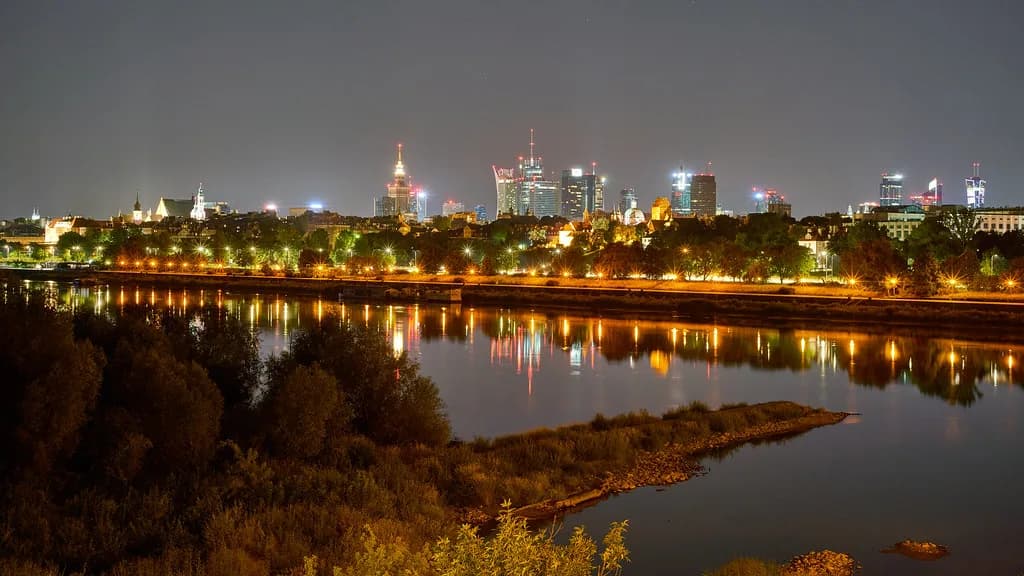
Because Castle Square opens onto Krakowskie Przedmieście, the Old Town connects directly to the wider centre: the Royal Route runs south from here past palaces and churches, and the river is a short walk east from the castle. That makes a natural full day of the Old Town in the morning and the route or the riverbank in the afternoon. If you would rather see the city from the water, a Warsaw river cruise is a straightforward way to finish.
Eating and shopping around the squares
Both Castle Square and the Market Square are ringed with restaurants, cafes and small shops, which makes them convenient rather than necessarily the best value in the city. The Old Town's lanes are good for browsing, but if you want a wider choice of Warsaw food, including the city's milk bars and bakeries, look beyond the immediate tourist ring.
For anything more deliberate than souvenirs, the city's larger shopping centres and streets sit outside the historic quarter and are worth a separate trip. The Old Town is best treated as a place to wander and snack between sights rather than a shopping destination, so keep the two activities apart.
Walk it early, then decide on the castle
The Old Town repays a simple plan: arrive at Castle Square early, follow the streets north through the Market Square to the Barbican, then come back for the castle or the gardens once you have seen how much time the walk actually took. The reconstruction story is what makes the place worth more than a photo stop, so leave room for the memorials and the lookout rather than racing the route.
If you have only one day in Warsaw, do the Old Town on foot in the morning and spend the afternoon on the Royal Route or by the river. If you have longer, split the castle interiors from the street walk so neither is rushed.
Explore more Warsaw guides
Frequently Asked Questions
What is the old town of Warsaw called?
It is called Stare Miasto in Polish, and Varsovians usually say Starówka. On the UNESCO World Heritage list it appears as the Historic Centre of Warsaw.
Is Warsaw's Old Town walkable?
Yes. Castle Square, the Market Square and the Barbican sit within a short, continuous walk of each other, and the whole street route takes roughly two to three hours at an easy pace. Surfaces are largely cobbled, so wear shoes that handle them.
Was Warsaw's Old Town rebuilt?
Almost entirely. The German Nazi occupiers destroyed about 85 per cent of the Old Town area in 1944, and the post-war reconstruction used old photographs, paintings and records, including works by Bernardo Bellotto, to reproduce the streets. The first stage took about five years.
Sources
Notes for your next Polish city break
Optional updates to our Poland guides.
You might also like
Continue reading
More guides you'll find useful