Warsaw on a Budget: Free Sights and What Things Cost
Plan a cheap Warsaw city break: free Old Town and Łazienki sights, what museums cost in złoty, and how to build a low-cost day in the capital.
On this page
Warsaw is a cheap city break if you let the free sights carry the trip: the Old Town, the Royal Route, Łazienki park and the Vistula riverside all cost nothing to walk. The money goes on viewpoints, one museum and food, so choose those deliberately. This guide separates the free anchors from the paid extras and shows how to build a low-cost day around them.
The layout helps. Central Warsaw compresses most of the headline sights into a walkable spine running from the Old Town south along Krakowskie Przedmieście and Nowy Świat towards Łazienki and Wilanów, with the river a short step east. Plan on foot and you cut both fares and time spent underground.
What a budget day in Warsaw actually costs
Split the day into free and paid. The Old Town, the Royal Route, the Vistula Boulevards, the Magdalena Abakanowicz Footbridge and the park at Łazienki Królewskie are all free to enter and walk, so a full day of sightseeing can cost nothing beyond food. Paid extras are the interiors, the observation decks and the big museums, and you add those one at a time rather than in a bundle.
Ticket prices for the big museums are set by each venue rather than fixed city-wide, so budget flexibly. The Museum of Warsaw, on the Market Square, was listed by a local guide at 20 PLN full and 15 PLN reduced; treat that as an indicative guide rather than a fixed budget line and confirm the current price when you book. Everything else below is either free or priced by the venue, so check before you commit.
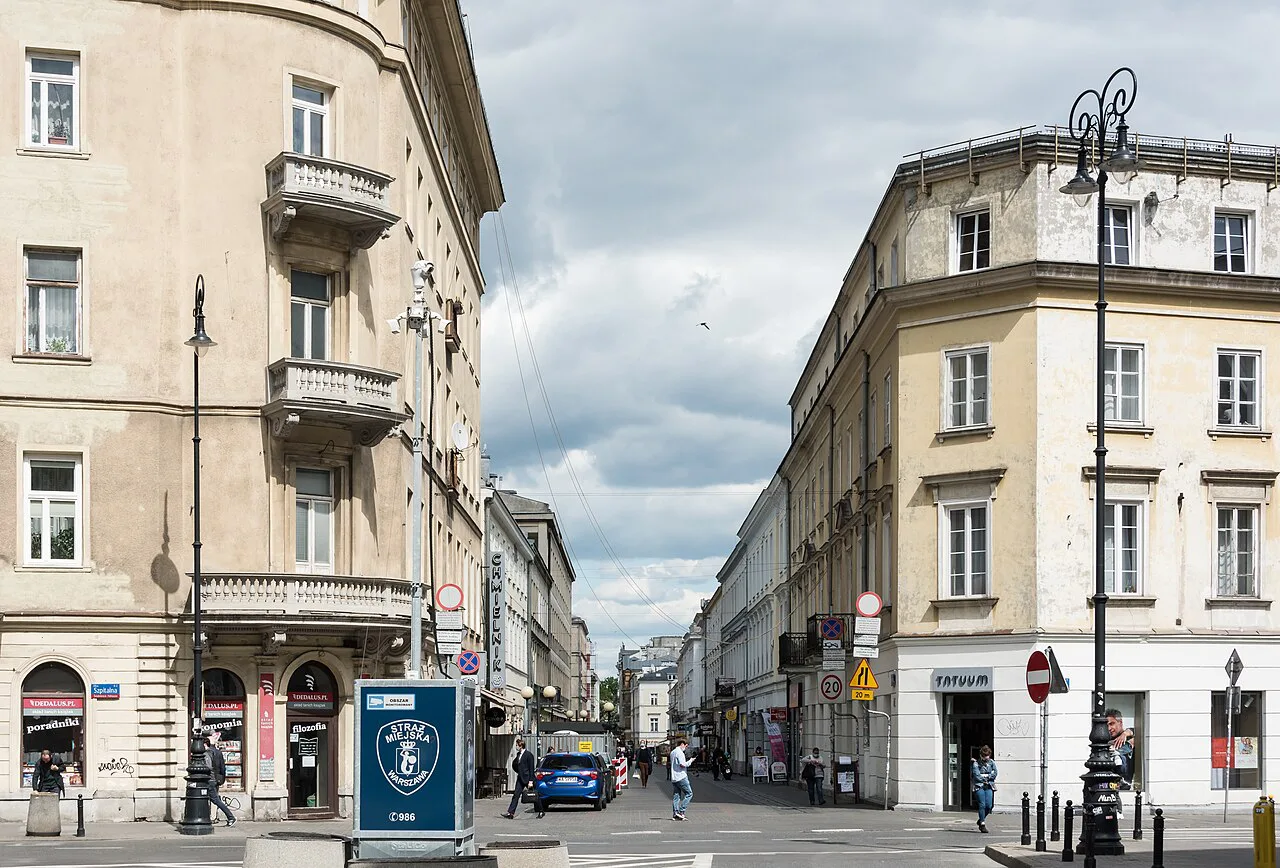
Free things to see in the Old Town
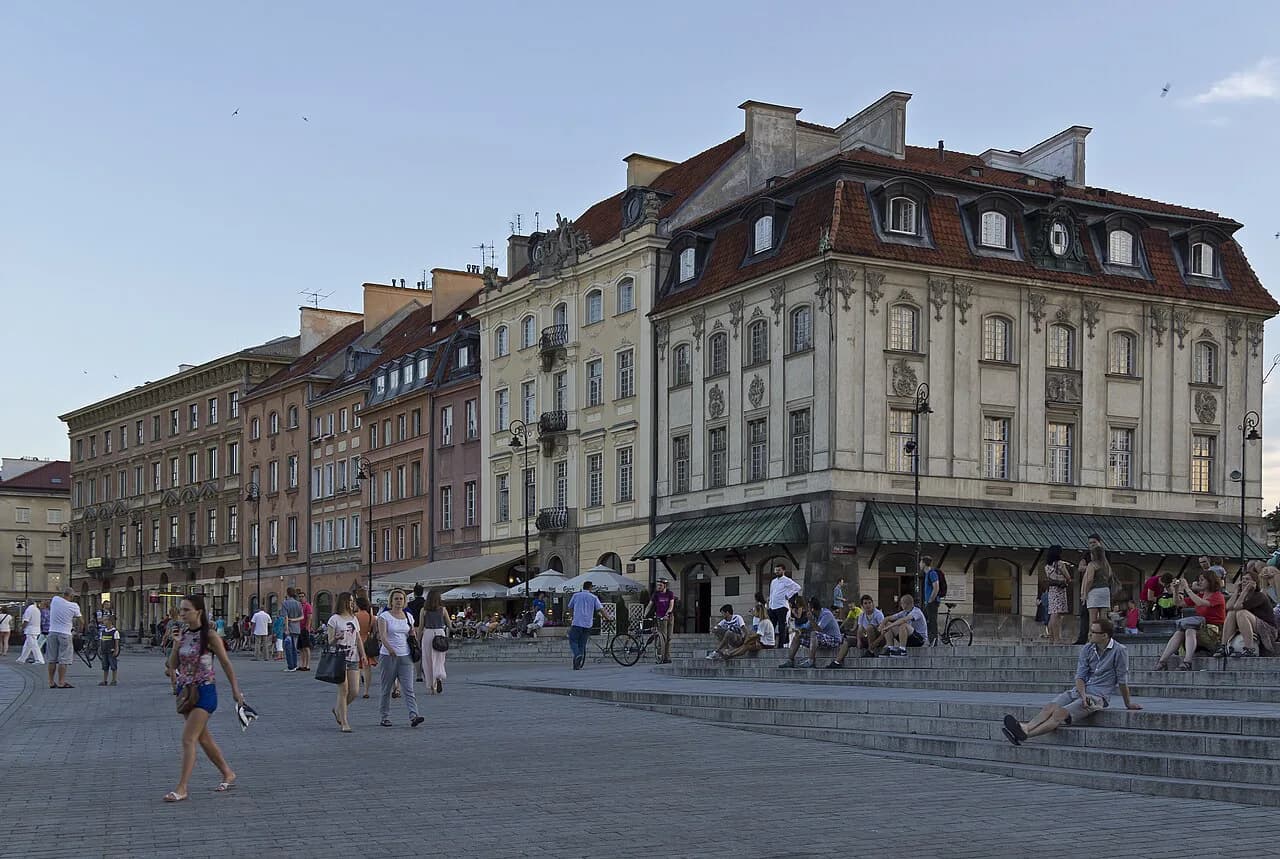
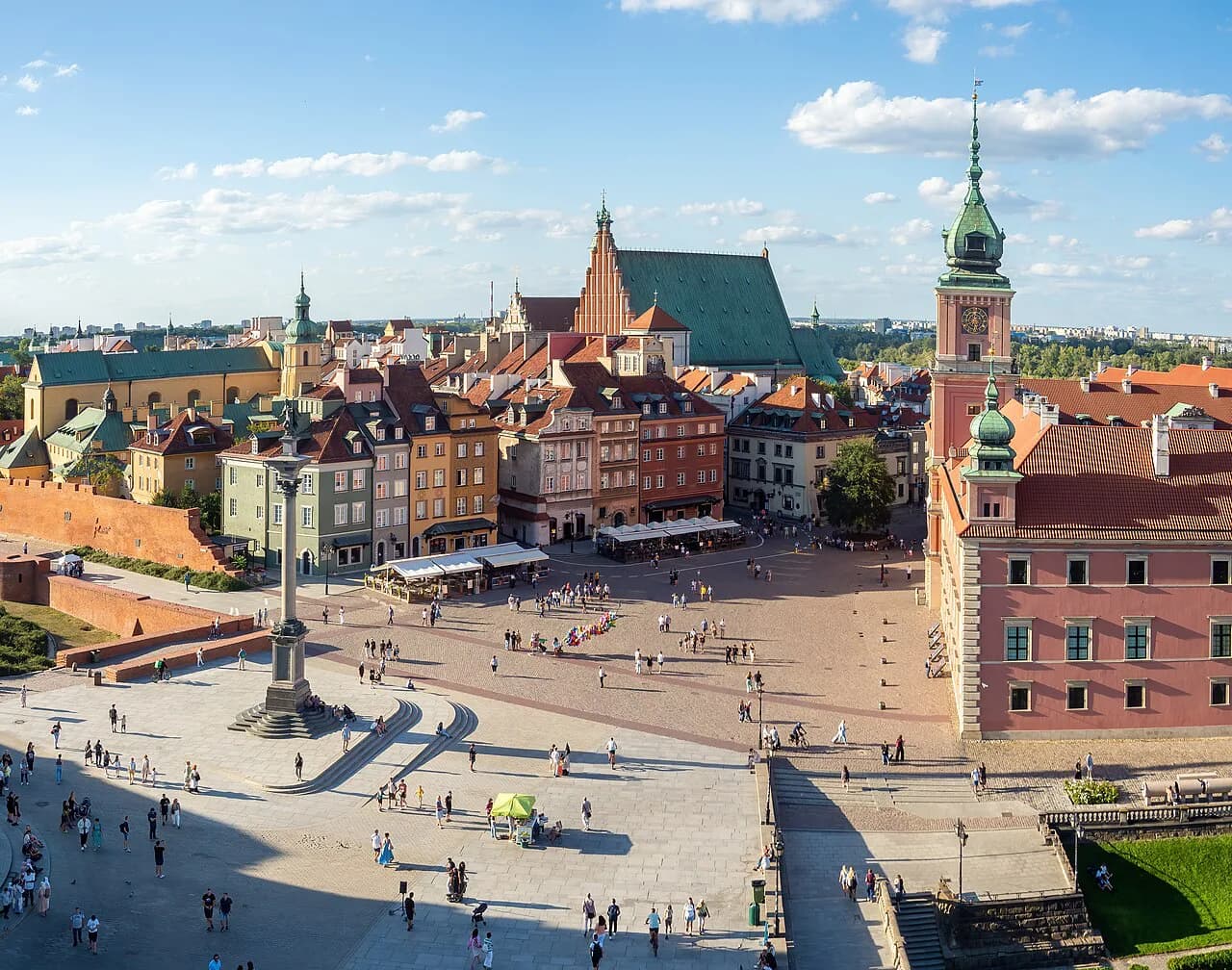
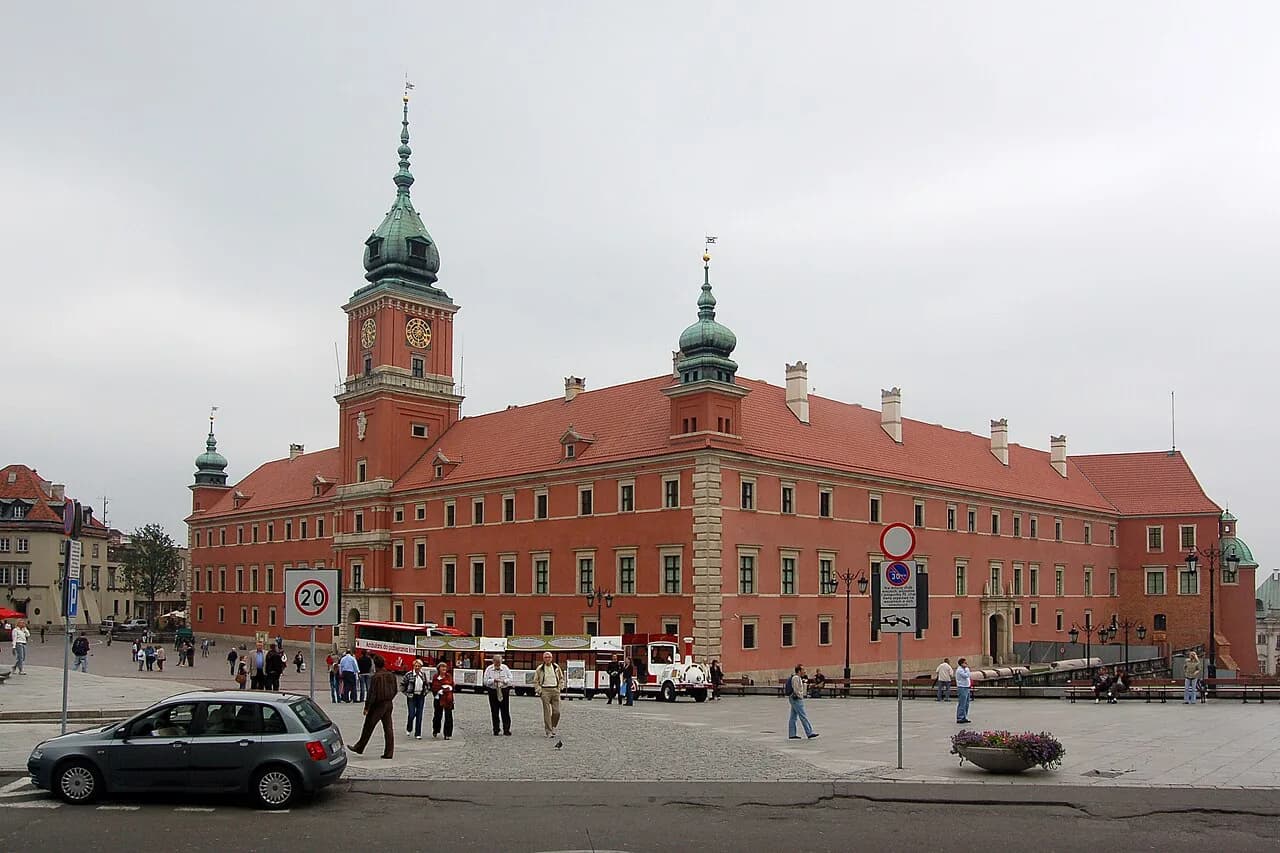
Start at the Market Square, where colourful townhouses, the city walls, the Barbican and the Royal Castle exterior form the historic heart of the capital. The square, the walls and the Barbican are public space, so you can walk the whole circuit without a ticket. The Old Town was largely destroyed during World War II and rebuilt from historical plans, photographs and surviving documents, a reconstruction careful enough to earn UNESCO World Heritage status.
Look at the Royal Castle from outside rather than buying in, unless a specific exhibition pulls you. The castle was the official residence of Polish kings from the 16th century, and its collections include paintings by Rembrandt, Canaletto and Matejko, which is the argument for going inside at least once in a longer stay. On a tight budget, the facades, the column and the square do the work for nothing.
The Royal Route on foot for nothing
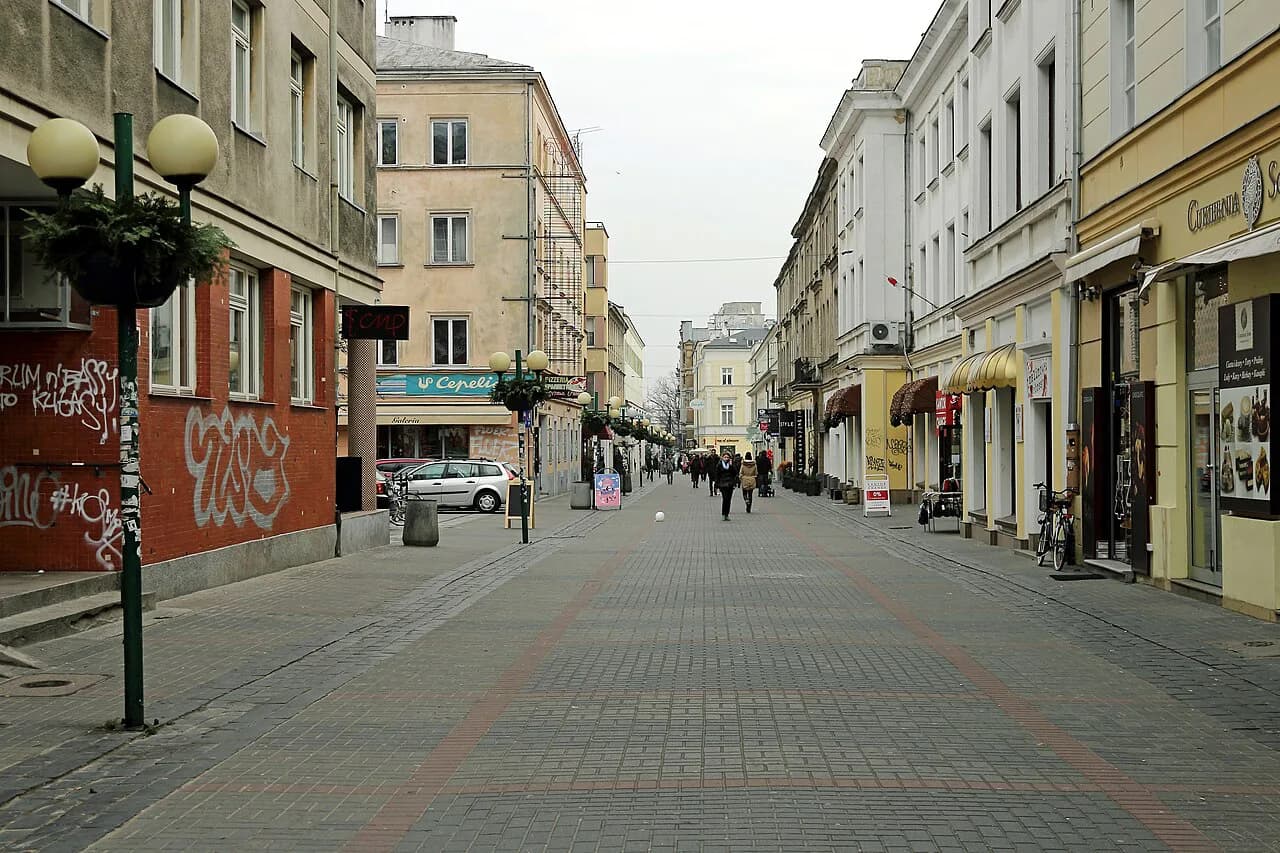
The Royal Route is Warsaw's free main axis. It runs past the Presidential Palace, the University of Warsaw and a line of churches and palaces along Krakowskie Przedmieście and Nowy Świat, and ends to the south at Wilanów. Walking it costs nothing and gives you the city's best free orientation, so do it early in the trip.
The Sigismund Column is the natural pause on this walk and a favourite meeting point. From there, continue south rather than doubling back; the streets stay interesting and you end up closer to the parks. If you only have a short stay, this single walk covers more ground than any paid tour.
Łazienki Królewskie: free park, free Chopin
Łazienki Królewskie is the best value in Warsaw because the park itself is free. Gardens, ponds, sculptures and the Palace on the Isle sit within it, and wandering the paths costs nothing. The Palace on the Water, the former summer residence of King Stanisław August, charges for its interiors, so treat the building as an optional add-on.
Time your visit for a Sunday in summer and you get free open-air piano concerts beside the Fryderyk Chopin monument. The tradition dates back to 1959 and is one of the city's best-known summer experiences, so it fills up; arrive early and treat it as the day's main event rather than a passing stop.
Two viewpoints, two prices
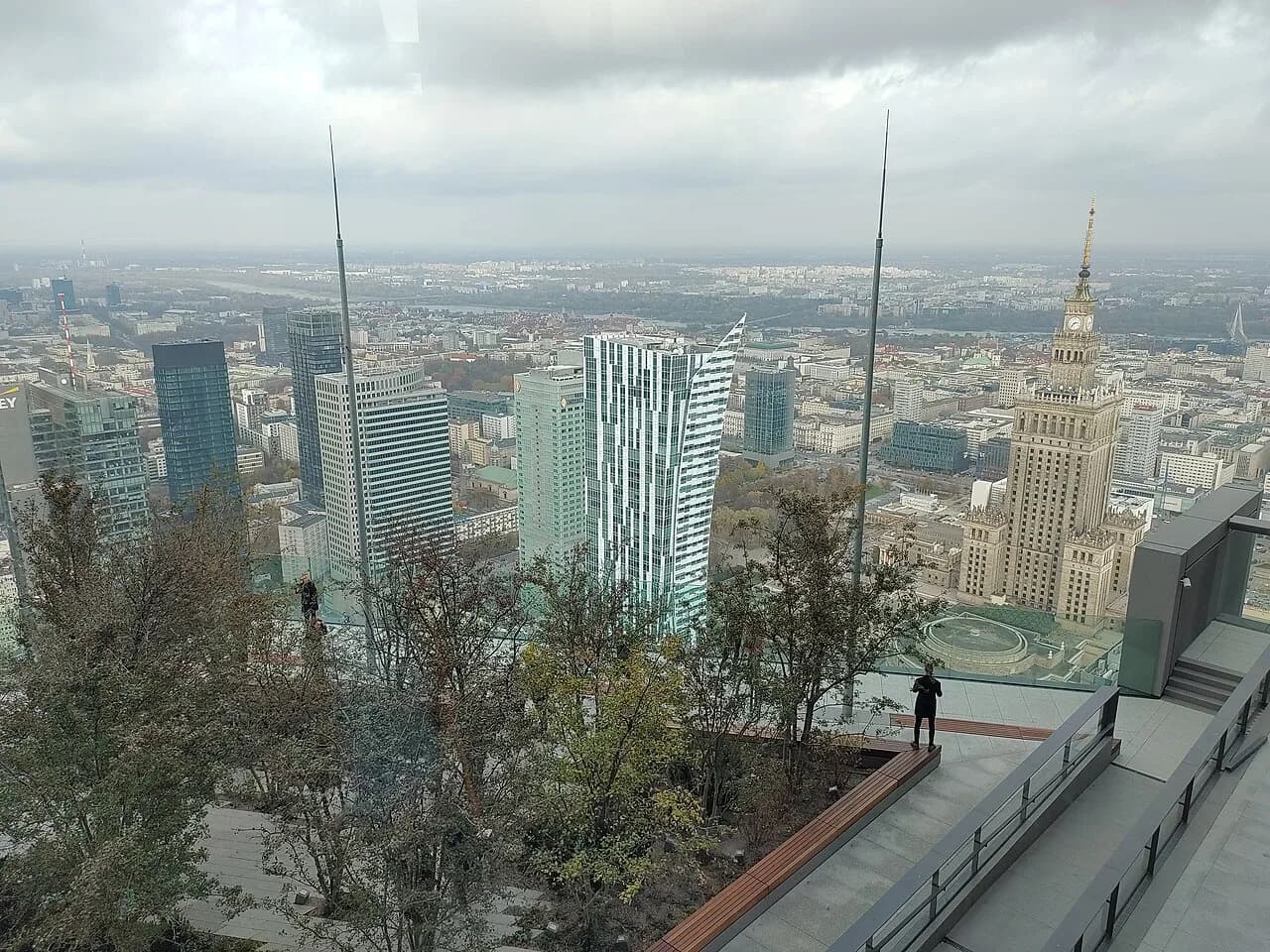
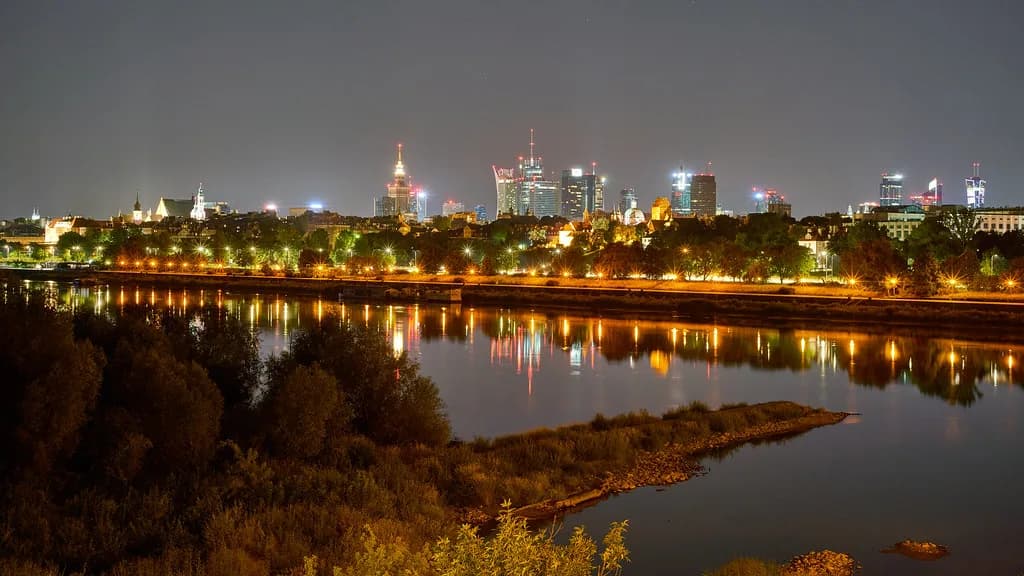
Warsaw's two paid viewpoints are not interchangeable. The Palace of Culture and Science has an observation deck on the 30th floor, with a panorama that takes in the new skyscrapers and both banks of the Vistula. The building itself, over 230 metres tall, houses a theatre, cinema, museums and cafés, so you can combine the view with a warm indoor hour.
Varso Tower on Chmielna Street has the Highline Warsaw observation deck, around 230 metres above ground and billed as the highest in the European Union. It is the newer, higher, more modern choice, and its setting shows off the skyline rather than the socialist-era architecture. Pick one: the Palace deck for context and indoor cover, Varso for height. Neither is free, so compare the price on the day before you commit.
Which museum is worth your money
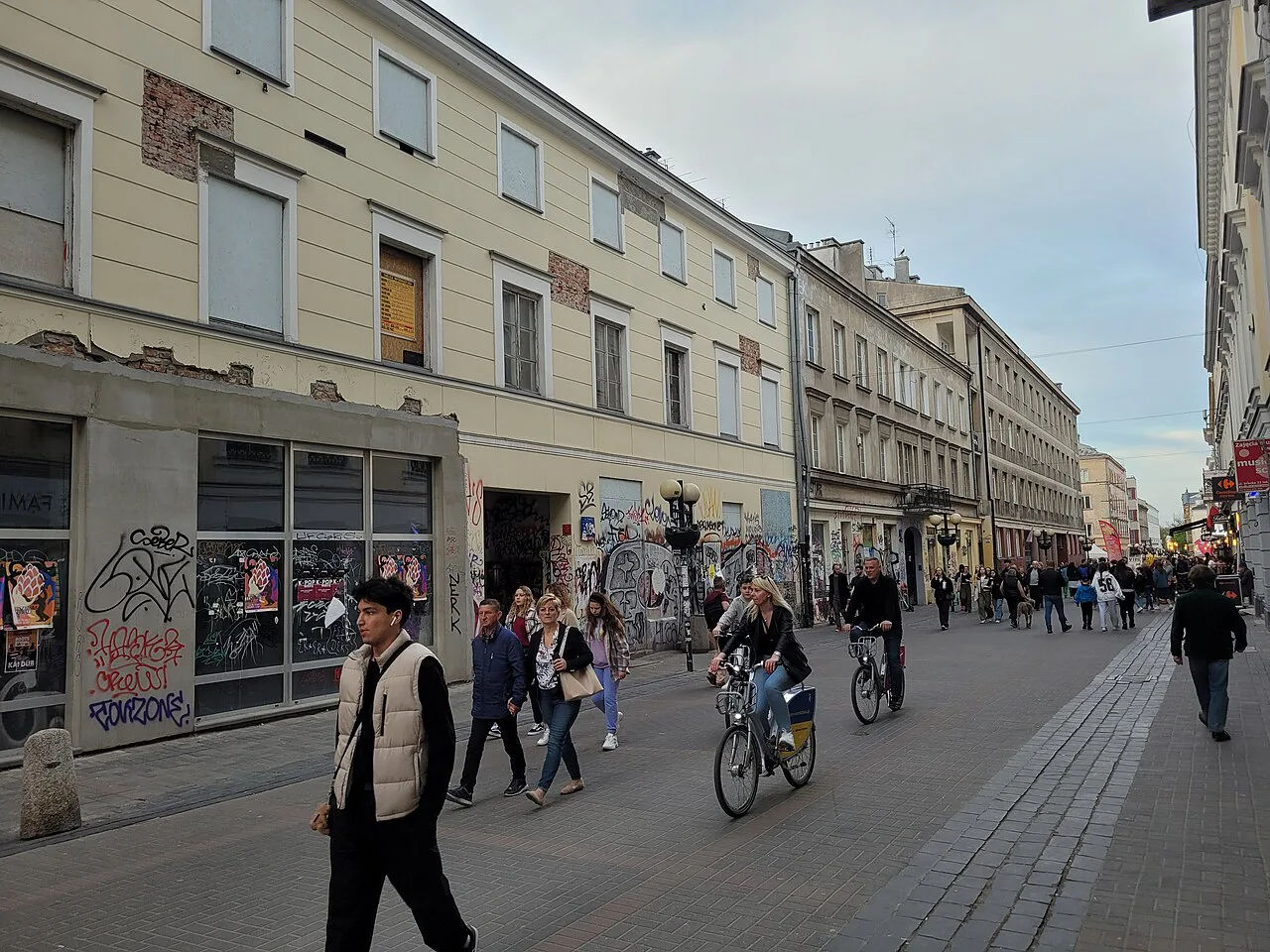
On a short budget trip, pick one big museum rather than three. The POLIN Museum of the History of Polish Jews, on the site of the former Warsaw ghetto, covers a thousand years of Polish Jewish history and won European Museum of the Year in 2016; its multimedia exhibition alone can absorb half a day. The Museum of Warsaw, spread across eleven tenement buildings on the Market Square, tells the city's story on six floors and ends with a viewpoint over the square.
The Warsaw Rising Museum documents the 63-day struggle of Warsaw's residents against the occupying German forces in 1944 and is the most emotionally demanding of the three. Choose by interest: Jewish history at POLIN, the city itself at the Museum of Warsaw, the uprising at the Rising Museum. Doing one properly beats rushing two.
Money-saving timing
Opening days decide the budget as much as ticket prices do. The Museum of Warsaw is reported to close on Mondays and open Tuesday to Sunday, so a Monday in the city is a day for the free sights instead. Other venues set their own calendars, and free-entry days vary, so check the specific museum's own page for the week you travel. Plan around the free sights — the map of what to see is in our 3 Days in Warsaw guide.
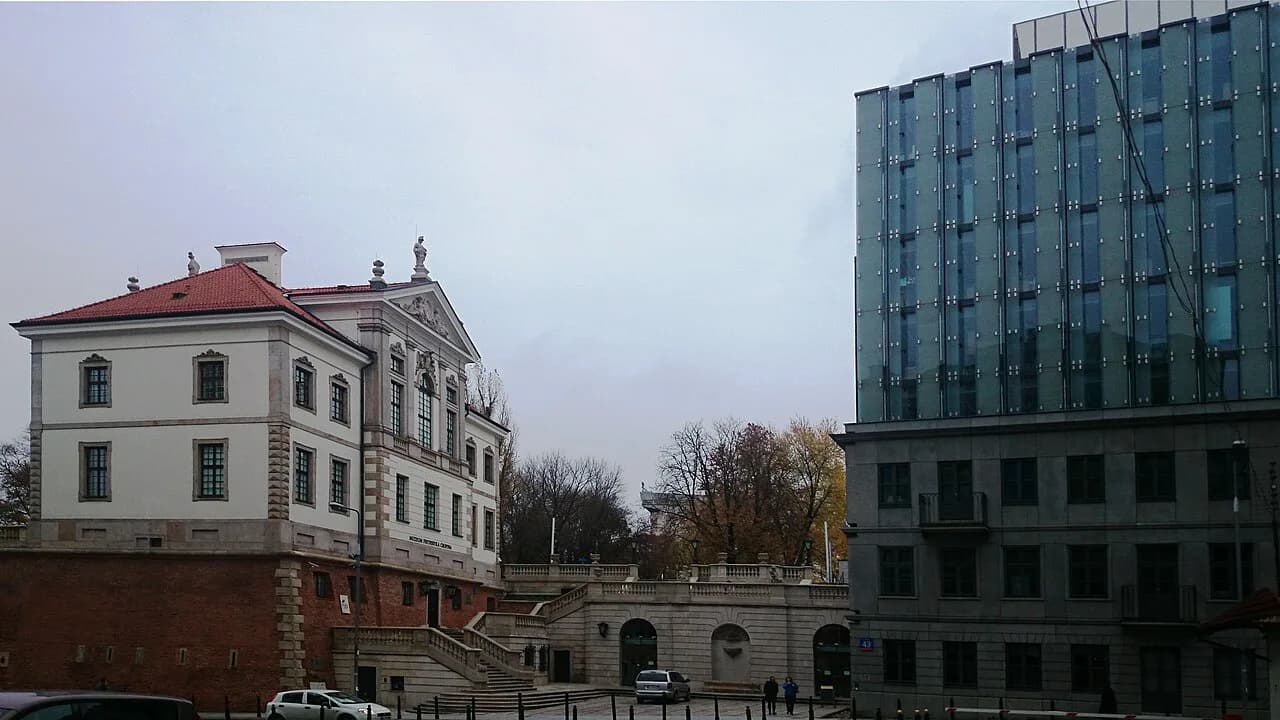
One venue to leave off the list for now is the Fryderyk Chopin Museum, which is closed for renovation during 2026; plan around the composer's benches and the summer monument concerts instead. The Museum of Modern Art in Warsaw, which opened in 2024 at Plac Defilad, is a newer option if you want a contemporary half-day near the centre.
Crossing to Praga for free
The Magdalena Abakanowicz Footbridge is a free 452-metre pedestrian and cycling crossing from central Warsaw to the Praga district, and the walk takes around six minutes. Stop halfway for the skyline rather than treating it as transport. It is one of the cheapest half-days in the city because the crossing itself is the attraction.
On the east bank the landscape changes: natural vegetation, sandy stretches and riverside paths have survived, giving you a surprisingly wild stretch of river within the capital. Walk or cycle the paths and head back over the bridge when you have had enough. It is a proper change of scene for no ticket at all.
Cheap eating and eating well
Food is where budget Warsaw is easiest to get right. Keep lunch simple and near the sights you are already seeing, then spend more on one good dinner rather than three restaurant meals a day. The Old Town Square fills with outdoor cafés in summer, which is convenient but rarely the cheapest option; walk one street back for better value.
Warsaw's food scene is one of its selling points, so do not treat eating as a pure cost line. A single well-chosen dinner of Polish cooking is worth more than a string of snacks, and it keeps the daily total down. Prices change, so check menus outside before you sit down.
Getting around without overspending
Most of this itinerary is walkable, which is the real budget saver. The Old Town, the Royal Route, the river and Łazienki connect on foot, and the footbridge covers the Praga crossing for nothing. Use public transport for the long hops, such as reaching Wilanów at the southern end of the Royal Route, rather than for the central core.
Build the day geographically so you are not paying to criss-cross the city. Old Town and the Royal Route pair naturally, Łazienki and Wilanów sit on the same southern line, and the river belongs with Praga. If you are weighing up a longer stay, see how many days in Warsaw you need before adding paid attractions to the plan.
A two-day low-cost plan
Day one is free apart from food: the Old Town and its walls, then the Royal Route along Krakowskie Przedmieście and Nowy Świat to the Sigismund Column, finishing on the Vistula Boulevards. If it is a Sunday in summer, finish at the Chopin monument concert in Łazienki instead. Spend nothing on tickets and learn the city's shape.
Day two buys one experience: a museum or a viewpoint, not both. Pair it with the free footbridge to Praga in the afternoon, or with Łazienki park if the weather is good. That structure keeps the total low while still giving you something you remember.
Where to spend and where to save in Warsaw
Spend on one museum and one viewpoint; save on everything else. The Old Town, the Royal Route, Łazienki park, the Chopin concerts and the river crossing to Praga deliver a full Warsaw break without a ticket, which is why the city suits a tight budget so well.
Check the specific venue's page for current prices and opening days before you travel, since the figures here are indicative and closures change. Build the plan around free days and one paid anchor, and Warsaw on a budget stops feeling like a compromise.
Explore more Warsaw guides
Frequently Asked Questions
Is Warsaw, Poland affordable?
Yes, if you lean on the free sights. The Old Town, the Royal Route, Łazienki park, the Vistula Boulevards and the Praga footbridge all cost nothing, so the main outlay is one museum or one observation deck plus food. Prices for ticketed venues change, so check the venue before booking.
What should I see in Warsaw in one day on a budget?
Walk the Old Town and then follow the Royal Route south along Krakowskie Przedmieście and Nowy Świat, pausing at the Sigismund Column. Finish by the river or, in summer on a Sunday, at a free Chopin concert in Łazienki. Add one paid museum only if time allows.
Which Warsaw viewpoint is cheaper, the Palace of Culture or Varso Tower?
The two have separate pricing and neither is free, so compare the current rate at each before deciding. The Palace of Culture and Science deck on the 30th floor shows the skyline and both Vistula banks and is indoors; Varso Tower's Highline deck, around 230 metres up, is the higher and newer option.
Are there free museums in Warsaw?
The city's free sights are mostly squares, parks and streets rather than museums. POLIN, the Warsaw Rising Museum and the Museum of Warsaw all charge, and free-entry days vary by venue and week, so check the individual museum's page for the dates of your trip.
Sources
Notes for your next Polish city break
Optional updates to our Poland guides.
You might also like
Continue reading
More guides you'll find useful