Warsaw City Break: A 2-Day Itinerary That Actually Fits
Plan a two-day Warsaw city break with a day-by-day walking route, a rough daily budget in złoty, and honest advice on what to skip when time is short.
On this page
Two days is enough for a Warsaw city break: one day on the Old Town and the Royal Route, one on the wartime museums and the Vistula. The city's walkable core stretches from Castle Square south through Krakowskie Przedmieście and Nowy Świat, so the first day is a single line on foot rather than a series of tram hops. This plan covers the day-by-day route, what a short break costs in złoty, when to go, and what to leave out.
A weekend is the right frame for Warsaw: the city rewards a mix of cultural treasures, leafy outdoor spaces and striking architecture rather than a single headline sight. The trade-off is real, because Warsaw's wartime story deserves museum time and the rebuilt Old Town deserves a slow morning, so a two-day trip has to choose.
How Warsaw is laid out, and why it matters for two days
Warsaw's sightseeing core runs roughly north to south. The Old Town and its Castle Square (Plac Zamkowy) sit at the northern end, the Royal Route runs from the castle south past Krakowskie Przedmieście and Nowy Świat towards Łazienki Park, and Śródmieście, the downtown district around the Palace of Culture and Science, lies east of that line. The Warsaw Rising Museum and the POLIN Museum of the History of Polish Jews lie west of the centre.
Treat that geography as the planning constraint. Day one is one continuous walk north to south with no backtracking; day two is a short tram or bus ride west to the museums, then back east to the river. Keeping each day in one part of the city is what makes two days feel unhurried rather than packed.
The Old Town is small and manageable on foot, and buses, trams and the metro are well served elsewhere, with ticket machines at most stops and the moBiLET app as a backup. Bus 180 is a budget alternative to the tourist trams, stopping at many of the city's key attractions.
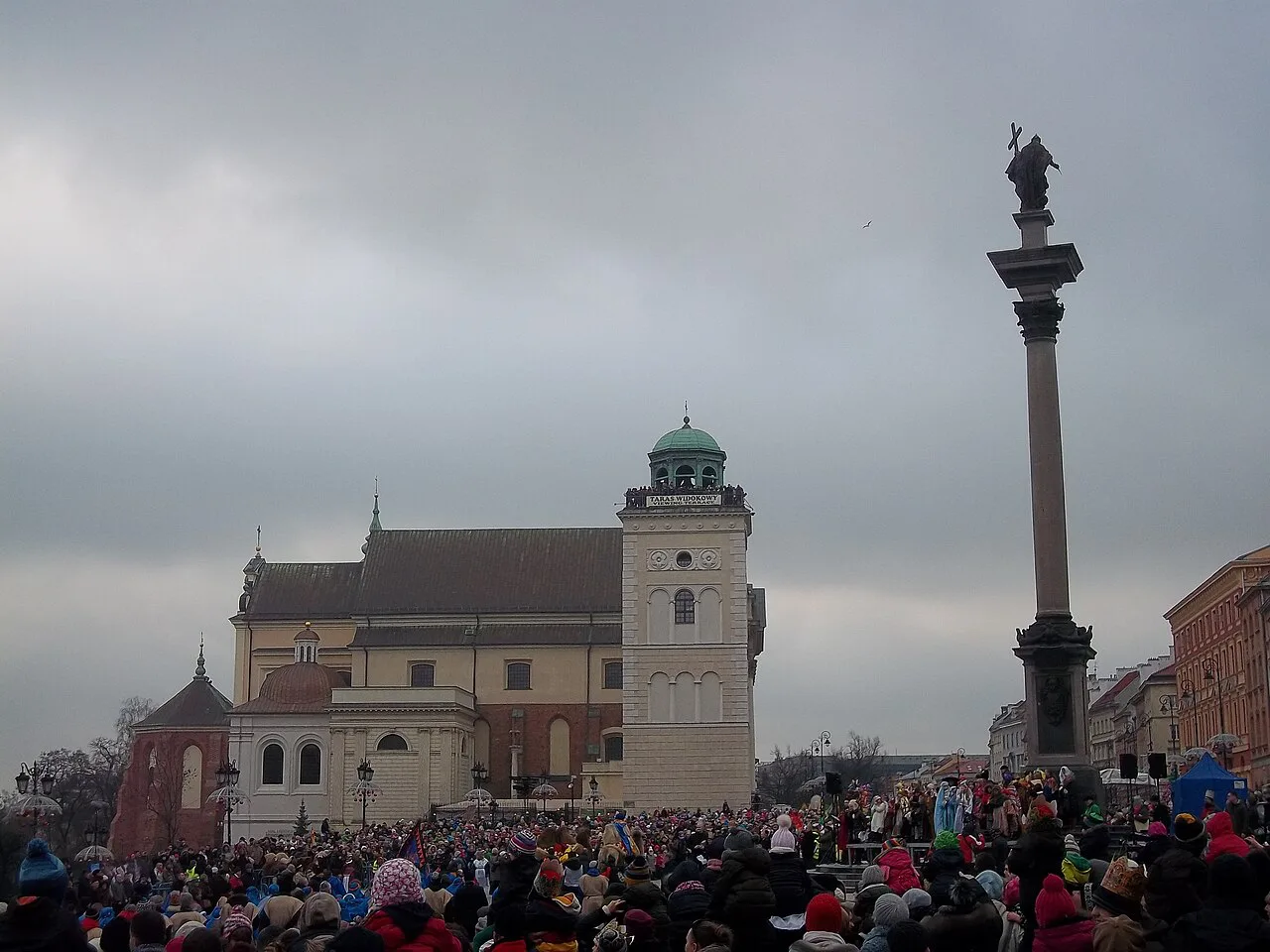
Day 1 morning: Castle Square up through the Old Town to the Barbican
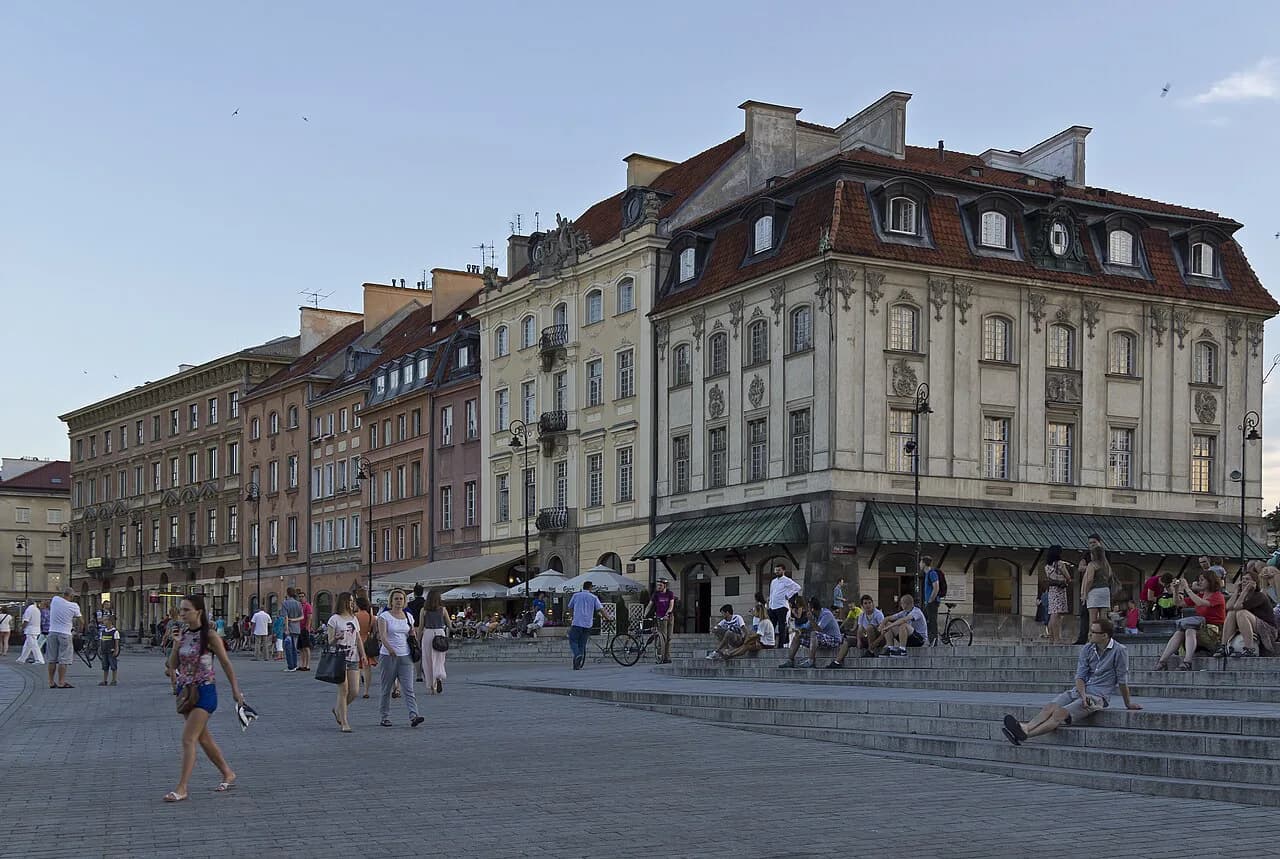
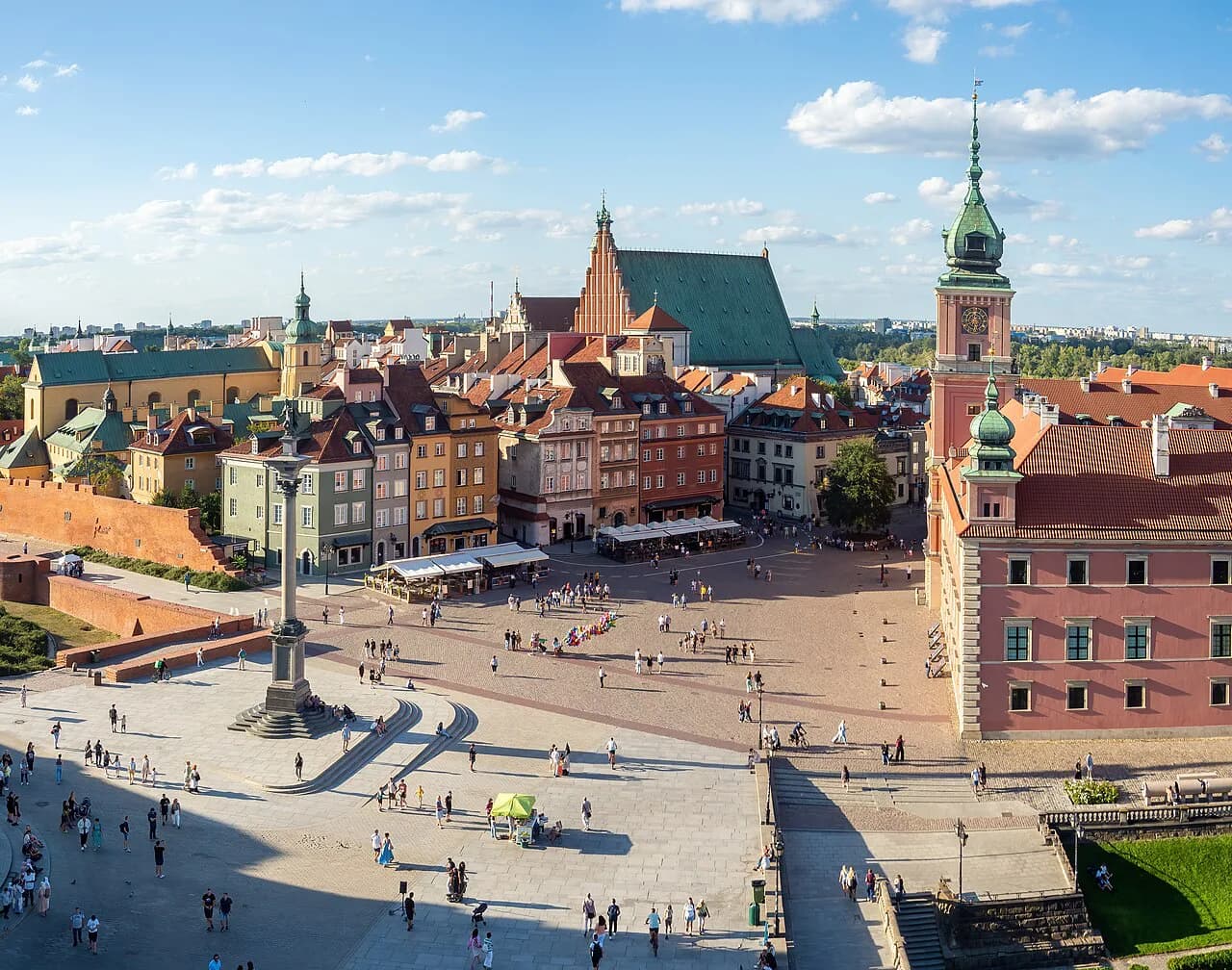
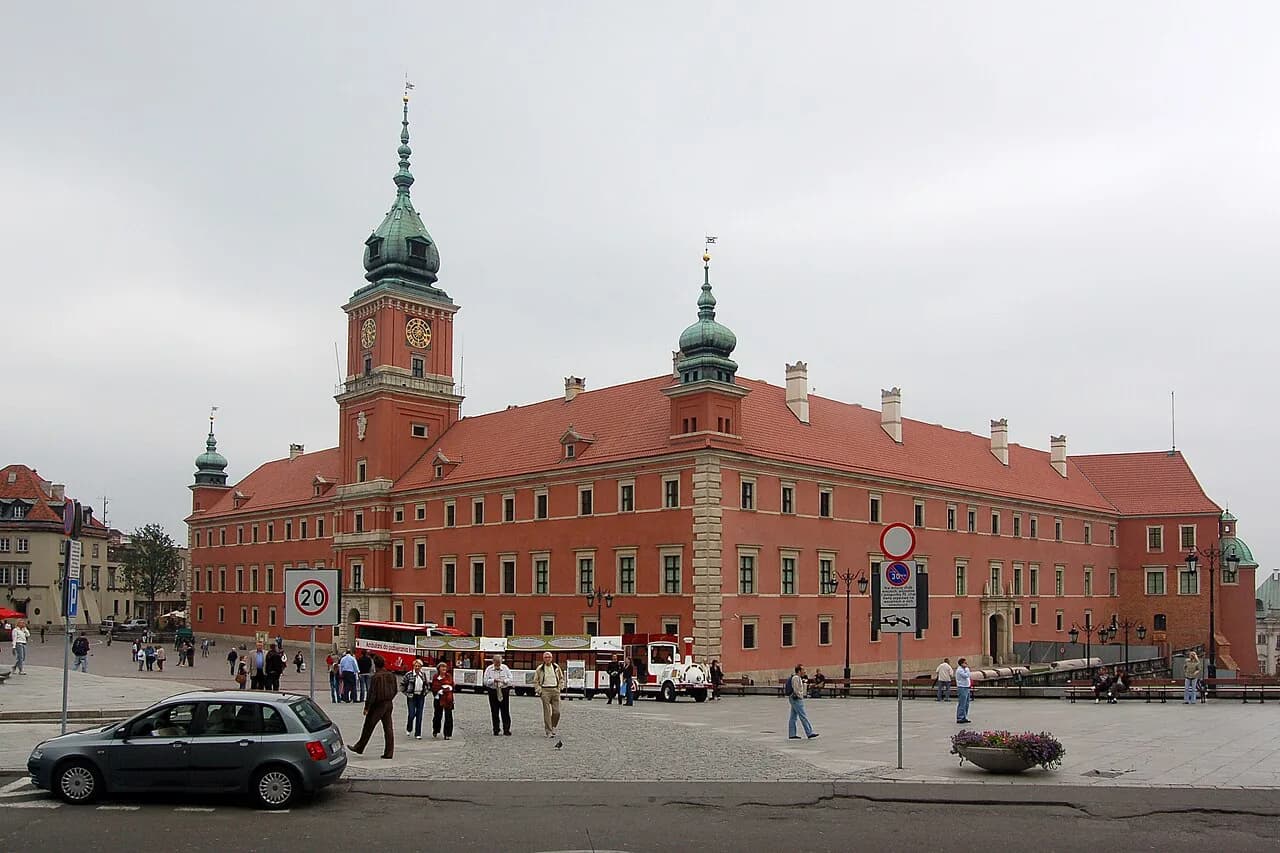
Start at Castle Square, where the column and the Royal Castle frontage set the scene; decide there whether to go inside or move on. Walk north up through the Old Town's lanes to the Barbican and the reconstructed city walls, which take a relaxed hour including coffee. The day-by-day route in this 3 Days in Warsaw plan covers the same ground in more detail.
The Old Town is the most photographed part of Warsaw, so go early and the same streets feel entirely different. If you are weighing a shorter trip, the One Day in Warsaw plan trims this morning to the essentials and moves on quickly.
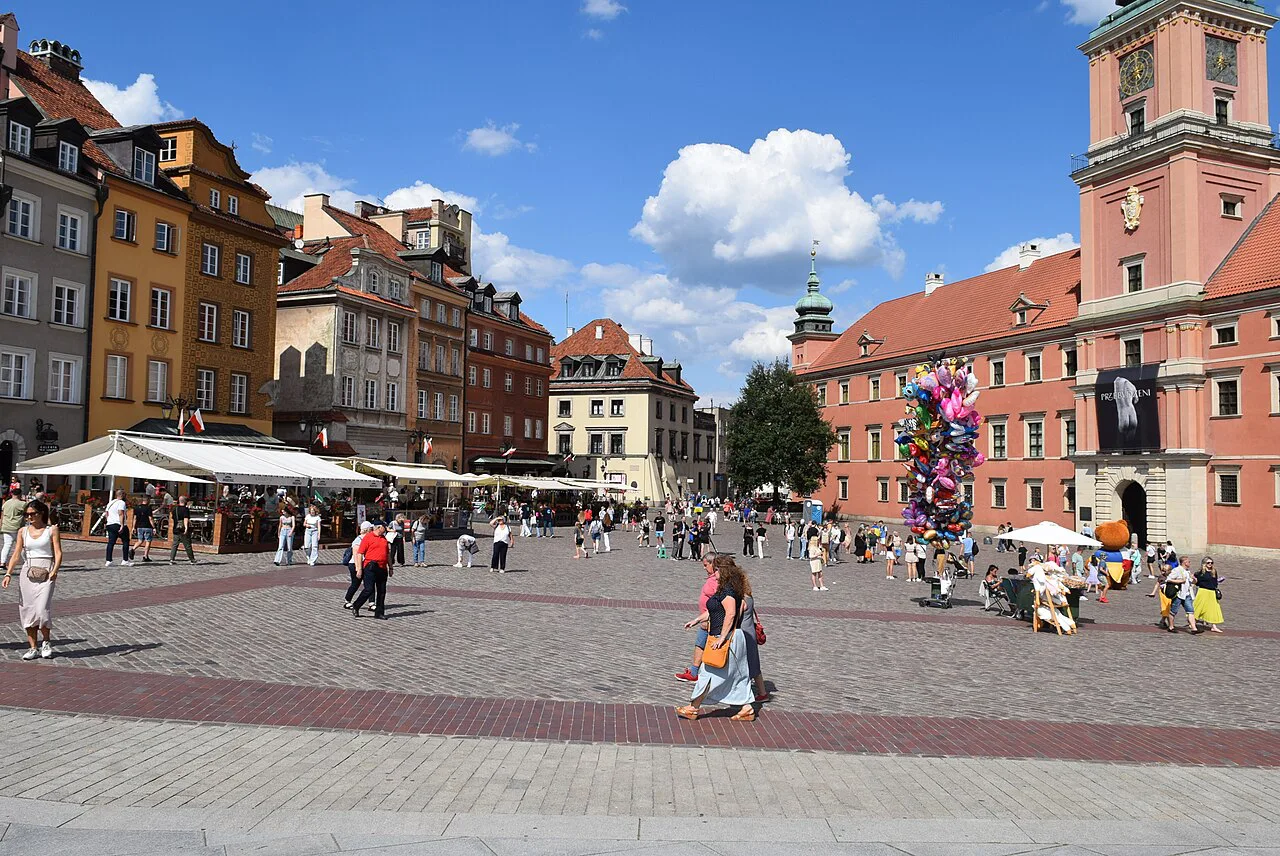
Day 1 afternoon: the Royal Route south past the palaces and parks
Head south from Castle Square along Krakowskie Przedmieście, past the churches and university buildings, then continue onto Nowy Świat. This is the Royal Route, and it is the most rewarding stretch of walking in the city because the sights come to you rather than requiring detours. Keep going as far as Łazienki Park if the weather is good; the park is the natural end point of the day.
The trade-off is distance: the full walk from the Old Town to Łazienki is a long afternoon, so if you started late, stop at Nowy Świat and save the park for another visit. Łazienki and Wilanów both reward extra time, but not both on a two-day break.
Day 1 evening: where to eat and what an inexpensive meal costs
An inexpensive restaurant meal in Warsaw costs around 40 złoty, and traditional milk bars serve simple dishes such as pierogi and potato pancakes for less. A beer runs about 16 złoty and a short taxi ride around 20 złoty, which makes an evening out easy to budget.
For a full breakdown of what a city break really costs, from museum tickets to transport, the guide to whether Warsaw is expensive sets out the figures in złoty so you can plan a daily budget.
Day 2 morning: the Warsaw Rising Museum and the wartime history district
Give the Warsaw Rising Museum a proper morning. It is west of the centre and the visit takes longer than the map suggests, so start early and do not book anything tightly afterwards. The museum tells the story of the 1944 uprising through photographs, personal accounts and exhibits, and the subject rewards unhurried attention.
Opening days and ticket prices vary between Warsaw's museums, so check before you fix the plan and build the rest of day two around the museum you have chosen. Save the Old Town, Royal Route and riverbank for the day when your chosen museum is closed. Day-by-day details are set out in the 3 Days in Warsaw itinerary.
The POLIN Museum of the History of Polish Jews, also west of the centre, is the other major museum here. Pairing both museums in one morning is too much for most visitors; choose one and give it time.
Day 2 afternoon: the Vistula embankment and a viewpoint
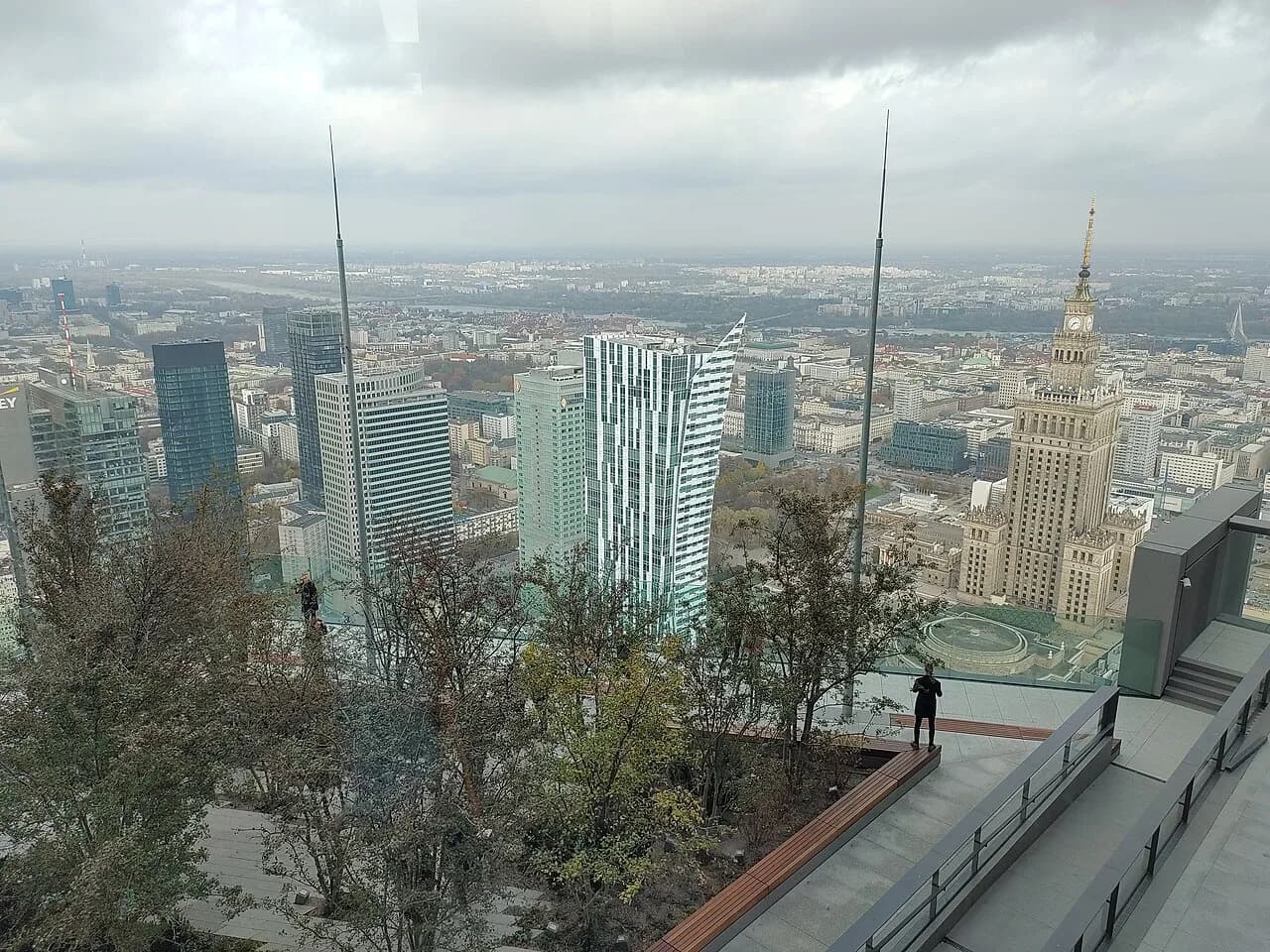
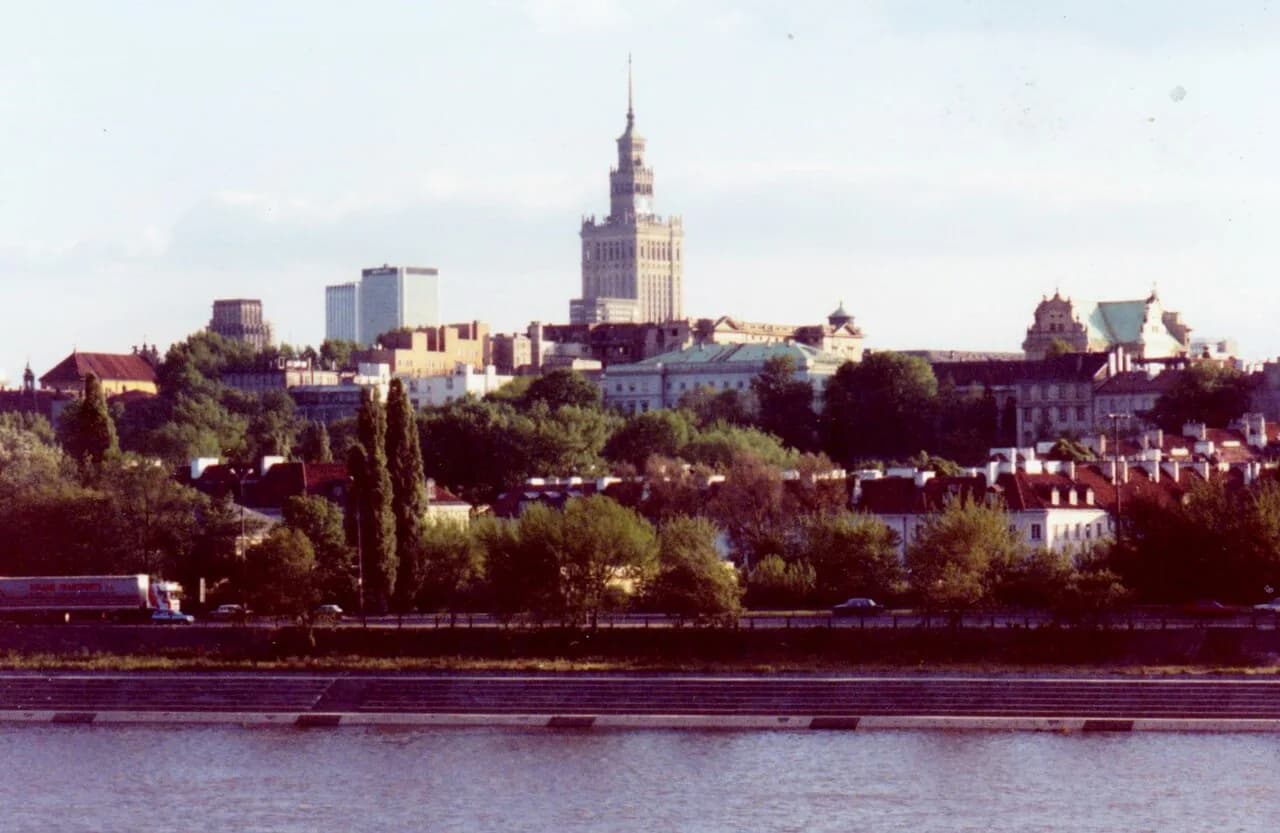
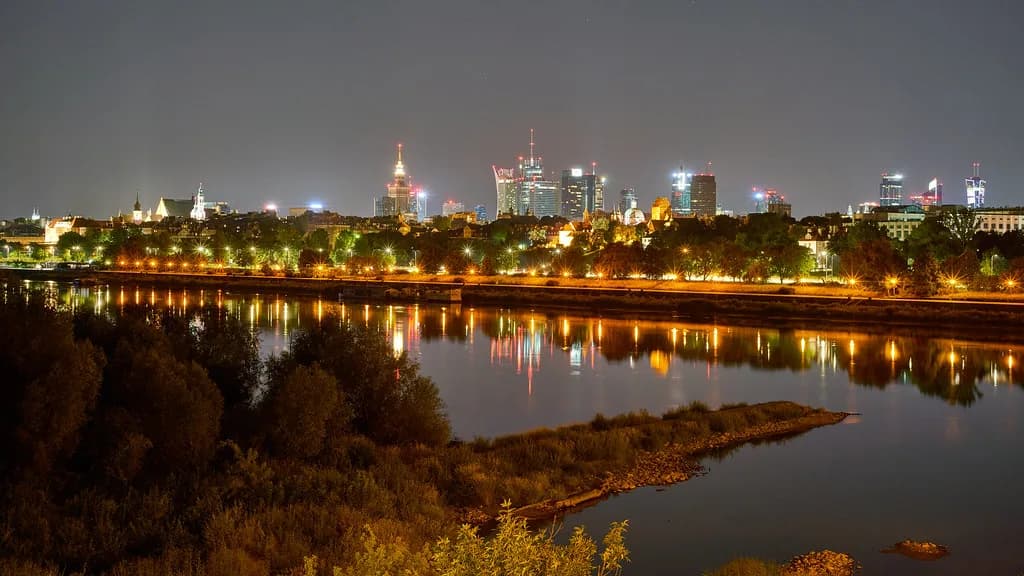
Come back east to the river. The Vistula embankment gives you the city from below and the skyline from across the water, and it is the best place to end a short break because it needs no ticket and no schedule. A viewpoint for the city's best views is worth building in for the layout it reveals after two days of walking.
If the riverbank leaves time, the Palace of Culture and Science area in Śródmieście makes an easy final stop before dinner. Browse the guides to Warsaw attractions to swap a sight in or out.
If you have a third day, what genuinely rewards it
A third day is best spent outside the Old Town, on the sights the two-day plan deliberately leaves out. Łazienki Park and Wilanów both need half a day each, and the extra time also lets you go back into a museum you rushed. The 3 Days in Warsaw plan sequences these without repeating the first two days.
How many days in Warsaw you actually need depends on whether you want museum depth or just the walking highlights; two days suits most first visits, and three suits anyone who cares about the wartime history.
Ordering your days around opening days
Before booking, check the opening days of the Warsaw Rising Museum and POLIN, since Polish museums commonly close one day a week. Fix those dates first, then slot the Old Town, Royal Route and river into the remaining days. Sunday trading is restricted in Poland, so plan museum visits and meals around what is actually open rather than assuming shops will fill the gaps. This morning belongs to 3 Days in Warsaw if you are staying longer.
Getting around on foot, by tram and by metro
Most of your two days happens on foot, and the walkable core reaches from the Old Town south to Łazienki along the Royal Route. For the museums west of the centre, take a tram or the metro instead of walking to save your energy for the exhibits; ticket machines are at most stops and the moBiLET app saves queueing. Bus 180 is a budget alternative to the tourist trams for resting your feet between sights.
What Warsaw costs, and what a two-day break actually needs
Two costs dominate a short break: food and museum entries. Budget around 40 złoty for an inexpensive restaurant meal and less at a milk bar, and expect to pay separately at each museum you enter. Museum entry prices change, so confirm them with each museum before you travel. The 3 Days in Warsaw plan builds in the right amount of time for each stop.
If you are deciding whether the city is worth the flight, the guide to whether Warsaw is worth visiting weighs what the city does well against how long it needs. Flights from regional UK airports keep the trip short and cheap.
For getting there, the One Day in Warsaw guide works as a shorter template if your first or last day is cut short by the flight.
The weather across the year and which months suit a short break
Warsaw's climate gives you two distinct seasons for a city break. October averages 6°C to 14°C and May 8°C to 19°C, both dry; July and August average 15°C to 26°C and 14°C to 25°C but with moderate rainfall. November is very cold at 2°C to 6°C, and January and February average around −1°C to 3°C and −2°C to 4°C.
Late spring and early autumn suit this itinerary best: the Royal Route and the riverbank are the point of day one and day two, and both are better without heat or heavy rain. These are typical monthly averages, not a forecast, so treat them as a guide to packing and season rather than a promise.
What to skip on a short break, and why
Skip Wilanów and Łazienki on a two-day break unless the weather is perfect; both need half a day and neither fits alongside the museums without rushing. Also skip trying to do both the Warsaw Rising Museum and POLIN in one morning.
Do not chase every monument. Warsaw rewards a slower route along one street rather than a tick-box list, and the Royal Route works precisely because it is a single walk.
Where Warsaw fits against other Polish city breaks
Warsaw is the big, modern capital with the heaviest wartime history. If you want a compact old town and a shorter walk between sights, the comparison with Kraków sets out the trade-offs; if you want museums and a city that feels like a capital, Warsaw does.
Hays Travel lists Gdańsk, Kraków and Warsaw among Polish city-break destinations, with flights from regional UK airports including Aberdeen, Newcastle, Edinburgh, Manchester and Liverpool. That reach makes Warsaw an easy weekend rather than a special expedition.
Is two days the right length for Warsaw?
Two days is the right length for a first Warsaw city break: it covers the Old Town, the Royal Route and one serious museum without the rushed feeling of a one-day dash. Add a third day only if you want Łazienki, Wilanów or a second museum.
Book the museum you care about first, build the rest of the days around its opening day, and leave the riverbank for the last afternoon. That sequence is what turns a list of sights into a workable weekend.
Explore more Warsaw guides
Frequently Asked Questions
Is Warsaw a walkable city?
Yes for the core. Castle Square, the Old Town, Krakowskie Przedmieście, Nowy Świat and the Royal Route form one continuous walk, and the Old Town itself is small and manageable on foot. The museums west of the centre and the riverbank are easier by tram, bus or metro.
Is Warsaw an expensive city?
It is moderate rather than cheap. An inexpensive restaurant meal costs around 40 złoty, a beer about 16 złoty and a short taxi ride around 20 złoty, and museum entries are paid separately. Milk bars keep food costs lower.
When should a short Warsaw break plan around museum opening days?
Polish museums commonly close one day a week, so decide dates for the Warsaw Rising Museum and POLIN first, then slot the Old Town, Royal Route and riverbank into the remaining days. Sunday trading is restricted in Poland, so plan museum visits and meals around what is actually open rather than assuming shops will fill the gaps.
Sources
Notes for your next Polish city break
Optional updates to our Poland guides.
You might also like
Continue reading
More guides you'll find useful